Winterthur will open as scheduled on Sunday, December 14. While our team is working to keep parking areas and paths clear, conditions may still be slippery. Please take extra care when walking or driving on the estate. »
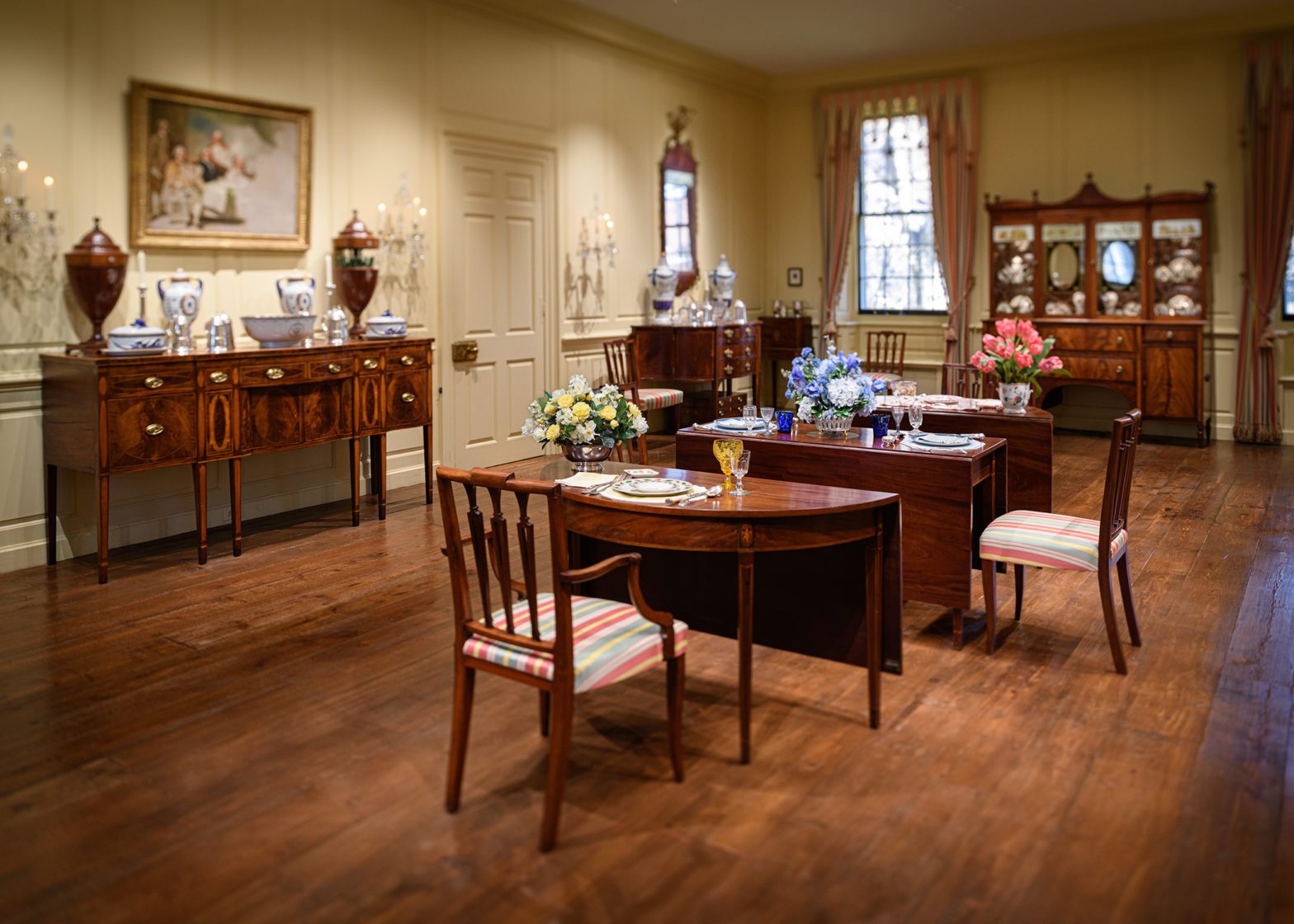
Designing Winterthur, the new self-guided house tour, features sample table settings created by Henry Francis du Pont. He and his wife, Ruth, loved to entertain, and Winterthur provided a perfect setting. Guests would arrive for a weekend of tea on the terrace, golf, swimming, tennis, countless games of bridge, and more.
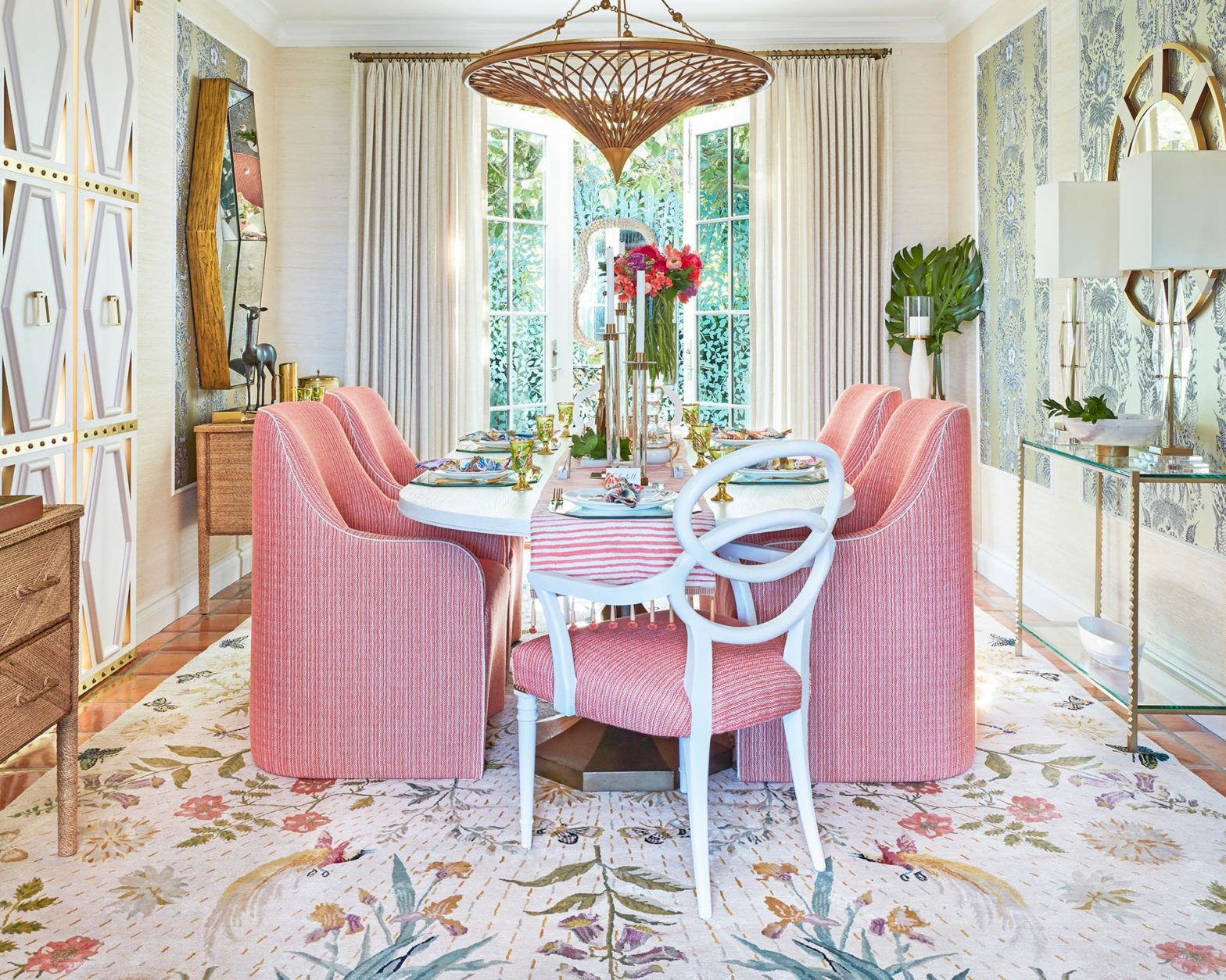
A highlight of these weekends was the spectacular dinner parties. The Du Pont Dining Room was the stage on which du Pont created elegant meals for his guests. The tablescapes began with the centerpiece, which usually included fresh flowers from the garden and greenhouses. These blooms provided the cue for the dishes that were selected for the table, chosen from among the 58 sets of china du Pont had available for use.
In Henry F. du Pont and Winterthur: A Daughter’s Portrait (1999), Ruth du Pont Lord wrote about how her father entertained:
Although my mother—and of course the head cook—also participated in the planning of meals, my father alone was in charge of the dining room, and he approached it as if he were designing a stage set. His materials—flowers, china, linen—were assembled days in advance, the availability of flowers determining the other choices. Three or four days before a house party a gardener would bring him samples of outdoor or greenhouse flowers that could be counted on to be blooming that weekend. (A flower to be used on the table was not to be seen “anywhere else in the house that day.”) In the huge china closet, whose shelves were loaded with stacks of dishes, a footman would climb a ladder and perilously hand down several centerpieces and matching plates. My father and the butler would then decide on the combination of china, glass, and linen that would best complement the flowers. My down-to-earth mother teased her husband a bit about his painstaking methods, but she was proud of him and happy to be relieved of many duties generally assumed by the lady of the house…Guests were not permitted to see the room before 8:30, when—with the butler’s announcement of dinner—the curtain went up.
Although most of the food—beef, lamb, pork, chicken, turkey, guinea, duck, vegetables, fruit, and dairy products—was from Winterthur’s farms, it wasn’t served down-home style. The meal was served in separate courses, starting with soup. Lunch and dinner were à la russe, or Russian service, with a uniformed footman behind every other chair who would pour the wine and hold the platters and tureens from which dinner guests served themselves.
Henry Francis du Pont was the consummate host. He loved showing guests around his beloved country estate, and he spent immeasurable time and energy carefully preparing for visits from close friends and casual visitors alike.
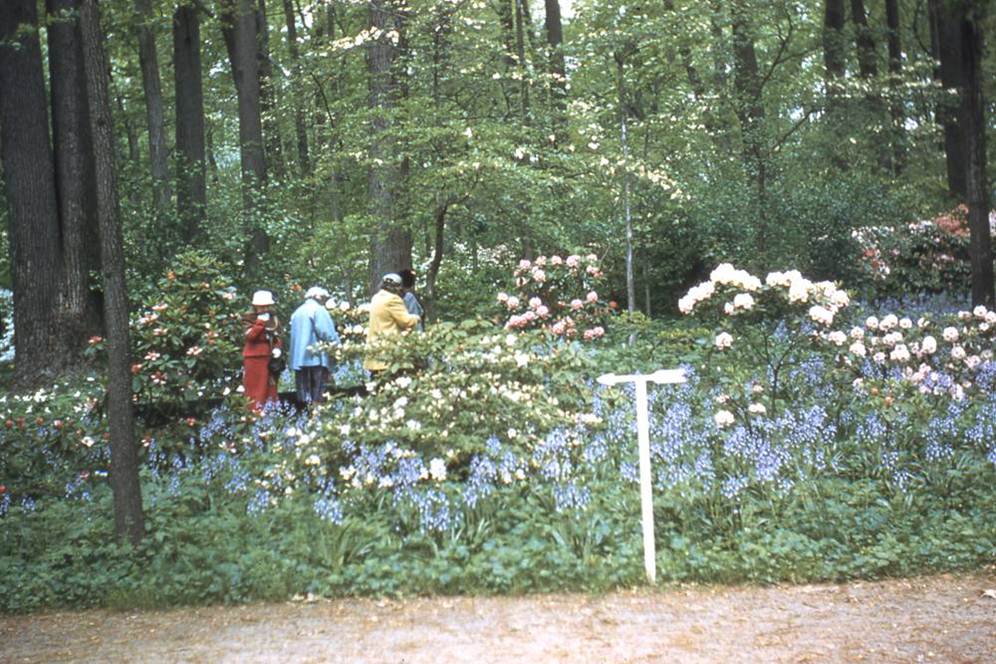
Photo from the Winterthur Archives
The Spring Tour—a popular event for decades after Winterthur opened as a museum—presented the perfect occasion to show the public his beloved home and garden. As part of his meticulous preparation, H. F. would direct the placement of white wooden directionals throughout the garden, noting that he expected guests to “follow the arrows, which ’show the garden in the best possible way.” The path was charted on his daily tours of the garden and led guests to the must-see flowers that week. As he noted to one correspondent, “If you follow the signs and the arrows, you will see anything worthwhile in bloom.”
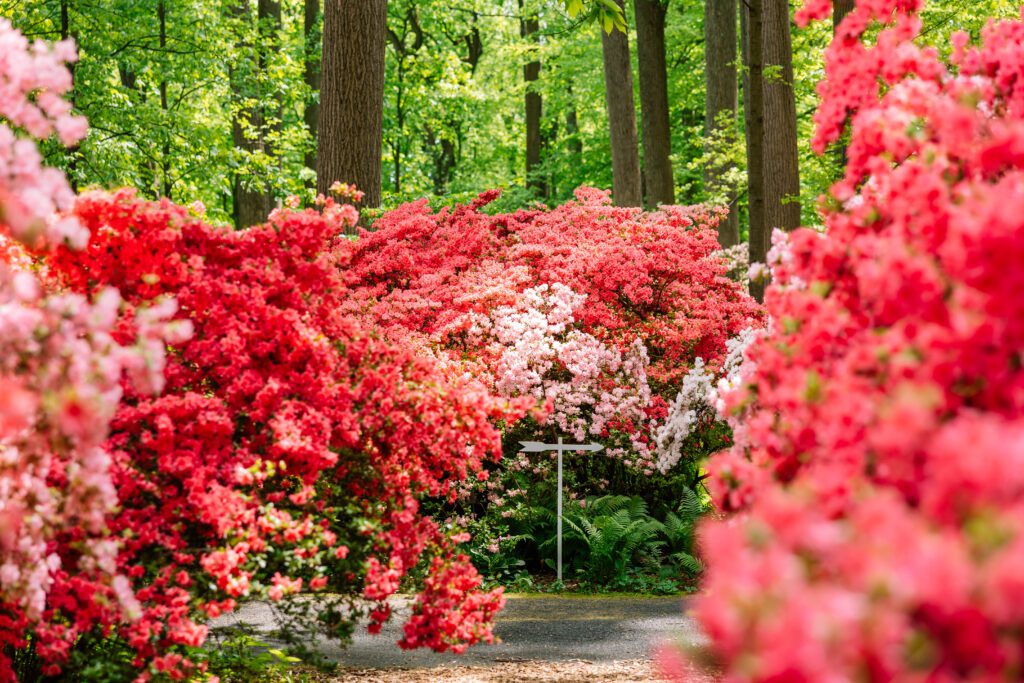
Photo by Emily Allen
Today we continue the tradition of the White Arrow Tour to help our guests make the most of their visit through H. F. du Pont’s naturalistic masterpiece. The tour starts at the Visitor Center Patio and winds through the garden, highlighting the changing colors and combinations that are at their peak. The path will change weekly as the progression of flowering bulbs, plants, and trees dictates.
Photo by Becca Mathias
Thanks to H. F.’s horticultural knowledge and masterful planning, spring appears early at Winterthur and the succession of bloom carries us along from one colorful season to the next. Come today—and often—so you don’t miss the beauty!
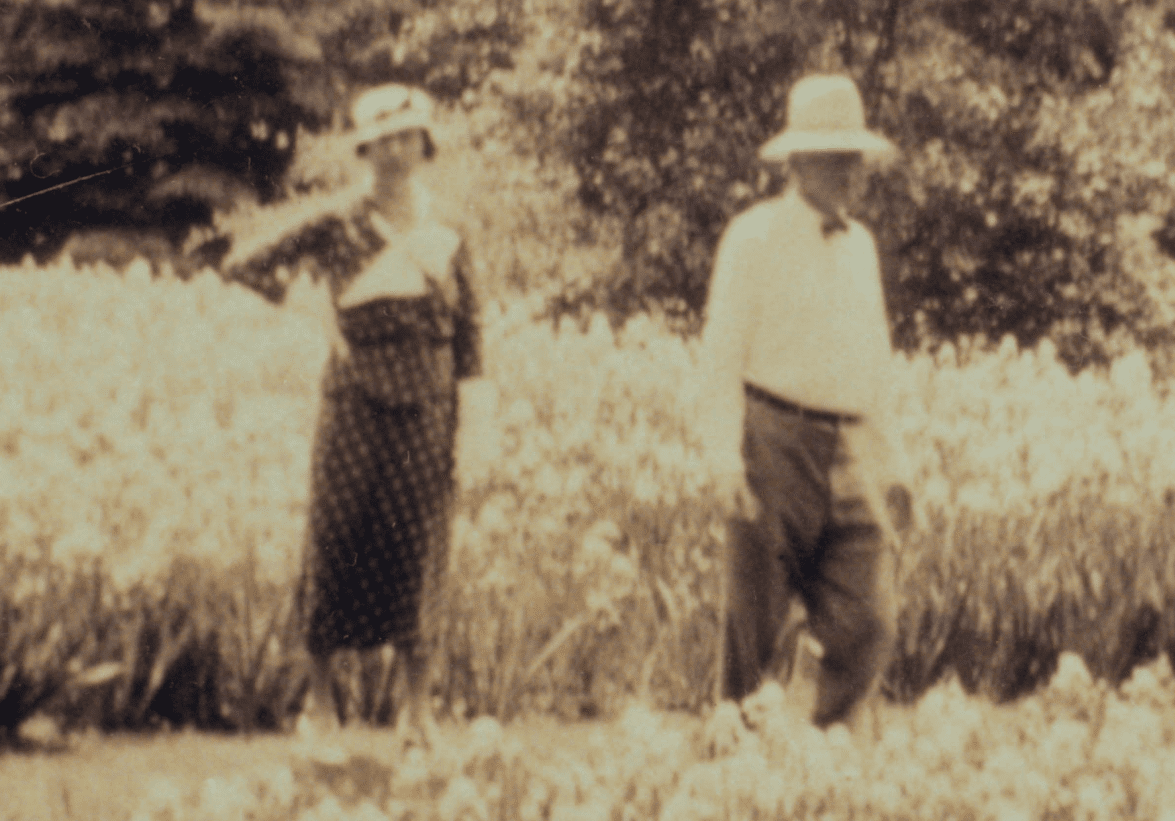
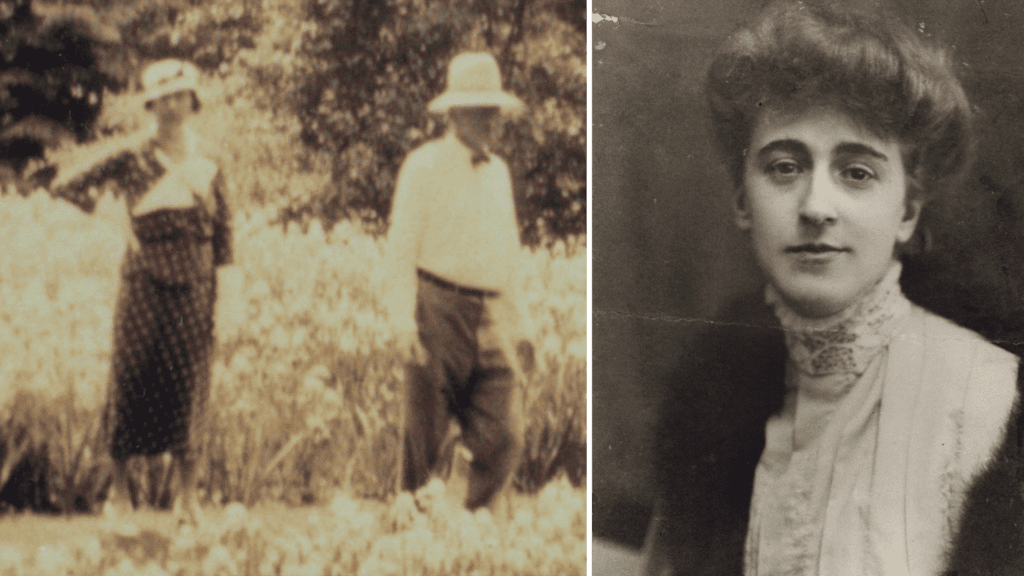
(Left) Landscape Designer Marian Coffin and H.F. du Pont in the Iris Garden, ca. 1930; (Right) Portrait, Marian Coffin.
Marian Cruger Coffin (1876–1957) was one of the first American women landscape architects and a lifelong friend of Henry Francis du Pont. When H. F. was studying horticulture at Harvard’s Bussey Institution, he reconnected with Coffin, who was pursuing a degree in landscape architecture as a special student at the Massachusetts Institute of Technology, the only professional program open to women at the time. After inheriting Winterthur on his father’s death in late 1926, du Pont planned an expansion of the house, and he commissioned Coffin to design a formal garden adjacent to the house.
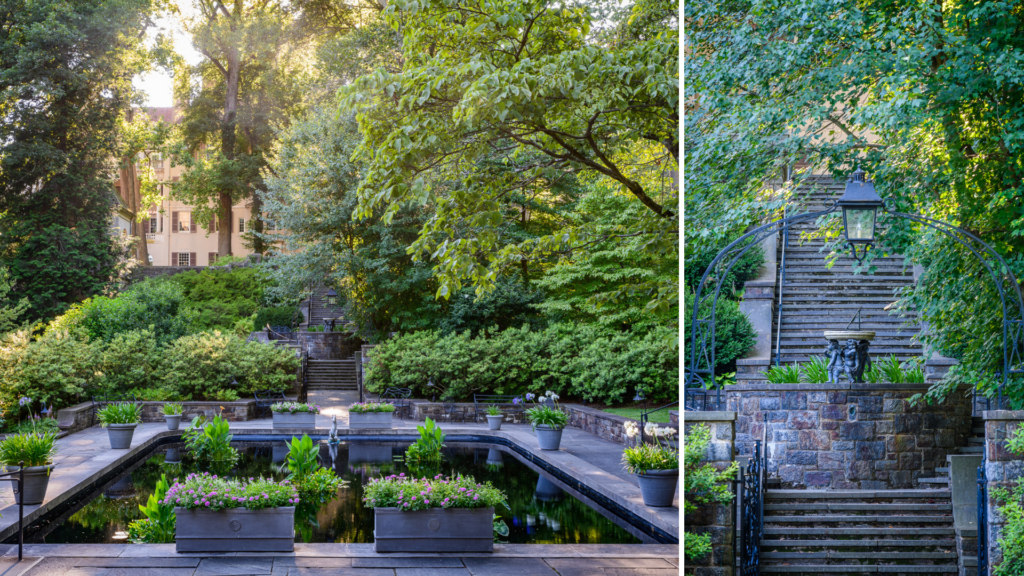
The Reflecting Pool
Drawing inspiration from the great Italian gardens of the Renaissance, with their axial symmetry, classical proportions, and refined architectural features, Coffin created an impressive yet intimate garden that has been called a serene oasis. The triumph of the project was the grand staircase leading down to a swimming pool, now called the Reflecting Pool. The nearby Glade Garden was also designed by Coffin. With its naturalistic pools and waterfalls, this area offers a shady summer refuge.
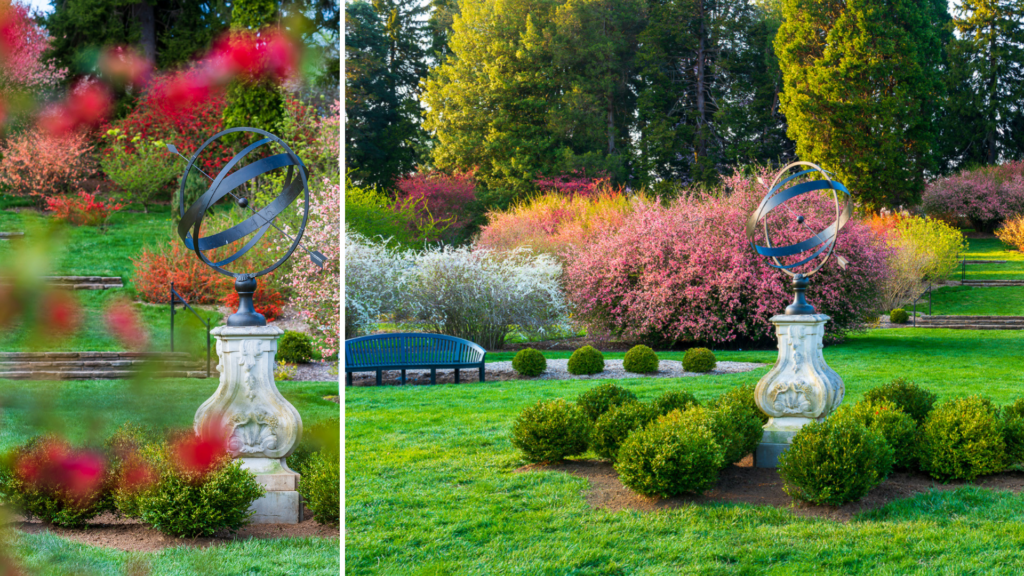
The Sundial Garden
Coffin’s most prominent project at Winterthur is the Sundial Garden. Du Pont asked for her help with its design in 1955, and it was created expressly for the public. He wanted an April garden, “all pink and white,” as appealing as the azaleas in May. Coffin’s plan featured fragrant trees and shrubs, including magnolias, cherries, quince, crab apples, viburnums, spireas, fothergillas, lilacs, pearlbushes, and roses, which are arranged in concentric circles around an antique armillary sundial. The result is a room made of flowers, known as a “room garden.”
The Glade Garden
Although their approaches were different—du Pont leaned more to a natural landscape inspired by the writings of William Robinson, whereas Coffin’s approach was more formal—together they created the beautiful garden that visitors still enjoy today.
Coffin’s papers, architectural plans, and photographs of her other garden designs are in the Winterthur Archives, including this Depression-era letter:
May 4, 1933.
My dear Harry,
Every moment spent at Winterthur was a pleasure as always, but this spring to see so much beauty was balm to the spirit. . . . You have been such an extraordinarily understanding client and have given me such a marvelous opportunity to help in creating the new development of the grounds that I can never be grateful enough, so at this time when we are all economizing please accept the suggestions I made as love-taps to Winterthur. . . .
The beauty of Winterthur’s naturalistic garden and landscape welcomes your guests through the glass walls of the Pavilion. This versatile interior utilizes movable elements to provide a more intimate gathering for smaller groups or expands to include the adjacent outdoor patio to accommodate larger parties. Ample free parking is just up the hill in our Visitor Center Parking Lot. Semi-private sections available from $250 and up.
Surround your guest in the elegance and history that only Winterthur’s Period rooms can offer. This fully private space comprises three separate rooms where guests can enjoy cocktails and appetizers before moving into our Charleston Room for dinner. Both Charleston and Bowers rooms are equipped as meeting spaces as well. Creating a memory for your guests is assured with these remarkable, historic rooms serving as backdrop for your event.
Nestled in the museum core, in between the spectacular mansion and Galleries, this spacious interior is the perfect spot for social gatherings, cocktails, dinners, and dancing. With access to museum exhibitions and guided house tours as available options (fees assessed per event), Galleries Reception Atrium provides the perfect spot to entertain your guests with all that Winterthur has to offer.
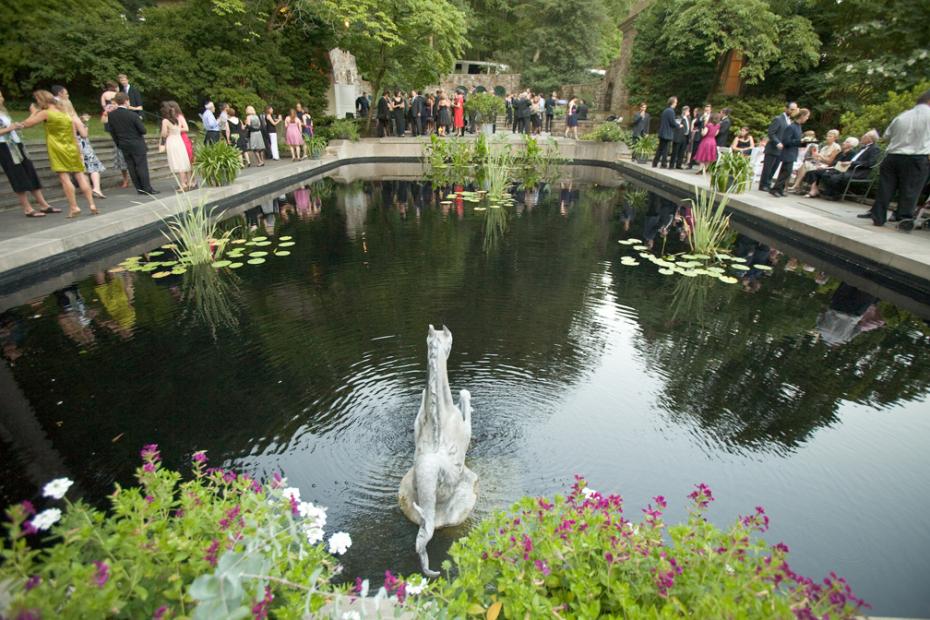
Reflecting Pool
Capacity: 325 for cocktail reception | Rates: $3,000 -$8,275
Reflecting the grandeur of the Winterthur Garden, this elegant poolside setting is a favorite for cocktail parties and wedding ceremonies. Once Mr. & Mrs. du Pont’s swimming pool, the Reflecting Pool today conjures up a bygone era of entertaining with graceful garden statuary and terraces, grand stone staircase and abundant container plantings.
Copeland Lecture Hall
Capacity: 340 seated, with row for accessible seating | Rates: $1,000 (for 3 hours), $1500 (for 6 hours)
An ideal place for corporate meetings, performing arts presentations and lectures, Copeland Lecture Hall is located in the Visitor Center. It is convenient for all-day conferences with cafeteria style and catered lunch options next door in the adjacent café. AV equipment and WIFI included. AV support staff available with additional fee.
Get down to business with your leadership team in this modern, executive meeting room, fully equipped for your AV needs and perfectly appointed for smaller-scale meetings. Convenient adjacent parking. Pairs nicely with Brown Center next door for a mid-sized retreat with catered lunch and/or snack options available.
A modern informal meeting spot for community groups and corporate teambuilding, the Brown Center is multipurpose in nature and filled with natural light. Pairs nicely with the Hawkes Center next door for your next retreat. Convenient adjacent parking. AV included.
The ultimate in entertaining in the English country estate tradition, a marquee on Clenny Run Lawn becomes a dreamlike destination for your most special occasions. Located next to a stream, this expansive lawn can accommodate all of your guests in style and pairs perfectly with rental of the adjacent Cottage for indoor/outdoor event flow. Tenting is optional and an additional cost to client.
Event rental rates and availability are subject to change. Rates vary based upon peak vs. non-peak season. A Friends of Winterthur or Benefactor Level Membership is required for site rental for all private events with the exception of Visitor Center. Security and transportation related fees assessed by Winterthur per event rental specifications and will vary depending on venues included in rental contract. Winterthur Floral Design services available for events upon request. All catering provided by Restaurant Associates (CxRA).
I hope my wife doesn’t read this blog post because it might give away a gift idea that I acquired when one of our curators was interviewed by a reporter for the New York Times.
But that can’t be helped.
I recently learned that when a reporter asks to speak to our Curator of Decorative Arts for an article about silver, I tend to get excited.
I was even more delighted when Ann Wagner, the curator in question, responded with both humor and expertise to the reporter’s questions.
As often happens, the reporter couldn’t use all the quotes that were provided.
Some of my favorite parts of Ann’s interview were left on the cutting room floor, so I’m going to scoop them up here.
Part of Ann’s response to a question about silver tea services and candlesticks going out of style: Oh dear, have candlesticks truly gone out of style?
Some good advice on starting a silver collection: I would not recommend starting at the higher end; don’t make your first purchase a Paul Revere spoon unless you really know how to evaluate it.
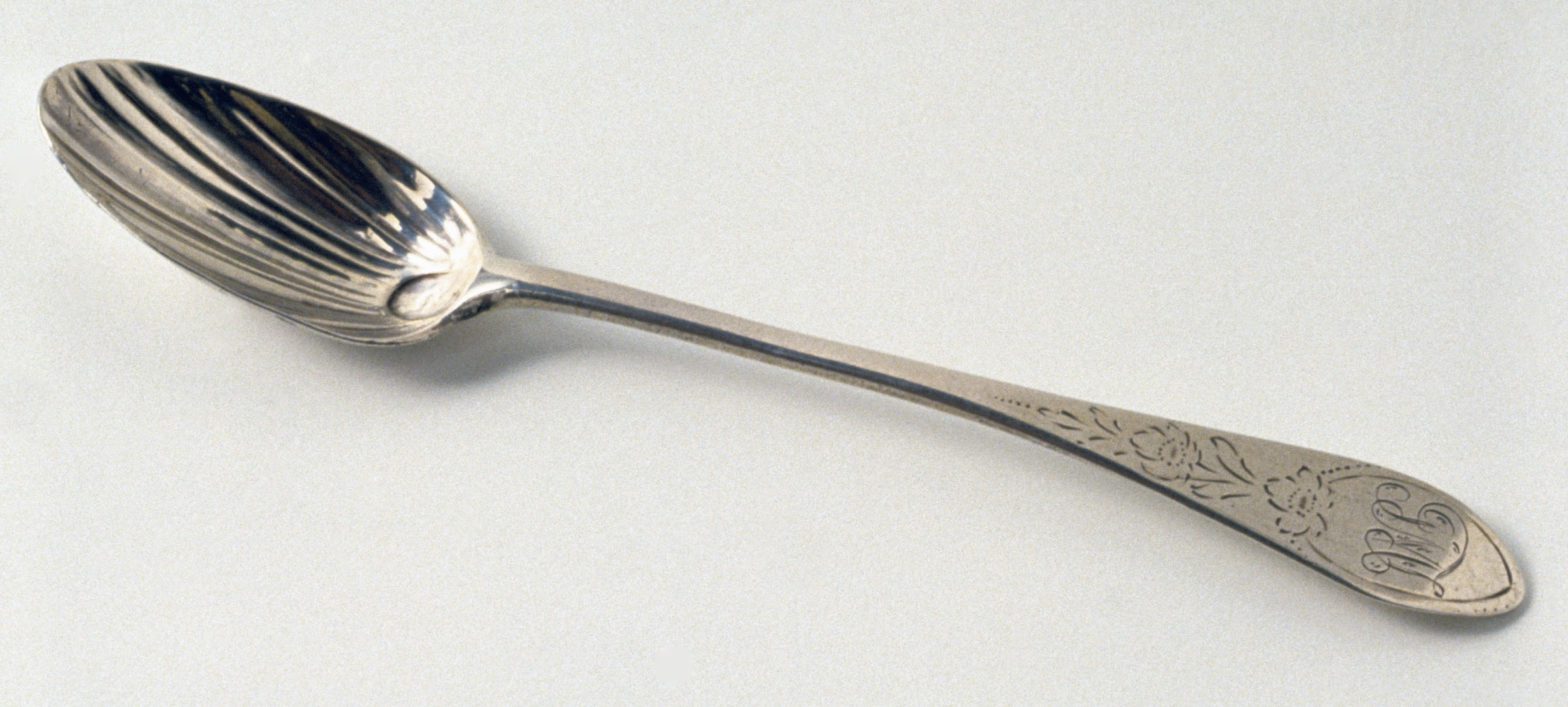
And my very favorite quote (and so, my dear wife, if you’re reading this, skip the rest of this paragraph): You haven’t lived through a hot Mid-Atlantic summer unless you’ve tasted ice cream from your own cool silver spoon. Spend $25 on a pretty sterling tablespoon and test my theory. Just don’t put it in the dishwasher afterward—give it a gentle cleaning by hand.
Here now is the full interview we provided to Ginanne Brownell, the reporter to whom we are grateful for being included, and the portions that Ginanne quoted are in italics:
GB: Tell me about why silver tea services, candlesticks, etc., went out of style in terms of registering for them for weddings, giving them as gifts/graduations, etc. I assume partly we have just become a more casual society, in general.
AW: Oh dear, have candlesticks truly gone out of style? Silver on the dining table is wonderfully reflective and luminous under candlelight, so candle holders are always on my list. Silver and high-end porcelain historically were great companions for wedding and special occasion gifts. One thing I’ve noticed is that finding a retailer isn’t as hard as finding a manufacturer — silver designers and talented makers have dwindled and several firms moved offshore. I think that may be why buying antique silver is on the uptick.
GB: If someone happens to inherit silver (that would seem from their amateur eyes to maybe be of value), what would be the logical first steps in terms of if they want to see if it has value on the market? Do museums like Winterthur take donations or buy special pieces?
AW: Often a little market research or antiques dealer exploration on your own can help if you are seeking general information. Silver is a global commodity with practices that vary in time and place, but you can jump-start your research by looking closely for stamped marks that indicate a manufacturer, place, or purity level.
Museum staff regularly receive questions from heirs facing the unknown in decorative arts. Since wonderful donations have come through this channel, we do pay attention. Accredited museums cannot respond to value questions due to our industry’s ethics code, but there are accredited appraiser organizations that can be helpful.
GB: If people are interested in collecting silver, where would they start? I would think reading and talking to experts but how does one start a collection? What pieces are coveted? Of more value (I guess I mean in terms of age, provenance, etc.)?
AW: I love this question. And silver is so affordable of late that starting a collection is possible. If you are well-informed and have a more experienced mentor handy, you can have a field day at estate sales and smaller auctions. Some super silver objects like vases or flatware are actually selling for less than their melt value. My husband and I have been giving small items like 20th-century silver mugs and trays as presents to the younger generation as a way to pass on that message of artistry and affordability. But you don’t have to buy it only to look at it.
You haven’t lived through a hot Mid-Atlantic summer unless you’ve tasted ice cream from your own cool silver spoon. Spend $25 on a pretty sterling tablespoon and test my theory. Just don’t put it in the dishwasher afterward—give it a gentle cleaning by hand.
For the more serious collector and researcher, there is helpful knowledge at your fingertips in printed resources and probably from your local antiques dealer. Winterthur’s library has collecting references even on micro subjects like tea caddy spoons or napkin rings, and most public libraries can supply broader subject resources on 19th- or 20th-century silver. If you find a form you love, for example, silver water pitchers, go to museums, start reading, and visit sales in person to educate your eye about your taste. You also might appreciate learning with others from an online forum or a collectors group. Antique silver can be an investment, so you should also be on guard for imposters or fakes. I would not recommend starting at the higher end; don’t make your first purchase a Paul Revere spoon unless you really know how to evaluate it.
GB: As a museum, what do you look for in terms of adding to your silver collection? (Do you even still add to the collection?)
AW: We absolutely do! As a curator, I actively seek metalwork that brings design, handwork, and cultural significance to Winterthur’s collection, which includes objects made in this century. My wish list is shaped by sensitivity to today’s (and tomorrow’s) audiences as well as sensitivity to the museum founder’s standards. When I acquire silver, it supports our goal to inspire and broaden understanding that makers who are active during our lifetimes also participate in artistic conversations that are never-ending. And, if your readers can visit Winterthur in May, I’ll have an exciting 20th-century silver acquisition to show them.
And, so, that was Ann’s interview.
After we had submitted her answers to the reporter, I told Ann how much I appreciated her knowledge. I added that she had also given me an excellent idea for a gift for my wife, who eats a small scoop of ice cream almost every night.
Ann replied to me: “You really should own at least one sterling spoon. Cereal can be more exciting too…”
My wife also eats a small bowl of Honey Nut Cheerios almost every morning. It looks like a silver spoon is on her horizon.
Jason Brudereck is the Communications Manager at Winterthur.
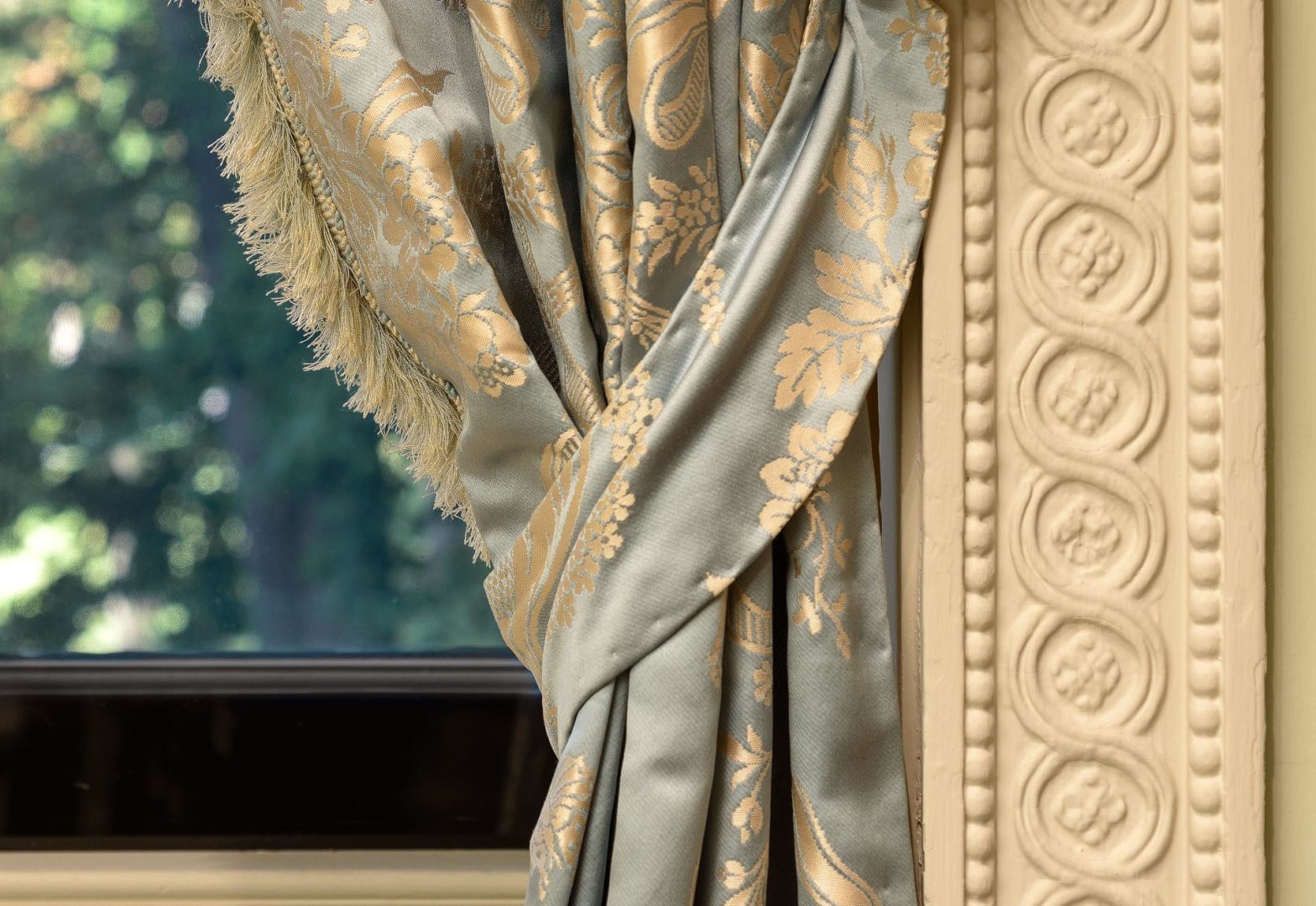
Henry Francis du Pont is one of the great collectors of American decorative arts and among the country’s early interior designers. His canvas was Winterthur, and his vision began with the acquisition of woodwork, ceilings, and floors from historic houses threatened with destruction. Within that framework, du Pont furnished his rooms with antiques, primarily American. His passion for detail in all aspects of decoration extended to the design and execution of his curtain collection. He spent an infinite number of hours looking at paintings, engravings, and books to find the correct representation of each room and was actively involved in selecting the antique textiles, braids, tassels, and fringe.
Du Pont took great care with the placement of furniture and objects in his rooms, striving for symmetry and balance and introducing color and pattern through textiles. He loved the color palettes of printed cottons made fashionable in the early 20th century. As he often noted, “Color is the thing that really counts more than any other.”
Although du Pont’s window treatments evoked the period of the architectural elements in a particular room, the fabrics bore little relation to what was actually used in America from the 1700s to the early 1900s. The dealers that he patronized obtained most of their stock in Europe, where vast quantities of antique fabrics were readily available from the late 19th century onward. Many, if not most, of the textiles used to furnish Winterthur were not seen on this side of the Atlantic until the early 20th century.
The artisans who were most closely associated with fabricating the curtains at Winterthur were employed by the interior design firm of Ernest LoNano, based in New York City. Over the course of the 20th century, their client list included numerous historic houses and museums. The firm’s involvement making curtains, bed hangings, and upholstery covers for the Winterthur house was their largest commission.
Seasonal Changes
It was customary in H. F. du Pont’s day to change the look of a room with seasonal curtains and slipcovers. Room changes and reinstallations were also dictated by du Pont’s acquisition of new furniture and fabrics. The importance of color in the Winterthur Garden played an essential part in the choice of the seasonal interior color schemes. Most textiles were marked with sewn-on labels that identified the months each item was to be used, and many carried labels indicating a particular season (1 to 4), with Season 1 being January to March.
By the 1960s, it was clear to curators that some of the textile furnishings at Winterthur had faded and needed to be replaced, but large quantities of antique fabrics were no longer available. The solution was to change out the damaged textiles with reproductions, and the museum worked closely with the firm of Brunschwig & Fils on numerous replacement projects, adding to the enduring beauty of the Winterthur rooms created by H. F. du Pont, an extraordinary collector and decorator.
Interior designer Sandy Brown is the author of The Well-Dressed Window: Curtains at Winterthur (The Monacelli Press, 2017). Available at the Winterthur Bookstore or by calling 800.448.3883. $50.
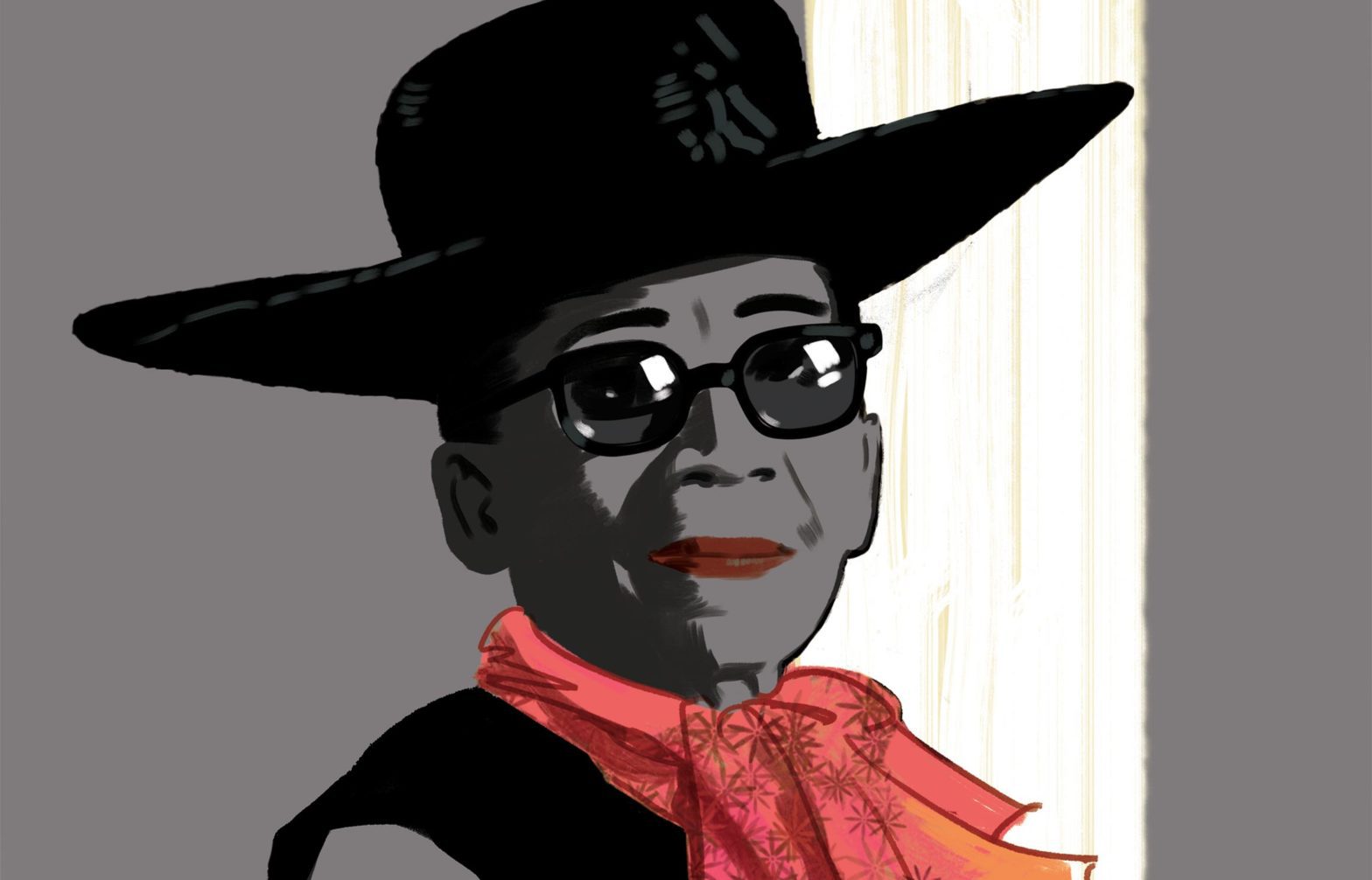
In 1964, The Saturday Evening Post referred to fashion designer Ann Lowe as “Society’s Best-Kept Secret.” Although Lowe had been designing couture-quality gowns for America’s most prominent debutantes, heiresses, actresses, and society brides—including Jacqueline Kennedy, Olivia de Havilland, and Marjorie Merriweather Post—for decades, she remained virtually unknown to the wider public. Since then, too little recognition has been given to her influence on American fashion.
Ann Lowe’s recently emerging visibility as a designer stands in contrast to much of her career and the countless unrecognized Black dressmakers and designers who have contributed to American fashion for generations, including her own grandmother and mother. She blazed a path for others to follow and her legacy is still felt in fashion culture.
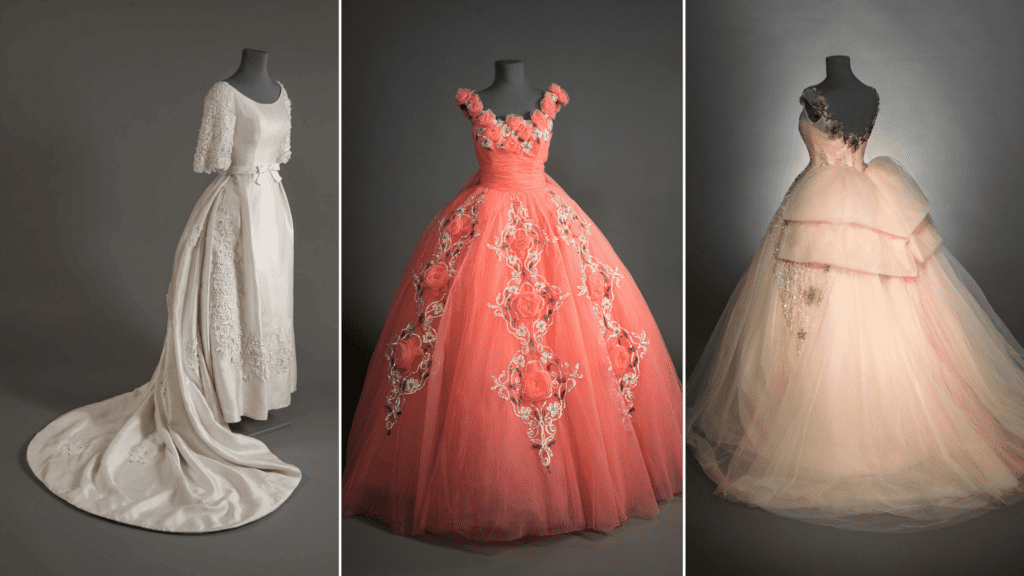
This is the largest exhibition of Ann Lowe’s work to date, featuring 40 iconic gowns, many that have never been on public display, and it will illuminate her evolution as a designer from the 1920s to the 1960s. The exhibition will also feature the work of contemporary couturiers and fashion designers whose current design practices, perspectives, and career paths reflect the trajectory of American fashion emanating from Lowe’s foundation. These include B Michael, Tracy Reese, Amsale Aberra, and Bishme Cromartie. Elizabeth Way, associate curator at The Museum at the Fashion Institute of Technology, is guest curator of the exhibition.
Born in Clayton, Alabama, into a family of African American dressmakers, Ann Lowe (ca. 1898–1981) learned the skill of dressmaking from her mother and grandmother. She developed not only expert technical skills by the time she was a teenager but also her distinctive style—feminine, elegant, and often incorporating her signature hand-made floral elements. Her extraordinary career took her through the Jim Crow South, from Montgomery, Alabama, to Tampa, Florida, and in 1928 to New York City. Lowe’s work made her an asset to wealthy society women around the country, yet she also experienced the tumultuous hardships of the fashion business and segregated America in a period of dramatic change.
Ann Lowe’s work places her among America’s significant fashion designers, and her life illustrates a legacy of Black women’s knowledge and skills that began as enslaved labor. Lowe modernized this legacy and expanded it to international visibility, positioning herself as a creative designer, a fashion insider, and a vital contributor to American culture.
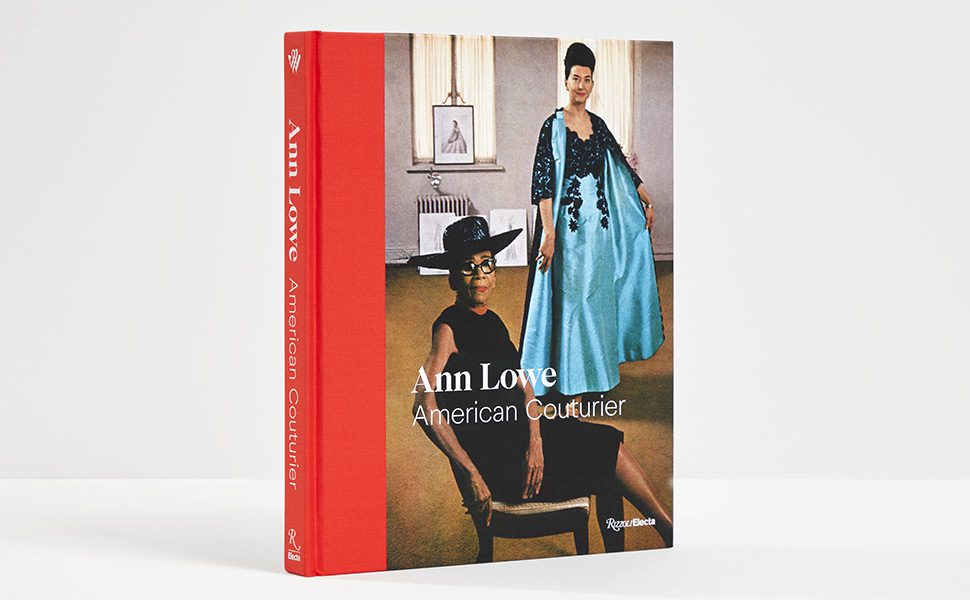
Ann Lowe: American Couturier
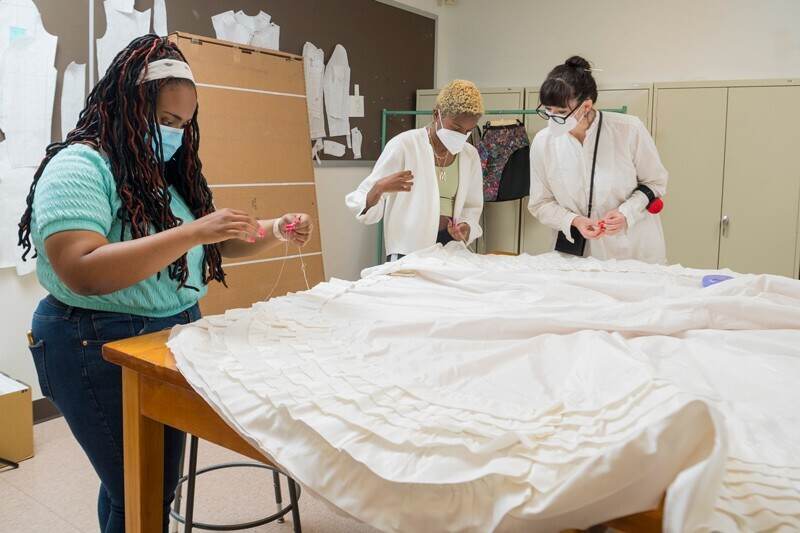
Vivid new photography of Lowe’s couture gowns—including lush details of her exquisite handwork and signature floral embellishments—accompany essays that explore the trials and achievements of Lowe’s life, contextualize her work within fashion history, profile Black designers whose work reflects her influence, and offer a behind-the-scenes look at the extraordinary efforts to preserve Lowe’s gowns.
Order your copy today for $55.00 by calling 302.888.4822. Pick up at the Winterthur Store or have it shipped to your door!
Behind the Seams
Follow us @WinterthurMuse as we share exciting behind-the-scenes features of the making of the exhibition.
One of the Most Recognizable Wedding Dresses in America
On what would have been Jacqueline Kennedy and John F. Kennedy’s 69th wedding anniversary, ...
Honoring a Legacy by Design
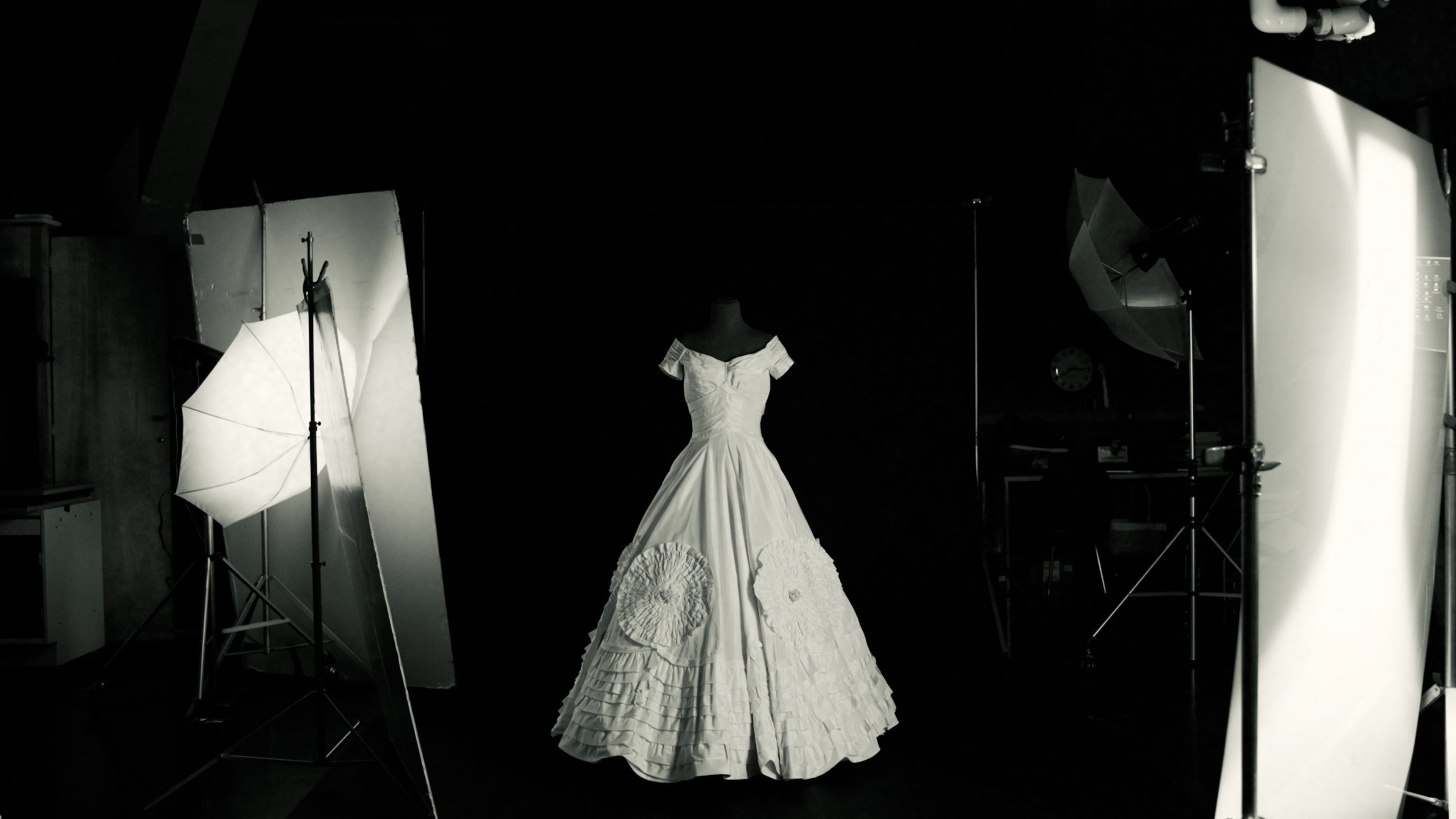
Replica of famous gown pays tribute to couturier Ann Lowe’s talent.
Behind the Seams
When Jacqueline Bouvier married John F. Kennedy in 1953, it was the social wedding of the ...
Listen in Style
“Ann Lowe was an exemplary creator in American fashion who happened to be Black. While this was, no doubt, an important part of her identity, it was only one part. Lowe was a spectacular and multidimensional American fashion designer, and I wanted the exhibition music to reflect other amazing Black artists like her who excelled in their genre. Her work was classical and generally structured, while also embracing organic elements, especially flowers. She was highly technical but prioritized beauty and elegance. I wanted the music to convey these elements of her work.” -Elizabeth Way, guest curator of Ann Lowe: American Couturier
Inspired by Ann Lowe: American Couturier, this playlist celebrates Black creative excellence in fields that are traditionally homogenous with barriers to people of color.
Relive the In the Legacy of Ann Lowe: Contemporary American Fashion symposium and join guest curator Elizabeth Way, associate curator at The Museum at the Fashion Institute of Technology, Winterthur staff, visiting scholars, contemporary designers, and students for a series of talks and demonstrations that explore Lowe’s legacy and how it continues to impact fashion culture today.
Envisioning Boldness: Ann Lowe, America’s Couture Designer
Listen to the lecture “Envisioning Boldness: Ann Lowe, America’s Couture Designer,” presented by Elaine Nichols, supervisory curator of culture at the Smithsonian National Museum of African American History and Culture.
This exhibition is made possible through support from the Terra Foundation for American Art, the Coby Foundation, Ltd., and the National Endowment for the Humanities.
Winterthur connects the past and the present in an exciting new exhibition showcasing contemporary art. Transformations features more than thirty nationally recognized artists whose work draws inspiration from the historic collections of the museum, garden, and library. Discover how the old influences the new—forging connections across communities, transforming our perspectives about history, and commenting on our lives today. These artistic expressions reflect each artist’s connection to the fine craftsmanship and design in Winterthur’s collection of decorative arts and archival materials as well as its naturalistic garden and landscape.
Transformations is an ongoing project that began in the spring of 2021. Explore the online exhibition now to see current and past works. Then visit the Galleries beginning in June to experience more, in person. Don’t miss this one-of-a-kind collaboration!
About Winterthur’s Maker–Creator Research Fellowship
Most of the artists in Transformations took part in the Maker–Creator Research Fellowship program, which invites artists, writers, filmmakers, horticulturists, craftspeople, and other creative professionals to immerse themselves in Winterthur’s collections. The fellowship provides a stipend and gives access to the museum and estate for research. Works resulting from the fellowships are on view in the galleries and garden. For more information and to apply, visit our Fellowships page.
Artists
Transformations is an ongoing project that began in spring 2021. Explore the Transformations online exhibition for more information on current and past works. This list of participating artists will be updated as new maker-creators are included in the exhibition.
On View
Showing of 3 results
Michael Kalmbach and Creative Vision Factory
<a href="https://www.winterthur.org/a-place-to-remember/" class="read-more" ><span class="sr-only">Click to read more</span>More Info</a>
A new outdoor bench at Winterthur connects communities through history, memories, and…
<a href="https://www.winterthur.org/a-place-to-remember/" class="read-more" ><span class="sr-only">Click to read more</span>More Info</a>
Elissa Edwards and Élan Ensemble
<a href="https://www.winterthur.org/beyond-transformations-elissa-edwards/" class="read-more" ><span class="sr-only">Click to read more</span>More Info</a>
Elissa Edwards combines historic music and sounds from nature to create a…
<a href="https://www.winterthur.org/beyond-transformations-elissa-edwards/" class="read-more" ><span class="sr-only">Click to read more</span>More Info</a>
Kim Hall and Justin Hardison, Nottene
<a href="https://www.winterthur.org/beyond-transformations-nottene/" class="read-more" ><span class="sr-only">Click to read more</span>More Info</a>
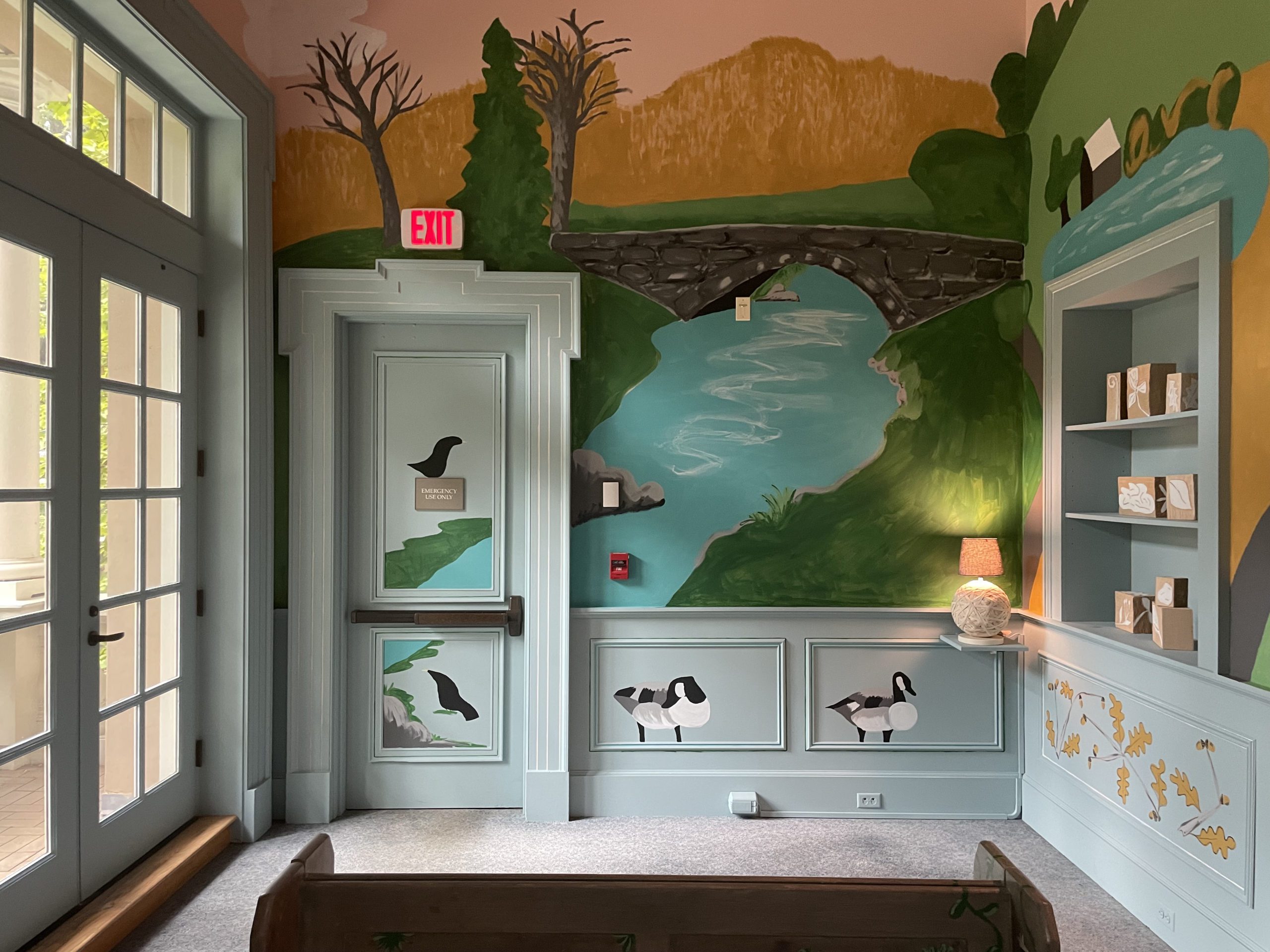
The Winterthur landscape inspires Nottene’s redesign of the galleries lounge. Kimberly Hall…
<a href="https://www.winterthur.org/beyond-transformations-nottene/" class="read-more" ><span class="sr-only">Click to read more</span>More Info</a>
<a href="https://www.winterthur.org/damon-smith/" class="read-more" ><span class="sr-only">Click to read more</span>More Info</a>
Damon G. Smith works in Aberdeen, Maryland, and is an accomplished quilter…
<a href="https://www.winterthur.org/damon-smith/" class="read-more" ><span class="sr-only">Click to read more</span>More Info</a>
Kate Sekules
<a href="https://www.winterthur.org/kate-sekules/" class="read-more" ><span class="sr-only">Click to read more</span>More Info</a>
Kate Sekules is a mending advocate, activist, educator, and researcher. She is…
<a href="https://www.winterthur.org/kate-sekules/" class="read-more" ><span class="sr-only">Click to read more</span>More Info</a>
Bandbox Collective
<a href="https://www.winterthur.org/bandbox-collective/" class="read-more" ><span class="sr-only">Click to read more</span>More Info</a>
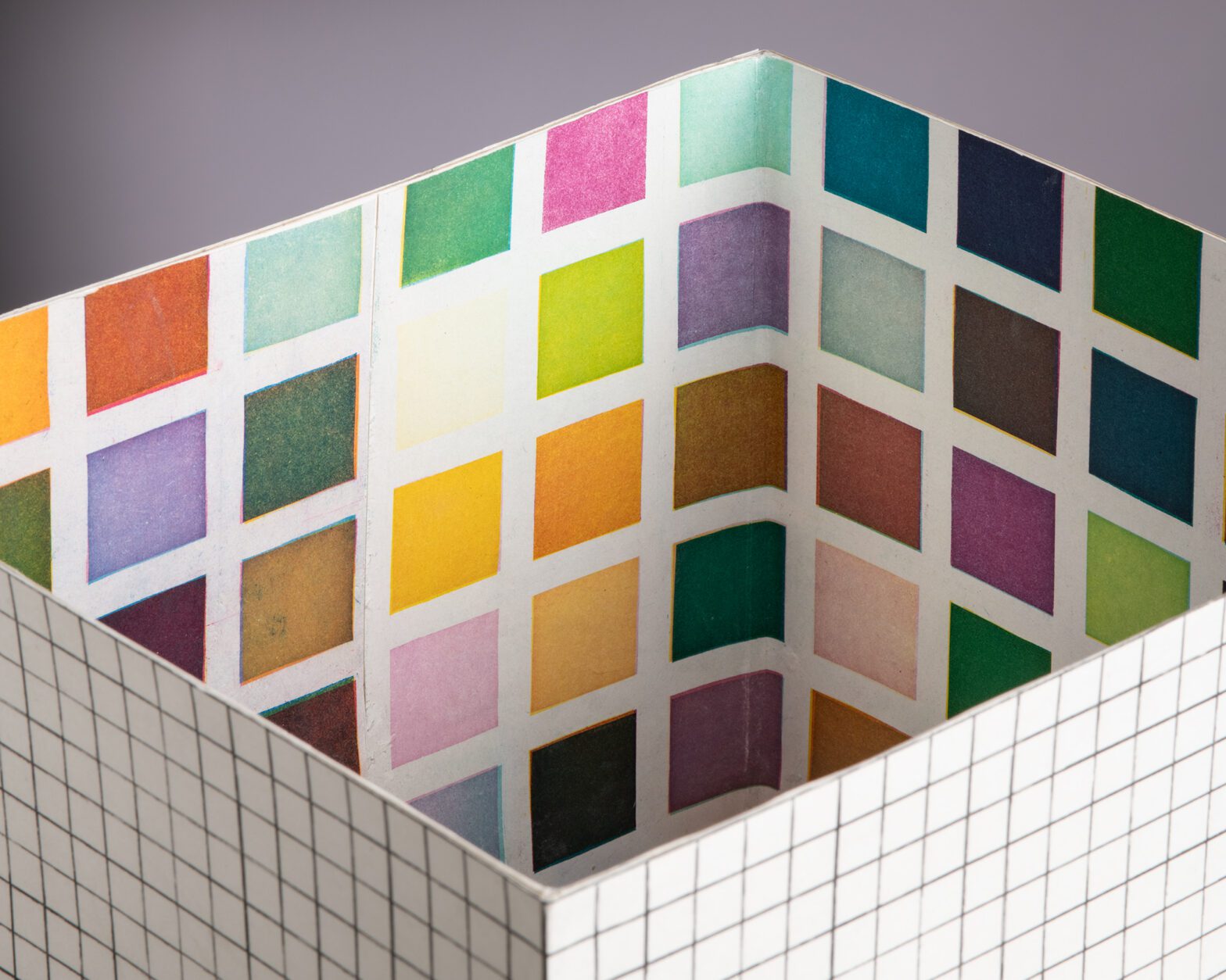
Bandboxes were used, primarily by women, to store and transport hats, clothing,…
<a href="https://www.winterthur.org/bandbox-collective/" class="read-more" ><span class="sr-only">Click to read more</span>More Info</a>
Gregg Moore and Omar Tate
<a href="https://www.winterthur.org/gregg-moore-and-omar-tate/" class="read-more" ><span class="sr-only">Click to read more</span>More Info</a>
Our project, ˈȯi-stər, builds on our previous collaborations to connect people in…
<a href="https://www.winterthur.org/gregg-moore-and-omar-tate/" class="read-more" ><span class="sr-only">Click to read more</span>More Info</a>
Jerome Bias
<a href="https://www.winterthur.org/jerome-bias/" class="read-more" ><span class="sr-only">Click to read more</span>More Info</a>
Jerome Bias is a furniture maker and cultural heritage practitioner, specializing in…
<a href="https://www.winterthur.org/jerome-bias/" class="read-more" ><span class="sr-only">Click to read more</span>More Info</a>
Lauren Frances Adams
<a href="https://www.winterthur.org/lauren-francis-adams/" class="read-more" ><span class="sr-only">Click to read more</span>More Info</a>
Lauren Frances Adams is a painter and installation artist whose work has…
<a href="https://www.winterthur.org/lauren-francis-adams/" class="read-more" ><span class="sr-only">Click to read more</span>More Info</a>
Kirin Joya Makker
<a href="https://www.winterthur.org/kirin-joya-makker/" class="read-more" ><span class="sr-only">Click to read more</span>More Info</a>
Kirin Joya Makker is professor of American Studies at Hobart William Smith…
<a href="https://www.winterthur.org/kirin-joya-makker/" class="read-more" ><span class="sr-only">Click to read more</span>More Info</a>
Joey Quiñones
<a href="https://www.winterthur.org/joey-quinones/" class="read-more" ><span class="sr-only">Click to read more</span>More Info</a>
Joey Quiñones is a sculptor working primarily with fiber and ceramics. They…
<a href="https://www.winterthur.org/joey-quinones/" class="read-more" ><span class="sr-only">Click to read more</span>More Info</a>
The Chairmaker’s Toolbox
<a href="https://www.winterthur.org/the-chairmakers-toolbox/" class="read-more" ><span class="sr-only">Click to read more</span>More Info</a>
Winterthur’s collection of furniture and tools from noted shops like that of…
<a href="https://www.winterthur.org/the-chairmakers-toolbox/" class="read-more" ><span class="sr-only">Click to read more</span>More Info</a>
Ellie Richards
<a href="https://www.winterthur.org/ellie-richards/" class="read-more" ><span class="sr-only">Click to read more</span>More Info</a>
Ellie Richards is a furniture designer and sculptor interested in the role…
<a href="https://www.winterthur.org/ellie-richards/" class="read-more" ><span class="sr-only">Click to read more</span>More Info</a>
Kathryn Sullivan
<a href="https://www.winterthur.org/kathryn-sullivan/" class="read-more" ><span class="sr-only">Click to read more</span>More Info</a>
Kathryn is a woodworker focused on restoration and conservation. Informed as a…
<a href="https://www.winterthur.org/kathryn-sullivan/" class="read-more" ><span class="sr-only">Click to read more</span>More Info</a>
Kelly Harris
<a href="https://www.winterthur.org/kelly-harris/" class="read-more" ><span class="sr-only">Click to read more</span>More Info</a>
Kelly Harris is a woodworker, furniture maker, designer, and educator. She designs…
<a href="https://www.winterthur.org/kelly-harris/" class="read-more" ><span class="sr-only">Click to read more</span>More Info</a>
Aspen Golann
<a href="https://www.winterthur.org/aspen-golann/" class="read-more" ><span class="sr-only">Click to read more</span>More Info</a>
Aspen Golann is a furniture maker, artist and educator whose work explores…
<a href="https://www.winterthur.org/aspen-golann/" class="read-more" ><span class="sr-only">Click to read more</span>More Info</a>
Rebecca Gilbert
<a href="https://www.winterthur.org/rebecca-gilbert/" class="read-more" ><span class="sr-only">Click to read more</span>More Info</a>
Rebecca Gilbert is a Philadelphia-based artist whose work exemplifies a dedication to…
<a href="https://www.winterthur.org/rebecca-gilbert/" class="read-more" ><span class="sr-only">Click to read more</span>More Info</a>
Jennifer Steverson
<a href="https://www.winterthur.org/jennifer-steverson/" class="read-more" ><span class="sr-only">Click to read more</span>More Info</a>
Mojo for Climate Change is inspired by the design of antique seed…
<a href="https://www.winterthur.org/jennifer-steverson/" class="read-more" ><span class="sr-only">Click to read more</span>More Info</a>
Alka Raman
<a href="https://www.winterthur.org/alka-raman/" class="read-more" ><span class="sr-only">Click to read more</span>More Info</a>
Alka Raman is a historian with a Ph.D. from the Department of…
<a href="https://www.winterthur.org/alka-raman/" class="read-more" ><span class="sr-only">Click to read more</span>More Info</a>
Elaine K. Ng
<a href="https://www.winterthur.org/elaine-k-ng/" class="read-more" ><span class="sr-only">Click to read more</span>More Info</a>
Elaine K. Ng is an artist who utilizes material investigation and process-based…
<a href="https://www.winterthur.org/elaine-k-ng/" class="read-more" ><span class="sr-only">Click to read more</span>More Info</a>
Margaret O’Neil
<a href="https://www.winterthur.org/margaret-oneil/" class="read-more" ><span class="sr-only">Click to read more</span>More Info</a>
Curtains, slipcovers, and other soft furnishings at Winterthur were often made from…
<a href="https://www.winterthur.org/margaret-oneil/" class="read-more" ><span class="sr-only">Click to read more</span>More Info</a>
Alexandra Cade and Tommy Dougherty
<a href="https://www.winterthur.org/alexandra-cade-and-tommy-dougherty/" class="read-more" ><span class="sr-only">Click to read more</span>More Info</a>
While seeking inspiration for their own Winterthur composition, Allie Cade and Tommy…
<a href="https://www.winterthur.org/alexandra-cade-and-tommy-dougherty/" class="read-more" ><span class="sr-only">Click to read more</span>More Info</a>
The Radish Project
<a href="https://www.winterthur.org/daniel-feinberg/" class="read-more" ><span class="sr-only">Click to read more</span>More Info</a>
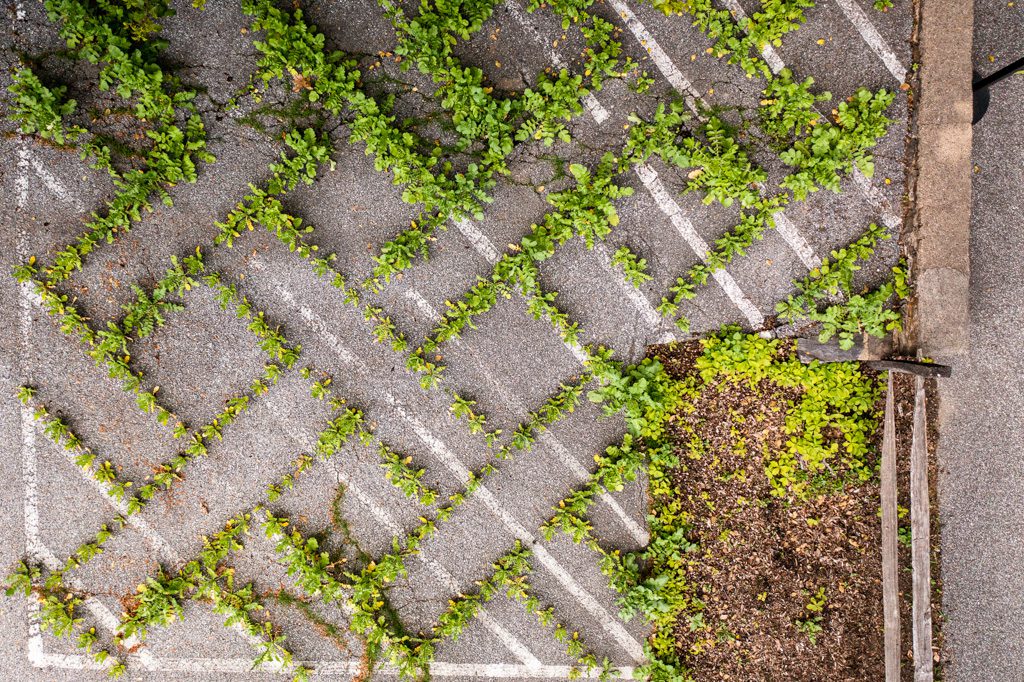
Working with radish and root-vegetable plants, artist Dan Feinberg, soil scientist Dr.…
<a href="https://www.winterthur.org/daniel-feinberg/" class="read-more" ><span class="sr-only">Click to read more</span>More Info</a>
Richard Saja
<a href="https://www.winterthur.org/richard-saja/" class="read-more" ><span class="sr-only">Click to read more</span>More Info</a>
Richard Saja is an artist making work in Catskill, New York. After…
<a href="https://www.winterthur.org/richard-saja/" class="read-more" ><span class="sr-only">Click to read more</span>More Info</a>
Samara Weaver
<a href="https://www.winterthur.org/samara-weaver/" class="read-more" ><span class="sr-only">Click to read more</span>More Info</a>
Samara grew up making artwork her whole life. Having an artist for…
<a href="https://www.winterthur.org/samara-weaver/" class="read-more" ><span class="sr-only">Click to read more</span>More Info</a>
Heather Ossandon
<a href="https://www.winterthur.org/heather-ossandon/" class="read-more" ><span class="sr-only">Click to read more</span>More Info</a>
Heather Ossandon creates ceramics that reflect her distinct background. Throughout her career,…
<a href="https://www.winterthur.org/heather-ossandon/" class="read-more" ><span class="sr-only">Click to read more</span>More Info</a>
Sharon Williams
<a href="https://www.winterthur.org/sharon-williams/" class="read-more" ><span class="sr-only">Click to read more</span>More Info</a>
Sharon and Jemica Williams are part of a community of quilters from…
<a href="https://www.winterthur.org/sharon-williams/" class="read-more" ><span class="sr-only">Click to read more</span>More Info</a>
Andrew Raftery
<a href="https://www.winterthur.org/andrew-raftery/" class="read-more" ><span class="sr-only">Click to read more</span>More Info</a>
Andrew Raftery is an artist specializing in fictional and autobiographical narratives of…
<a href="https://www.winterthur.org/andrew-raftery/" class="read-more" ><span class="sr-only">Click to read more</span>More Info</a>
Katya Roelse
<a href="https://www.winterthur.org/fashioned-from-the-garden-transforming-natural-materials-into-fashion-inspired-by-the-work-of-ann-lowe/" class="read-more" ><span class="sr-only">Click to go to link</span>More Info</a>
Designed by Katya Roelse, who recreated Kennedy’s wedding dress on view in…
<a href="https://www.winterthur.org/fashioned-from-the-garden-transforming-natural-materials-into-fashion-inspired-by-the-work-of-ann-lowe/" class="read-more" ><span class="sr-only">Click to go to link</span>More Info</a>
Lenny Wilson
<a href="https://www.winterthur.org/fashioned-from-the-garden-transforming-natural-materials-into-fashion-inspired-by-the-work-of-ann-lowe/" class="read-more" ><span class="sr-only">Click to go to link</span>More Info</a>
Wilson learned to make shoes at a leather-trades college in London before…
<a href="https://www.winterthur.org/fashioned-from-the-garden-transforming-natural-materials-into-fashion-inspired-by-the-work-of-ann-lowe/" class="read-more" ><span class="sr-only">Click to go to link</span>More Info</a>
Deirdre Murphy
<a href="https://www.winterthur.org/beyond-transformations-deirdre-murphy/" class="read-more" ><span class="sr-only">Click to read more</span>More Info</a>
Since childhood, Deirdre Murphy has been fascinated by nature, citing it as…
<a href="https://www.winterthur.org/beyond-transformations-deirdre-murphy/" class="read-more" ><span class="sr-only">Click to read more</span>More Info</a>
Stefania Urist
<a href="https://www.winterthur.org/beyond-transformations-stefania-urist/" class="read-more" ><span class="sr-only">Click to read more</span>More Info</a>
Stefania Urist wants people to think about the importance of trees. A…
<a href="https://www.winterthur.org/beyond-transformations-stefania-urist/" class="read-more" ><span class="sr-only">Click to read more</span>More Info</a>
Rob Finn
<a href="https://www.winterthur.org/beyond-transformations-rob-finn/" class="read-more" ><span class="sr-only">Click to read more</span>More Info</a>
The art of Rob Finn is a bittersweet reminder that life is…
<a href="https://www.winterthur.org/beyond-transformations-rob-finn/" class="read-more" ><span class="sr-only">Click to read more</span>More Info</a>
As a champion of the traditional methods of hand-made rug weaving, remaining “radically old-school” in the way fine Tibetan rugs are made is keeping Erika Kurtz on the cutting edge of modern design and interiors.
“In a world of fast fashion, we are finally beginning to see a return to a time where consumers are being more thoughtful in their product choices and have a renewed appreciation for fine, artisanal goods and the impact products can have on communities and the environment,” says Kurtz, Chief Operating Officer and designer for New Moon Rugs, a company founded in 1993 by her father, the artist and renowned rug historian John Kurtz, in Wilmington, Delaware.
“Innovation then really comes in the form of unique design and using materials in new and surprising ways,” Erika continues. “Companies that strive to hold on to these century-old techniques to make something built that stands the test of time, and who push the envelope to create exciting new design trends, are the ones worth watching.”
Starting out as an antique-rug collector and dealer in the living room of his home before moving into a gallery, John enthusiastically searched for and found beautiful antique rugs and shared them with collectors from around the world. Early in his career, he was inspired to bring the wonderful art of rug weaving to an even larger audience. He did so with his popular PBS series Art Underfoot, which ran from 1988 to 1992, and then again on HGTV, introducing millions of viewers to the world of oriental rugs. In 1993, John began fulfilling a desire to have an outlet for his own creative process by taking his more than 20 years of experience as a dealer of antique rugs to create original designs under the New Moon label.
After discovering partners in Nepal with whom he could make this vision a reality, New Moon was founded. Since the inception of New Moon in 1993, John has been uniting his dedication to the highest standards of craftsmanship and design with his commitment to socially responsible business practices.
Since 2004, Erika has guided the operations at New Moon.
Many of the textiles in Winterthur’s collection can serve as inspiration for today’s designers, Erika says.
Erika is a featured speaker in March at the month-long Winterthur House of Style event. A lineup of sought-after design professionals will deliver flair to Delaware with talks, workshops, and demonstrations featuring their expertise in floral elegance, table décor, home fashion, wine, and entertaining throughout March at Winterthur.
Participants in the House of Style event series will dive into the latest design trends and learn how to use them in their living spaces. With different themes on March 4, 11, 18, and 23, every design devotee will find an event—or a day of events—that interests them.
“I will be providing a look into all parts of the living supply chain that creates my family’s line of Tibetan rugs that are made in Nepal,” Erika says. “It will be a crash course on how Tibetan rugs are made, from the raw wool to the finished product. From there we will discuss the evolution of design in the rug trade, from traditional to contemporary, and how the ancient traditions of fine hand-weaving juxtaposed with a contemporary design aesthetic pave a way where styles can evolve constantly without having to sacrifice any of the quality or traditions of this ancient art form.”
Other speakers include such industry leaders as Margot Shaw, Founder and Editor in Chief of Flower magazine, and Scott Kravet, Chief Creative Director of Kravet Fabrics.