Search Site

Winterthur’s Artisan Market

Celebrating American Artistry & Craftsmanship Across Three Days

July 17–19, 2026 | 10:00 am–4:00 pm

WINTERTHUR, Del. (July 8, 2026)—Winterthur Museum, Garden & Library, one of America’s premier cultural destinations, invites the public to its celebrated Artisan Market, taking place Friday through Sunday, July 17–19, 2026, from 10:00 am to 4:00 pm daily. Now in its most expansive iteration yet, the market brings together more than 150 artisans across Winterthur’s breathtaking 60-acre garden, offering visitors an immersive weekend of handcrafted art, live music, artisanal food, hands-on workshops, and cultural programming.

“Artisan Market reflects everything Winterthur stands for,” said Chris Strand, Charles F. Montgomery Director and CEO. “It connects our historic mission of celebrating American craftsmanship to a living, vibrant community of makers, inviting guests to shop, create, and discover alongside artists who embody that tradition today.”

What to Expect: A Full Weekend of American Craftsmanship

150+ Artisans. Spread across six distinct market zones, visitors will discover an extraordinary range of handmade work, including ceramics, glasswork, woodworking, fine jewelry, textiles, illustration, antiques, botanical art, and small-batch gourmet goods. This year’s market also spotlights emerging artisans at the Brown Horticulture Center and the 2026 Grant Recipients in the Galleries Stair Hall: ArtesinA (Yuli Vinces) and Samara Santiago of Baby Elephant Studios, two makers selected for the alignment of their work with Winterthur’s historic mission.

Live Music All Three Days. Artisan Market features live performances across three stages: the Greenhouse Area, The Galleries area, and Sundial Garden lawn. Friday’s lineup features John Emil, The Quixote Project, Brooke DiCaro, and The Midnighters. Saturday brings The Newark Ukesters and Kennings Jazz Trio alongside John Emil and Brooke DiCaro. Sunday showcases Noah Richardson, Vibe-A-Delphia, and Kennings Jazz Trio. New this year: a hand-painted piano at the West Galleries Patio invites impromptu performances from guests in between performances by Jennifer Peacock on Friday, Daniel Espie on Saturday, and Rajeer Alford on Sunday. The 1987 upright Baldwin Classic Series piano was sourced and transformed by Rebekah Norviel, assistant manager of audience engagement. Norviel painted the piano in a peony motif, inspired by Winterthur’s historic Peony Garden.

Workshops & Experiences (Pre-Registration Required). Guests may deepen their visit with ticketed workshops including Beginner Needle Felting (woodland mushroom and blooming cactus); Crepe Paper Water Lilies and Iris; Watercolors: Meadow Impressions; and a Create Your Own Shell Jewelry Dish decoupage session. Premium tasting experiences include The Art of Chocolate and This Chocolate Won’t Melt, led by Chocolate Sommelier Estelle Tracy of 37 Chocolates, and wine tastings featuring a Vine to Glass experience with Penns Woods Winery winemaker Davide Creato (Friday and Saturday) and The World of Rosé with Wine Educator Virginia Mitchell (Sunday).

Food & Drink. Artisan Market’s culinary offerings span the estate with food trucks, gourmet Market Bites vendors, and the signature Bloom Bars, Winterthur’s own floral-inspired cocktail and mocktail stations featuring herbs grown on the estate. Food truck vendors include Natalie’s Fine Foods, On the Roll, Circe Fine Foods, Cousins Maine Lobster, Buddy’s Burgers, Wrightsville Woodfire Pizza, Gotta Lotta Gelata, Lucky Shot Coffee, and Mill Creek Coffee, among others.

Tours, Activities & Estate Exploration. All market tickets include access to a self-paced house tour of the historic du Pont residence (first-come, first-served, 10:00 am–3:15 pm), exploration of Winterthur’s renowned garden and gallery spaces, and free programming, including Cultivating Creativity with Damon Smith (Philadelphia Flower Show judge and horticulturalist) and En Plein Air Artists painting live across the estate. The Winterthur Library will host drop-in programs from 12:00–2:00 pm on Victorian garden literature (Friday) and Flower Fairies in rare books and ephemera (Saturday).

Tickets & Pricing

Tickets are valid for two consecutive days (e.g., Friday and Saturday or Saturday and Sunday). Admission is $29 for adults, $27 for seniors (62+) and students, $13 for children (3–12), and $15 for Members. Infants under 2 are free.

Optional Premium Parking ($25 per day) provides direct access to the Visitor Center Parking Lot, just 50 yards from the market, and must be purchased in advance onsite. Sales end on July 16. General parking is free and includes shuttle and tram service throughout the estate. Concierge service is available to transport large purchases to the lot for pickup. Tickets and add-ons are available at winterthur.org/ArtisanMarket or by calling 800.448.3883.

About Winterthur Museum, Garden & Library
Winterthur—known worldwide for its preeminent collection of American decorative arts, naturalistic garden, and research library for the study of American art and material culture—offers a variety of tours, exhibitions, programs, and activities throughout the year. Admission includes a self-paced house tour, exhibitions, a narrated tram ride (weather and space permitting), and the Winterthur Garden.

Winterthur is located on Route 52, six miles northwest of Wilmington, Del., and five miles south of U.S. Route 1. Winterthur is committed to accessible programming for all. For information, including special services, call 800.448.3883 or visit winterthur.org. Winterthur is closed seasonally from early January through late February.

Contact: Lisa McVey, lmcvey@winterthur.org or 302.888.4803
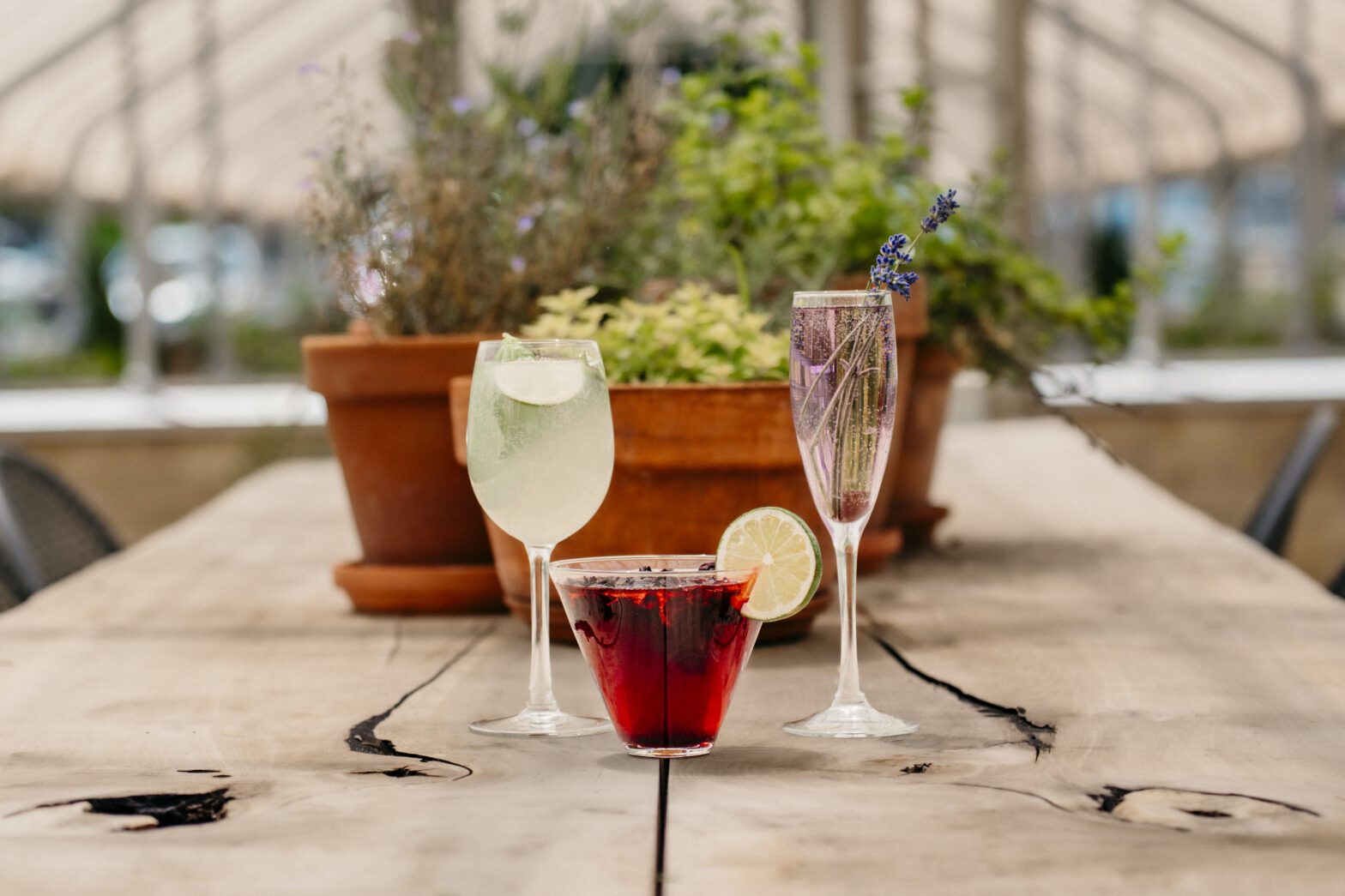
 

In Good Taste: Garden-Inspired Cocktails from Artisan Market

Recipes by Restaurant Associates. Photos by Damien Weidner.

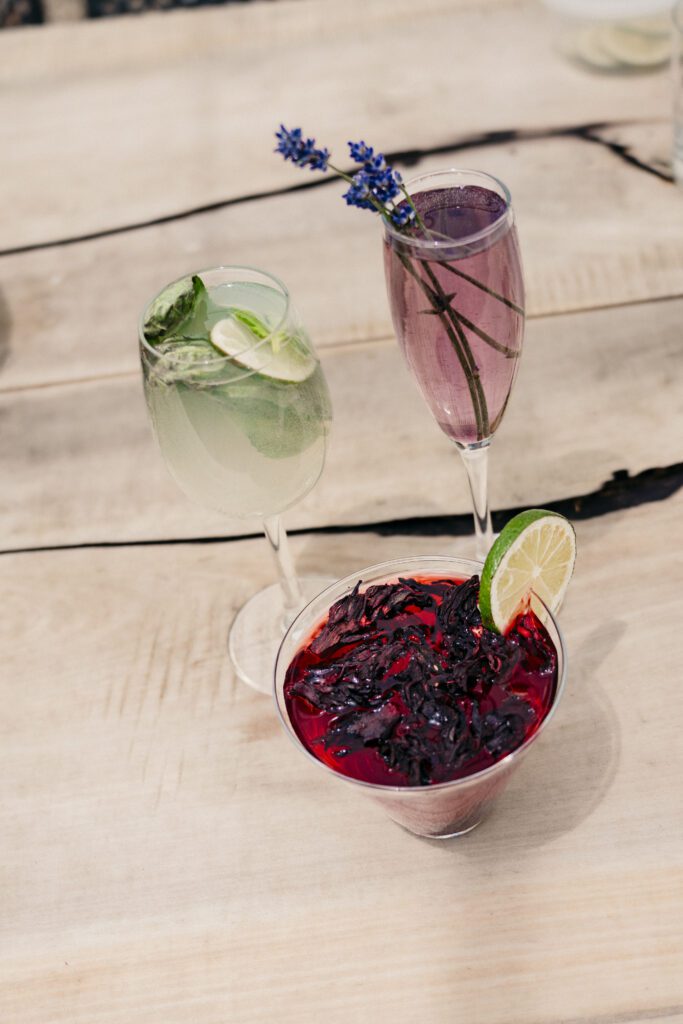
This year’s Artisan Market Bloom Bars feature three signature cocktails inspired by the garden. Crafted with fresh herbs, botanicals, and vibrant citrus, each drink celebrates the flavors of the season.

Whether you enjoy one while exploring the market or recreate it at home, these recipes offer a taste of Artisan Market long after the weekend ends.

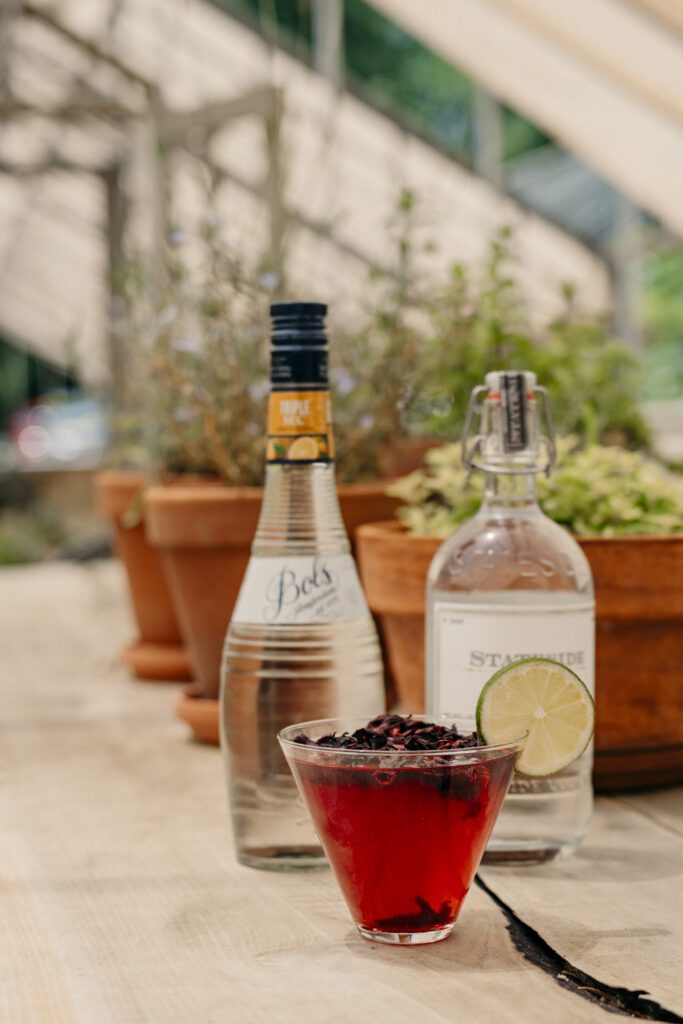
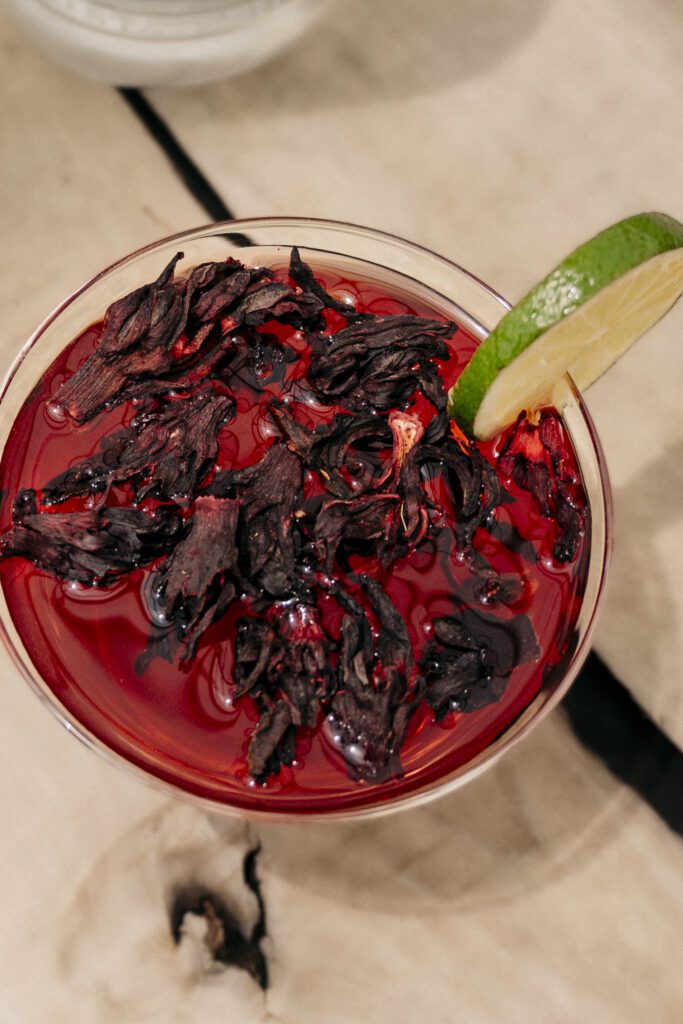
Hibiscus Cosmopolitan

A vibrant twist on a classic, this cosmopolitan is bright, floral, and beautifully balanced. Homemade hibiscus syrup lends a deep ruby color and subtle tartness that pairs perfectly with citrus and vodka.

Hibiscus Syrup

Ingredients

  • 1 cup water
  • 2 tablespoons dried hibiscus
  • ½ cup granulated sugar

Directions

  1. Bring the water to a gentle simmer.
  2. Add the dried hibiscus and steep for 10 minutes.
  3. Strain the flowers, then stir in the sugar until dissolved.
  4. Cool completely before using. Store refrigerated.

Hibiscus Cosmopolitan

Ingredients

  • ½ cup sugar
  • 3 lime wedges, divided
  • 1 tablespoon dried hibiscus (plus a pinch for garnish)
  • 2 ounces Prairie Organic Vodka
  • ½ ounce orange liqueur
  • ¾ ounce hibiscus syrup
  • 1 teaspoon fresh lime juice

Directions

  1. Combine the sugar and dried hibiscus on a small plate. Rub the rim of a glass with a lime wedge and dip into the hibiscus sugar.
  2. Fill a cocktail shaker with ice. Add the vodka, orange liqueur, hibiscus syrup, and lime juice.
  3. Shake until well chilled and strain into the prepared glass.
  4. Garnish with a pinch of dried hibiscus.

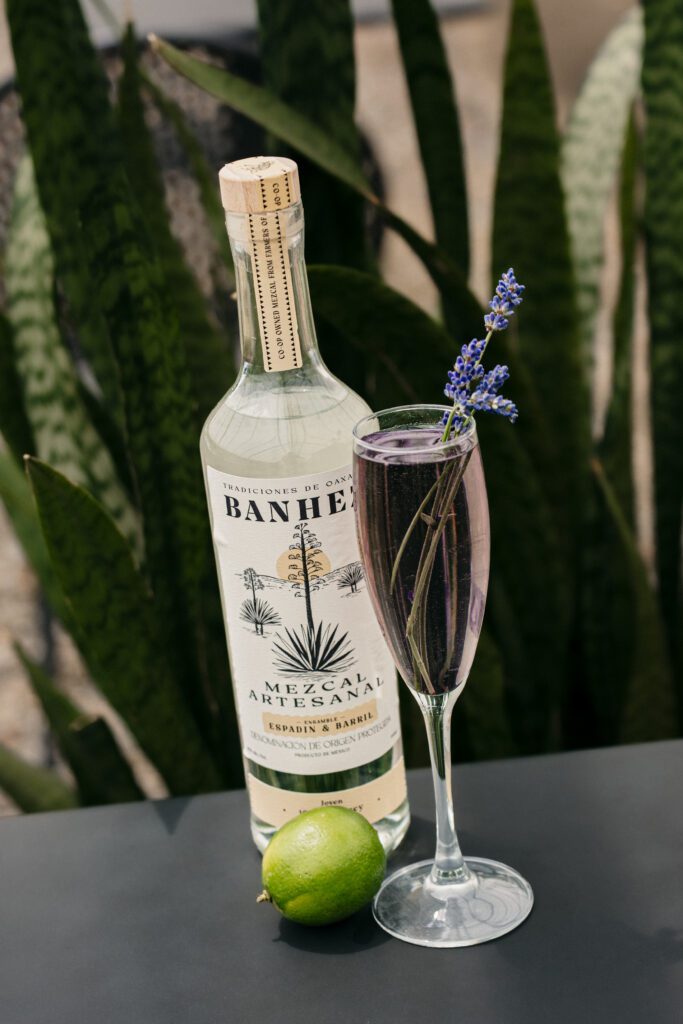
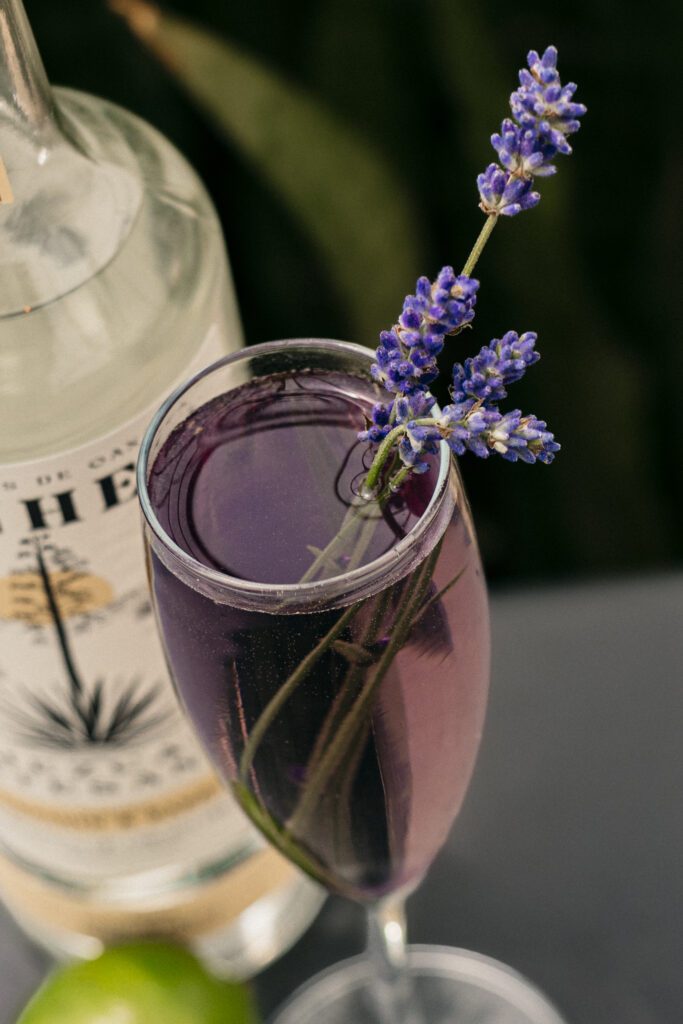
Lavender Paloma


Fresh grapefruit and homemade lavender syrup bring floral notes to this refreshing take on the classic Paloma, finished with sparkling club soda for a crisp summer sip.

Lavender Simple Syrup

Ingredients

  • 1 cup sugar
  • 1 cup water
  • 2 tablespoons dried edible lavender

Directions

  1. Combine the sugar and water in a saucepan over medium heat.
  2. Stir until the sugar dissolves.
  3. Remove from heat, add the lavender, and steep for 15–20 minutes.
  4. Strain and cool before refrigerating.

Lavender Paloma

Ingredients

  • 2 ounces tequila blanco
  • 4 ounces fresh grapefruit juice
  • 1 ounce fresh lime juice
  • 1 ounce lavender simple syrup
  • Club soda, to top
  • Salt for rimming the glass (optional)
  • Fresh lavender sprig and grapefruit slice, for garnish

Directions

  1. If desired, rim a rocks glass with salt.
  2. Fill the glass with ice.
  3. Add the tequila, grapefruit juice, lime juice, and lavender syrup. Stir gently.
  4. Top with club soda.
  5. Garnish with a grapefruit slice and a sprig of fresh lavender.

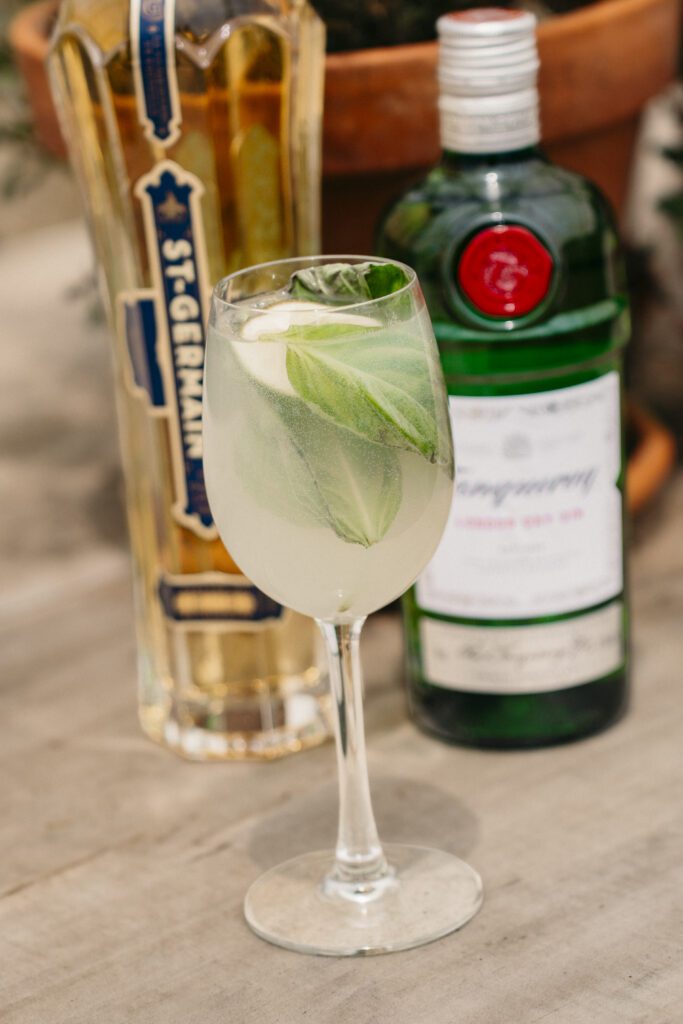
Basil Elderflower Gin Lemonade


Herbaceous basil and delicate elderflower elevate classic lemonade into a light, refreshing cocktail that tastes like summer in the garden.

Ingredients

  • 1½ ounces gin
  • 1 ounce elderflower liqueur
  • Lemonade
  • Fresh basil leaves, chopped or whole
  • Fresh basil sprig, for garnish

Directions

  1. Fill a rocks glass with ice.
  2. Add the gin and elderflower liqueur.
  3. Top with lemonade and stir gently.
  4. Add chopped basil or lightly muddle a few basil leaves before stirring.
  5. Garnish with a fresh basil sprig.

Join Us at Artisan Market

Photo by Kelly Levin

Like the artisans you’ll meet throughout the market, these cocktails celebrate thoughtful craftsmanship, seasonal inspiration, and the simple pleasure of making something by hand. We hope you’ll enjoy them at our Bloom Bars and recreate them at home all summer long.

We look forward to raising a glass with you at Artisan Market, July 17–19.

The Art of Memory: Ivory Memorandum Books in Early America

By Esme Krohn, student guide and Winterthur Program in American Material Culture, Class of 2026

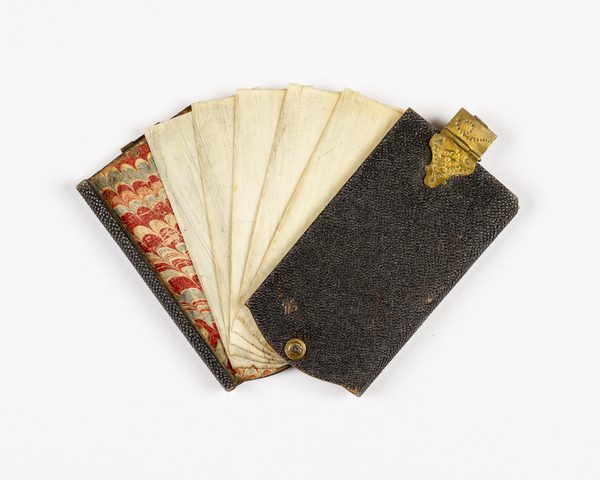
Forgetting is an integral part of memory, frustrating as it may be. We all have our lapses: misplacing our keys, losing an address, or letting a deadline unknowingly pass us by. Today we have a variety of digital tools to help our faulty brains, from voice memos to automated calendar alerts. Back in the 18th and 19th centuries, people also had ways of enhancing memory. Ivory memorandum books were pocket-sized erasable tablets of elephant ivory, which could be written on in pencil and easily erased as needed (fig.1). While they were made from the 17th century well through the 20th, they were most popular in America between 1750 and 1840. My recently completed master’s thesis for the Winterthur Program in American Material Culture focused on the production and use of these objects in America, covering their connections to the trade in enslaved people, the craftsmen who made them, and the people who wrote in them. 

Figure 1. Memorandum book, England, 1730–40. Shagreen, elephant ivory, brass, wood, and paper. Museum purchase 1955.0061.004

Winterthur is lucky enough to own nine ivory memorandum books, although there are hundreds in museums across the world. These two ivory memorandum books from Winterthur’s collection show the range of forms and uses of these unique objects. 

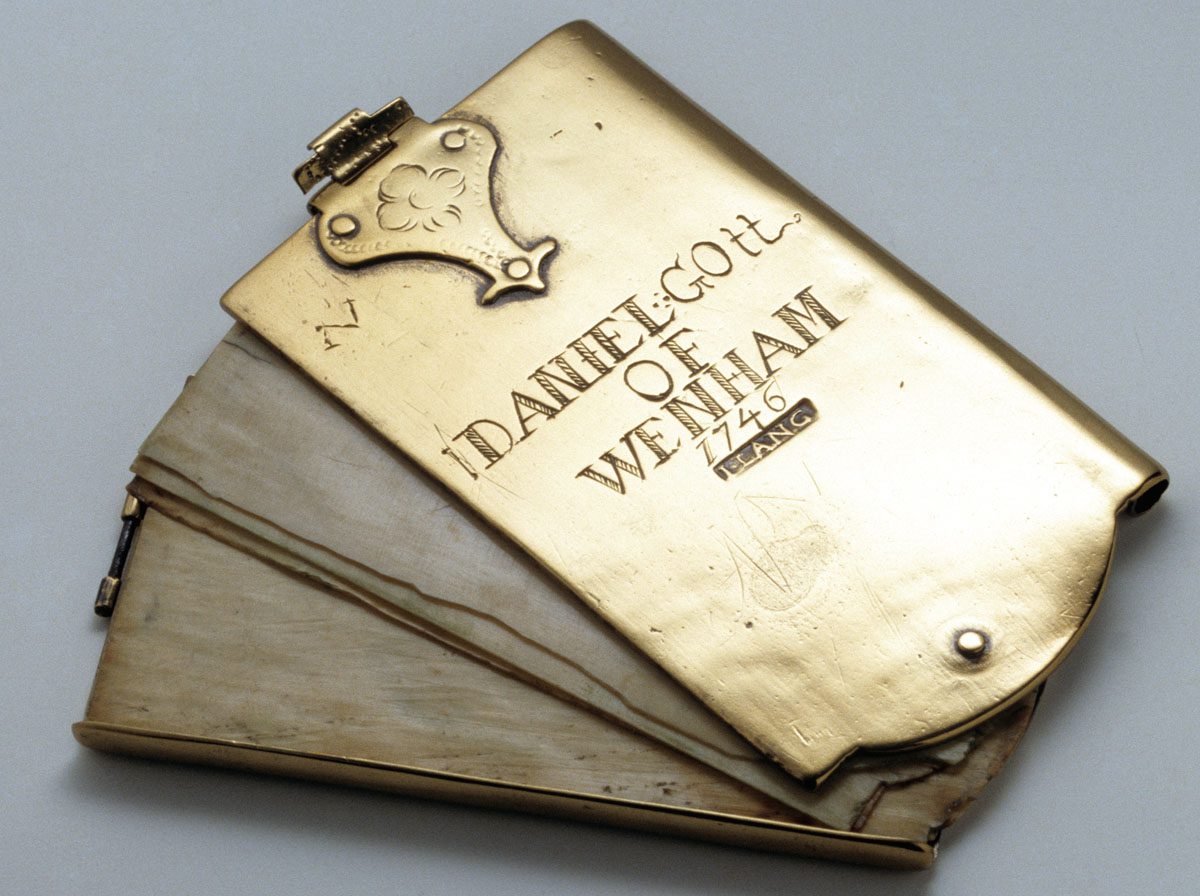
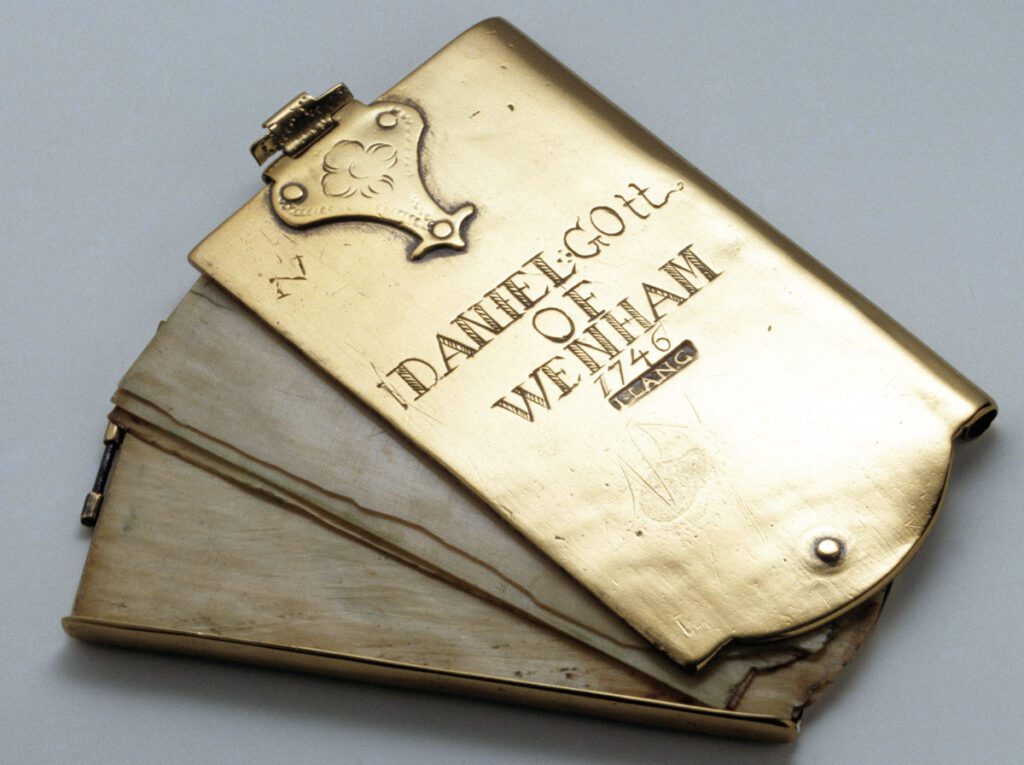
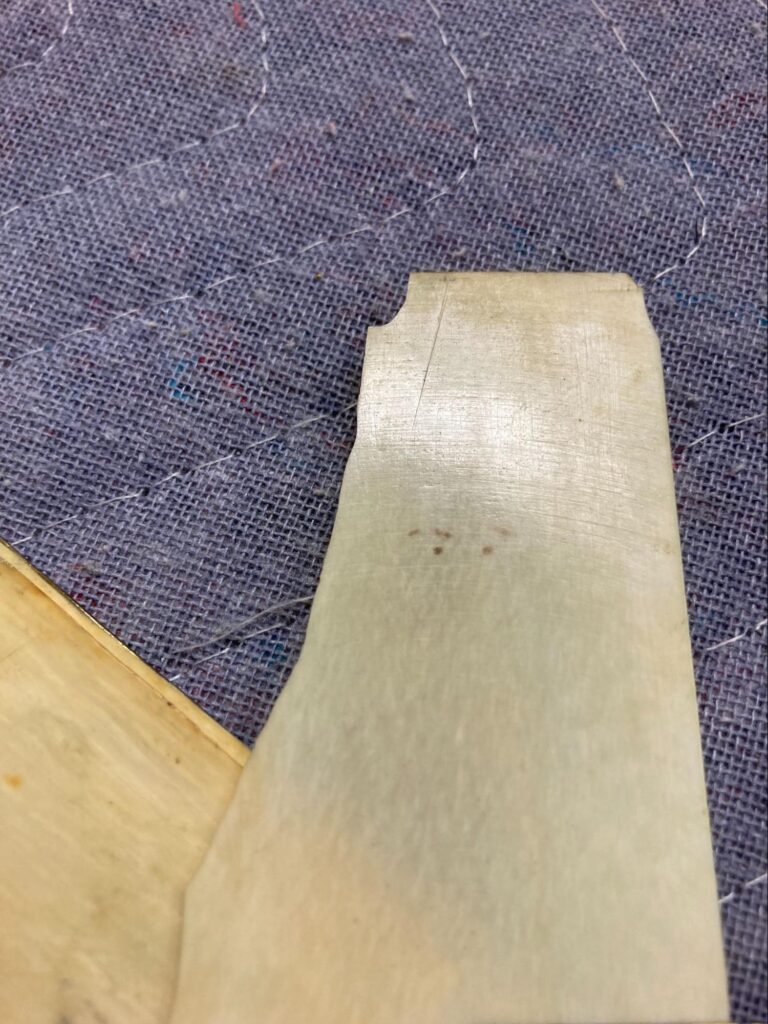
The earliest ivory memorandum book in our collection is dated 1746 and was made by Salem, Massachusetts, silversmith Jeffrey Lang (fig.2). Lang’s silver appears in collections such as the MFA Boston, the Peabody Essex Museum, and the Metropolitan Museum of Art, but this is his only surviving work in brass. Above Lang’s maker’s mark on the front cover is the name of the book’s owner, Daniel Gott of Wenham, Massachusetts. According to contemporary newspaper records, Gott was a tanner, operating a tanyard that could process 500 skins a year at its height. Inside the book are four ivory leaves, which Gott may have used to track business expenses or remind himself of appointments. It also appears that one of his four children may have gotten their hands on their father’s prized possession—drawn on the last page in indelible iron gall ink is a small cartoon face, which has long outlasted the more serious matters noted on these pages (fig.3).

Figure 2. Jeffrey Lang, memorandum book, Salem, Mass., 1746. Brass and ivory. Gift of Henry Francis du Pont 1952.0127
Figure 3. A cartoon face on the verso side of the final leaf of the memorandum book. Photo by author. 

Decades later, a wealthy New York City woman named Elizabeth De Lancey made a special bequest in her will: 

to my said son Stephen and to each of my sons John, James, Oliver, and Warren a silver pocket case of Instruments to be made in the neatest manner of the value of six Guineas with the following engraving on them: “When you receive this token, the Parent who gives it will be no longer here on earth— let us live so as to hope to meet in heaven.”

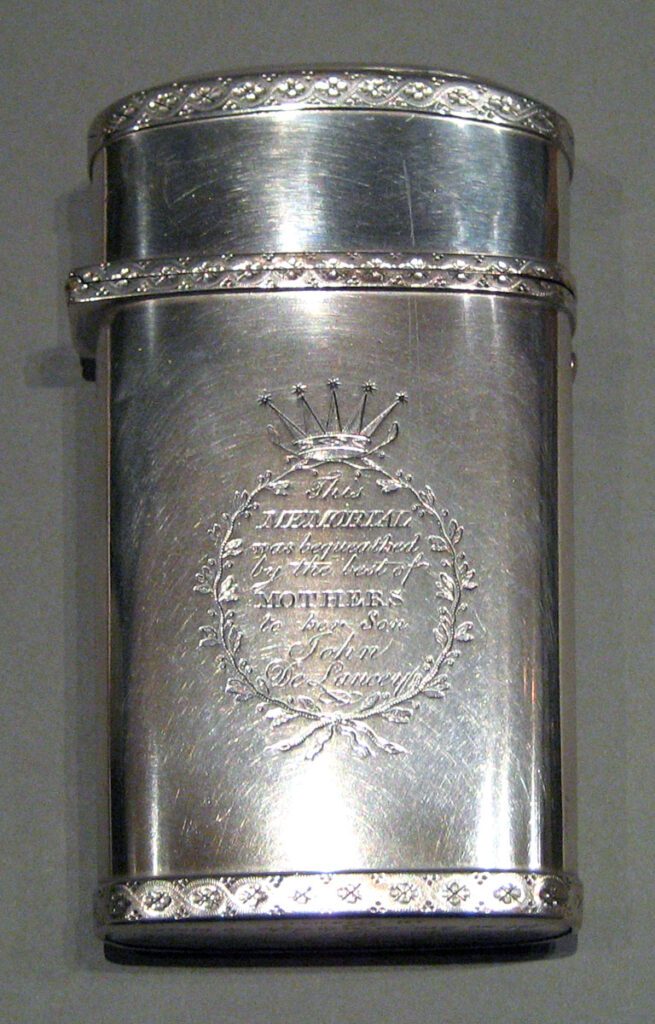
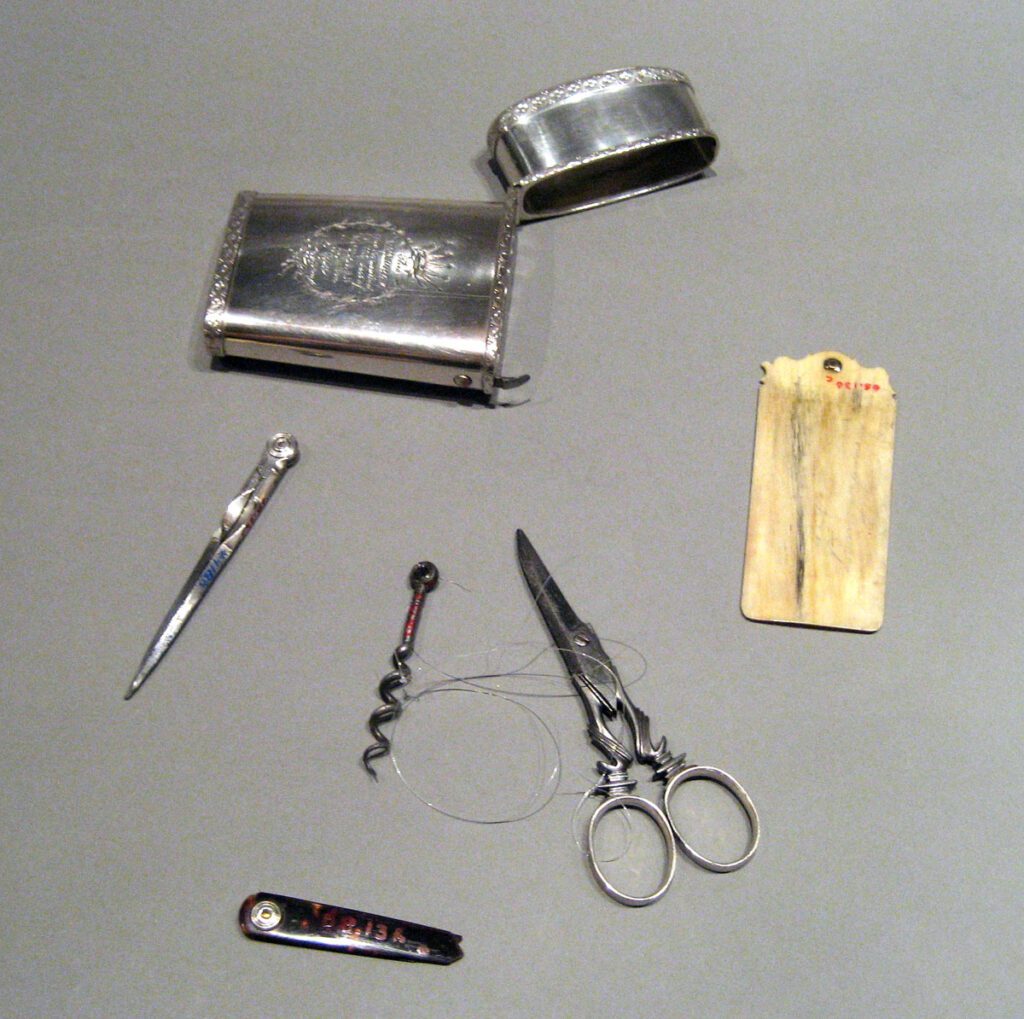
After her death two years later, a silversmith, likely New York City’s William Garret Forbes, took up Elizabeth’s instructions, making a set of silver étuis, or pocket cases, that exemplify the Federal style popular at the time (fig. 4). Three of the five still exist today: Winterthur has John De Lancey’s, the Yale University Art Gallery has Oliver’s, and James De Lancey’s appeared for sale in 2008. All three include, among their various implements, two decoratively cut ivory memorandum leaves pinned together (fig. 5). Much like the Swiss Army knives of today, these sets of miniature tools represent a readiness for any given situation, making these cases a practical as well as sentimental legacy from a mother to her faraway children. 

Figure 4. Étui, New York, N.Y., 1784. Silver, iron, marine turtle shell, steel, elephant ivory. Museum purchase 1968.0136 A-F
Figure 5. Étui, New York, N.Y., 1784. Silver, iron, marine turtle shell, steel, elephant ivory. Museum purchase 1968.0136 A-F

These are just two of the many stories revealed by the ivory memorandum books in Winterthur’s collection. If you want to explore more of these fascinating objects, you can search Winterthur’s online collections database or my searchable online catalog of ivory memorandum books. 

Field Notes with George Datto, Beekeeper

By Amber Marcoon. Photography by Kelly Levin.

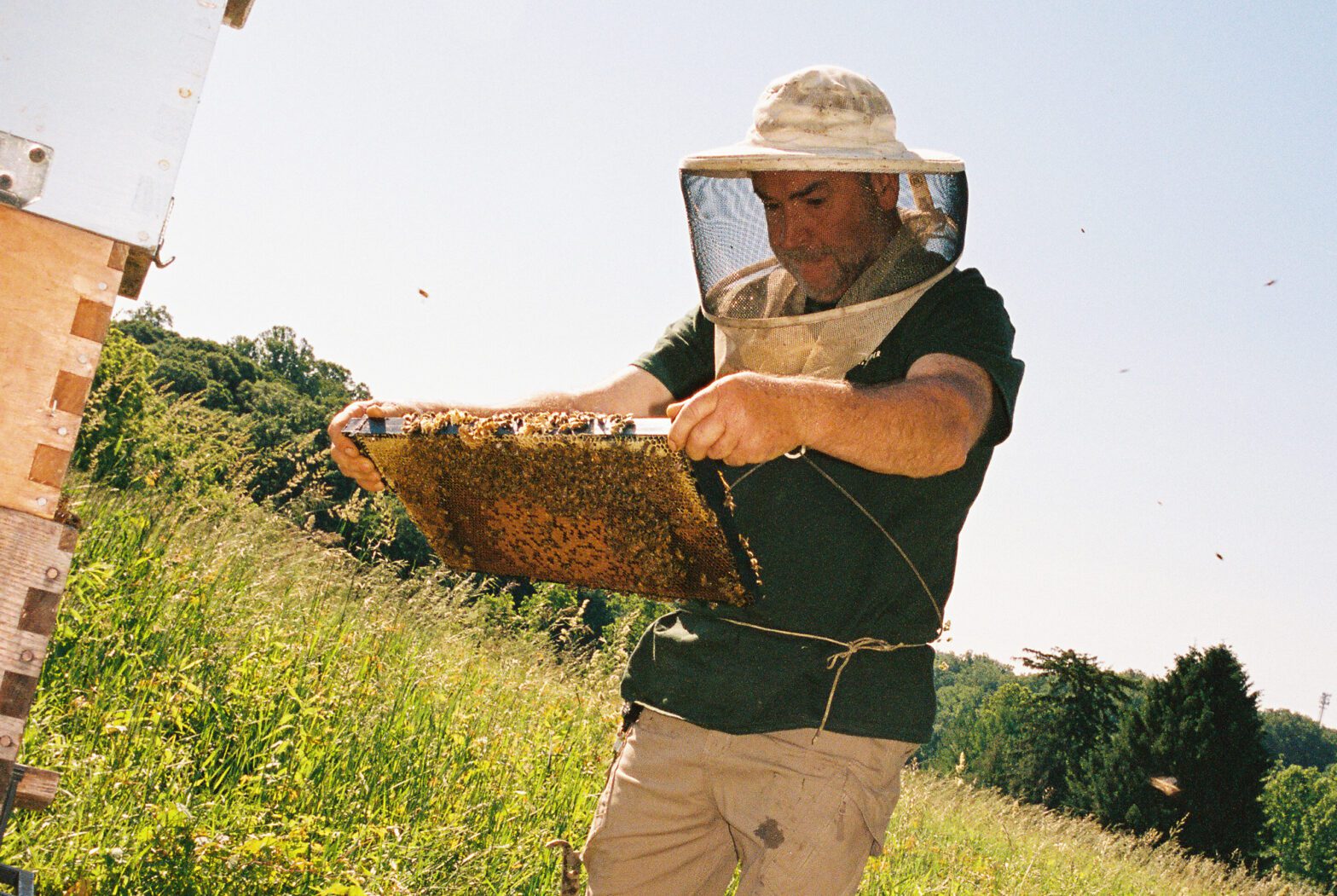
To celebrate National Pollinator Week, we joined volunteer beekeeper George Datto for a visit to Winterthur’s apiary and a closer look at the small creatures that help the garden flourish. 

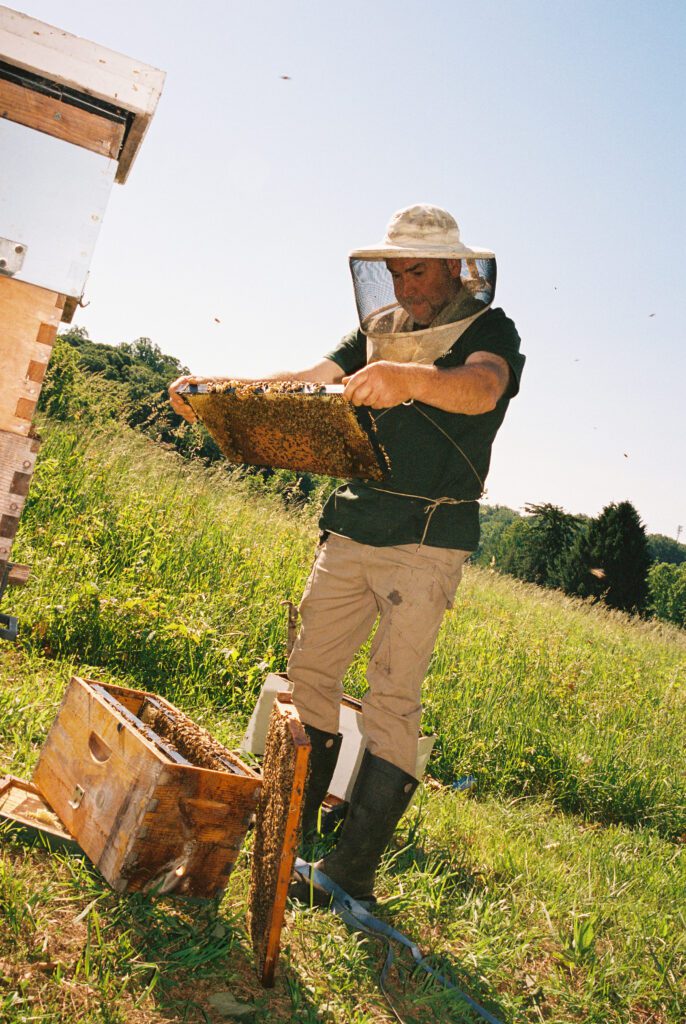
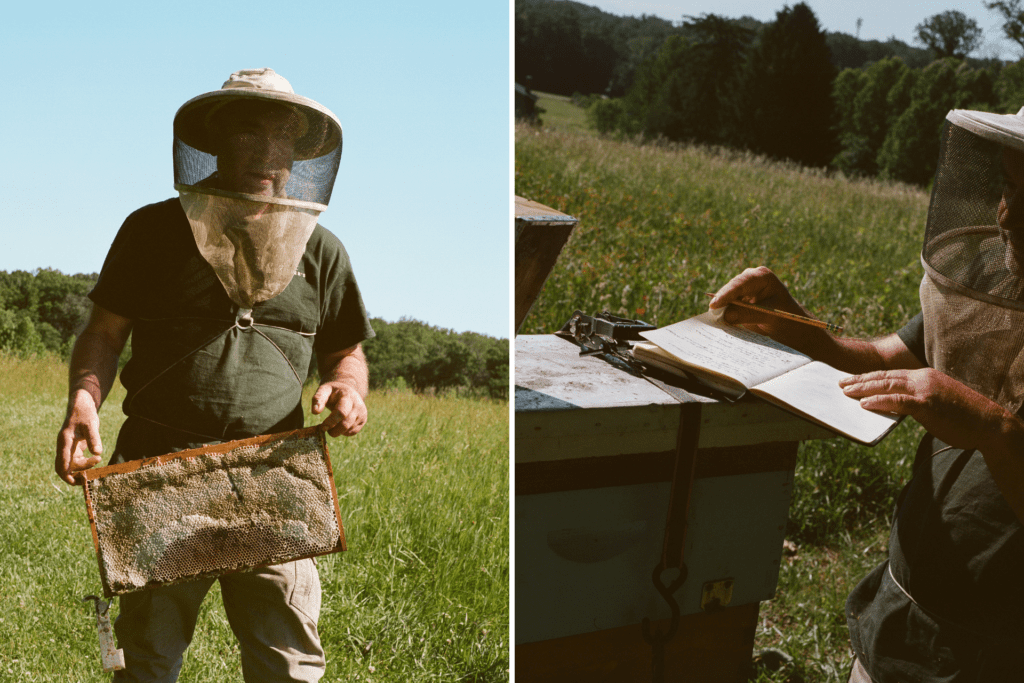
George Datto inspects beehives at Winterthur.

What does a beekeeper do?

I am responsible for keeping the ten beehives at Winterthur healthy and productive. I ensure this by checking on them every week or two.

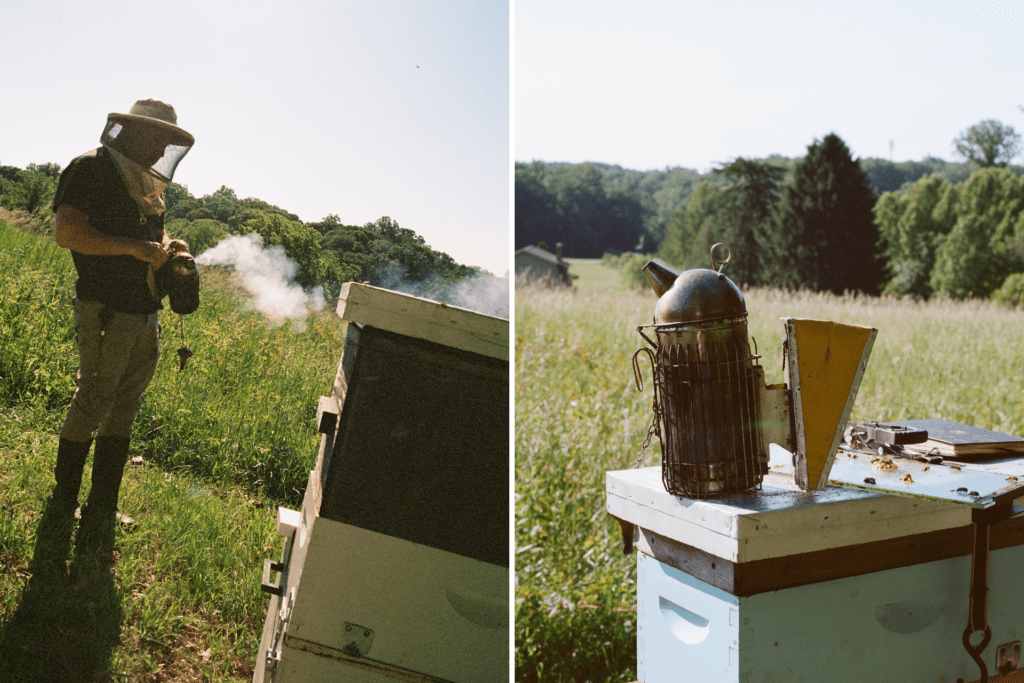
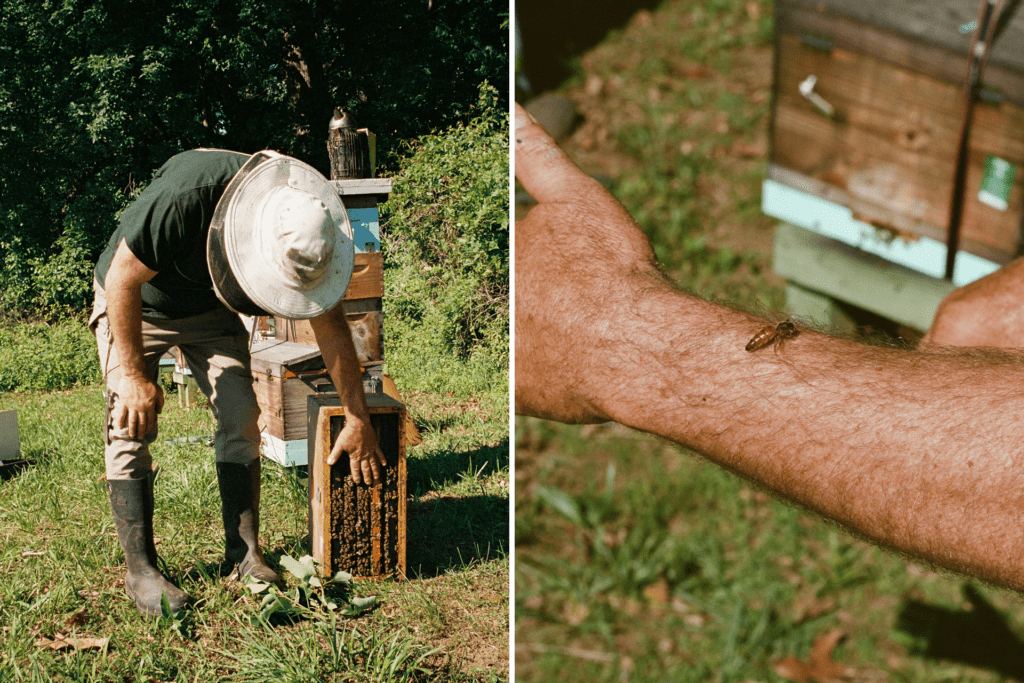
George uses a bee smoker on the hives.

You used to be a pediatrician at Nemours. What inspired you to become a beekeeper? 

I love understanding how the ecosystems we live in are so important to all living creatures’ well-being. It was an opportunity to further this understanding. Honeybees have been on this earth for about 100 million years, so they must be great adapters to ongoing change. 

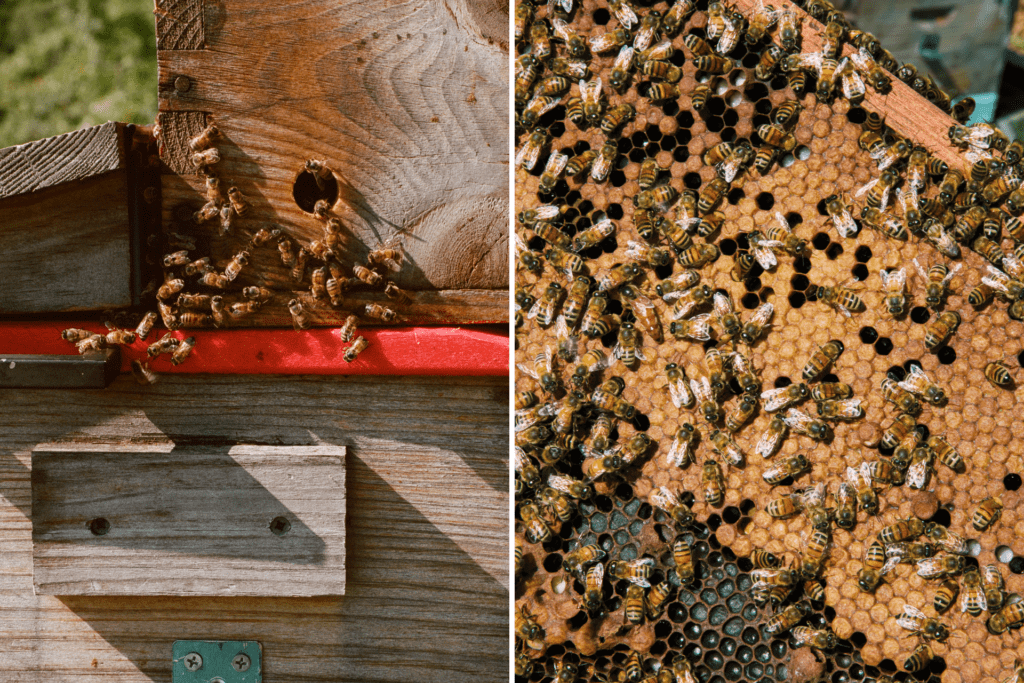
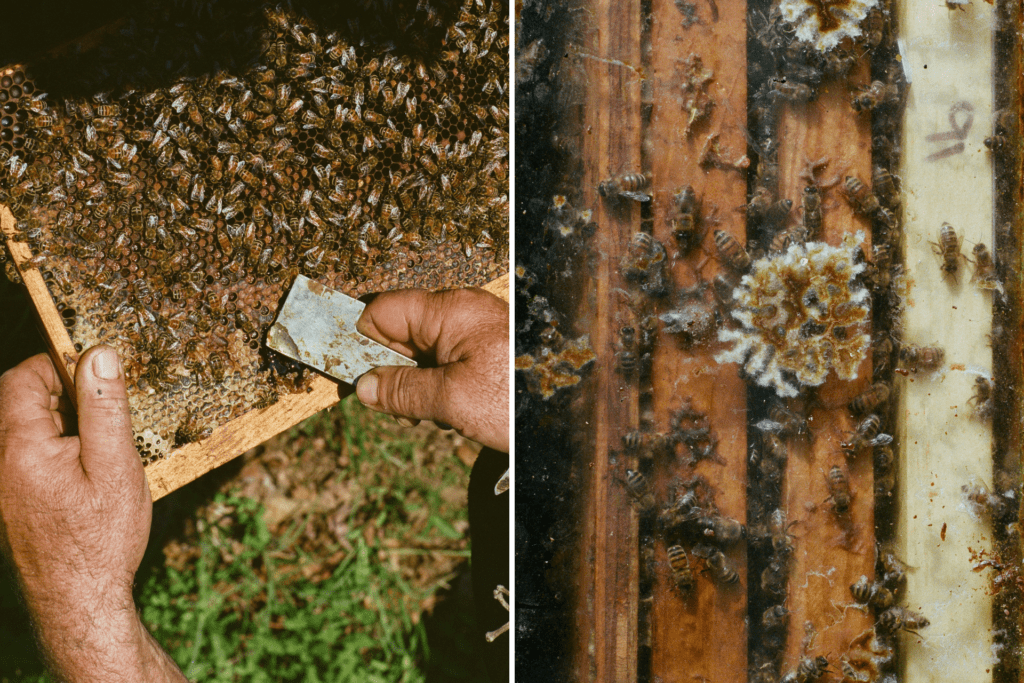
Bees gather outside and inside the hive.

Why is this work important to you and to Winterthur?

If the bees are healthy, then we must be doing a good job with our local ecosystems. Honeybees generally forage within half a mile of their hives, so what we do with our natural lands matters. 

I like being part of the Winterthur community. Everyone is so nice—maybe because I bring them honey?

Diligent beekeeping involves regular maintenance and careful recordkeeping.

What do you enjoy most about being Winterthur’s beekeeper?

I like educating everyone about what is going on with Winterthur’s honeybees—explaining what they’re up to and how honey is made. 

Honey gathers and a honeycomb grows in the hives.

What’s something you wish more people knew about bees?

Honeybees are generally pretty friendly. I can put my hand on a frame of my bees and they don’t sting me. 

Honeybees can be surprisingly docile. Note the queen resting on George’s arm.

What’s your favorite part of volunteering at Winterthur?

I love walking through the beautiful Museum Store in my bee clothes. It’s always fun to make a delivery of honey and chat with the store employees.  All the opportunities for outreach and education are very cool too! 

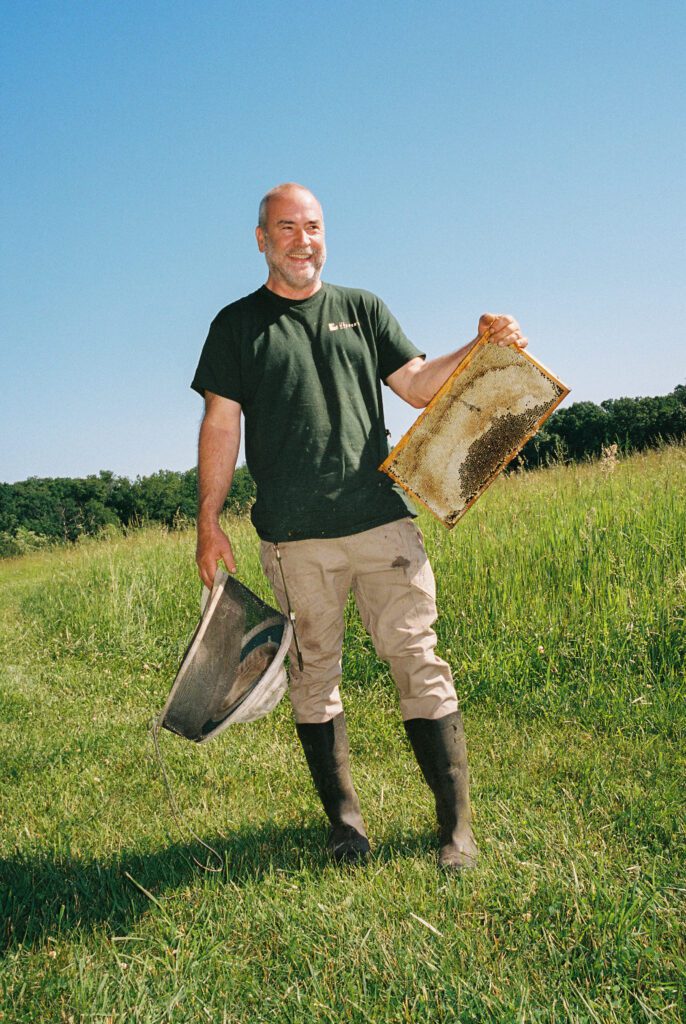
George Datto at Winterthur 

Learn more about George Datto and his work with the Keeper’s Hive. And bring home a taste of the estate with a jar of Winterthur honey, available in the Museum Store.  

Field Notes with George Datto, Beekeeper

By Amber Marcoon. Photography by Kelly Levin.

To celebrate National Pollinator Week, we joined volunteer beekeeper George Datto for a visit to Winterthur’s apiary and a closer look at the small creatures that help the garden flourish. 

What does a beekeeper do?

I am responsible for keeping the ten beehives at Winterthur healthy and productive. I ensure this by checking on them every week or two.

You used to be a pediatrician at Nemours. What made you interested in beekeeping?

I love understanding how the ecosystems we live in are so important to all living creatures’ well-being. It was an opportunity to further this understanding. Honeybees have been on this earth for about 100 million years, so they must be great adapters to ongoing change. 

Why is this work important to you and to Winterthur?

If the bees are healthy, then we must be doing a good job with our local ecosystems. Honeybees generally forage within half a mile of their hives, so what we do with our natural lands matters. 

I like being part of the Winterthur community. Everyone is so nice—maybe because I bring them honey?

What do you enjoy most about being Winterthur’s beekeeper?

I like educating everyone about what is going on with Winterthur’s honeybees—explaining what they’re up to and how honey is made. 

What’s something you wish more people knew about bees?

Honeybees are generally pretty friendly. I can put my hand on a frame of my bees and they don’t sting me. 

What’s your favorite part of volunteering at Winterthur?

I love walking through the beautiful Museum Store in my bee clothes. It’s always fun to make a delivery of honey and chat with the store employees.  All the opportunities for outreach and education are very cool too! 

Luke Pecoraro Appointed Curator of Ceramics and Glass

WINTERTHUR, Del. (June 18, 2026)—Winterthur Museum, Garden & Library has appointed Luke Pecoraro, Ph.D., as curator of ceramics and glass. An archaeologist and historian with more than two decades of experience excavating and interpreting American material culture, Pecoraro brings a distinctive perspective to Winterthur’s world-renowned collection of American decorative arts.

“Luke’s deep expertise in archaeology and the material culture of early America makes him an exceptional addition to the Winterthur curatorial team,” said Chris Strand, Charles F. Montgomery Director and CEO of Winterthur. “His hands-on fieldwork at some of the most significant historic sites in the country, combined with his scholarly contributions to the field, will enrich our understanding of the ceramics and glass collection and strengthen the research mission at the heart of everything we do at Winterthur.”

Pecoraro joins Winterthur from the Drayton Hall Preservation Trust in Charleston, South Carolina, where he served as director of archaeology and collections. His career has taken him across the mid-Atlantic, the Chesapeake, New England, and the Caribbean, leading field investigations at landmark sites in American history. He previously served as director of curatorial services for the Jamestown-Yorktown Foundation and as director of archaeology for George Washington’s Mount Vernon, where he also held the position of assistant director of archaeological research.

Throughout his career, Pecoraro has developed a particular specialization in ceramics as primary historical evidence, presenting at the Museum of Early Southern Decorative Arts and Colonial Williamsburg’s ceramics symposia and delivering presentations on assemblages spanning colonoware to high-style English wares imported into the Atlantic world. His ongoing work as a research archaeologist for the First Colony Foundation continues in the search for the 16th-century Lost Colony on Roanoke Island, North Carolina.

“Winterthur is one of the great institutions for the study of American art and material culture, and I am honored to join the curatorial team at such a pivotal moment,” said Pecoraro. “The ceramics and glass collection holds extraordinary stories about how people lived, traded, and expressed identity across centuries of American history. I look forward to deepening public engagement with these objects while advancing new scholarship rooted in the archaeological and documentary record.”

Pecoraro holds a Bachelor of Arts in history from Virginia Commonwealth University and a master’s degree and Ph.D. in archaeology from Boston University. He is an associate editor for the journal Historical Archaeology and a course instructor with the National Preservation Institute.

In 2025, he was the Richard Hampton Jenrette Foundation Scholar for Attingham Summer School. He was named to the National Trust for Historic Preservation’s 40 Under 40: People Saving Places list in 2019 and was the recipient of a residential fellowship from the International Center for Jefferson Studies at Monticello in 2022.

###

About Winterthur Museum, Garden & Library
Winterthur—known worldwide for its preeminent collection of American decorative arts, naturalistic garden, and research library for the study of American art and material culture—offers a variety of tours, exhibitions, programs, and activities throughout the year. Admission includes a self-paced house tour, exhibitions, a narrated tram ride (weather and space permitting), and the Winterthur Garden.

Winterthur is located on Route 52, six miles northwest of Wilmington, Del., and five miles south of U.S. Route 1. Winterthur is committed to accessible programming for all. For information, including special services, call 800.448.3883 or visit winterthur.org. Winterthur is closed seasonally from early January through late February.
 

Enchanted Summer Day Returns June 13 with Live Music, Magic, Storytelling, and Family Fun

WILMINGTON, Del., June 10, 2026—Winterthur Museum, Garden & Library invites families to celebrate a milestone moment this summer as it hosts Enchanted Summer Day on Saturday, June 13, 2026, from 10 am to 3 pm. This whimsical annual event marks the 25th anniversary of Enchanted Woods, the acclaimed three-acre children’s garden that has sparked the imaginations of young visitors for a quarter of a century.

A Day of Magic for the Whole Family

Enchanted Summer Day takes guests on a journey through the estate’s stunning grounds, through the picturesque garden all the way to the heart of Enchanted Woods. Along the way, families will enjoy a full afternoon of live entertainment, hands-on crafts, lawn games, delicious food, and the kind of open-ended, imaginative play that has made Enchanted Woods a treasured destination for families and visitors from across the region.

Activities at the Visitor Center Patio include:

  • Musical entertainer Silly Joe, who invites guests of all ages to embrace their silly side
  • A party hat decorating station
  • Wands available to pick up and spread a little magic

During Enchanted Summer Day, Enchanted Woods will come alive with:

  • Roving musician Mary Roth, whose melodies drift through the trees and invite exploration
  • Storyteller Terry Colonna, weaving enchanting tales that captivate children of all ages
  • Delaware Master Naturalists, leading hands-on learning and craft activities
  • Fairy discovery stations, where families can find resident garden fairies and uncover their stories
  • A make-and-take fairy-sized door craft for young builders and dreamers

On the lawn, guests can:

  • Play classic games including the Game of Graces, Hoop & Stick, and Ring Toss
  • Watch magician Chris Fabiano dazzle audiences with his sleight of hand
  • Purchase burgers, hot dogs, snacks, and drinks from the grill tent


Enchanted Woods Turns 25

Since opening in June 2001, Enchanted Woods has earned numerous awards and the enduring affection of families who wander through its whimsical paths each year. Accessed through a rustic wooden Troll Bridge, the garden is designed as a space where children lead the way, discovering hidden wonders and letting their imaginations run wild.

With its Tulip Tree House made from a fallen tulip poplar tree, giant Bird’s Nest, Water’s Edge fountain, flowing stream and water trough in Frog Hollow, and sprawling open spaces, the garden invites free play in a natural setting enhanced with just a bit of wonder. Children can meander along the S-s-serpentine Path, skip among the Story Stones and Fairy Flower Labrinth, and pause for a party in the Acorn Tearoom. Don’t miss the Green Man’s Lair hidden among the azaleas! A favorite activity during Enchanted Summer Day is the dance around the maypole in the Gathering Green.

Winterthur has invested in several enhancements to ensure the garden continues to delight for decades to come. Work is ongoing to replace the roof on the Faerie Cottage, which should reopen later this summer. Other recent improvements include rethatching the roof of the Tulip Tree House, adding pavers to the Gathering Green, and repairing the iconic mushroom misters in the Faerie Ring.

“Enchanted Woods holds a very special place in the hearts of so many families, and celebrating its 25th anniversary is a genuine joy for all of us at Winterthur,” said Chris Strand, Charles F. Montgomery Director and CEO of Winterthur Museum, Garden & Library. “This garden was created from the belief that children learn and grow through free, imaginative play in nature, and 25 years of delighted young visitors have proven that right. Enchanted Summer Day is our way of honoring that legacy and inviting new generations of children to discover the magic that awaits them in this very special garden.”

###

About Winterthur Museum, Garden & Library
Winterthur—known worldwide for its preeminent collection of American decorative arts, naturalistic garden, and research library for the study of American art and material culture—offers a variety of tours, exhibitions, programs, and activities throughout the year. Admission includes a self-paced house tour, exhibitions, a narrated tram ride (weather and space permitting), and the Winterthur Garden.

Winterthur is located on Route 52, six miles northwest of Wilmington, Del., and five miles south of U.S. Route 1. Winterthur is committed to accessible programming for all. For information, including special services, call 800.448.3883 or visit winterthur.org. Winterthur is closed seasonally from early January through late February.
 

A Collection-Defining Acquisition

Winterthur recently acquired eight rare works of art and a series of personal correspondence, nearly all from the collection of artist Mary Jane Peale (1827–1902), bolstering the museum’s already distinguished Peale family holdings ahead of a major exhibition of these works scheduled for 2027.

The acquisition brings to Winterthur a number of firsts: its first miniature by Anna Claypoole Peale, its first work by Rubens Peale, its first Peale landscape, and the first portraits of Mary Jane, Rubens, and Charles Willson Peale to enter the collection. Together, these objects deepen Winterthur’s capacity to tell a fuller, more equitable story of one of America’s most consequential artistic dynasties.

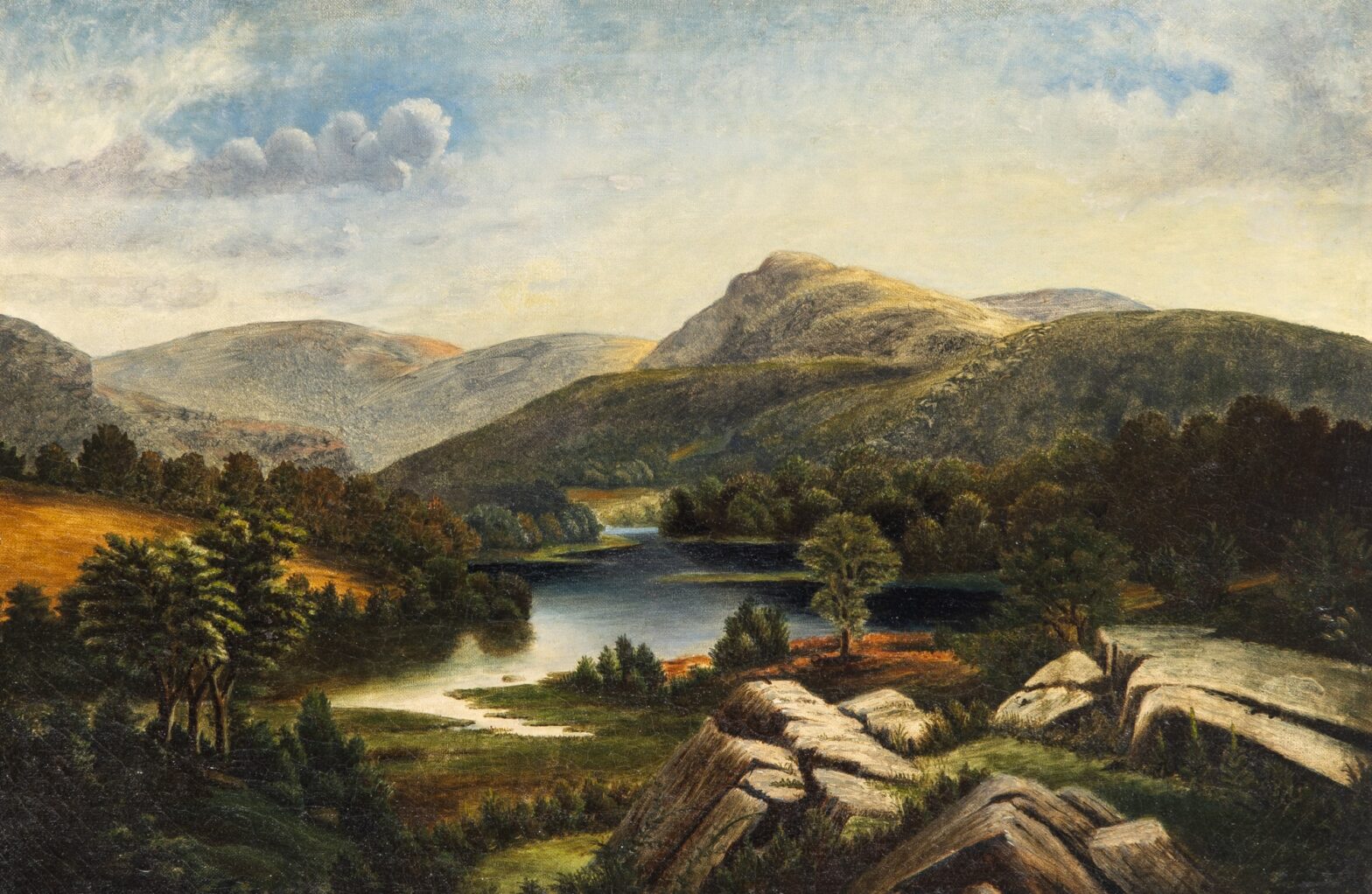
Rubens Peale, View of Juniata River, 1860. Oil on canvas. Museum purchase with funds drawn from the Centenary Fund. 2026.0006.006 A

Led by portrait painter Charles Willson Peale, the first family of American art included his brothers, sons, daughters, nieces, nephews, and grandchildren, including Mary Jane, as well as Moses Williams, a formerly enslaved artist who made thousands of silhouettes for visitors to Peale’s Philadelphia Museum, which Charles founded in 1784.

Winterthur’s already impressive lineup of Peale material now numbers about fifty paintings and works on paper, along with a rich archive of Peale letters, manuscripts, and photographs. The collection consists of works purchased by museum founder Henry Francis du Pont with strengths in colonial and Revolutionary portraiture by Charles Willson and his brother James Peale.

The new acquisitions build directly on that foundation, adding works that span portraiture, landscape, silhouette, and a miniature, across multiple generations and branches of the extended Peale family. They include the following:

  • Portrait of an Artist (1859) by Rembrandt Peale is a self-commissioned portrait Mary Jane ordered from her uncle to support her own art studies.
  • Portrait of Mrs. Rubens Peale, née Eliza Burd Patterson (ca. 1820) by Charles Willson Peale is a portrait of Mary Jane’s mother, Eliza, painted by her father-in-law to mark her marriage to Rubens Peale.
  • Portrait of Rubens Peale with Spectacles (before 1829) by his niece Anna Claypoole Peale is a watercolor-on-ivory miniature and the museum’s first work by this celebrated Peale woman artist.
  • View of Juniata River (1860) by Rubens Peale is an oil-on-canvas landscape with an original artist-made frame (1860). This is Winterthur’s first Peale landscape.
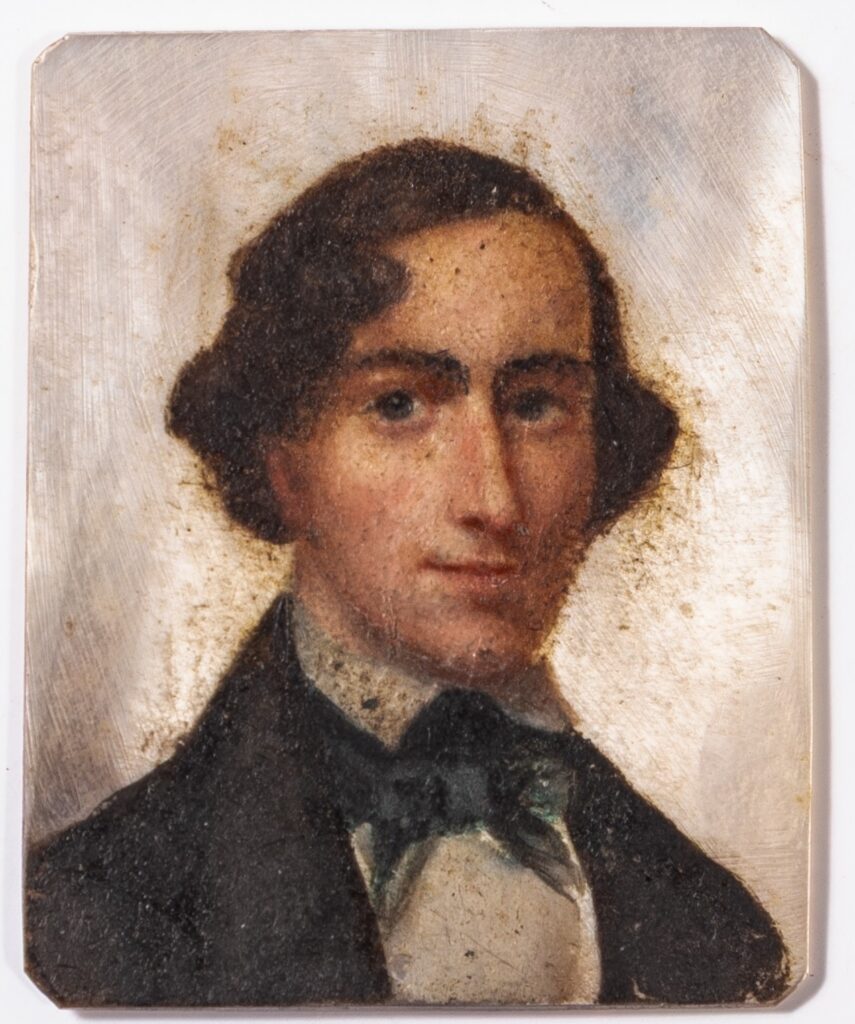
  • Portrait of George Peale Wearing a Black Coat Over a White Stock and Blue Bow-Knot (before 1858) by Mary Jane Peale is an oil-on-mother-of-pearl miniature of her artist brother George, a rare and delicate example of her work in miniature.
  • Three silhouettes with Peale family provenance, including two by Moses Williams (1776–1830), one of which depicts Charles Willson Peale, mark a significant addition to Winterthur’s holdings related to the formerly enslaved silhouette artist.
Mary Jane Peale, Portrait of George Peale Wearing a Black Coat Over a White Stock and Blue Bow-Knot,
before 1858. Oil on mother-of-pearl. Museum purchase with funds drawn from the Centenary Fund. 2026.0006.005


Re-examining the Story of American Art’s First Family

The timing of the acquisition is fortuitous, as planning is well underway for Becoming Peale, scheduled to run September 18, 2027–January 9, 2028.

Featuring Winterthur’s collection of Peale art and archival treasures assembled for the first time on a large scale, this groundbreaking exhibition will reveal how each generation redefined the act of Becoming Peale.

Curated by Dr. Kedra Kearis, associate curator of arts and visual culture, the exhibition harnesses a growing interest in the art of the Peale women and Moses Williams by bringing their contributions into closer view. Winterthur, in collaboration with the University of Delaware, is conducting technical studies on paintings by the Peale women and the cut profile work of Moses Williams, including the new acquisitions.

The exhibition will feature paintings and works on paper from the Winterthur collection, alongside costumes, furniture, and decorative arts objects that will illuminate the family’s creative legacy across time, place, and medium. It will also include more than sixty additional pieces on loan from public institutions and private individuals, several of which have never been publicly exhibited. Together, these works will offer a richer, more comprehensive retelling of the artistic legacy of the multigenerational Peale family.

“Until recent years, many contributions by lesser-known Peales have been overlooked. Some of the Peale women have been identified as assistants or copyists. In actuality, they had their own established artistic practices,” said Kearis. “My goal is to give voice to the underrepresented artists of this famous family. This is where Mary Jane Peale, Moses Williams, and other marginal figures of the Peale circle will step forward.”

Rembrandt Peale, Portrait of Mary Jane Peale, Rubens’ Daughter, 1859. Oil on canvas.
Museum purchase with funds drawn from the Centenary Fund. 2026.0006.003 A

The seven letters between Rembrandt Peale and his niece Mary Jane offer rare primary-source documentation of a practicing woman artist working within a family art dynasty. Together with the portrait commission they describe, the letters will anchor one of the exhibition’s central narratives. The letters also build on the Winterthur Library’s strong holdings documenting art and artists in early America.

Explore the artistic legacy of the Peale family of painters with Dr. Kedra Kearis, associate curator of arts and visual culture in the upcoming Curator’s Salon Series scheduled for October 11.

Wonders of the Small Wonder

February 27, 2027–January 9, 2028

A love letter to the “Small Wonder” that is Delaware, this charming exhibition presents a wide array of Winterthur objects that celebrate the state’s native wildflowers, animals, geology, and waterways.  While Delaware became the first state to join the newly established country on December 7, 1787, its lands and waters have born witness to eons of natural changes. Today, Delaware remains one of the most biodiverse environments in the United States, featuring more than 45 different habitats including woodlands, marshes, meadows, and a sprawling, 10,000-acre cypress swamp.

Challenging Masterpieces: Art and Identity in American Furniture

September 26, 2026–May 2, 2027

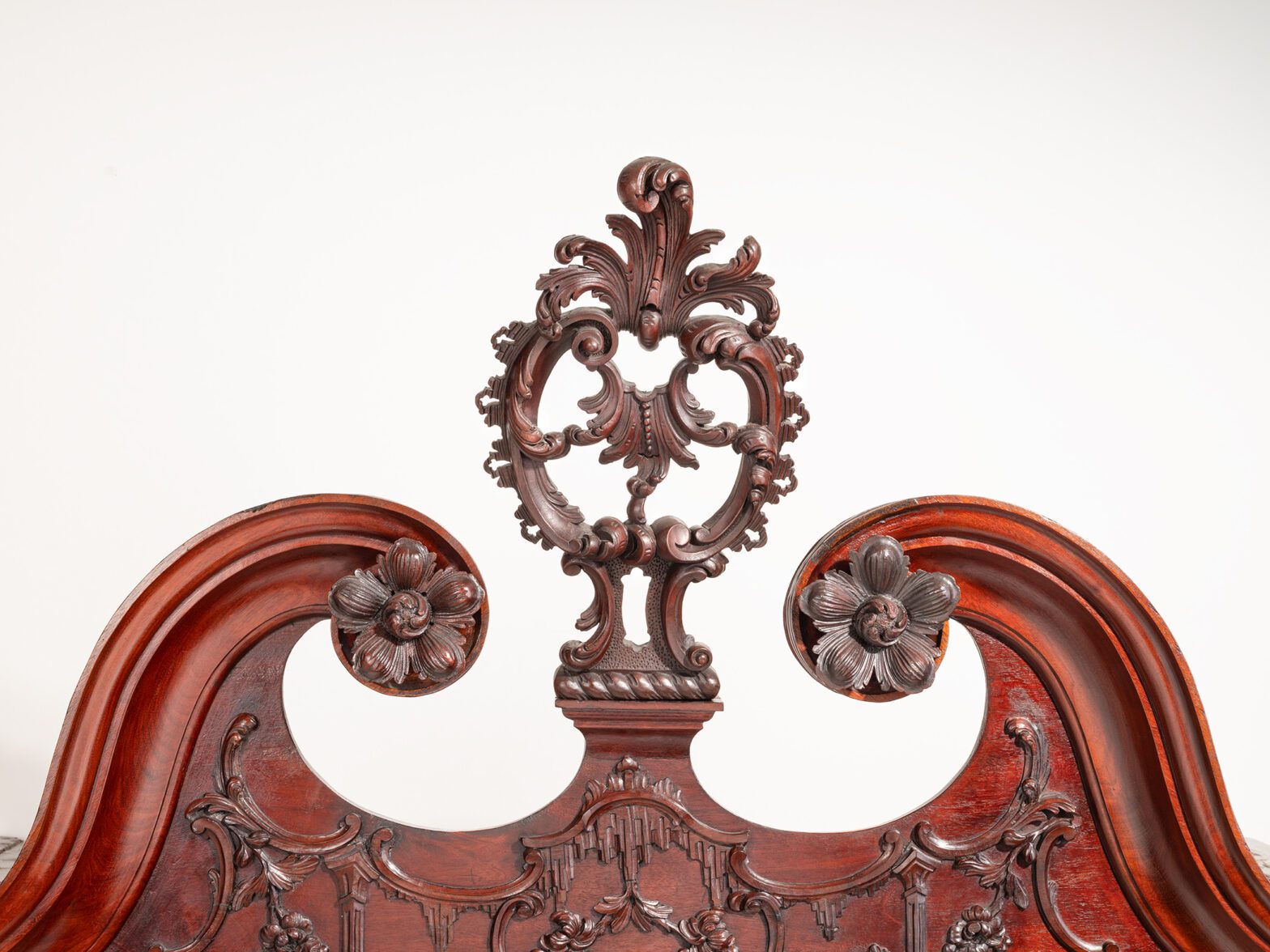
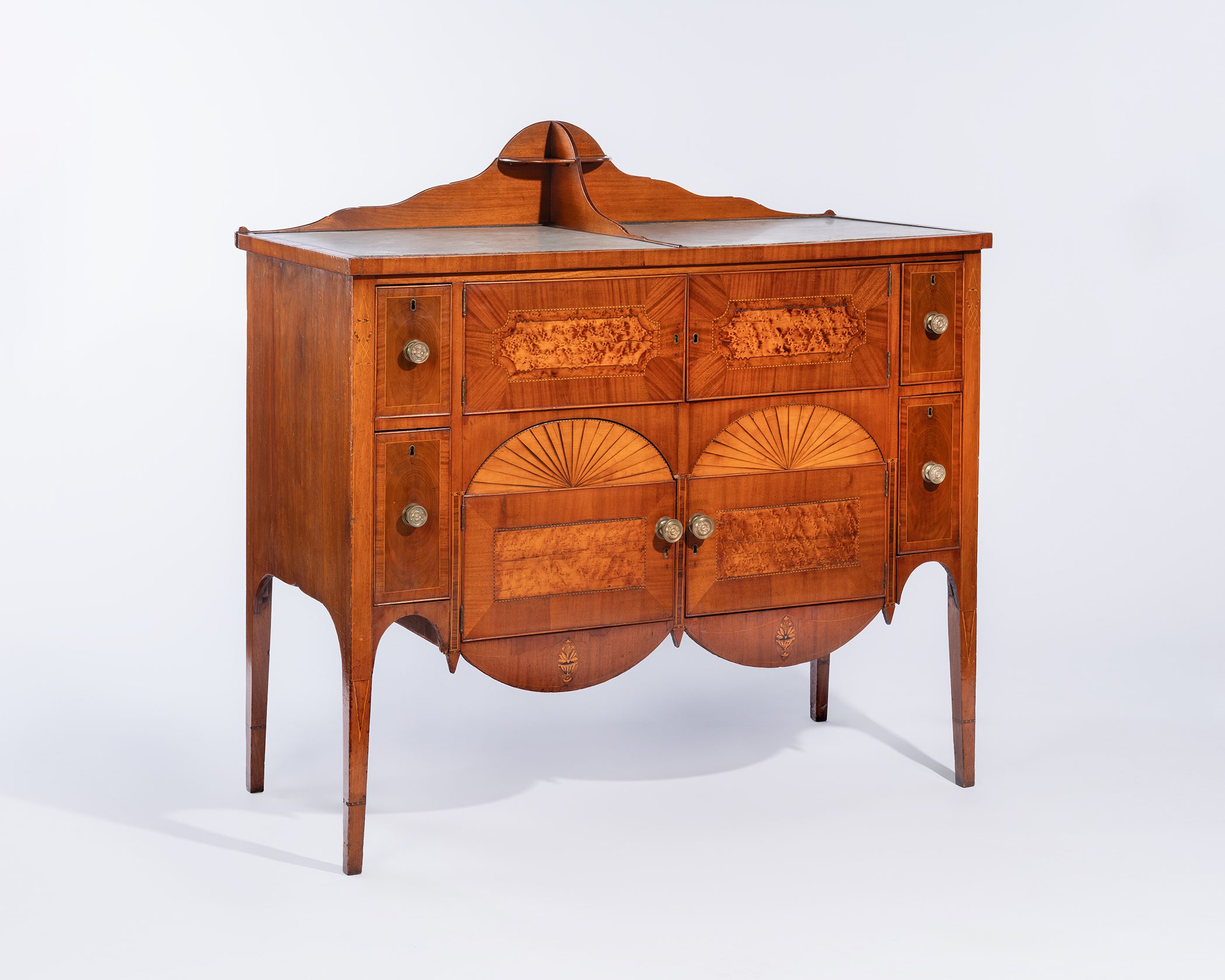
In 2026, Winterthur Museum celebrates its 75th anniversary—and America’s 250th—with a bold and beautiful exhibition showcasing more than 70 standout pieces from the collection, each chosen for its exceptional craftsmanship, inventive design, or use of rare or unexpected materials.

But this isn’t just about admiring fine furniture. It’s about rethinking what makes something a “masterpiece.” Through immersive displays and up-close looks at construction details, the exhibition invites you to explore deeper questions: Who gets to decide what’s considered great design? Whose stories have been left out? And is the term “masterpiece” still appropriate today?

Whether you’re drawn to the artistry of a hand-carved leg, the cleverness of a hidden drawer, or the cultural stories behind a chair’s design, Challenging Masterpieces offers a fresh perspective that celebrates creativity, identity, and the evolving legacy of American furniture—designed to spark curiosity and conversation.

The Richard C. von Hess Foundation is the presenting sponsor for the Challenging Masterpieces exhibition.

The Sewell C. Biggs Winterthur Furniture Forum

Early American Furniture and the Idea of Masterpiece

A Two-Day Symposium | Friday, April 23, and Saturday, April 24, 2027 

8:30 am to 5:00 pm 

The exhibition Challenging Masterpieces: Art and Identity in American Furniture highlights examples of extraordinary furniture in the Winterthur collection to explore ideas about what makes a “masterpiece” and how the concept has been understood and used by collectors, connoisseurs, and museums.  

The two-day symposium Early American Furniture and the Idea of Masterpiece will continue that exploration, delving deeper into design, craftsmanship, and the history of antiques collecting itself. These inquiries are designed to engage furniture enthusiasts, experts, historians, museum professionals, and others interested in material culture and American history. 

This event includes lectures, workshops, case studies, an evening reception, and exhibition viewing. 

Registration opens December 2026.

Enhance Your Visit

Get the most of your visit to Winterthur with these activities, included with your General Admission ticket, which is good for two consecutive days!

Take the Self-Paced House Tour. Explore American history through the spaces, stories, and objects that shaped the nation. Discover the enduring influence of colonial American architecture, an unparalleled collection of decorative arts, and the transformation of a private estate into a museum devoted to preserving and interpreting the American experience. 

Explore the galleries and garden. Take a stroll in the world-renowned 60-acre garden or explore one of our walking trails throughout the 1,000-acre estate. And, no visit is complete without our garden tram tour. Our guides share highlights of the garden and the history of Winterthur on this 30-minute narrated tour. Then, head inside to be inspired by the galleries, featuring two floors of the finest examples of American decorative arts.

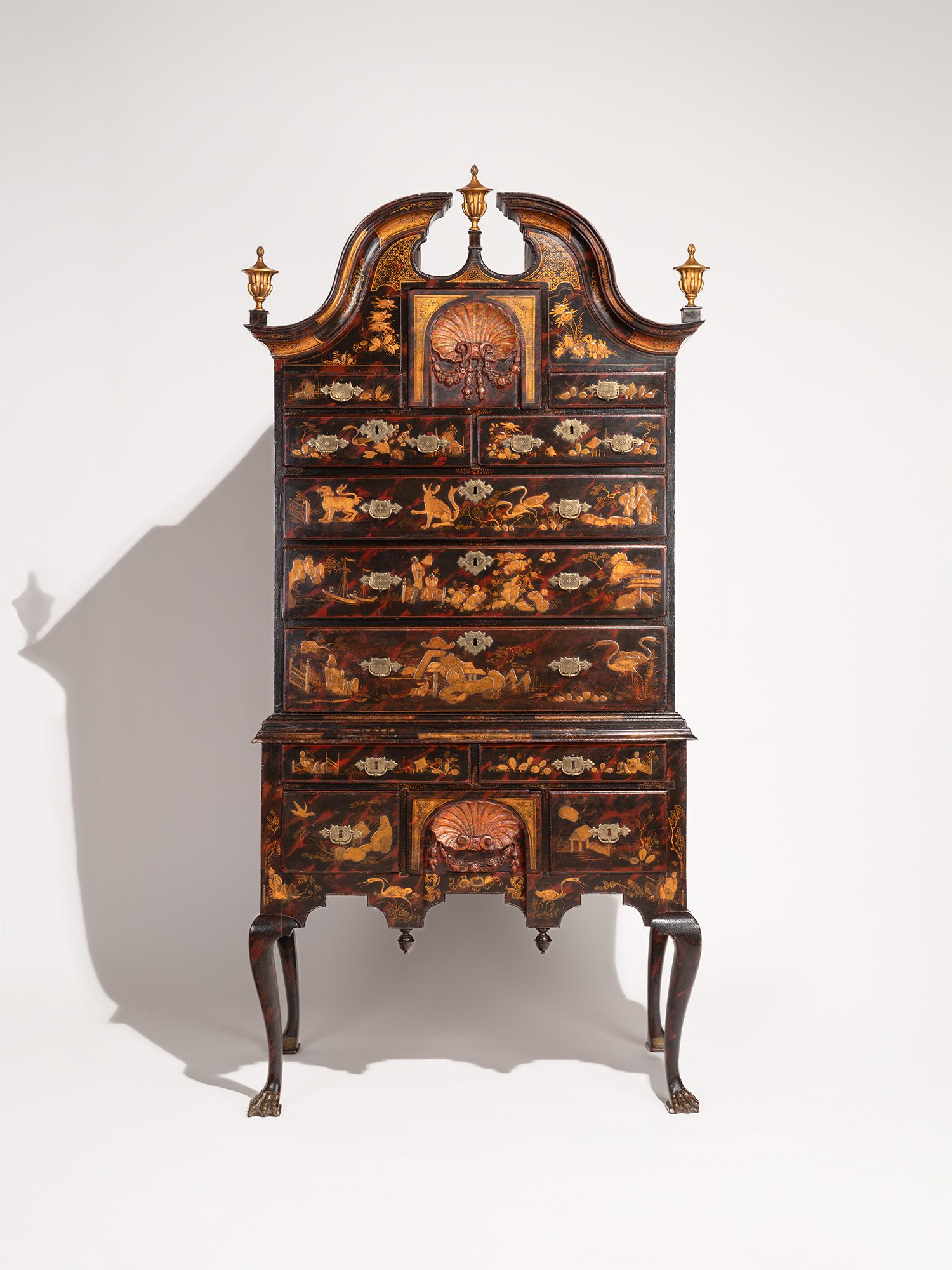
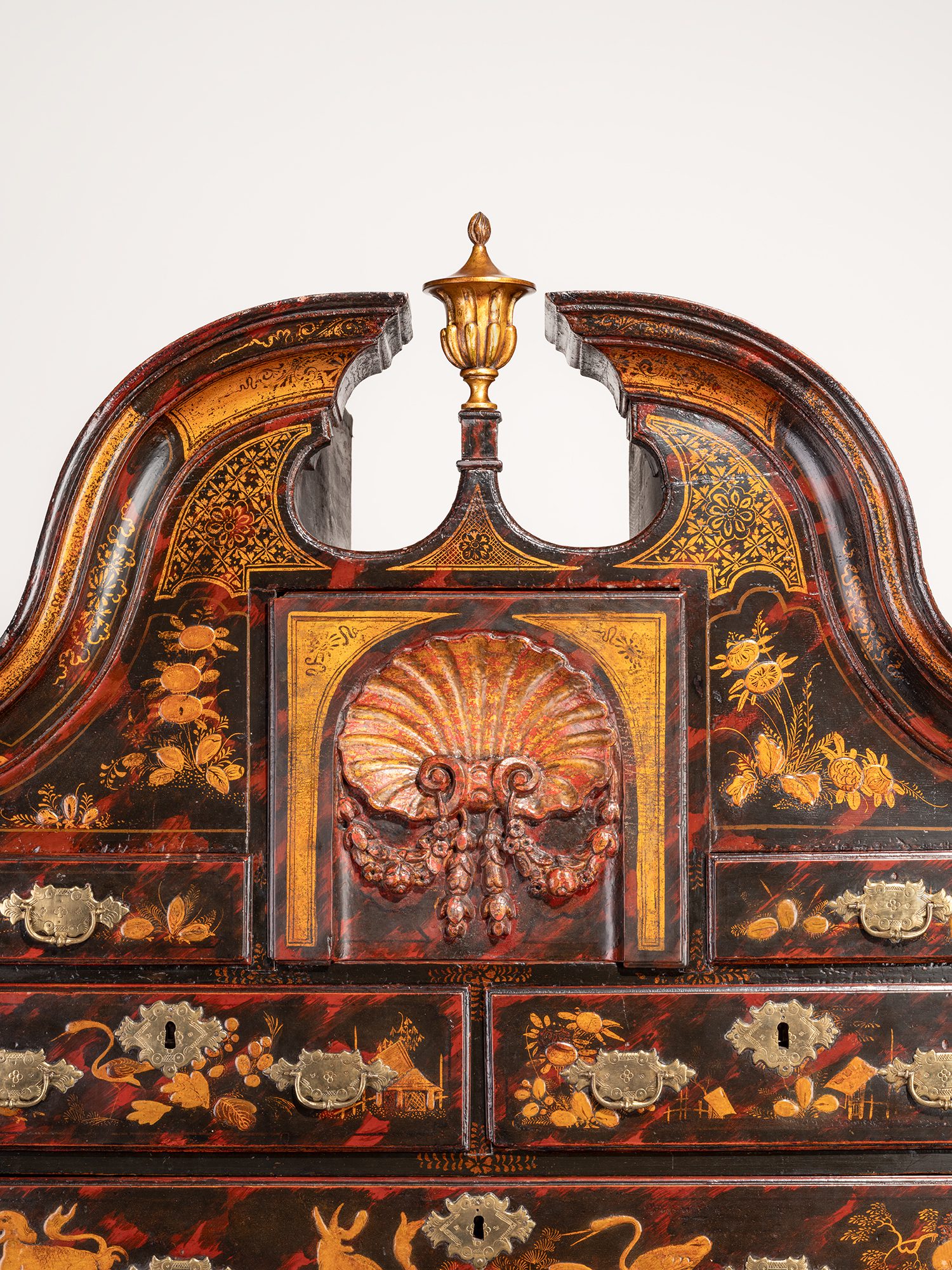
Chest of drawers, Philadelphia, PA, 1765–1775. Mahogany, cedar, tulip poplar, brass, and lacquer. Gift of Henry Francis du Pont 1957.0506