By Amber Marcoon. Photography by Kelly Levin.
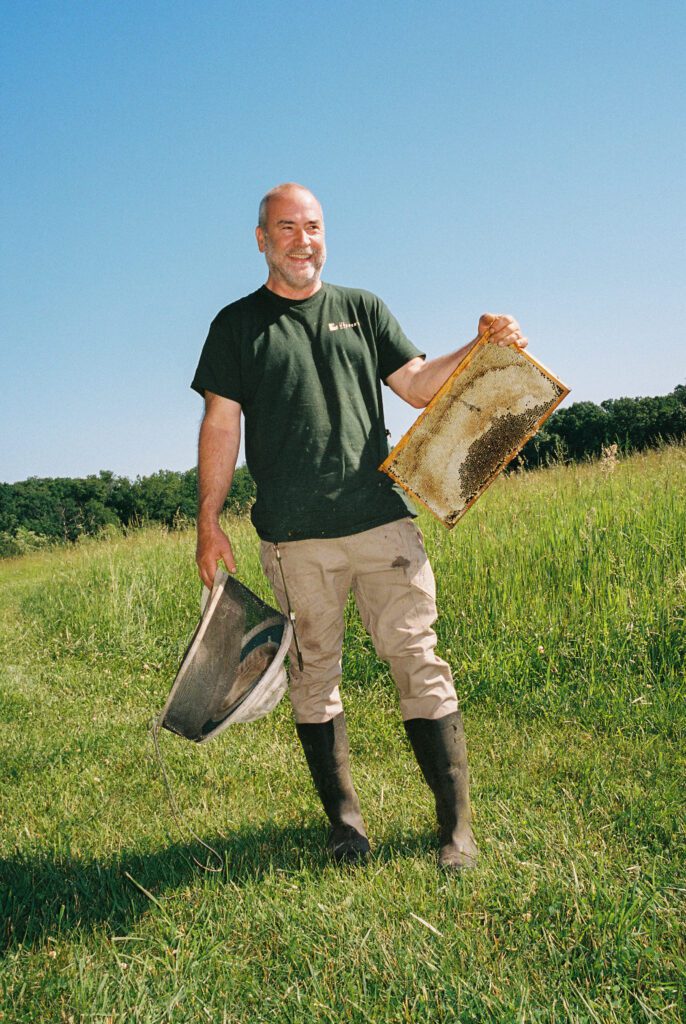
To celebrate National Pollinator Week, we joined volunteer beekeeper George Datto for a visit to Winterthur’s apiary and a closer look at the small creatures that help the garden flourish.
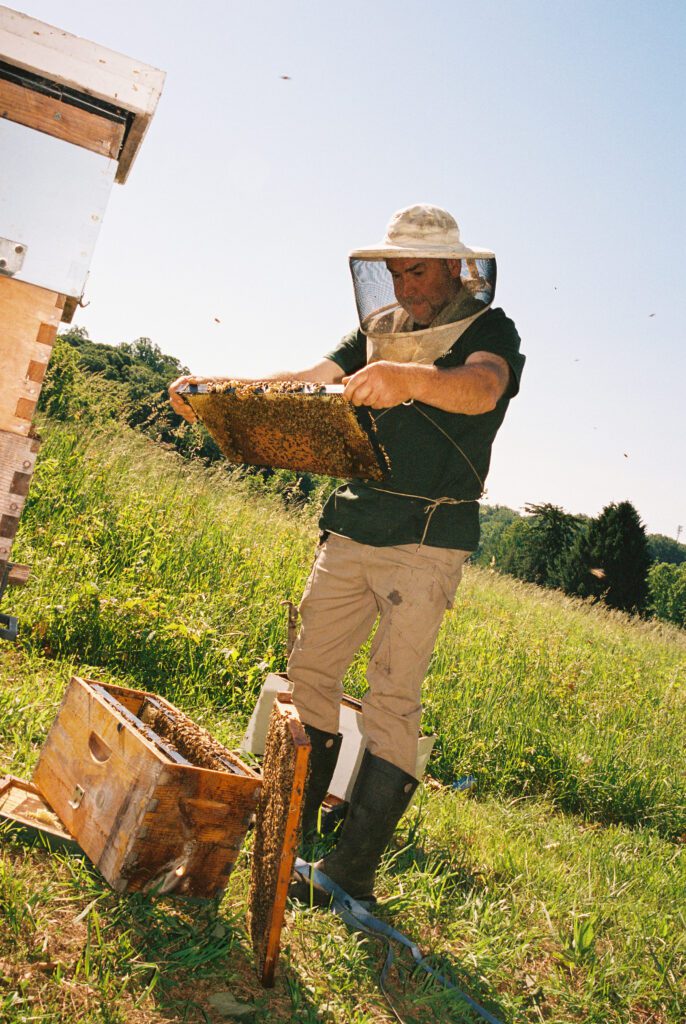
What does a beekeeper do?
I am responsible for keeping the ten beehives at Winterthur healthy and productive. I ensure this by checking on them every week or two.
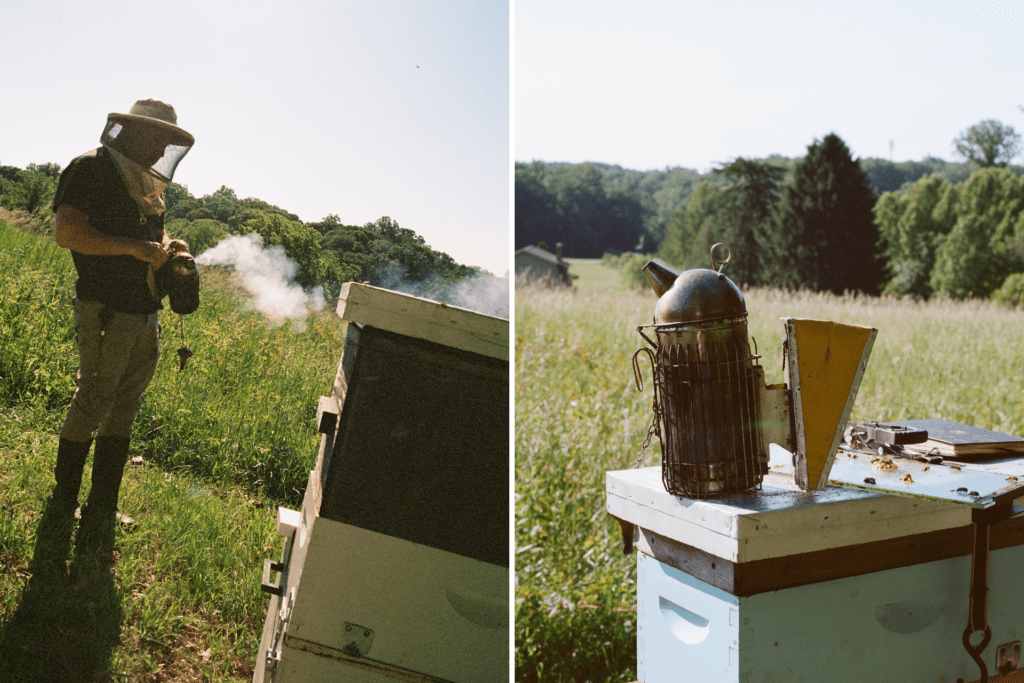
You used to be a pediatrician at Nemours. What inspired you to become a beekeeper?
I love understanding how the ecosystems we live in are so important to all living creatures’ well-being. It was an opportunity to further this understanding. Honeybees have been on this earth for about 100 million years, so they must be great adapters to ongoing change.
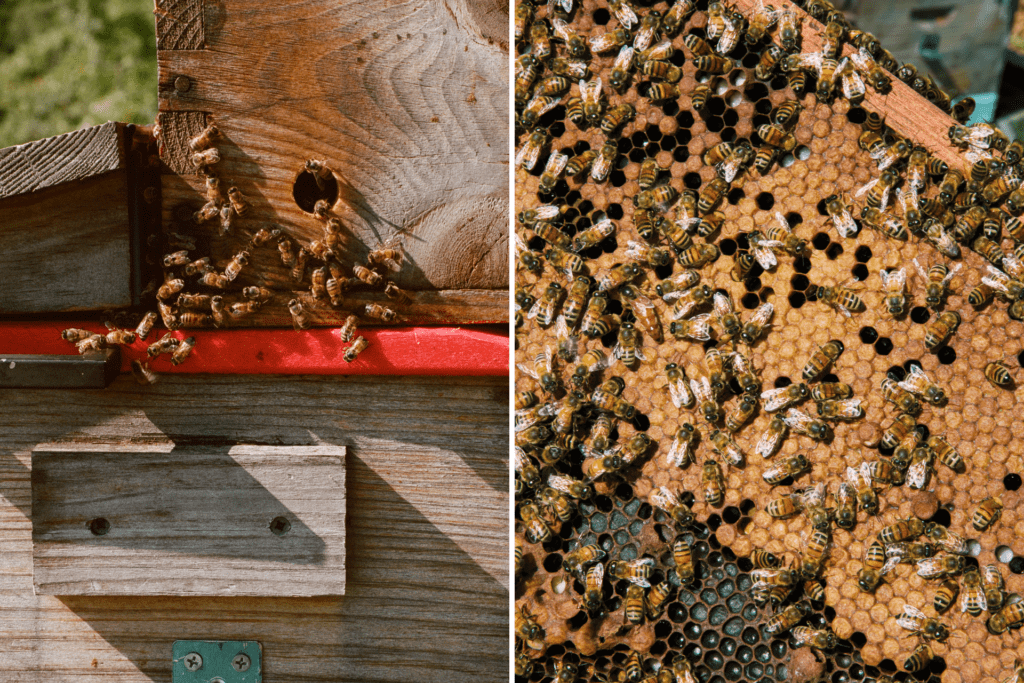
Why is this work important to you and to Winterthur?
If the bees are healthy, then we must be doing a good job with our local ecosystems. Honeybees generally forage within half a mile of their hives, so what we do with our natural lands matters.
I like being part of the Winterthur community. Everyone is so nice—maybe because I bring them honey?
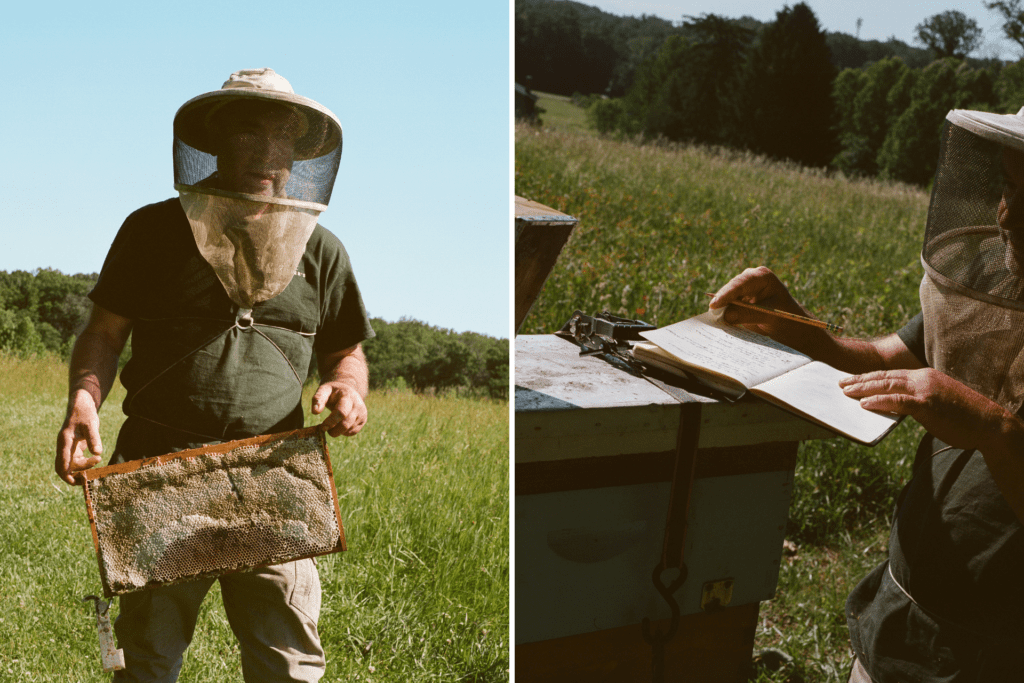
What do you enjoy most about being Winterthur’s beekeeper?
I like educating everyone about what is going on with Winterthur’s honeybees—explaining what they’re up to and how honey is made.
What’s something you wish more people knew about bees?
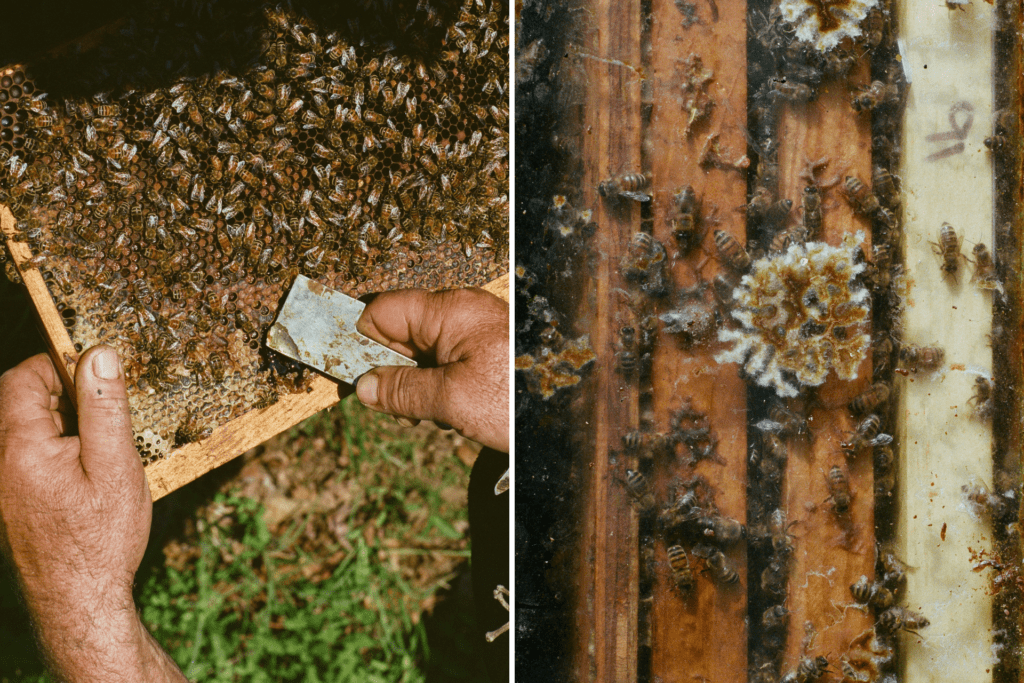
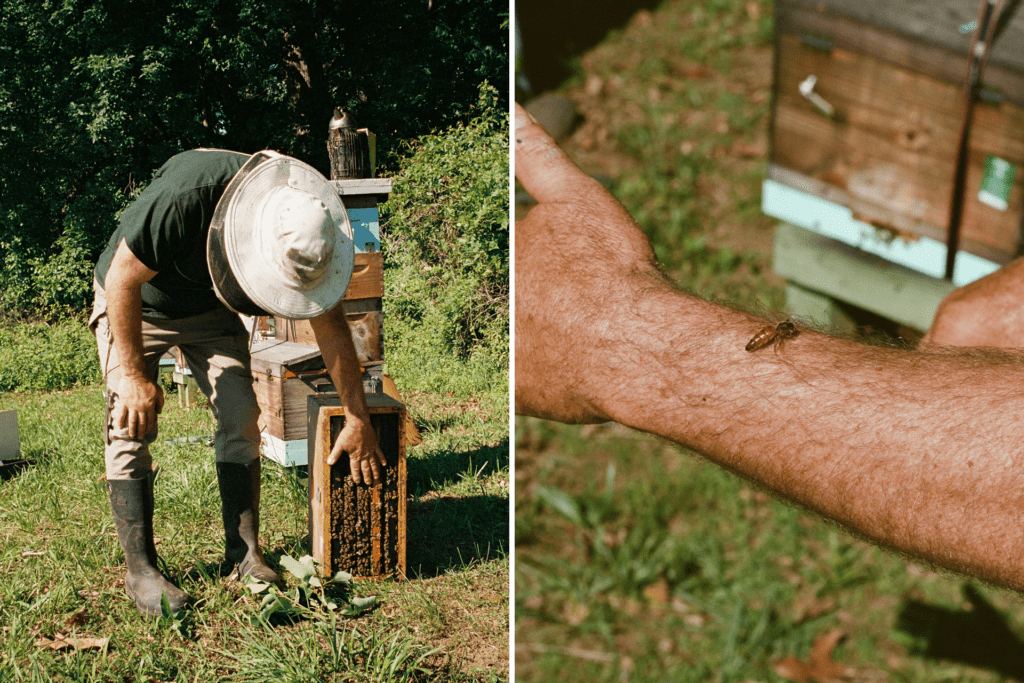
Honeybees are generally pretty friendly. I can put my hand on a frame of my bees and they don’t sting me.
What’s your favorite part of volunteering at Winterthur?
I love walking through the beautiful Museum Store in my bee clothes. It’s always fun to make a delivery of honey and chat with the store employees. All the opportunities for outreach and education are very cool too!
Learn more about George Datto and his work with the Keeper’s Hive. And bring home a taste of the estate with a jar of Winterthur honey, available in the Museum Store.