Search Site

Challenging Masterpieces: Art and Identity in American Furniture Exhibition to Open September 26

New exhibition asks who gets to decide what counts as a masterpiece, and uses Winterthur’s own collecting history to answer it, tracing the idea from a record-setting 1929 auction win to the underrepresented makers now reshaping the conversation.

WILMINGTON, Del. (August 25, 2026)—Winterthur Museum, Garden & Library’s new exhibition, Challenging Masterpieces: Art and Identity in American Furniture, uses more than 70 objects from its own collection to show how the term masterpiece was constructed, who it left out, and how it’s being redefined today. Developed by Joshua W. Lane, the Lois F. and Henry S. McNeil Curator of Furniture, the exhibition opens Sept. 26, 2026, and runs through May 2, 2027.

Organized around a single question, What makes a masterpiece? the exhibition traces how that label emerged among early 20th-century collectors, hardened into orthodoxy, and is now being reconsidered. The show unfolds across two galleries and two themes: the first traces how the idea of the aesthetic “masterpiece” took hold in American antiques collecting in the early 20th century; the second carries that inquiry forward, showing how the definition has expanded from the 1970s to the present.

“We chose the exhibition title to spur reflection on masterpiece as an aesthetic category long governed by supposedly fixed standards,” said Lane. “As a historically and culturally constructed term, it’s open to interpretation, interrogation, and expansion. We’re not looking to overthrow the idea of a masterpiece. Rather, we want visitors to ask who gets to decide and to consider a more inclusive understanding of American antique furniture.”

Celebrating the breadth and depth of the furniture collection amassed by founder Henry Francis du Pont, Challenging Masterpieces will highlight design, materials, and workmanship while exploring the historical context of his collecting activities. In step with other collectors and curators of the time, du Pont favored high-style masterpieces made in cities such as Boston, Newport, and Philadelphia.

Arranged chronologically, the exhibition will explore the emergence of the market for American antique furniture in the 1870s and examine the idea of the aesthetic masterpiece, tracing the maturation of this market from the 1920s, when du Pont began to collect, to his death in 1969.  It will then showcase how the collection expanded from the 1970s through the present and how the concept of “masterpiece” continues to evolve.

Gallery One: The exhibition opens with the “Van Pelt” high chest (Philadelphia, 1765–80, carving attributed to John Pollard and Hercules Courtenay), which du Pont won at auction in 1929, bidding under the pseudonym “H. F. Winthrop.” Acquired for $44,000, the equivalent of roughly $830,000 in today’s dollars, it was then the highest price paid for a piece of American antique furniture.

The high chest anchors a gallery that goes on to explore the traditional meaning of “masterpiece” through about a dozen miniature furniture forms, including a walnut dressing table once owned by Ralph Waldo Emerson and a mahogany miniature sideboard signed by New York cabinetmaker James Curtis on Christmas Eve 1823.

Long-recognized masterpieces on view include a wainscot great chair (Huntington, N.Y., 1720–40) that descended in the Conklin family and, according to family tradition, was used by George Washington during a 1790 visit to Long Island; a Newport tea table made by John Goddard in 1763; a Boston high chest by John Pimm (1740–50); and a Boston dressing bureau made by the celebrated cabinetmaker Thomas Seymour for the firm Isaac Vose & Son (1820–25).

Displayed alongside these examples of urban, high-style craftsmanship prized by early 20th-century collectors are period auction records, dealer correspondence, and the pages of The Magazine ANTIQUES that first popularized such objects as icons of American taste.

Gallery Two: Expanding the canon. The second gallery, The Challenge, broadens the scope of “masterpiece” to include work from underrepresented regions such as the American South and Midwest and objects that blur the line between professional shop production and folk art, including a rare 17th-century chest from Milford, Connecticut, built with tropical hardwood that was likely sourced through West Indian trade routes.

More recent acquisitions since 1970 join the conversation here, including a mid-18th-century Campeche chair from Campeche, Mexico; an early19th-century armoire from Martinique; and a 19th-century quillwork side chair made by a Mi’kmaq artist in the Canadian Eastern Maritimes. Each is an example of global circulation of goods, materials, and design across the Americas.

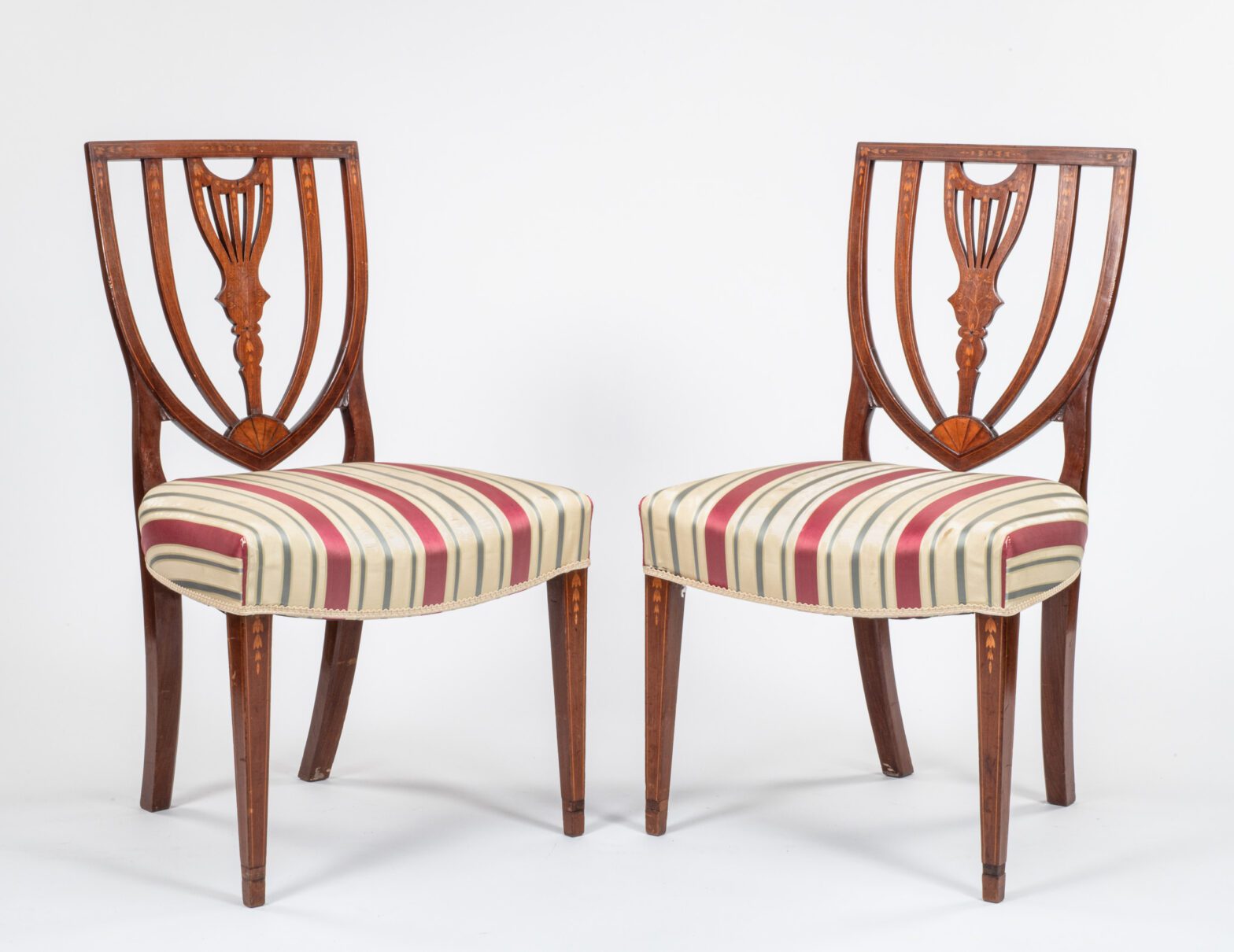
The gallery also makes room for pieces whose makers were never recorded, such as a marble-topped Philadelphia pier table (1815–30) and a New York side chair (1845–55), putting anonymous craftsmanship on equal footing with prominent names.

Traditional prestige objects appear here too, encouraging visitors to think about how our ideas of quality, American craftsmanship, and value have changed over time.

Why now? Lane began developing the exhibition in the midst of a broader, ongoing debate among art historians and museum professionals over the meaning and utility of “connoisseurship” and “masterpiece,” terms increasingly scrutinized for reflecting the tastes of a narrow, historically homogenous circle of collectors rather than the full range of American craftsmanship.

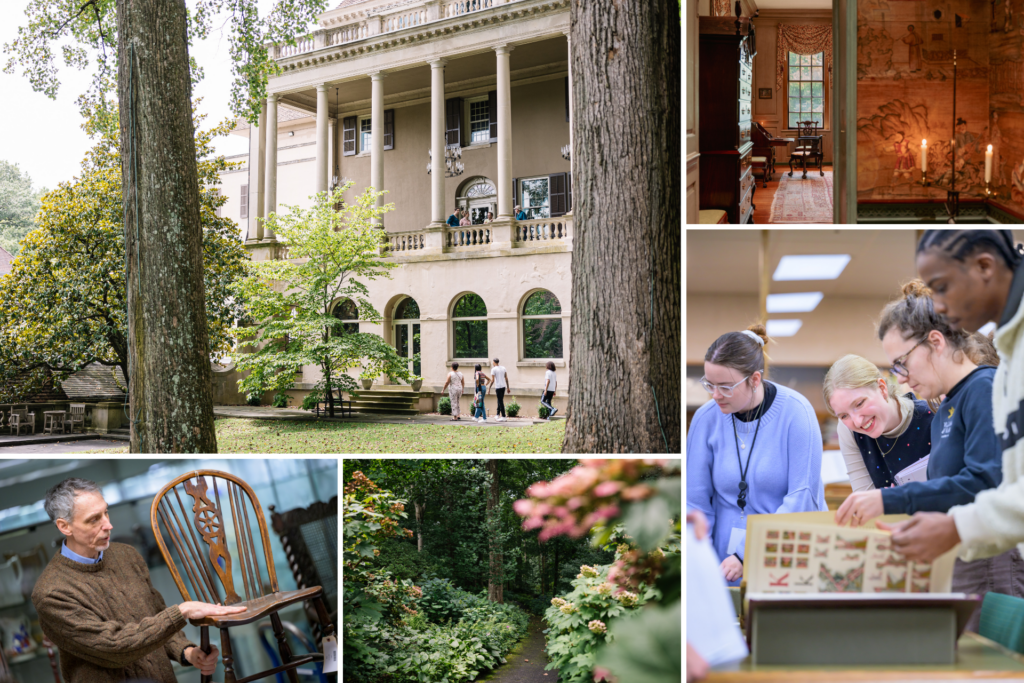
The exhibition opens as Winterthur reflects on its founding vision. When du Pont opened his 175-room family estate to the public as a museum 75 years ago in 1951, he established what remains one of the most significant collections of American decorative arts in the world, now numbering more than 90,000 objects.

Challenging Masterpieces celebrates du Pont’s legacy while examining the priorities and blind spots that shaped it. Acting on a collecting policy the Board of Trustees expanded in 2018 to remove a long-standing 1840s cutoff date, Winterthur has since acquired objects that extend the collection’s scope from the Civil War era to the present, broaden geographic representation beyond the East Coast, and celebrate the creativity of previously underrepresented makers.

“Henry Francis du Pont built this collection with an extraordinary eye and an equally strong point of view about what counted. Part of our responsibility as stewards is to honor the collection he gave us and to keep asking harder questions about whose work belongs in it. Challenging Masterpieces shows visitors that a museum collection isn’t a finished statement; it’s an ongoing conversation,” said Alexandra Deutsch, Director of Collections, Winterthur Museum, Garden & Library.

Exhibition features. Challenging Masterpieces pairs more than 70 examples of furniture drawn from Winterthur’s renowned collection with dynamic displays drawn from Winterthur Library’s manuscript and rare book holdings, including original auction records, dealer correspondence, and period photographs, alongside iPad features that reveal hidden marks, secret drawers, and construction details, and 3D didactic models that spotlight craft skill and design ingenuity.

It will offer a rare chance to see iconic pieces in a new light as they are temporarily relocated from the museum house to the galleries, some for the first time. The exhibition will appeal to collectors, students, scholars, as well as makers who can examine construction details and investigate historical designs and practices.

General visitors will have a chance to gain a deeper understanding of diverse styles and aesthetics of antiques, at a time when “brown furniture” is experiencing a mainstream revival that’s trending away from cookie-cutter, mass-produced furniture and more toward a high-low interior design mix and appreciation for antiques, vintage and preowned.  

Visit. Challenging Masterpieces: Art and Identity in American Furniture is on view Sept. 26, 2026, through May 2, 2027, in the Galleries at Winterthur Museum, Garden & Library, 5105 Kennett Pike, Winterthur, Delaware. Winterthur is open Tuesday–Sunday, 10 am–5 pm; admission is $29 for adults, with discounts for seniors, students, and children. Tickets and additional visitor information are available at winterthur.org.

What’s next. The accompanying exhibition catalogue, expected to be available in March, will include object entries and new photography for every piece in the exhibition, as well as three original essays discussing the history and future of furniture connoisseurship at Winterthur. On April 23 and 24, 2027, The Sewell C. Biggs Winterthur Furniture Forum: Early American Furniture and the Idea of Masterpiece will continue the exploration of what makes a “masterpiece,” delving deeper into design, craftsmanship, and the history of antiques collecting. The event includes lectures, workshops, case studies, an evening reception, and exhibition viewing. Registration opens in December.

###

About Winterthur Museum, Garden & Library
Winterthur—known worldwide for its preeminent collection of American decorative arts, naturalistic garden, and research library for the study of American art and material culture—offers a variety of tours, exhibitions, programs, and activities throughout the year. Admission includes a self-paced house tour, exhibitions, a narrated tram ride (weather and space permitting), and the Winterthur Garden.

Winterthur is located on Route 52, six miles northwest of Wilmington, Del., and five miles south of U.S. Route 1. Winterthur is committed to accessible programming for all. For information, including special services, call 800.448.3883 or visit winterthur.org. Winterthur is closed seasonally from early January through late February.
 Contact: Lisa McVey, lmcvey@winterthur.org or 302.888.4803
Caring for Your Collections: Silver Conservation Tips

By Lauren Fair, objects conservator and assistant director of conservation

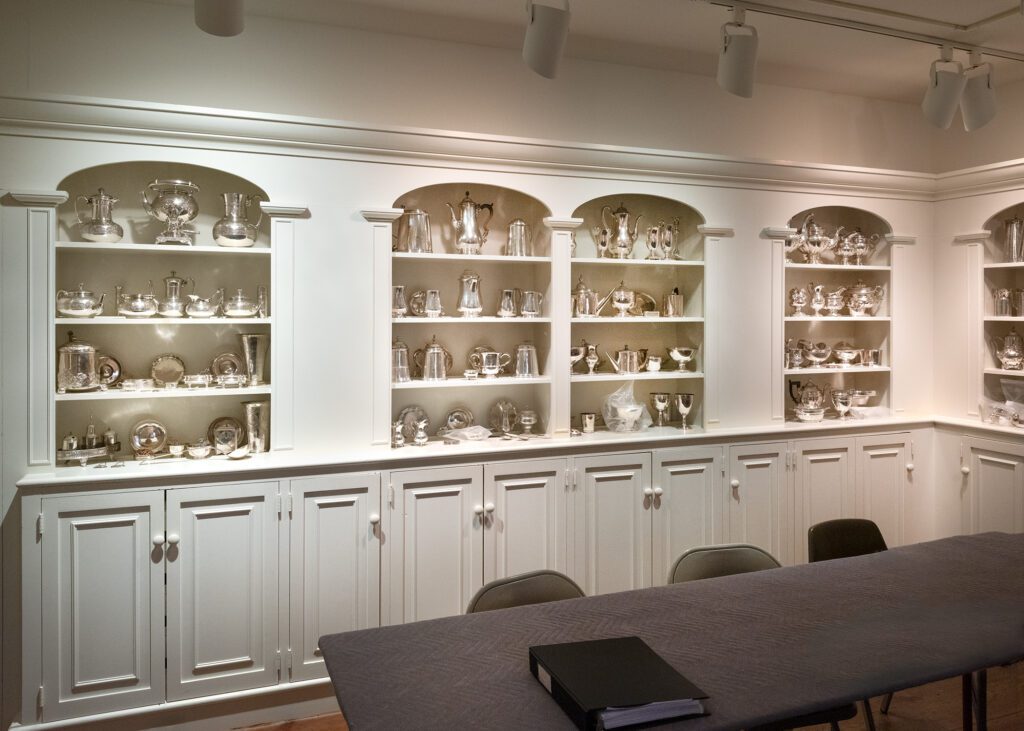
“How do I polish my silver?” is the most common question I am asked as an objects conservator. We all appreciate the shine of a brightly polished silver object, be it a necklace, candlestick, or a tea kettle. But silver tarnishes quickly due to sulfur in the air, so it requires routine cleaning if left out in the open.

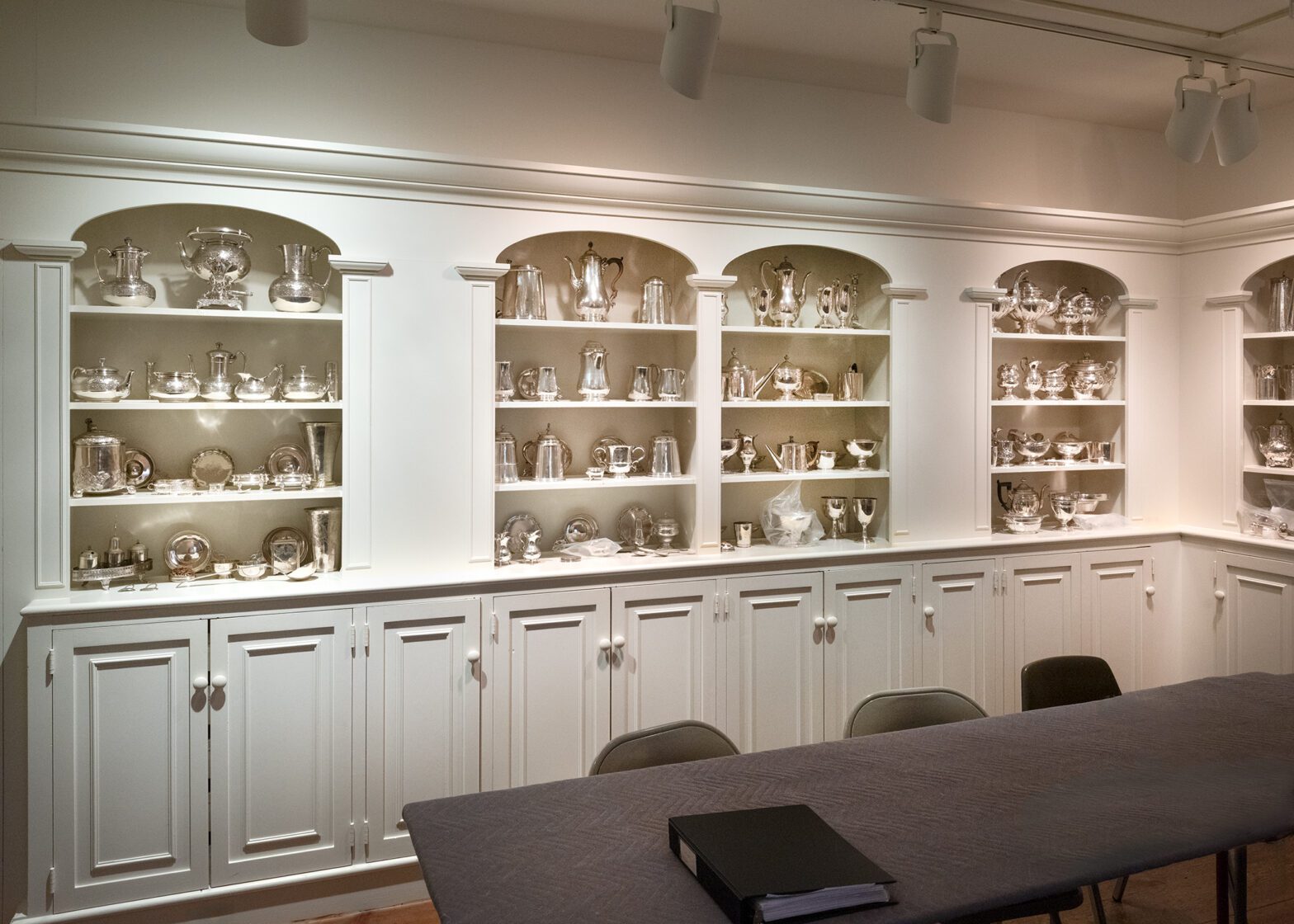
Silver Study I in the museum contains silver objects displayed on open shelves and within closed cabinets and drawers. The space is also used for teaching, studying, and staging.

Before polishing your silver, you should first consider if other materials are present. Organic components such as ivory or wooden handles should be protected from any water or cleaning solution. When polishing silver-plated objects and those with decorative gilding or intentionally applied patinas, use extreme care to avoid wearing away the surface finish. In fact, any abrasive polishing removes a small amount of silver, so gentle cleaning is best. 

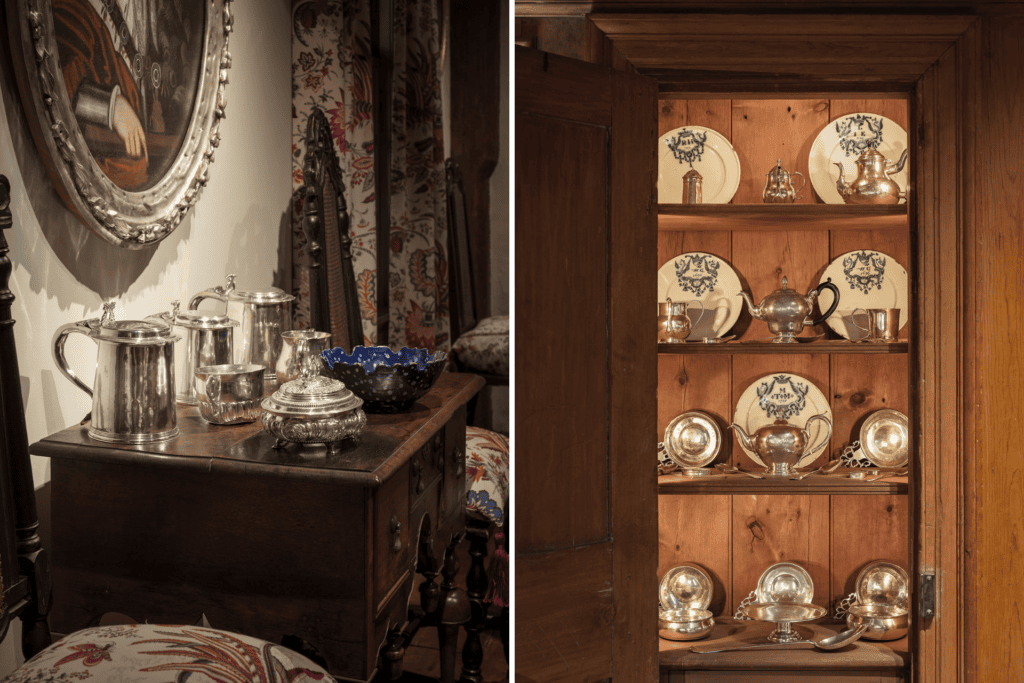
The museum’s Wentworth Room features multiple open displays of silver.

While many commercial products are available for polishing, they often contain chemicals that can harm your silver and other metals in the long run. We recommend the following steps for cleaning most silver items:

1. Place the object in a large water bath with a drop of mild dishwashing detergent. Gently clean the surface with a soft brush—like a soft toothbrush—to remove old polish from crevices.

2. Rinse thoroughly in clean water and dry completely but gently with clean, soft cotton rags. 

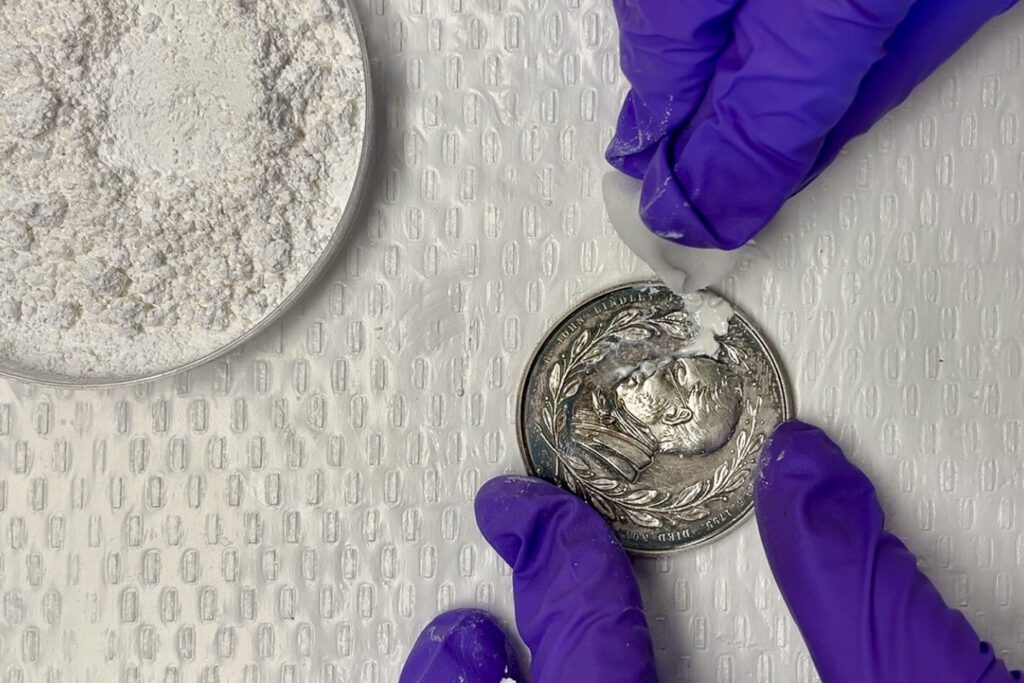
3. For heavier tarnish, we recommend purchasing calcium carbonate from a chemical supplier, which ensures uniform particle size without filler materials that can damage your silver. Make a creamy paste by mixing the calcium carbonate with water, then gently rub the mixture over the metal surface with a soft cotton cloth or cotton flannel. Use only light pressure, as vigorous cleaning can scratch the surface or remove plating. As the cotton becomes dirty, change to another part of the cloth or use a fresh one.

Polishing a silver medal with a slurry of lab-grade calcium carbonate and water on a cotton pad 

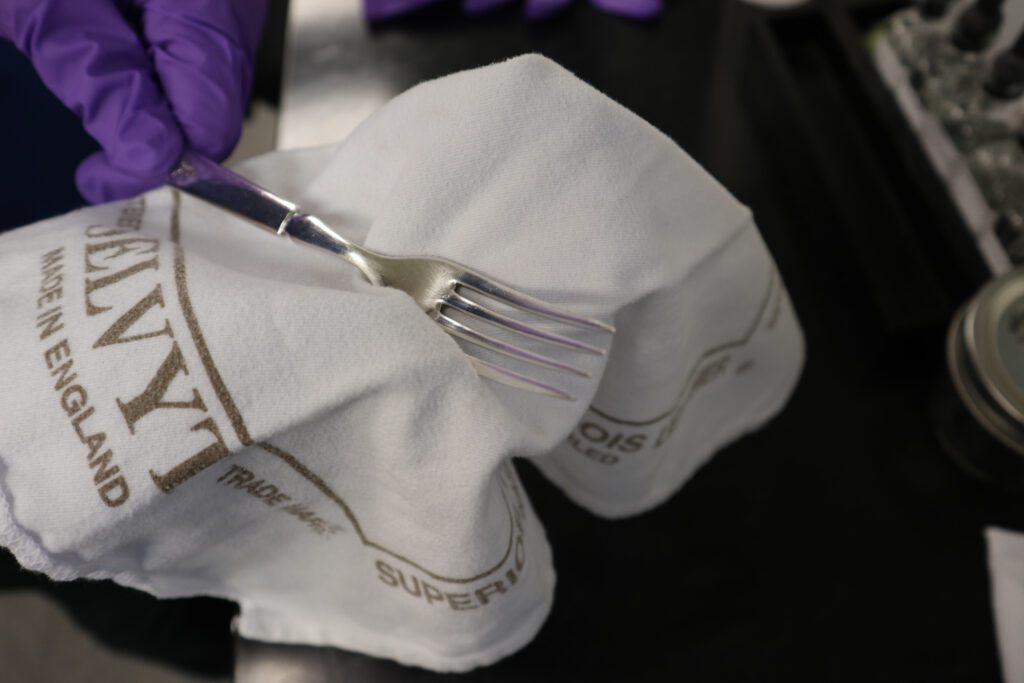
For light tarnish, you can buff with a polishing cloth such as Selvyt PR, a woven cotton velvet with a raised surface and no embedded abrasives.

Buffing light tarnish with a Selvyt PR cloth

4. Once finished, wipe away dry residue and follow the cleaning and rinsing procedure outlined in steps 1 and 2. Make sure you remove all polish residue, as remaining residue builds up over time, traps moisture against the surface, and increases tarnishing. 

You can minimize new tarnish formation by displaying your silver in an area that stays at a consistently low relative humidity (below 50 percent). Routine dusting helps, as dust accumulation holds moisture to the surface and accelerates tarnishing. If you have the option, enclosing your object in a display case, cabinet, or drawer is even better. 

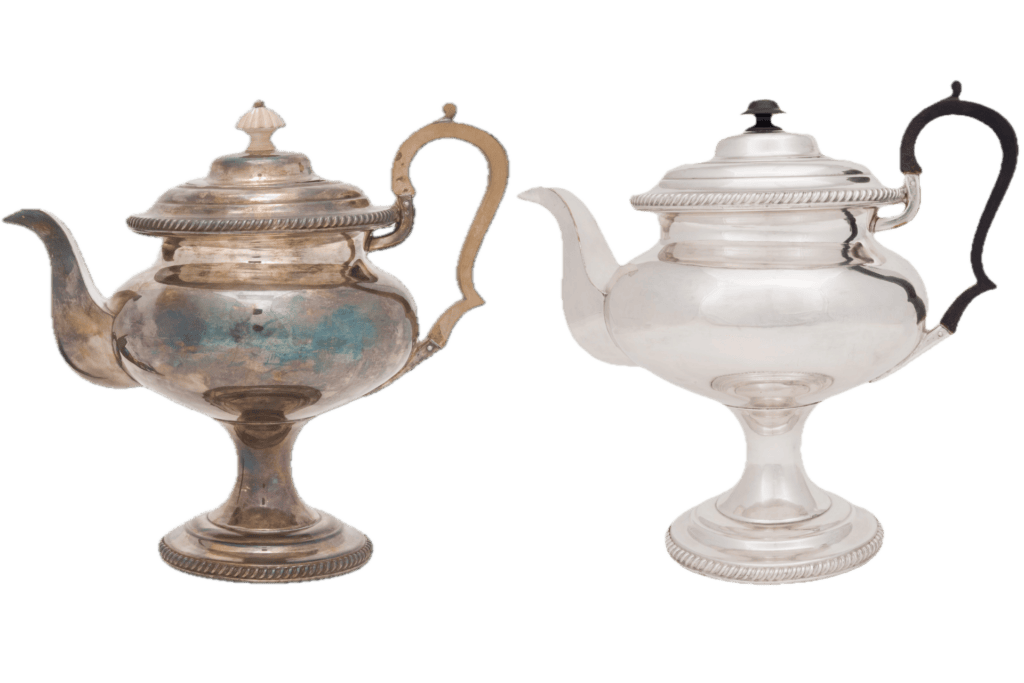
Coffee pot, England, 1820–30. Silverplate on copper (fused plate), wood. Gift of Dr. W. Lehman Guyton 2005.0003. Left: before treatment, right: after treatment.

If your object is not displayed, the best way to limit tarnish is to wrap it in acid-free tissue followed by a cloth or paper that can prevent tarnish, such as Pacific Silvercloth or 3M Anti Tarnish Strips. You can then place the wrapped silver inside a plastic zip bag, box, cabinet, or drawer.

For more information, including sources for materials, read more.

Stitched in Place: Needlework Conference

March 19–21, 2027

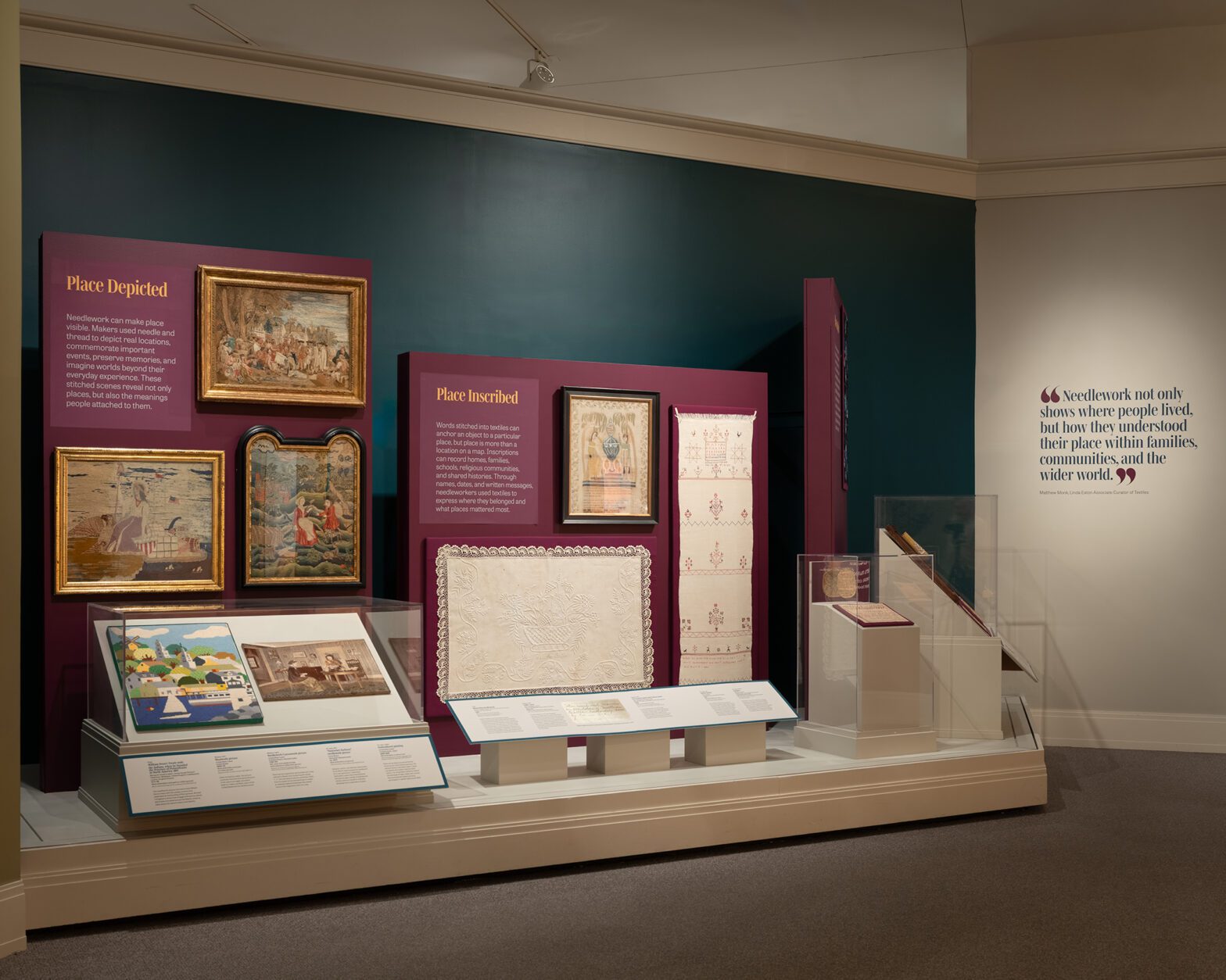
Stitched in Place is a two-and-a-half-day conference that invites you to consider how place is not only a backdrop but a central thread in the story of American needlework. Join us to examine how Americans have used needlecraft and sewn and embroidered objects, whether stitched in schoolrooms, parlors, or workshops, to understand and communicate how they see the world and their places in it.

The conference will include research presentations, panel discussions, workshops for all interests and skill levels, special tours, and other exciting opportunities to engage with Winterthur’s extraordinary needlework collection.  

Participants will see behind-the-scenes in the Needlework Study Room, visit our Textile Conservation Lab, learn how Winterthur protects and preserves its collection, and learn about scalable ways to bring those practices into your own home and collections. 

Registrants can sign up for a multiday workshop led by leading needle artists, learn more about our fantastic collection, and discover ways you can begin your own journeys of making and collecting.

Designed for a variety of audiences, Winterthur welcomes seasoned embroiderers, collectors, and those curious and eager to learn more. This conference draws its theme from an exhibit of the same name.

About the Exhibit

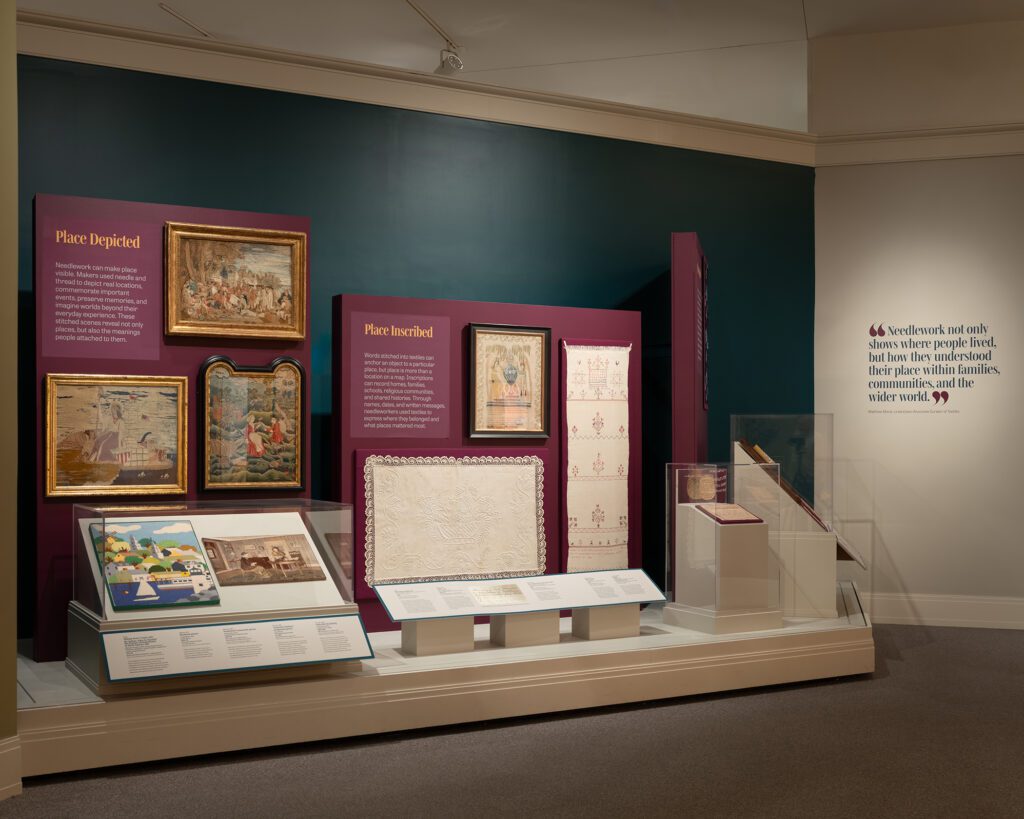
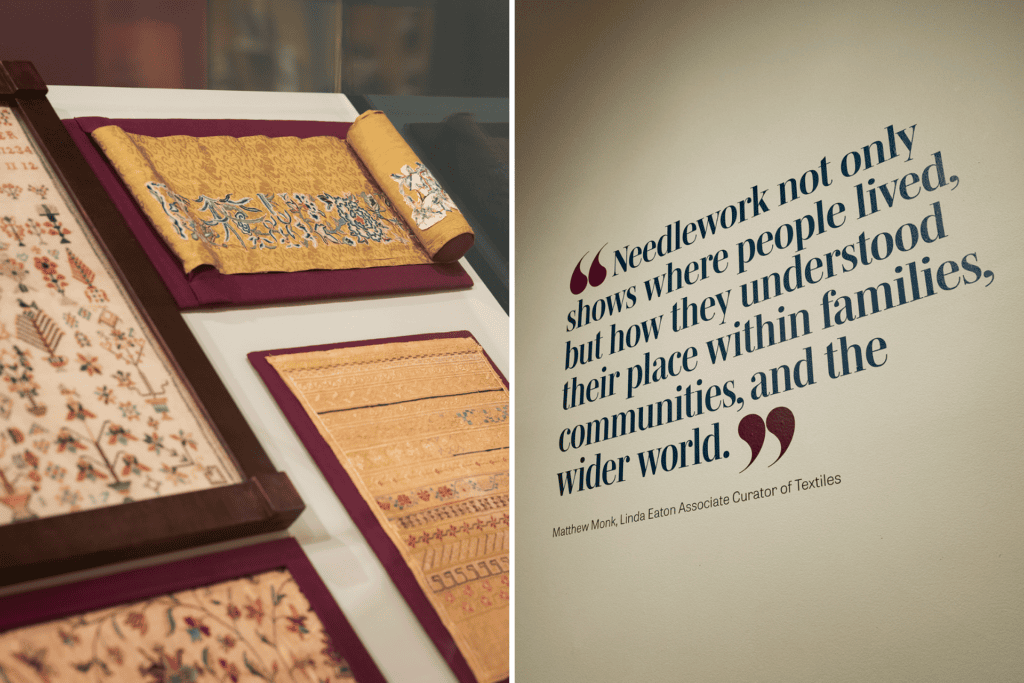
Stitched in Place, on view through April 4, 2027, explores how American needlework has and continues to serve as a medium for expressing identity, belonging, and awareness of place. Featuring approximately twenty objects from the Winterthur collection, including samplers, needlework pictures, hatchments, tools, garments, accessories, and furnishing textiles from the seventeenth through twentieth centuries, this installation invites reflection on how makers used needle and thread to communicate who they were, where they came from, and how they wished to be seen.

Stitched in Place is presented as part of Winterthur’s ongoing Conversations with Collections series in the Galleries.

Uncovering the Story of Hamilton’s Chairs

By Kathy Z. Gillis, Elizabeth Terry Seaks Senior Furniture Conservator

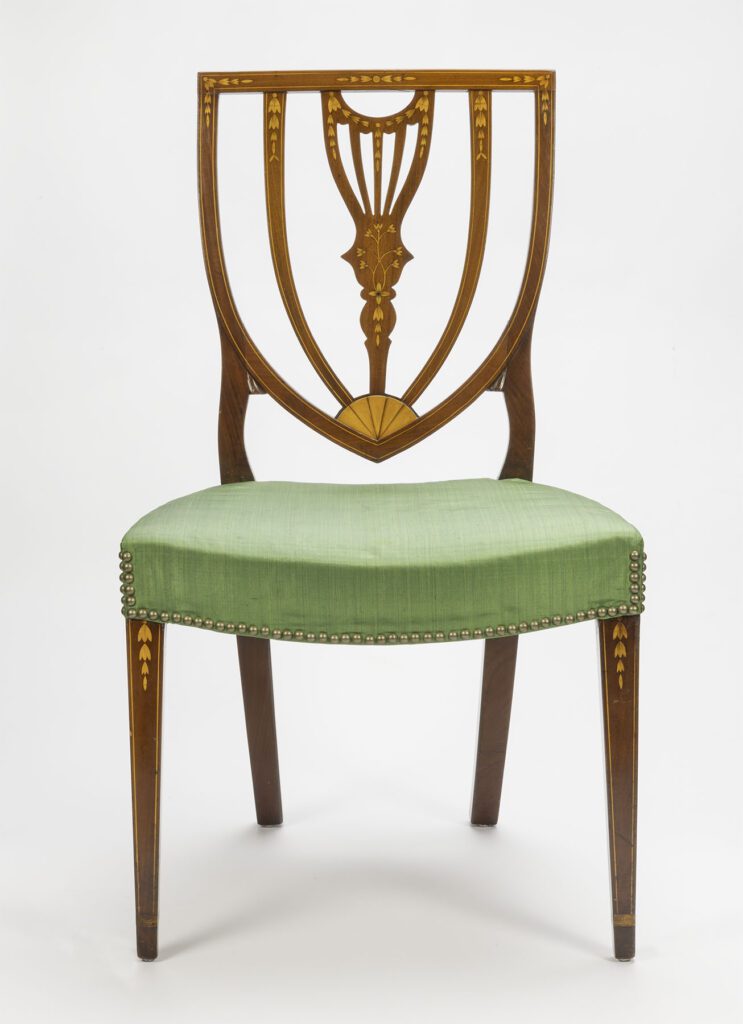
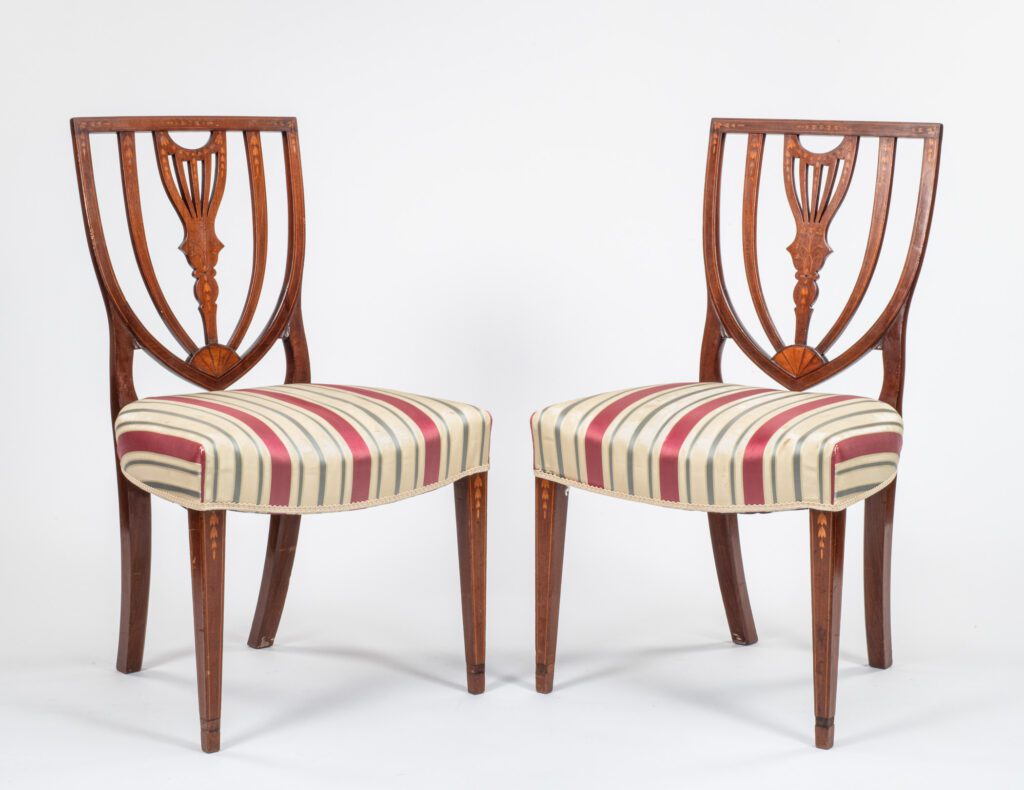
Winterthur’s new exhibit in the Conversations with the Collection gallery features side chairs that originally graced the dining room of Alexander Hamilton’s home, The Grange, in New York City. Uncovering Historical Upholstery: Hamilton’s Chairs traces their journey from 20th-century taste and interpretation to 21st-century conclusions based on evidence from the chairs themselves and from historical trends at the turn of the 19th century when these chairs were designed and constructed.

Winterthur has owned a side chair from Hamilton’s set since 1952, when Henry Francis du Pont purchased one and had it reupholstered with historical fabric.


Image: Side chair, possibly Elbert Anderson, New York, N.Y., 1795–1805. Mahogany, beech, maple (chair), webbing, horsehair stuffing, bast-fiber cloth, cotton batting, linen, silk show cover (upholstery). Bequest of Henry Francis du Pont 1952.0131

Pamela Cunningham Copeland, a member of the du Pont family by marriage, also acquired six chairs, including two armchairs, from this set at some point. In 2021 her son Lammot du Pont Copeland Jr. and his wife, Deborah Copeland, gifted the chairs to Winterthur. These chairs match side chairs in other collections, including at the Metropolitan Museum of Art and the Albany Institute of History and Art—and all are believed to be from the original set made for the Hamiltons.

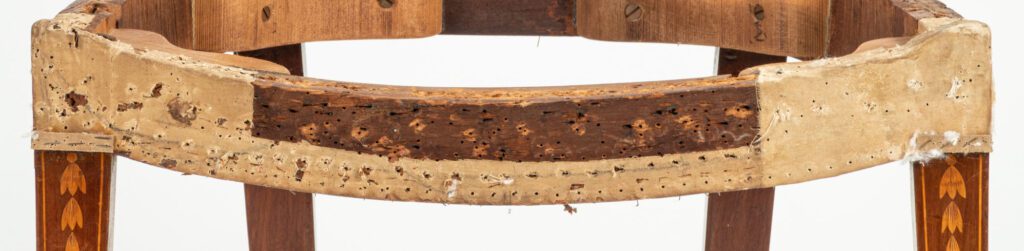
This detail of the side chair’s seat rail shows multiple upholstery campaigns and linen applied prior to a later intervention to consolidate the damaged wood from earlier upholstery efforts. Side chair, 1795–1805. Mahogany, beech, maple. Gift of Mr. and Mrs. Lammot Copeland Jr. 2021.0002.005

The approach to recovering upholstered furniture has changed drastically in the seventy years between the two acquisitions. Traditional upholstery techniques involved multiple fasteners—nails for webbing, tacks for linen, and brass nails for decoration—to secure the many layers of upholstery foundation. This was the norm in the 1950s. Unfortunately, repeated recovering of the chairs with a new layer of fabric, stuffing, and fasteners applied over older materials (known as upholstery campaigns) not only weakened the wooden structures but also muddied the evidence of what came before.

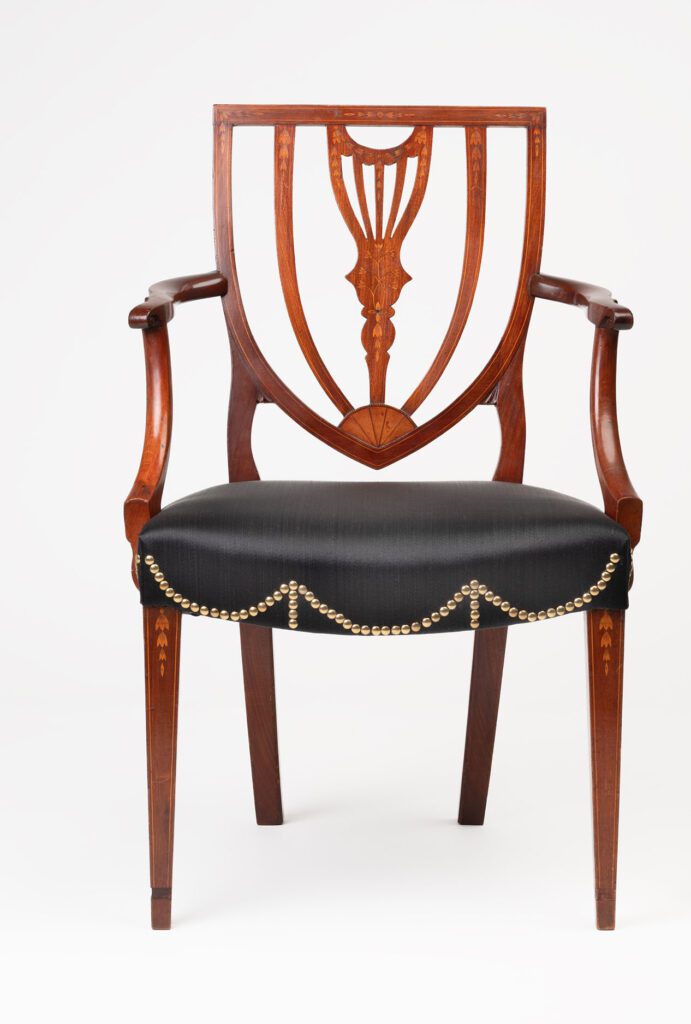
Starting in the 1980s, conservators have used techniques to present the appearance of an upholstered chair without nailing fasteners into seat rails that have already withstood multiple nailing from previous campaigns.

Image: This armchair features a minimally intrusive upholstery cap created to look like real upholstery but without any nailing into the wood. Armchair, New York, N.Y., 1795–1805. Mahogany, beech, maple (chair) Carbonfiber, epoxy resin, Ethafoam®, cotton batting, felt, linen, horsehair cloth, brass nails (upholstery). Gift of Mr. and Mrs. Lammot Copeland Jr. 2021.0002.001

Today, closely examining the nail patterns and plucking fabric threads from the oldest holes reveals the original configurations. Covering the chairs to give the impression of an upholstered seat involves minimally intrusive methods of wrapping and capping them (no new nails). These methods help preserve the structural integrity of the wood and allow the evidence to remain undisturbed so future conservators can use more advanced investigative techniques as they become available.

We welcome you to visit the Conversations with the Collection gallery and discover the story of these remarkable chairs.

When the six chairs were donated by the Copelands, the seats had horsehair stuffing, springs, and silk show covers that reflected 20th-century tastes but were not historically accurate. Side chair, possibly Elbert Anderson, New York, N.Y., 1795–1805. Mahogany, beech, maple (chair), webbing, horsehair stuffing, springs, bast-fiber cloth, cotton batting, linen, silk show cover (upholstery). Gift of Mr. and Mrs. Lammot Copeland Jr. 2021.0002.005-6

Winterthur Confronts Beech Leaf Disease

By Allison Edmonds and Barb Root. Photos by Kelly Levin.

On a cool spring morning, Winterthur staff members, certified Delaware Master Naturalists and trainees, and local tree professionals gathered beneath towering beech trees—not for a nature walk, but for specialized training to help protect some of the estate’s most valuable assets from a non-native microscopic worm. Visitors strolling the grounds may not realize that behind the scenes, staff and volunteers are working to combat an emerging threat to one of Winterthur’s signature tree species—the beech tree. 

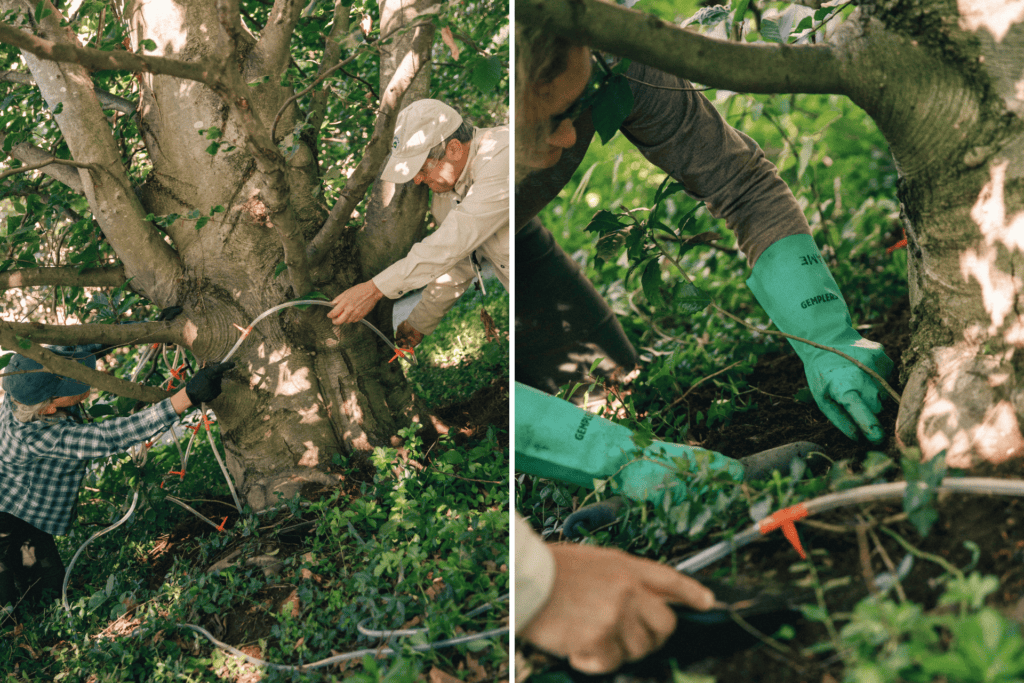
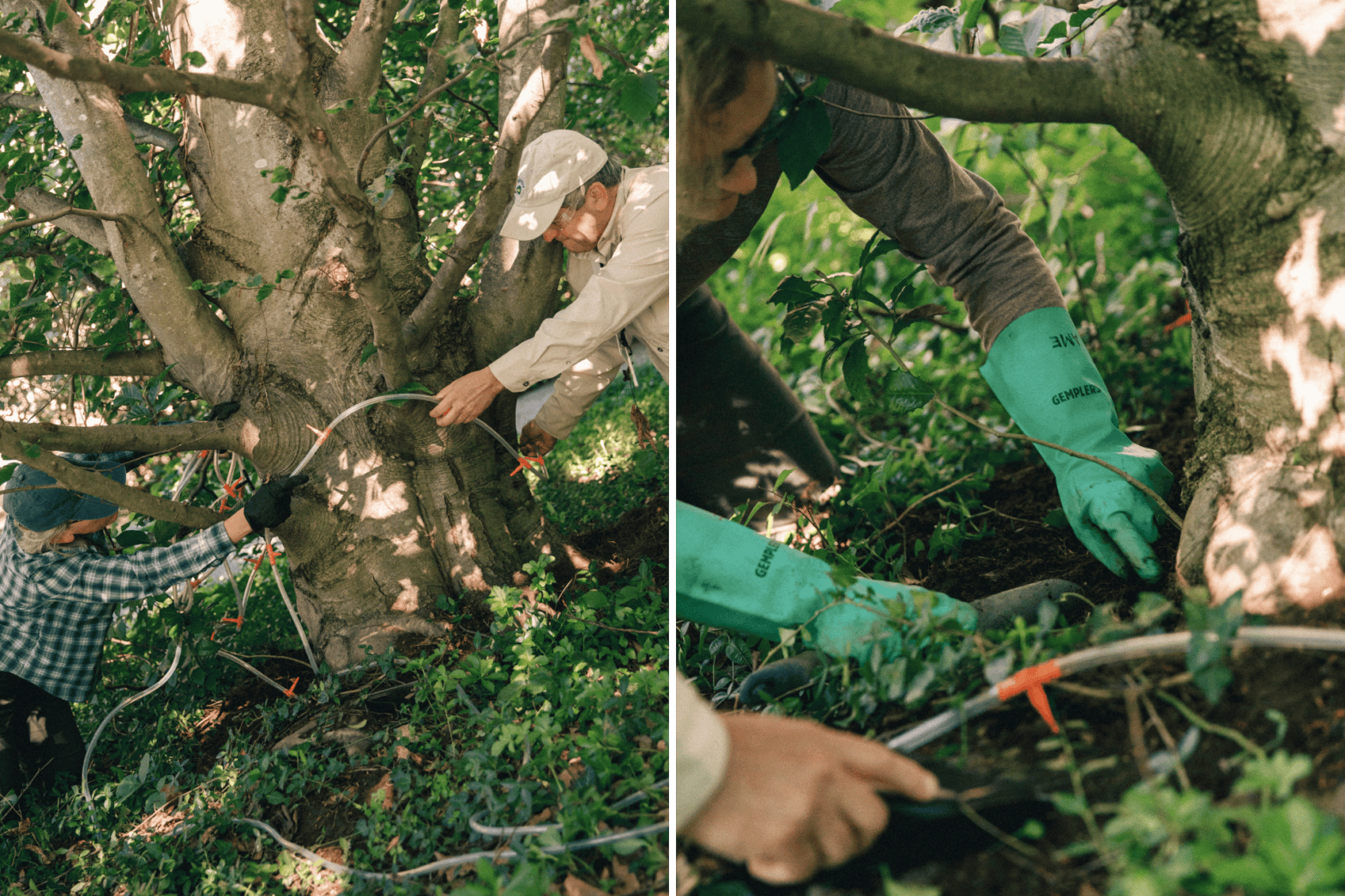
The hose is carefully positioned, and the base of the tree is prepared for treatment.

Beech leaf disease was first identified in northern Ohio in 2012 and has spread steadily across numerous states ever since, even into parts of Canada. In 2025, it arrived at Winterthur.

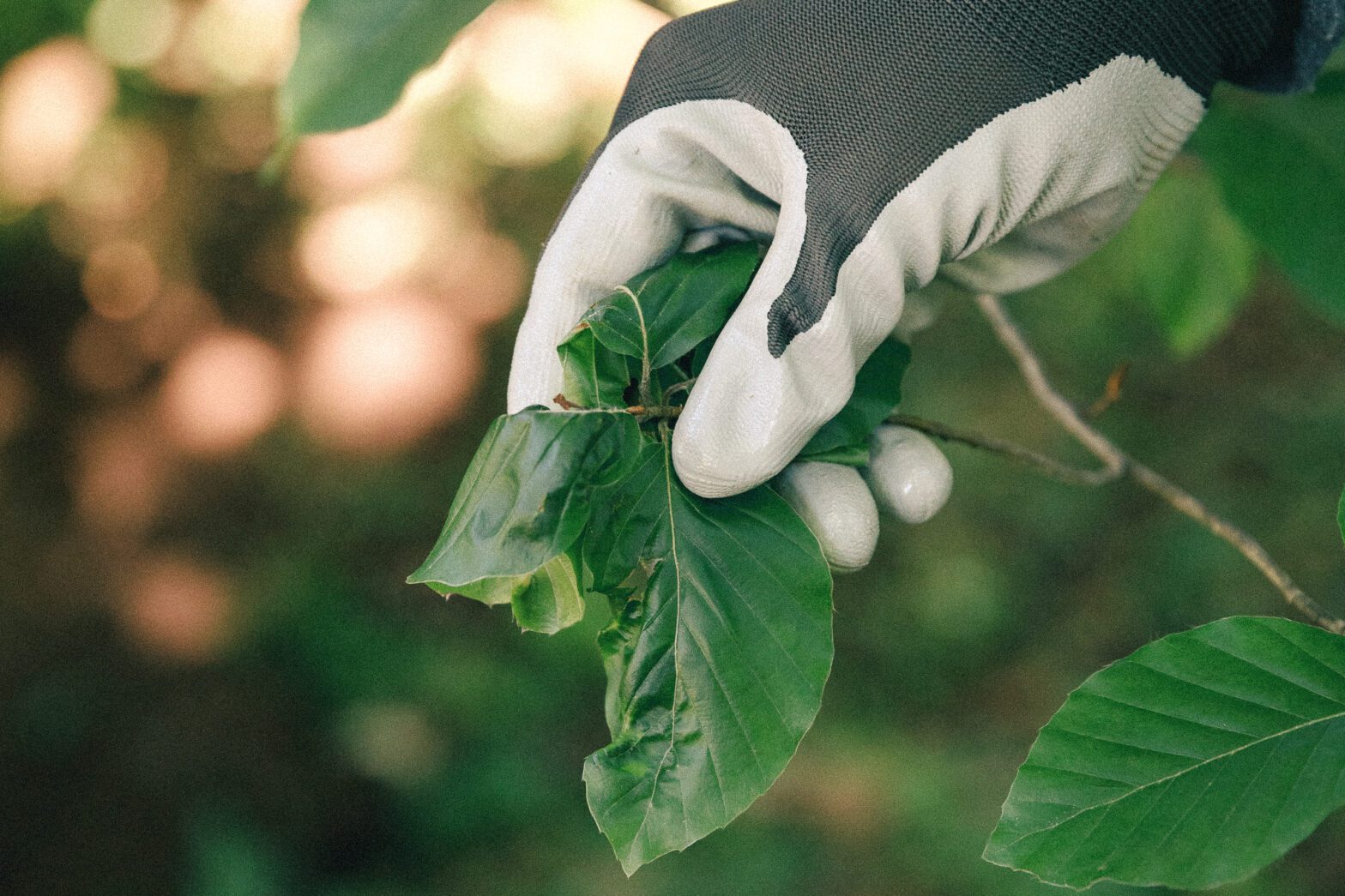
Visitors may notice dark banding between the veins of beech tree leaves or a more open canopy caused by leaf loss. During the summer, foliar nematodes—those microscopic worms—are active within the leaf tissue and migrate into newly developing buds. They feed on bud tissue throughout the winter, and the leaves that emerge the following spring display dark bands. Over time fewer leaves emerge, and those that do are often leathery and deformed. The tree prematurely drops the leaves and eventually starves due to progressive canopy loss. Current evidence suggests that additional stressors such as drought, insect pests, and poor soil conditions may weaken trees and make them more susceptible to infestation.

Fortunately, effective treatment options are now available. But because treatment takes a significant amount of money and time, it’s best suited to a limited number of high-value trees on any given site. For most properties, that means making hard choices about which trees to protect.

What This Means for Winterthur

Beeches are especially important at Winterthur, which is home to some of the largest and oldest trees in the Mid-Atlantic region. They make up roughly 25 percent of our canopy. About 500 grow in the 60-acre garden alone, with thousands more scattered across the property. Many are towering, centuries-old specimens that help define the character of the estate.

The shade and shelter the tree canopy creates allow our historic azalea and rhododendron collection to thrive.

These trees provide food for wildlife, contribute to forest structure, and support biodiversity. The shade and shelter their canopy creates allow our historic azalea and rhododendron collection to thrive. Losing a quarter of our trees would dramatically change the look and feel of the garden and alter the environment these treasured plants depend on—to say nothing of the loss of wildlife habitat that would come with it. 

How We Are Responding

Thanks to generous donors, work is well underway. And thanks to our beech leaf disease intern, John Blochberger, and the Delaware Master Naturalist volunteers, we are on track to reach this year’s target of 120 trees by the end of July, focusing on those identified as having the greatest need. Our arborists began by assessing all 500 beech trees in the garden, noting treatment type and any conditions that might rule a tree out. From there we built a treatment plan that prioritizes our highest-hazard areas first, and we developed a survey tool to track both our treatments and the canopy’s symptoms over time.

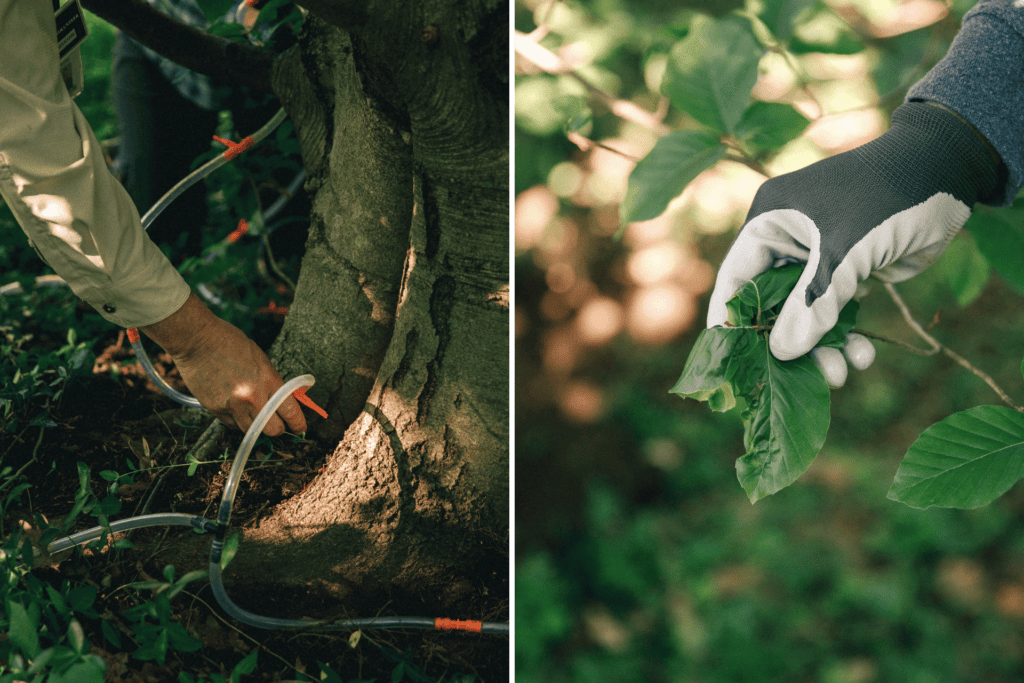
The hose carries the solution into the tree and prevents deformed leaves.

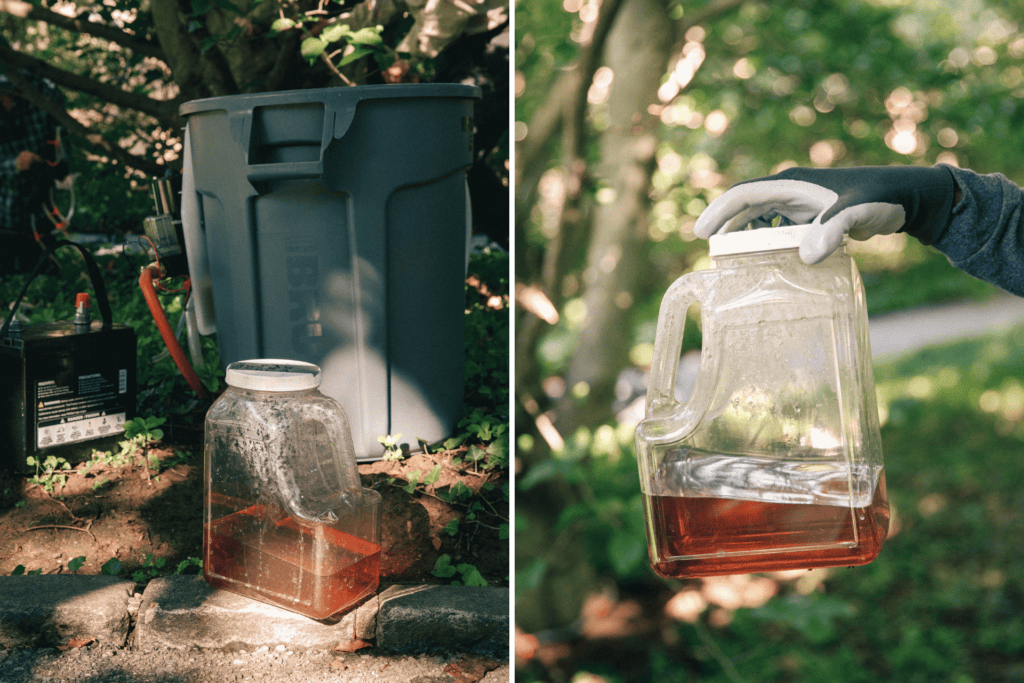
Staff members and volunteers apply a treatment mixture prepared according to the size of each tree. Small holes are drilled near the base of the tree, where tubing is installed to deliver the treatment solution, which is then pumped into the tree. The process takes about one hour per tree and must be continuously monitored to ensure the tubing remains secure. Each treatment costs about $6 per diameter inch of the tree, and each application remains effective for about two years. 

We have also begun bark spray applications to bolster the defenses of trees too small for injectable treatments as well as trees in our natural areas. With every treatment, the team collects data—product details, treatment duration, weather conditions, and canopy health—to better understand patterns and efficacy in the years ahead. 

This specialized treatment can save our beech trees.

Beech trees are a defining feature of our landscape, and we intend to give them every chance to remain so. Through the combined efforts of staff, volunteers, and interns, Winterthur is working to preserve these remarkable trees for future generations to enjoy. 

To learn more about beech leaf disease, visit Holden Arboretum’s excellent site. To find out how you can help fund our beech trees’ ongoing treatment, please contact lmason@winterthur.org. 

Winterthur Confronts Beech Leaf Disease

By Allison Edmonds and Barb Root. Photos by Kelly Levin.

The hose is carefully positioned, and the base of the tree is prepared for treatment.

On a cool spring morning, Winterthur staff members, certified Delaware Master Naturalists and trainees, and local tree professionals gathered beneath towering beech trees—not for a nature walk, but for specialized training to help protect some of the estate’s most valuable assets from a non-native microscopic worm. Visitors strolling the grounds may not realize that behind the scenes, staff and volunteers are working to combat an emerging threat to one of Winterthur’s signature tree species—the beech tree. 

Beech leaf disease was first identified in northern Ohio in 2012 and has spread steadily across numerous states ever since, even into parts of Canada. In 2025, it arrived at Winterthur.

Visitors may notice dark banding between the veins of beech tree leaves or a more open canopy caused by leaf loss. During the summer, foliar nematodes—those microscopic worms—are active within the leaf tissue and migrate into newly developing buds. They feed on bud tissue throughout the winter, and the leaves that emerge the following spring display dark bands. Over time fewer leaves emerge, and those that do are often leathery and deformed. The tree prematurely drops the leaves and eventually starves due to progressive canopy loss. Current evidence suggests that additional stressors such as drought, insect pests, and poor soil conditions may weaken trees and make them more susceptible to infestation.

Fortunately, effective treatment options are now available. But because treatment takes a significant amount of money and time, it’s best suited to a limited number of high-value trees on any given site. For most properties, that means making hard choices about which trees to protect.

What This Means for Winterthur

Beeches are especially important at Winterthur, which is home to some of the largest and oldest trees in the Mid-Atlantic region. They make up roughly 25 percent of our canopy. About 500 grow in the 60-acre garden alone, with thousands more scattered across the property. Many are towering, centuries-old specimens that help define the character of the estate.

The hose carries the solution into the tree and prevents deformed leaves.

These trees provide food for wildlife, contribute to forest structure, and support biodiversity. The shade and shelter their canopy creates allow our historic azalea and rhododendron collection to thrive. Losing a quarter of our trees would dramatically change the look and feel of the garden and alter the environment these treasured plants depend on—to say nothing of the loss of wildlife habitat that would come with it. 

How We Are Responding

Thanks to generous donors, work is well underway. And thanks to our beech leaf disease intern, John Blochberger, and the Delaware Master Naturalist volunteers, we are on track to reach this year’s target of 120 trees by the end of July, focusing on those identified as having the greatest need. Our arborists began by assessing all 500 beech trees in the garden, noting treatment type and any conditions that might rule a tree out. From there we built a treatment plan that prioritizes our highest-hazard areas first, and we developed a survey tool to track both our treatments and the canopy’s symptoms over time.

Staff members and volunteers apply a treatment mixture prepared according to the size of each tree. Small holes are drilled near the base of the tree, where tubing is installed to deliver the treatment solution, which is then pumped into the tree. The process takes about one hour per tree and must be continuously monitored to ensure the tubing remains secure. Each treatment costs about $6 per diameter inch of the tree, and each application remains effective for about two years. 

This specialized treatment can save our beech trees.

We have also begun bark spray applications to bolster the defenses of trees too small for injectable treatments as well as trees in our natural areas. With every treatment, the team collects data—product details, treatment duration, weather conditions, and canopy health—to better understand patterns and efficacy in the years ahead. 

Beech trees are a defining feature of our landscape, and we intend to give them every chance to remain so. Through the combined efforts of staff, volunteers, and interns, Winterthur is working to preserve these remarkable trees for future generations to enjoy. 

To learn more about beech leaf disease, visit Holden Arboretum’s excellent site. To find out how you can help fund our beech trees’ ongoing treatment, please contact lmason@winterthur.org. 

Loan Program

Guidelines for Requesting Loans from the Museum Collection

Winterthur builds upon the vision of Henry Francis du Pont to inspire and educate through its collection, estate, and academic programs by engaging diverse audiences in the study, preservation, and interpretation of American material culture, art, design, and history. 

In doing so, Winterthur seeks to fully support loans to cultural and educational institutions where the object will be displayed as part of an exhibition that is educational in nature, will benefit a diverse audience, and will make a significant contribution to the field. Winterthur considers loan requests from institutions that can meet the loan requirements. Winterthur does not lend to individuals. 

Requesting a Loan

Send a formal loan request to the attention of Chris Strand, Charles F. Montgomery Director and CEO, via mail or email at museumloanrequests@winterthur.org.  

A formal request includes: 

  • A written letter on institutional letterhead
  • American Alliance of Museums (AAM) General Facility Report or satisfactory alternate for each venue. Winterthur prefers that facility reports are the American Alliance of Museums standardized version.
  • Any accompanying documents such as floor plans and exhibition designs.

Include in the request letter:

  • Title of the exhibition
  • Exhibition dates at each venue
  • Object(s) requested including object ID number(s)
  • An exhibition abstract including how the requested object(s) would add value to the exhibition.   

Loan requests should be received at least twelve (12) months in advance of the expected shipping date.

Loan Review Process

Once a formal request is received, an initial review is conducted by the Curatorial, Conservation, Interpretation & Engagement, and Exhibitions departments. As part of the review process, Winterthur may request additional information. If the departments recommend approval, the request is submitted for final review and approval to the Director of Collections, Director and CEO, and, if required by internal policy, the Board of Directors. Once final approval is granted, the Registrar’s office will send a formal approval letter with an Outgoing Loan Agreement that contains the conditions of the loan. 

Borrower Responsibilities

The borrower shall bear responsibility for all expenses of the loan including, but not limited to, conservation treatment, photography, framing, mounting, crating, crate disposal, packing, shipping, charges related to special requirements or restrictions, customs, security, wall-to-wall fine arts insurance, courier expenses, and appraisals.  

Winterthur shall be sent two (2) copies of any exhibition catalogue or materials and extended two (2) invitations to any opening event in relation to the exhibition. Winterthur staff will be granted free entrance to the exhibition. 

Photography and Reproduction

Photographs and permission to publish may be obtained by contacting Winterthur’s Photographic Services at ImageRequest@winterthur.org. 

Contact

Please contact the Registration Department at museumloanrequests@winterthur.org with questions regarding the loan process.

Taste of Terroir

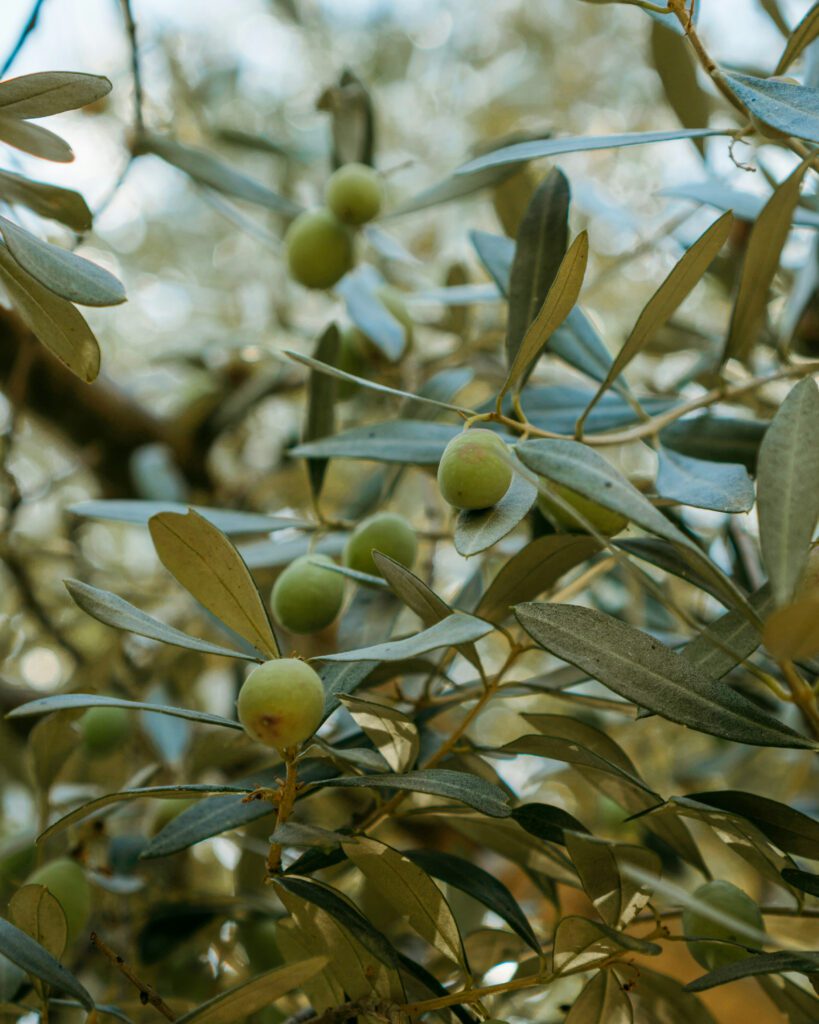
Hear the rich agricultural stories behind the foods and drinks we enjoy and explore how soil, climate, and place shape their character. Sample thoughtfully sourced honey, chocolate, olive oil, or hard cider, each chosen to showcase distinct landscapes. Choose a single tasting or bundle multiple sessions. $45; $145 for four-session bundle. Includes general admission.

Register for four-session bundle.

Savor the Essence of Olive Oil

August 1 | 3:00–4:00 pm & 6:00–7:00 pm

Join Blazing Bella for a tasting of olive oils and balsamic vinegars and discover how a simple drizzle of these finishing ingredients can transform everyday food, bringing balance and depth to meals. Through sampling a range of flavors and enjoying lively conversation, explore the journey of balsamic vinegar from grape to table and olive oil from grove to bottle. You will discover how time, craft, and careful preparation shape their flavor, and experience firsthand how these ingredients have been valued for generations.

Register for 3:00 pm tasting.

Register for 6:00 pm tasting.

Discover the Magic of Honey

August 8 | 3:00–4:00 pm & 6:00–7:00 pm

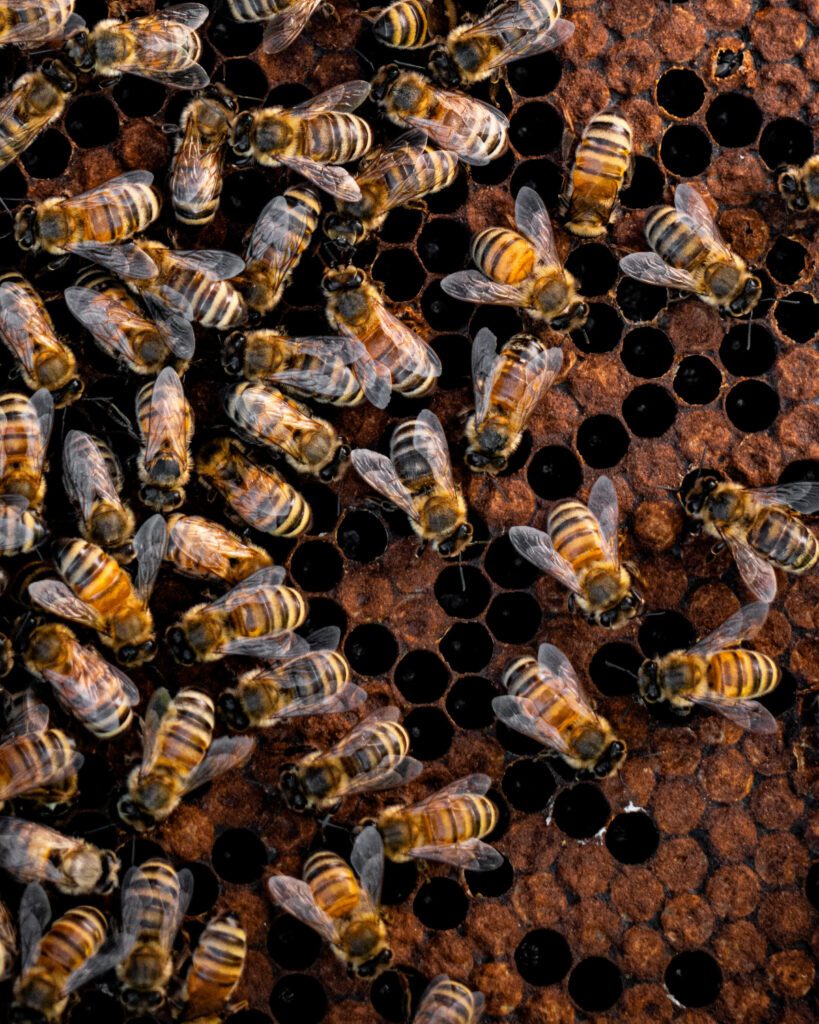
Join beekeeper, artist, and honey enthusiast, Christina Fabris of Iris and Callisto’s Apiary, for an immersive, sensory exploration of what makes honey unique. This experience brings together the honey making process, plus the history, cultural significance, uses, and varied flavors of honey.

Register for 3:00 pm tasting.

Register for 6:00 pm tasting.

Experience the Flavors of Chocolate

August 15 | 3:00–4:00 pm & 6:00–7:00 pm

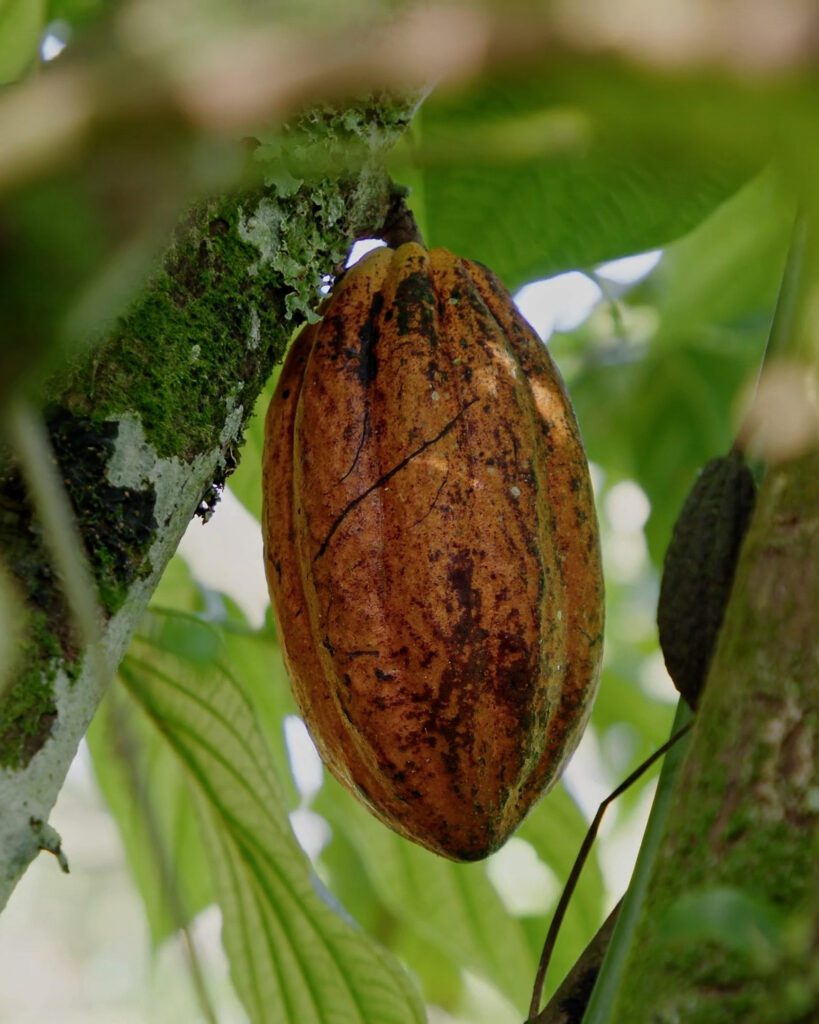
Discover how genetics, soil, climate, and craftsmanship touch chocolate’s flavor, texture, and aroma with French chocolate sommelier Estelle Tracy from 37 Chocolates. You will trace chocolate from cacao tree to finished bar, with a focus on how origin, fermentation, and processing influence what we taste. Whether you’re a devoted chocolate lover or simply curious, you’ll cultivate a deeper appreciation of chocolate as an agricultural product and a reflection of the land from which it comes.

Register for 3:00 pm tasting.

Register for 6:00 pm tasting.

Explore the Craft of Hard Cider

August 22 | 3:00–4:00 pm & 6:00–7:00 pm

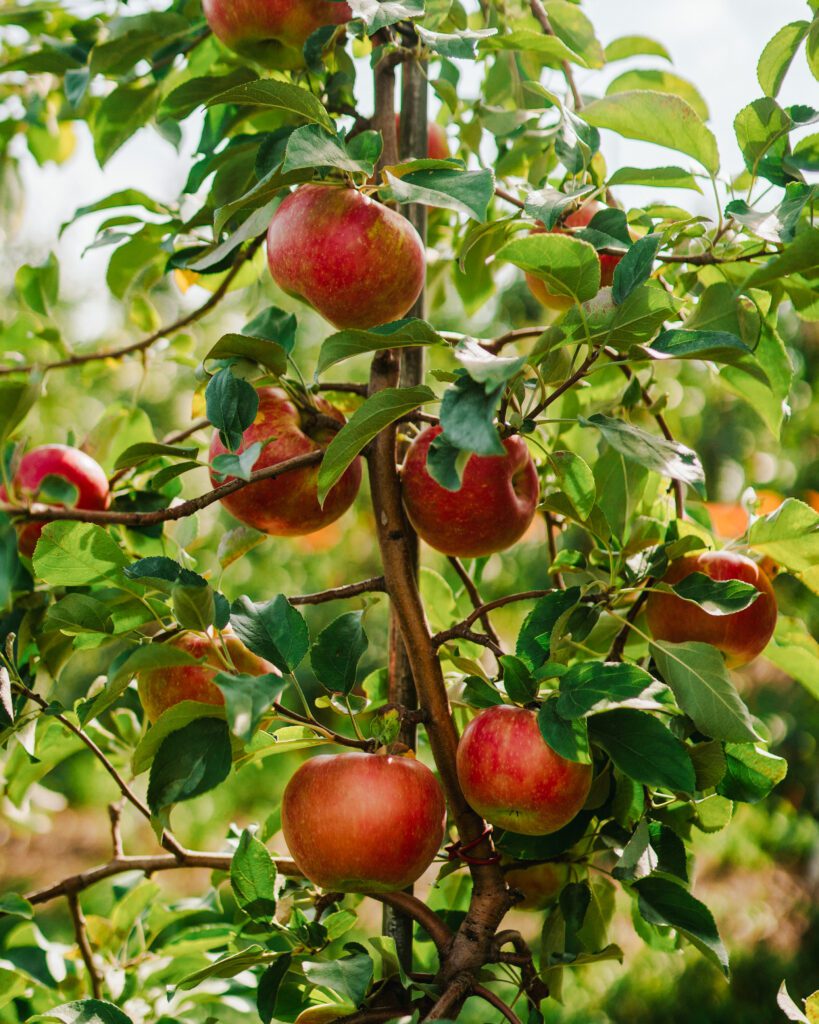
Explore the craft and culture of hard cider with Claire Trindle, Pennsylvania’s first female certified pommelier and founder of Blind Bear Beverages. This immersive session traces the journey from apple to glass, unraveling the mysteries of the cidermaking process while exploring the beverage’s global history and diverse regional styles. You’ll learn how to refine your palate through a guided sensory evaluation of appearance, aroma, and flavor, and discover the art of pairing cider to elevate any culinary experience.

Register for 3:00 pm tasting.

Register for 6:00 pm tasting.

Enhance Your Visit

Get the most of your visit to Winterthur with these activities, included with your General Admission ticket, which is good for two consecutive days!

Take the Self-Paced House Tour. Explore American history through the spaces, stories, and objects that shaped the nation. Discover the enduring influence of colonial American architecture, an unparalleled collection of decorative arts, and the transformation of a private estate into a museum devoted to preserving and interpreting the American experience. 

Explore the galleries and garden. Take a stroll in the world-renowned 60-acre garden or explore one of our walking trails throughout the 1,000-acre estate. And, no visit is complete without our garden tram tour. Our guides share highlights of the garden and the history of Winterthur on this 30-minute narrated tour. Then, head inside to be inspired by the galleries, featuring two floors of the finest examples of American decorative arts.

Explore the New Winterthur Museum Collections Database

By Christine Heesters

We’re excited to introduce a redesigned Winterthur Museum Collections Database, making it easier than ever to explore our extraordinary collections from anywhere.

The new site offers improved stability and accessibility, and is mobile-friendly, creating a faster, more intuitive experience for researchers, students, collectors, and curious visitors.

You can search the collection with simple or advanced search tools, browse by category, and narrow results using powerful filters. New options make it easy to find only records with images or objects currently on display to easily discover what’s on view across the estate.

The updated database also introduces user accounts, meaning visitors may save favorite objects, create and share groups of records, and access additional information when available. Expanded object descriptions, downloadable images, and clear display-status indicators provide richer context and easier access to collection resources.

Researchers and enthusiasts will also benefit from direct links to related collection sites and a streamlined photography request process.

“This exciting new feature greatly expands access to Winterthur’s museum collection and makes searching easier for everyone—from people researching a family heirloom to scholars, students, and staff. It is an important milestone in ensuring Winterthur’s continued leadership as a center for decorative arts and material culture scholarship,” said Catharine Dann Roeber, director of academic affairs and Brock W. Jobe Associate Professor of Decorative Arts and Material Culture.

We invite you to visit https://museumcollection.winterthur.org/ and discover the stories, artistry, and history that make the Winterthur collection one of the nation’s most remarkable.

Winterthur at 75: A Behind-the-Scenes Celebration

Photos by Becca Mathias, Holden Barnes, and Evan Krape

Saturday, October 17, 2026

Since 1951, Winterthur has inspired visitors and scholars alike. This symposium is a celebration of founder Henry Francis du Pont’s enduring legacy in American material culture and horticulture. After morning lectures about current and future research initiatives, have a choose-your-adventure experience (10 available) in the museum, garden, or library. A bagged lunch with special Winterthur cookie is included (must register by October 11). Registration required by October 14.

Register now.

Agenda

9:00–9:30 am

Registration, Visitor Center

9:30–10:00 am

A Winterthur Welcome, Copeland Lecture Hall
Chris Strand, Charles F. Montgomery Director and CEO 

10:00–10:45 am

Panel Discussion | Looking to 2101: Advancing Winterthur’s Mission

  • Alexandra Deutsch, John L. and Marjorie P. McGraw Director of Collections 
  • Linda Eirhart, Alice Cary Brown Director of Garden
  • Rosie Grayburn, Scientist and Head of Scientific Research and Analysis Laboratory, Department of Conservation, and WUDPAC Affiliated Associate Professor
  • Catharine Dann Roeber, Director of Academic Affairs and Brock W. Jobe Associate Professor, Decorative Arts and Material Culture

10:45–11:15 am

Winterthur Trivia
Tyler Johnson, Assistant Manager, Estate Programs

11:15 am–12:15 pm

Spotlight on Scholarship | How Big Ideas Are Becoming Reality at Winterthur | Case Studies

  • Catharine Dann Roeber, Director of Academic Affairs and Brock W. Jobe Associate Professor, Decorative Arts and Material Culture
  • Michael Kalmbach, artist, educator, and author of The Wondrous Winterthur Walking Cure: 75 Haiku & Mandalas, 2024–2026
  • Jackie Killian, Assistant Director of Academic Programs
  • Reggie Lynch, Director of Interpretation and Engagement
  • Nicole Schmid, Delaware Master Naturalist and Administrative Assistant, Garden Department

12:15–1:30 pm

Midday Break. Enjoy any of the following:

  • Lunch – pick up your pre-ordered selection and 75th anniversary cookie in the Visitor Center Café. (Please check your name badge for a reminder of which bagged lunch you selected.)
  • Enjoy your lunch at the community table, on the patio, or in the garden
  • Shop in the Museum Store, located in the Cottage
  • Take a self-paced tour of the house (Tours begin at the Conservatory.)
  • Take a walk or hike in the fall garden (maps available at registration table)
  • Explore What’s Up Pop Ups in the Galleries Reception Area:

Foundation for Advancement in Conservation (FAIC) Oral History Project
Molly Mapstone, Project Assistant, Library

Winterthur Portfolio
Kate Budzyn, Editor

Winterthur Institute
Stephenie Bailey, Manager of Continuing Education and Winterthur Institute

Research Fellowship Program
Academic Programs staff

Garden Projects Galore
Garden staff

An Architectural Model: New Research on the Legacy of Port Royal
Gregory Landrey, Senior Furniture Conservator Emeritus

1:30–2:30 pm

Experiential Session (First Rotation)

Pre-registration required. Please check your nametag for a reminder of which session you selected.

2:30–3:30 pm

Experiential Session (Second Rotation)

Pre-registration required. Please check your nametag for a reminder of which session you selected.

Experiential Session Menu

True Blue 75

The Winterthur Library is chock full of incredible visual resources, from ornament books to drawings to photographs. In this workshop in the Library Reading Room, view some lesser-seen materials from our special collections and the Winterthur Archives, and make your own library-inspired cyanotype (indoors— no sun required!).

Allie Alvis, Special Collections Curator and Jennifer Vess, Archivist

Look and Learn, a show-and-tell with Winterthur specialists from the museum and library

Objects Up Close: Seeing Ivory Memorandum Books in a New Light

Sarah Lavin, Fellow in the Winterthur/University of Delaware Program in Art Conservation, Class of 2027, and Esme Krohn, Graduate of the Winterthur Program in American Material Culture, Class of 2026

Guided house tour to see spaces that highlight architecture and objects with connections to the African American experience

Madelyn Alvarino, Guide

Guided tour of Challenging Masterpieces: Art and Identity in American Furniture, exploring the evolving legacy of American furniture

Josh Lane, Curator of Furniture and curator of Challenging Masterpieces

Flash Talk in Memorial Library: “H . F. du Pont as a ‘Great Artist’”

Learn how Henry Francis du Pont reshaped meanings and narratives of American history and material culture studies, which inspired his wife, Ruth Wales du Pont, to call him a “great artist.”.

Molly Mapstone, Project Assistant, Library

Stories from the Object Files: Visit to the Registration Office

Beth Parker Miller, Director of Registration

Paula L. DeStefano, Registrar, Museum Collections

Walking Tour: Highlights of Garden Ornament Restoration Project

Learn how Winterthur’s team of conservators and staff work together to care for more than 400 unique garden objects—from protecting historical lead sculptures from hungry squirrels to restoring and preserving these outdoor treasures

Lauren Fair, Objects Conservator and Assistant Director of Conservation

Workshop: Daffodils for Days

Explore the history, significance, and future of this extraordinary collection through archival letters, images, maps, and stories.

Linda Eirhart, Alice Cary Brown Director of Garden and Lori Schnick, Associate Curator, Plant Records & GIS

Tree Walk

Experience how Winterthur’s arborists steward H. F. du Pont’s legacy of preservation, while responding to environmental and ecological challenges to estate trees like beech leaf disease and dogwood anthracnose.

Allison Edmonds, Arborist Supervisor

4:00 pm

Happy Hour at Wilmington Brew Works