Search Site

Lessons from Winterthur’s Gardens on Design

By Allie Kochinsky | @TheGrandmillennialLifestyle

Set among the rolling hills of Delaware, the garden at Winterthur is more than beautiful—it’s a layered, living lesson in how landscape can shape how we live and design. Henry Francis du Pont, the visionary behind Winterthur Museum, Garden & Library, didn’t simply create a garden; he orchestrated an immersive experience that merged horticulture with heritage and elegance with ecology.

And maybe that’s what makes the garden at Winterthur so enduring; it isn’t just a backdrop to a historic home—it’s part of the story.

Design with the Season in Mind

Du Pont’s garden is a masterclass in seasonality. Each turn of the path reveals something new depending on the time of year–azaleas in spring and woodland textures in winter. This intentional progression reminds us to think seasonally in our own spaces. Whether through tabletop florals or rotating textiles, embracing the rhythm of the seasons brings a home to life.

Embrace Naturalistic Textures

Winterthur’s landscape flows—soft borders, curving paths, texture, and tone layers. Translating this into interiors invites us to blend materials, textures, and periods in thoughtful, storied ways. Rooms feel richer when they echo nature’s complexity.

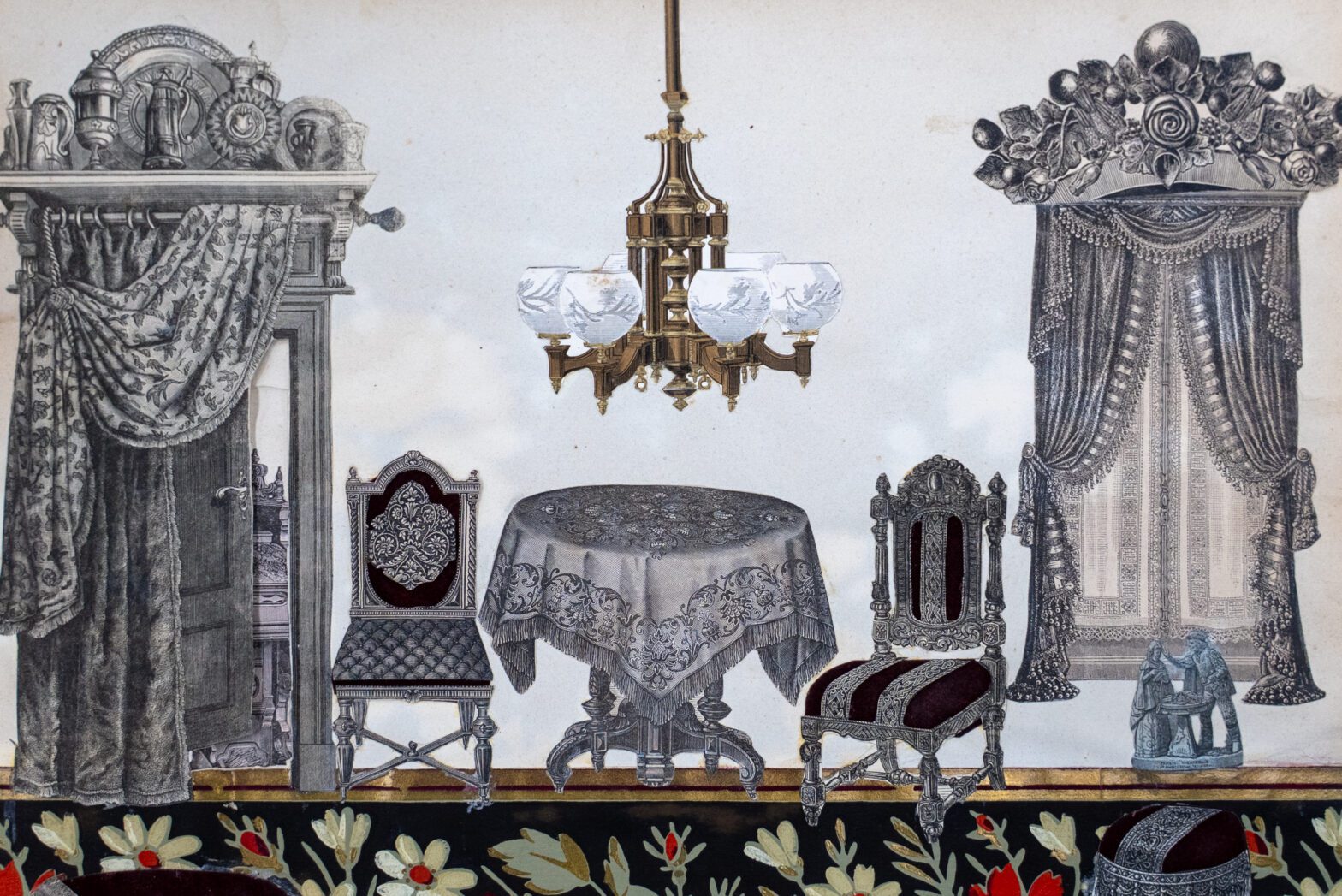
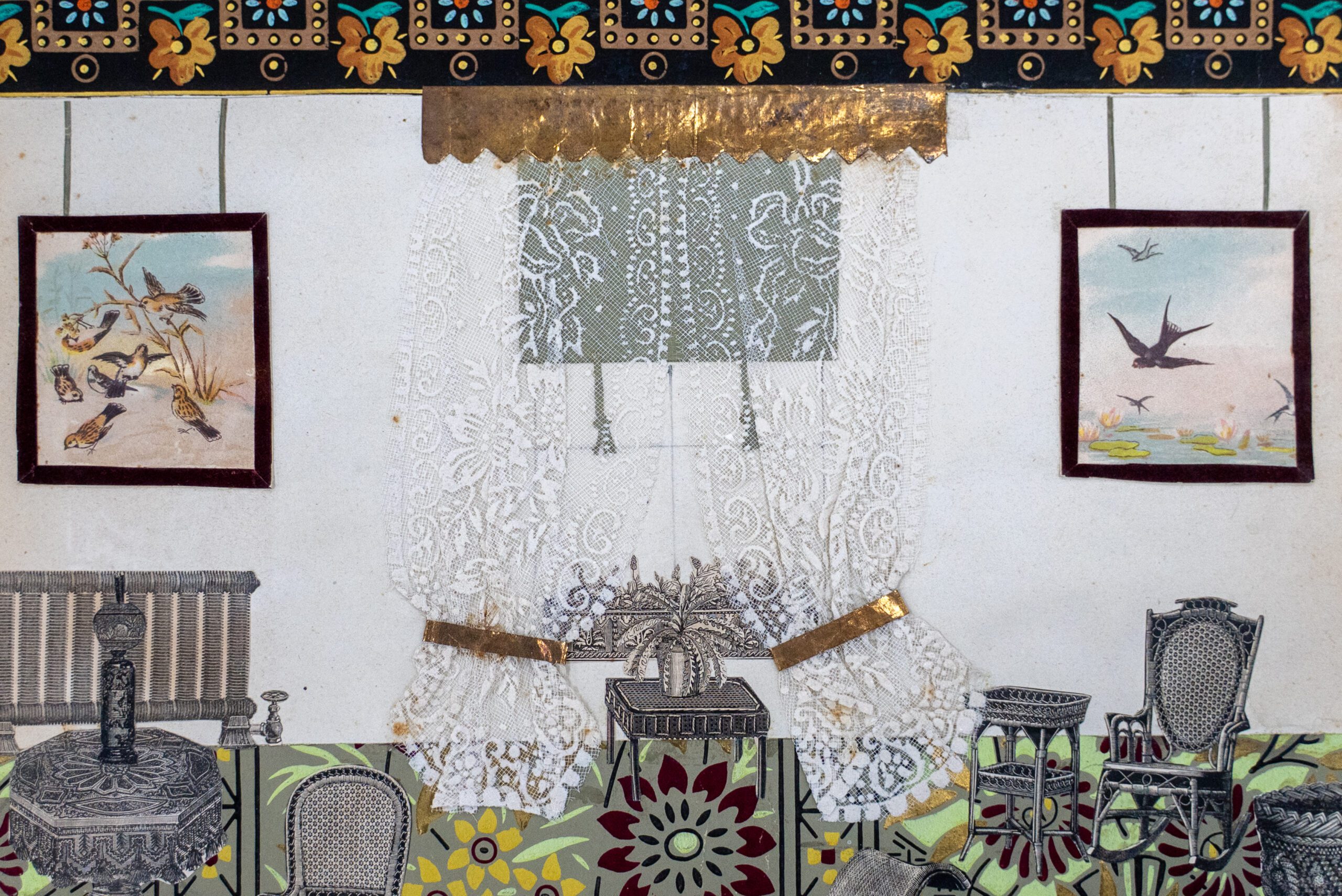
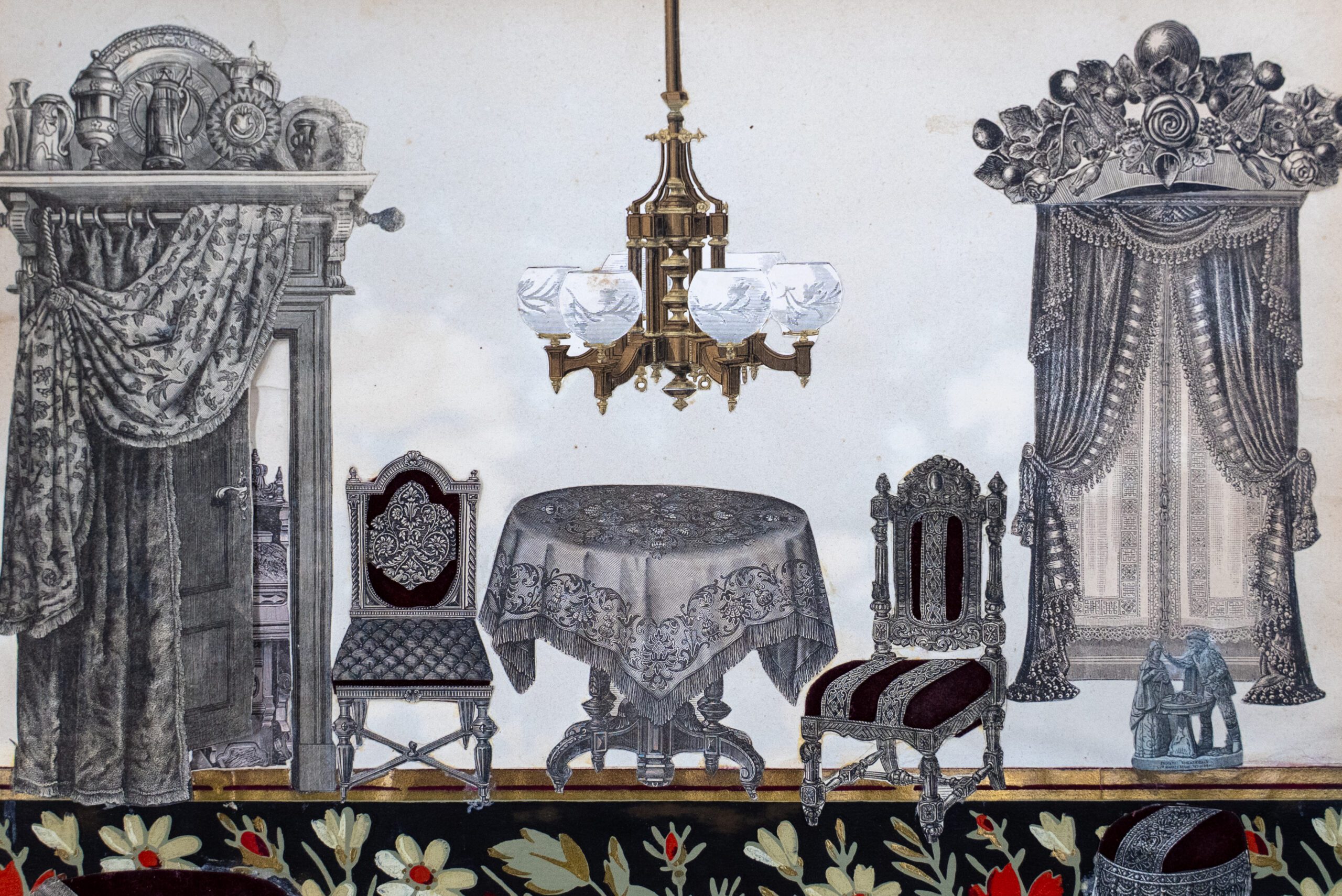
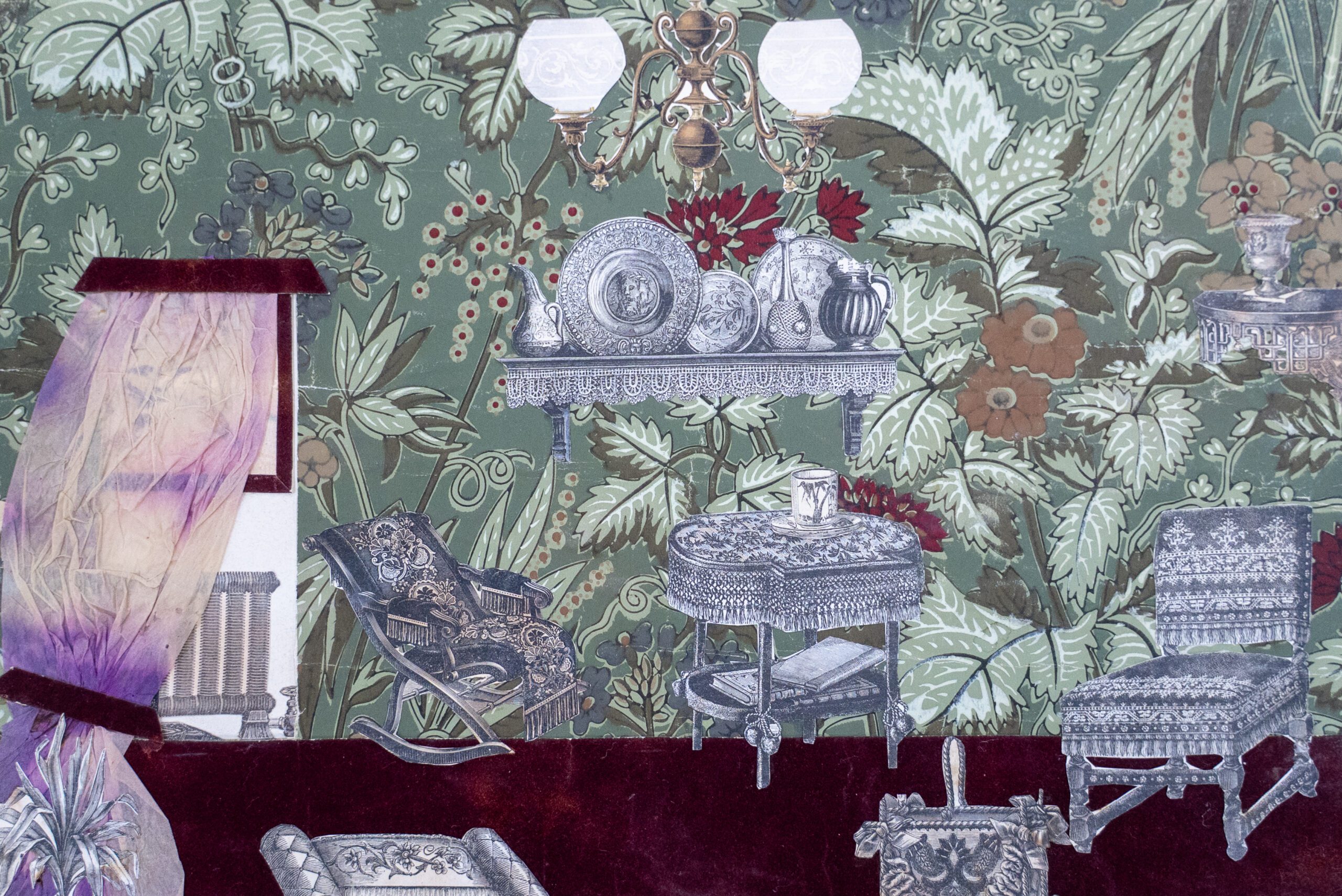
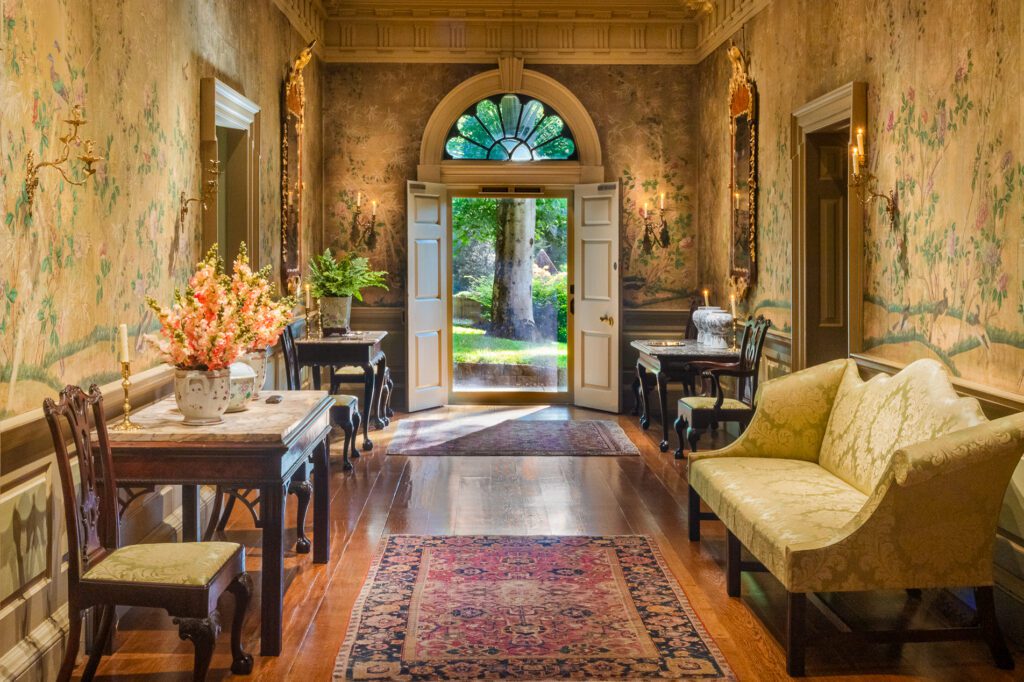
Federal Parlor

Let the Outdoors Lead

Du Pont believed gardens should inform what happens inside the house, too. The blooms outside Winterthur’s windows often inspired floral motifs in upholstery, the palette of a room, or even a table setting. This principle is powerful for those of us drawn to heirloom living: let your home’s landscape whisper to your interiors. A pink camellia blooming out the window might be your next napkin color.

Continue reading on The Grandmillennial Lifestyle blog, and listen to my interview with Alexandra Deutsch, Director of Collections, on Grandma’s Silver.

New Membership Program FAQ

What is Winterthur’s new membership program? 

Our new streamlined membership program has all the great benefits our Members know and love plus new flexible visiting options to fit each Member’s unique needs. Memberships can be shared between people living in different households and any named Member can bring guests to Winterthur as long as the number of adults and children doesn’t exceed the limit of daily admissions based on your membership level. You may also use a guest pass.

When does the new membership program begin? 

  • July 1, 2025

I am a current Member. What happens to my membership on July 1? 

All current Members will retain their membership status with the new program. Your current membership level will switch to the closest corresponding level in the new program at no additional cost, with the expiration date remaining the same. When renewing, you will need to renew at a level in the new program.

Why did the program change? How did you decide on the changes? 

We are always striving to better the Winterthur experience for Members. In response to Member feedback, we are evolving our Member program to provide you with more flexibility.

What is new? 

All of the benefits you love will continue. The new feature of our membership program is the ability to bring a guest at any time at the Winterthur 2 and up level. These levels allow the corresponding number of people to visit on the membership as long as 1 named cardholder is present.

What will the new levels be?

  • Winterthur 1: for one person 
  • Winterthur 2: for two people
  • Winterthur 2 plus kids: for two people and up to four additional children under the age of 18
  • Winterthur 3: for three people and up to four additional children under the age of 18
  • Winterthur 4: for four people and up to four additional children under the age of 18

Winterthur 2 and up may have up to 2 named cardholders. One cardholder must be present.

I am a current Member, what will be my new level be?

  • Young Adult and Individual Members—Winterthur 1 Members
  • Dual Members—Winterthur 2 Members 
  • Family Members—Winterthur 2 plus kids Members
  • Contributor Members—Winterthur 3 Members
  • Family Plus Members—Winterthur 4 Members

Your membership number and expiration date remain the same.

What if I would like to upgrade to a different level?

You may upgrade your membership online, over the phone, or on-site.

If you wish to upgrade within the first six months of your membership:

  • You will be asked to pay the difference between your current level and the level you wish to upgrade to. You will receive all of the benefits of the membership level you have upgraded to and your expiration date will remain the same. 

If you wish to upgrade after the first six months of your membership:

  • You will be asked to pay the full price of the upgraded membership. The upgraded membership will start on the date of the upgrade purchase, and we will extend your Membership a full year from that expiration date.

What if I have children?

A child can be the second guest on the Winterthur 2 level. If you need to accommodate additional children, the Winterthur 2 + kids and above levels all include up to 4 additional children along with the additional Member cards. 

I am a current Member; will I receive cards with my new level after July 1?

New membership cards for the updated program will not be automatically distributed. Your current membership card and Member number will continue to give you access to the estate and your other benefits. Your membership card will be updated either a) when you renew or upgrade after July 1 or b) on your next visit, by request.

Will my membership level as a Patron, Benefactor, or Friend of Winterthur change?

Along with the pride of supporting Winterthur, our Patron, Benefactor and Friends of Winterthur memberships will retain all the current benefits plus will receive the flexibility granted at the Winterthur 4 level.

Will my benefits change?

No, Winterthur 2 and above level Members may have up to 2 named cardholders. One cardholder must be present. Our Patron, Benefactor, and Friends of Winterthur memberships will retain all the benefits plus will inherit the guest flexibility granted at the Winterthur 4 level.

Do I have to have a secondary cardholder?

Winterthur 2 and above may have up to two cardholders. Full membership benefits apply only to named cardholders. If your membership includes a secondary cardholder, we strongly recommend that you name a second cardholder to take advantage of all the benefits of the level of membership you selected, such as discounts in the store and café, special event invitations, and most notably, the ability to bring a guest at the Winterthur 2 and above level. 

For example, if Henry and Ruth are both named on the Winterthur 2 Membership, the following visiting scenarios* apply:

  • Ruth can visit with one friend, family member, or child. 
  • Henry can visit with one friend, family member, or child.
  • Ruth and Henry can visit together.

If Henry and Ruth are both named on a Winterthur 2 plus kids membership, 

  • Ruth can visit with one friend, family member, and up to four children.  
  • Henry can visit with one friend, family member, and up to four children. 
  • Ruth and Henry can visit together and bring up to four children.

*These scenarios do not account for any single-use digital guest passes a Member may have. 

Will I receive guest passes? 

In addition to the flexible guest options, all Members will receive single-use digital guest passes that are linked to their membership account, although the number of passes varies with each membership level. Members at the Winterthur 2 level and above can bring a guest at any time depending on the selected level.

More questions?

Visit our general Membership FAQ to find answers to questions such as how to set up a login, how to upgrade your membership, and more. 

Membership

Membership Means More!

Members help sustain Winterthur’s world-renowned collections, garden, and library—ensuring that future generations can explore the beauty and stories of America’s past.  In return, Members receive exclusive dawn-to-dusk access to our rolling meadows, waterways, stone bridges, and woodlands that surround a garden carefully designed to celebrate each season with a burst of color. Membership also includes a variety of exclusive benefits to enrich every visit and create lasting memories.

Membership Levels

Membership pays for itself in 2–3 visits! All Members enjoy the following benefits: 

  • Daily sunrise-to-sunset access to the garden
  • Free general admission 
  • Free or reduced-price admission to events and programs
  • Free admission to Yuletide
  • Members-only events
  • Reciprocal benefits through the American Horticultural Society

Simply select your level based on the number of people you choose to include:

Winterthur 1 ($85)

  • General admission benefits for 1 named cardholder
  • 2 one-time-use digital guest passes
  • 10% discount in the café and museum store

Join Now

Winterthur 2 ($115)

  • General admission benefits for 2 (1 named cardholder must be present
  • 2 one-time-use digital guest passes
  • 10% discount in the café and museum store

Join Now

Winterthur 2 Plus Kids ($135)

  • General admission benefits for 2 (1 named cardholder must be present) and up to 4 additional children
  • 2 one-time-use digital guest passes
  • 10% discount in the café and museum store

Join Now

Winterthur 3 ($185)

  • General admission benefits for 3 (1 named cardholder must be present) and up to 4 additional children
  • 4 one-time-use digital guest passes
  • Reciprocal admission benefits through NARM and ROAM
  • 10% discount in the café and 15% discount in the museum store

Join Now

Winterthur 4 ($200)

  • General admission benefits for 4 (1 named cardholder must be present) and up to 4 additional children
  • 4 one-time-use digital guest passes
  • Reciprocal admission benefits through NARM and ROAM
  • 10% discount in the café and 15% discount in the museum store

Join Now

Support Winterthur

Your membership helps:

  • Protect an unparalleled collection of 90,000 masterpieces of American antiques
  • Preserve America’s premier 60-acre naturalistic garden and surrounding landscape of 1,000 acres
  • Enhance the library’s renowned collection of rare books, manuscripts, and photographs

Support Winterthur at our Patron, Benefactor, and Friends of Winterthur levels!

Patron ($285)

All benefits of Winterthur 4, plus

  • 20% discount on an individual subscription to Winterthur Portfolio: A Journal of American Material Culture 
  • Complimentary admission for 2 to the Delaware Antiques Show 
  • Complimentary admission for 2 to a Director’s Reception
  • Object Research Assistance on 1 object

Join Now

Benefactor ($500)

All benefits of the Patron level, plus

  • Object Research Assistance on 2 objects
  • Complimentary one-year subscription to Incollect Magazine

Join Now

Friends of Winterthur ($1,000)

All benefits of the Benefactor level, plus

  • Object Research Assistance on 3 objects
  • Opportunity to host a private event at select Winterthur locations

Join Now


Memberships start the date they are purchased. Membership contributions are tax deductible to the extent allowed by law. Memberships are nonrefundable and nontransferable. Pricing, terms, and conditions are subject to change without notice.

You may pay for a membership via a Donor Advised Fund, IRA, or family foundation. Please note that all memberships paid through these methods will automatically have benefits marked declined, which includes waiving guest passes, and will be fully tax deductible.

Winterthur 2 and up may have up to 2 named cardholders. One cardholder must be present. Full membership privileges are reserved for card holders. * Children refers to those ages 18 and under. Children ages 2 and under are free.

Member Resources

Make the Most of Your Membership

Learn more about our Member perks, programs, and partnerships to unlock the full value of your Membership!

Member Programs and Events

Event: Member Bonus Shopping Days
Event start date
Dec.
13
Event time 10:00 am-
5:00 pm

Audience: Member

Members receive an additional 10% off purchases at the Museum Store, Friday–Sunday.

Event: Yuletide at Winterthur
Event start date
Dec.
13
Event time 10:00 am-
8:00 pm

Audience: Adult, Group, Member

Embrace the Warmth and Wonder of the Season Open Tuesday–Sunday, 10:00 am–5:00 pm…

Event: Wellness Yoga
Event start date
Dec.
16
Event time 9:00 am-
10:00 am

Audience: Member

Activate your internal energy and strengthen your body and spirit as you…

Event: America’s Tapestry Project Demonstration
Event start date
Dec.
17
Event time 10:30 am-
4:30 pm

Audience: Adult, Family, Member

Be a part of America’s 250th anniversary. America’s Tapestry is a project…

Event: Inside Winterthur: The Library
Event start date
Jan.
13
Event time 11:00 am-
12:00 pm

Audience: Member

Exclusively for Members! Join us for a series of Members-only events looking…

Event: Inside Winterthur: Collections and Curatorial
Event start date
Jan.
27
Event time 11:00 am-
12:00 pm

Audience: Member

Exclusively for Members! Join us for a series of Members-only events looking…

Event: Virtual Tour: The 13 Original Colonies
Event start date
Feb.
05
Event time 6:00 pm-
7:00 pm

Audience: Member

Exclusively for Members! Join us on a virtual tour and explore the…

Member Activities

Relax with an online puzzle or enjoy backgrounds for your Zoom calls and wallpapers for your desktop.

Learn More

Reciprocal Admission Benefits

All Winterthur Members receive free admission and additional benefits when a valid Winterthur Membership card is presented at botanical gardens, arboreta, and conservatories that participate in the American Horticultural Society’s Reciprocal Admissions Program.

Learn More

Retail Partnerships

We are pleased to offer Winterthur Members a variety of discounts from local retailers, museums, and gardens.

Learn More

Your Membership Matters

Thank you for your support of Winterthur as a Member! Members help sustain our world-renowned museum, garden, and library collections and help us pursue our vision to inspire exploration of American culture and landscapes.

“Even after all these years as a longtime Winterthur member, I still discover new gifts of beauty every time I visit these magnificent and magical gardens.”

–Winterthur Member

“I wanted to acknowledge how much I have enjoyed walking at Winterthur particularly in the last several months—it has been a wonderful respite. The peace and serenity of the garden is something I’ve appreciated for many years, and I will continue to enjoy many more walks through the seasons.”

–Winterthur Member


Memberships start the date they are purchased. Membership contributions are tax deductible to the extent allowed by law. Memberships are nonrefundable and nontransferable. Pricing, terms, and conditions are subject to change without notice.

You may pay for a membership via a Donor Advised Fund, IRA, or family foundation. Please note that all memberships paid through these methods will automatically have benefits marked declined, which includes waiving guest passes, and will be fully tax deductible.

Winterthur 2 and up may have up to 2 named cardholders. One cardholder must be present. * Children refers to those ages 18 and under. Children ages 3 and under are free. Full membership privileges are reserved for card holders. 

Shedding a Light on Winterthur

By Lauren Ullman

When you enter the house on a tour and admire the objects and their placement, have you ever considered how beautifully lit the rooms are? Have you noticed the many historic light fixtures throughout? Let’s explore lighting in the house and look at a few of the fascinating lighting fixtures at Winterthur.

American merchants in the colonial era sold imported chandeliers, candlesticks, snuffers with trays, and other essential items, often made of iron, copper, and tin. These historically expensive and sometimes exotic goods caught the eye of Henry Francis du Pont, who added them to his museum rooms. 

Triton Candlestick, Staffordshire, Eng., 1791–1818. Bequest of Henry Francis du Pont 1957.0794

In 1958, du Pont acquired his first Argand lamp. Created in 1780 by French physicist Aimé Argand, these lamps revolutionized lighting with their incredible light output four-to-ten-times brighter than a candlestick. Du Pont also purchased a few dozen fat lamps, an ancient form of lighting traditionally presented to young brides as wedding gifts by their parents. This example, created in 1848 by John Long of Lancaster, Pennsylvania, features his maker’s name and the year, the name of the woman it was designed for, and a brass bird embellishment.

Du Pont also collected elaborate chandeliers and candlesticks. Prior to the invention of the self-consuming wick in the mid-19th century, a candlewick had to be trimmed every seven minutes. While that task was simple for handheld objects, it was difficult in an elevated, delicate chandelier, so they were mainly owned by people who could afford to have footmen and servants tend them. 

Candlestick, Hamburg, Ger., 1777–1817. Gift of Henry Francis du Pont 1956.0038

Winterthur’s collection boasts many redesigned chandeliers, some purchased already altered, while others were sent to du Pont’s connections around the world to alter. One such chandelier hangs in the Chinese Parlor, which can be seen on the self-guided tour. Likely created in 1780, it contains various English elements that were added prior to du Pont’s purchase, including a receiver bowl (once a dessert dish) and a lower canopy (once the foot of a glass candlestick).

In the Readbourne Parlor hangs a rare silver chandelier from Ireland, which was crafted by Galway goldsmith Mark Fallon. It is engraved with dedications to the Dominican monastery for the Order of Preachers and names two sisters, Bridget and Ann Lynch. On the lower ball of the chandelier, the sisters’ names are joined by that of their brother, John Lynch.

Candlestick, Staffordshire, Eng., 1800–1820. Bequest of Henry Francis du Pont 1958.1174

Candlesticks also fill many of the museum rooms, and there is even a room just for candlesticks. Some of these include a pewter candlestick crafted by German artist Hinrich Gottfried Wellman in 1794, a Triton candlestick made by potter Enoch Wood and chandler James Caldwell, and a black basalt dolphin candlestick created by Wedgwood and Sons in the early 1800s. 

Relighting 175 Rooms 

When the museum first opened, it was lit by electrified candles and daylight, and tour guides equipped with flashlights led guests through the rooms. The rooms were dim, and window filters added later decreased the ambient light even more. 

In 1997, Winterthur began the House Lighting Project to address these issues. A delicate and monumental undertaking, the project required all the objects in each room to be carefully packed and stored. Phased closure of each floor in the house allowed for extensive reconstruction. Electrified candles and lamps were replaced since the original versions designed during du Pont’s time did not pass the current safety code. 

Today, lighting is organized by zones, designed in layers, and controlled with handheld remotes. Each room appears to be lit from windows and candlelight, undisturbed by the modern world. 

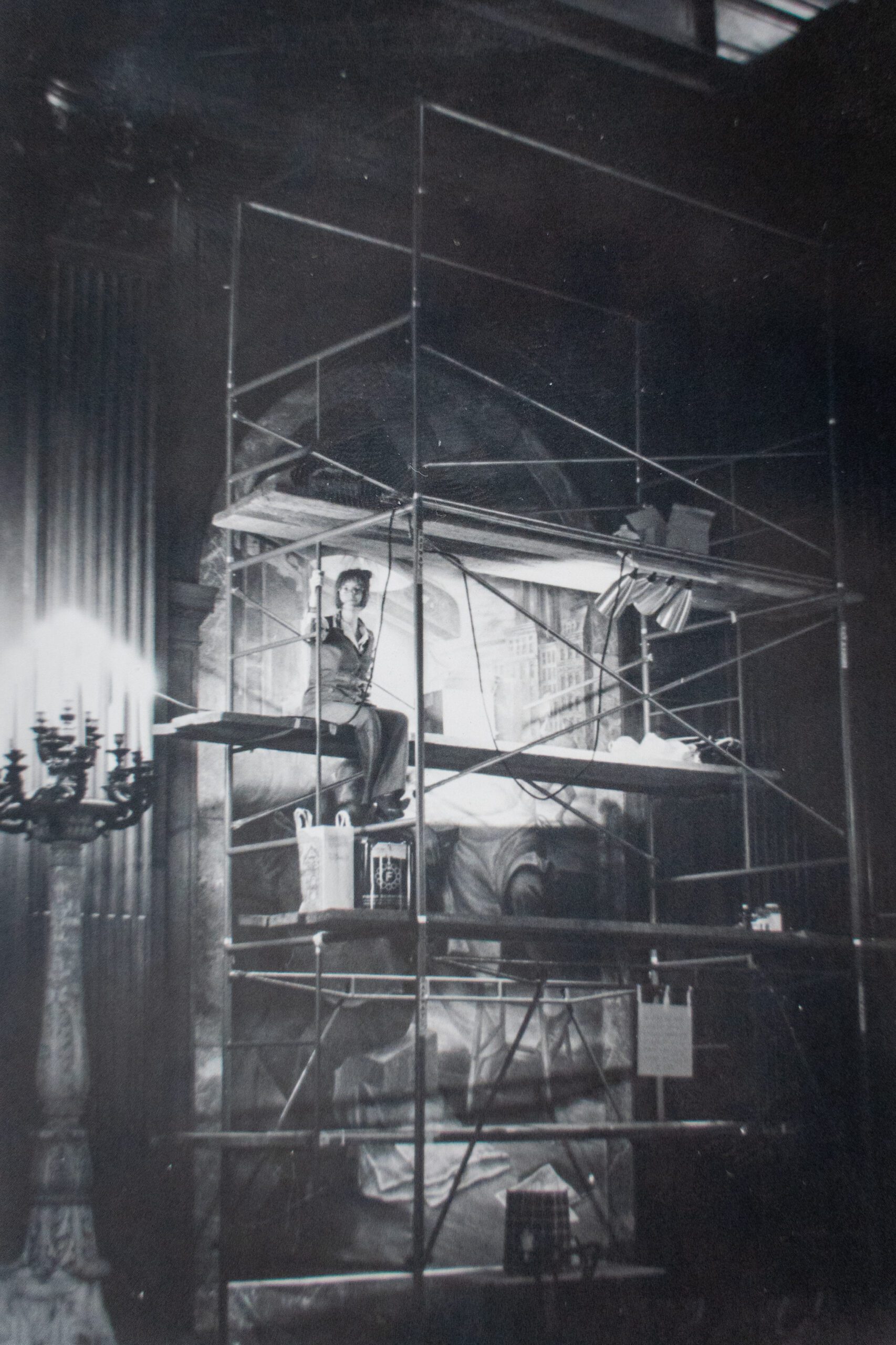
Daily maintenance, careful consideration, and years of study inform the lighting in each museum room at Winterthur. Various implements in the house demonstrate methods of lighting throughout history and the artistry of each creator. The next time you take a tour in the house, notice how the lighting in each room contributes to your experience. If you’re interested in the history of lighting, the mural across from the entrance to the Touch-It Room, painted by artist Elizabeth Lindsay, depicts the history of lighting fixtures in America.

Links:

  1. Argand lamp, Matthew Boulton’s Soho Manufactury, Birmingham, Eng., 1784–86. Bequest of Henry Francis du Pont 1958.2950
  2. Chandelier, England, 1900–1930. Bequest of Henry Francis du Pont 1959.1483
  3. Chandelier, Galway, Ire., 1742. Bequest of Henry Francis du Pont 1956.0519 A-GG
  4. Candlestick, Hamburg, Ger., 1777–1817. Gift of Henry Francis du Pont 1956.0038
  5. Triton Candlestick, Staffordshire, Eng., 1791–1818. Bequest of Henry Francis du Pont 1957.0794
  6. Candlestick, Staffordshire, Eng., 1800–1820. Bequest of Henry Francis du Pont 1958.1174

Artisan Market: Get to Know the 2025 Grant Recipients

Artisan Market reflects Winterthur’s mission by celebrating local artisans and their handmade creations across a wide range of disciplines, including art, textiles, ceramics, glass, woodworking, antiques, jewelry, artisanal and small-batch gourmet goods, and gardening, and more.

This year, following a highly competitive grant application process, three Artisan Market Grants were awarded to recipients whose work embodies and extends Winterthur’s mission in meaningful ways.

Visit the Galleries Stairhall to meet the 2025 Artisan Market Grant Recipients and experience their inspiring work firsthand.

Folkloric Jewelry | Elena Carey Ochs

@FolkloricJewelry

How did you begin your artistic journey, and what story or message does your work convey?

My artistic journey began with a love for storytelling, a background in classical music and ballet, and a lifelong enchantment with history, art, and beautiful, handcrafted objects. Folkloric Jewelry grew out of a desire to hold onto life’s fleeting, beautiful moments—small, cherished talismans that carry pieces of the past or embody those ineffable things that make you instinctively place a hand over your heart.

As a child, I would gaze at the ornate details of 18th- and 19th-century architecture and wish I could wear them. Now, I work with historical imagery sourced from antique auction catalogs, history books, and vintage ephemera, preserving each fragment under resin and pairing it with gemstones, pearls, and metals. My work is an act of preservation and reimagining, inviting the wearer to carry a piece of history with them, something that reflects and illustrates their unique story. Above all else, my message is one of whimsey and beauty—two things that I find to be essential in lifting every person up in what can often be a harsh and difficult world. 

What does receiving this grant mean to you?

Receiving this grant is both a practical support and a deeply personal gift. It eases the financial challenges of participating in a major show as an independent artist and allows me to present my work with the level of care and intention I always strive for.

It also feels like a vote of confidence from a discerning jury with impeccable taste—an outward sign that what I create in solitude is understood and appreciated. Sharing my work at Winterthur affirms that I’ve oriented myself toward exactly where I want to be.

Even more meaningfully, this grant makes it possible for my family to join me. My children will have the chance to explore Winterthur—a place where history, craftsmanship, and beauty are celebrated. As both an artist and a mother, I’m deeply grateful for this opportunity to share such a rich and inspiring experience with them.

How does your work connect to Winterthur’s mission?

My work aligns closely with Winterthur’s mission of preserving and celebrating art, history, and material culture. Each piece I create is a tiny, faerie-sized act of preservation—transforming historical imagery into wearable forms while honoring the original art and stories behind them, all in a delightfully miniature scale.

I’m continually inspired by decorative arts, antique textiles, centuries-old prints, and botanical illustrations—all of which echo the spirit of Winterthur’s collections. Sharing my work at Winterthur feels like a natural meeting of minds and hearts, grounded in a shared reverence for beauty, storytelling, and preservation.

Artist booth generously funded by Debra Hess Norris and Bob Norris. 

Julia Harrison

@ByJuliaHarrison

How did you begin your work and what is the message told behind your artwork? 

My business officially started in 2017, but I’ve been making and selling jewelry and accessories since I was in high school. I strive to make work that honors the everyday, featuring materials and shapes that are both familiar and intriguing, handled with sensitivity and care. My jewelry and objects set the stage for communication, connection, and celebration. 

Travel and walks are important parts of my process. New places let me see with new eyes; even taking a slightly different route between work and home can do the trick! When I pay attention I’m repaid with inspiration, ideas, and beautiful found materials to experiment with. Patience and curiosity are essential ingredients in my work, and I hope that in turn my work invites wearers and viewers to notice and appreciate their surroundings. 

What does receiving this grant mean to you? 

My business was affected by Hurricane Helene; many months on, I’m still working to establish new retail opportunities and reach a wider audience. This will be my first time participating in a craft show on this scale, and receiving the Artisan Market grant is a huge help in both practical and emotional ways. This grant has reduced the anxiety and uncertainty that comes with trying something new, while allowing me to focus all my resources on creating products and on honing my vision for sharing my work with market visitors. 

How does your work connect to Winterthur’s mission

I spent two months in 2024 living and working on the Winterthur estate as a Maker/Creator Fellow; this program allows creative artists to conduct research using Winterthur’s museum collection, garden, library, and archives, and it was an enormous privilege to be immersed in so much of what Winterthur has to offer. Through both my research and my creative work, I demonstrate that impeccably made objects can connect the people who make them with the people who appreciate them, even when they’re separated by time or distance. I like to think that Henry Francis du Pont would have agreed!

Artist booth funded in honor of Grayce Medici Hess and her excitement for emerging artists.  

Prison Arts Program | Alexis Blocksom

How did you begin your work and what is the message told behind your artwork?

The prison arts program went on a hiatus for several years after the previous coordinator quit. I took over the program in late 2023, after I was offered the position by then-warden Robert May. Having a lifelong passion for art, he knew that it would be a great fit for me. This program is all about giving the offenders a therapeutic and creative outlet during their incarceration. This program has been praised by the artists and the community alike. The artists are given an outlet to express themselves, learn new skills, and find a productive way to spend their time, all while being able to make some profit. 

What does receiving this grant mean to you?

After having been denied by so many other art galleries and events, it means the world to be given the chance to get these incredible artists’ work out to the public. They will be so thrilled to hear that their art will be featured in the beautiful Winterthur Garden.

How does your work connect to Winterthur’s mission?

Henry Francis du Pont was keen on inspiring and educating others with the subjects displayed at Winterthur. The Prison Arts Program goes right along with this mission, because these incarcerated artists are bringing more awareness and education to the community. While inmates are often depicted as talentless, bad people in the media, the art created by the artists in our program has inspired many and led to great conversations with members of the public. People see the beautiful works of art that these artists create, and suddenly they aren’t just inmates but men with great talent, passion, and purpose in the world. I hope to continue to show their art to the world and bring more awareness to the realities of prison life.

Welcome to Winterthur

A delicate pavilion with panoramic views and soaring ceilings, the Visitor Center is a hub of activity. Thousands of people pass through it each year to start their visit. Dozens of brides and grooms celebrate their new lives with family and friends here. 

Henry Francis du Pont began planning for what is now known as the Visitor Center in the late 1950s to serve spring garden visitors, whose numbers had soared to 25,000 in April and May. At that time, the Spring Tour offered visitors the chance to see the house without reservations—the reserved tours were sold out at least 18 months in advance. Modern in concept, but with natural materials, the glass and timber-frame building was designed by architects Samuel and Victorine du Pont Homsey to “look as if it was not there,” just as du Pont wished.

The Homseys had already designed the South Wing of the museum, which included office space and the Two Centuries Tour and opened in 1960. Victorine was a cousin of du Pont and the firm had also done work for many family members. Their reputation went far beyond the Wilmington area, and they were widely published at the time. “The Pavilion” was designed in what was then called the Bay Region style, which took its name from the San Francisco and Monterey Bay areas where it was first introduced. Elements of Asian influence are characteristic of the style. 

The building opened April 25, 1961, in time for the tenth annual Spring Tour. Herman Miller furniture—stacked chairs in red, two shades of grey, and tan placed around white tables—filled the dining room. As a whimsical touch, du Pont added carousel figures in one corner. Sliding wood dividers screened the cafeteria area and could create smaller seating areas if desired. The large glass window panels could slide open to let the outside in. The tall atrium space held towering potted palm trees.

Soon after its completion, the Pavilion began to be used more frequently throughout the year, not just in spring. In 1966, the Homseys completed the addition of the Copeland Lecture Hall to fill the need for a large space for conferences and lectures. It was named in honor of du Pont’s cousin Lammot du Pont Copeland and his wife Pamela, long-time supporters of Winterthur. (The Copelands’ more traditional-style residence, Mt. Cuba, is also the work of the Homseys.) In addition to the auditorium, there was a small room near the entrance, called the Crystal Dining Room, that could be used for a special gathering; later the space was the bookstore section dedicated to children’s books and gifts. 

When the Pavilion opened, it included a ticketing desk (in a different formation), a cafeteria, and an orientation space that later was the bookstore (1977–2020). This month, Winterthur will again have an orientation gallery in the very same space. We are eager to welcome you and all who arrive in the Visitor Center into the gallery for a brief introduction to Winterthur and all it has to offer. Stop in and take a look! 

This blog is based on research by Jeff Groff, a former estate historian.

A Love of Tulips

By Josh Horowitz

As an estate guide at Winterthur, I’m often asked which flower is my favorite. It’s a hard question to answer, like asking which child you love the most, but I found my favorite flower here—not in the gardens, but in the Winterthur Library.

During a wander through the stacks sometime in early 2023, I came across the book Tulipomania by Mike Dash. Within the first five pages I was hooked. I purchased my own copy and over the next few months learned about the history and spread of tulips throughout the world. Tulipomania explores when tulip bulbs in the Netherlands became a hotly traded commodity in the early 17th century. This led to a mania, skyrocketing prices, and eventually an economic crash.  

Through reading this book, I gained a deep passion for tulips. These humble bulbs endured a journey from the steep mountains of modern-day Kyrgyzstan in central Asia, through the royal gardens of the Ottoman empire, and into the sandy soil of the Netherlands where they became a part of the Netherlands’ national identity.

In April of 2024, I hosted a virtual Member lecture connecting Tulipomania to the Winterthur collection. I discovered that Henry Francis du Pont served as a member of the National Tulip Association from 1947–1951 and found orders for dozens of different varieties of bulbs that were grown in the Winterthur greenhouses and later displayed in the home.

While present-day tulips at Winterthur are mostly only planted in potted arrangements designed by the horticultural department, they appear on nearly every floor of the museum. In the Readbourne Parlor on the fourth floor, for example, a fireplace is surrounded by English delft tiles depicting tulips and fritillaria.

Tulips were a popular motif for the tile markets of Europe from the 17th through the19th centuries. When German and Dutch immigrants moved to Pennsylvania, they brought elements of their culture with them, and tulips are a common design motif on ceramics, furniture, fabric, and works on paper in the collection.

Inspired by my research, my wife and I chose the Netherlands as the destination for our elopement in 2024. Though we missed the tulips in bloom, we visited the floating flower market along the canals on our wedding day in Amsterdam. We bought a few dozen bulbs that day, whose leaves have recently appeared in our garden in Germantown. I planted around one hundred tulips that year and get to enjoy their display this year as spring greets us all.