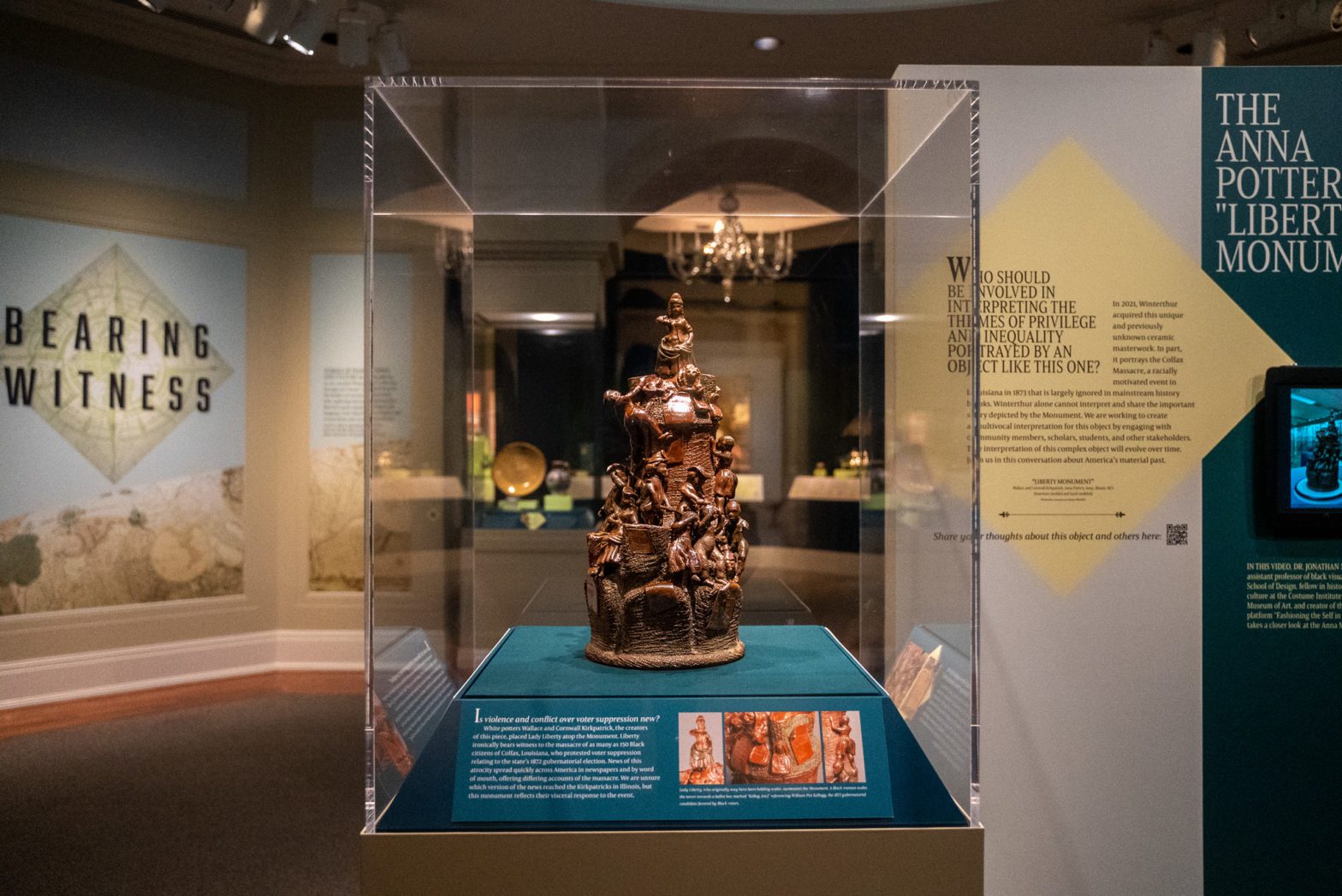
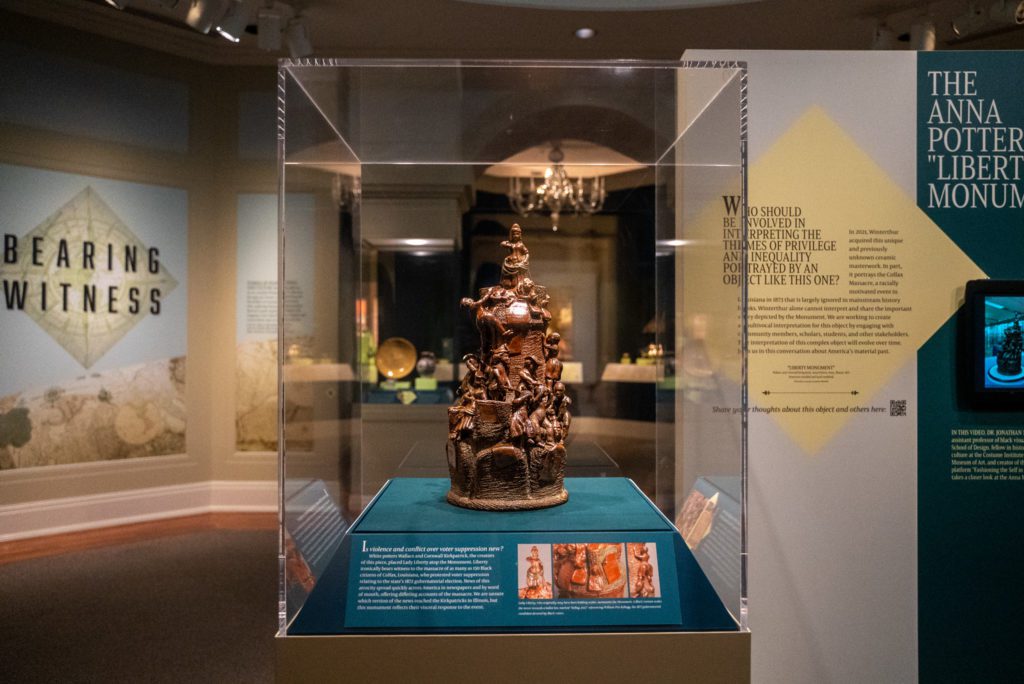
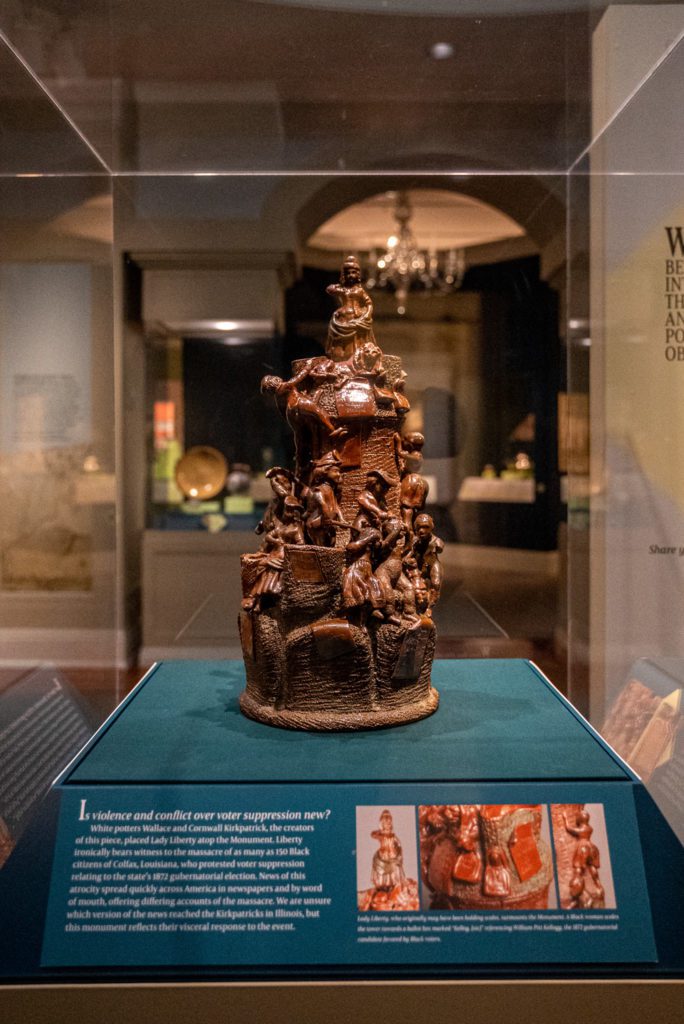
A unique museum object represents a history of strong responses to complex issues.
A recent acquisition now displayed in the Winterthur galleries asks viewers to consider this question:
Are violence and conflict over voter suppression new?
Now part of the Bearing Witness installation, the nearly 150-year-old Anna Pottery Liberty Monument vividly depicts its creators’ scathing criticisms of an incident known as the Colfax massacre. On Easter Sunday 1873, a white mob killed approximately 150 Black citizens of Colfax, Louisiana, as they surrendered after occupying the county courthouse. The Black citizens were defending the result of the 1872 gubernatorial election against an outraged White mob. The election was won by a proponent of recently guaranteed civil rights and voting rights for all.
The Liberty Monument was created by Wallace and Cornwall Kirkpatrick, the white owners of Anna Pottery in Anna, Illinois, from 1859 to 1896. Known to be socially progressive, the brothers were vocal about their views and often commented caustically on events and politics through their work.
The figure of Lady Liberty crowning the monument gives the work its contemporary name. Though the main scene depicted on the monument is the Colfax massacre, other figures represent the Kirkpatricks’ strong view of another Colfax: Schuyler Colfax, who, while vice president of the United States (1869–1873), was implicated in a scandal related to the financing of the Transcontinental Railroad. The monument also criticizes the great cost of the American Civil War, which the Kirkpatricks viewed as theatrical and ineffective in creating a United States in which all were truly free. Though sympathetic to the plight of Black people, the brothers depicted them through common racial stereotypes of the day.
Various accounts of the Colfax massacre were published in newspapers across the country. None of them are definitive. Considered by some to be the worst incident of racial violence in the Reconstruction era, Colfax nonetheless has been largely ignored by mainstream history books.
“The unique Liberty Monument demonstrates unusual skill on the parts of the makers, who typically produced useful wares such as crocks. Much more importantly, it illustrates how vital messages regarding social issues were disseminated via methods beyond the written word and published illustrations,” says Leslie B. Grigsby, senior curator of Ceramics and Glass at Winterthur.
Winterthur acquired the Liberty Monument during the summer 2021 Crocker Farm auction of American stoneware and earthenware. The auction house described the commemorative work as “one of the greatest American ceramic discoveries to come to light in recent decades.”
Grigsby and Alexandra Deutsch, John L. and Marjorie P. McGraw Director of Collections at Winterthur, are working to create a multivocal interpretation for the object by engaging with scholars, students, and others to depict the multilayered history the monument represents.
“We expect the interpretation of this complex object to evolve over time,” Deutsch says. “We fully understand the responsibility we have when we present the challenging history this object represents.”
See the Anna Pottery Liberty Monument (2021.0017) in the galleries as part of Bearing Witness, which considers the stories of underrepresented groups through history.
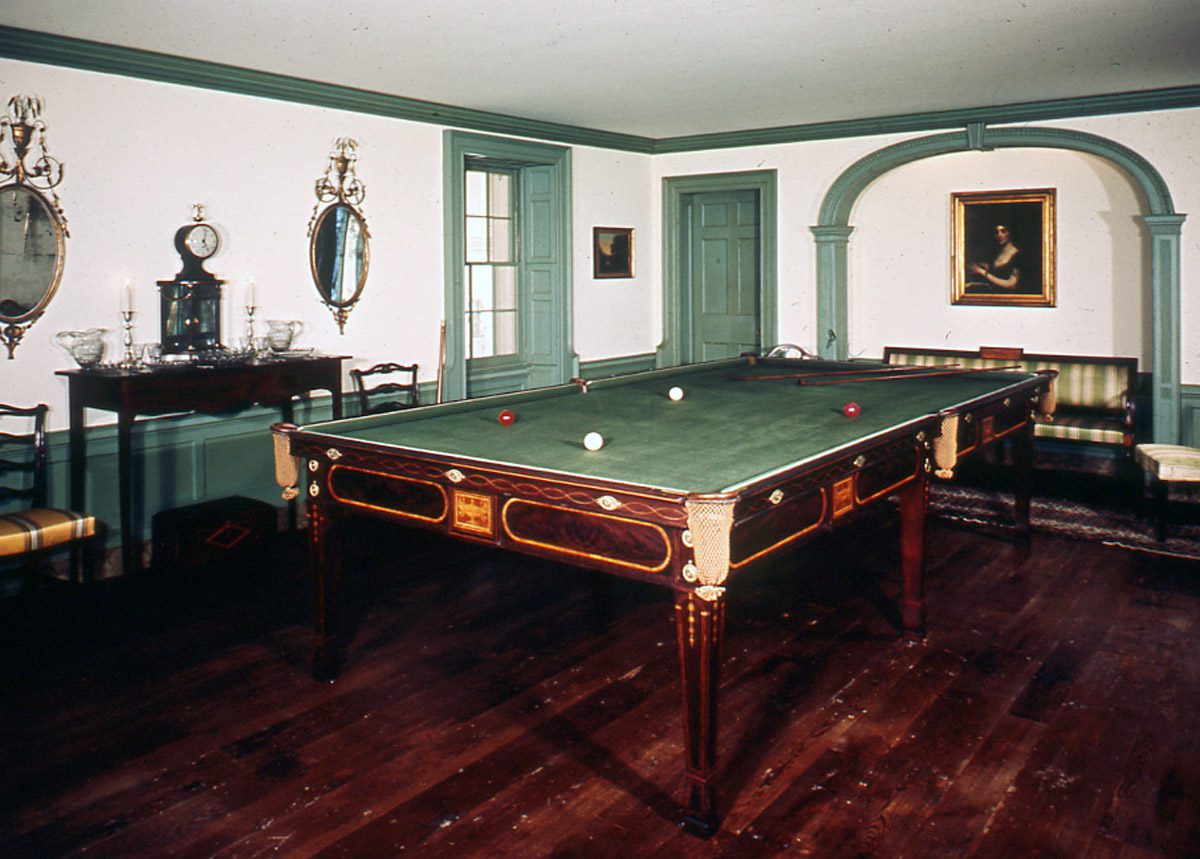
One of my dad’s favorite games is pool, so we had a table in our basement, and he taught me and my siblings to play when we were kids. I hadn’t played since I moved out six years ago, but then I got to know some new friends who played on a regular basis, and it’s been fun getting back into it. I like this table because it’s a large size that no one has had an opportunity to play on in a long time, and it’s unique for another reason—it’s the oldest American-made table. It also has a lot of presence; it fills up a room that is not small. My exposure to pool tables is fairly modern, so I’m not used to seeing a table with as much decoration in the wood. It’s pretty cool.
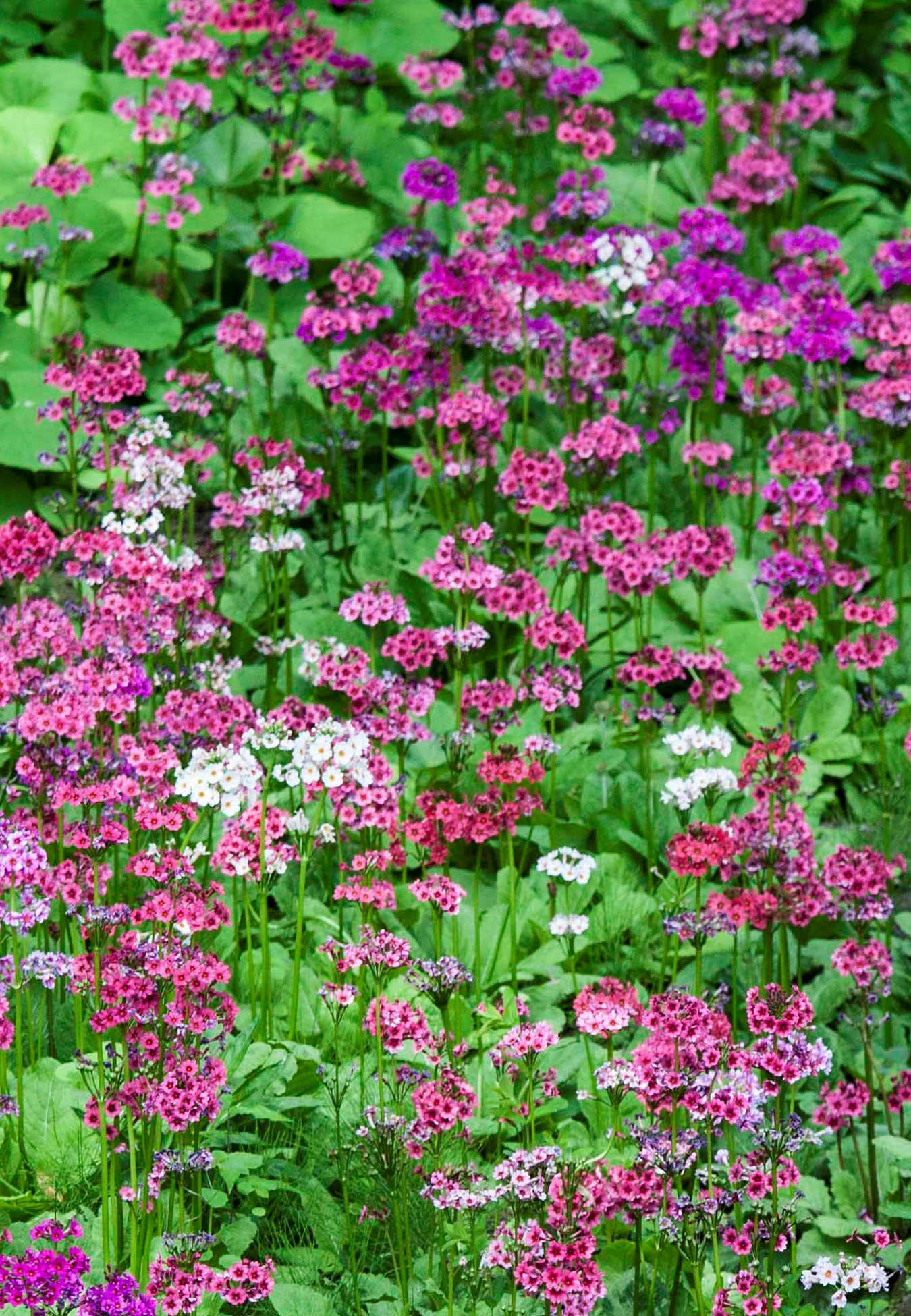
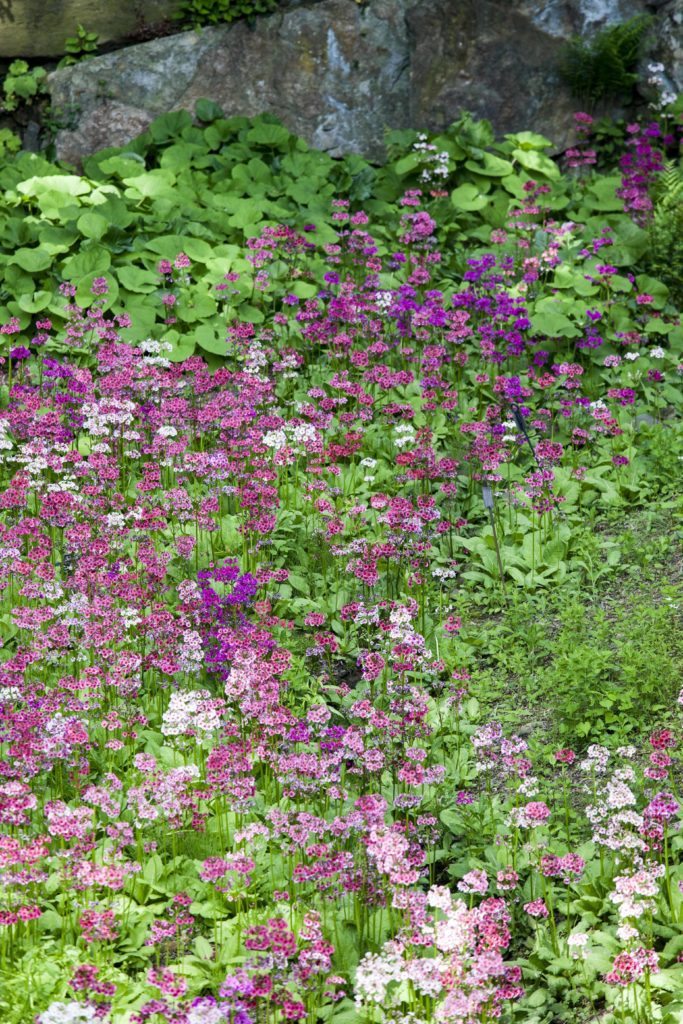
Brightest Color – Primroses: The candelabra primroses (Primula species) are brightening the path from the Koi Ponds in the Glade towards Magnolia Bend, the Winterhazel Walk, and creating a stunning tapestry of red, pink, orange, and white in the Quarry Garden.
Everywhere: But, listed only here:
The tiny white-to-pale-pink daisies of fleabane (Erigeron annuus) are blooming throughout the Estate.
The purple, lavender, and white flowers of Dame’s rocket (Hesperis matronalis) are present in lesser or greater abundance in the gardens and fields.
White clover (Trifolium repens) in the fields and lawns is providing nectar and pollen for the pollinators and nitrogen for the soil.
Dove Tree: Check the corner created by the back of the glass Soup Tureen corridor & the Library to see the fluttering white bracts of the rare Dove Tree, or Handkerchief Tree (Davidia involucrata var. vilmoriana) in bloom.
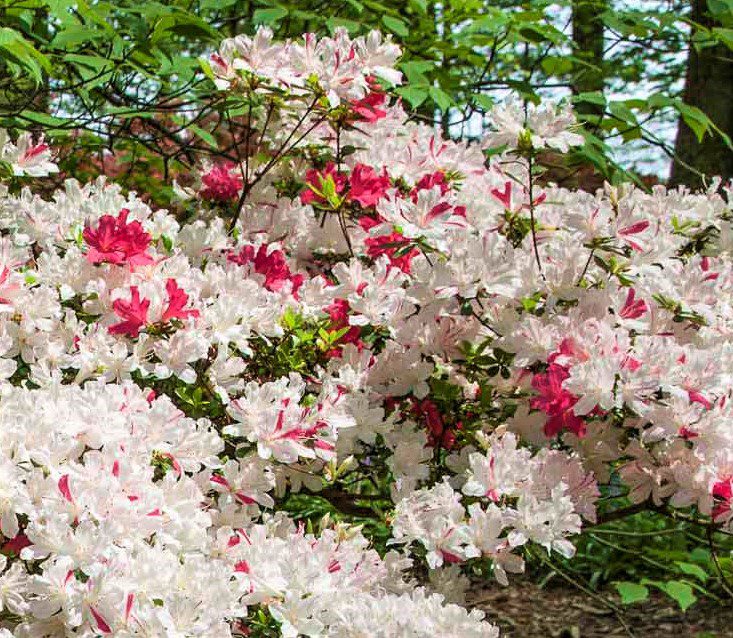
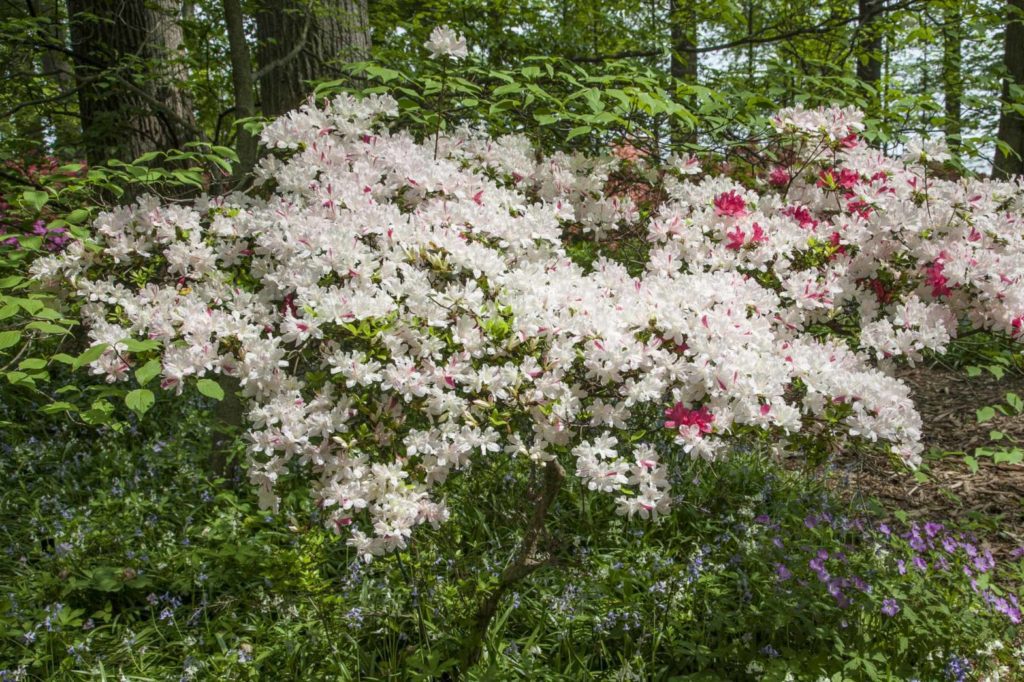
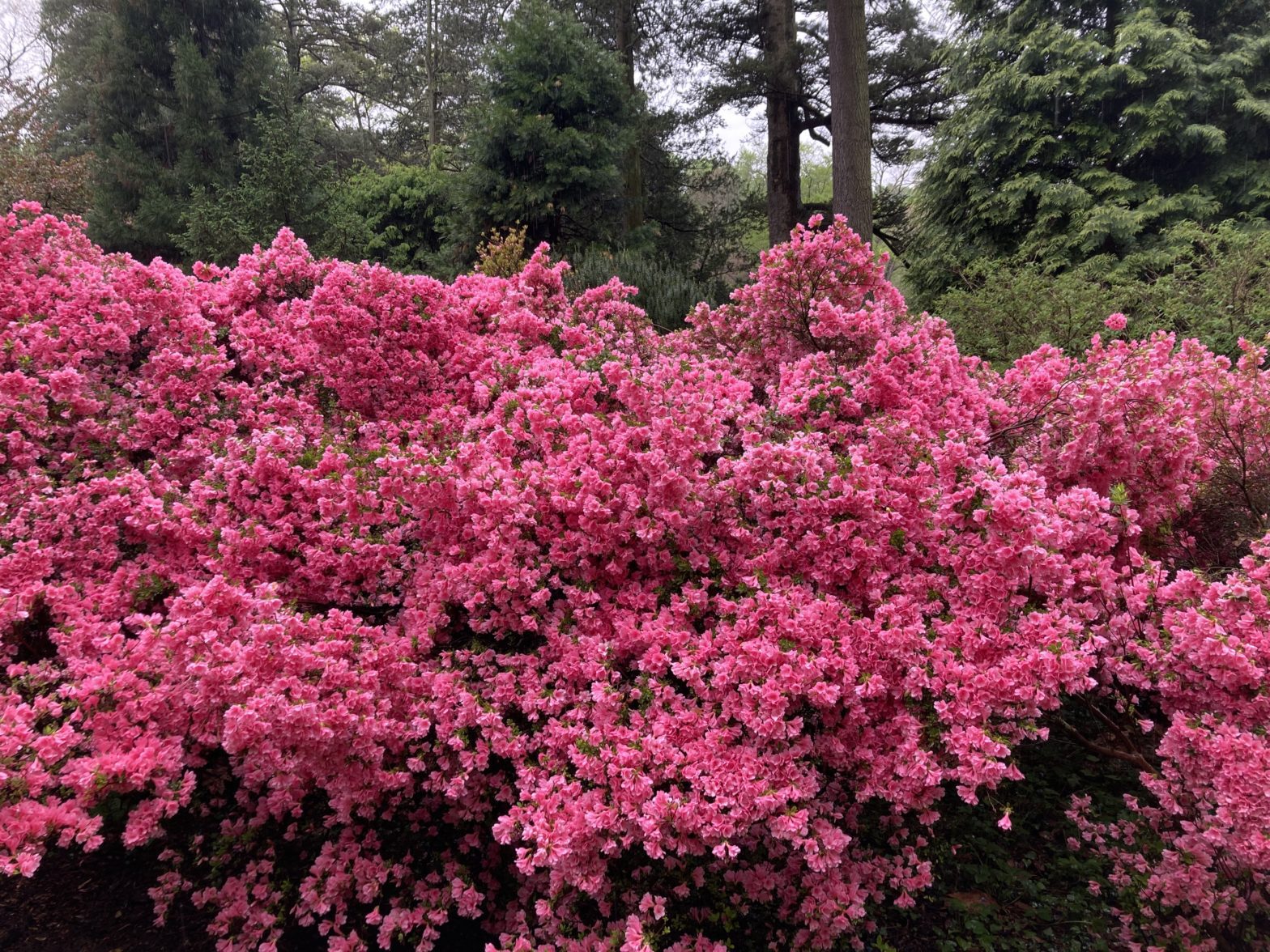
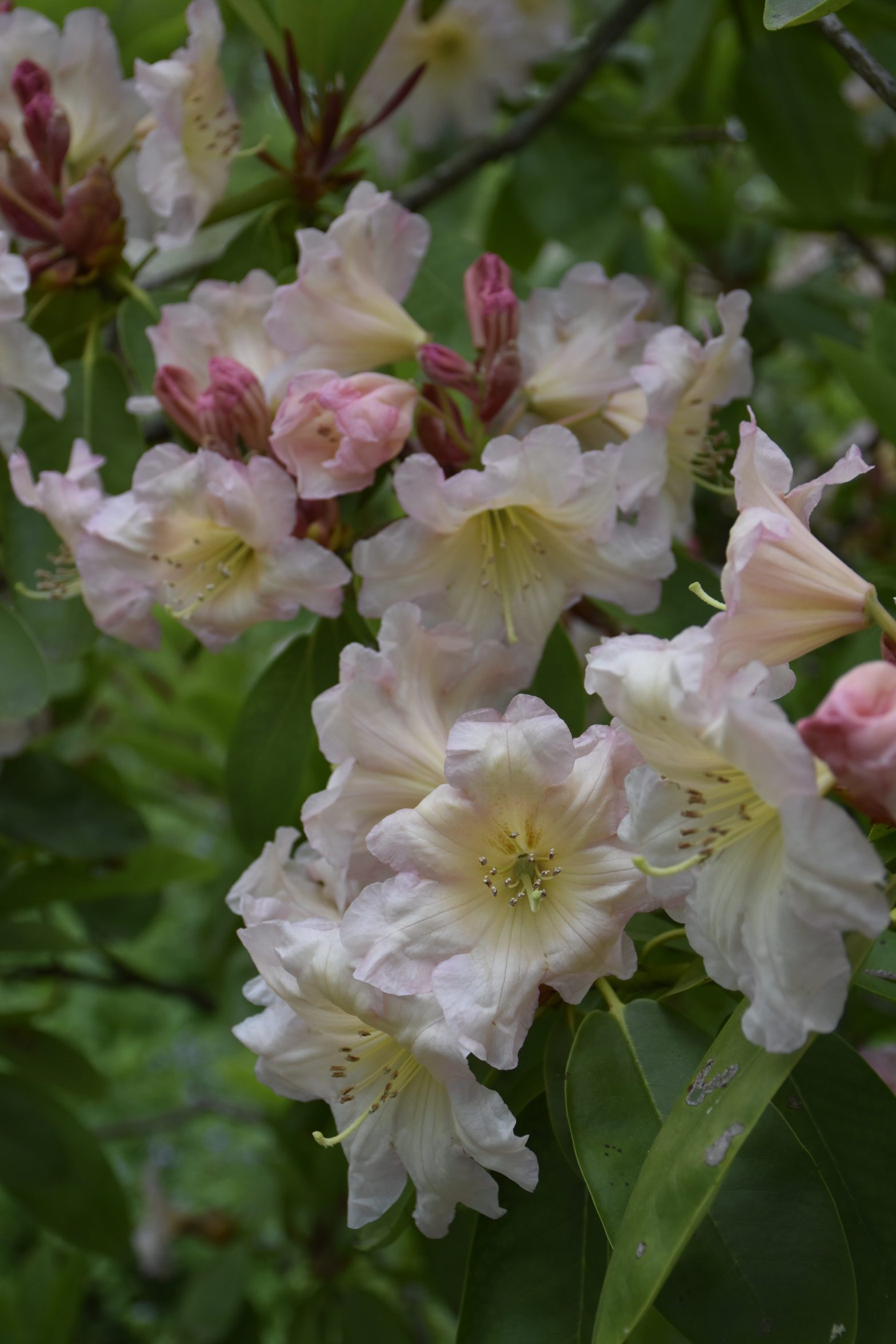
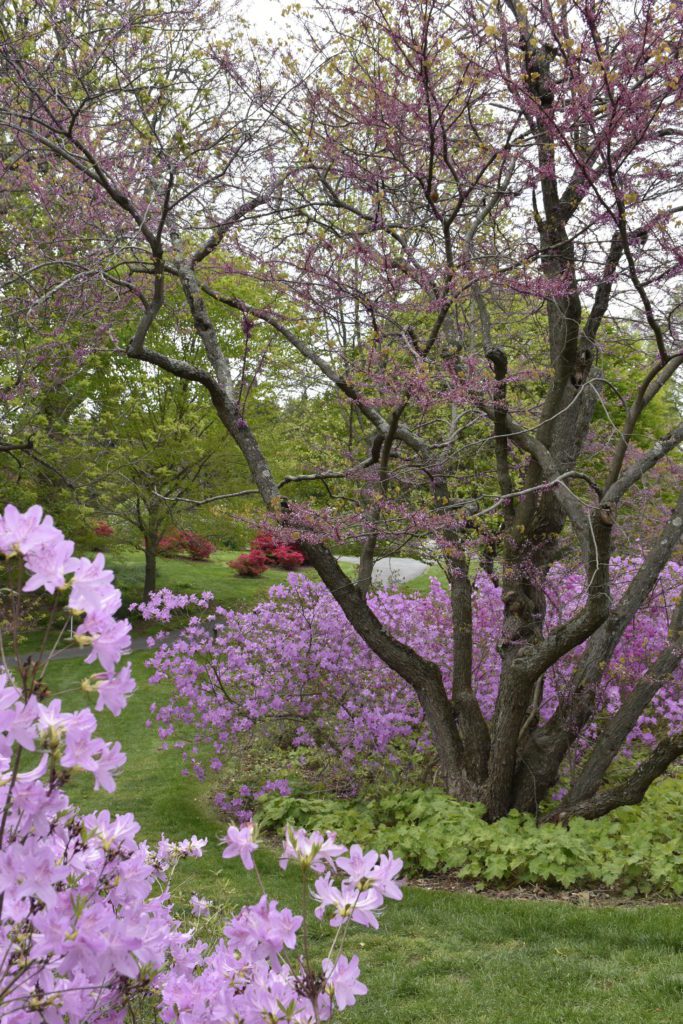
Azaleas & Rhododendrons: The azaleas and rhododendrons in Azalea Woods and the native azaleas in the Pinetum and on Oak Hill are at their best this week, accompanied by azaleas throughout the gardens.
Primroses: The Quarry Garden is filled with a tapestry of red, pink, and white primroses (Primula species).
Mayapples: The ‘umbrella’ leaves of mayapples (Podophyllum peltatum) appear throughout the gardens and estate. They are listed only here as they are ubiquitous. Look for plants with a ‘double umbrella’ to find the white flowers hidden beneath.
Dogwoods and Doublefiles: White or pink dogwoods (Cornus florida species & varieties) are in bud or in bloom throughout the Estate including the edge of Brown’s Woods. They are mentioned only here. The bright white of doublefile veburnums (Viburnum plicatum forma tomentosum) continue the show of white as listed below and throughout the Estate.
Violets: Blue, blue & white, & yellow violets (Viola species) are blooming throughout the gardens and fields. They are mentioned only here.
Everywhere: The tiny white-to-pale-pink daisies of fleabane (Erigeron annuus) are beginning to bloom throughout the estate. They will become numerous as the season progresses. They are listed only here.
As a lifelong museum visitor, one of the things I really appreciate about Winterthur is that during a visit, it’s very easy to move from inside to outside, to enter and reenter, to have time outdoors and time inside with all the extraordinary art from the past. At some museums, you have to commit to being inside their vast buildings without a chance to refresh your senses in nature. Winterthur has a great fluidity to it in that way.
My perfect day here would begin with the exhibitions because I enjoy being in the galleries during the quiet time of day–even though as a curator, I am pleased to see them crowded. I especially love Outside In: Nature-inspired Design at Winterthur. This exhibition is a collaboration with the Delaware Museum of Nature and Science. It is stimulating to see how these different collections can be integrated and appreciated with fresh eyes by two institutions that are across the street from each other.
The first sight that gets me is the little western meadowlark. I’ve never seen one alive, so I can’t help but imagine how incredibly bright and yellow its feathers were then. It’s a yellow that Henry Francis du Pont clearly loved. That color will stay in my imagination when I go back into the garden to listen for birds and think about the creature habitats on the grounds around the museum. Artistic imaginations are so inspired by our environment, and I am proud that Winterthur is working to protect the corner of Delaware that we are in.
After saturating myself with all the thoughts and lush visions encountered in the museum galleries, I would next take the tram or the shuttle back to the parking lot, pick up my picnic lunch from my car, then take a good stroll through the garden and landscape.
One of my favorite spots is Oak Hill. I love it not just for the views, but because it reminds me of a colleague who really treasured his time there, Bruno Pouliot. Bruno was one of our conservators, and I like to remember him using his lunch hour, in his wheelchair, to wheel strongly up that hill to just enjoy the vistas.
My afternoon adventure would first include a quick peek at my favorite objects in the Campbells Collection of Soup Tureens on my way back to the museum. These are such over-the-top dining vessels. I always have to say hello to the silver tureen with the boar handles (object 1996.0004.237 A). It’s not everyone’s taste, but I love the line and movement on the surface and the way the whole tureen undulates and reflects light. It’s such a dynamic design, it’s hard to believe it was hammered from silver.
I know the historic house pretty well but even I discover something new each time I am inside. So my next stop would be a house tour to explore that visual time capsule of America’s creative past. Finally, if I still had energy at end of the day, I would take a near-dusk stroll. The other day I saw the full moon rise over the train station. It was picture perfect.
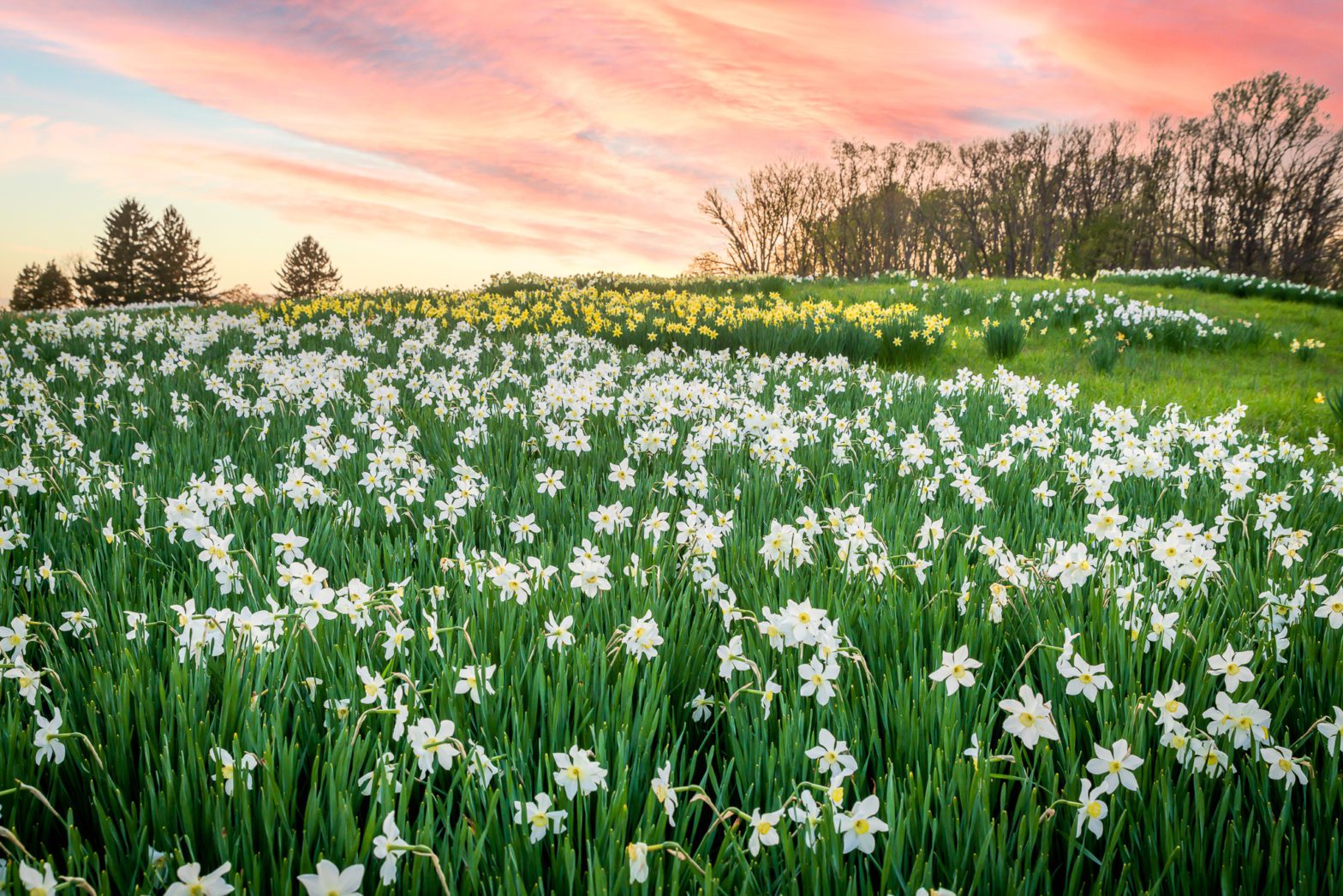
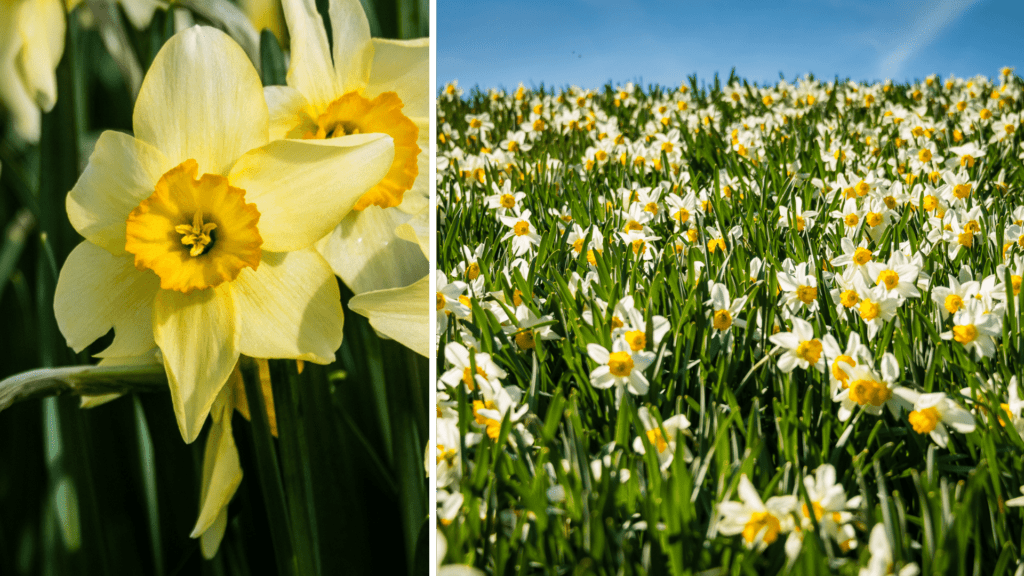
Since 1902, Narcissus have helped define the Winterthur Garden. Since March, they’ve been popping up like crazy.
Behold the daffodil.
They appear so commonly in gardens that we almost take them for granted; yet, there are 13 divisions, from large cup, small cup, and split cup to Triandrus, Cyclamineus, and Poeticus, to other species, wild variants, and wild hybrids, each with its unique and sometimes maddeningly subtle variations. They fascinated Winterthur founder Henry Francis du Pont throughout his long life, and for good reason.
“This one has a yellow cup with separate white petals making a very star-shaped appearance. There are some where the petals are a little bit wider but they’re still separate. There are still others where the petals overlap. And several cultivars subtly change color when in flower, so you have to watch them over time,” says Linda Eirhart, Alice Cary Brown Director of Garden at Winterthur. “I could see where that attention to detail, looking at that and enjoying seeing the differences, might have fascinated him because it really is fun to look at these and try to figure out, are they the same? Are they different?”
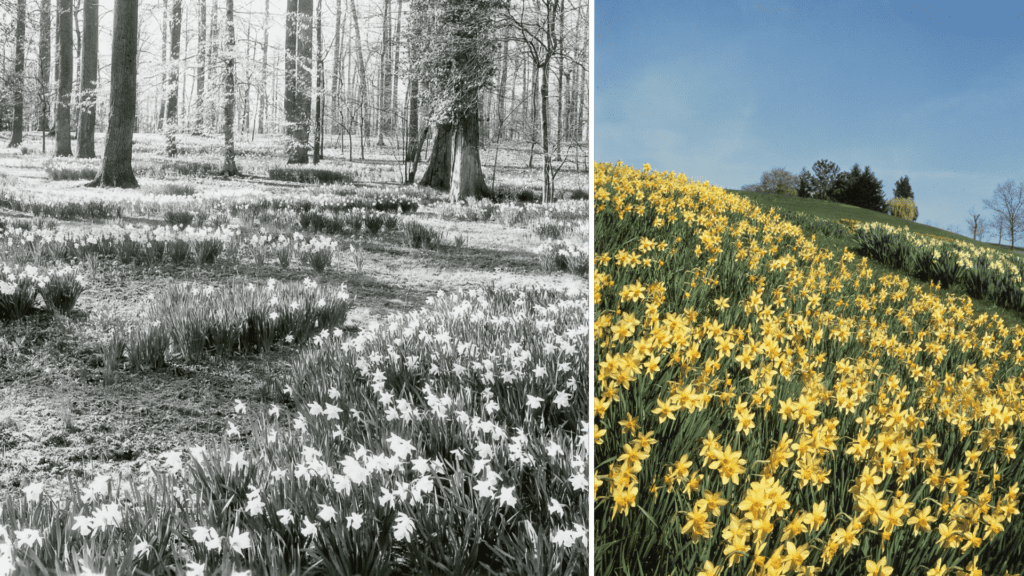
Daffodils so enthralled du Pont that he planted them in large drifts across his estate. Those big drifts still thrive in Browns Wood Meadow along what had been his golf course, at the edge of Azalea Woods, above the Quarry Garden, and on the March Bank, Sycamore Hill, Oak Hill, and along the entrance drive to the Visitor Center. In all, more than 500,000 bulbs blossom across Winterthur from late winter through April.
“The great pleasure in a bulb garden is in its permanency,” du Pont wrote in an article from 1915 about naturalizing Narcissi. In the article he notes that he laid out his first daffodil garden in 1902 on the lawn above what is now the museum. “Of the many gardens one can have, there is none which, once planned and planted, gives more satisfactory results with as little upkeep as that in which narcissi predominate,” he said. He so loved his daffodils that he revised the article in 1937 for The American Daffodil Year Book and again in 1961, when it appeared in the The Daffodil and Tulip Year Book1961.
Many of the daffodils that blossom at Winterthur are historic cultivars from the late 1800s and early 1900s. For the past few years, Eirhart has been working to identify and document them, examining the petals, shapes, sizes, color, and even that subtle color change over the life of the blossom.
The distinctions can be so minute, du Pont did not mention certain cultivars in his articles because identifying them was so difficult. “Everybody has different likes in their flowers,” Eirhart says. “I’ve grown to love these older historic cultivars and the subtle differences between them.” Eirhart notes that they’ve become one of her favorite flowers and they herald a special time of year in the garden.
“When the daffodils are in flower, the cherries, the early azaleas, the magnolias, and the quince will also all be in bloom, so I automatically associate daffodils with all the wonderful trees and shrubs that are in flower too. It’s a beautiful time at Winterthur.”
Winterthur is one of the few places in the country where you can see so many daffodils. Find out for yourself while the daffodils are in bloom through April and join us for Daffodil Day on April 11!
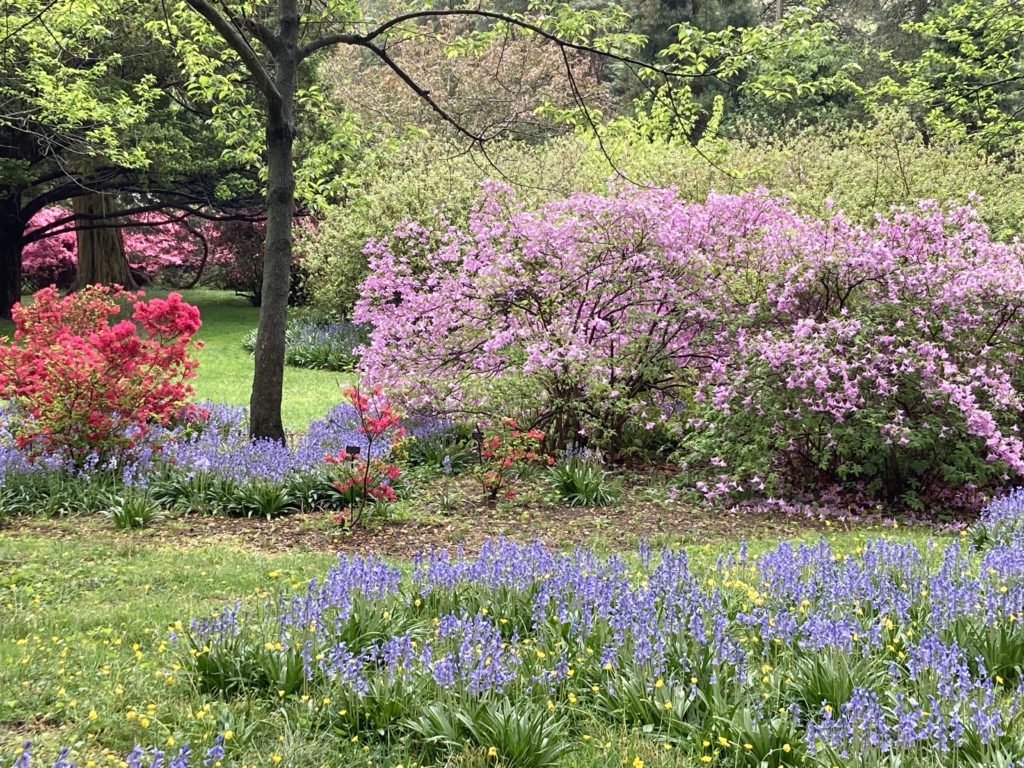
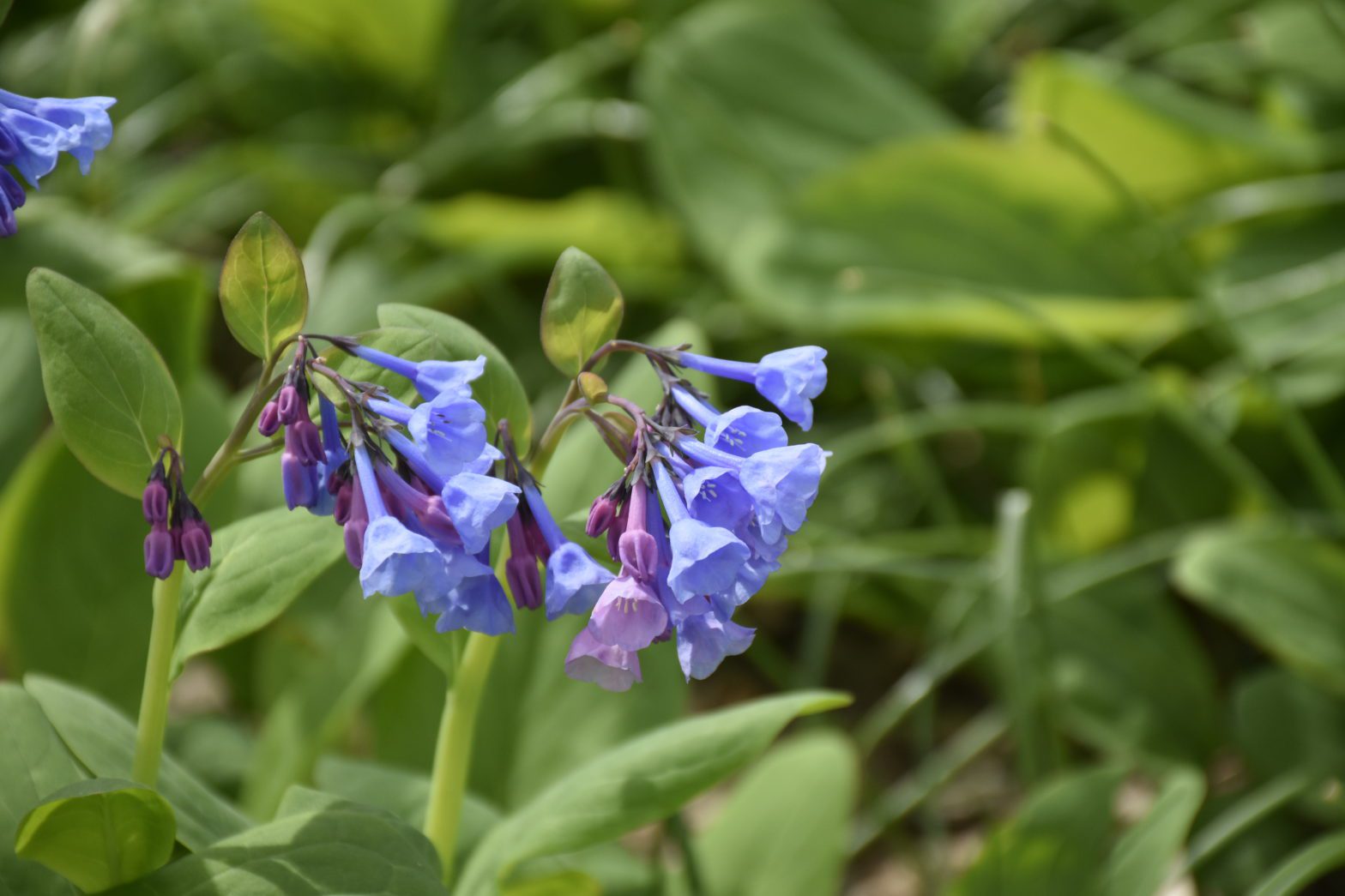
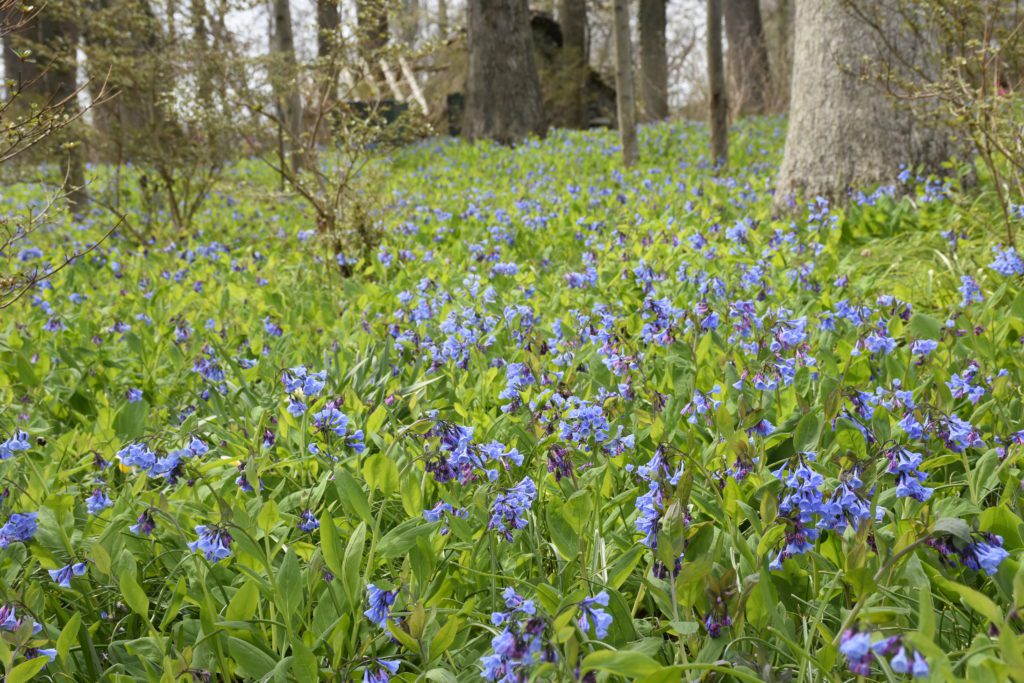
Azaleas and Bluebells are dazzling in Azalea Woods, Upper Peony Garden and sprinkled throughout the Garden.
Check these out:
Dove Tree: Check the corner created by the back of the glass Soup Tureen corridor & the Library to see the fluttering white bracts of the rare Dove Tree, or Handkerchief Tree (Davidia involucrata var. vilmoriana) in bloom.
Primroses: The Quarry Garden is filled with a tapestry of red, pink, and white primroses (Primula species).
Mayapples: The ‘umbrella’ leaves of mayapples (Podophyllum peltatum) appear throughout the gardens and estate. They are listed only here as they are ubiquitous. Look for plants with a ‘double umbrella’ to find the white flowers hidden beneath.
Dogwoods and Doublefiles: White or pink dogwoods (Cornus florida species & varieties) are in bud or in bloom throughout the Estate including the edge of Brown’s Woods. They are mentioned only here. The bright white of doublefile veburnums (Viburnum plicatum forma tomentosum) continue the show of white as listed below and throughout the Estate.
Spring Beauties: The native spring beauties (Claytonia virginica) form a white carpet in the back meadow between Clenny Run and Clenny Run road, on the lawn sloping down to the Museum, along the walkway to Icewell Terrace, and on parts of Oak Hill. Their small, star-shaped white to pale pink flowers can be found throughout the Estate.
Violets: Blue, blue & white, & yellow violets (Viola species) are blooming throughout the gardens and fields. They are mentioned only here.
Virginia Bluebells (Mertensia virginica) surrounding Enchanted Woods
Check these out:
Trilliums: Vast expanses of great white trillium (Trillium grandiflorum) can be seen in parts of Azalea Woods, and individuals and colonies of them along with yellow trillium (Trillium luteum) and the dark red toadshade and wake-robin (Trillium sessile & Trillium erectum) can be found throughout the gardens.
Magnificent Entry:The Wilson pearlbush (Exochorda giraldii x wilsonii) is creating a lovely white frame for the Latimeria Gate entrance to the Pinetum.
Sundial Garden and Quince Walk: A flurry of flowers with the flowering quince (Chaenomeles cultivars) showing off in blazing red-orange, orange, red and cooler pale orange & white with a supporting cast of white spiraea (Spiraea x arguta & Spiraea prunifolium cultivars) and a carpet of pale blue starflower (Ipheion uniflorum).
An Ocean of Blue: Virginia bluebells (Mertensia virginica) are blooming throughout the gardens with great waves of them in parts of Azalea Woods, in the area of the koi ponds, in Enchanted Woods, on Oak Hill and the Quarry. Italian windflowers (Anemone apennina) form a blue & white carpet extending throughout Azalea Woods, down the March Bank to the stream, & up the opposite bank into Icewell Terrace. They accent other parts of the garden.
Spring Beauties: The native spring beauties (Claytonia virginica) form a white carpet on the lawn sloping down to the Museum and on parts of Oak Hill. Their small, star-shaped white to pale pink flowers can be found throughout the Estate.
Violets: Blue, blue & white, & yellow violets (Viola species) are blooming throughout the gardens and fields. They are mentioned only here.
Bloom Report #17 April 27, 2022 55 F, Partly Cloudy
Azaleas are getting ready to steal the Garden show! Visit Winterthur May 7th for Azalea and Bluebell Day to get a front row seat to watch the beauty begin to unfold.
Check these out:
Trilliums: Vast expanses of great white trillium (Trillium grandiflorum) can be seen in parts of Azalea Woods, and individuals and colonies of them along with yellow trillium (Trillium luteum) and the dark red toadshade and wake-robin (Trillium sessile & Trillium erectum) can be found throughout the gardens.
Magnificent Entry: The Wilson pearlbush (Exochorda giraldii x wilsonii) is creating a lovely white frame for the Latimeria Gate entrance to the Pinetum.
Dogwoods: White or pink dogwoods (Cornus florida species & varieties) are in bud or in bloom throughout the Estate including the edge of Brown’s Woods. They are mentioned only here.
Spring Beauties: The native spring beauties (Claytonia virginica) form a white carpet on the lawn sloping down to the Museum, along the walkway to Icewell Terrace, and on parts of Oak Hill. Their small, star-shaped white to pale pink flowers can be found throughout the Estate.
Violets: Blue, blue & white, & yellow violets (Viola species) are blooming throughout the gardens and fields. They are mentioned only here.
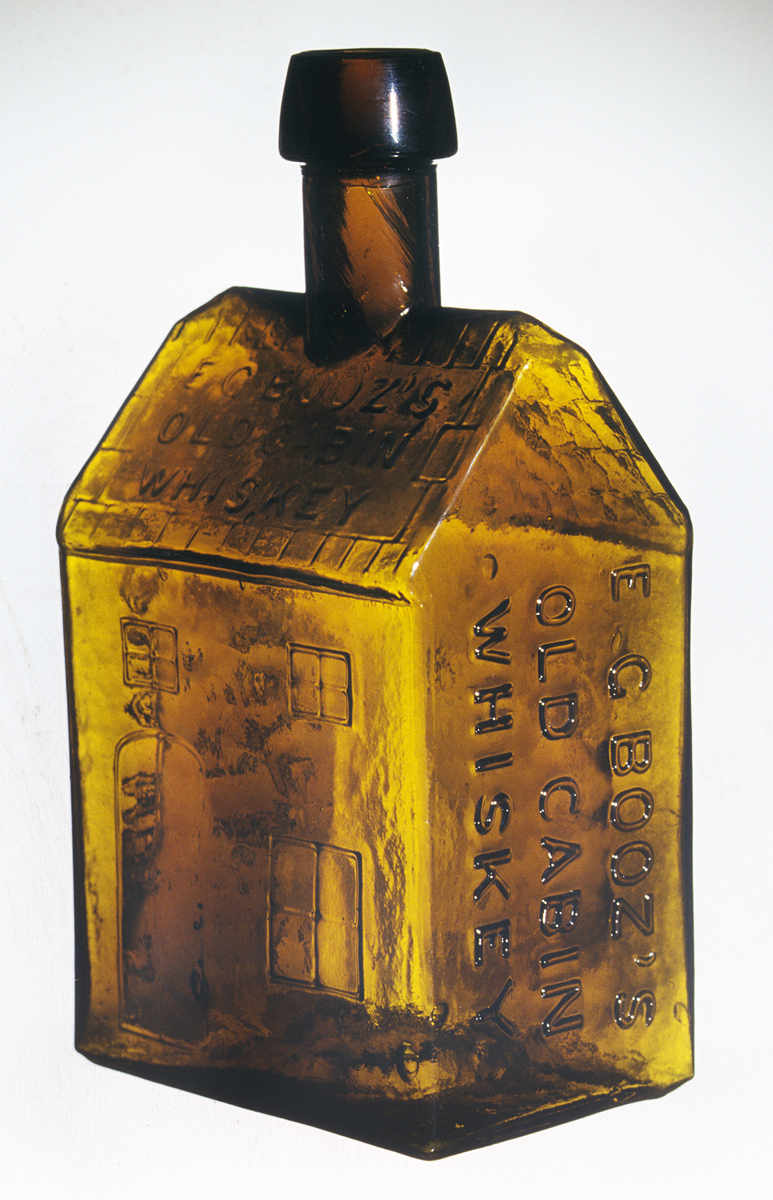
As the morning sun spills through the east-facing windows of the Hall of Statues, you might catch a glimpse of this object casting a warm amber light. This mold-blown, house-shaped flask, made between 1860 and 1870 by the Whitney Glass Works, holds a spot on my Winterthur favorite objects list because it was made in my hometown of Glassboro, New Jersey. Made to house E. G. Booz’s Old Cabin Whiskey, the flask, to me, does not necessarily look like a cabin but instead a house that is remarkably similar to the small two-story glassworker houses that I can remember seeing in my youth. Those houses have mostly disappeared due to redevelopment. Here’s a fun fact. There is a tradition that these flasks helped popularize the word “booze” despite etymological evidence that the term has been in use since the 14th century, with the spelling we know today emerging in the 17th century.