Search Site

In Her Own Key: The Life of Ruth Wales du Pont

By Ellery Coleman, tour program assistant

Ruth Wales du Pont was “musically gifted, industrious, and intelligent,” endowed with a witty sense of humor, and perfectly paired with her husband, Winterthur Museum founder Henry Francis du Pont.
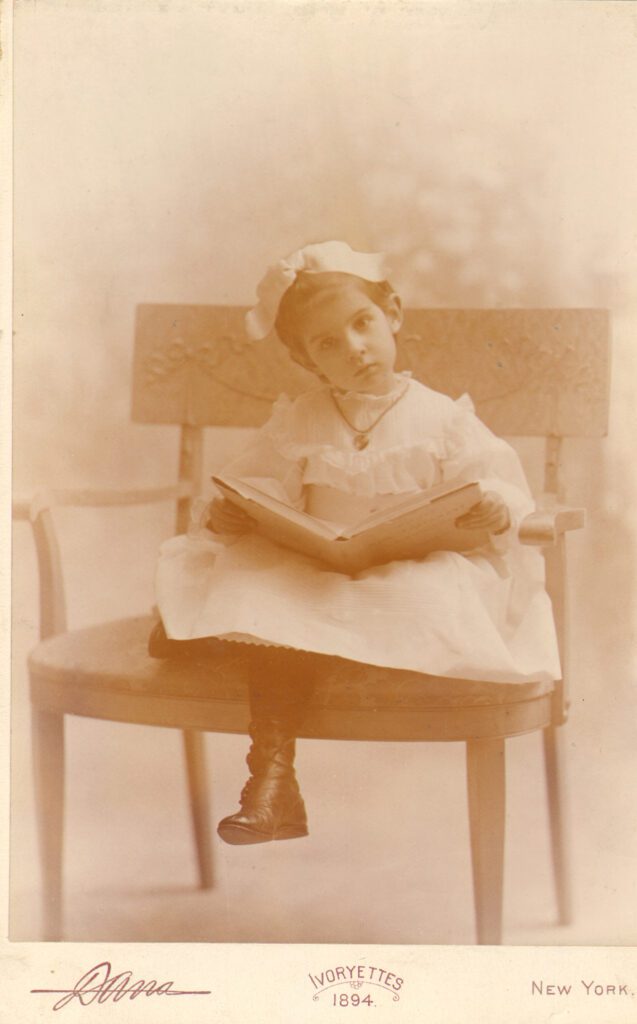
Young Ruth

Born into New York high society in June 1889, Ruth grew up in Hyde Park, near Franklin Delano Roosevelt’s family. An only child, she was raised primarily by her mother, and they were very close. Even as an adult, she and her mother wrote to each other daily any time they were apart, correspondence Ruth’s daughter later described as “unfailingly tender.” Her grandmother, and to a much lesser extent, her father, also played a role in her upbringing. Ruth attended Miss Spence’s School in New York City, where she excelled in her studies and made many lifelong friends. As a child, she took to the piano easily and began taking lessons at thirteen, cultivating a lasting love of music. 
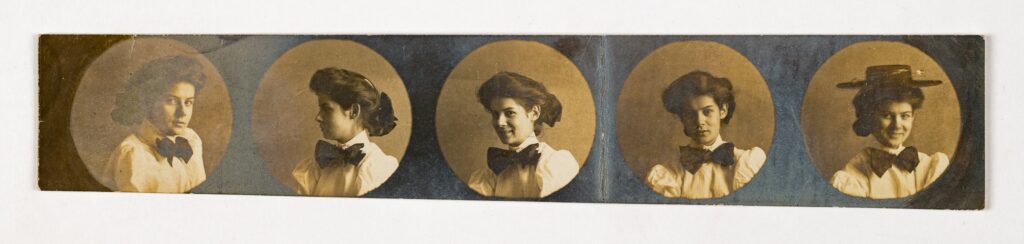
Ruth in an undated photo

She and Henry Francis du Pont met and started developing a friendship when she was twenty, and in 1912, she attended her first of several house parties at Winterthur. Ruth’s daughter recounted in her book that her mother “never expected to marry,” and had once even tried to play matchmaker for Henry Francis, who was nine years her senior. They eventually fell in love and tied the knot in June 1916. 
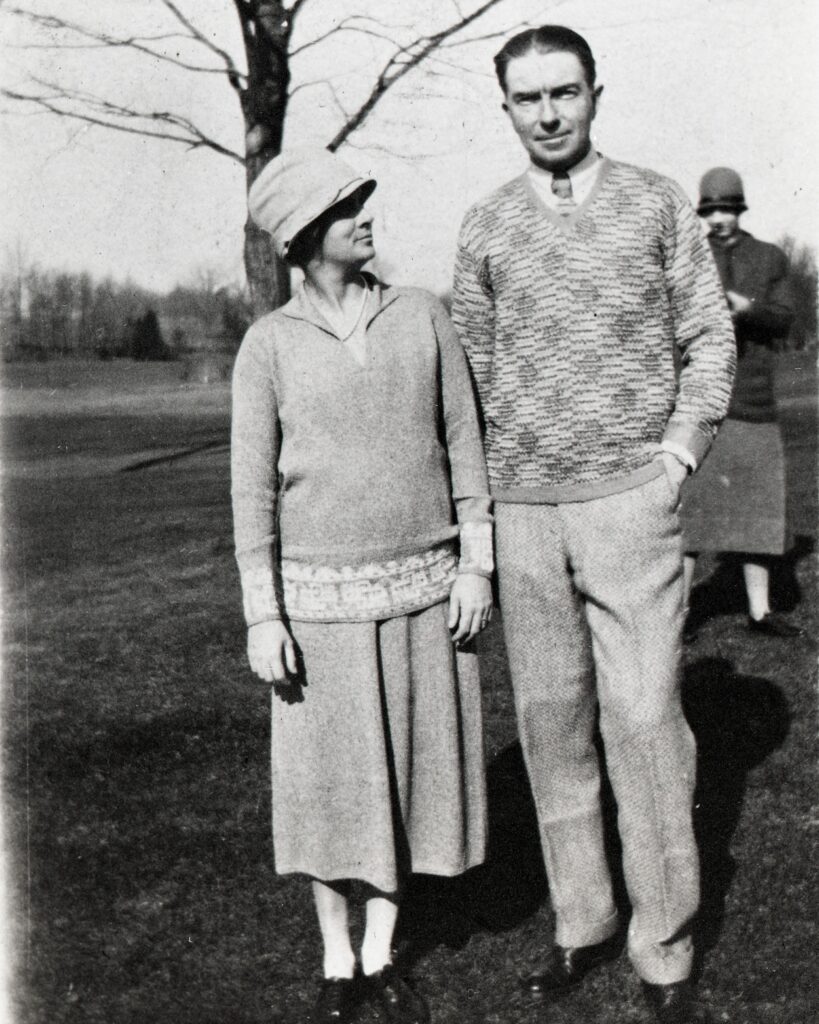
Ruth and her husband, Henry Francis du Pont

In their early years of marriage, H. F., not yet invested in collecting antiques, was focused on his cattle and the dairy operation, horticulture, and breaking ground on new garden projects. Ruth, though a city girl by birth and by preference, agreed to live at Winterthur with her husband and father-in-law, Colonel Henry Algernon du Pont. The couple remained close, but her father-in-law proved to be a difficult person, and Ruth’s mental condition suffered as a result.

To help alleviate her distress, the couple bought a Park Avenue apartment in 1921, where Ruth spent much of her time. Over the years, they added more homes, spending winters in New York, summers in Southampton, Long Island, and weekends and holidays at Winterthur, along with an occasional winter retreat in Florida.
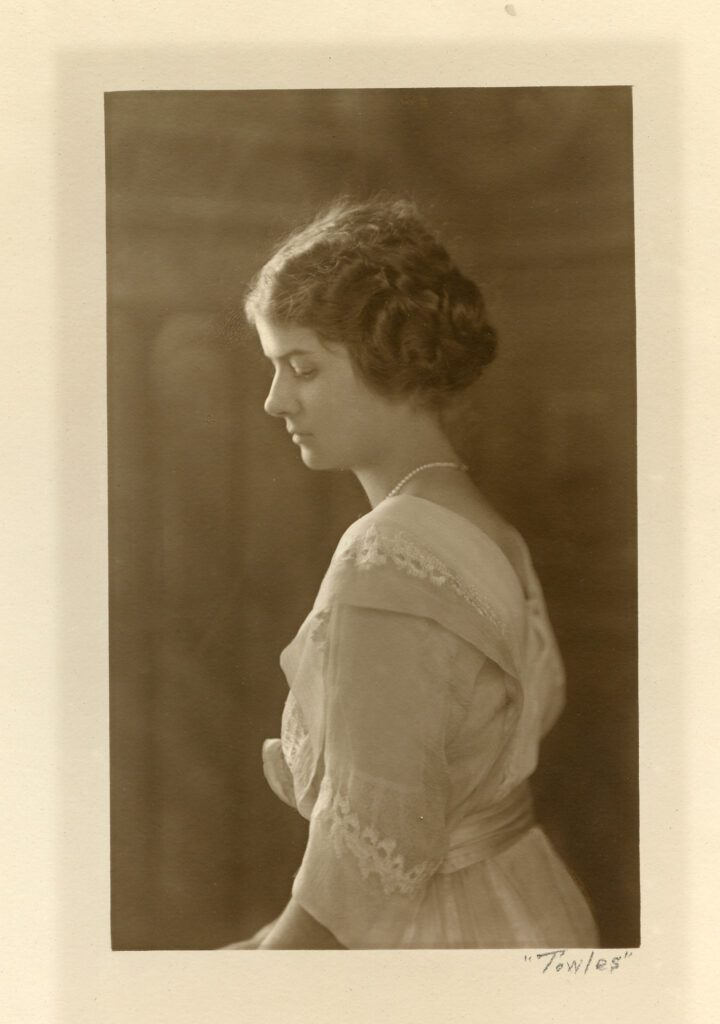
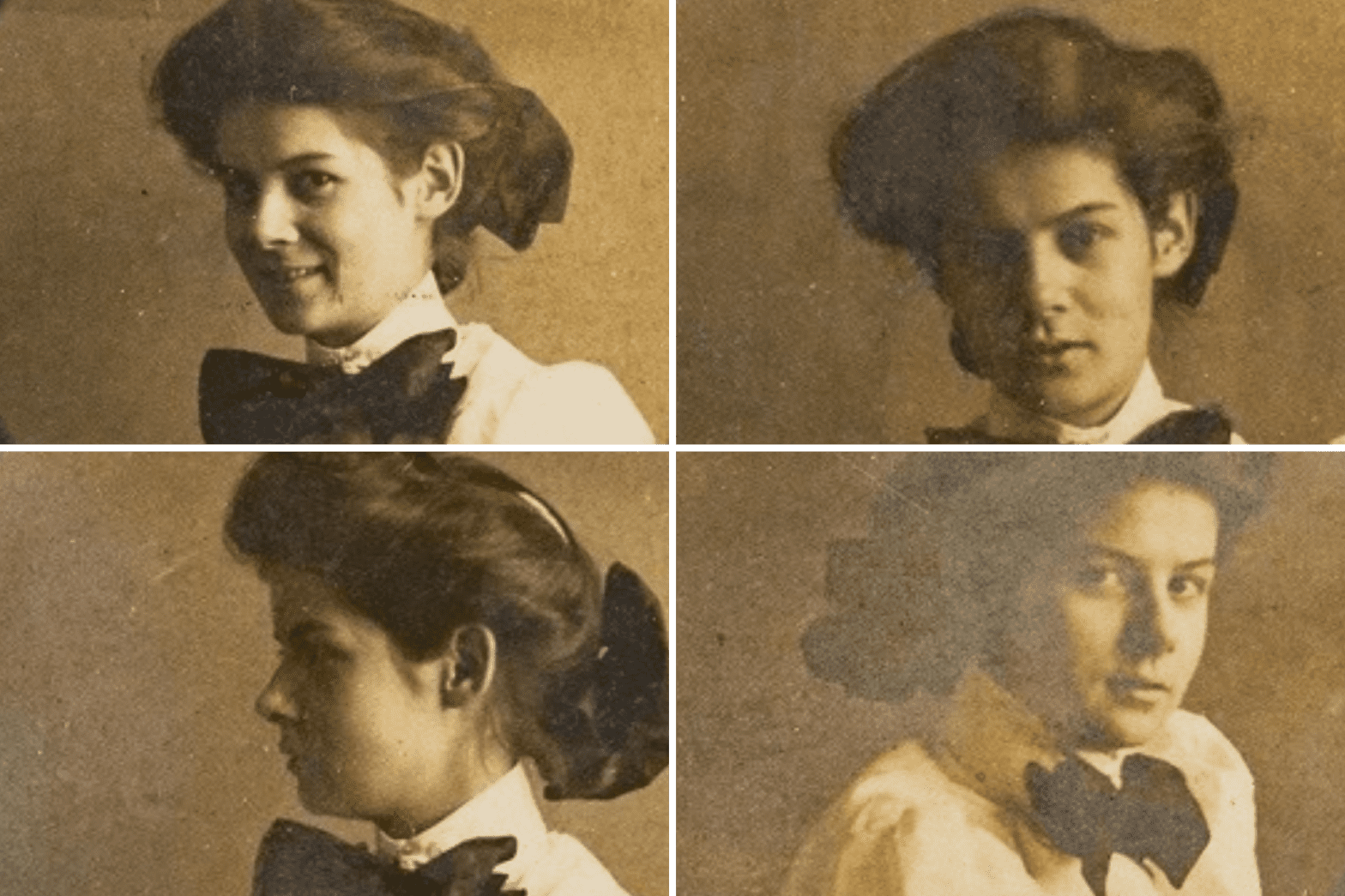
Studio portrait of Ruth

During their first year of marriage, Ruth, a skilled pianist and composer, traveled weekly to take lessons at the Peabody Conservatory (now the Peabody Institute) in Baltimore, and wrote various musical compositions. She continued composing throughout the 1920s, including fashionable ragtime music, dances, and part of an opera based on a book by Edith Wharton. In 1918, the couple’s first daughter, Pauline Louise, was born and named after H. F.’s mother and sister. Ruth’s namesake, Ruth Ellen, was born in 1922. 
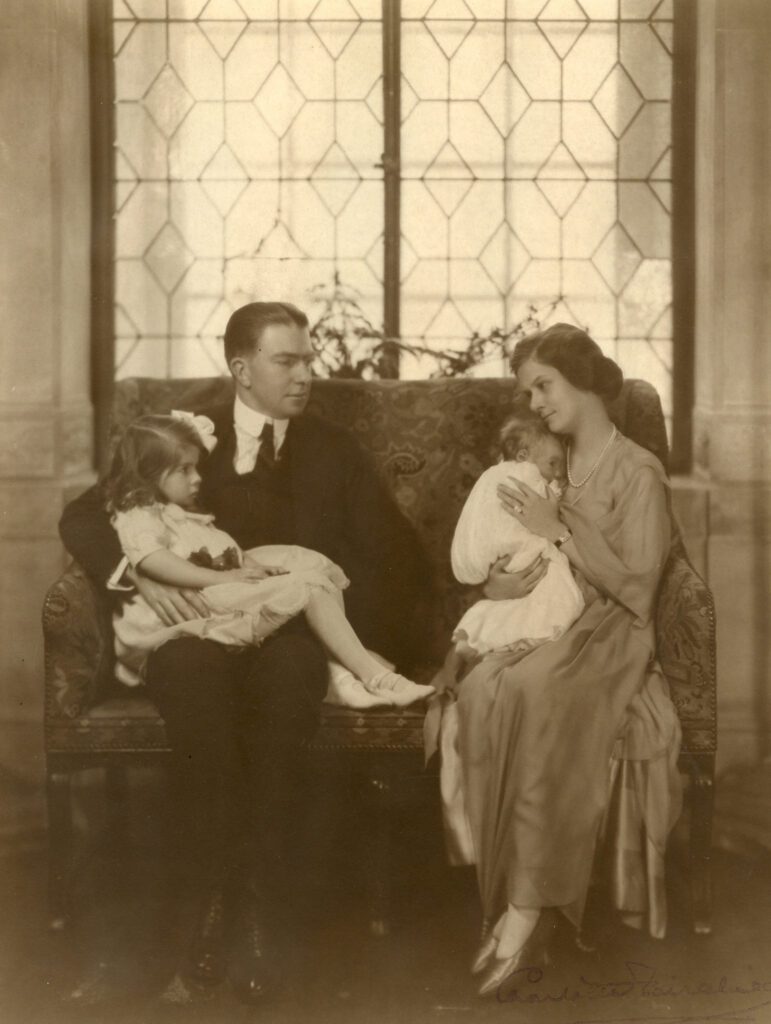
Henry Francis and Ruth Wales du Pont with their daughters Pauline Louise and Ruth Ellen

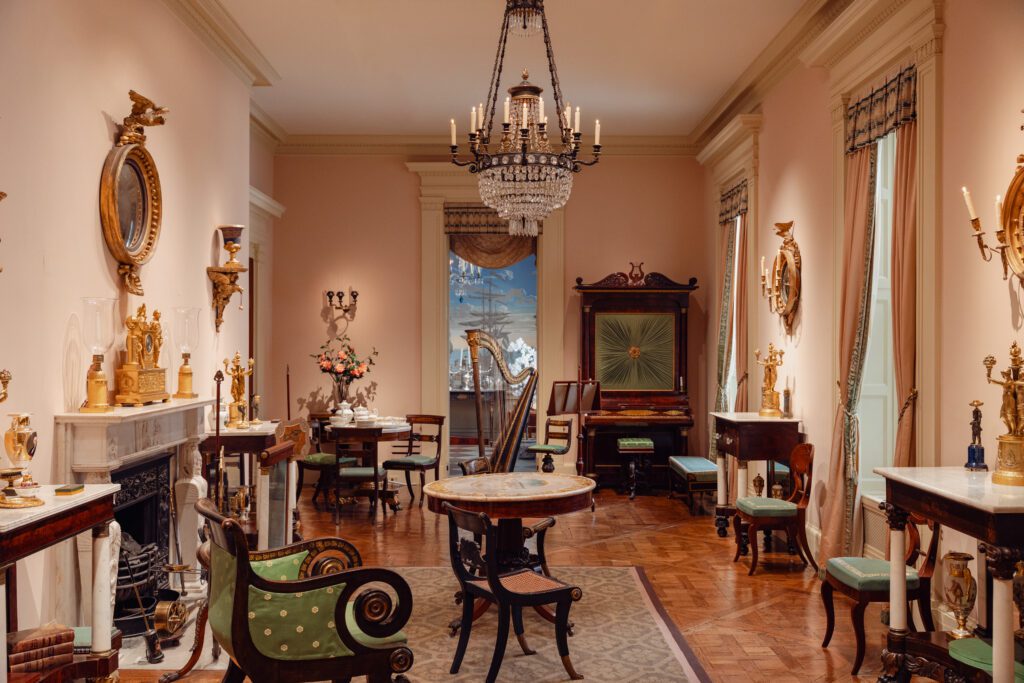
At times, Ruth struggled with her mental health. Beginning around 1918, she took “nerve medicine,” and when Ruth Ellen was still a toddler, Ruth sought treatment at a talk therapy clinic in Massachusetts. A busy mother with many social and household obligations, Ruth set aside her studies at the Peabody, though she continued playing and singing at her grand piano in the Chinese Parlor throughout her life. She and H. F. hosted guests frequently, and she oversaw her daughters’ education, content with letting her husband create the museum. The Winterthur home, which she sometimes called Frog Hollow, was not always a place of refuge for her, as she sometimes found it too expansive. 
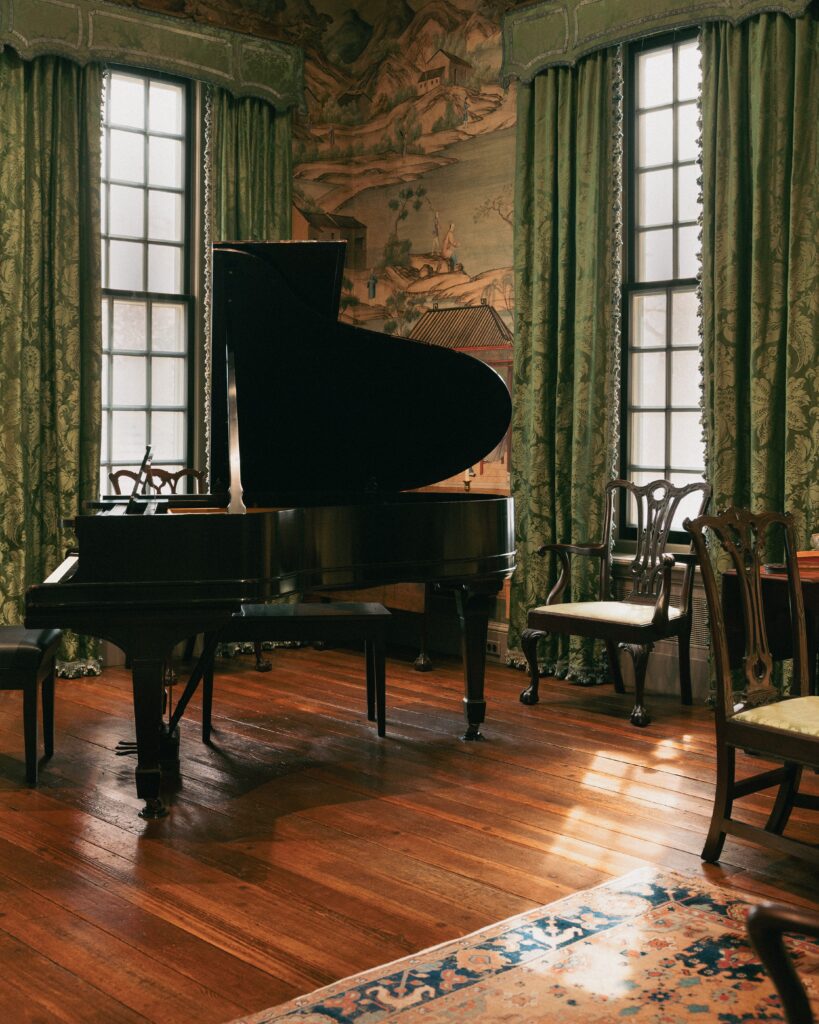
Photo by Holden Barnes

As she grew older, she continued to travel and entertain. Music was often a respite from her darker moments, and she played piano for her family into her elder years despite arthritis in her fingers. As with her mother, Ruth and H. F. also exchanged letters every day they were apart. Their daughter attributed the success of their long relationship to “an emphasis on loyalty and mutual thoughtfulness.” 

Ruth Wales du Pont died in 1967. Her partnership with Henry Francis helped make Winterthur the gracious place it is today.  

Ruth Wales du Pont Collegiate Composition Competition
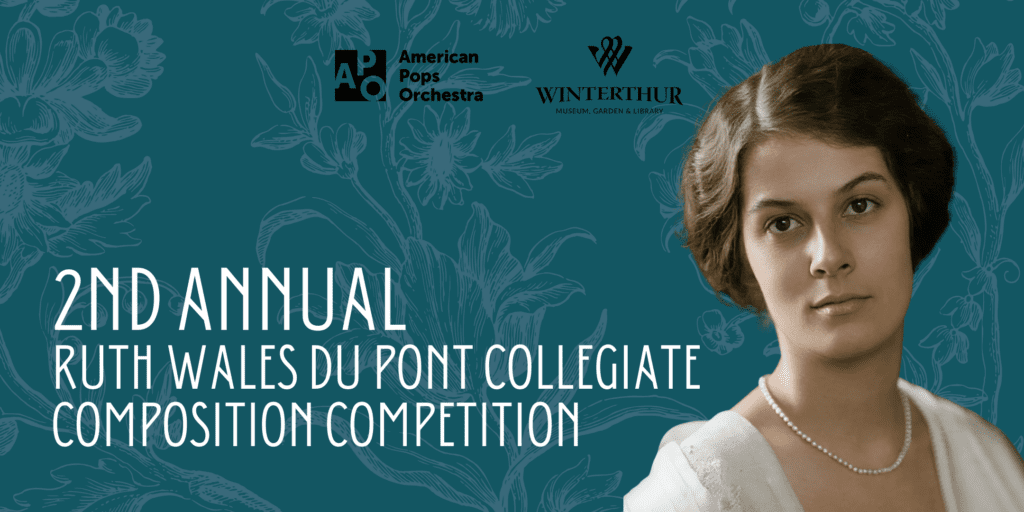
March 29, 2026 | 2:00-5:00 pm

Join the American Pops Orchestra for the premiere of original works by the finalists in the orchestra’s competition. Each composition is inspired by Winterthur’s collections, garden, and history. The competition is named for Ruth Wales du Pont, wife of Henry Francis du Pont, who studied music at the Peabody Conservatory in Baltimore. She composed dozens of musical pieces throughout her life and enjoyed entertaining her family and guests by playing on her grand piano.

Learn more.

 1 Peabody Conservatory of Music, Pupils’ Record for Season of 1917, Archives, Peabody Institute of the Johns Hopkins University, Baltimore.

2 Ruth Lord, Henry F. du Pont and Winterthur: A Daughter’s Portrait (New Haven, CT: Yale University Press, 1999), 95. 

3 Ibid., 100.

4 Ibid., 71.
Winterthur Ushers in First Wave of Spring with Bank to Bend on March 14

Event rooted in founder Henry Francis du Pont’s family tradition of walking along the March Bank to Magnolia Bend to marvel at the first waves of color in his wild garden


WINTERTHUR, DE (March 9, 2026)—Winterthur Museum, Garden & Library kicks off the 2026 season and the Museum’s 75th anniversary year with Bank to Bend on March 14, featuring a guided walk through the early spring garden and the bulb display on the March Bank, a plant sale, clivia exhibit, library open house, and a talk by local author and horticulturist Rick Darke, who will speak on the dynamic nature of Winterthur’s renowned “wild garden” and how the style is relevant in a range of modern landscapes.

The event gets its name from the long-standing du Pont family tradition of walking the path along the March Bank to Magnolia Bend to find and report the first flowers of the new year.

Winterthur’s March Bank is a superb example of the wild garden concept promoted by 19th-century British gardener and writer William Robinson, whose 1870 book “The Wild Garden” advocated for planting native and exotic hardy plants in groupings that mimic wild landscapes.

Robinson challenged the English gardening tradition of arranging plants in fixed patterns by suggesting that naturalizing plants in self-perpetuating communities would enable plants to become established, take care of themselves and create durable, resilient landscapes.

Winterthur’s founder Henry Francis du Pont embraced Robinson’s ideas in his plans for the March Bank, which du Pont began planting in 1902 when he was 22 years old. Begun with a few thousand bulbs under a canopy of woodland trees, the bank has grown into an extensive naturalistic display that is now a showcase for millions of late winter-flowering bulbs.

Bank to Bend March 14, 10 am–3 pm

Admission on March 14 includes access to a plant sale of snowdrops, cyclamens, and perennials, a clivia exhibit, and a Director’s Garden and Estate Walk with CEO Chris Strand. Guests can also wander through the garden paths on their own, enjoy the self-paced “An American Legacy” tour of the museum and attend the library open house.

10:00 am–3:00 pm: Plant Sale of cyclamens, perennials and unusual snowdrops. Clivia exhibit

11:00 am–12:00 pm: Talk by Rick Darke “The Wild Garden in Our Time” Copeland Lecture Hall ($10) additional

12:15 pm–1:00 pm: Book sale and signing

1:00 pm: Director’s Garden & Estate Walk: Snowdrops and Other Minor Bulbs (start at Visitor Center Patio)

1:30–3:00 pm: Library Collection Open House

Local Author, Garden Designer to Speak on “The Wild Garden in Our Time”

For an additional $10, visitors can attend “The Wild Garden in Our Time” lecture presented by Landenberg, Pennsylvania-based Rick Darke from 11:00 am–12:00 pm.

Darke is an accomplished design consultant, author, and photographer who blends ecology, horticulture, and cultural geography to steward living landscapes. His projects include public parks and gardens, transportation corridors, and residential landscapes.

In this lecture, Darke will illustrate the dynamic nature and continuing relevance of wild gardening in a wide range of modern global landscapes.

Darke wrote additional chapters and contributed 112 photos to “The Wild Garden: Expanded Edition,” a 2009 redesign of Willam Robinson’s book. 

His other books include “The American Woodland Garden: Capturing the Spirit of the Deciduous Forest;” “The Living Landscape: Designing for Beauty and Biodiversity in the Home Garden, co-authored with Doug Tallamy;” and “Gardens of the High Line: Elevating the Nature of Modern Landscapes,” co-authored with Piet Oudolf.

March Bank’s Cascade of Color

The March Bank color scape, which evolves from late January through early May, begins with white giant snowdrops followed by yellow Amur adonis and winter aconite, mixed with white common snowdrops and spring snowflakes. Du Pont planted these bulbs in large drifts of separate mass plantings.

The bank then transitions to a brilliant carpet of lavender blue glory-of-the snow and royal blue squills. Both are excellent multipliers in the wild garden. Interplanted by H. F. du Pont in large numbers, the latter two are delightful when they flower together. In some years, they instead emerge in succession.

Sprinkled along the March Bank are several drifts of yellow daffodils. Purple and white Dutch hybrid crocus then make their appearances, while white bloodroot arrives later. By the end of March, the bank is thick with the leaves of emerging Virginia bluebells, Italian windflowers, and other naturalized plants.

Maintaining the Wild Garden
One of the last 20th century wild gardens in the United States, the practice of managing its authentic wildness remains a core principle of the garden at Winterthur today.

The flora, naturalized exotics and natives planted in large drifts and grouped with other plants that harmonize in color and form, is arranged to appear as if it grew spontaneously.

“Color is the thing that really counts more than any other,” du Pont once said of the garden he designed, grew and maintained for nearly 70 years.

Much evolves on its own. Winter aconites and merry bells continue to spread. Joe-Pye weed and white wood asters add more color now for summer and fall.  However, maintaining the full 60-acre garden in the manner du Pont envisioned takes quite a bit of time, expertise and intervention from garden staff.

“It’s a meticulous process that requires an understanding of the original design intent and keen observations to preserve its character,” says Linda Eirhart, Alice Cary Brown Director of Garden at Winterthur. “The wild garden style requires continuous care to maintain its desired appearance.”

Eirhart says garden staff maintain color combinations, historic cultivars, and vistas to ensure the garden remains a true representation of du Pont’s vision.

In April of each year, for example, Garden Manager Carol Long watches for developing seed heads of spring bulbs that she wants to increase on the March Bank. As they ripen, Long distributes the seeds where she wants them to grow. Later in the year, she helps spread wildflowers the same way.

Long calls this practice Johhny Appleseeding. It’s a refinement of the theories of William Robinson, who advocated allowing plants to spread as they would naturally.

###

About Winterthur Museum, Garden & Library

Winterthur—known worldwide for its preeminent collection of American decorative arts, naturalistic garden, and research library for the study of American art and material culture—offers a variety of tours, exhibitions, programs, and activities throughout the year. Admission includes a self-paced house tour, exhibitions, a narrated tram ride (weather and space permitting), and the Winterthur Garden.

Winterthur is located on Route 52, six miles northwest of Wilmington, Del., and five miles south of U.S. Route 1. Winterthur is committed to accessible programming for all. For information, including special services, call 800.448.3883 or visit winterthur.org. Winterthur is closed seasonally from early January through late February.
 

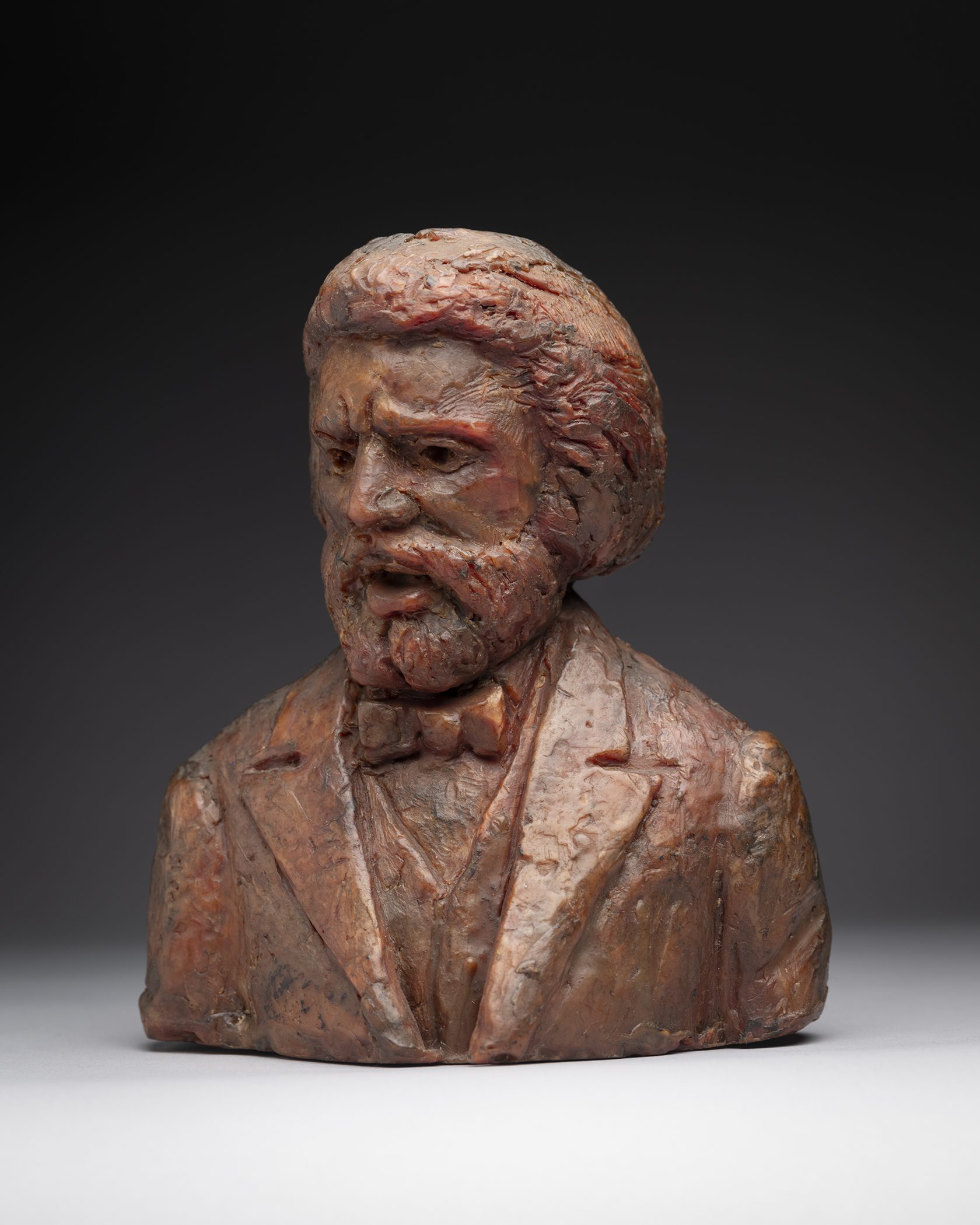
John W. Rhoden’s Maquette of Frederick Douglass: Storytelling in Wax

By Kedra Kearis, Ph.D., associate curator of art and visual culture

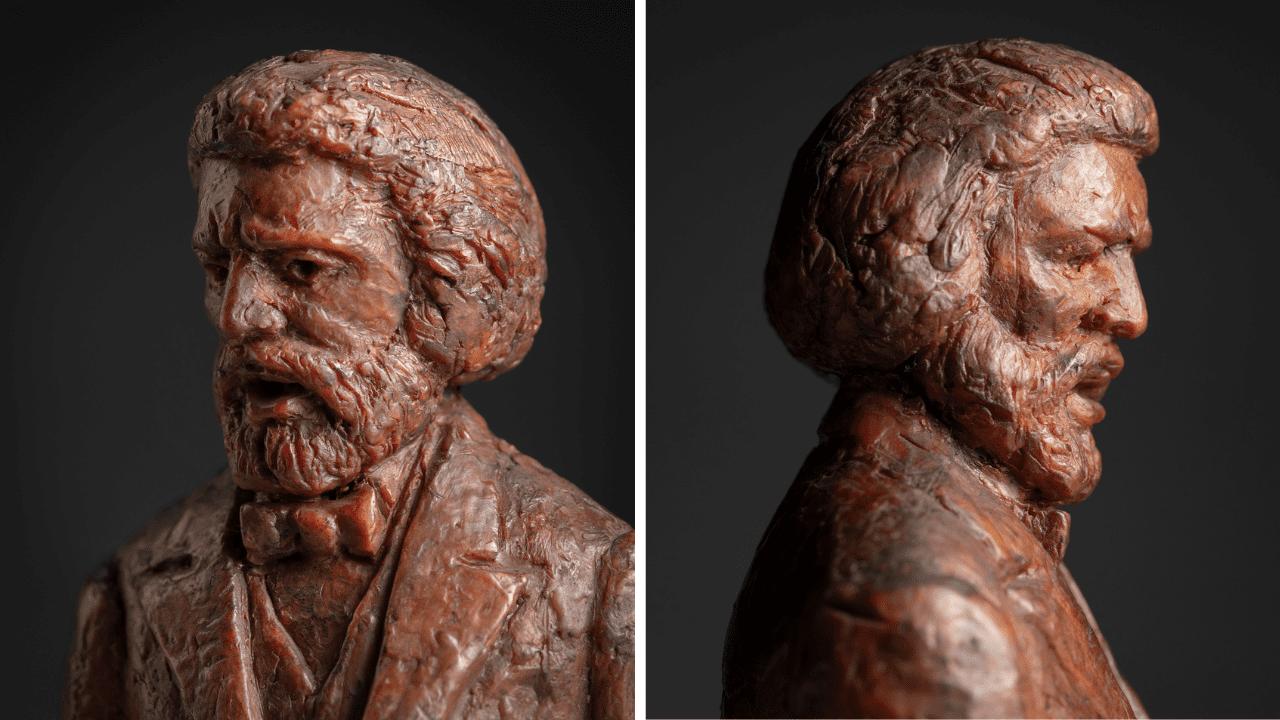
John Walter Rhoden, maquette for Lincoln University Frederick Douglass, 1979. Wax cast. Gift from the John Walter Rhoden and Richanda Phillips Rhoden Collection at the Pennsylvania Academy of the Fine Arts. 2024.0016.001

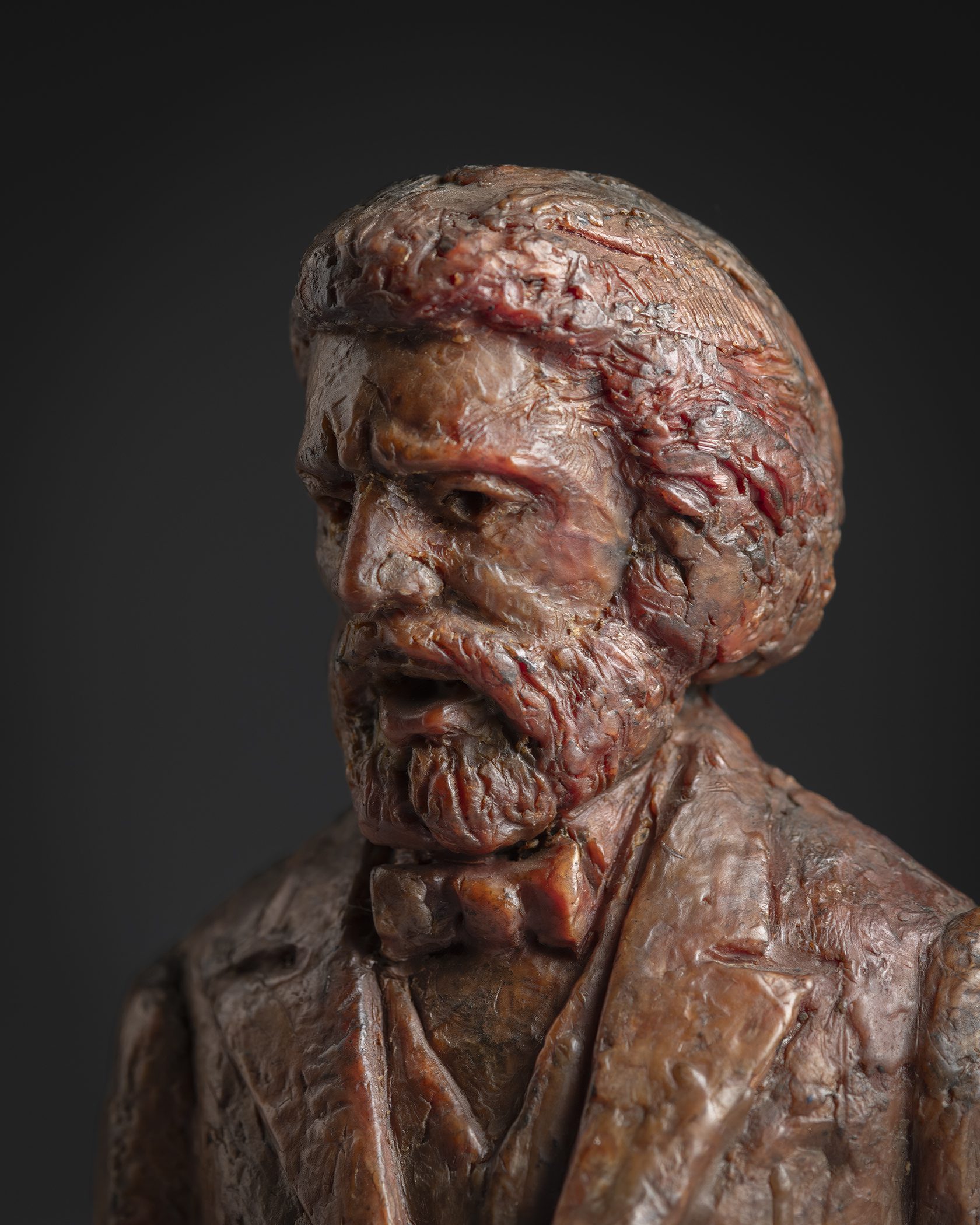
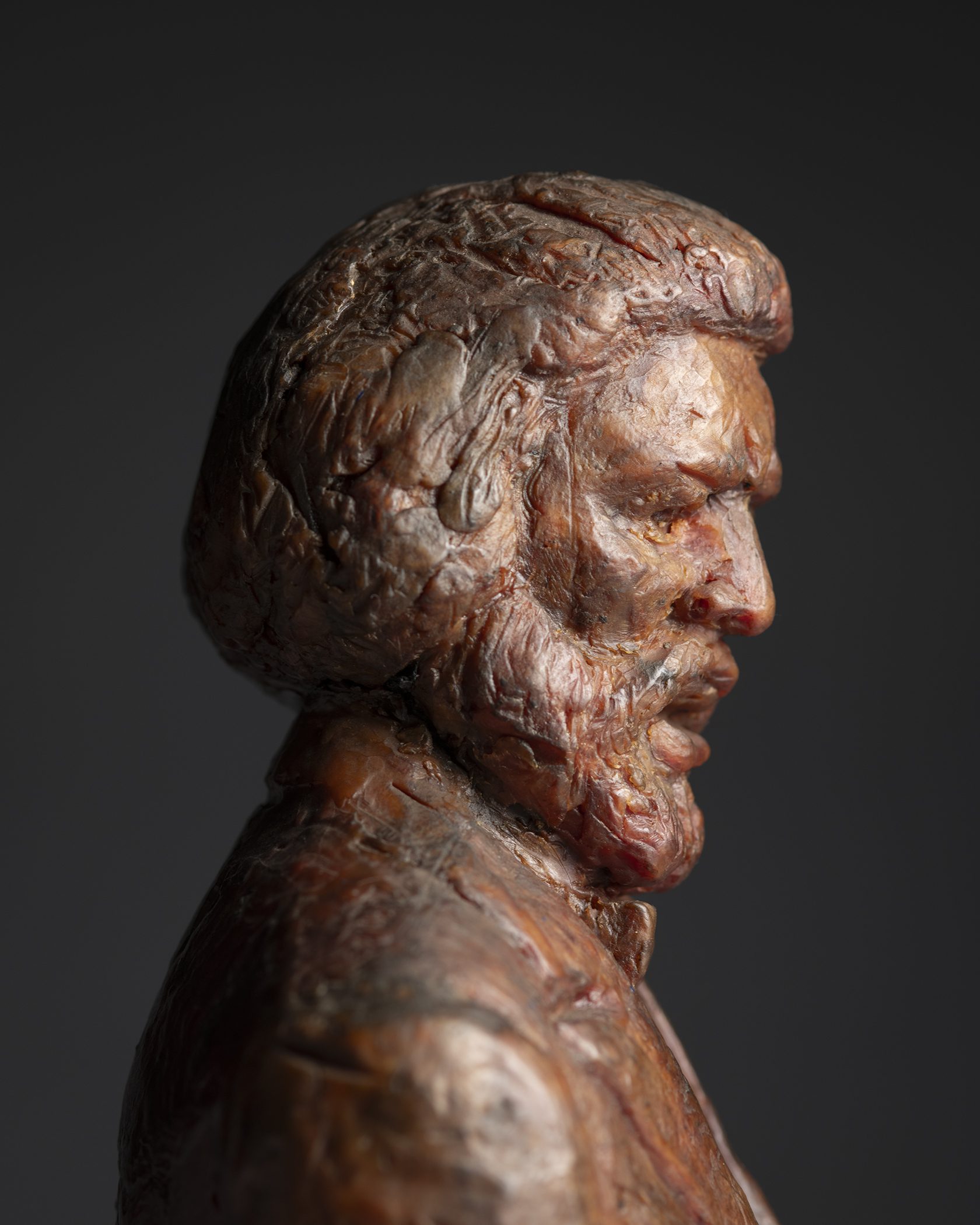
This wax model of abolitionist Frederick Douglass, presented as an orator, reveals sculptor John W. Rhoden’s skills in subtly manipulating his materials—whether wax, clay, wood, or metal—to tell a powerful story.

Rhoden, who grew up in segregated Alabama, reminisced in a 1966 interview about his early experience with clay:  

I think it started when I was just a little boy—on a hill of slippery red clay near the house where I was born in Birmingham. We would spray the hill with water and slide down it. There, I came to know the feel of clay on my feet and hands. It seemed a wonderful thing to take huge handfuls and shape it into different forms. Even then, it was exciting, and even then, I think I knew it was sculpture. Well, I have never lost that excitement. I am still excited by pure form, and shaping it is an act of love. Treat any material with love, and I think you can almost make it come alive.[1]

Bringing the subject to life became his artistic calling throughout his career.

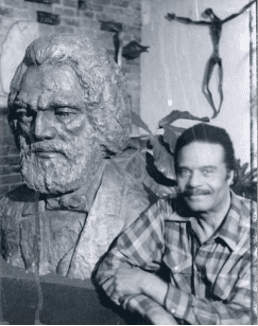
In 1979, Rhoden set to work on a monumental statue of Frederick Douglass, commissioned by Lincoln University, the first degree-granting historically Black college in the United States. New to the Winterthur collection, his wax study, or maquette, also dates from the Lincoln University commission. It presents Douglass as speaking, highlighting how his voice was a crucial element in the abolitionist movement and the fight for racial equality.

Photograph of John Rhoden posing with his sculpture of Frederick Douglass, undated. John Rhoden papers, Pennsylvania Academy of the Fine Arts. 

This version and the final full-length statue of Douglass, installed in 1989 at Lincoln University, represent rare instances when Rhoden took up a historical narrative in his sculpture. Another, his bronze work, The Slave Ship (1989, Pennsylvania Academy of the Fine Arts), portrays the Middle Passage, the forced voyage of enslaved Africans across the Atlantic Ocean to the Americas. Both subjects represent effective and galvanizing images for artists of the African diaspora.

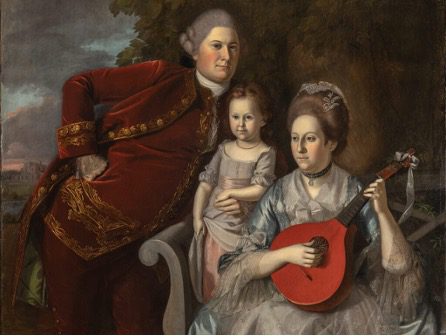
Currently on display in Winterthur’s first-floor gallery, Conversations with the Collection, the wax maquette appears near paintings featuring the Peale family in the exhibit The Peale Painters: Global Perspectives in the Winterthur Collection. One large-scale painting, The Edward Lloyd Family by Charles Willson Peale, represents the Lloyd family’s home, Wye Plantation, in Talbot County, Maryland. Douglass, who was enslaved there, recalled the home in his third autobiography, The Life and Times of Frederick Douglass, as the “’great house’ with all its pictures within and pillars without.”[2] While Douglass describes how essential goods and basic housing were denied to the enslaved people of Wye, Peale captures the Lloyd family’s display of wealth through their land, clothing, and jewelry.

Charles Willson Peale, The Edward Lloyd Family, Talbot County, Md., 1771. Museum purchase 1964.0124 A

Despite the many challenges he faced as a Black man coming of age in Appalachia in the American South in the 1930s, Rhoden went on to become an award-winning sculptor who traveled, studied, and exhibited in museums and galleries around the world. In addition to being awarded fellowships from the Rockefeller and Guggenheim foundations, Rhoden was the first African American visual arts fellow at the American Academy in Rome.


1 “A Visit with John Rhoden,” Topic Magazine, no. 5, special issue, The Negro in the American Arts (1966), 28–29.

2 Frederick Douglass, The Life and Times of Frederick Douglass (Hartford: Park Publishing Company, 1881), 88.

Self-Paced House Tour: An American Legacy

Explore American history through the spaces, stories, and objects that shaped the nation. Discover the enduring influence of colonial American architecture, an unparalleled collection of decorative arts, and the transformation of a private estate into a museum devoted to preserving and interpreting the American experience. No reservations required; capacity limited. Included with admission. Members free.

Tuesday–Sunday through November 8 | 10:00 am–4:00 pm

Purchase tickets.

Field & Fête: Celebrating 75 Years

Photo by Kelly Levin

May 16, 2026 | 10:00 am–4:00 pm

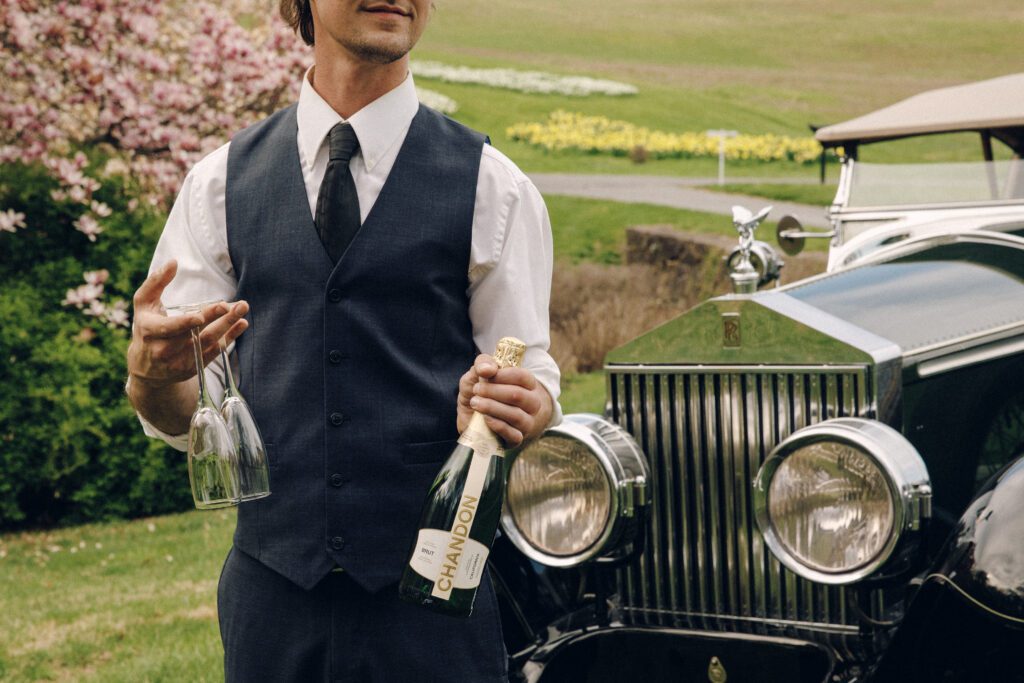
Pack your prettiest picnic and step into the timeless charm of a country-estate garden party as Winterthur marks its 75th anniversary with live music, vintage automobiles, a parade, and guided garden experiences.

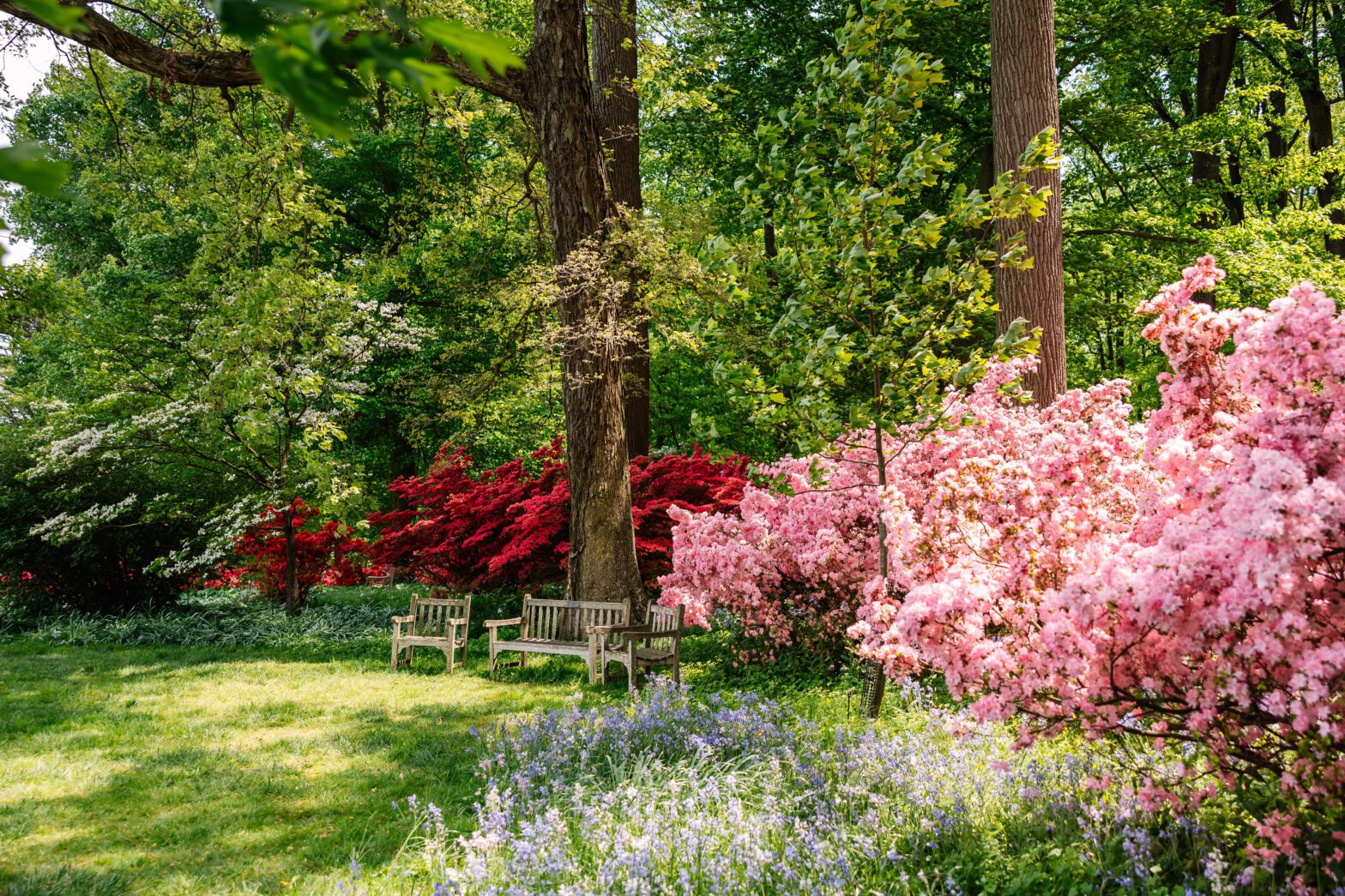
Inspired by the H. F. du Pont family’s love of entertaining outdoors, defined by relaxed elegance, our May garden party takes place amid the scenic open fields alongside Azalea Woods.

Enjoy your own beautifully packed picnic or indulge in upscale small bites, grill classics, and savory skewers, along with signature desserts, cocktail selections, and Winterthur-label beer, all available for purchase. Then settle in for a joyful day with music by The Unforgettable Big Band performing favorites from across the decades.

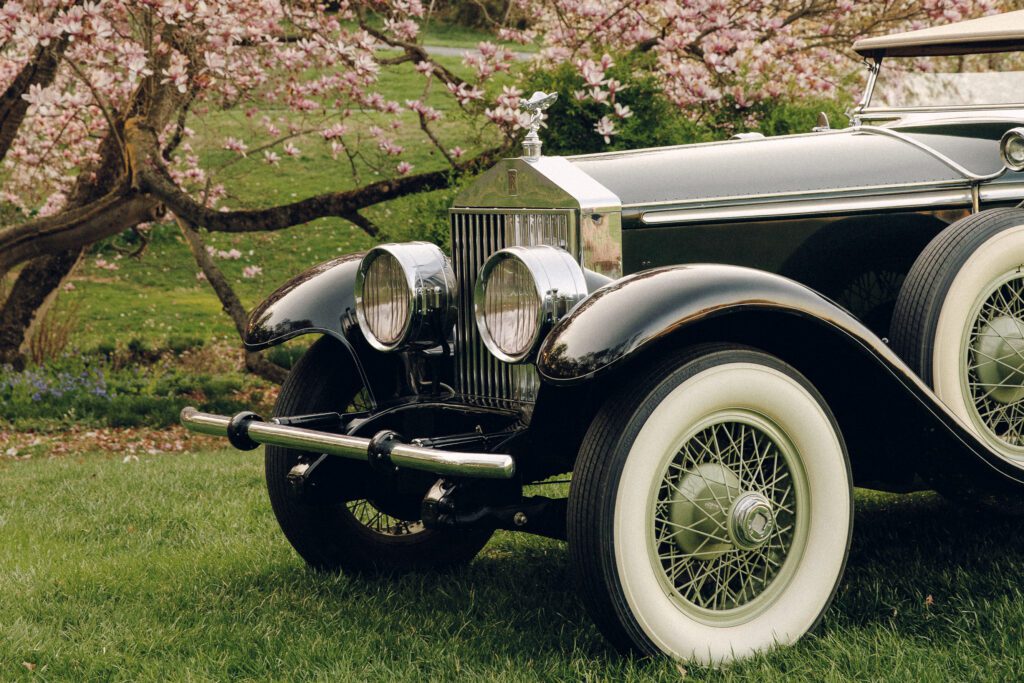
Adding to the charm, an old-school procession of vintage Rolls-Royces, 1950s automobiles, Winterthur farm tractors, and bagpipers will parade through the garden in a spirited nod to Winterthur’s heritage.

Come celebrate the season—and 75 years of Winterthur—with a gathering that blends nostalgia, style, and the simple magic of celebrating outdoors. Rain date Sunday, May 17. $29; $15 for Members. Field & Fête takes place in a meadow adjacent to the garden. Please bring a blanket or chairs as seating is not provided. SOLD OUT!

Private Picnic Tent

Reserve a 10×10 high-peak tent on Azalea Lawn for an exclusive private picnic experience for up to six guests. Perfectly situated, these tents place you right in the center of the music and merriment. Includes 6 Field & Fête admission wristbands, a beautifully appointed 48″ round table with linens, flowers, six chairs, and dedicated butler service for seamless food and beverage ordering from a curated menu. Food and beverage are not included. Guests may bring their own picnic or indulge in offerings from select on-site vendors. $600 per tent | Additional wristbands: $75 each. Tent reservations will close on May 10.  Purchase now.  

Live Music

11:00 am–3:00 pm | Enjoy the toe-tapping rhythms and timeless melodies of the 20-piece Unforgettable Big Band, featuring favorites from across the decades, plus a special performance by the BlueBallRoom Dance Team at 12:30 pm. 

Chapters of Winterthur Parade

1:00–1:30 pm | Take your place along Garden Lane as Winterthur’s history comes to life in a spirited 30-minute parade. The estate’s signature vehicles are joined by vintage 1950s cars, Rolls-Royces, tractors, and Delaware State Police mounted patrol creating a procession full of charm and tradition. 

Guided Garden Walks

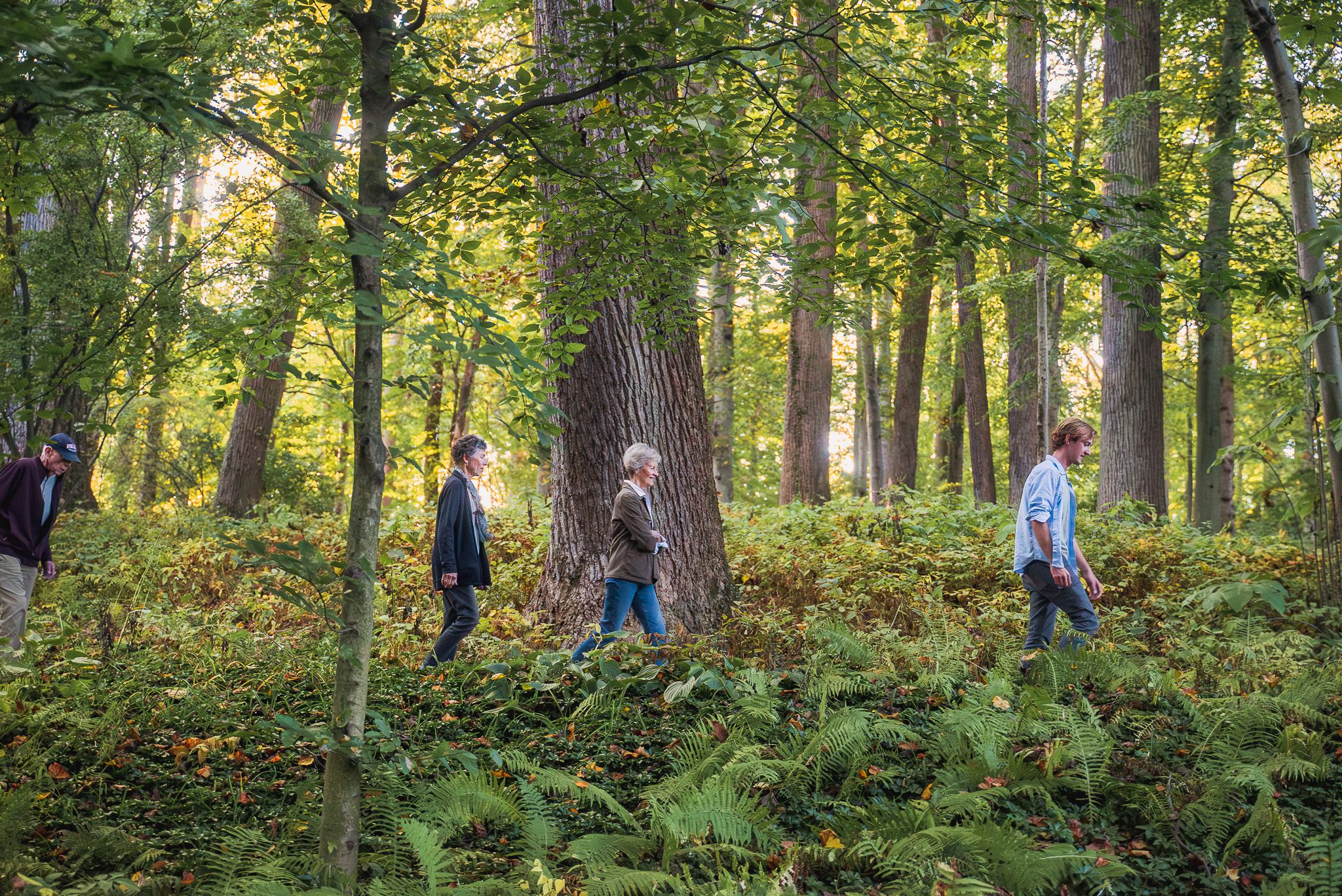
11:00 am and 2:00 pm | Join a guided garden walk beneath the spring canopy. You’ll see the best of what’s in bloom on this special May day and bask in the natural beauty that has captivated visitors for generations. Included with admission.

House Tours

10:00 am–3:30 pm | Explore American History through the spaces, stories, and objects that shaped the nation in our self-paced 45-minute introductory tour, An American Legacy. Or take Architecture of Independence, an upgraded, guided tour exploring the founding of our nation through the stories preserved within the architecture of the original thirteen colonies. Self-guided tour is included with admission and first-come, first-served. Guided tours by reservation only. 


Activities & Tours

Chapters of Winterthur Parade

1:001:30 pm | Garden Lane  

Take your place along Garden Lane as Winterthur’s history comes to life in a spirited 30-minute parade. The estate’s signature vehicles are joined by vintage 1950s cars, Rolls-Royces, tractors, and Delaware State Police mounted patrol creating a procession full of charm and tradition. 

Best and Beautiful Garden Walk

11:00 am and 2:00 pm | Visitor Center Patio 

Join a guided garden walk beneath the spring canopy. You’ll see the best of what’s in bloom on this special May Day and bask in the natural beauty that has captivated visitors for generations. Included with admission. 

Garden Exploration

10:00 am–4:00 pm 

Wander the canvas of garden color expected in mid-May!  Primrose will be peaking in the Quarry Garden, and late-flowering rhododendron and azalea blooms will weave through Enchanted Woods, Icewell Terrace, the Reflecting Pool, Magnolia Bend, and Azalea Woods. The woodlands will show off the blues of Jacobs Ladder and Spanish Bluebells, and the Peony Garden will be particularly showy (weather dependent). 

Flower Bouquet Making with Barb’s Backyard Blooms 

After strolling through the blooming gardens, visit Barb’s Flower Bar to create your own fresh bouquet and let your inner artist shine. Custom bouquets available for a fee and while supplies last.  

Live Illustrations by Dallas Shaw 

You’ve dressed in your best garden-picnic–inspired attire for the day—now take home a one-of-a-kind memento. Dallas Shaw, a luxury fashion illustrator known for her elegant live illustrations at events around the world, will transform your look into a stylish keepsake sketch in just minutes. Watch your look come to life on paper. Live sketches available for a fee. Spaces fill quickly—find the artist day-of to reserve yours.  

Rolls-Royce Display

10:00 am–4:00 pm | Conservatory Lawn 

Set against the backdrop of the Winterthur mansion, this Rolls-Royce display showcases vehicles from across decades of automotive design and innovation. Experience the cars up close and discover the DuPont family’s long-standing passion for automobiles and the evolution of luxury engineering. 

House Tours

10:00 am–3:30 pm | Conservatory 

Explore American History through the spaces, stories, and objects that shaped the nation in our self-paced 45-minute introductory tour, An American Legacy. Or take Architecture of Independence, an upgraded, guided tour exploring the founding of our nation through the stories preserved within the architecture of the original thirteen colonies. Self-guided tour is included with admission and first-come, first-served. Guided tours by reservation only. 

Library Open House

11:00 am–2:00 pm 

See stylish 1950s catalogues and photos from our archives and special collections that capture the midcentury vibes.


Food & Drink

Enliven the senses with a variety of tasting options available for purchase, created by Winterthur’s onsite culinary team. 

Tasting Menu

  • Lobster Bao Buns
  • Salmon Rillettes
  • Franks in a Blanket
  • French-Inspired Charcuterie Boxes
  • Truffle Potato Chips

From the Grill

  • Wagyu Beef Sliders
  • Hot Dogs
  • Hamburgers

Skewers

  • Rhubarb Miso-Glazed Shrimp
  • Chicken with Herbs de Provence & Ramp Chimichurri
  • Tomato-Marjoram Glazed Vegetables with Halloumi

Signature Desserts & Ice Cream

  • Chocolate Strawberries and Pistachios, Chocolate & Shredded Kataifi
  • Winterthur Swiss Avalanche Ice Cream — a rich sweet cream and studded with charming mini chocolate cows. First created by Woodside Farm Creamery in honor of Winterthur’s 50th anniversary.
  • Winterthur Faeries Ice Cream — a refreshing mint chocolate chip ice cream. Made by Woodside Farm Creamery in tribute to the 25th anniversary of Enchanted Woods children’s garden this June.
  • Vanilla Ice Cream with Sprinkles
  • Rita’s Italian Cherry Water Ice

Signature Cocktails

  • Elderflower Spritz — bright bubbles, zesty citrus, and delicate floral notes come together for a cocktail that’s as refreshing as it is effortlessly chic
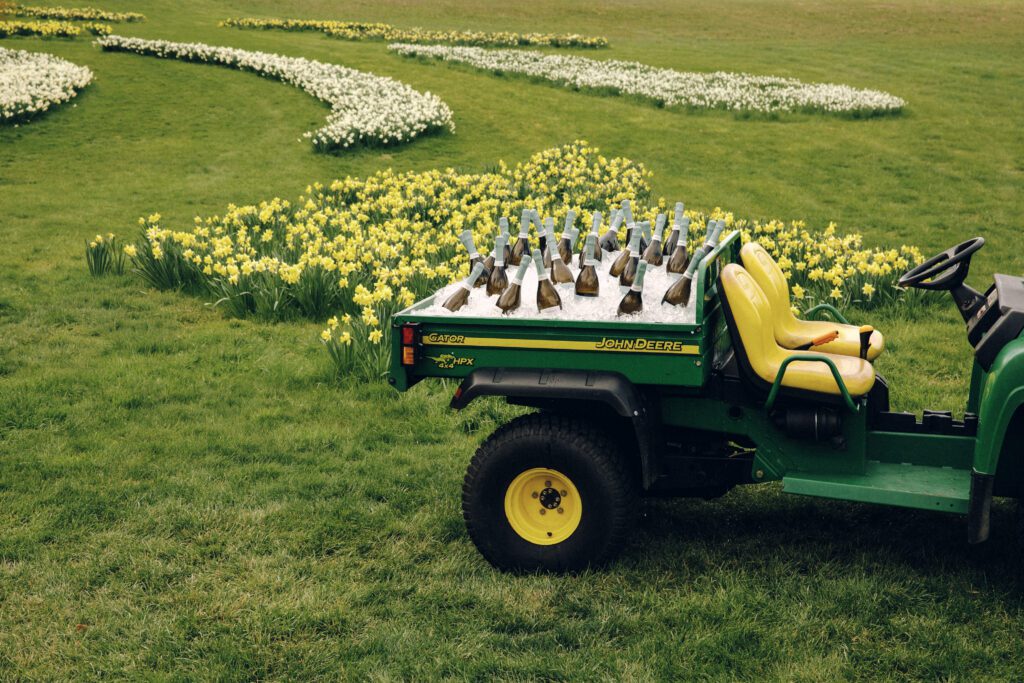
  • H. F. du Pont 75 — our anniversary twist on the classic French 75, a popular 1950s cocktail concocted with gin, lemon juice, and simple syrup combined in a shaker and topped with a splash of champagne. 

Sparkling Wine Bar 

Where the fizz never stops and the mood is always bright. Our sparkling wine bar brings together bold flavors, fun energy, and a little bit of sparkle in every glass—because every day deserves a pop of excitement. 

Available by the glass or bottle: 

  • Chandon Garden 
  • Torresella Prosecco 
  • Chandon Sparkling Rosé 

Winterthur Beer 

Raise a glass to 75 years of beauty, history, and inspiration at Winterthur Museum, Garden, & Library. This American Pale Ale brew celebrates the unique convergence of art, nature, and history that come together in full bloom on Winterthur’s grounds. Cheers to the past we preserve, the present we serve, and the future we hope to create. Brewed locally by Wilmington Brew Works. 


Live Music & Entertainment

Unforgettable Big Band

11:00 am–3:00 pm

Enjoy the toe-tapping rhythms and timeless melodies, soundtracked by the 20-piece Unforgettable Big Band as they perform favorites from across the decades. 

BlueBallRoom Dancers

12:30 pm

Catch a performance by the talented dancers of the BlueBallRoom Dance Studio & Dance Club at 12:30 pm as they swing to the Unforgettable Big Band’s tunes.  


Information for Members

On May 16, Winterthur will host Field & Fête, commemorating the museum’s opening in 1951 and honoring Winterthur’s rich history and vibrant present. We hope you’ll join us. When you purchase a ticket for Field & Fête, you help support the museum, garden, and library and ensure that future generations can enjoy and celebrate Winterthur well beyond its 75th year. 

During Field & Fête, some areas of the estate will be restricted for non–ticket-holding visitors, including Members.

Free Member-Exclusive Guided Garden Walk 

Enhance your visit* with a guided garden walk, departing from the Gate 2 location.

Members free; registration required. Space limited; choose your time slot. Comfortable walking shoes, filled water bottles, sunscreen, and bug spray are recommended. Walk may include uneven ground over dirt and grass, steps, as well as paved paths.

Register now. 

Rain date for both event and guided garden walk is Sunday, May 17.

*Field & Fête ticket not required. Members who wish to attend the Field & Fête and take a guided walk may do so by registering for both events. Note that no transportation is provided from event site to Gate 2 area.


Event Playlist

Special thanks to Rolls Royce Owners Club, Delaware State Police Mounted Patrol, Hicks Brothers IV, BlueBallRoom Dance Studio, vintage car parade participants, and Winterthur volunteers.

Guest Code of Conduct

Photo by Becca Mathias

We commit to providing a safe, secure, and welcoming experience for all. Guests will be treated in a consistent, professional, and courteous manner by all staff. 

Our guests, staff, volunteers, contractors, and vendors have the right to an environment free from abusive, harassment, and/or threatening behavior, including unwanted advances, lewd or inappropriate touching, and the use of derogatory or offensive language. In the event that any such behavior or other conduct that is disrespectful takes place on our property, or there is a failure to comply with our rules and code of conduct, we reserve all rights permitted by applicable law. This includes but is not limited to the right to deny admission, prevent entry, require a person already admitted to leave the property, prohibit future ticket purchases and attendance, revoke Membership privileges, and prosecution. Any removal from the property or denial of admission for violation of this Code of Conduct may occur without refund or compensation

We reserve the right to determine what constitutes unacceptable behavior that could otherwise interfere with other guests’ enjoyment of Winterthur. Guests are expected to comply with lawful requests of Winterthur personnel. Guests are also encouraged to report any inappropriate behavior to a staff member. Violations are taken seriously by our team as we work to protect our guests, each other, Winterthur, and the guest experience.

Celebrating Black History Month: The Billiard Table and Frederick Douglass

By Tyler Horne, tour program assistant

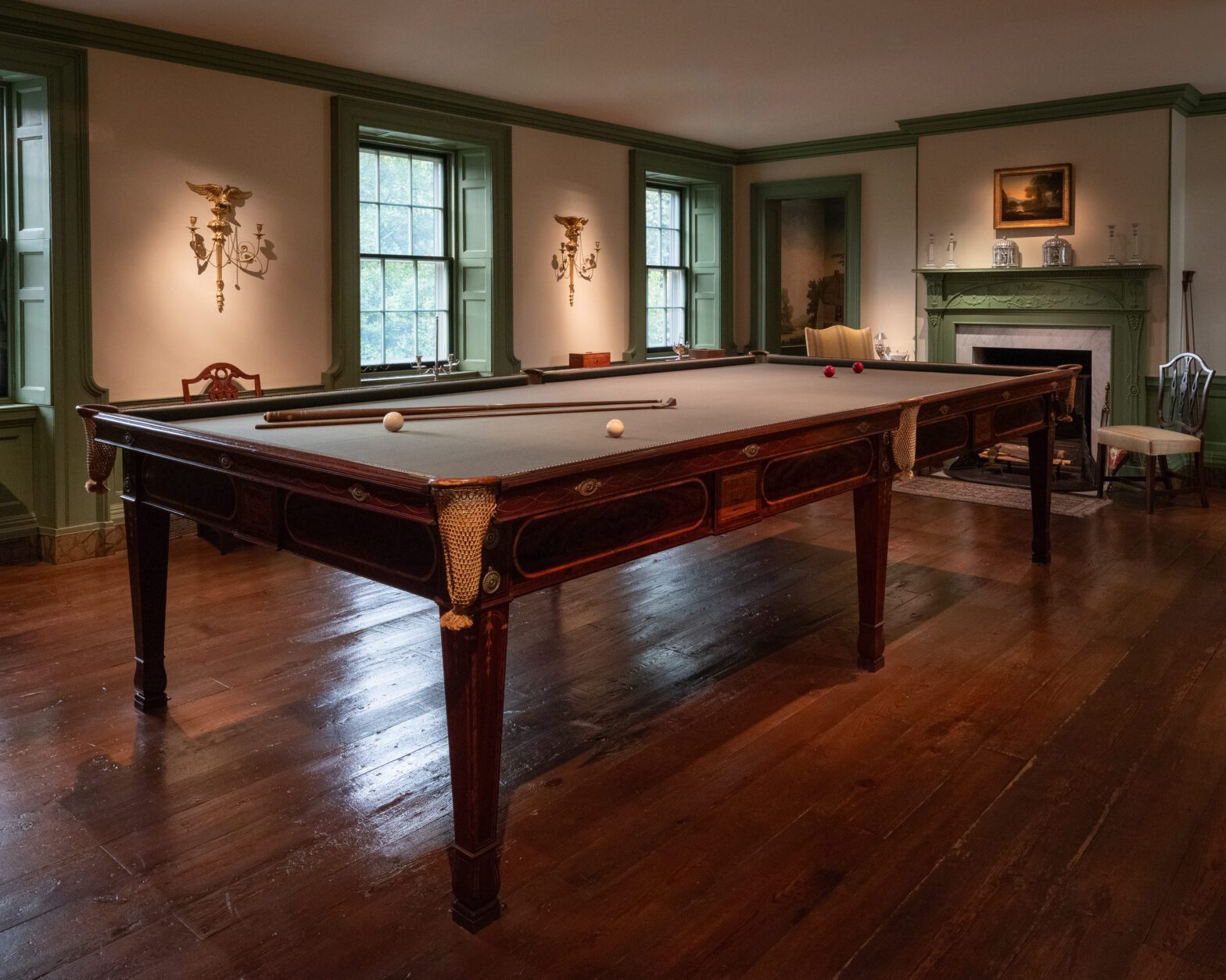
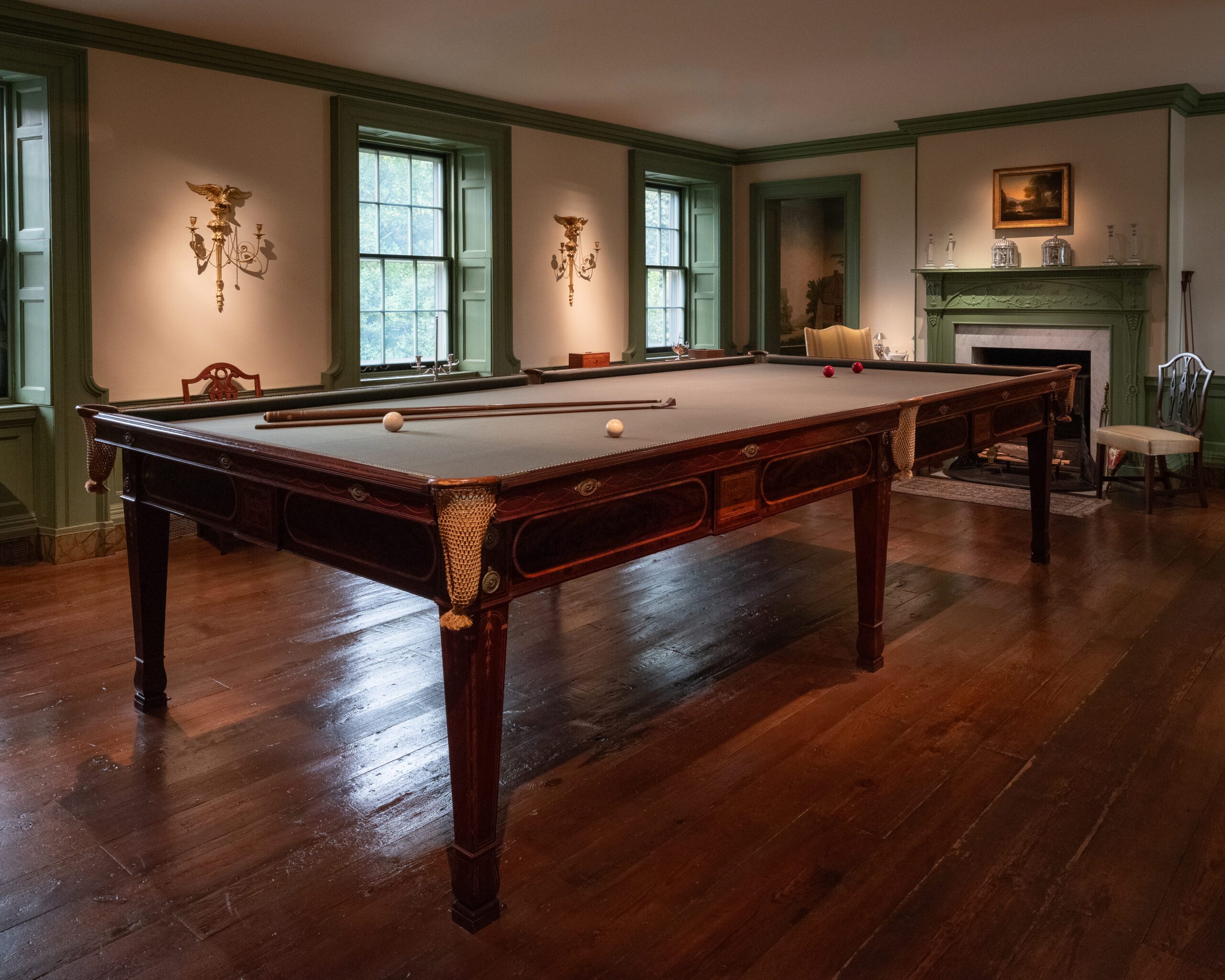
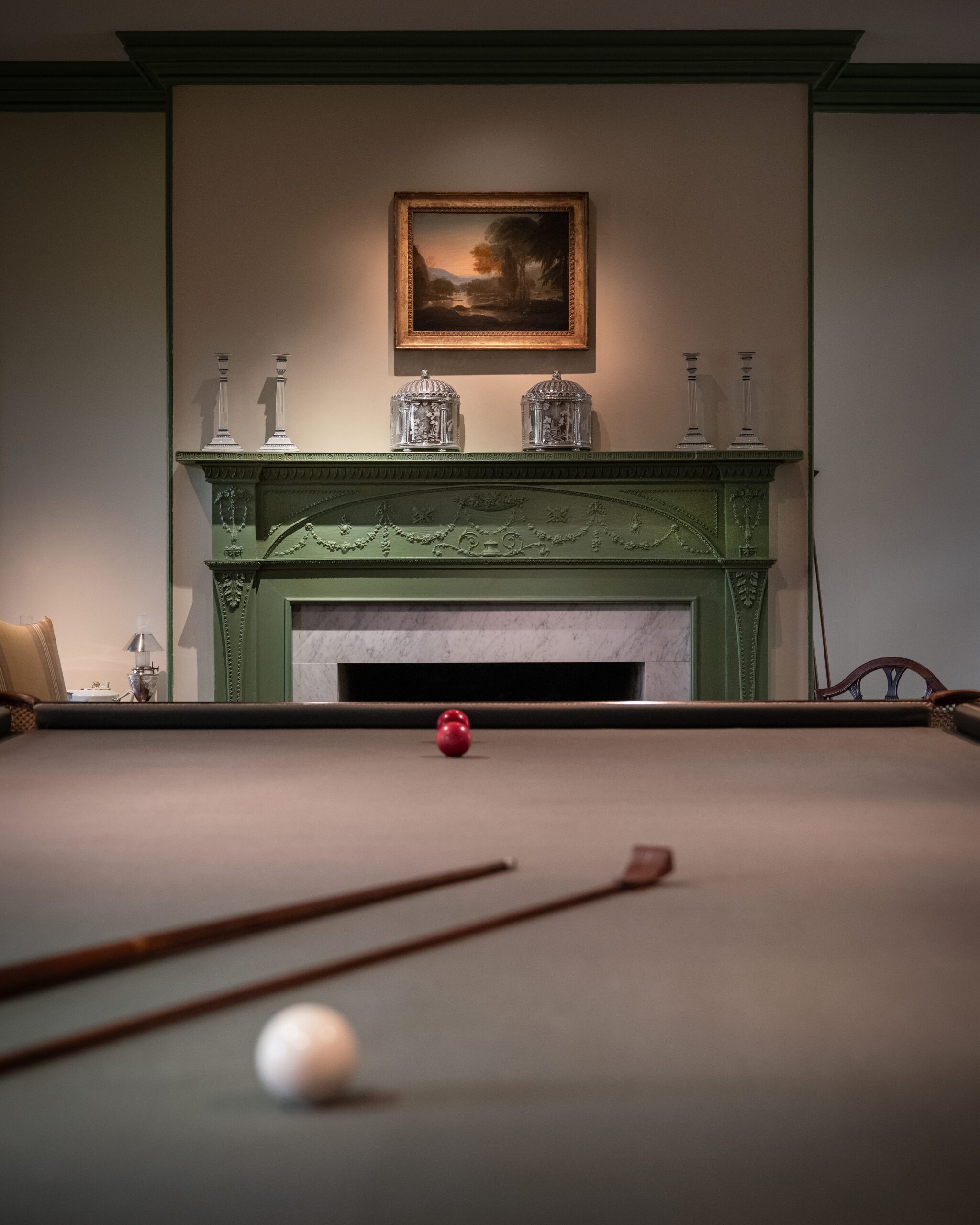
If you know the Winterthur collection well, you’re probably familiar with one of its most iconic pieces—a billiard table crafted by cabinetmaker John Shaw between 1797 and 1800. Believed to be the earliest surviving billiard table made in America, it’s not just a piece of furniture; it offers a profound connection to the history of the nation and the experiences of African Americans.

John Shaw, billiard table, Annapolis, Md., 1797–1800. Mahogany, satinwood, rosewood, tulip poplar, and hard pine. Museum purchase with funds provided by Henry Francis du Pont 1958.0058

This billiard table was once owned by the Lloyd family at Wye Plantation in Maryland, whose family portraits can also be seen in the Winterthur collection. Constructed from satinwood and mahogany—materials harvested by enslaved people—the Lloyds’ billiard table is displayed alongside cue balls made from ivory, illustrating the interconnected nature of luxury goods and the injustices of the transatlantic slave trade. It also has a direct link to Frederick Douglass, who spent his early years enslaved at Wye Plantation.

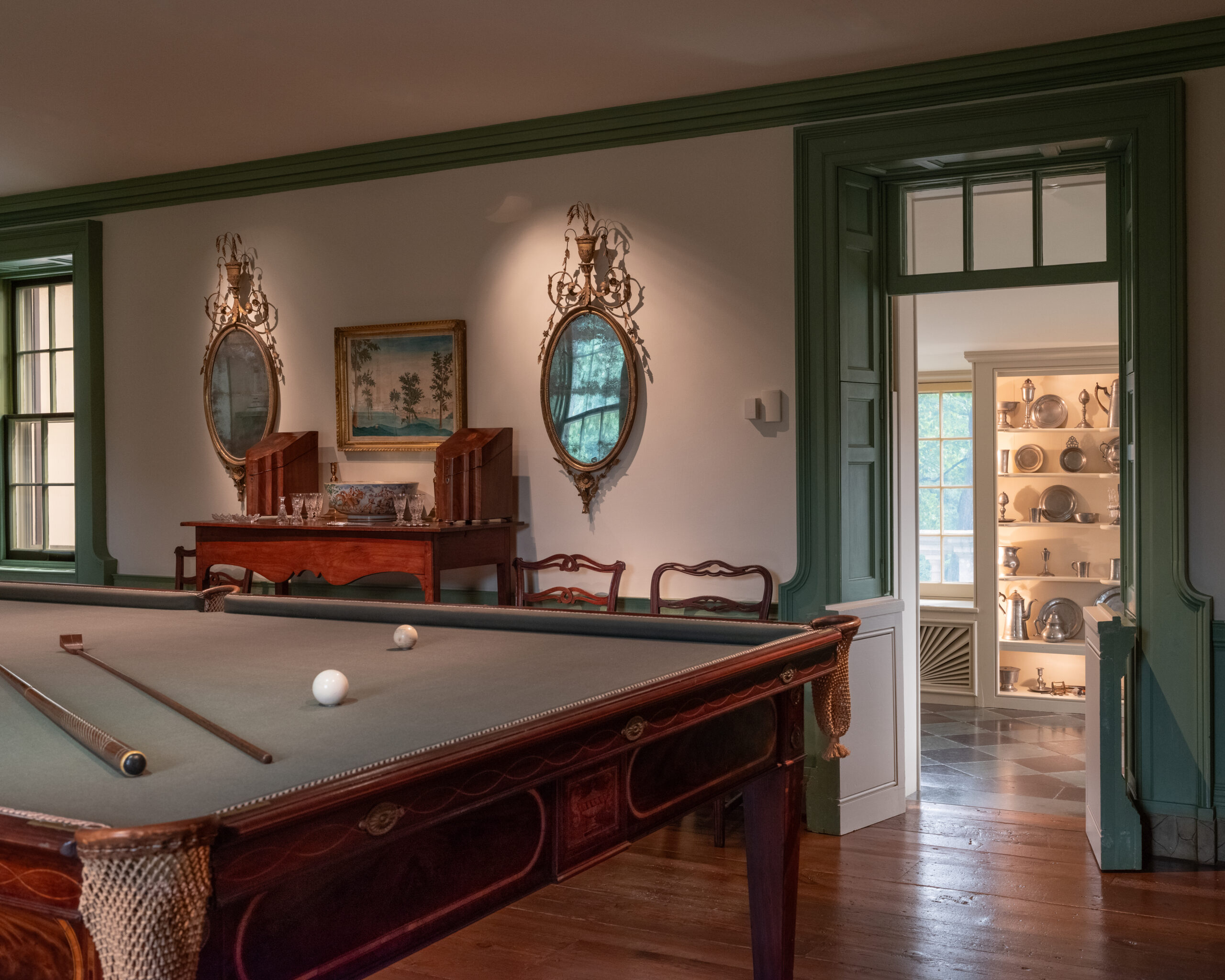
Douglass is recognized as one of the most prominent African American abolitionist figures, largely due to his powerful documentation of life under slavery. In each of his autobiographies, he reflects on his time at Wye, where as a child he worked as a footman, among other domestic duties. He describes hearing the sounds of billiard balls echoing through the upstairs room of the plantation’s orangery, starkly contrasting the leisure enjoyed by the Lloyd family with the lives of those living downstairs, who labored to maintain that lifestyle.

In the past year, the billiard table served as a focal point in our Continue the Journey guided tour, which emphasized African American history. This year it will play a significant role in the Architecture of Independence tour, serving as an entry point to discuss African American history in Maryland and across the United States.

With the country’s 250th anniversary just around the corner, the upcoming tour is a good opportunity to look at the larger scope of American history and the diverse groups of people who make us who we are today. Honoring the contributions of African Americans throughout our nation’s history is essential in recognizing narratives that have long been overlooked. Here at Winterthur, we reinforce our commitment to tell a rich and inclusive history of the United States, and we hope you’ll join us in celebrating Black History Month.

Wallcoverings: Histories Behind the Collection

By Emily Bavaria, museum guide

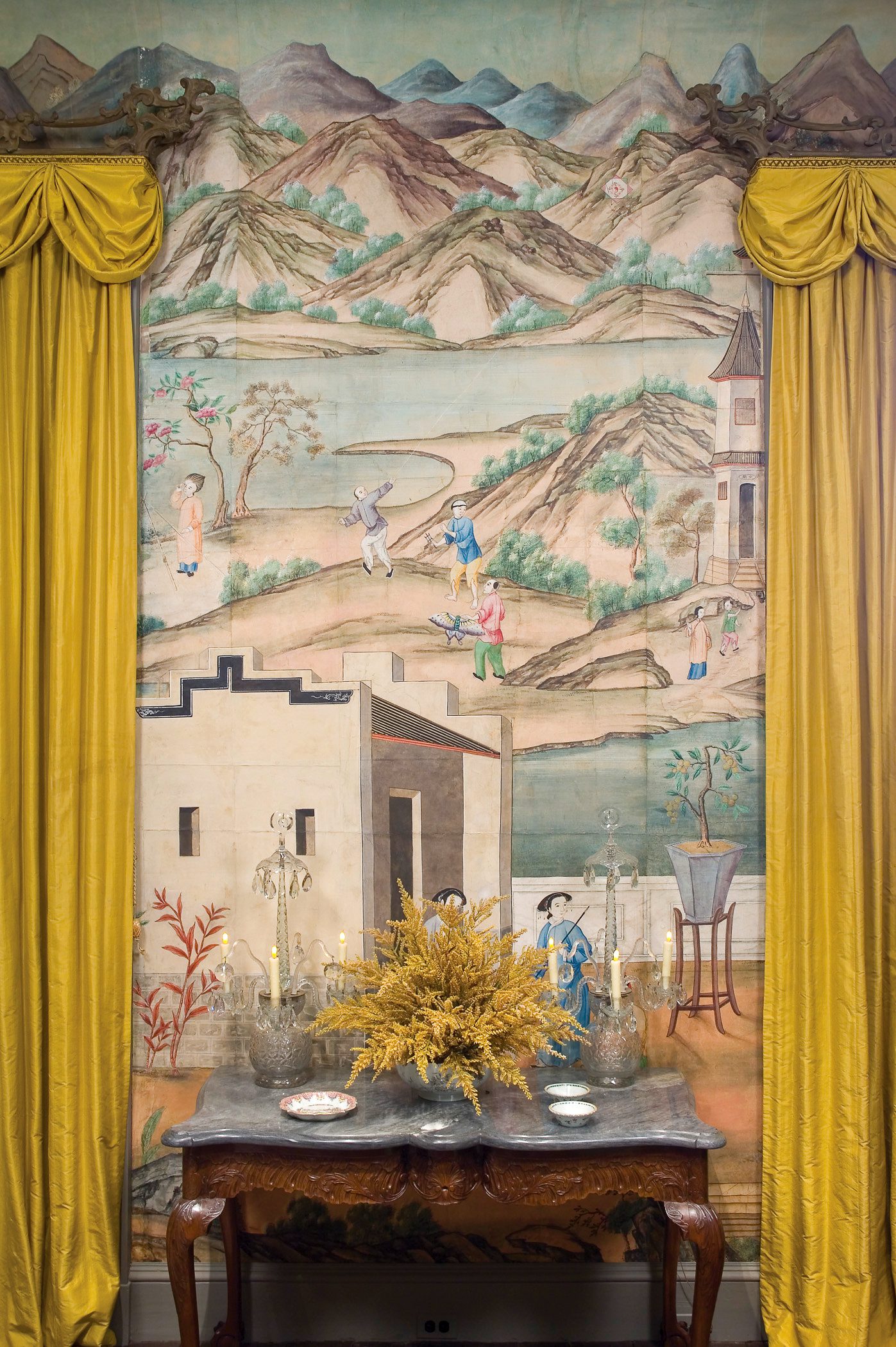
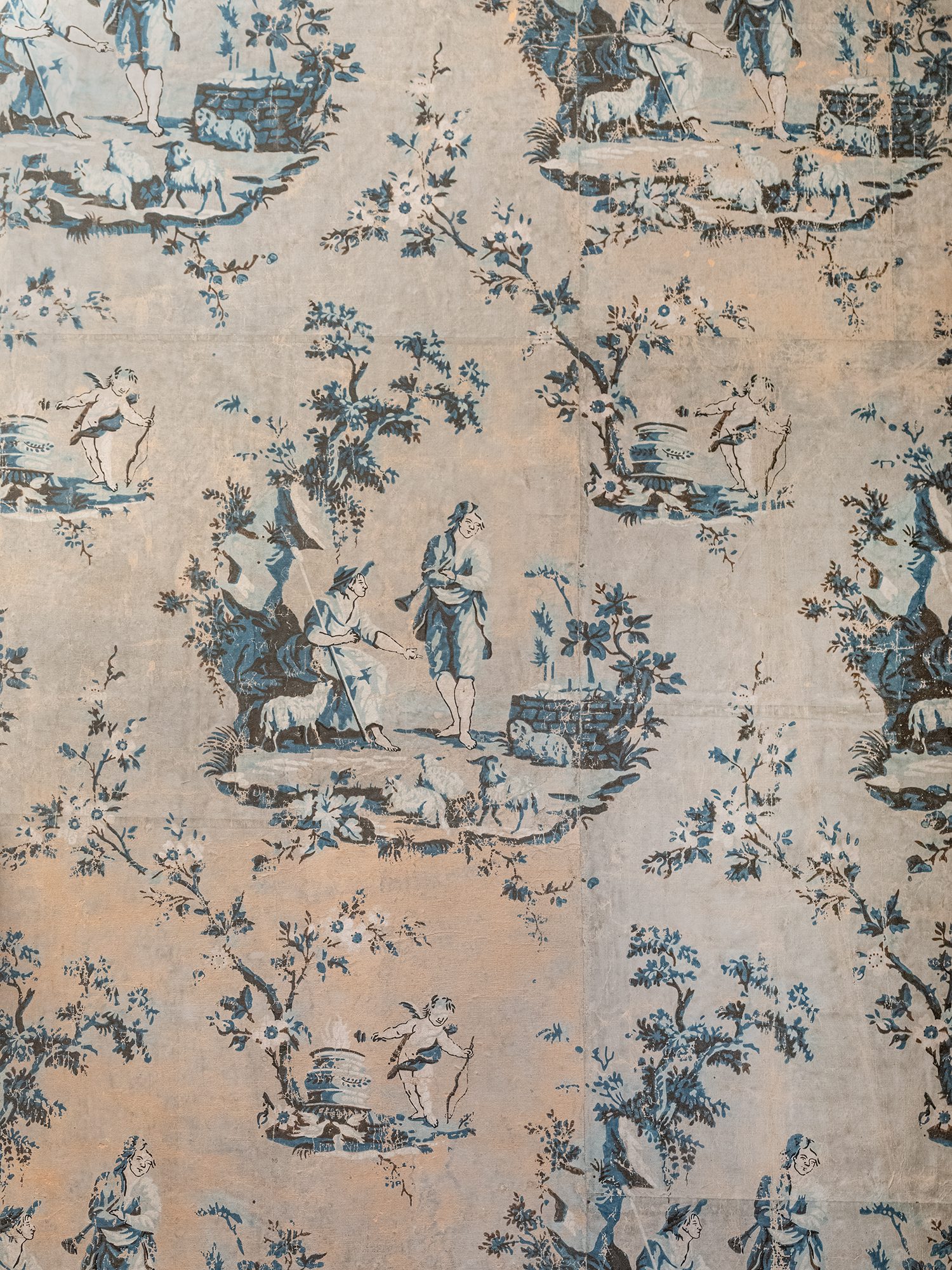
Each year thousands of guests stream through the doors of Winterthur, often taking specialized tours, eager to see some of our nearly 90,000 objects on display. While it’s easy to focus on the furniture or the objects placed in the rooms and hanging on the walls, experiencing the rooms fully also includes examining the walls themselves. They contain various architectural elements and, in many, historical wallpapers and wallcoverings. Fifteen period wallcoverings are on display in the museum, including early English flock wallcoverings, French scenic wallcoverings, hand-painted Chinese wallpapers, and some of the earliest American wallpapers.

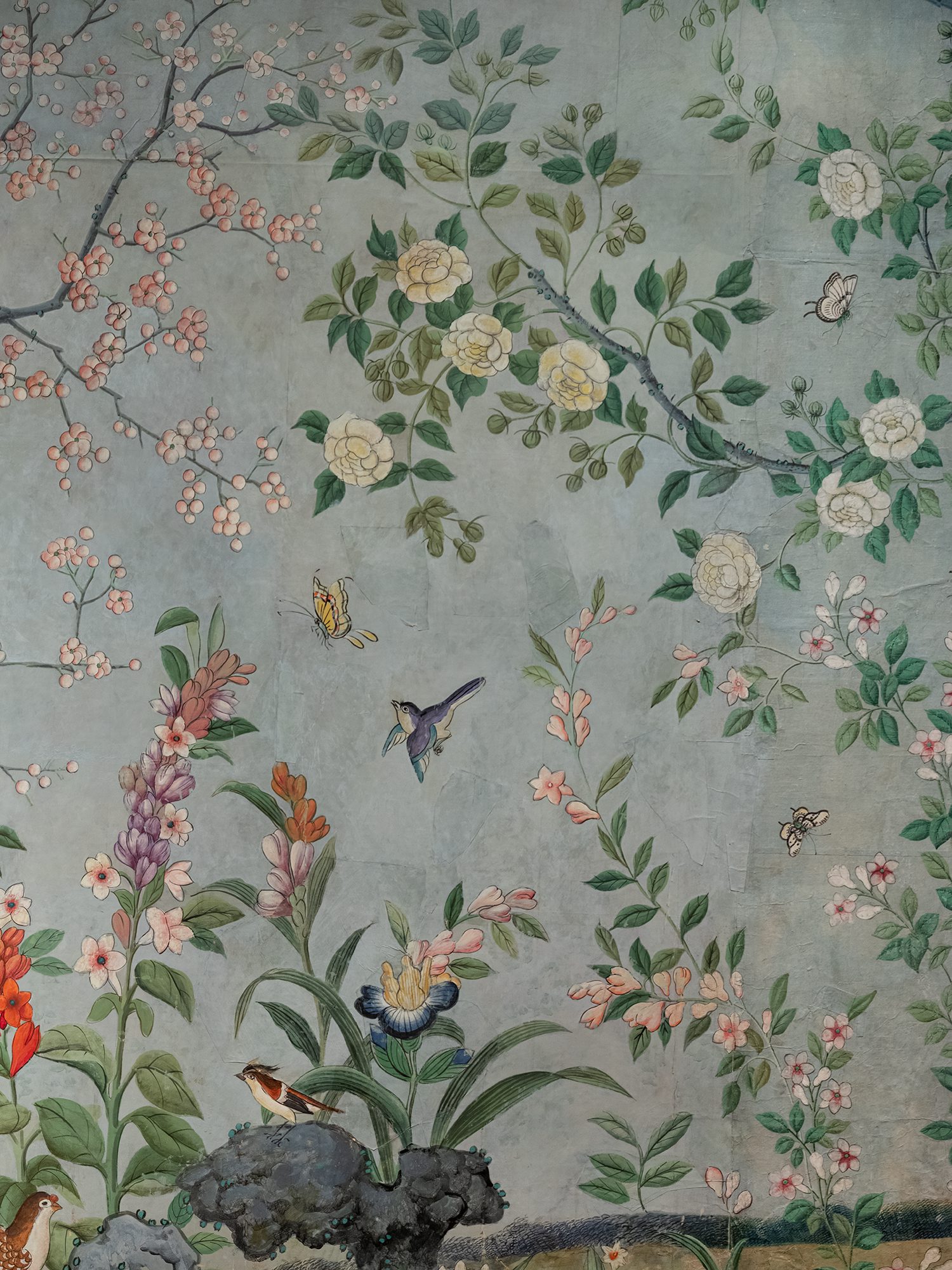
Wall covering (wallpaper), Pastimes and Leisure Scenes of Chinese Life, China, 1775–1800. Bequest of Henry Francis du Pont 1969.1084

A Brief History of Wallpaper


Wallpaper originated in China, where artists originally hand painted designs on rice paper. Block printing also originated in China, with designs carved into wooden blocks and paint applied to the non-recessed wood, using one block for each paint color. In European homes of the 1500s, wallpaper was considered the poor relation of the decorative arts, and tapestries were still in vogue to cover walls. The earliest decorative papers in Europe were block printed on small sheets and relegated to cupboards and small rooms. By the 1600s, however, wallpaper became common in European homes, some requiring thousands of blocks to create. By the late 1600s, France and England were competing to produce the best wallpapers of the western market, though hand-painted Chinese wallpaper was still considered the finest.

Around this time, flock papers were also introduced, created by block printing a gluten-based adhesive on paper or canvas, then dragging it through wool waste powder for a damask design. In the mid-to-late-1600s, sheets of paper were joined together to form rolls, which encouraged large repeats, so papering a room became more affordable and common. Wallpaper was imported into the American colonies prior to 1700 but not domestically produced until 1760.

The following are a few examples of the fifteen wallpapers on display in the museum.

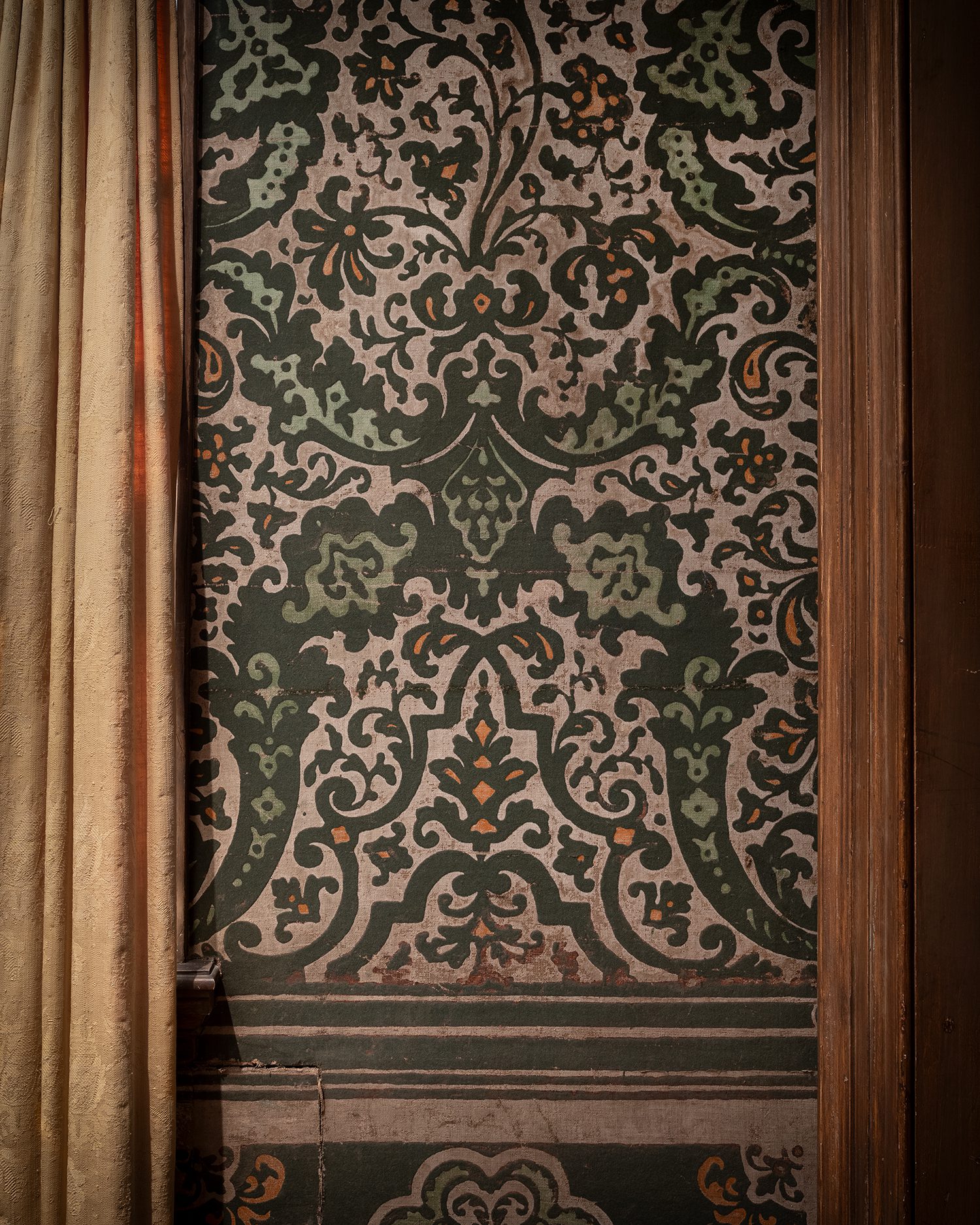
Vauxhall Room


This room contains some of the oldest wallpaper in the museum. Dated from 1675 to 1730, these flock wall coverings were invented by Le Francois of Rouen in 1620 and manufactured in England. At Winterthur, the wallpaper was restored and installed by James B. Wilson, a decorative contractor from New York, who placed the period paper on modern backing and glued it to a canvas-prepared plaster wall. H. F. du Pont also hired Wilson to paint the collection’s wallpapers each winter.

Wall covering, England, 1675–1730. Bequest of Henry Francis du Pont 1969.1088.001

Centreville Stair Hall


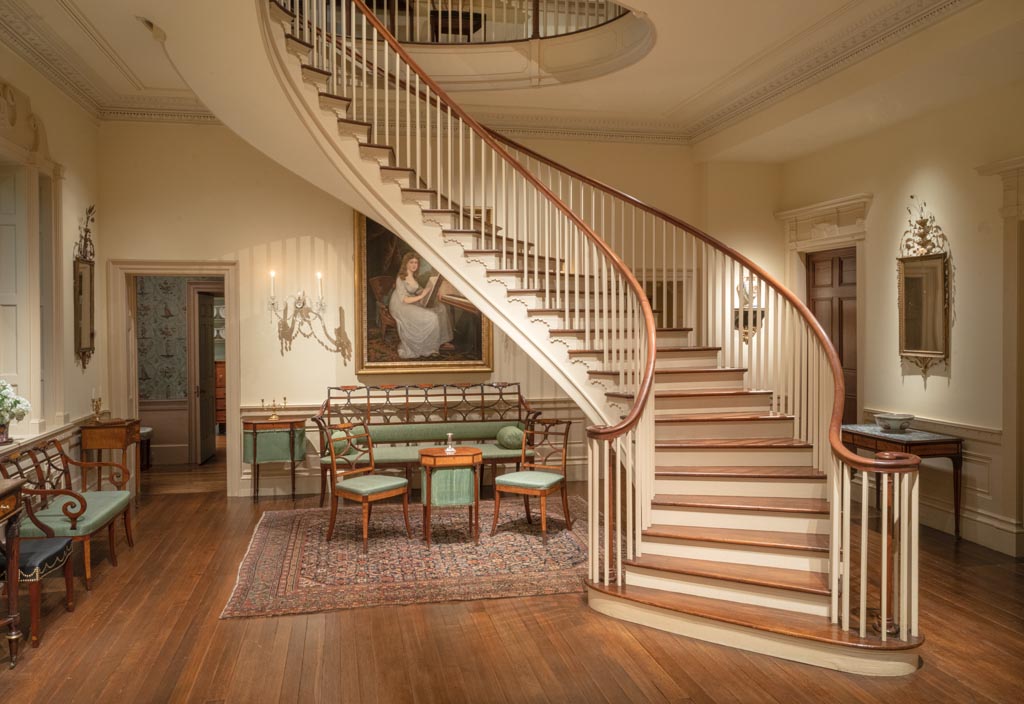
The concert champêtre wallpaper in this room was made near Lyon, France, between 1783 and 1810. A genre of 16th-century painting, this style emphasized entertainment and refreshment in a picturesque setting, and by the 18th century, women were prominently featured along with allegorical or mythological figures. As part of Winterthur’s House Lighting Project in the late 1990s, all fifteen wallcoverings in the museum were cleaned and conserved. The lighting project included moving a water main. It failed, and water flowed down the interior walls of Winterthur, severely damaging this lovely example of French wallpaper.

Wallpaper, Concert Champêtre, Lyon, France, 1793–1810. Bequest of Henry Francis du Pont 1969.1096.001 A-G

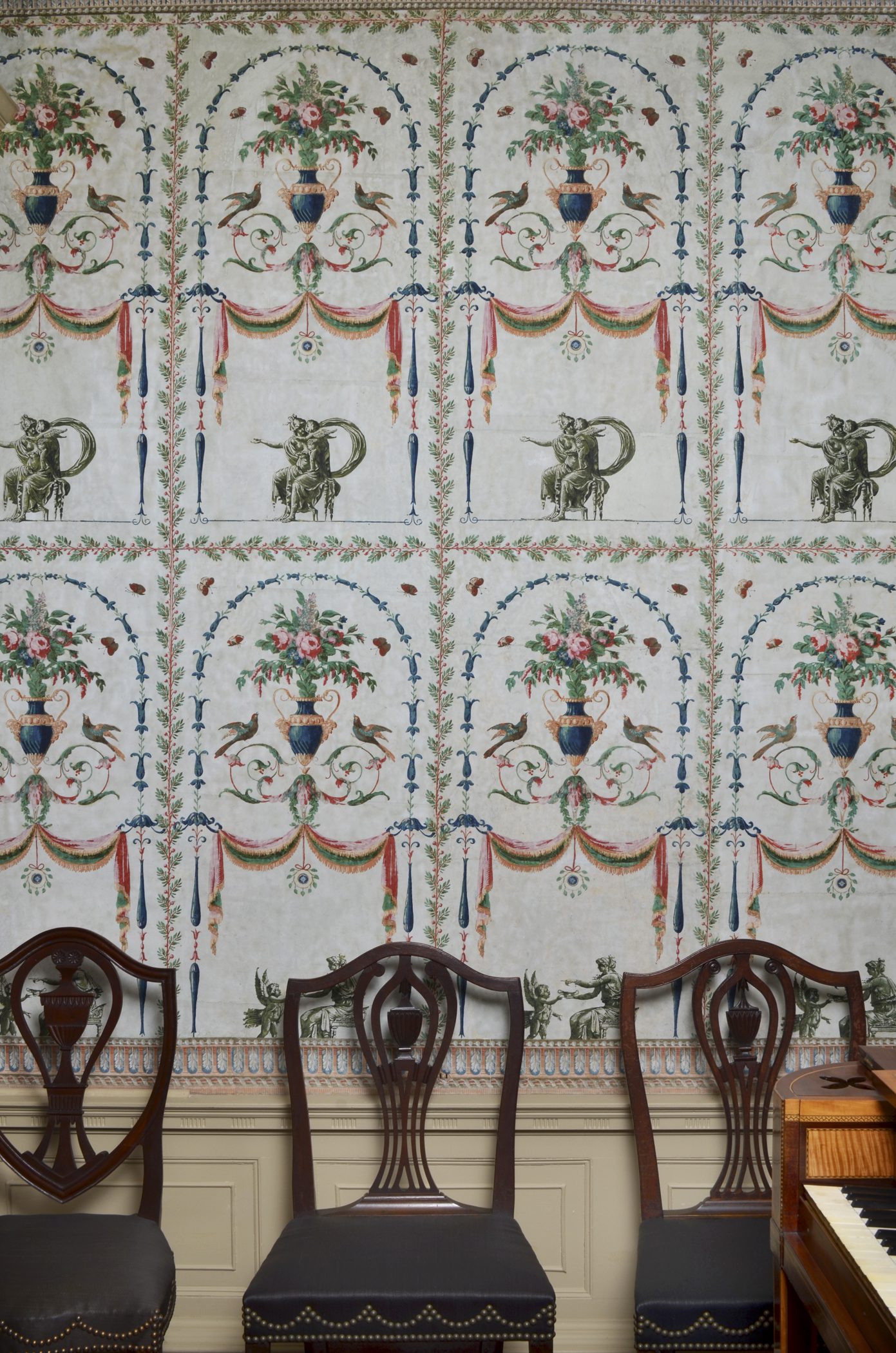
Federal Parlor


This room features an arabesque-style Parisian wallpaper created around 1791 by Jacquemart et Bernard, produced with Etruscan-patterned wood blocks. Its designs align along a central axis and feature neoclassical themes, influenced by archeological discoveries of ancient art in places like Pompeii in the mid-1700s. It was purchased in 1794 by Oliver Phelps for the dining room in his Suffield, Connecticut, home, and H. F. du Pont acquired the wallpaper when highway construction threatened the house.

Wallpaper, Venus and Cupid arabesque, Paris, France, 1789–91. Bequest of Henry Francis du Pont 1969.1092.001

Philadelphia Bedroom


The Philadelphia Bedroom is papered with hand-painted Chinese wallpaper from the late 18th century, with exotic birds among tree peonies, chrysanthemums, and cherry blossoms. More exclusive and expensive than French or English block-printed wallpaper, it was hand-painted in China and exported to France. This room was installed in the museum by Rudolph Guertler of New York. He mounted the period wallpaper on muslin and rice paper with new paper designed around the old, a common practice used by H. F. du Pont, who often combined contemporary wallpaper with period wallpaper. The room contains 29 panels, 14 of which are original, dating from 1770 to 1790.

Wallpaper, Birds, Butterflies, and Bamboo, China, 1770–90. Bequest of Henry Francis du Pont 1969.1083

Imlay Room 

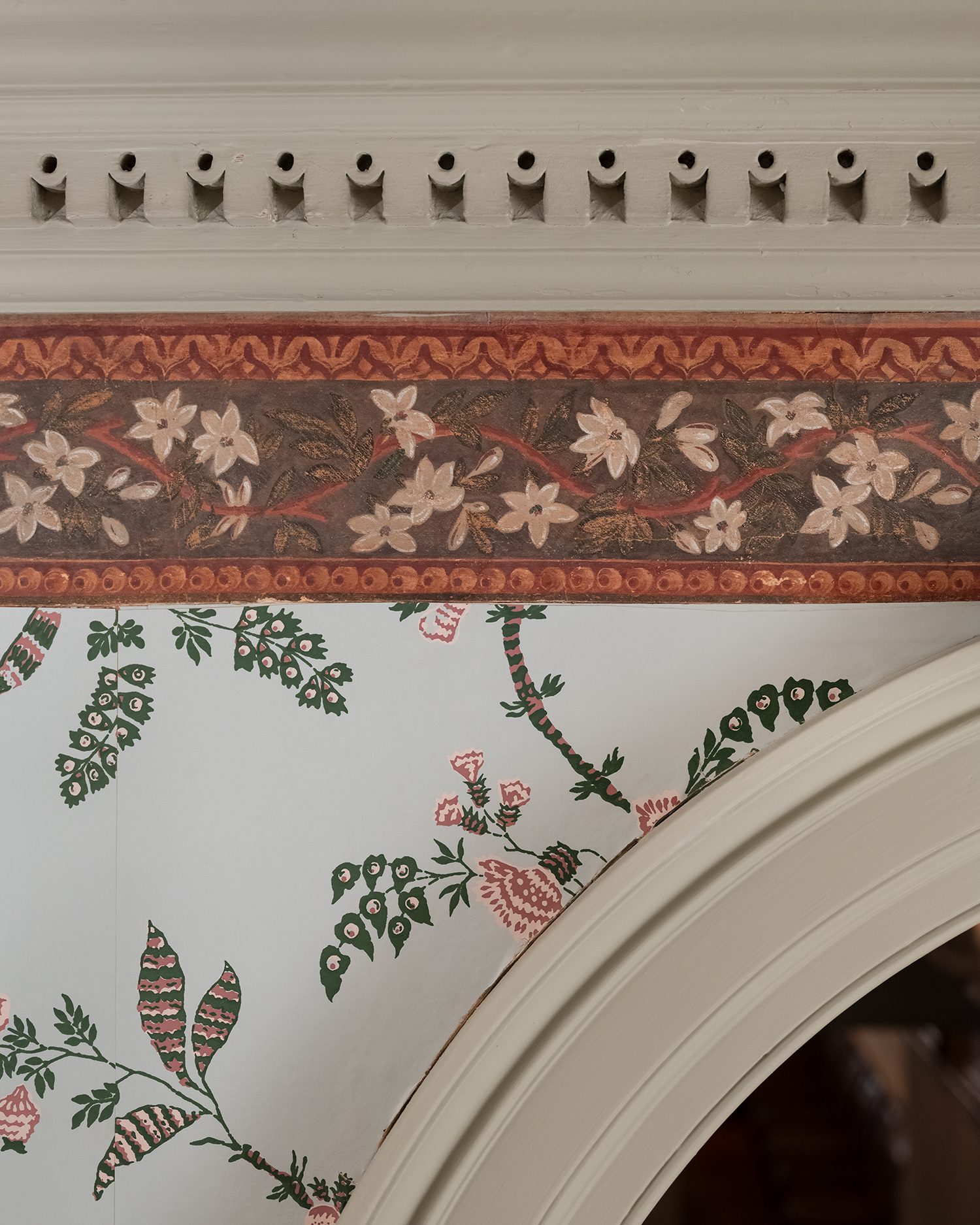
The wallpaper in this room was purchased in 1794 by John Imlay, a Philadelphia shipping merchant, from William Poyntell’s shop on South Second Street in Philadelphia. Winterthur purchased the wallpaper in an upstairs parlor of the Imlay mansion, and the Metropolitan Museum of Art purchased the wallpaper from a downstairs parlor as well as the 1794 receipt. Because the price of the upstairs paper purchased by Winterthur was less expensive than the downstairs paper purchased by the Met, it is generally accepted as domestic wallpaper and among the oldest American wallpapers on display.

Wallpaper border, Philadelphia, Penn., 1790–1931. Bequest of Henry Francis du Pont 1969.1093.004  

We hope you enjoyed this glimpse into some of the beautiful wallpapers at Winterthur. As you enter the museum doors, whether on a self-paced tour or one of our specialized tours, be sure to take in the exquisite walls surrounding each carefully designed room, knowing there’s a story behind each one.

A Bicentennial Longrifle with a Powder Horn and Pouch Join Our Historic Arms Collection

By Ann Wagner, curator of decorative arts

Today, cultural institutions seek to understand the nuanced and varied impacts of the War for Independence on colonists and Indigenous Americans, especially those directly involved. In 1976, our nation’s Bicentennial, they focused on artists, including gunsmiths and hornsmiths, who were dedicated to preserving craft knowledge and recreating early arts.

In step with our collection of American black powder rifles, in 2022 Winterthur acquired a special-order Bicentennial longrifle that was designed and produced for the state of Pennsylvania in 1976 (see fig. 1). This is our first firearm by a contemporary artist, and it inspired another artist to create a powder horn to accompany it.

Figure 1. John F. Bivins Jr., Pennsylvania Bicentennial Commemorative Longrifle, North Carolina, 1976–77. Maple, hickory, iron, brass, flint, and varnish. Museum ​purchase with funds drawn from the Centenary Fund 2022.0026 A, B

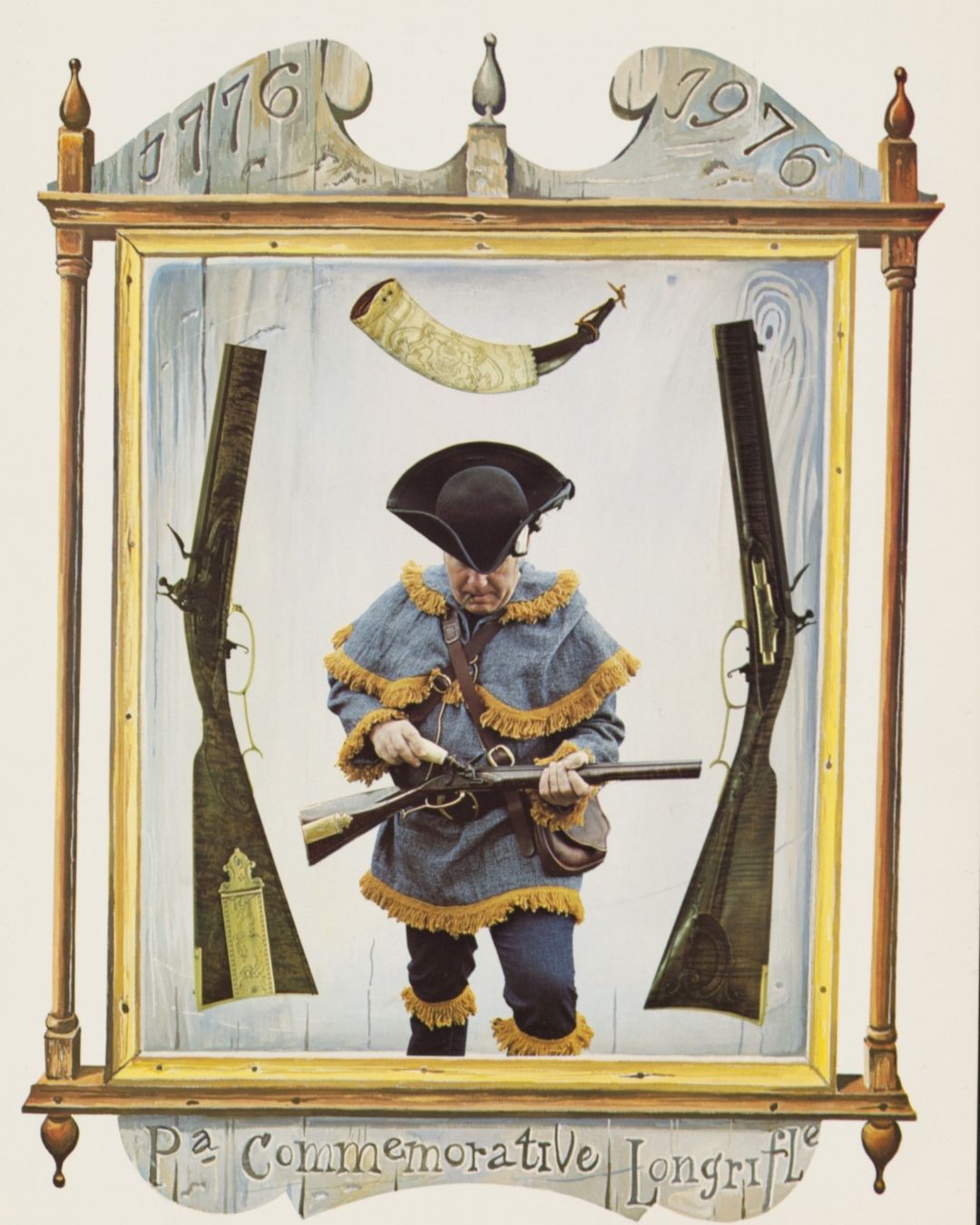
John F. Bivins Jr. (1941–2001), a gunsmith and scholar working primarily in North Carolina, was recognized for his publications and work with the Museum of Early Southern Decorative Arts at Old Salem in Winston-Salem, North Carolina, and for his legacy as a teacher. In 1975 he accepted a commission from the State of Pennsylvania to create their Bicentennial Commemorative Longrifle Project. Two hundred rifles were contracted from Bivins and his collaborating artists for the project; Winterthur’s rifle is number 105. In Bivins’s description, its modestly ornamented architecture was not a reproduction of a Kentucky-style flintlock but “a contemporary statement of an ancient craft” and technically superb.

Figure 2. Detail of page 3 of the Pennsylvania Bicentennial Commission, Pennsylvania Commemorative Longrifle Set brochure (Johnstown, Penn., 1975). Winterthur Library, Joseph Downs Collection 828

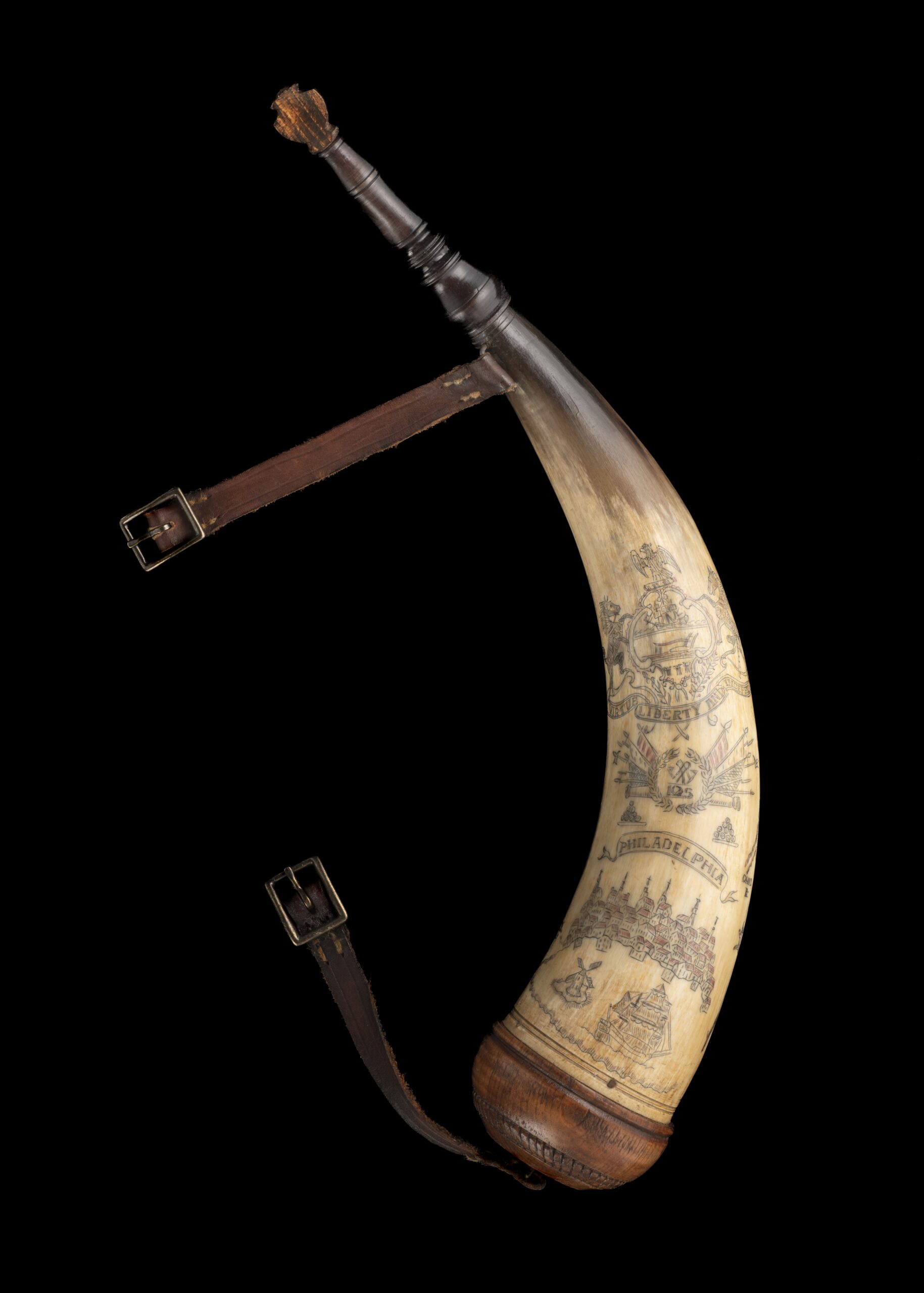
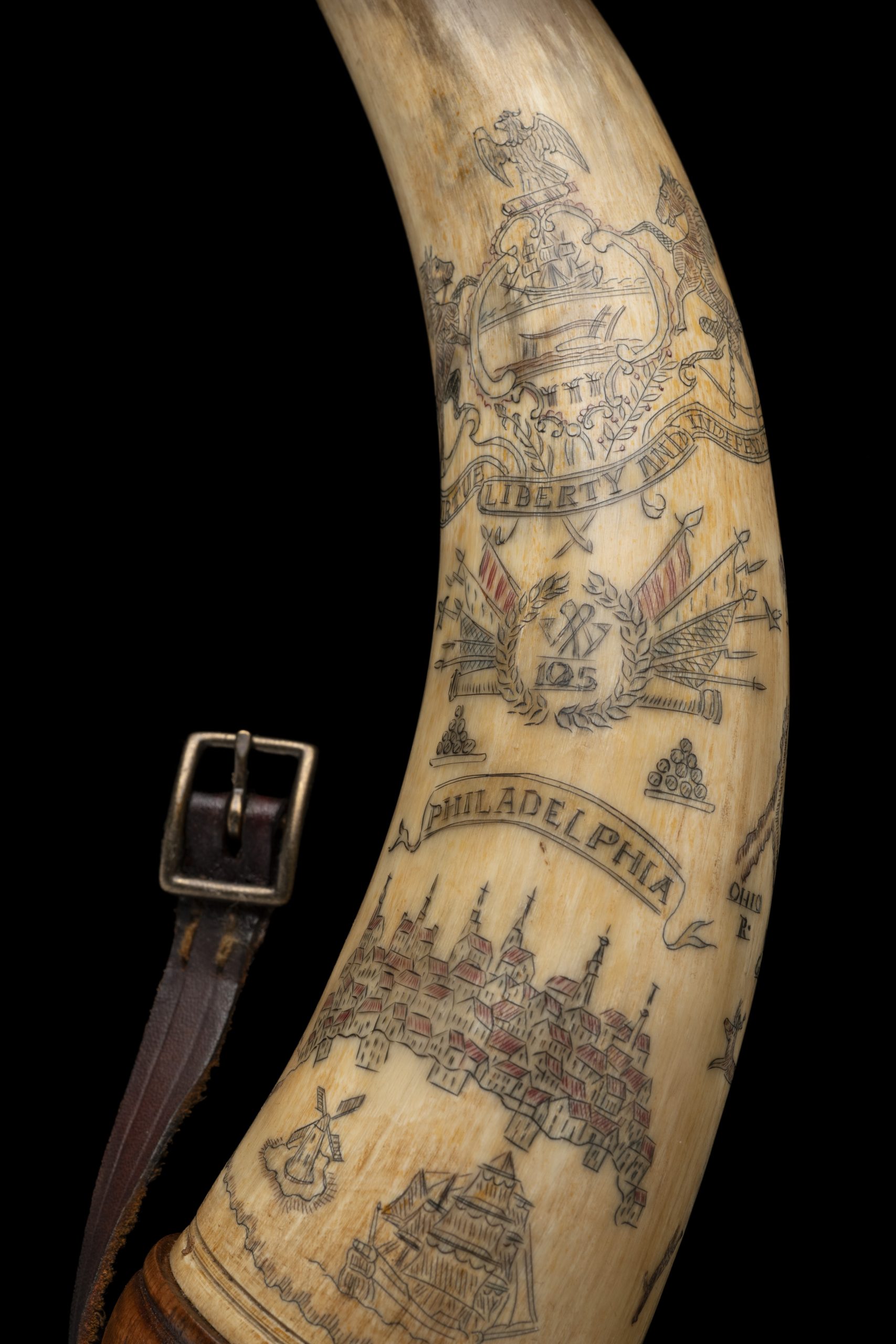
The Pennsylvania commission offered a full commemorative set including a powder horn bearing the state seal (see fig. 2). Although he is not mentioned in the promotional material, master hornsmith Roland Cadle also assisted with the project.  When I lectured at the Hornsmith Guild’s annual meeting in 2024, Roland Cadle learned of Winterthur’s newly acquired longrifle. He was moved to reprise his role from nearly fifty years ago and donate a powder horn to the museum (see fig. 3). He carved a historically accurate Lancaster-style screw-tip horn with polychrome decoration. He included the seal and colonial landmarks from Fort Pitt to the city of Philadelphia and personalized it with the rifle’s “105” and the Winterthur “W” (see fig. 4). To complete this set, he also made a fringed hunting pouch.

Figure 3. Roland Cadle, powder horn, Hollidaysburg, Penn., 2024. Horn (bovine), wood, iron, leather. Gift of Roland Cadle 2024.0012 B-D

Like many of North America’s cultural institutions, Winterthur is exploring ways to share the nation’s 250th anniversary with visitors. Contemporary artists whose creativity is inspired by historical collections and those dedicated to preserving craft practices speak a visual language all can appreciate. Winterthur is fortunate that Roland Cadle’s deep knowledge and lifelong passion for hornsmithing embodies his conceptual connections to earlier artisans, whether they worked in 1776 or 1976. Likewise, Bivins’s Bicentennial longrifle captures a moment in time that inspired many to try their hand at gunsmithing and to appreciate the historical craft knowledge he helped preserve.

Figure 4. Powder horn (detail)

Quilting Freedom “My Way” in Honor of Martin Luther King Jr.

By Matthew Monk, Linda Eaton Associate Curator of Textiles

Each January, Martin Luther King Jr. Day invites us to pause and reflect on the unfinished civil rights work in the United States. At Winterthur Museum, Garden & Library, that reflection is often shaped by objects that people made to care for one another, to create feelings of home, and to claim dignity in the face of hardship. Three objects recently added to Winterthur’s collection—a contemporary quilt and two potholders made in Gee’s Bend, Alabama—embody that legacy of resilience, creativity, continuity, and community.

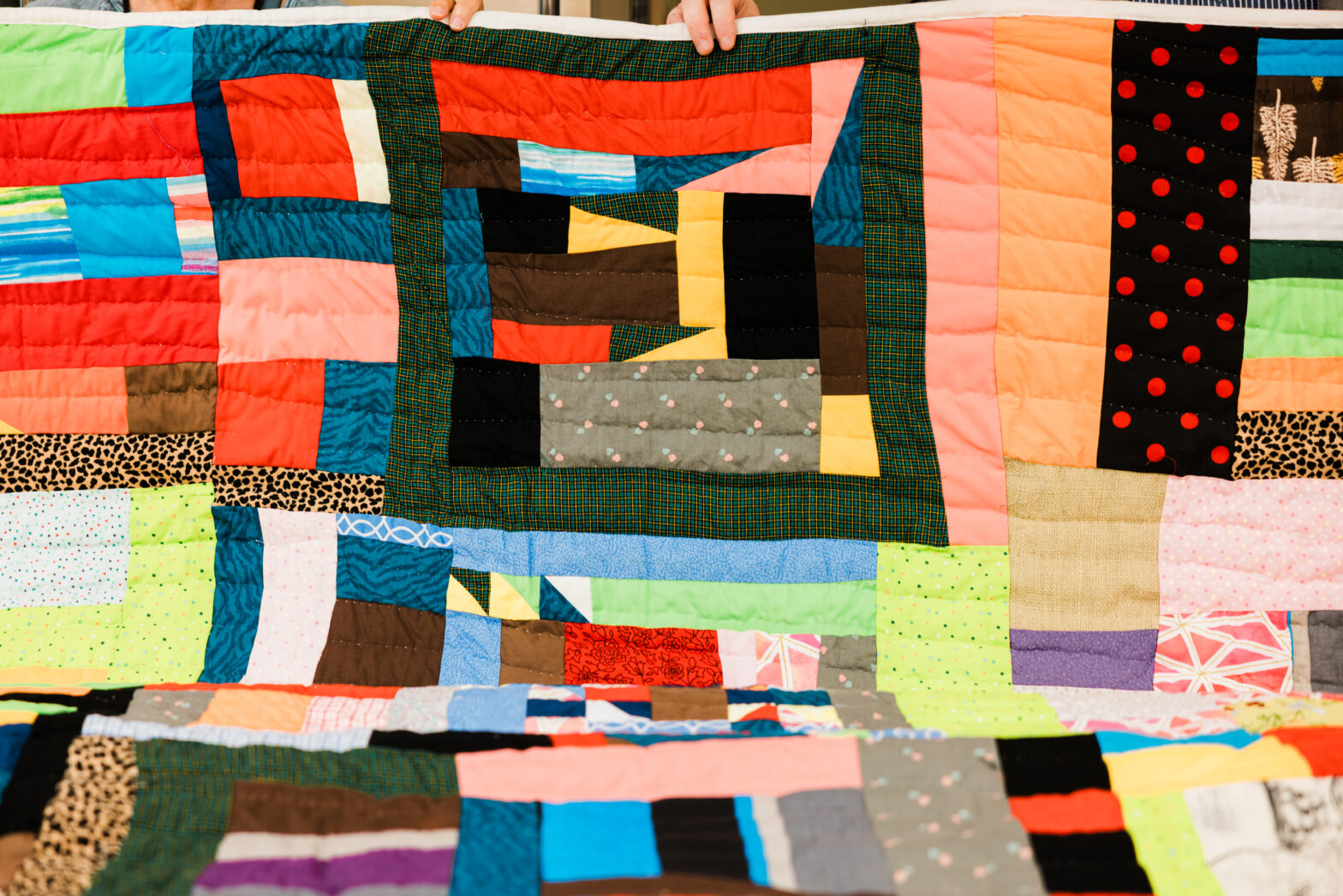
Sharon Pettway Williams and Jamica Williams, quilt, Alabama, U.S., 2023. Museum purchase with funds from the bequest of Barbara P. Katz 2023.0026. Photo by Azuree Holloway.

Sharon Williams and her granddaughter Jamica made these quilted objects in 2023, but these objects and their makers belong to a living tradition that stretches back generations in Gee’s Bend, a small, predominantly Black community on a bend of the Alabama River. Williams describes her design style as “My Way,” marked by free-pieced quilting that relies on intuition, bold geometry, and the creative reuse of available materials. Williams learned this tradition from her mother and grandmother and passes it down to her descendants today. Her quilt at Winterthur is composed of cotton fabrics, vintage and contemporary prints pieced together into a dynamic kaleidoscope of patchwork. The quilt is machine pieced and hand quilted. The quilt is also a living lesson between grandmother and granddaughter. It is at once deeply personal and unmistakably part of a collective Gee’s Bend aesthetic.

Gee’s Bend quilts are widely celebrated today, but they were born from necessity. For much of the 20th century, families in Gee’s Bend lived in relative isolation, many as descendants of people once enslaved on nearby cotton plantations. Women used worn clothing, flour sacks, and other textiles at hand to create quilts that provided warmth and protection in drafty homes. In doing so, they developed a distinctive visual language, one that later came to be recognized as one of the most important artistic traditions in American quilting.

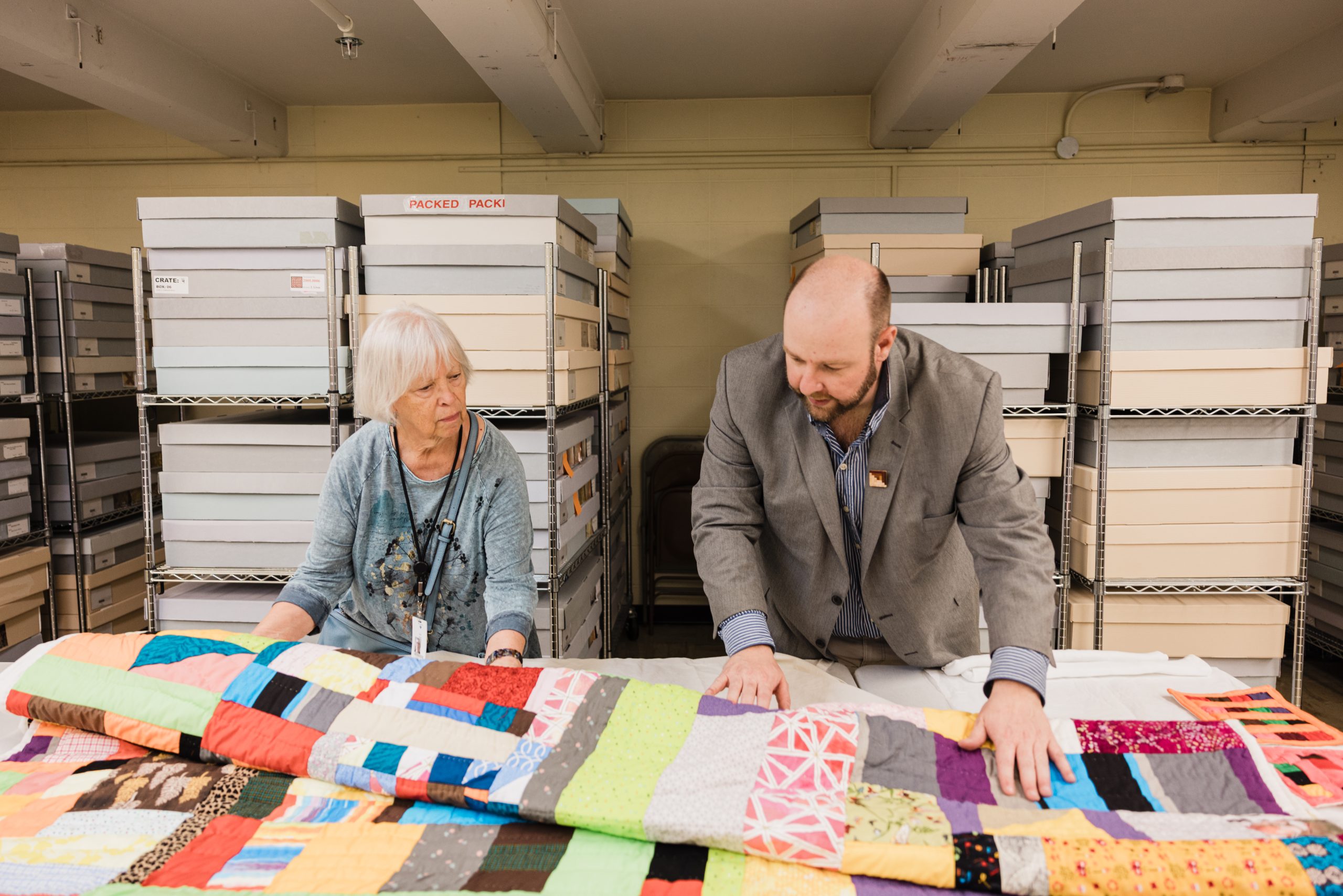
Gail Bush, Winterthur textile conservation volunteer, and Matthew Monk, Linda Eaton Associate Curator of Textiles, examine the Gees Bend quilt. Photo by Azuree Holloway.

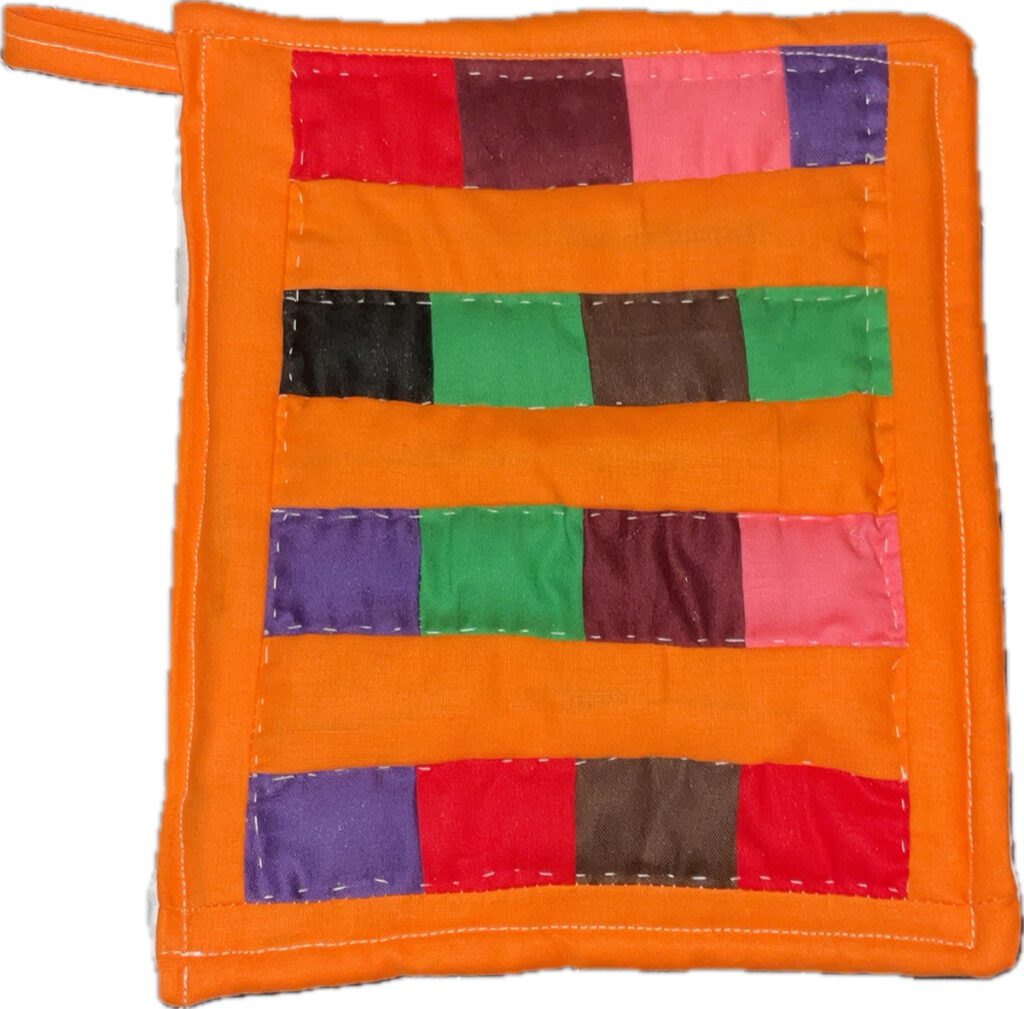
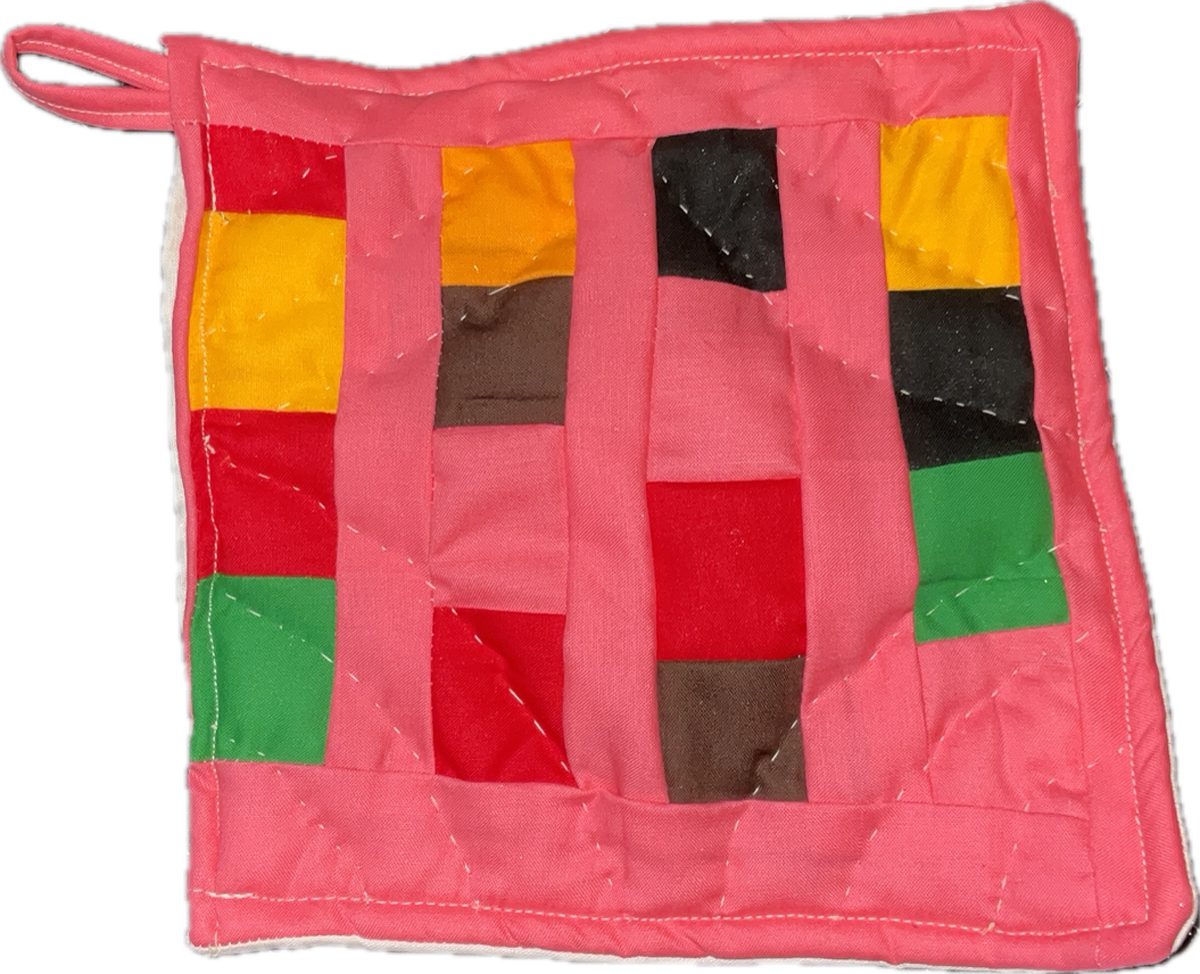
The two potholders Winterthur acquired alongside the quilt may be small, but they carry the same powerful story. Also made by Sharon and Jamica Williams in 2023, they use the same free-pieced “My Way” approach, translated into everyday kitchen textiles. Their bold blocks of color and asymmetrical patterns echo the quilt’s design, reminding us that art and daily life are not separate in Gee’s Bend; they are stitched together.

Pot holder, 2023. Gift of Sharon Pettway Williams 2025.0021.001
Pot holder, 2023. Gift of Sharon Pettway Williams 2025.0021.002

Honoring these objects on Martin Luther King Jr. Day is especially meaningful. Dr. King fought for civil rights, not only in speeches and marches, but in the affirmation of Black dignity, creativity, and self-determination. Gee’s Bend quilts are part of that same story. They are material expressions of endurance in the face of segregation, poverty, and exclusion. They are also material reminders of the power of community to sustain itself through making.

At Winterthur, these works also expand the museum’s narrative of American design, linking the contemporary and modern to the historical. For the first time, our collection includes a contemporary Gee’s Bend quilt and potholders by a named maker, recognizing Sharon Williams not only as part of a tradition, but as an artist in her own right. Her work connects the past to the present, showing that the history of Gee’s Bend, while rooted in a difficult past, is not frozen in time and continues to grow, adapt, and inspire.

As we commemorate Dr. King’s legacy, these three textiles invite us to consider how everyday acts of making can be acts of freedom and expressions of choice. They remind us that the struggle for justice is woven not only through laws and movements, but through the hands of people who, against all odds, kept creating beauty for themselves and their communities in their own ways.