Search Site

Revolutionizing Beekeeping: The Keeper’s Hive Story at Winterthur

As Winterthur’s dedicated beekeeper for four years, George Datto is more than just a honey producer. He’s also an advocate for sustainable beekeeping practices.

The honey from the apiary is sold in the Museum Store at Winterthur Museum, Garden & Library. Perhaps more importantly, the apiary keeps vital pollinators in the gardens and natural lands on the nearly 1,000-acre estate.

In honor of World Bee Day on May 20, we’re telling you a little about what George has been doing.

 Alongside his involvement in beekeeping and educational initiatives at Winterthur, George and a friend have also been brewing a revolutionary idea since 2016: a new kind of beehive designed to alleviate the labor-intensive nature of traditional methods.

When George started at Winterthur, he was already working on a design for a new kind of beehive, so he moved five prototypes onto the Winterthur property.
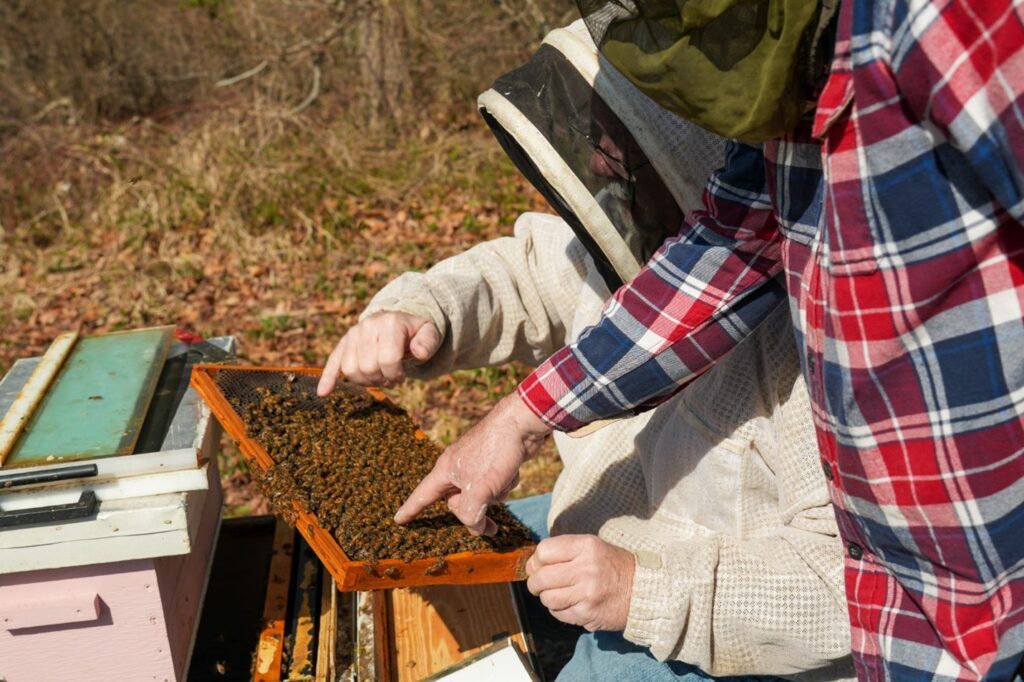
Nat Wolfe and George Datto inspect beehives at Winterthur.

George began as a hobbyist beekeeper in 2008 with an apiary at his farm in southeastern Pennsylvania. He is a co-founder of Revolution Bees, which promotes sustainable beekeeping and honeybee education and is one of the top regional producers of local honey and artisanal honey products.

He also is President of the Chester County Beekeepers Association (CCBA), where he created the apprentice and citizen science programs for the 700-member organization. He also leads the queen mating program and manages the CCBA nucleus colony apiary, which helps promote and distribute high-quality local genetics.

The hive prototype came about in 2016 when George, a retired pediatrician, invited Nat Wolfe, a retired master carpenter, to come along one day as George checked his beehives. Nat was immediately struck by how labor-intensive it was to perform hive maintenance as George wrestled with boxes of bee- and honey-filled hive frames that each weighed 60 to 70 pounds.

With Langstroth hives—the global standard—the boxes need to be removed and restacked with each hive inspection. So, Nat and George put their heads together and came up with a new design. Instead of lifting entire boxes of bee-filled frames, their patented design allows beekeepers to open a roof and move frames around individually.

In the spring, beekeepers must inspect their hives every one to two weeks to prevent swarming, which is when part of a hive leaves to reproduce its current hive elsewhere.

Bees that swarm are as equally likely to find a house as they are a tree. When that happens, it will usually spell the end of that new hive in the form of a pest control expert, George explained. “The bees aren’t thinking about your honey production; they’re thinking about survival,” George said of swarming.

Bees swarm because the brood chamber becomes too crowded, Nat added. “If we lived in a small house and we had five or six kids and kept having kids, you’d eventually need a new house,” he said. “It’s the exact same principle.”

The usual swarm-control technique is to move some brood frames to the top and replace them with empty frames at the bottom. The hive grows as the season continues. “The benefit of our hive is it takes the lifting out of it,” Nat said. “You open the door, move the frames around, and close the door.”

The innovative approach not only reduces stress on the bees but also empowers beekeepers to manage their hives with ease, said entrepreneur Dave McNeeley, who is working with George and Nat to launch their company, The Keeper’s Hive. “You can do more management, more often, with more confidence,” Dave said. It’s especially desirable for beekeepers with busy schedules or older keepers who want to lift less, he added.
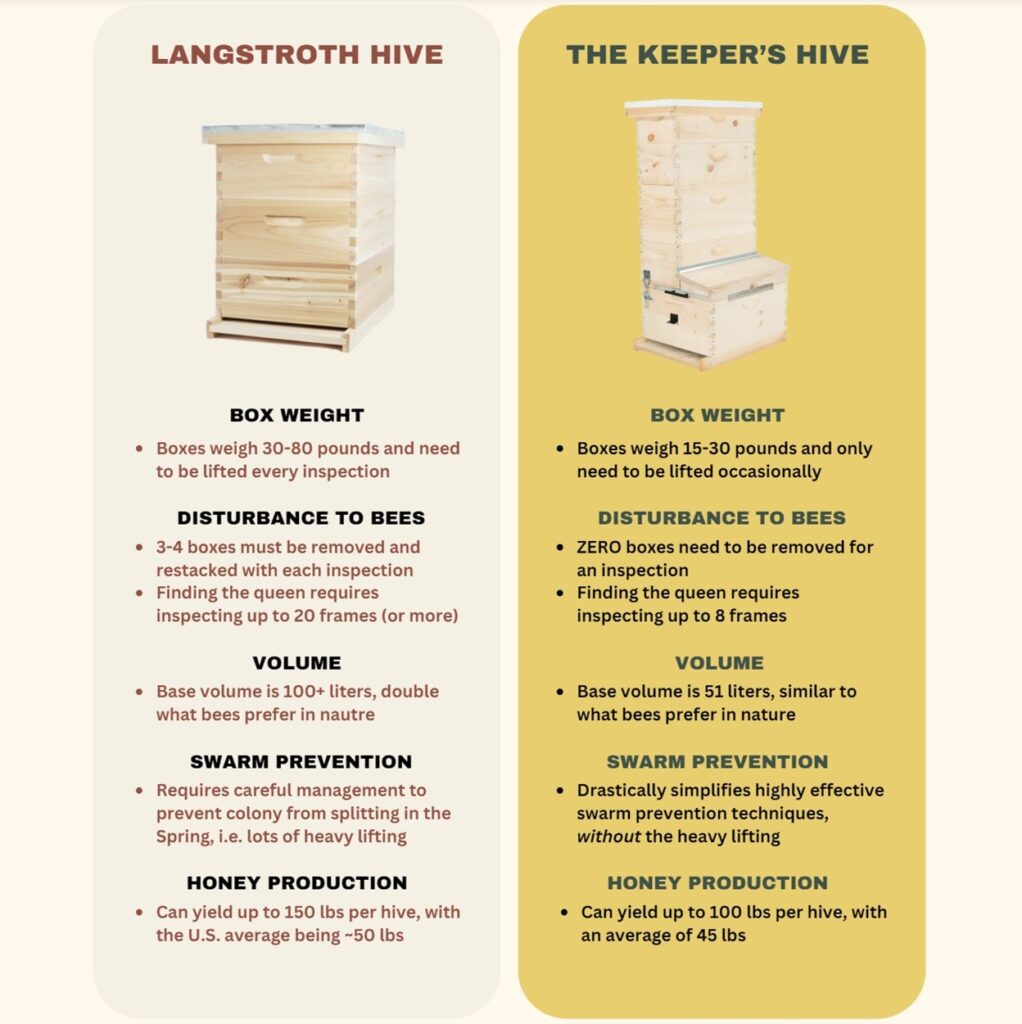
As they exhibited their designs to other beekeepers, they received a lot of interest. The pandemic slowed their progress as beekeeping shows were put on hold, but they’re moving forward again. There are now nine of their prototypes at Winterthur.

Over the past two winters, the survival rate of the populations in Winterthur’s hives was 100 percent. “That’s atypical, for sure,” George said. In our region, some hives might lose 30 to 50 percent of their bee populations due to poor nutrition and disease, he said.

With a call to action for interested individuals to join their journey by subscribing to emails through www.thekeepershive.com, the trio invites enthusiasts to witness the evolution of beekeeping firsthand and potentially contribute to the buzz surrounding their burgeoning enterprise by donating to their crowdfunding campaign in June 2024.
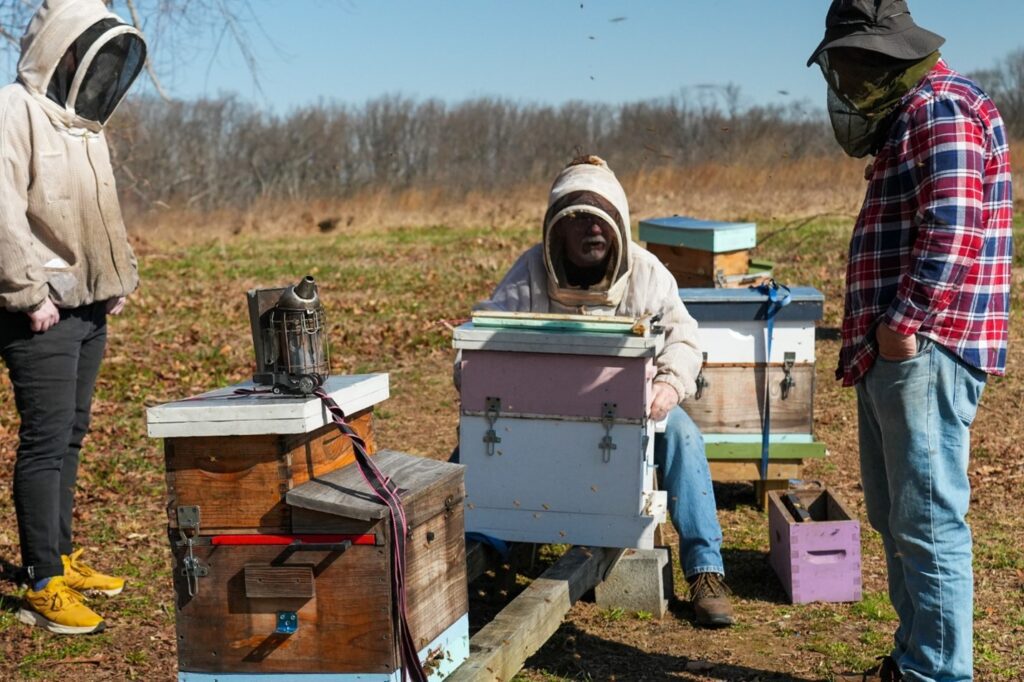
Dave McNeeley, Nat Wolfe and George Datto maintain the apiary at Winterthur.

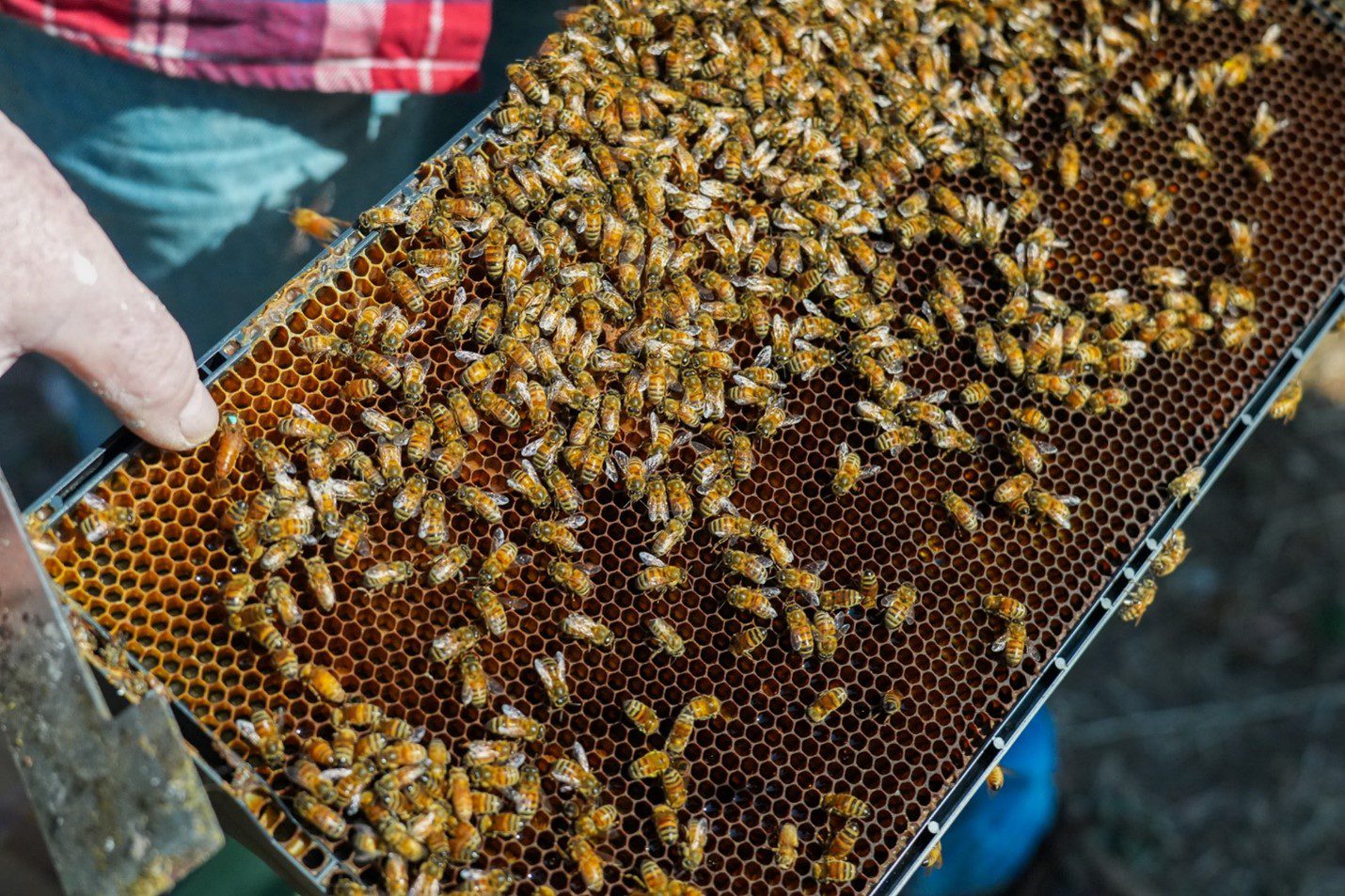
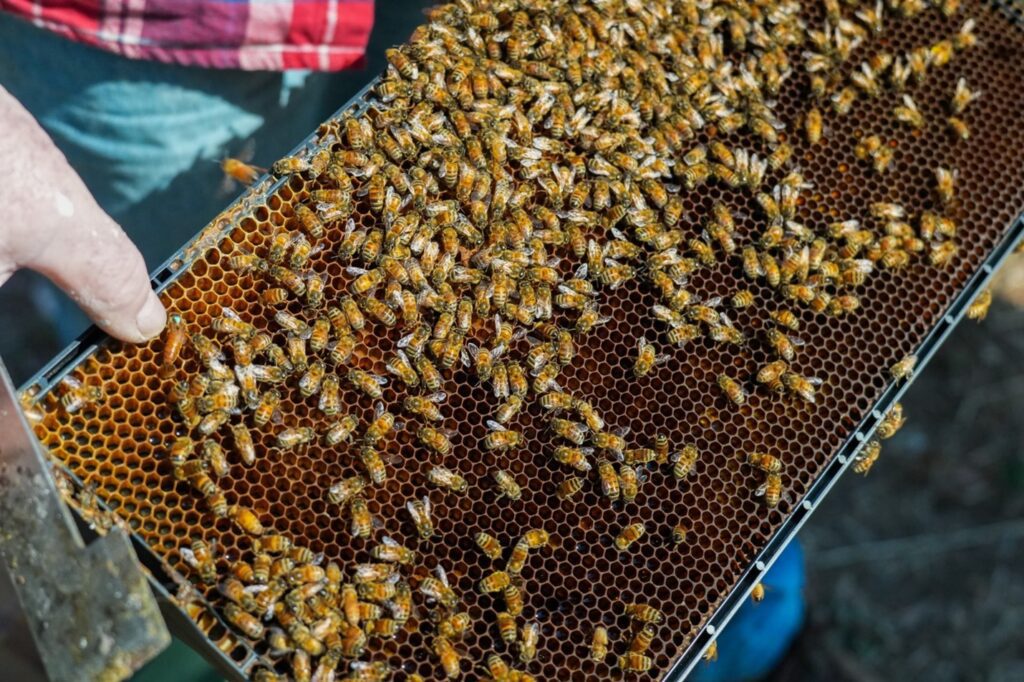
The queen bee can be seen at the end of George Datto’s thumb.

Winterthur acquires painting depicting a free Black woman in pre-Civil War Maryland

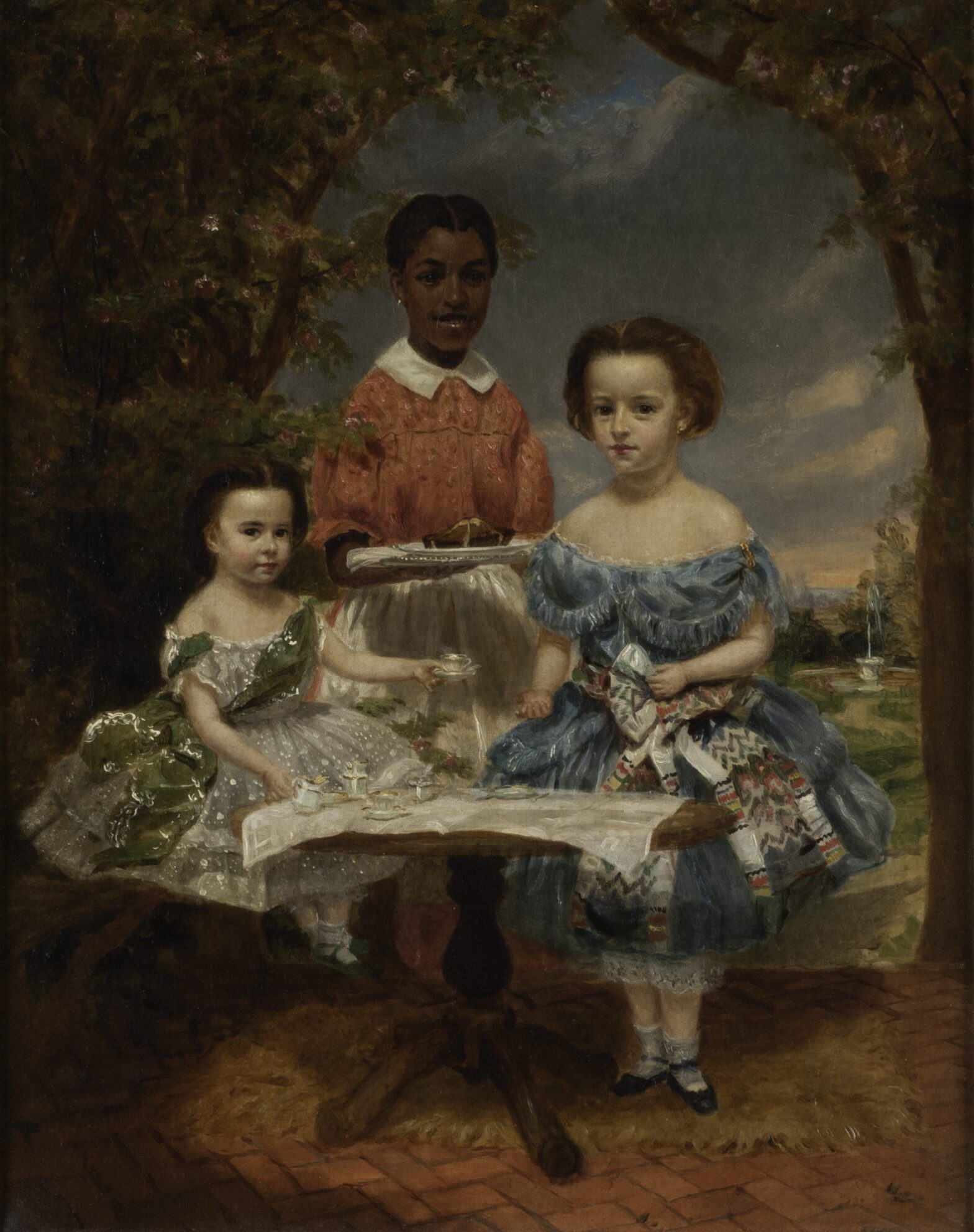
WINTERTHUR, DE (May 4, 2024) – Winterthur Museum, Garden & Library has acquired an 1857 oil painting in remarkable condition depicting an identifiable free Black member of the regional Baltimore community.

In this group portrait, Vermont-born painter Thomas Waterman Wood (1823–1903) documented an important moment in history just before the American Civil War when the Baltimore area held the largest population of free Blacks in the United States, said Dr. Kedra Kearis, associate curator of art and visual culture at Winterthur.

The work was commissioned by Quaker abolitionists James Ellicott and Harriet Jolliffe Tyson and painted during Wood’s two-year tenure in Baltimore. The narrative-style portrait portrays servant Sidney Hall tending to the Tysons’ youngest children, Patty and Lilly, who are engaged in a tea party on an outdoor brick patio. At the time of the painting, Sidney was 22 years old, and Patty and Lilly were 5 and 3, respectively.

Rachel and Ben Elwes of Ben Elwes Fine Art, London, brokered the sale. Rachel Elwes is a graduate of the Winterthur/University of Delaware Program in American Material Culture.

“When Rachel presented this painting to me and then shared it with Kedra Kearis, we both knew this was an ideal acquisition for Winterthur,” said Alexandra Deutsch, John L. and Marjorie P. McGraw Director of Collections at Winterthur. “The layers of history this painting represents continue to unfold as the research expands.”

“By naming Sidney Hall and working to uncover and share her story, we have a tremendous opportunity to engage with the representation of a Black sitter and staff member of the abolitionist Tyson family,” Kearis elaborated. “The picture was painted about four years before the Civil War when enslavement remained legal in Maryland. The Baltimore area had approximately 25,000 free Black community members. It was amidst this complicated backdrop that Wood painted Sidney Hall’s portrait.”

The painting, measuring 17 ½ x 13 ½ inches, is on display in the Galleries at Winterthur starting Tuesday, May 7, 2024.
Dr. Joyce Hill Stoner, paintings conservator and Elizabeth Goodman Rosenberg professor of material culture and director of the preservation studies doctoral program at the University of Delaware, examined the painting and remarked on its close-to-original condition.
“It is rare to see a painting of this age with so little intervention,” Stoner said.

Two members of the Tyson family previously owned the painting. Its reverse side bears a stamp identifying a Baltimore canvas supplier.

The acquisition was unanimously approved by both Winterthur’s collections committee and executive committee, said Chris Strand, Charles F. Montgomery Director and CEO of Winterthur.

“There was a feeling of jubilation in the room when the final votes came in and we knew this remarkable painting would become part of Winterthur’s collection,” Strand said.

“For those of us who advocated for this acquisition, it was an inspiring moment to see the support the trustees offered for this purchase,” Deutsch added. “I knew the history of the Tyson family and the history of Baltimore’s large free Black population before the Civil War. As I looked beyond the quality of the painting, I immediately saw the interpretive potential it offered as a document of Black history and the history of abolition.

“This acquisition attests to Winterthur’s commitment to building its collection with an eye to objects that allow us to further tell complete histories. It is a fine painting in remarkable condition. Still, it is also an important historical document of Sidney Hall, a free Black woman in the Baltimore area, and the Tyson family’s association with the abolition movement.”

The composition’s background evokes the rolling hills of Ellicott Mills, now Ellicott City, about ten miles west of Baltimore. Cofounded in the early 1770s by surveyor Andrew Ellicott and his brothers, Ellicott Mills became the site of the Tyson flour mills headed by Pennsylvania-born Quaker and abolitionist Elisha Tyson. Tyson used his wealth to support the Underground Railroad and the African colonization movement.

Martha Ellicott Tyson, grandmother to Lilly and Patty, was an advocate for women’s higher education and co-founder of Swarthmore College, as well as author of A Sketch in the Life of Benjamin Banneker; from Notes Taken in 1836 (1854). A neighbor and friend of the Ellicotts, Banneker was a free Black tobacco farmer, mathematician, and astronomer who contributed to the survey that defined the boundaries of the country’s capital.

The painting adds to Winterthur’s collection of works by Thomas Waterman Wood, Kearis said.

“Wood, through his genre paintings and narrative portraits, represents an important figure in 19th-century art, dedicated to portraying a range of individuals across the swiftly changing political landscape of the United States,” Kearis said.

Images of the painting can be downloaded here.

ABOUT WINTERTHUR MUSEUM, GARDEN & LIBRARY

Winterthur—known worldwide for its preeminent collection of American decorative arts, naturalistic garden, and research library for the study of American art and material culture— offers a variety of tours, exhibitions, programs, and activities throughout the year.

Winterthur is located on Route 52, six miles northwest of Wilmington, Delaware, and five miles south of U.S. Route 1. Winterthur is committed to accessible programming for all. For information, including special services, call 800.448.3883 or visit winterthur.org.

Gifts for Mothers and the Special Women in Your Life

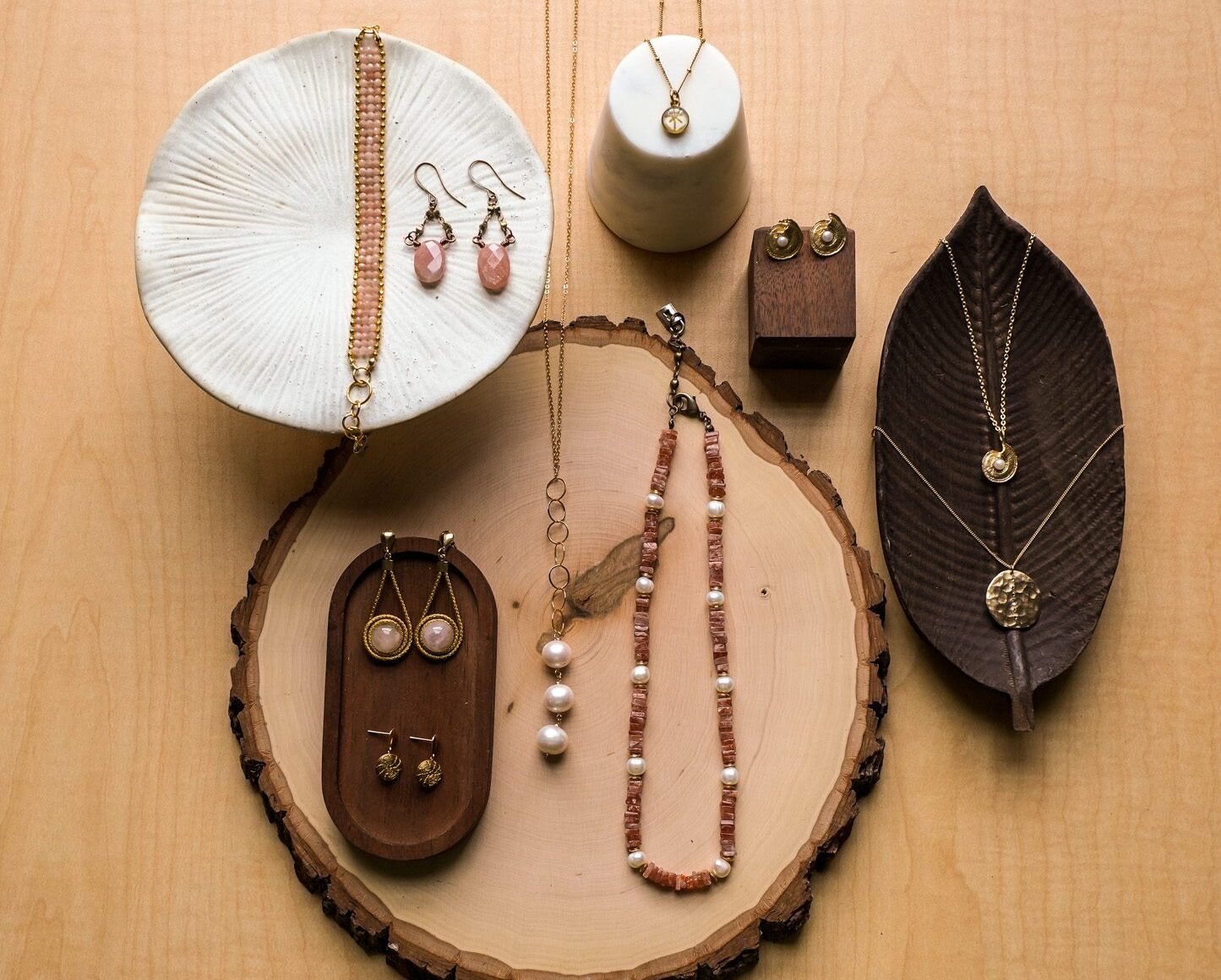
Finding the perfect present is as easy as a trip to Winterthur! Branch out from the bouquets and choose something that will be cherished for years to come. From tiny tokens to creative keepsakes, a little luxury goes a long way. Choose one or more items from the gift guides curated by our Museum Store staff to make any woman’s day. 

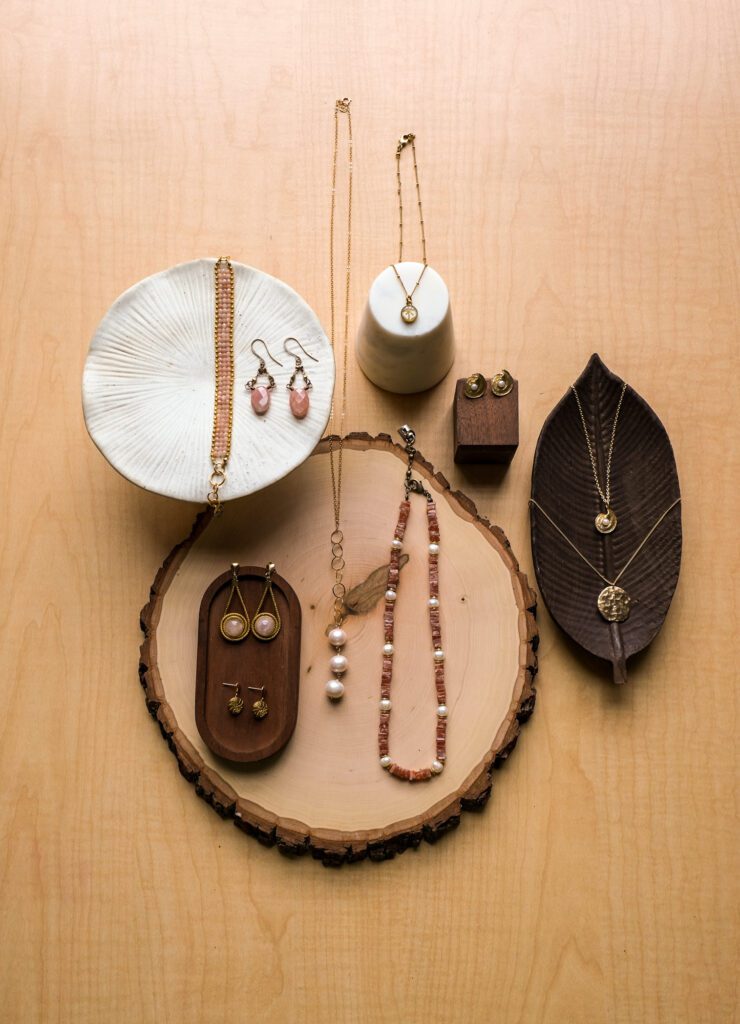
Adornments to Adore

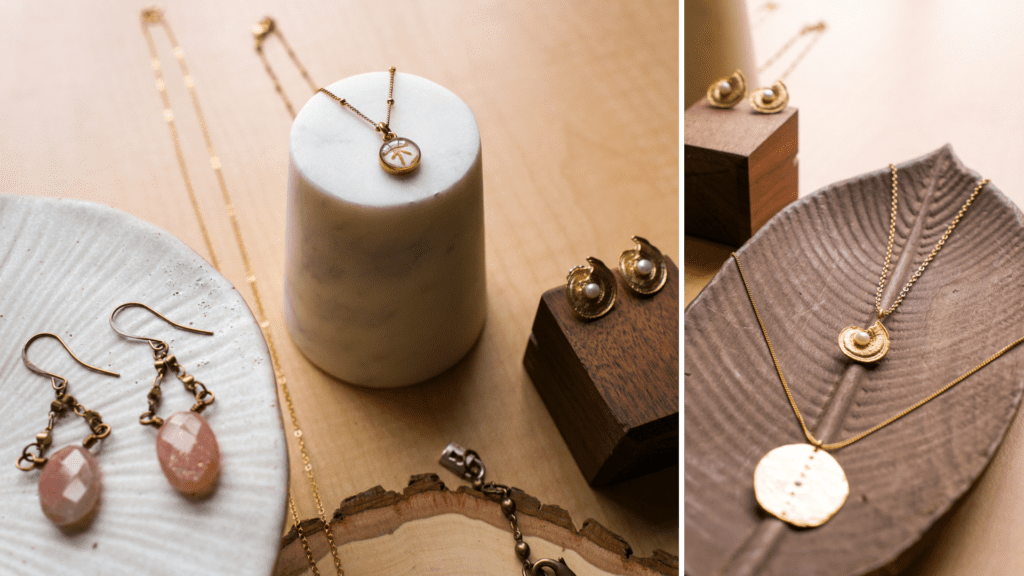
Gold Plated Woven Sunstone Bracelet, $185 

Oval Sunstone Drop Earrings, $80 

Tiny Flower Pendant Necklace, $35 

Nautilus Shell and Pearl Earrings, $130 

Nautilus Shell and Pearl Necklace, $105 

Bronze Orbit and Cubic Zirconia Necklace, $225 

Sunstone and Pearl Necklace, $125 

Three Pearl Drop Necklace, $130 

Leblon Golden Grass Earrings, $35 

Leda Golden Grass Earrings with Pink Stone, $65 

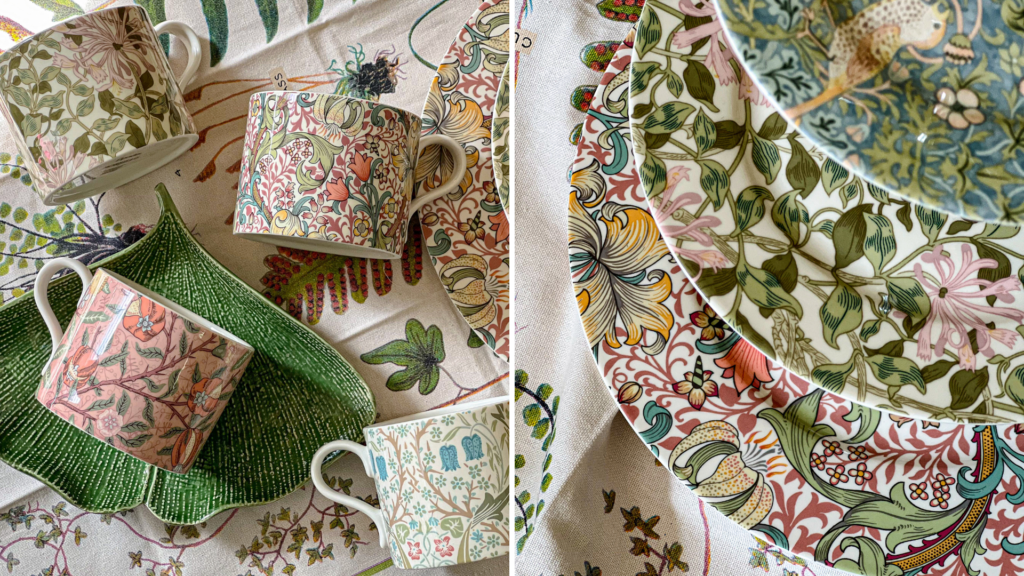
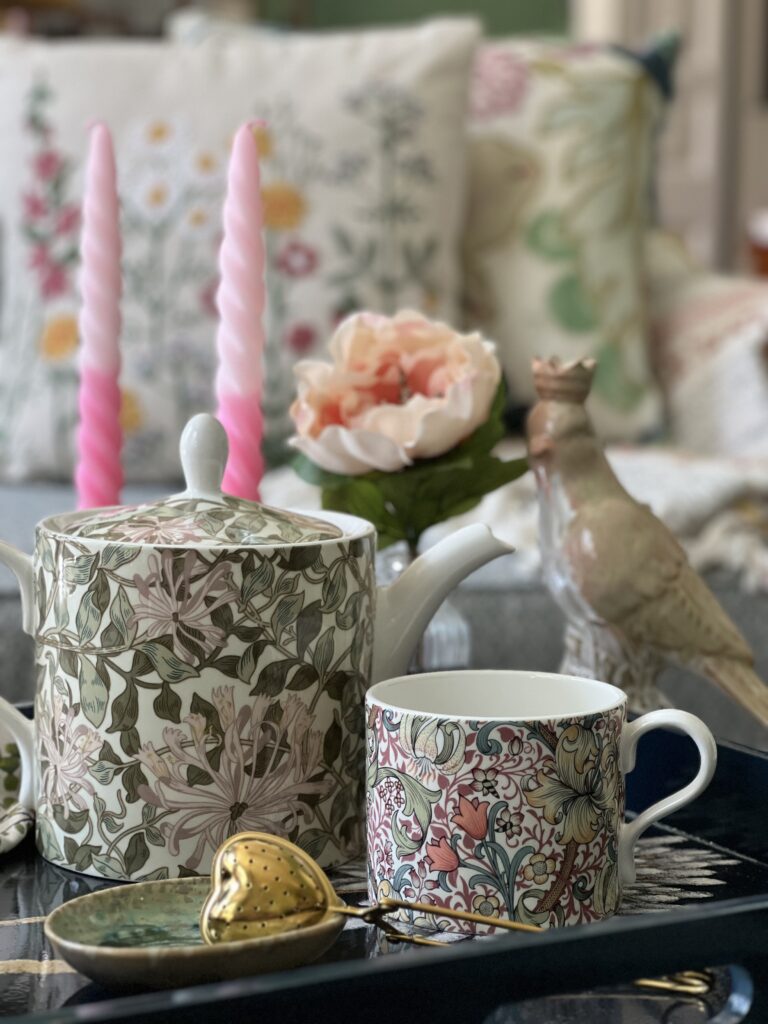
Quali(tea) Time

Morris & Co. Mugs (Set of 2), $50 

Morris & Co. Honeysuckle Teapot, $50 

Morris & Co. Tiered Desert Stand, $125 

Heart-Shaped Tea Strainer, $10 

Crowned Bird Figure, $16 

Faux Peony in Vase, $12 

Ombre Twisted Tapers (Set of 2), $12 

Protea Square Tray, $96 

Teal Crack-Glazed Dish, $5 

Fern Tea Towel, $20 

Gingko Leaf Dishes (Set of 2), $20 

Embroidered Meadow Pillow, $55 

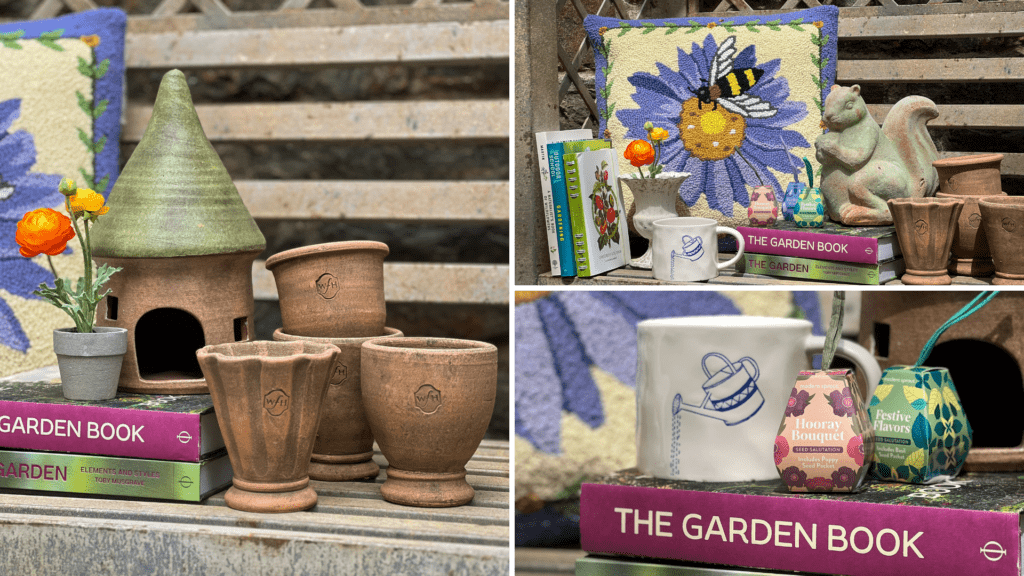
Green Thumbs Up

Charmant Garden Finial, $150 

Squirrel Garden Figure, $64 

Beehavin’ Purple Sunflower Pillow, $70 

Terracotta Toad House, $50 

Assorted Terracotta Wakefield Planters, $32 each 

Ceramic Watering Can Mug, $14 

The Garden Book, $59.95 

The Garden: Elements and Style, $49.95 

Seed Salutation Seed Packets, $8 each

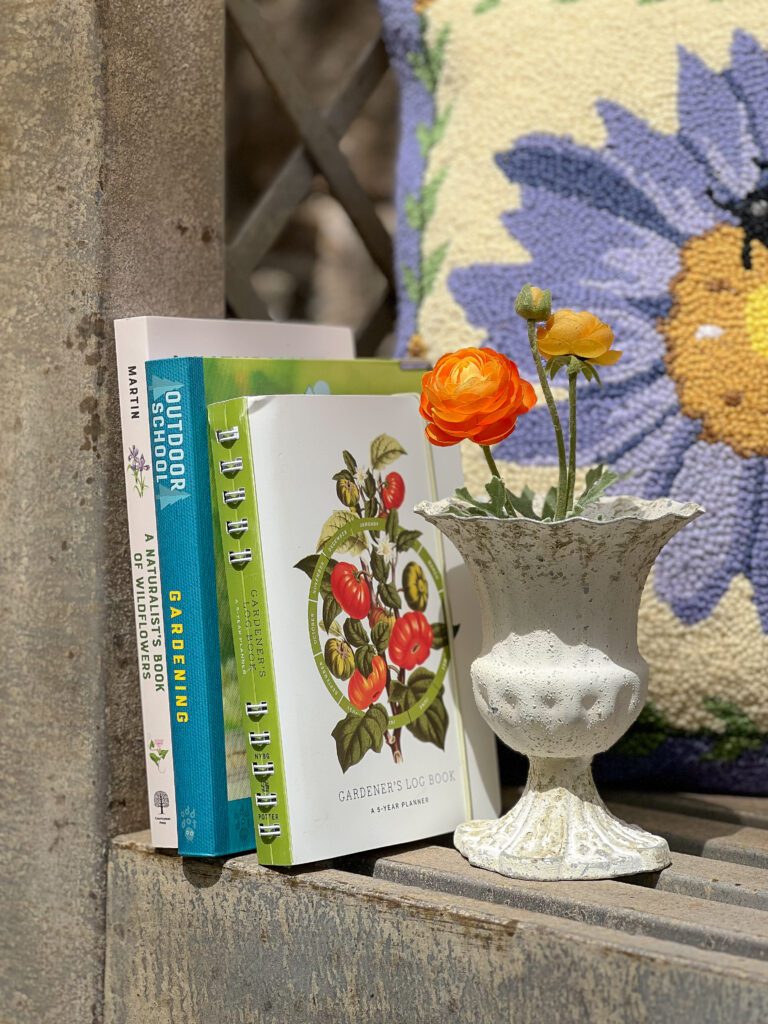
Small White Metal Urn, $17 

Mini Potted Faux Ranunculus, $22 

Gardener’s Log Book, $16.99 

Outdoor School: Gardening, $19.99 

A Naturalist’s Book of Wildflowers, $22.95

Dinnerware that Delights

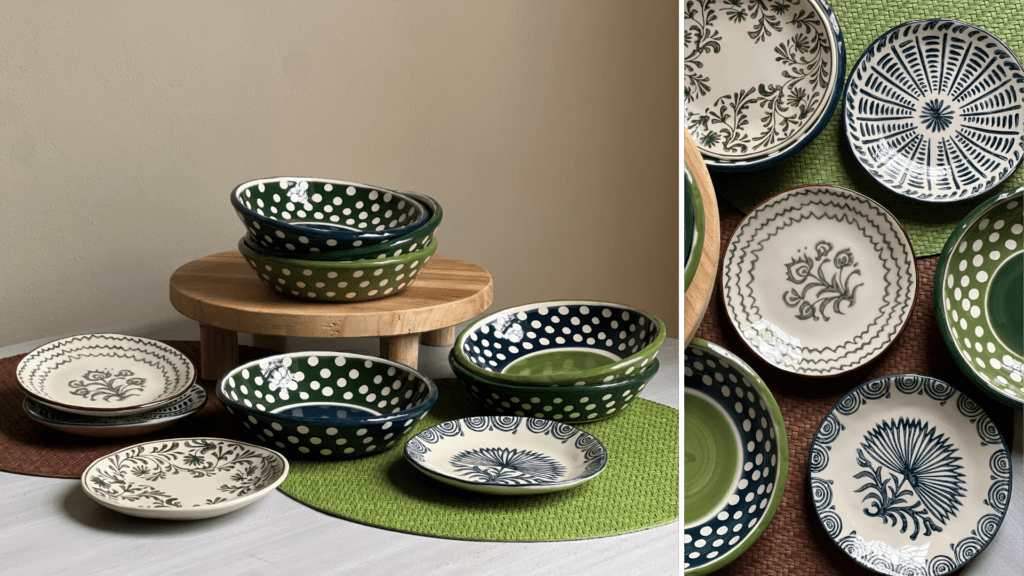
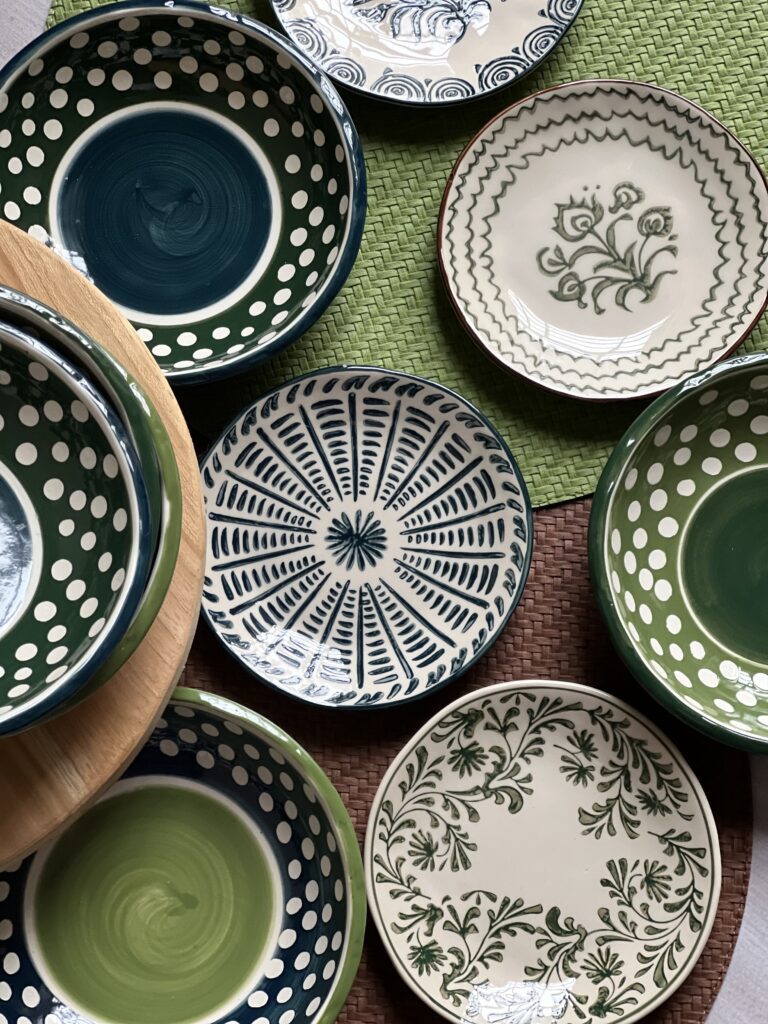
Assorted Floral Stoneware Plates, $11 each 

Assorted Relief Dots Stoneware Bowls, $16 each

Set a High Bar

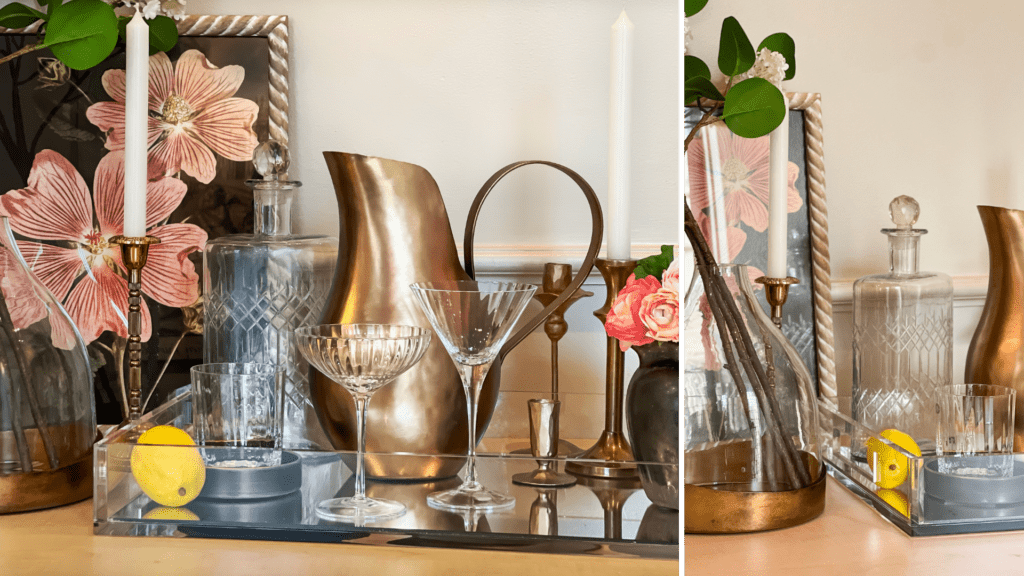
Framed Floral Print (18”), $55 

Faux Viburnum Spray, $15 

Glass Cloche with Metal Tray, $50 

Embossed Taper Holder in Gold (18”), $23 

Etched Glass Decanter, $70 

Cobbled Bronze Pitcher $90 

Adrian Tray, $9 

Corinne Crystal Old Fashioned Glass, $55 

Corinne Crystal Coupe Glass, $75 

Corinne Crystal Martini Glass, $75 

Metal Taper Holder (3”), $10 

Antiqued Brass Flower Taper Holder, $25 

Antiqued Brass Finial Taper Holder, $20 

Glazed Pitcher, $25 

Trinkets to Treasure

Desert Flower Necklace, $305 

Desert Flower Earrings, $78 

Dandelion Ring, $148 

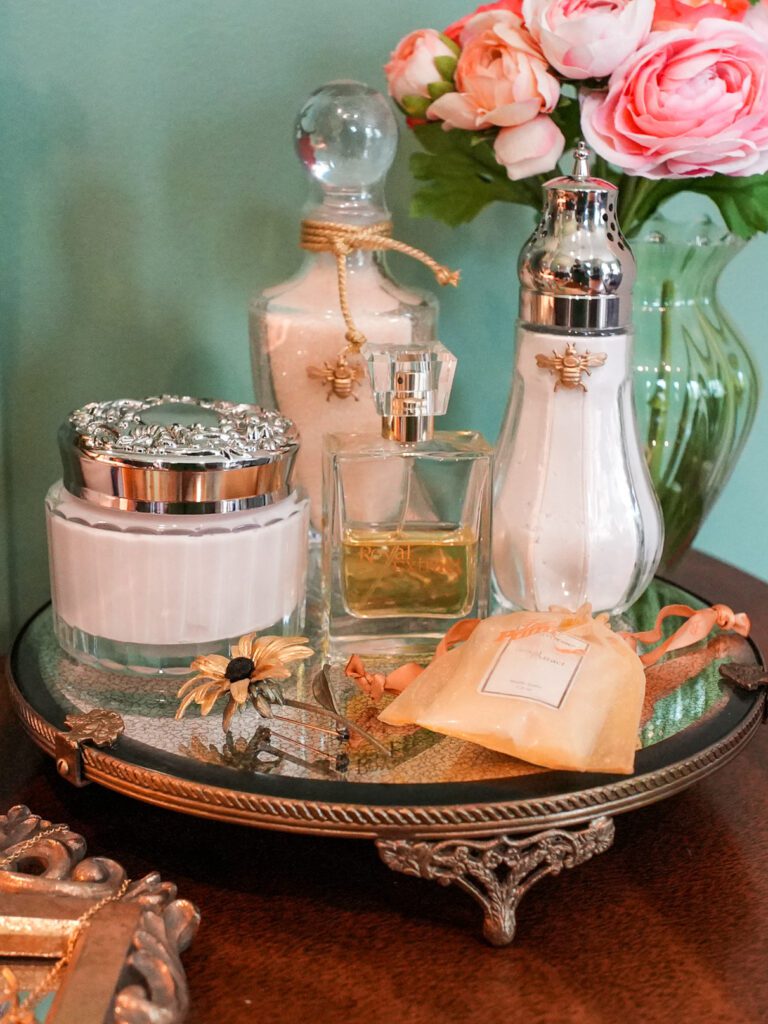
Black-Eyed Susan Brooch, $125 

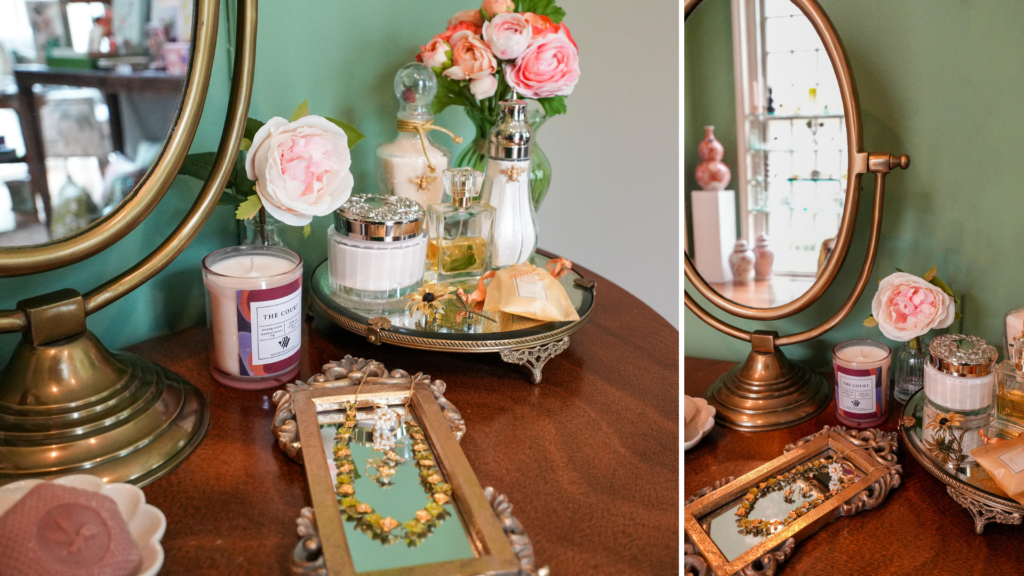
Royal Extract Bath Salts Sachet, $8 

Royal Extract Dusting Powder, $92.50 

Royal Extract Eau de Parfum, $125 

Royal Extact Bath Salts in Decanter, $88 

Lady Primrose Body Cream, $92.50 

Antique Brass Mirror Riser, $105 

Winterthur Hand Poured Candle, $35 

Ranunculus Bundle (13.5”), $25 

Green Glass Vase, $16 

Antique Brass Swivel Mirror, $110 

Wildflower Honey Bar Soaps (Set of 5), $56 

Assorted Fluted Insect Dishes, $9 each

Sip and Savor

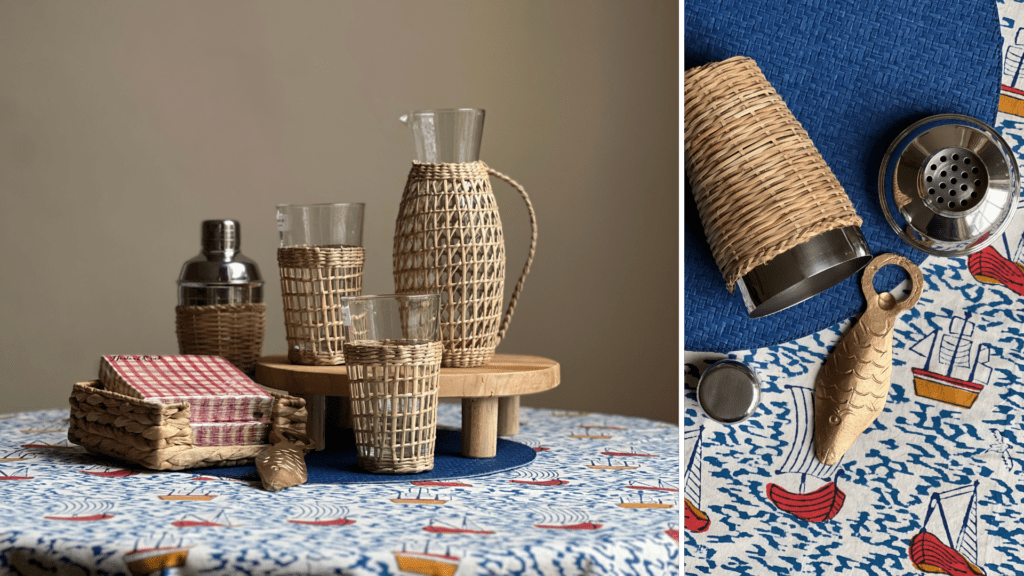
Harbor Boat Blockprint Round Tablecloth, $112.50 

Blue Woven Placemats (Set of 2), $55 

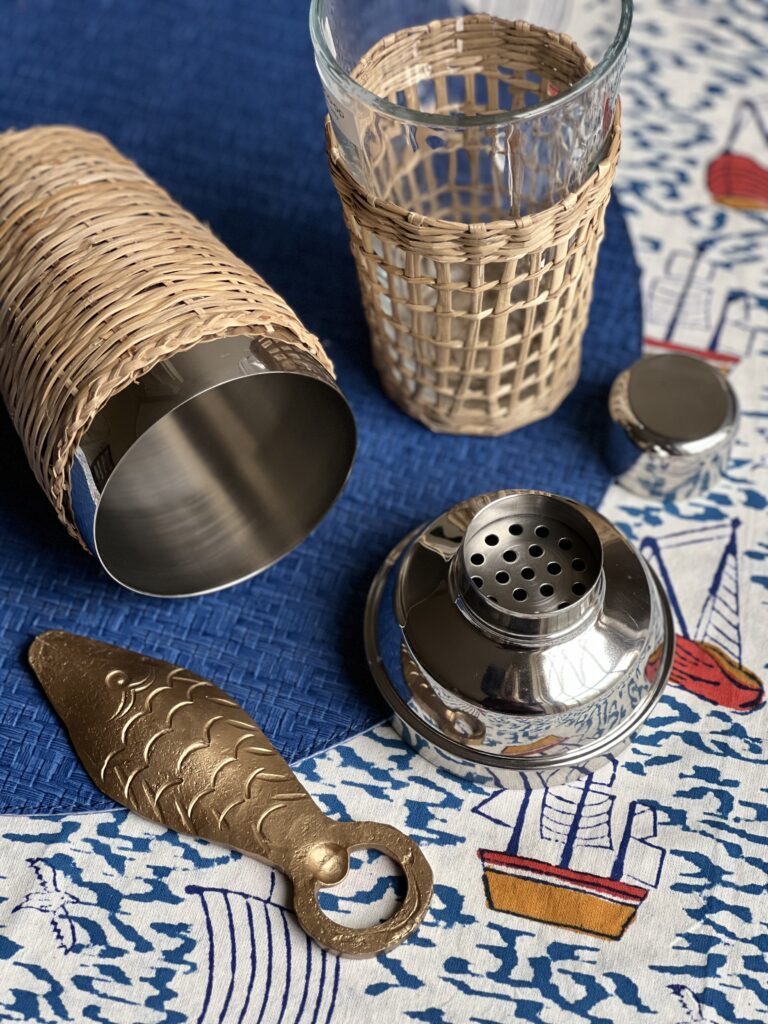
Rattan and Stainless Steel Cocktail Shaker, $25 

Glass and Woven Seagrass Pitcher, $35 

Drinking Glass with Woven Seagrass Sleeve, $10 each 

Brass Finish Fish Bottle Opener, $12 

Natural Woven Napkin Tray, $18 

Red Checker Paper Cocktail Napkins (20 pack), $8 

Lida Teak Wood Stand (Medium), $28 

Design Dreams

Head of Goddess Planter, $40 

Real Touch Peony Bundle (10.5”), $28.50 

Faux String of Pearls Pick, $17 

Faux Trailing Succulent Pick, $25 

Assorted Multi-Colored Vases, $10 each 

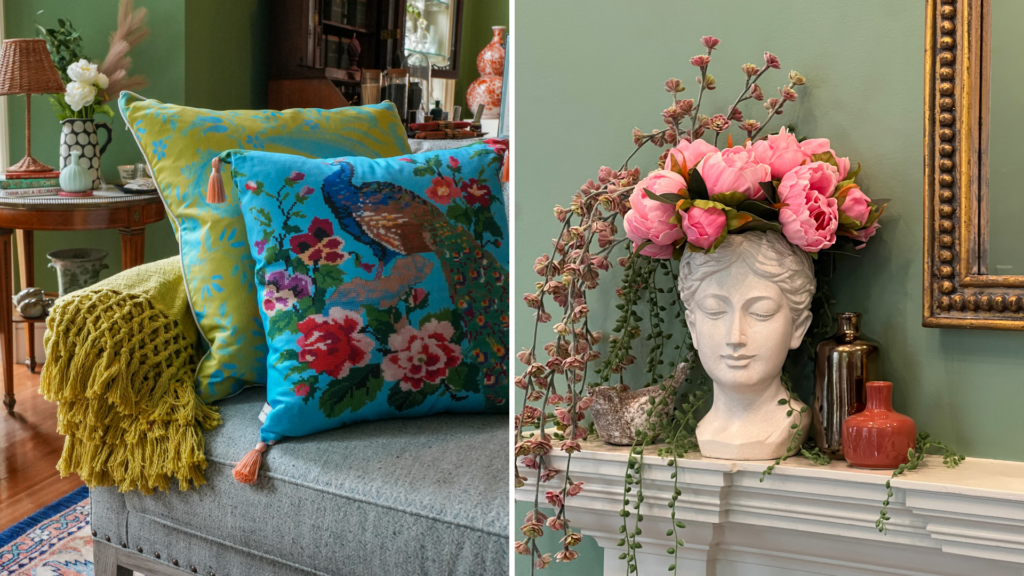
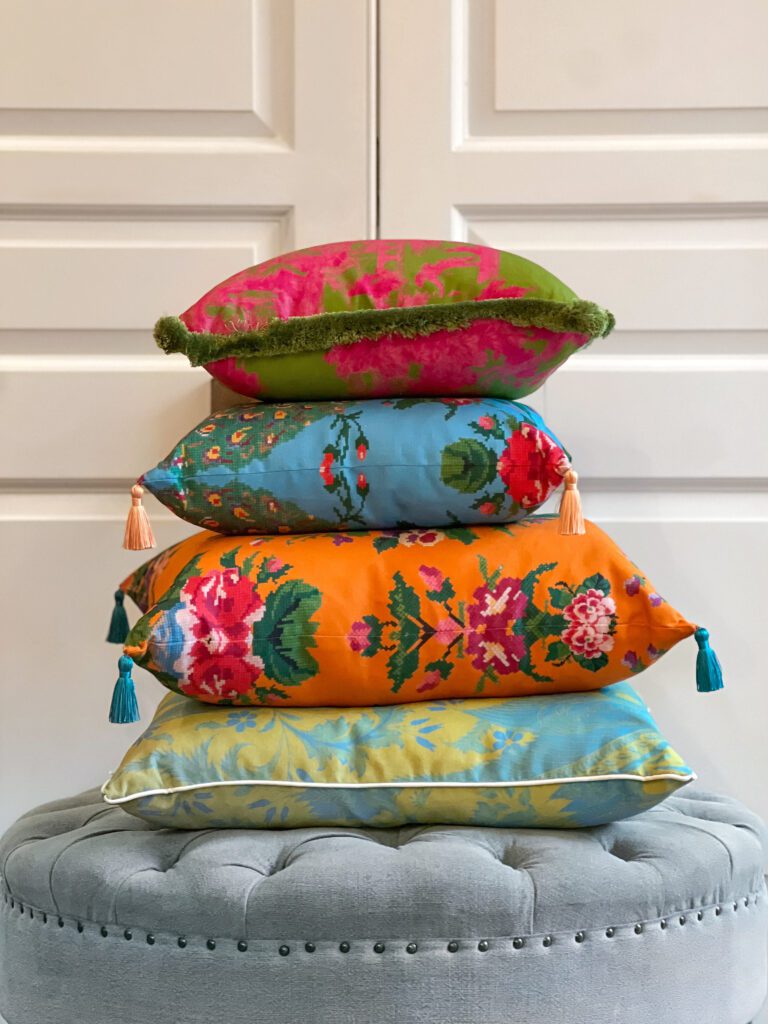
Paddybird Pillow in Lime Green and Azul (26”), $275 

Peacock Pillow in Persimmon (26”), $375 

Peacock Pillow in Azul (20”), $300 

Toile Pillow in Golf (20”), $300 

Cotton Fringe Throw Blanket, $50 

Stop by the Museum Store Tuesday–Sunday, 10:00 am–5:00 pm (general admission not required). Call 302.888.4822 or email museumstore@winterthur.org for a bespoke shopping experience provided by our talented retail team.

Make Memories with Mom this Mother’s Day

Give the ultimate gift! Time spent in the company of others or alone at Winterthur will leave her feeling refreshed and relaxed. From the smooth melodies of Bourbon and Bluegrass to the artistry of a symphony performance, we’ve curated a weekend full of memorable experiences. General Admission tickets are valid for two consecutive days (programs have an additional charge).

Purchase a Winterthur e-gift certificate or Gift of Membership online and let her fancy take flight in our museum, garden, library, and store. 

Founder’s Circle

Henry Francis du Pont, Winterthur’s founder, was a visionary collector and passionate horticulturalist. He turned his country estate into a museum with the vision that it would be a source of inspiration and education for visitors. Today, Founder’s Circle members carry forward that legacy with their support. 

In appreciation of their generosity, Founder’s Circle members enjoy opportunities to engage with Winterthur’s collections and connect with our curators across the museum, garden, and library. 

Founder’s Circle Members Make an Impact 

Through their generosity, Founder’s Circle members provide critical resources for Winterthur’s programs and initiatives. Members enjoy exceptional access and opportunities for learning and engagement with fellow donors. Benefits include:

$2,500$5,000$10,000$25,000
Invitations to exclusive donor events, academic programsxxxx
Invitation to the Delaware Antiques Show Opening Night preview party and daily complimentary general admissionxxxx
Special access to Winterthur’s senior staff members through private tours and general advisory servicesxxxx
Subscription to the Founder’s Circle newsletter xxxx
Invitation to the fall Founder’s Circle Annual Meetingxxxx
Fully tax-deductible annual contributionsxxxx
A subscription to Winterthur Portfolio: A Journal of American Material Culture, published three times a year for Winterthur by the University of Chicago Press xx
Opportunity to host a cocktail reception and personalized tour of the Winterthur collection, garden, or library with senior staff members (additional fees may apply)xx
Opportunity to schedule a private dinner for your household and six guests with Winterthur’s director and senior staff members (additional fees may apply)x

In addition to unique experiences, Founder’s Circle members receive daily free admission to the museum, garden, and estate, dawn-to-dusk access to the estate during our annual winter closure, and a 10% discount on shopping and dining at Winterthur.

For more information, please contact Alexandra Izzard in the Founder’s Circle office at aizzard@winterthur.org or 302.888.4878. 

Prescribed Burn Ignites Life at Winterthur

Tendrils of haze drifted across a meadow at Winterthur on a cool morning in early March…a familiar sight after a wet and misty winter. But this was not water vapor rising from a thawing field. It was smoke from vegetation set ablaze on the grounds of the estate.

Winterthur’s Arboriculture and Natural Lands team, in collaboration with the Winterthur Fire Department, had embarked on a journey of rejuvenation through prescribed burning. A marshy meadow along the back drive and a slice of the East Barn wetlands were consumed by controlled flames, dancing with the promise of renewal.

Smoke rises as the fire does its purifying work.

Prescribed burning is not an inferno driven capriciously by the availability of tinder and the arrival of a spark and wind. In fact, Kevin Braun, supervisor of arboriculture and natural lands, had even delayed the recent managed blaze by one day due to the possibility of high winds.

A prescribed burn is not about wanton destruction but rather strategic land management.

“Controlled burns are akin to nature’s reset button, benefiting wildlife, combating invasive species, and fostering the growth of native flora,” Braun said. It’s like giving Mother Nature a spa day, complete with a detox and facial.

Kevin Braun, supervisor of arboriculture and natural lands, second from left, coordinates a prescribed burn at Winterthur.

Our estate is a tapestry of habitats, and these prescribed burns serve as catalysts for biodiversity. Think of it as an open invitation to avian friends like the eastern bluebird, red-winged blackbird, and eastern meadowlark, beckoning them to nestle in our replenished grasslands.

Birds aren’t the only ones RSVPing to the targeted areas. Native pollinators like monarch butterflies and industrious bees eagerly flit among native meadow flowers and grasses, which flourish in the aftermath of a well-executed burn.

And it’s not just about the birds and the bees. By bidding adieu to thatch (the pesky buildup of cut grass), we’re liberating our meadow plants from suffocation and ensuring that vital nutrients aren’t held hostage beneath a blanket of dry grass. It’s like spring cleaning for the soul of the land, clearing away the clutter to make room for new growth and vitality.

There are practical benefits, too. “The areas we set ablaze aren’t exactly the friendliest to mowers,” Braun added. Marshy meadows and soggy wetlands make for treacherous terrain when it comes to traditional land management techniques. The process also minimizes the spread of pests and plant diseases.

With prescribed burning, we’re reclaiming these inaccessible spaces, transforming them into havens of biodiversity and beauty. So, as the smoke dissipates and the embers fade, what remains is not just charred earth, but a promise—a promise of vibrant ecosystems, thriving fauna, and a landscape teeming with life. Here at Winterthur, we’re not afraid to embrace the flames, for we know that within their flickering dance lies the secret to renewal and regeneration.

The burn is carefully tended throughout the process.

Point-to-Point returns for 46th year

WINTERTHUR, DE (March 13, 2024) – The 46th Annual Point-to-Point Races—with thrilling steeplechase horse races, an unparalleled tailgating atmosphere, delightful parades, and family fun—will take over the Winterthur Museum, Garden & Library estate on May 5.

Tailgate parking spaces and event wristbands are on sale now. For more information and to purchase, visit winterthur.org/PTP. The Point-to-Point web page details pre-event offers, contests, hospitality tents, and more. The page will be updated periodically as the event approaches.

The sights and sounds of Point-to-Point will thrill spectators while the Winterthur Hunt area will entertain with games and activities for all ages. Point-to-Point is Winterthur’s largest annual fundraising event.

Proceeds from this year’s Point-to-Point support key environmental and landscape stewardship initiatives such as Winterthur’s Natural Lands program managing woodland, meadow, and wetland habitats throughout the estate; preservation of the Winterthur Garden; and initiatives to invite members and visitors to enjoy almost 1,000 acres of conserved land.

Tailgate Parking Spaces and Tailgate Tents

Tailgate parking spaces start at $300, and tailgate parking tents start at $750; both include four adult guest wristbands. Additional tailgate wristbands are available for purchase: $60 Guest; $30 Under 21; Children under 10 free, wristband required.

Member Wristbands

Winterthur Members can pack a picnic and join us on Members Hill for the races. Individual Member wristbands are $60 and can be purchased online.

Parking Options

Guest parking is free for wristband holders. Shorten your walk by purchasing closer parking. Premium Parking North $25/car; Premium Parking South $50/car (limited quantities).

ABOUT WINTERTHUR MUSEUM, GARDEN & LIBRARY

Winterthur—known worldwide for its preeminent collection of American decorative arts, naturalistic garden, and research library for the study of American art and material culture— offers a variety of tours, exhibitions, programs, and activities throughout the year.

Winterthur is located on Route 52, six miles northwest of Wilmington, Delaware, and five miles south of U.S. Route 1. Winterthur is committed to accessible programming for all. For information, including special services, call 800.448.3883 or visit winterthur.org.

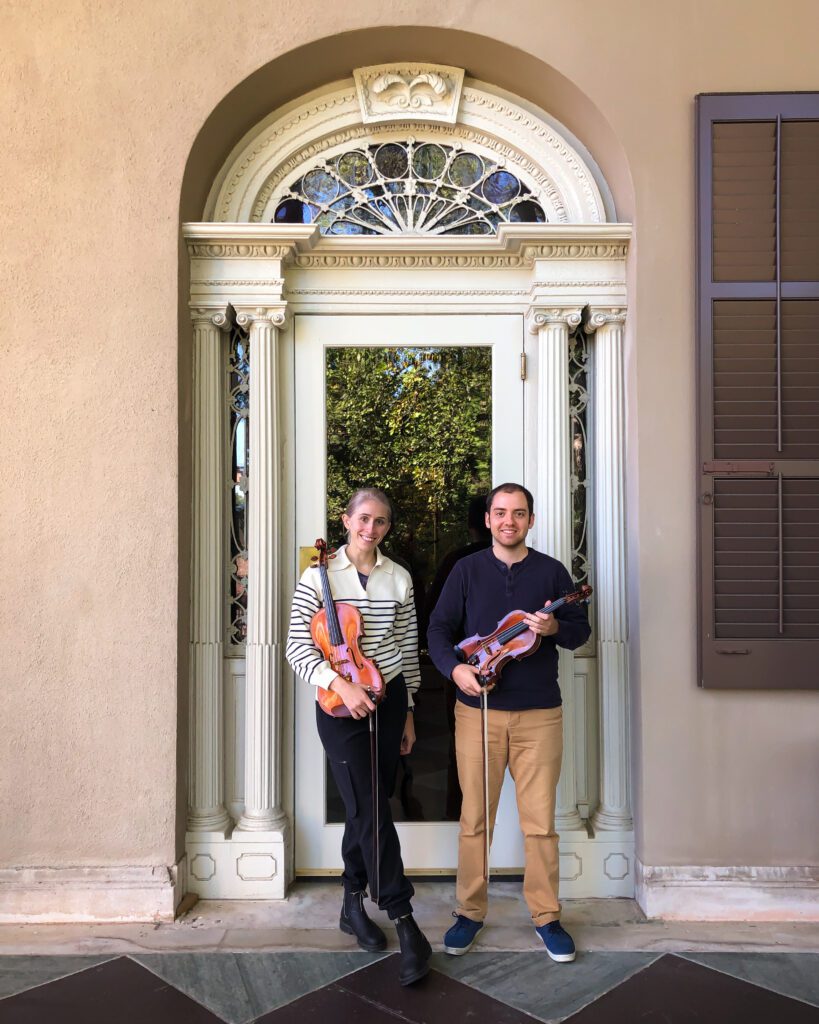
Alexandra Cade and Tommy Dougherty

About the Artists

Alexandra Cade is a Ph.D. candidate in the history of American civilization at the University of Delaware. An interdisciplinary scholar and musician, Cade studies the material culture of music, performance, and tourism in the early 19th-century Atlantic World. She has worked at the Sigal Music Museum and Colonial Williamsburg Foundation, and has undertaken fellowships through Winterthur, the Museum of Early Southern Decorative Arts, and the Classical American Homes Preservation Trust. Cade received her bachelor of music in viola performance from the Eastman School of Music and her master of arts degree from the Winterthur Program in American Material Culture, where she completed her thesis on amateur-made antebellum American pianos.

Social Media: @ConcertoChick

Tommy Dougherty is a native of Pittsburgh, Pennsylvania, and is a violinist and composer of orchestral, chamber, and solo works. The Orchestra of St. Luke’s recently premiered a new work by Tommy through his participation in the DeGaetano Composition Institute, where he worked closely with mentor composer Anna Clyne. His music has been performed by the Johnstown Symphony Orchestra, American Composers Orchestra, the Modern Violin Ensemble, and Alarm Will Sound, and he is the recipient of three ASCAP Morton Gould Young Composer Awards. Tommy currently lives in San Diego where he plays with the San Diego Symphony. 

Website: TSDoughertyComposer.com

The Winterthur Suite and Ruth’s Fugue | Chinese Parlor

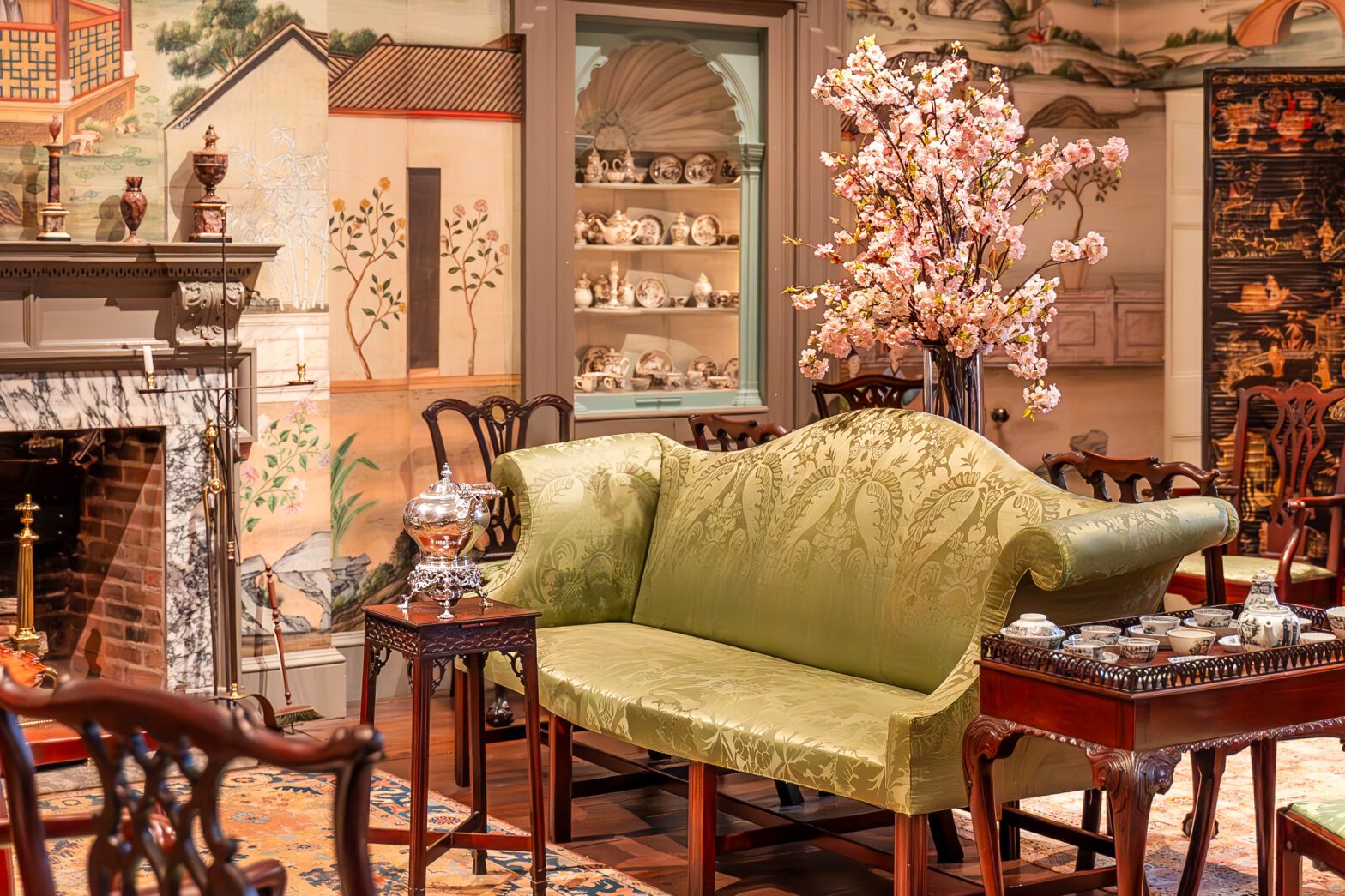
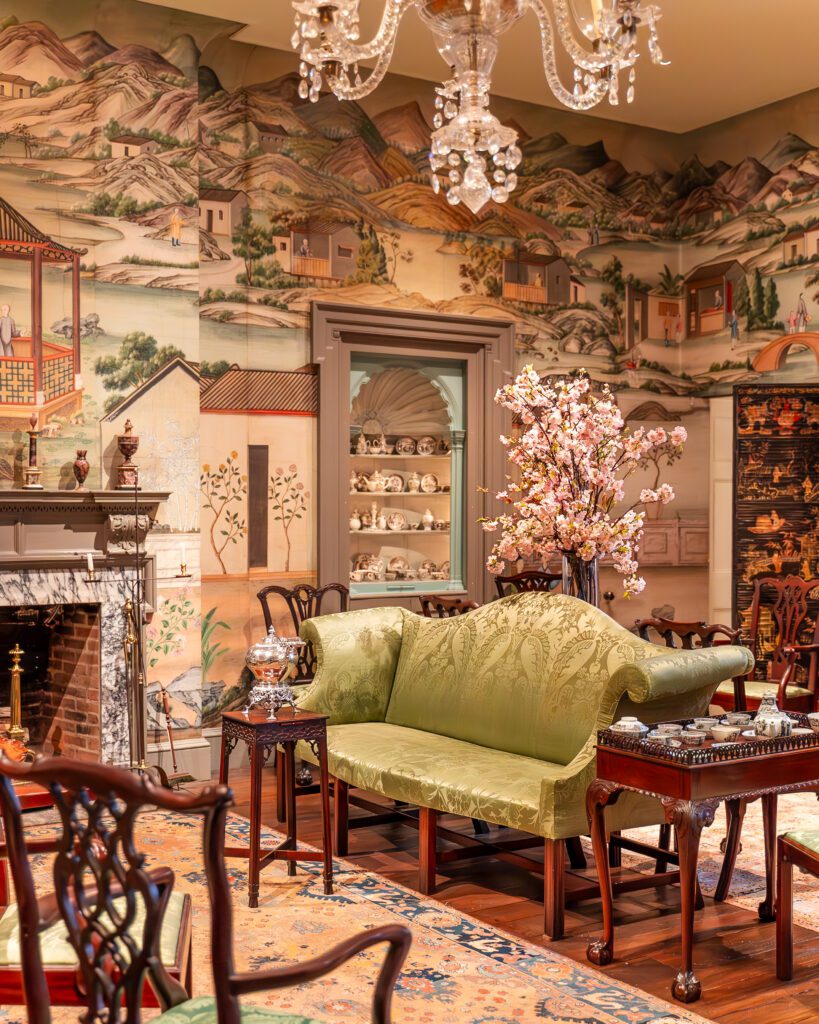
The fugue composed by Ruth du Pont is the most complete of her musical creations. Trained in piano at the Peabody Conservatory in Baltimore, Ruth found joy and solace in playing and listening to music. While seeking inspiration for their own Winterthur composition, Allie Cade and Tommy Dougherty found Ruth’s fugue in the archives. This became the inspiration for the final movement of The Winterthur Suite. You can hear this movement in the Chinese Parlor on the introductory tour of the house rooms.

Beginning June 8, you can listen to the full version of The Winterthur Suite in the Transformations exhibition.

The Winterthur Suite | Galleries

The Winterthur Suite merges aural and haptic reactions to six selected objects and spaces from across the Winterthur collection and grounds. Drawing inspiration from art-based compositions in the Western musical canon, like Modest Mussorgsky’s Pictures at an Exhibition (1874), our work endeavors to encourage new reactions to the familiar by forging radical sensory connections with our audience. We asked: what could we learn if we listened to objects or environments in a space like Winterthur? Looking to the warp and weft of a sampler, the crystalline lyricism of a glass flask, or the clean and methodical lines of Shaker furniture, we worked to translate the tactile into sound. By forging these novel sonic relationships, we hope to begin a conversation of multisensory refractions through The Winterthur Suite

The Radish Project

About the Artists

Dan Feinberg
Paint Lick, Kentucky

Dr. Mary Parr
Berea, Kentucky

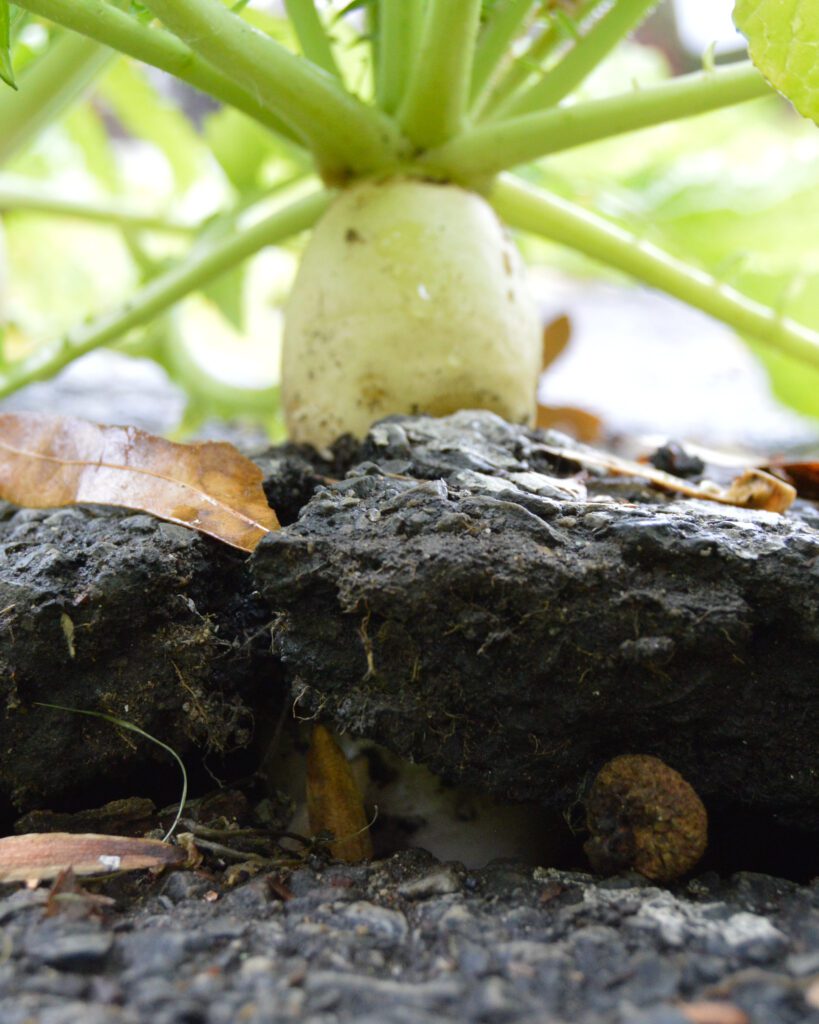
Although the Radish Project came to Winterthur as a result of conversations that began while Dan Feinberg was in residence as a Winterthur Maker-Creator Fellow, this project is intensely collaborative. Planting beds are located in and beyond Delaware, acting as remote sites of a unified project to bring attention to environmental challenges such as over paving, flooding, drainage, and water quality. Radishes planted in patterns break pavement that is no longer needed and create better drainage.   

Read more about the Radish Project at Winterthur.

The Radish Project is currently on view in the Empire Parlor. Additional installations related to the radish project will be on display in the Galleries Reception Area and in the Galleries from June 8, 2024 to January 5, 2025.

Artist Statement

Repeating patterns, like those found in wallpapers, textiles, and other objects, inspired the planting designs and the radish “avatars” created in the Radish Project and seen in the Winterthur house, Galleries Reception area, and here in the Galleries. Using familiar things like wallpaper can help viewers connect to the environmental messages of the project that can otherwise seem distant or hidden from sight.  

Planting Together 

Below is a list of people whose labor has constituted the project’s development and ongoing life. There are others who contributed along the way who wish to remain anonymous or whose names we were unable to record. 

Ali Alberta, Janee Amig, Prince Aminu, Marisa Angel, Emily Bach, Sol Baumgartner, Emily Beeber, Sophie Bell, Julia Bouwkamp, Benét Burton, Julian Clark, Kim Collison, Christian Cooter, Amy Curry, Catherine Cyr, Catharine Dann Roeber, Ted Davis, Meghan Doherty, Brian Eisenhauer, MJ Embree, Avery Fair, Dan Feinberg, Kelly Fu, Robert Garland, Janea Garner, Jena Gilbert-Merrill, Irwin Goldman, Nicholas Goodwin, David Govatski, Phil Griffiths, Steve Groff, Thomas Guiler, Collin Hadsell, Julia Hamer-Light, John Hayes, Scott Heggen, Autumn Heil, Ann Hewitt, Sylvia Hickman, Inna Horbovtsova, Margaret Hughes, James Hutzenbiler, Alexandra Izzard, Elaheh Jamal, i Rachael Kane, Clint King, Dasha Likhacheva, Alex Lopez Guzman, Austin Losada, Haritha Malladi, Chris Malone, Lisa Mangin, Molly Mapstone, Chase Markee, Madeline Markert, Megan Markert, Kit Martin, Daisy Martin, Cody Mitchell, River Moon, Aaron Morris, Concepta Njolima, Kara Norris, Emmy Norris, Quinn Norris, Sam O’Hara, Laura Ochoa Rincon, Andrew Oles, Jocelyn Paradis, Mary Parr, Moriah Peña, Rob Plankinton, Isaac Renner, Katrina Reynolds, Riley Richards, Kimberly Ritchie, Katie Roach, Elizabeth Roeber, Naomi Sabotnick, John Salata, Lenny Santiago-Bautista, Devin Santos, Betsy Schley, Ethan Snyder, Chloe Soliday, Richard Stout, Chris Strand, Naomi Subotnick, Kendall Sullivan, Emi Torres-Vera, Heidi Underbakke, Natasha Vadas, Amy Villamagna, Nathan Wiley, Meg Wilson, Megan Wolverton, Students in Conversations in Sustainability at Plymouth State, Fall 2022, Winterthur Garden staff and Natural Lands staff.  


It’s Electric! New Tram a First for Winterthur

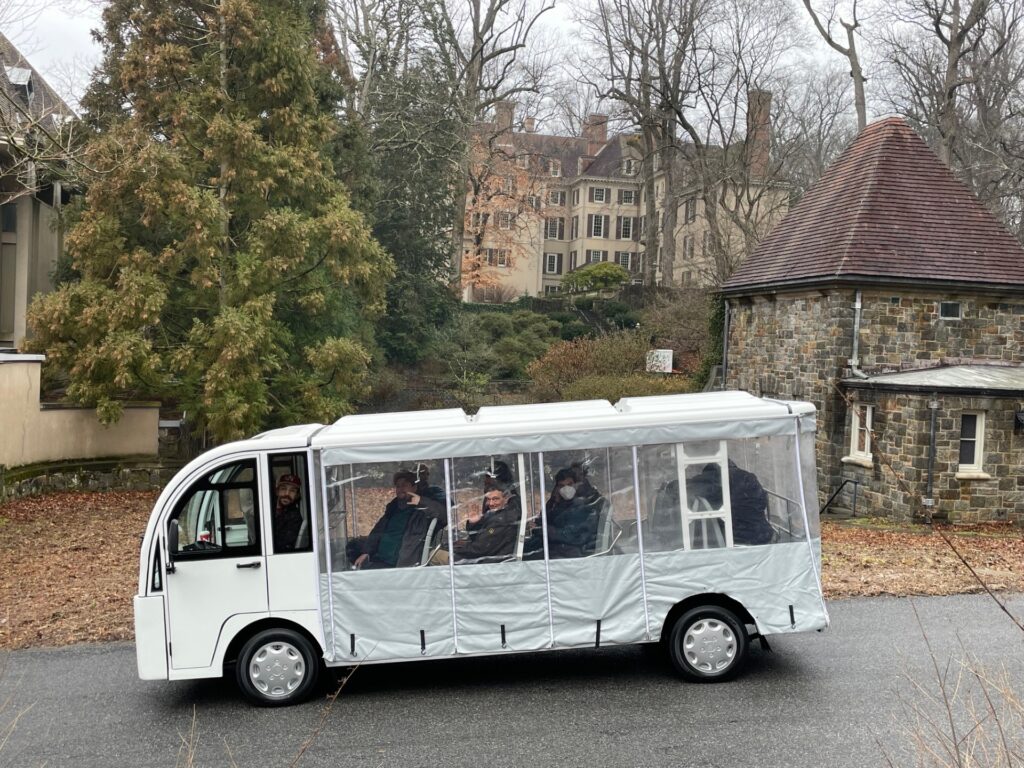
Winterthur staff recently enjoyed a serene journey around the estate aboard the museum’s inaugural—and pleasantly quiet—electric tram.

Priced at just over $70,000, the electric tram comes with a significant advantage: it’s approximately 40 percent cheaper than its gas-powered counterpart. During a recent test run with various staff taking turns on board, the tram gracefully traversed the garden paths for three hours, utilizing only half of its battery charge.

Eileen Scheck, manager of tour programs, said staff affectionately dubbed the tram “EVelina.”

The name was chosen, not just because of the play on the term “EV” for “electric vehicle,” but also for du Pont ancestor Evelina Gabrielle du Pont Bidermann (1796-1863), the first generation of du Ponts to garden at Winterthur.

Plans are underway to procure more electric trams if EVelina proves to be a success.

Charging EVelina is a breeze, with dedicated outlets conveniently located in a barn on the estate. With Winterthur boasting 118 buildings across nearly 1,000 acres, this strategic placement ensures easy access for maintenance and charging, said John Castle, director of facilities services.

Scheck praised EVelina’s agility, noting its narrower frame effortlessly navigated the estate’s winding pathways and Garden Lane. It’s a seamless addition to Winterthur’s fleet, which now includes six vehicles for guided tours: four gas-powered trams, one wheelchair-accessible garden bus, and EVelina.

“The introduction of our electric-powered tram enhances the multi-sensory experience of our open-air tours,” remarked Scheck. “Visitors can now engage fully in the sights, sounds, and scents of the garden, making for an unforgettable journey.”

With EVelina leading the charge, Winterthur continues to embrace innovation while preserving its rich heritage, offering visitors an eco-friendly and immersive way to explore the estate’s natural beauty.

The next time you come to explore our gardens on a guided Garden Tram Tour, be on the lookout for our very own electric tram and experience for yourself the gentle serenity of a ride aboard EVelina.

By the smiles on their faces, it seems Eileen Scheck, in the driver’s seat at left, and John Castle, in the rear-facing seat at the back of the new electric tram, enjoyed the recent test run of “EVelina.”

Richard Saja

About the Artist

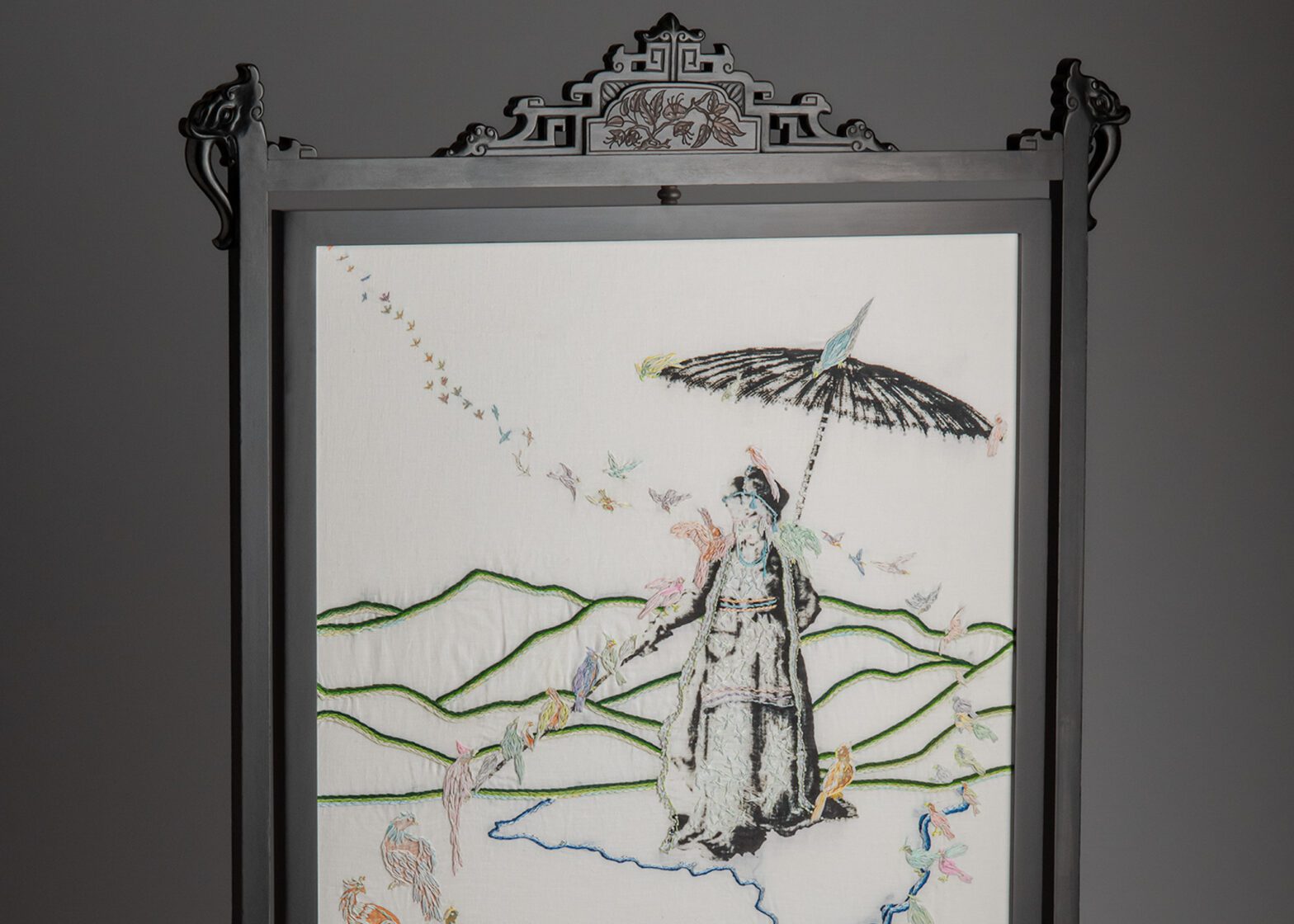
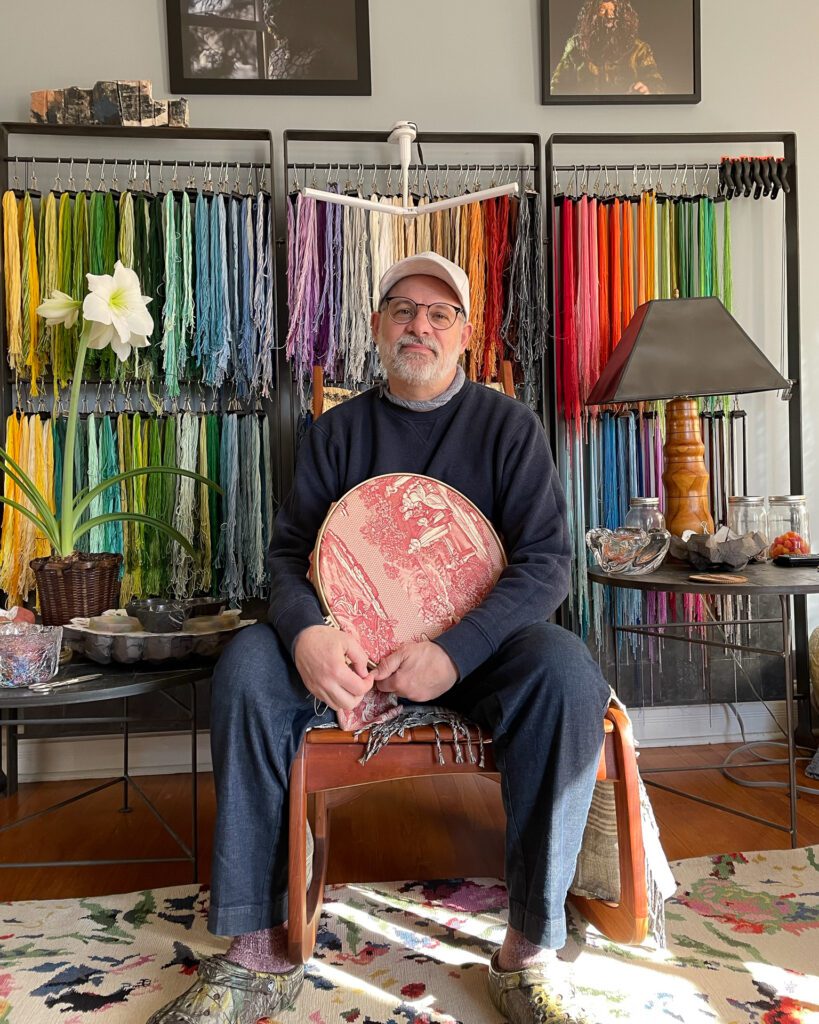
Richard Saja is an artist making work in Catskill, New York. After first attending the University of the Arts in Philadelphia to study surface design, he devoted his studies to the great books of Western Civilization at St Johns College in Santa Fe, NM and received a BA as a math and philosophy major. After a brief stint working as an art director on Madison Avenue, all his interests coalesced and a small design firm, Historically Inaccurate Decorative Arts, was born in the early aughts and gradually evolved into a fine art practice. 

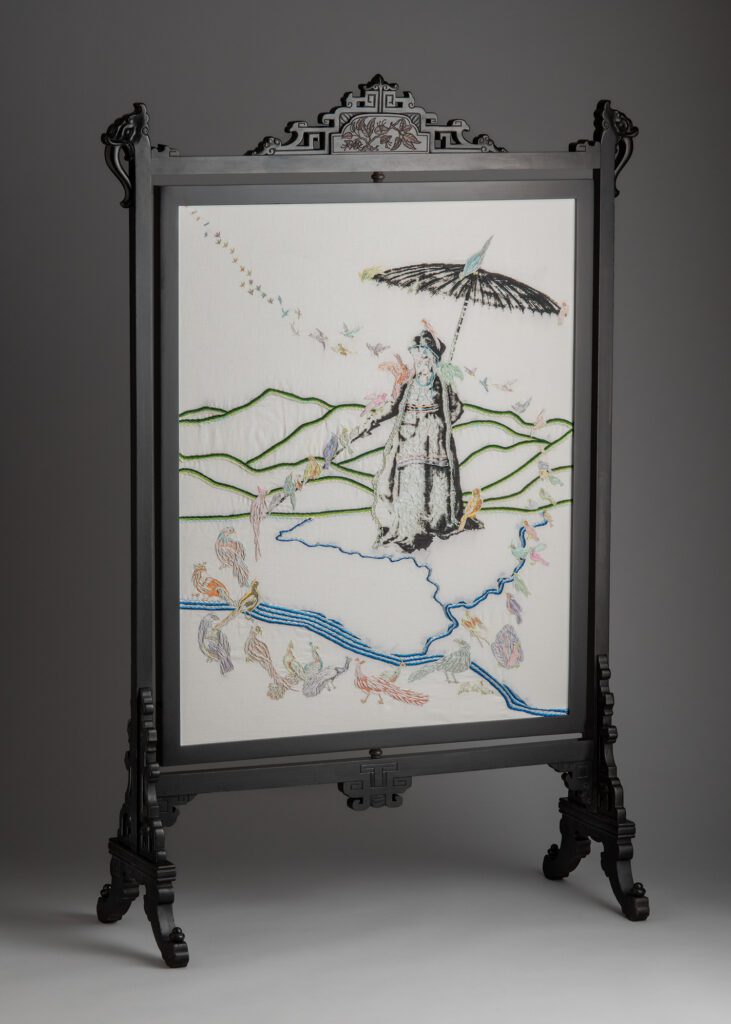
Though he occasionally feels the need to explore avenues of expression beyond that of the needle, the majority of Saja’s work focuses on creating interferences on the formal patterns of French toile through embroidery. 

He has exhibited internationally with shows in London, New York, Paris, Berlin and South Korea and will have a solo exhibition at the Toile de Jouy Museum in Jouy en Josas, France in 2023. 

Evolving Utopia | Port Royal Parlor

Richard’s enduring love and fascination for textiles derives from the absolutely unlimited interplay of pattern, color and texture – there is no other medium where this trinity is so fully realized. He came up with the embellished toile concept while waking from sleep years ago. The original idea was to embroider Maori facial tattoos onto figures in the print but he soon discovered there were no toile prints available where that concept could be realized because of the relatively small scale of nearly all toile prints.  He thus amended the concept slightly to include any and all embellishment. Historically, toile de Jouy is a print that through its dense repetition becomes anonymous. It’s a tabula rasa begging for context not unlike a child’s coloring book. The act of selectively embellishing small areas of it automatically inverts its historical usage: suddenly the anonymity of the print is broken and it evolves through its subversion which appeals greatly to Richard. With an economy of means, a whole new context is created. There is another story there, it just needs to be drawn out.