Self-Paced House Tours are unavailable beginning November 9 as we prepare the house for Yuletide. Guided specialty tours remain available.
The Museum Store will be closed November 16–20 for Yuletide preparations. Explore Tours »
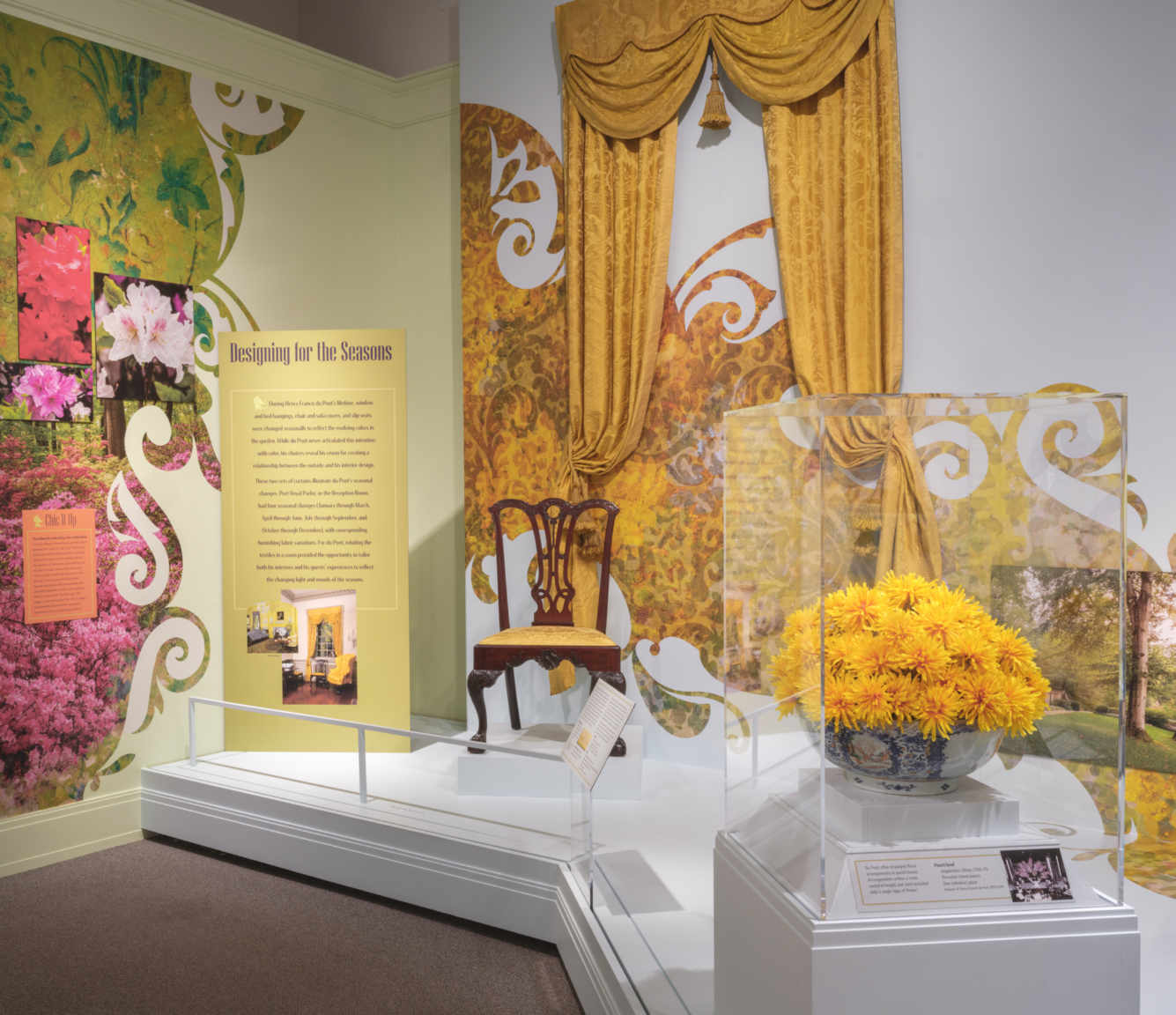
Beginning in childhood, Henry Francis du Pont was a collector, gathering birds’ eggs, plants, and other natural objects in the gardens and woods of Winterthur and beyond. In later years, that same drive to gather and create beauty with objects was translated on a grand scale into his remarkable collections of decorative arts.
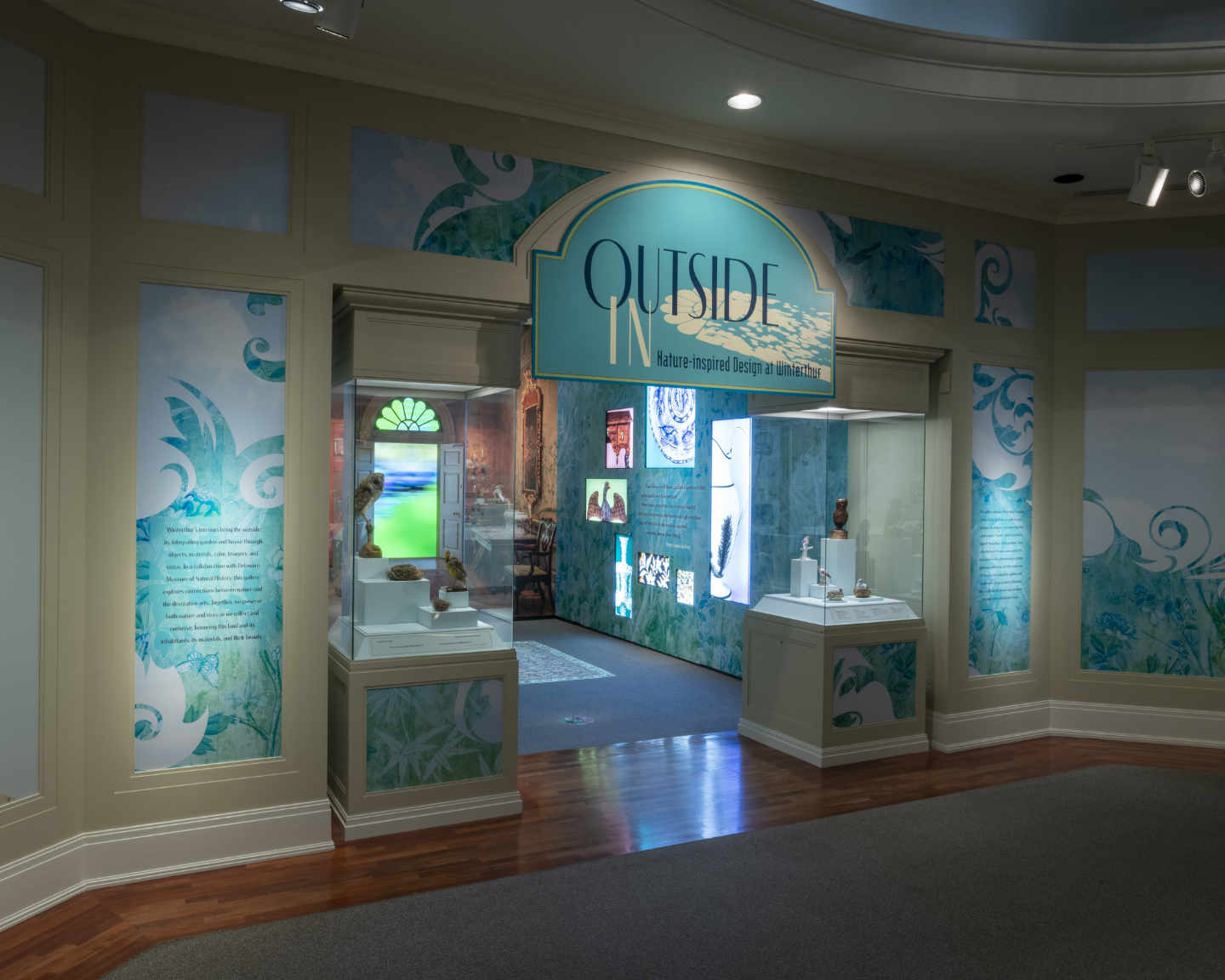
In partnership with the Delaware Museum of Nature & Science, the exhibition brings selections from their collection of natural specimens together with collections drawn from Winterthur’s museum and library holdings, demonstrating the powerful connection between nature and the decorative arts.
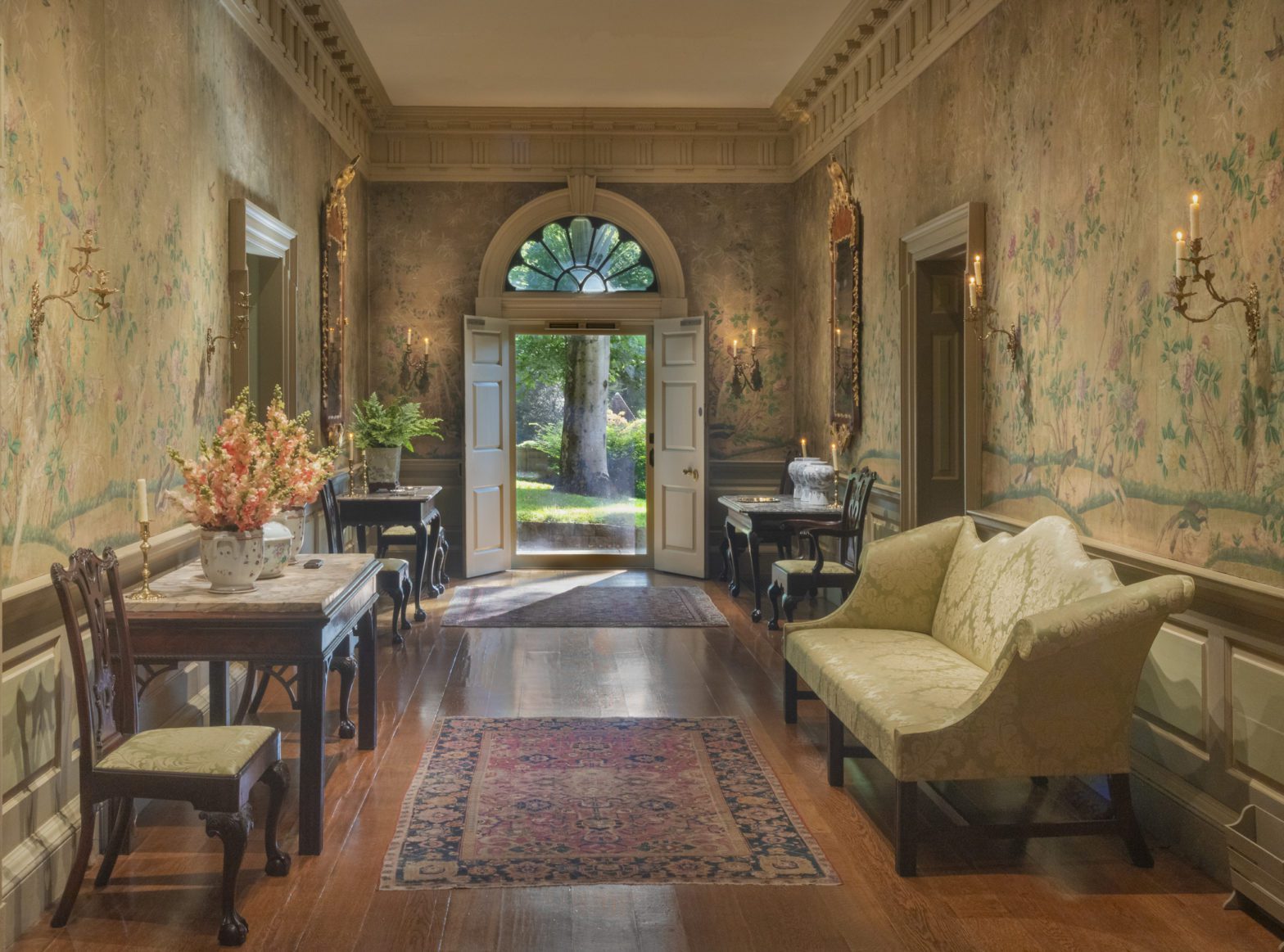
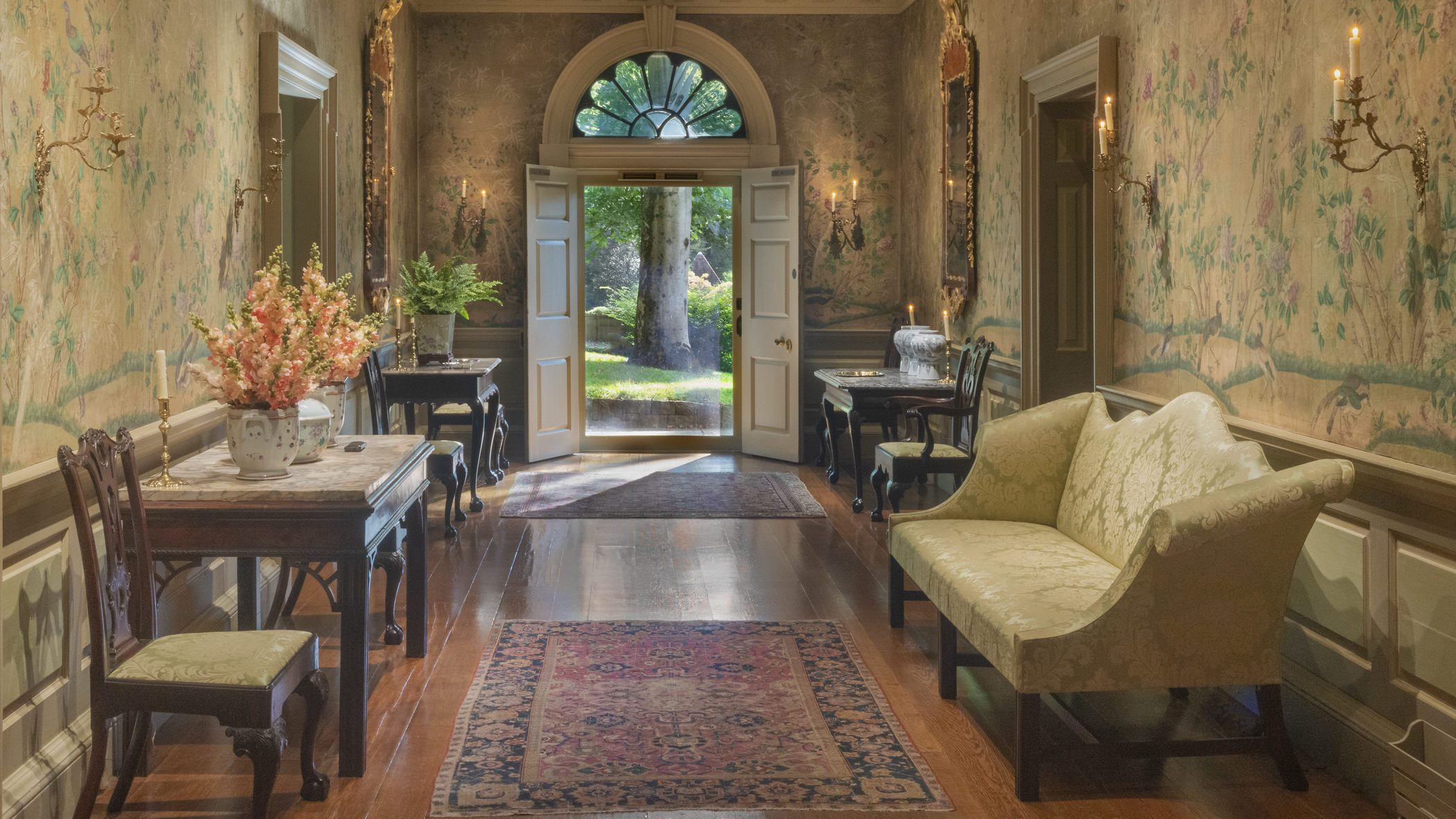
Outside In considers how du Pont’s interiors looked to the outside and brought it inside in an aesthetic that has inspired designers ever since. The enduring theme of nature in design is captured through objects featuring naturalistic elements and, in some instances, objects such as shells and feathers found in nature. Organic objects such as ladles made from coconut shells and busks made from whale bone are included in the exhibition, inspiring visitors to consider current discussions about preservation and conservation of the natural world. This visually eclectic and immersive installation will capture the imagination of visitors of all ages with objects ranging from a hornet’s nest to shells, minerals, and fossils to exquisite inlaid cabinetry and shellwork grottos.
Explore the Exhibition
Outside
In
Curator Kim Collison introduces the Outside In exhibition now open at Winterthur.
Organic Objects
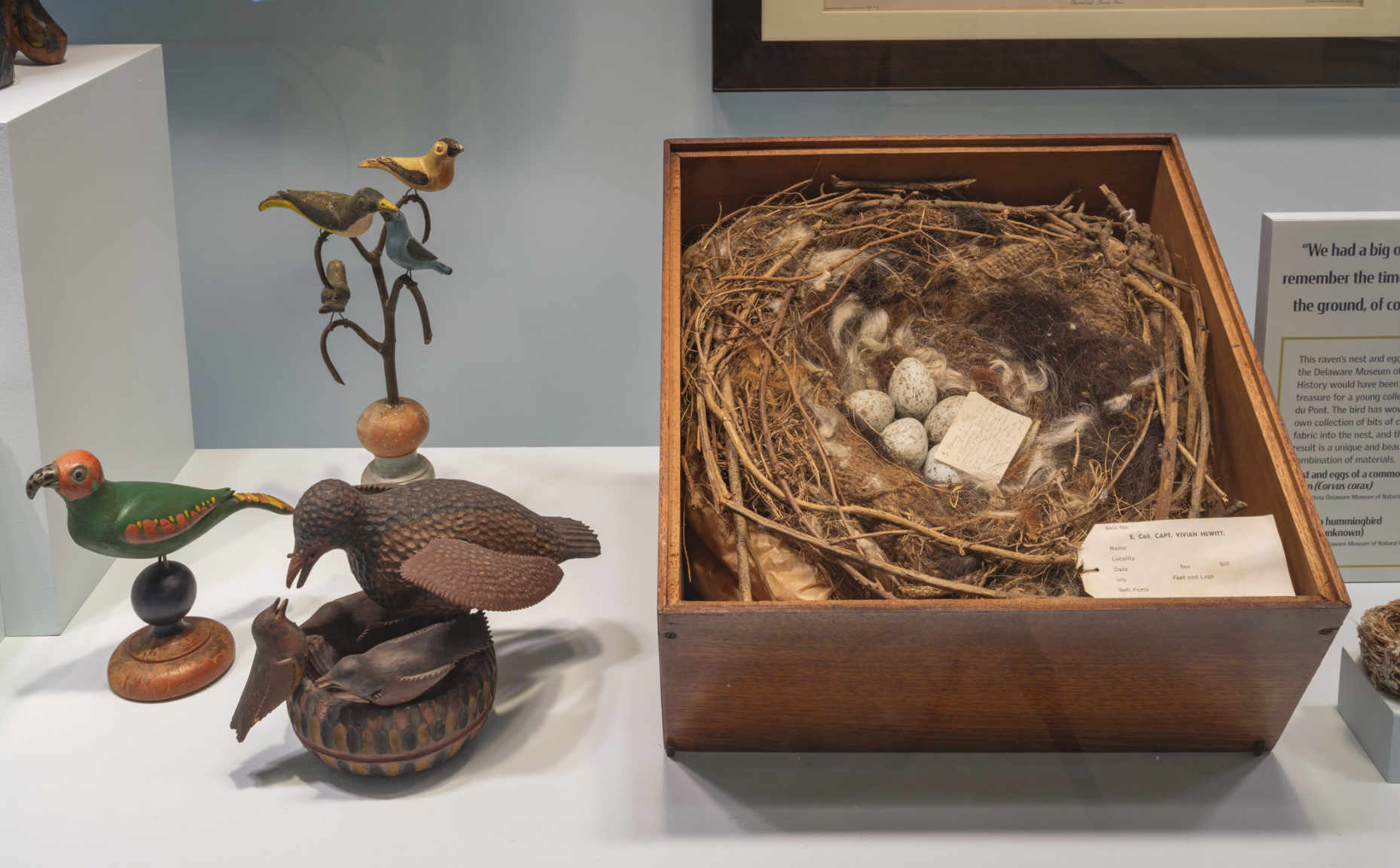
Cathy Perrotto of the Delaware Museum of Natural History shows us two birds’ nests in ...
The
Design
Designer Sally Comport shares how she created the fresh, vibrant look for Outside In.
Nowadays, a purchase at many stores concludes with the question, “Would you like your receipt emailed or printed?” But in 18th- and 19th-century America, the customer would often handwrite their purchases in blank books which would then be signed by the vendor to certify the transaction.
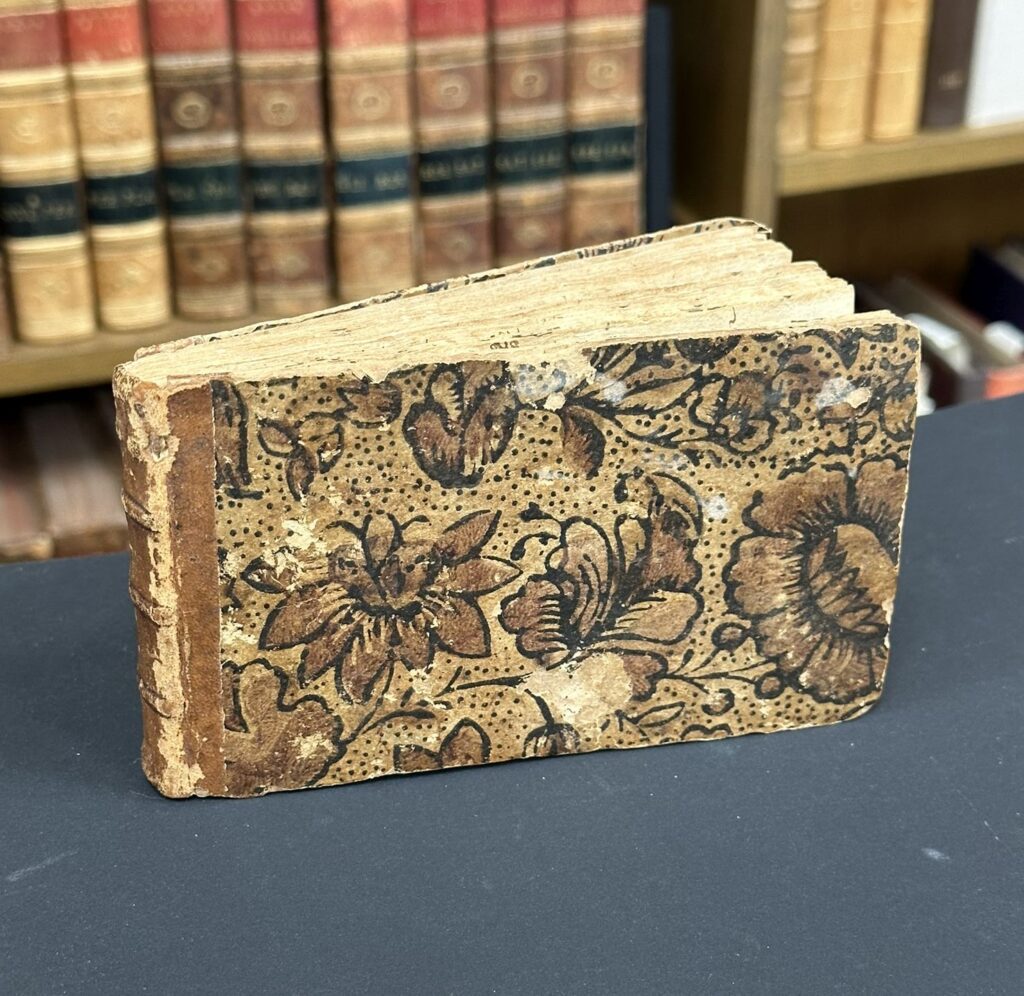
The Winterthur Library recently acquired an unexpectedly personal example of how receipts were recorded before every shop had a small printer on the counter. This Delaware manuscript receipt book is a pocket-sized, leather-bound volume used as a daybook from 1768 to 1853 by several generations of the Kendalls, a Quaker family from New Castle County, Delaware, and holds records for purchases and other financial matters.
Jesse Kendall (1741–1769) was the first to use the book. Jesse was born in Wilmington, Delaware, the son of a cordwainer (a shoemaker specializing in working with new leather). According to Quaker wedding records held by the Winterthur Library, Jesse was also a cordwainer when he married Mary Marshall in 1763. However, the 23 receipts he recorded between 1768 and his death in 1769 suggest he may have changed vocations at some point, since most of the receipts are for the purchase of molasses, rum, imported goods from Jamaica, and copious barrels of flour. Jesse’s final entry listed a payment of his taxes for 1768.
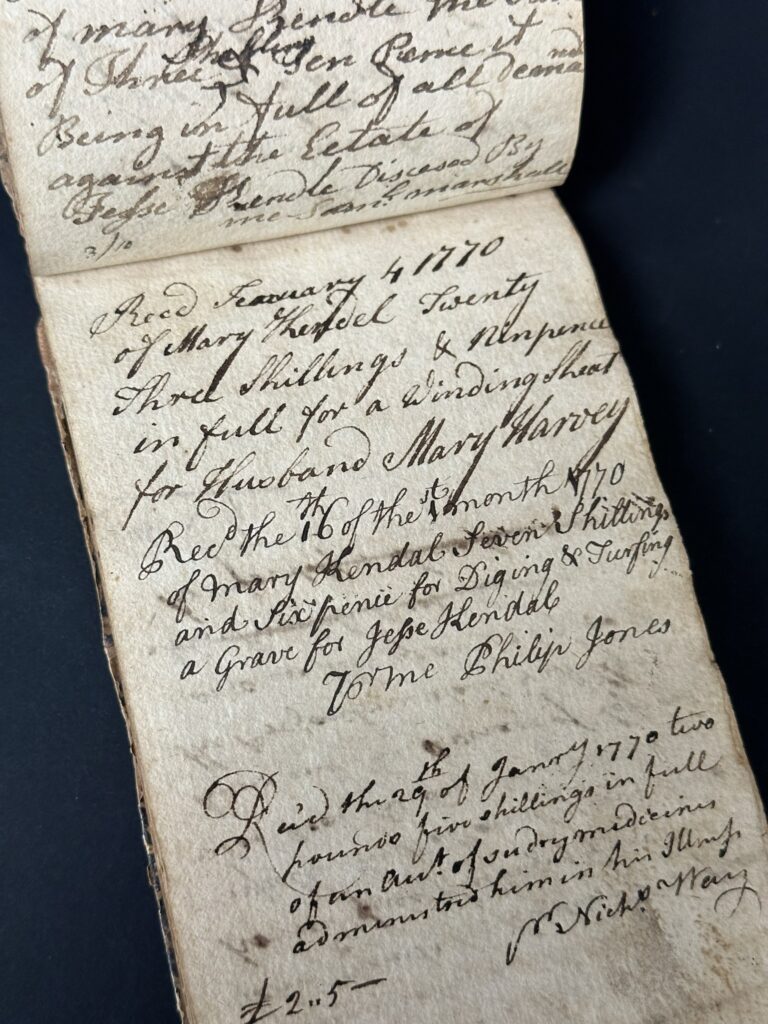
Detail of a page recording payment for a winding sheet, medicines, and a grave for Jesse Kendall.
The end of Jesse’s life at age 27 is poignantly recorded in this same receipt book. His widow, Mary (1743–1802) used the volume briefly to record receipts related to the settlement of Jesse’s estate, funeral, and medical bills. Through Mary’s payment records of 23 shillings for a winding sheet for her husband’s body, 7 shillings for digging and “turfing” his grave, and medical expenses of more than £2 paid to Dr. Nicholas Way, we are given a glimpse into a difficult time for the Kendall family. Though the receipts lack any overt emotion, they invite us to reflect on the events behind the words. These records also situate the Kendall family in American history—less than two decades later, Dr. Way was a signatory on documents providing Delaware’s ratification of the U.S. Constitution.
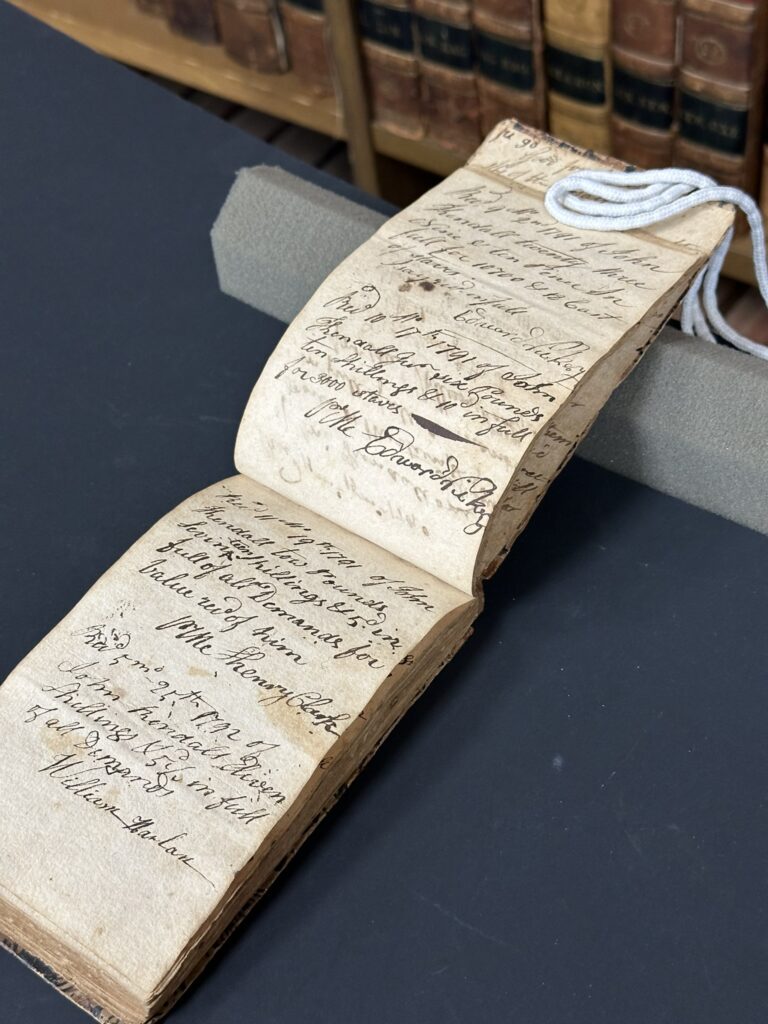
Jesse and Mary’s son, John Kendall (1766–1845), was the third family member to use the volume. His period of use was the longest (1789–1837) and the most diverse. Receipts include those for foodstuffs (e.g., oats, beef, and flour); goods (e.g., cow, watch, wagon, and staves); services (e.g., shoemaking, hauling, and carpentry); and financial matters (e.g., tax payments, interest payments, and estate payments).
The final member of the Kendall family to use the receipt book was Jesse’s grandson, Gibbons Kendall (1801–1864). He used the volume from mid-1852 to late 1853, over 80 years after his grandfather’s first entry. Instead of recording personal transactions as his predecessors did, Gibbons used the volume to detail financial transactions in the estate of his sister, Rebecca G. Kendall, who died on July 13, 1852.
Though it is impossible to know the day-to-day details of the Kendall family’s lives, this receipt book provides interesting examples of the macroworld of early American financial recordkeeping practices, and the microworld of one Delaware Quaker family.
Research into the volume is ongoing as part of the cataloguing process that new library acquisitions go through before being added to the library’s online catalogue, Wintercat.
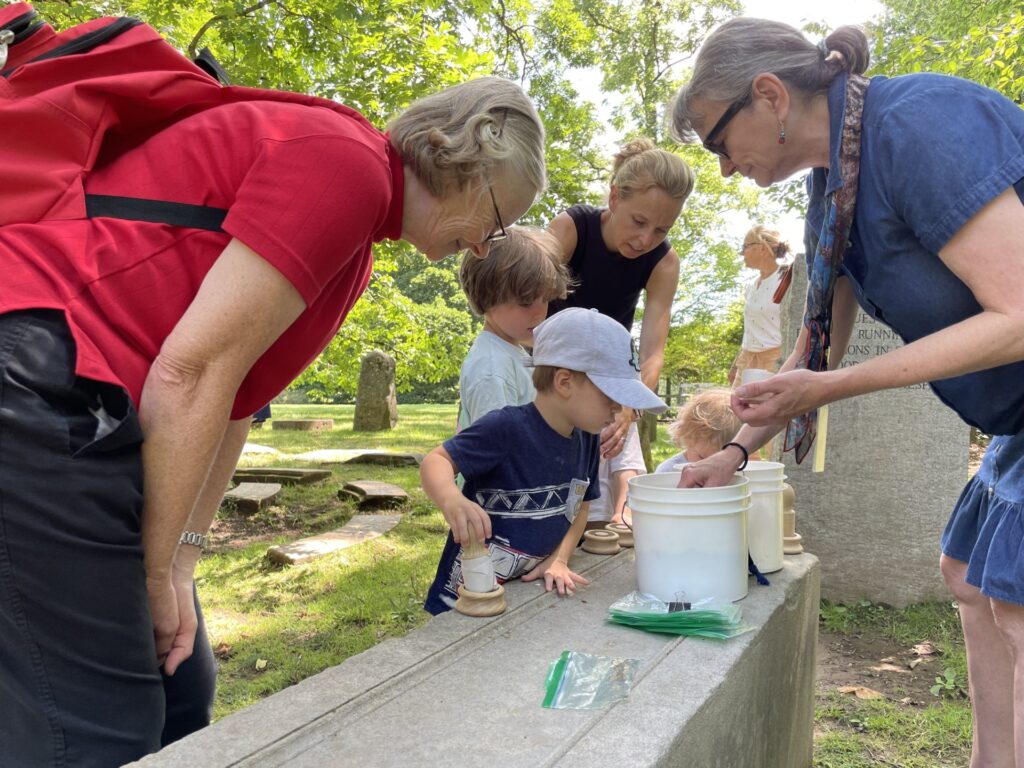
Two-year-old Miles toddled into the Story Stones area in Enchanted Woods at Winterthur and immediately spotted something intriguing. He grabbed a scoop from a bucket of potting soil and began to dig. The adults around him laughed and gently reminded him that he would have to wait until after story time to start the activity related to the book of the day.
He sat on a stone with his grandmother, Pat Caplan, and patiently waited as other children began to find their way to the clearing from different parts of the three-acre children’s garden. Caplan, a Winterthur Member, explained that she was babysitting for the day and checked Winterthur’s website to find an activity to entertain Miles.
Story time, included with admission to Winterthur, fit the bill perfectly.
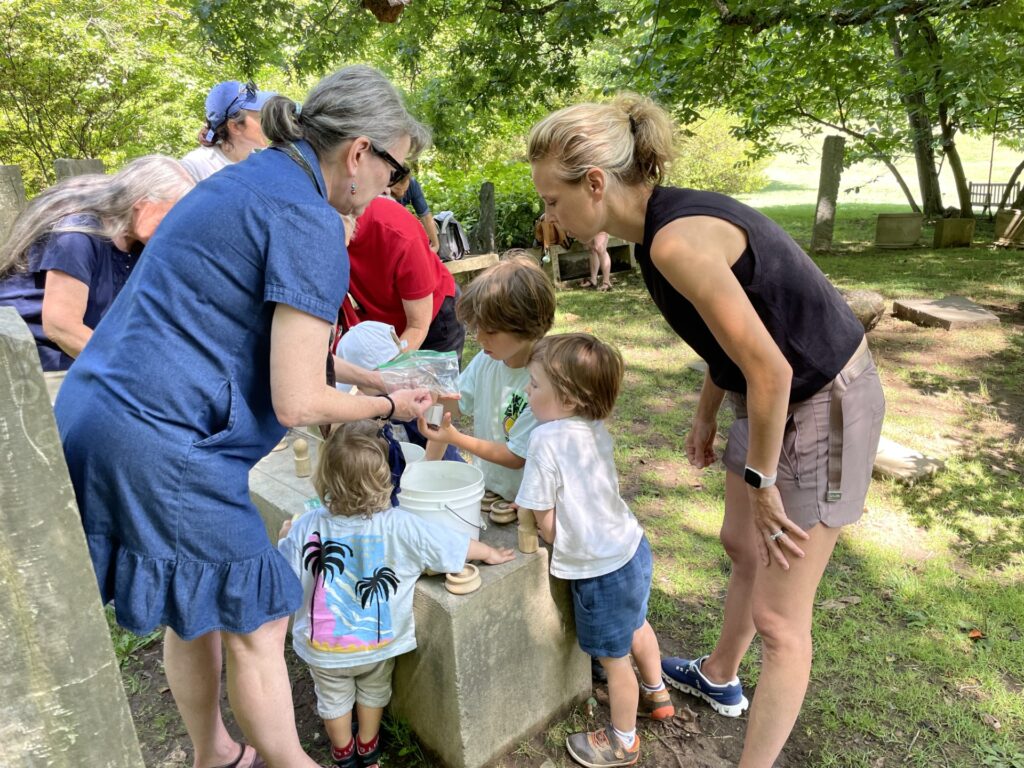
Miles, center, and his grandmother, Pat Caplan, left, enjoy the seed-planting activity after a recent story time in Enchanted Woods.
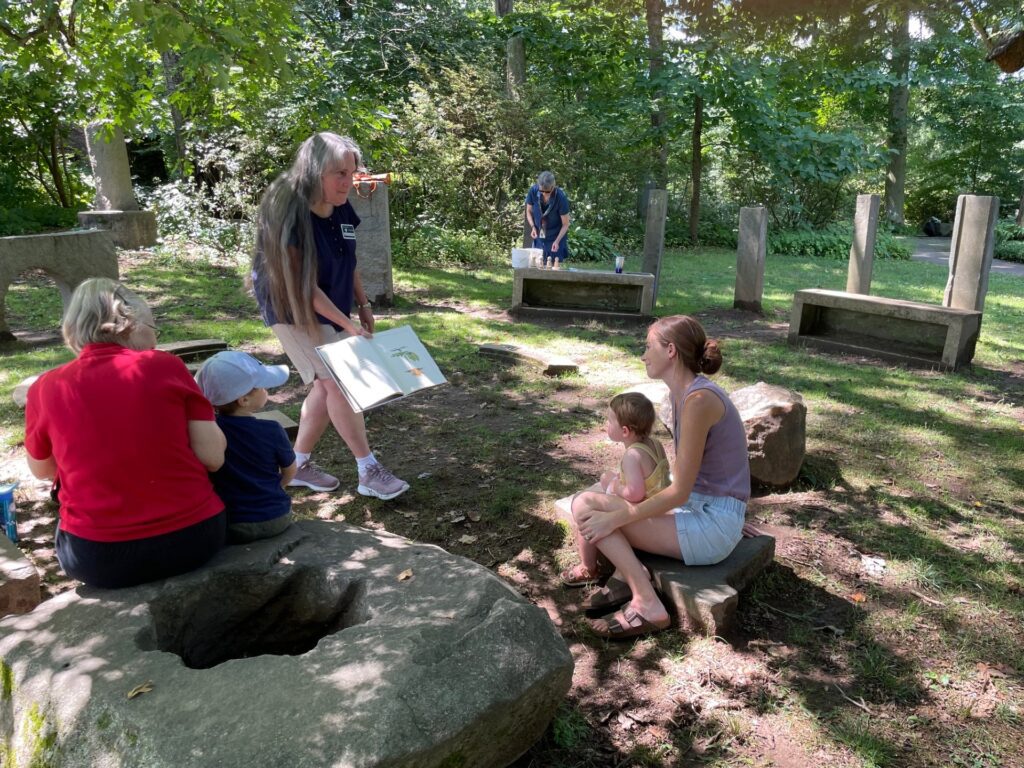
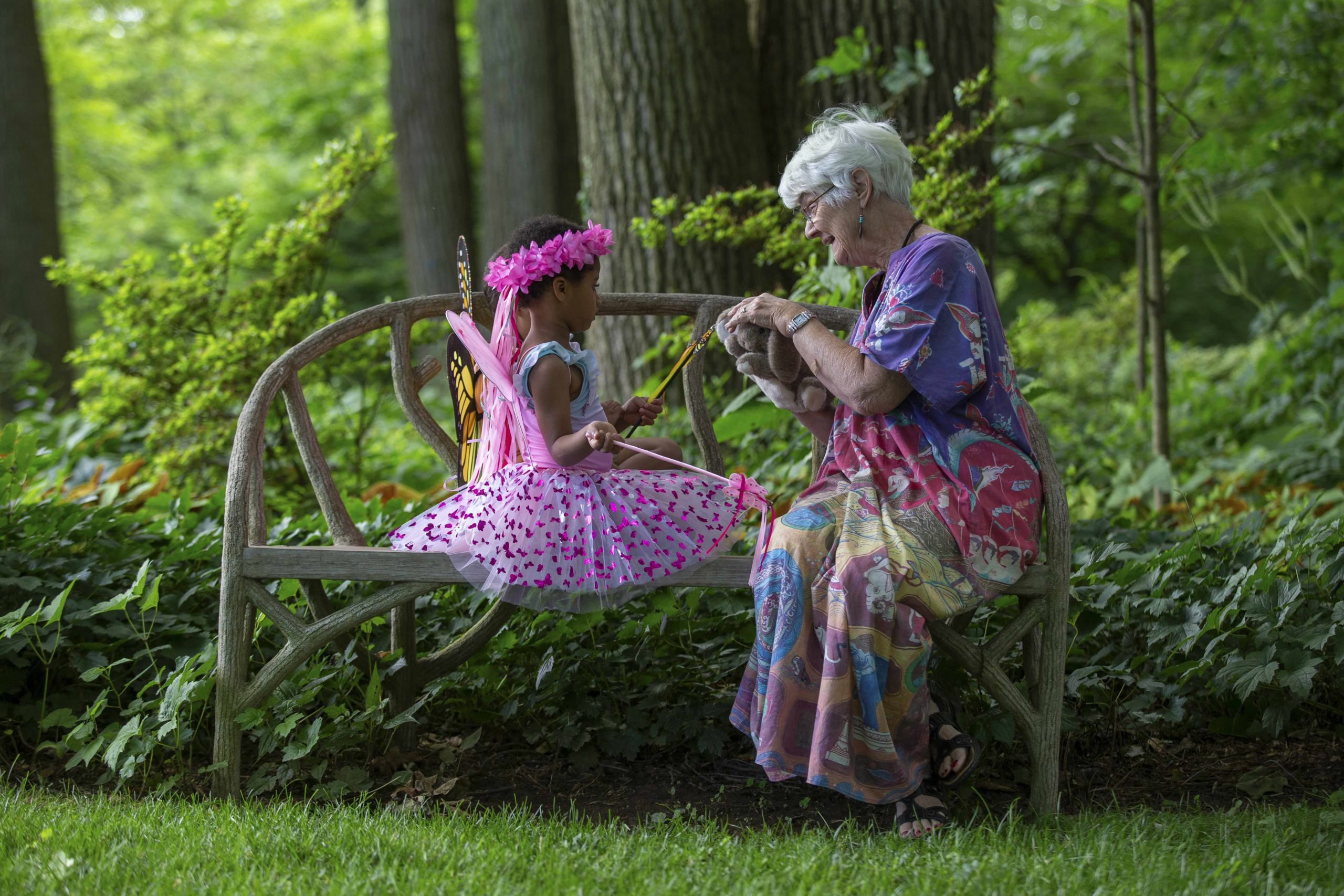
Story Time in Enchanted Woods is designed for children aged 3‒6 and takes place every Thursday at 11:00 am from April through October among the Story Stones, one of many magical features of the garden.
After each nature-centered story, children enjoy a sensory station with objects and activities that match the day’s story. On the day Miles and his grandmother visited, the activity involved planting seeds in a biodegradable paper cup for the children to take home.
Michele Weiner, center, captivates the children with her engaging story telling.
Even without story time, Enchanted Woods is the perfect place to bring young children to let their imaginations run free. Designed to appear as though it was crafted by fairies, Enchanted Woods weaves its own tale, free of references to popular children’s stories, making the garden feel timeless and like a blank slate that children can fill with their imaginations. Its creation myth speaks of the fairies and sprites—missing the laughter of children who once played there—gathering artifacts from the Winterthur estate to build a spellbinding haven.
Recently, the Atlas Obscura podcast devoted an episode to Enchanted Woods, highlighting its unique charm.
Story time enhances this wonderful experience, often led by volunteers like Michele Weiner, a Winterthur Member and teacher who has worked with students struggling to read. As a story time volunteer, Weiner emphasizes the pictures in the books she reads and stays animated to keep the children’s attention. She is one of more than 250 volunteers who give their time to Winterthur.
On this day in Enchanted Woods, Weiner captivated the children, especially Miles, whom she addressed by name several times during the reading, having met him only moments earlier. For Miles, this personal touch made the day with his grandmother even more special.
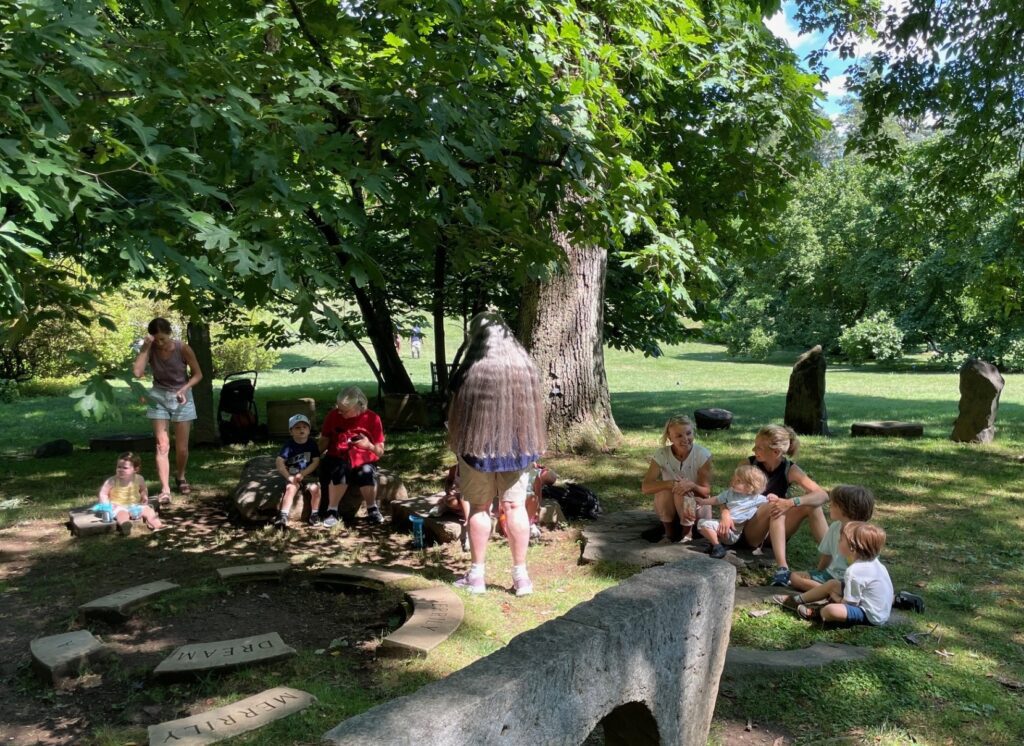
Families gather at the shady Story Stones to enjoy the week’s story.
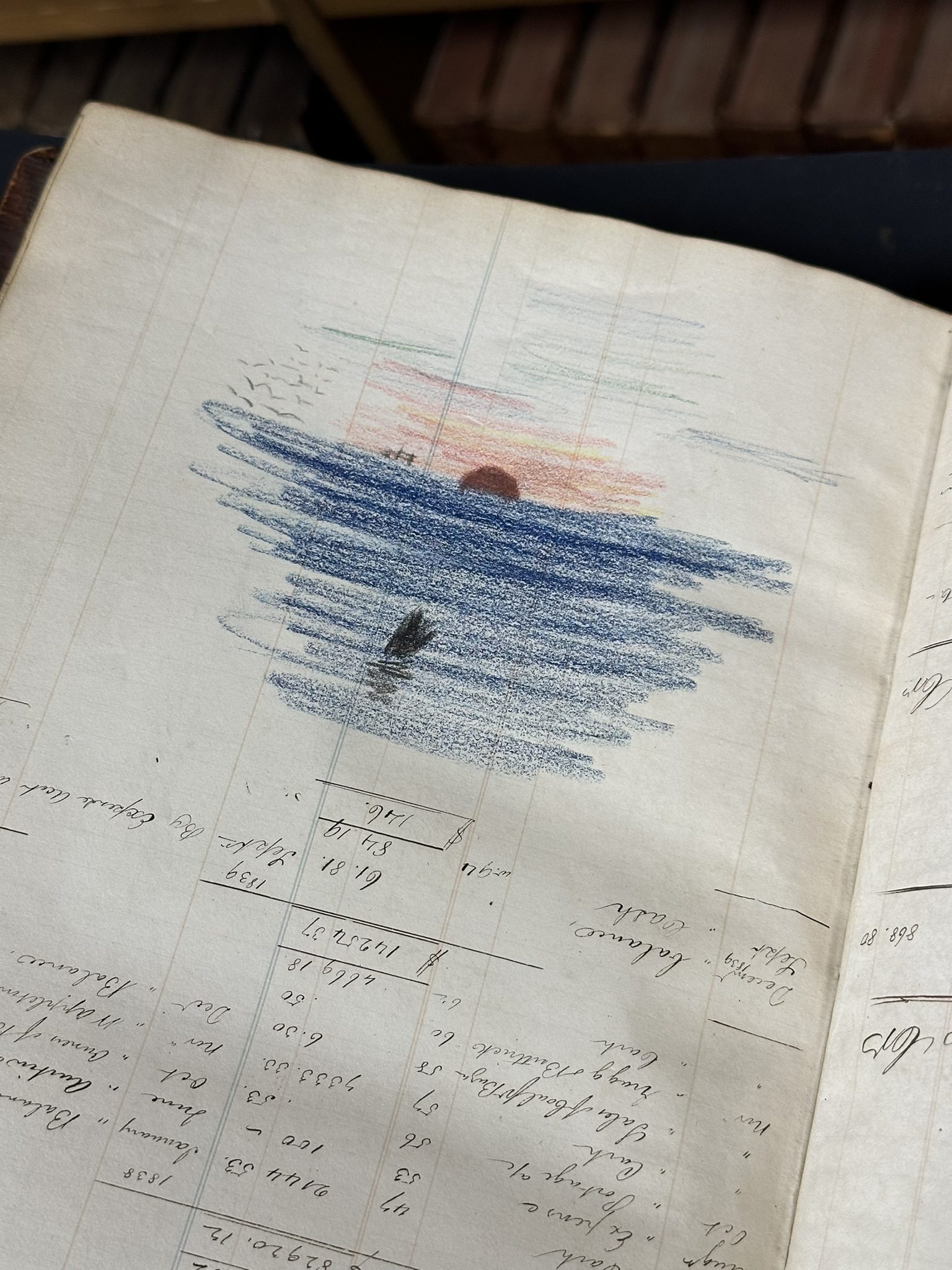
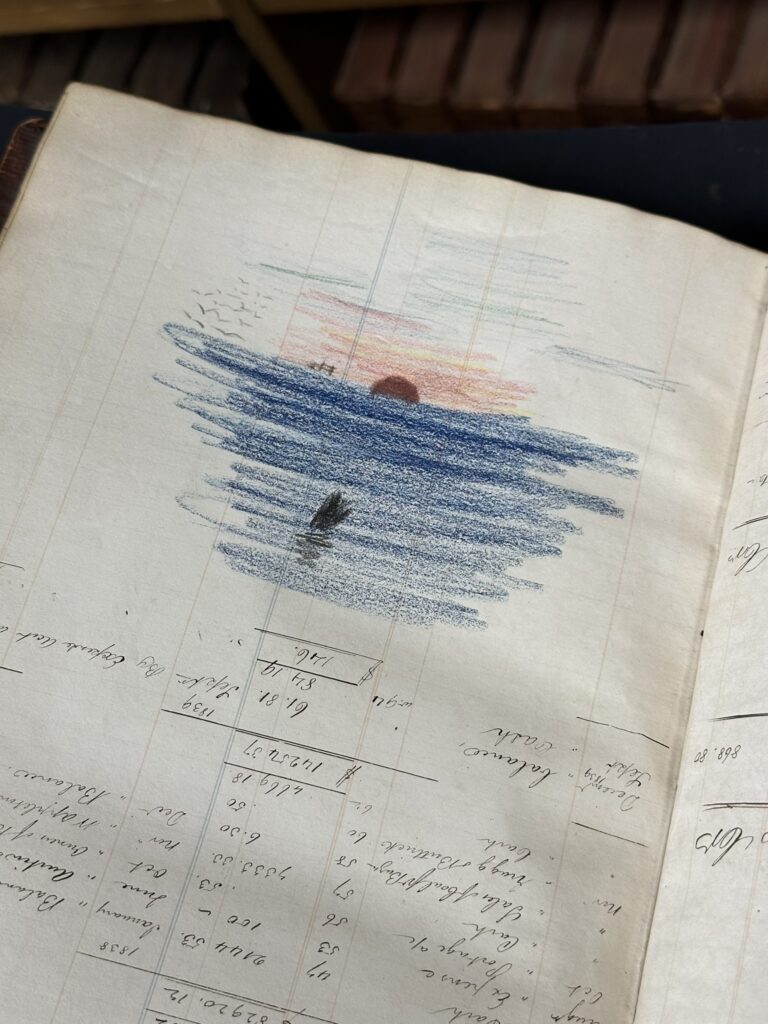
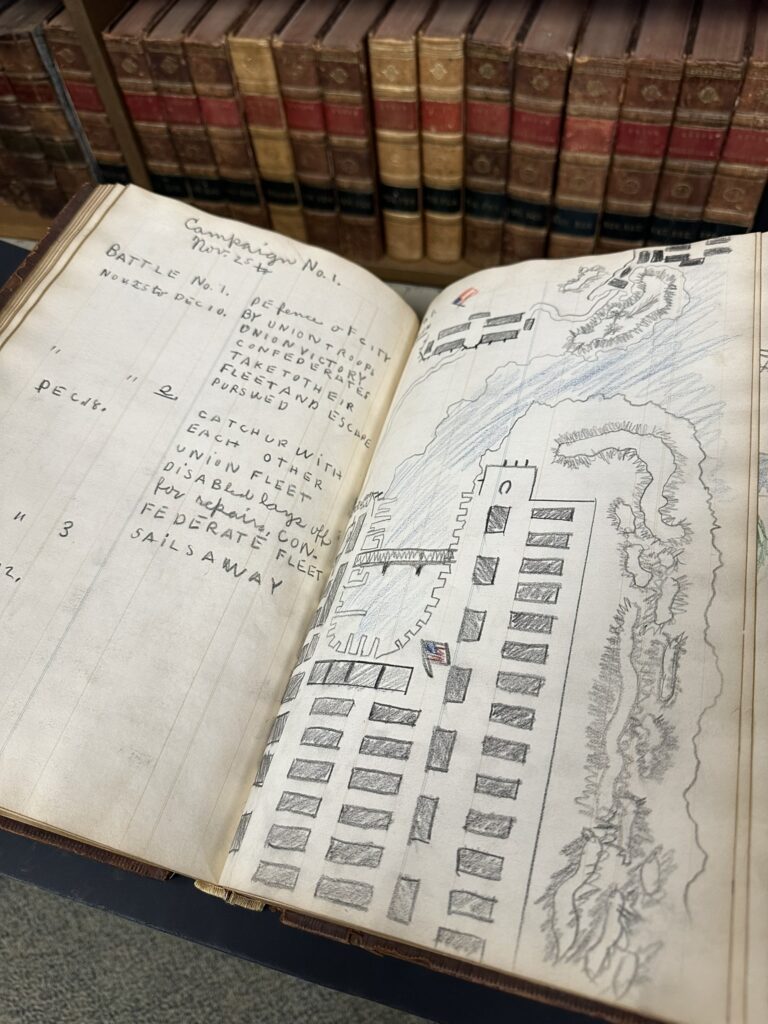
The word “ledger” calls to mind neat columns of numbers and meticulous recordkeeping. But what happens when a ledger stops being used for its intended purpose? Winterthur Library recently acquired a William Appleton and Company ledger, which gives insights into the global reach of a 19th-century Boston-based merchant shipping company and the life and times of the man whose name was at the top of the company’s masthead. It’s interesting enough as a record, but this volume is also exciting because it illustrates what can happen when a ledger that’s no longer used by the company falls, decades later, into the hands of a child who needed a scrapbook and sketchpad.
William Appleton (1786–1862) was a businessman and politician from Massachusetts, whose business acumen was clear early in life. In 1801 his first foray into business was as a clerk in a store in Temple, N.H., kept by Mr. Artemas Wheeler. Appleton made such a favorable impression on his employer that at the age of 19 he was made a partner.
Between 1807 and the 1820s, Appleton engaged in a variety of business ventures related to his mercantile interests, including the purchase of some of his earliest ships. From 1826 to 1841, he owned a counting house in Boston, Mass. In 1841 he and his son James joined Samuel Hooper to form William Appleton and Company, a merchant shipping firm which engaged in sea trade to ports around the world.
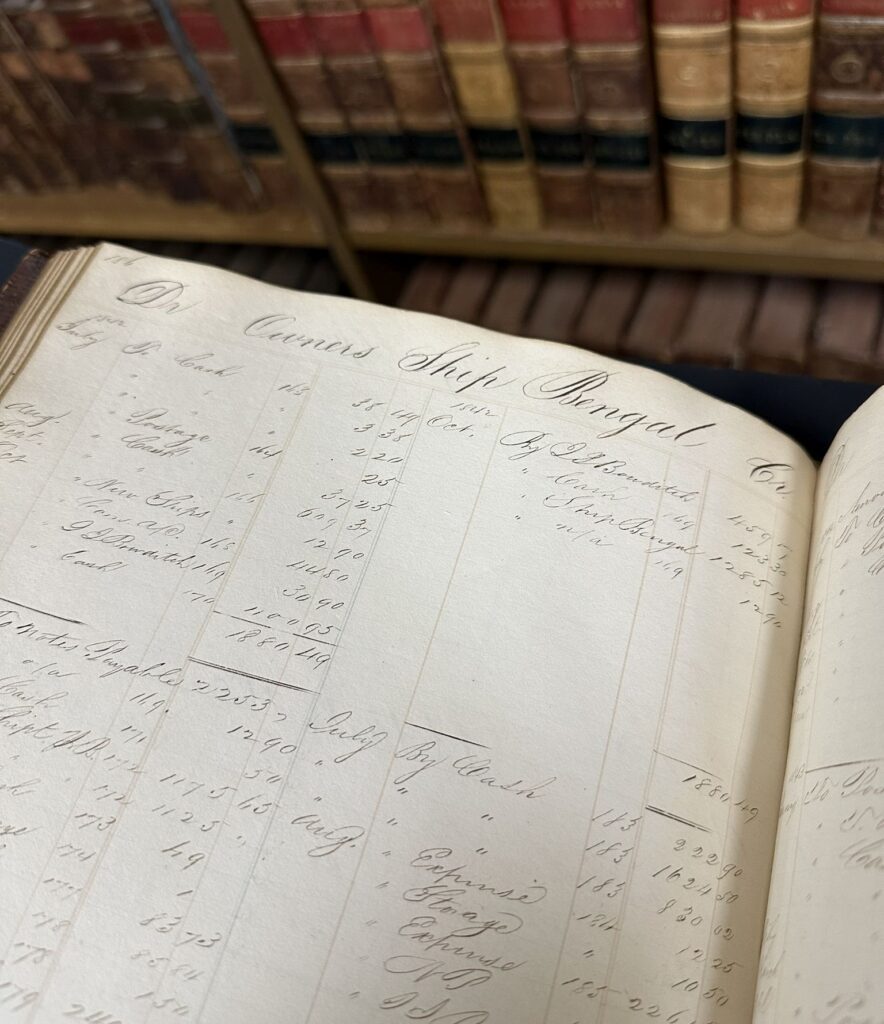
Detail of a page noting expenses on a ship bound for Bengal, India.
Detail of a page noting expenses on a ship bound for Bengal, India.
The Appleton ledger—a large, leather-bound volume detailing transactions between 1836 and 1843—records Appleton’s rise from a small business owner to a titan of Boston commerce. Many of its pages contain balance sheets for company transactions, either with individuals or other companies (for example, an 1838 transaction with the Liverpool Packet Co. in the amount of $54,143.16—the equivalent of almost $2 million in 2024). Some entries record transactions related to shipping logistics, including a payment of $6,560 (over $200,000 in 2024) for insurance on the Eben Preble, a 439-ton Appleton-owned ship bound for China.
Some entries contain balance sheets for domestic and international shipments, including several entries related to shipments made to New Orleans, La., in consignment with Hodge, Oxnard & Co. International destinations with similar entries include Calcutta, Havana, China, and Liverpool.
The last ledger entry in this roughly 200-page volume was made in 1843, with the business records comprising roughly one-third of the pages. Given that William Appleton and Company continued for several years after 1843, it’s unclear why it was abandoned with two-thirds of the book’s pages unused. Whatever happened, the ledger came into use years later by one or more people for an entirely different purpose.
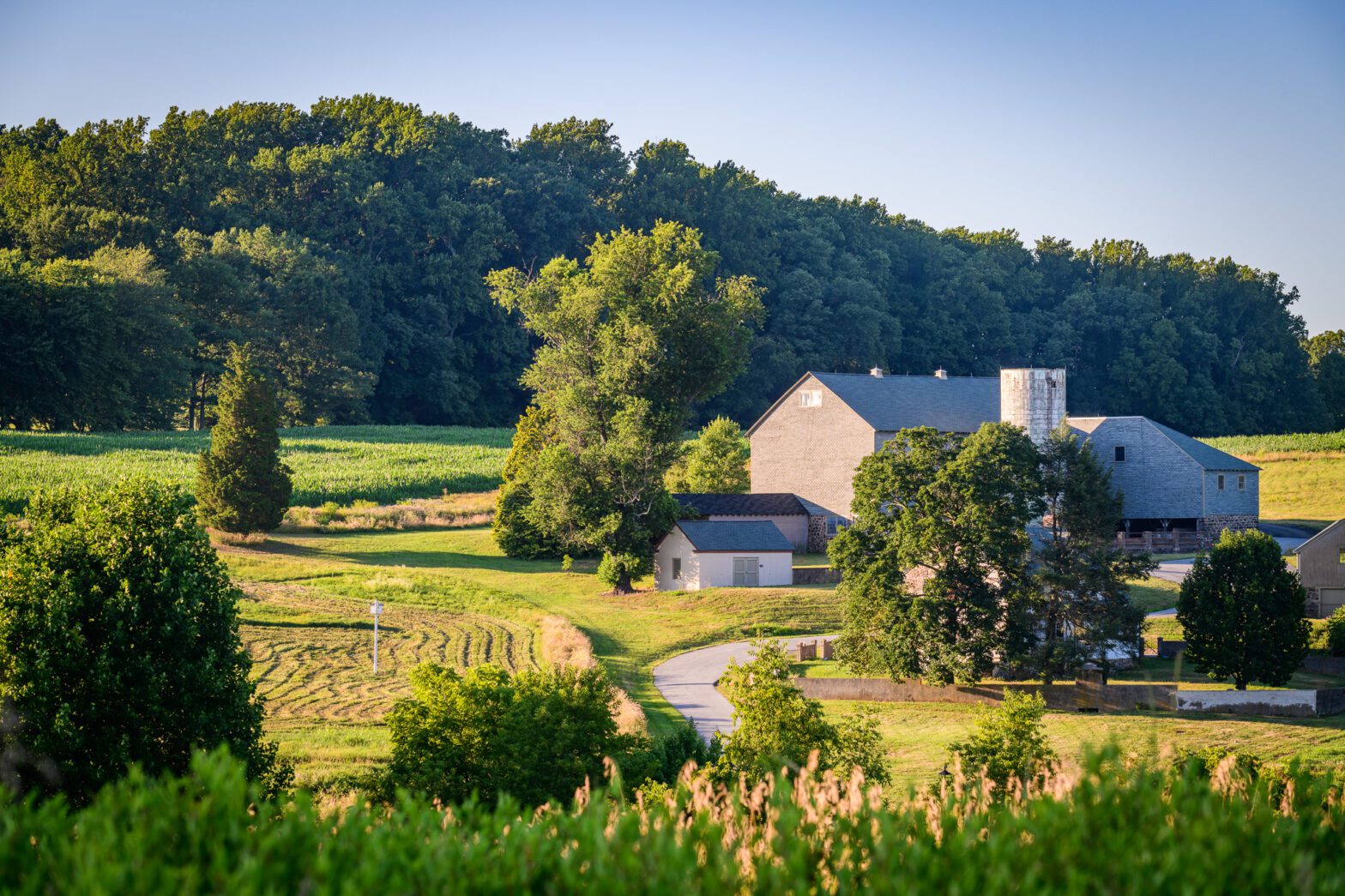
Get outdoors and explore! Wander Winterthur’s 1,000 acres of rolling hills, meadows, woodland paths and trails, and wild garden. Click on either the garden or trail map below to get more information on where you can explore at Winterthur. When you arrive at Winterthur, check in at the Visitor Center.
Winterthur’s 60-acre historic garden has been carefully managed to preserve the unique design created by Henry Francis du Pont and his close friend and landscape architect Marian Coffin. This map highlights the significant garden areas, historic features, and architecture to be found throughout the garden.
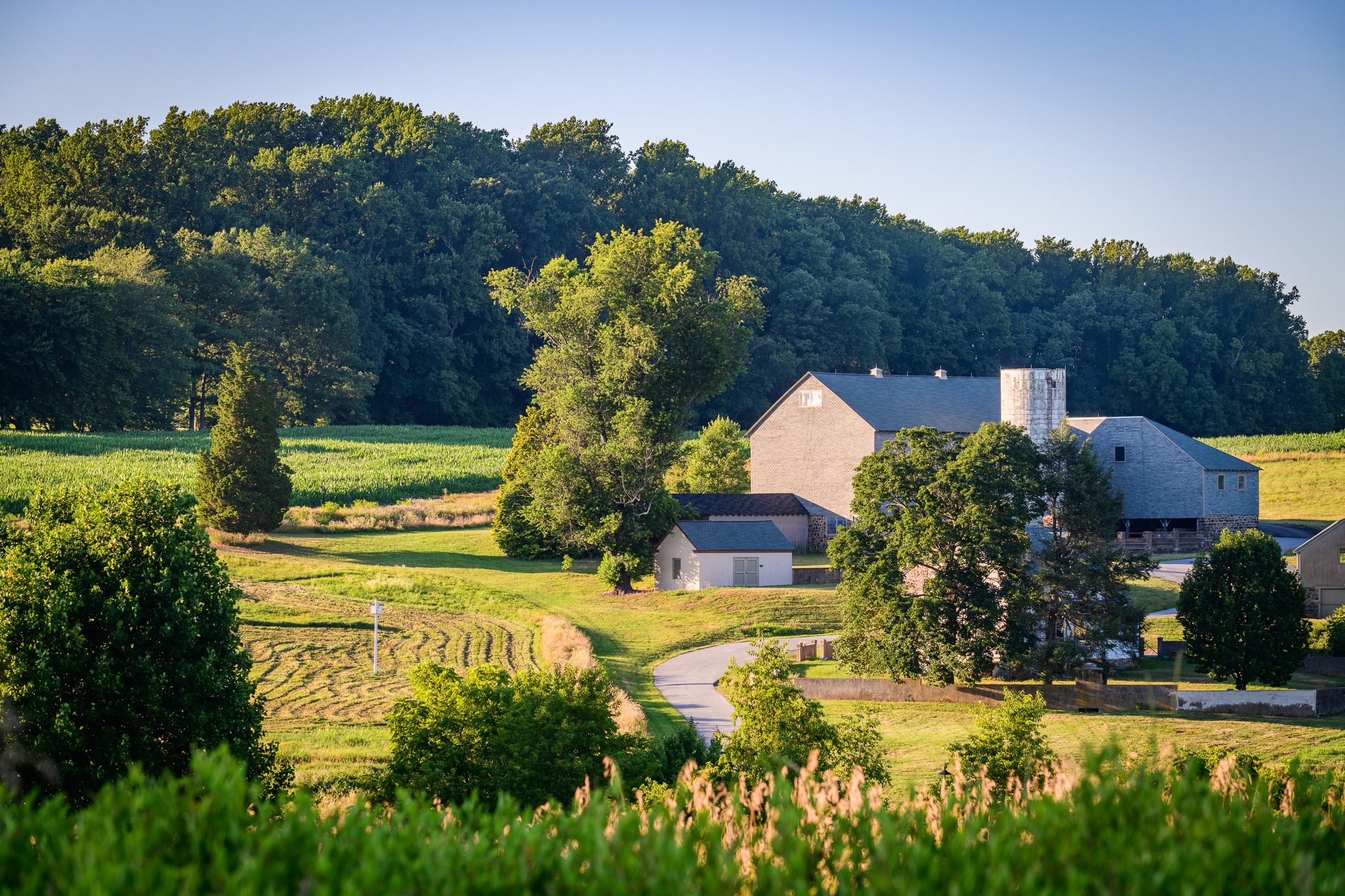
Beyond Winterthur’s historic garden is nearly 1,000 acres of preserved woodlands, meadows, and farmscapes for our guests to explore. This map highlights trails, carriageways, natural areas, and farm buildings that we welcome you to discover.
See highlights of the garden from a seat on the garden tram. Learn the history of Winterthur and see what’s in bloom. This 30-minute narrated tram tour begins at the Visitor Center and ends at the museum with a stop in Enchanted Woods.
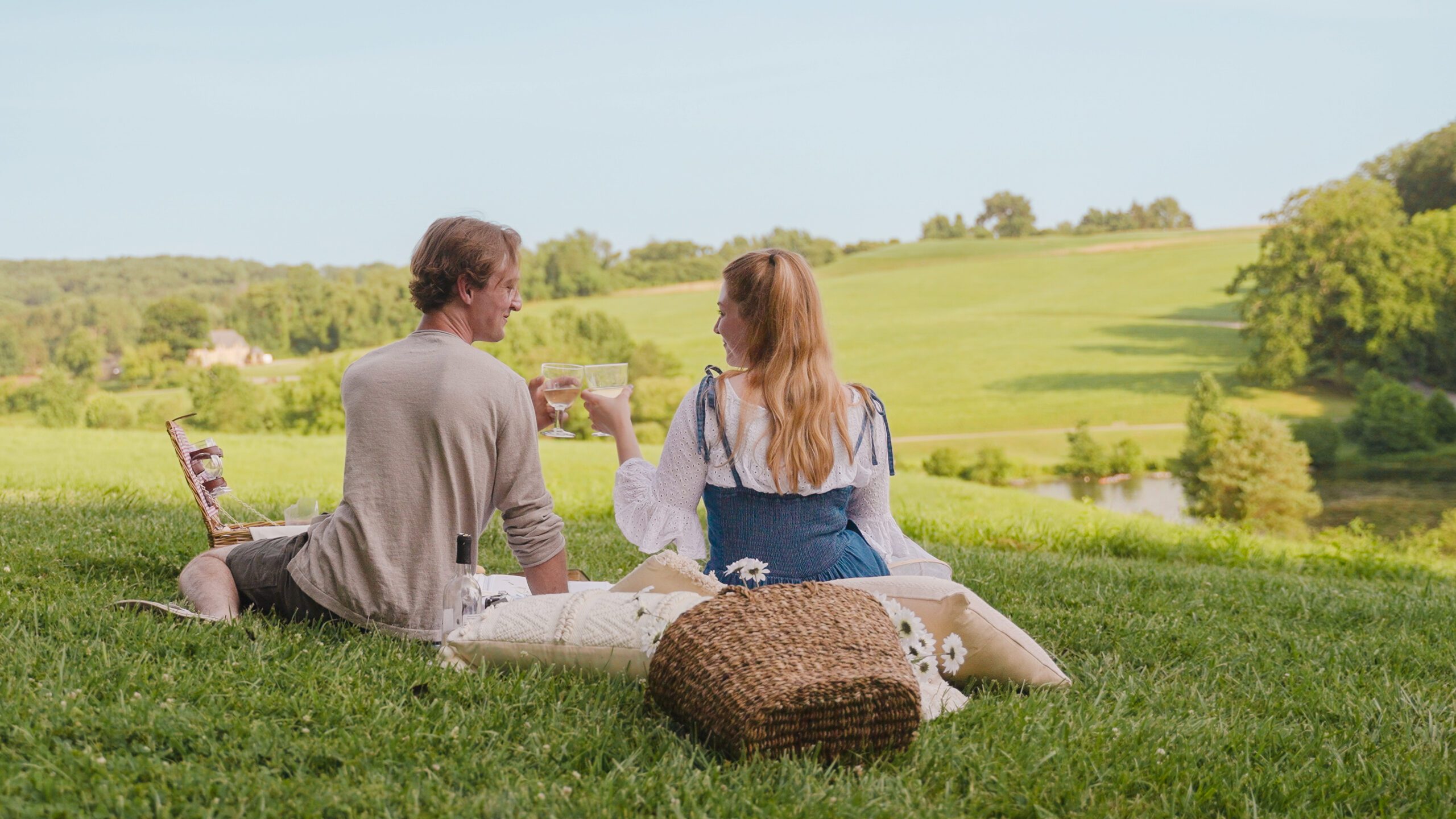
From a curated list of our most picturesque picnic spots to a how-to guide for hiking on the estate, learn more and adventure your way this season at Winterthur!
Top Places to Picnic at Winterthur
With more than 1,000 acres of land, there are so many wonderful places to set up ...
Take a Hike!
Here is a quick list of 5 things to remember when visiting the “wild” areas (meadows ...
Mowing the Meadows
We thought this was a great opportunity to share the story behind our meadows and ...
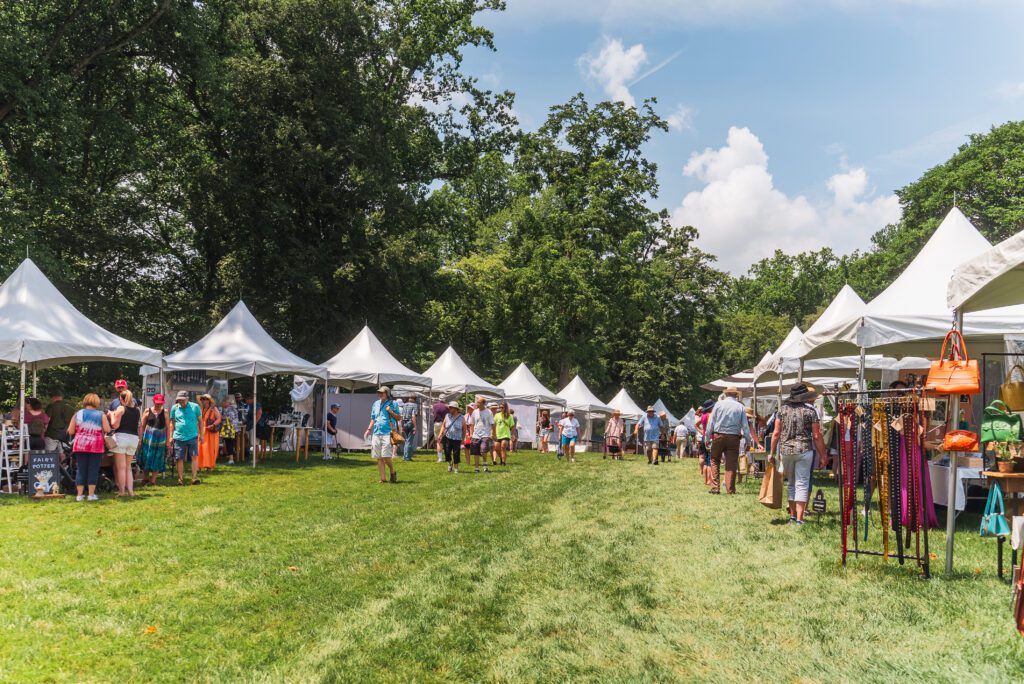
WINTERTHUR, DE (July 11, 2024) – Spend a summer day or an entire weekend exploring Winterthur while shopping for unique, artisan-made crafts and gifts during the fourth annual Artisan Market, taking place July 19-21.
This year’s market will showcase some of the region’s most talented artisans, offering an array of outstanding wares. These include antiques and collectibles, furniture and home décor, architectural salvage, high-quality handmade crafts, vintage clothing and jewelry, artisanal and small-batch gourmet goods, original art in various media, garden items, and more.
“Artisan Market has become a popular and lively event,” said Chris Strand, the Charles F. Montgomery Director and CEO at Winterthur Museum, Garden & Library. “It’s not only a wonderful way to spend a day, but it also supports our mission to educate audiences about American material culture, art, and design. Many of the artisans create high-quality crafts related to art, textiles, ceramics, glass, woodworking, antiques, and gardening. Each of these categories connects to Winterthur’s past.”
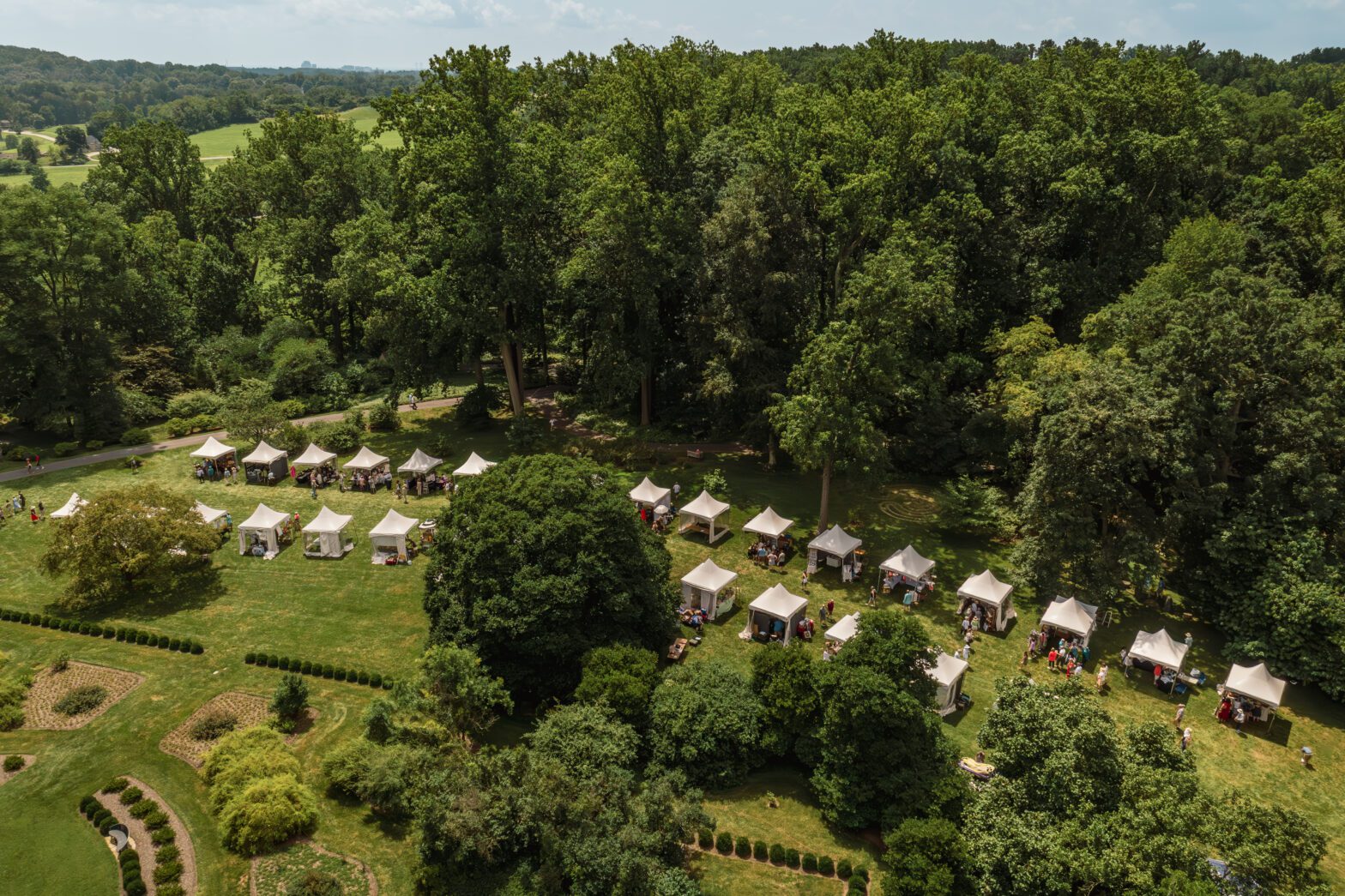
Drone footage of a portion of the 2023 Artisan Market at Winterthur as captured by Stephen Ciskanik.
Details about the event and a list of the more than 100 artists, musicians, and food vendors can be found at Winterthur.org.
Please note that all guests are required to purchase an event ticket in advance. This is a rain-or-shine event.
Purchase tickets online here or by calling 800.448.3883.
Many of the artisans have received widespread acclaim:
The vendors will be in several locations throughout the estate. Visitors can walk the garden paths and enjoy the beauty of the summer blooms and lush greenery while shopping.
With your Artisan Market ticket:
visit over 100 local artisans on-site;
enjoy live music at various locations;
sample culinary offerings;
experience the Self-Paced House Tour (on a first-come, first-served basis as capacity is limited).
ABOUT WINTERTHUR MUSEUM, GARDEN & LIBRARY
Winterthur—known worldwide for its preeminent collection of American decorative arts, naturalistic garden, and research library for the study of American art and material culture— offers a variety of tours, exhibitions, programs, and activities throughout the year.
Winterthur is located on Route 52, six miles northwest of Wilmington, Delaware, and five miles south of U.S. Route 1. Winterthur is committed to accessible programming for all. For information, including special services, call 800.448.3883 or visit winterthur.org.
One of the nation’s most highly acclaimed antiques shows presents a spectacular showcase of art, antiques, and design! Featuring the finest offerings from more than sixty distinguished dealers, the Delaware Antiques Show highlights the best of American antiques and decorative arts. Join us for a full schedule of exciting show features sure to captivate the sophisticated and new collector alike.
A Collector’s Preview
Thursday, November 5 | 6:00–9:00 pm
Please join us for the opening of the show with cocktails, hors d’œuvres, live music by Elysium Trio (5:00–8:00 pm), and exclusive early shopping! New this year is In Conversation: Wine & Antiques, which is included with all preview party tickets for guests over 21 to enjoy tasting ‘stations’ throughout the show floor. A Collector’s Preview ticket is valid for admission to all days of the show and to Winterthur during the show dates. All lectures are included with show admission.
$29; $24, Members; $15, student (with ID). Children under 12 free. Ticket valid for admission to all days of the show and to Winterthur during the show dates.All lectures are included with show admission.
Before his Keynote talk, join acclaimed designer Remy Renzullo for a 30-minute tour of the show floor, sharing insights on craftsmanship, the objects that spark creativity, and how he discovers and sources antiques that bring character and history to his designs. Advance registration required; free with show admission. Limited capacity. Sold out.
Location & Parking
The Chase Center on the Riverfront is located at 815 Justison Street, Wilmington, Delaware, less than one hour south of Philadelphia, and midway between New York City and Washington, D.C.
Ample free parking. Accessible parking for persons with disabilities.
Sponsorship Opportunities
Sponsorship benefits include recognition on printed marketing materials, promotional eblasts, and advertisements, as well as tickets to A Collector’s Preview party and Show admission. Please contact Merissa Courtright at mcourt@winterthur.org or 302.888.4760.
Keynote Lecture
Saturday, November 7 | 1:00–2:00 pm
Photography & Interiors
By Simon Upton and Remy Renzullo
Upton, the photographer, and Renzullo, the interior designer, will discuss how photography has influenced interior design and the way in which we remember historic interiors. “So many of our favorite interiors only exist today in photographs—a 3-dimensional space recorded and translated into a 2-dimensional one—proof, perhaps, that photography and interior design are irrefutably interlinked,” says Upton. A home may be private, but photography reveals and records the creativity imbued in it, the work of so many, from artisans and artists to architects and landscape designers. In his role as a photographer, Upton sees himself as a conduit, then, helping to illustrate and translate our interiors and our homes, thereby informing a wider audience of the design and aesthetic in which we live.
About the Speakers
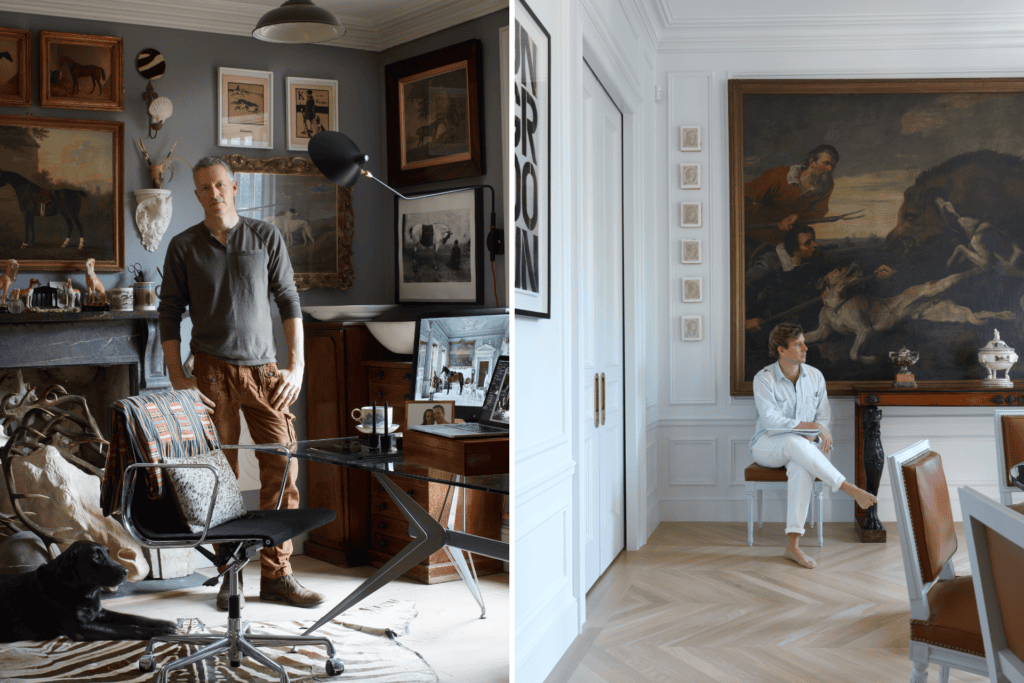
Simon Upton is a photographer with more than thirty-five years of published work to his credit. He travels the world capturing people and their homes on behalf of the major publishing houses, in addition to working on his own photographic projects. He contributes regularly to a wide range of international magazines and newspapers including The World of Interiors, Vogue, Vanity Fair, Architectural Digest, Elle Décor, The New York Times, The Wall Street Journal, Frederic, Veranda, Galerie, Town & Country, House & Garden, Harpers Bazaar, and Tatler. His first retrospective A–Z Interiors was published by Rizzoli in September 2026.
Remy Renzullo is an interior designer living and working between the United States, England, and Italy. Born and raised largely in rural New England, he developed a passion for history and eighteenth-century furniture at a young age. Renzullo founded his firm in 2016 and in the ensuing decade established himself as one of the leading designers of his generation. The firm has a strong focus on historical projects, where Renzullo’s research-based approach, combined with a rigorous dedication to traditional craftsmanship, has reinvigorated some of Europe’s most prestigious private houses.
Book signing to follow lecture.
Lectures
Becoming Peale
Friday, November 6 | 1:30–2:30 pm
By Kedra Kearis, Associate Curator of Art and Visual Culture, Winterthur
This talk previews Winterthur’s upcoming major exhibition Becoming Peale (2027), which explores the art of the multigenerational Peale family. Placed in conversation with historical objects from Winterthur’s celebrated decorative arts collection, the exhibition brings the Peales’ close-knit artistic world to life while foregrounding underrepresented members of their circle and tracing the impact of industrialization and the art of photography on their art in the nineteenth and early twentieth centuries.
Chipstone Lectures
Friday, November 6 | 2:30–3:30 pm
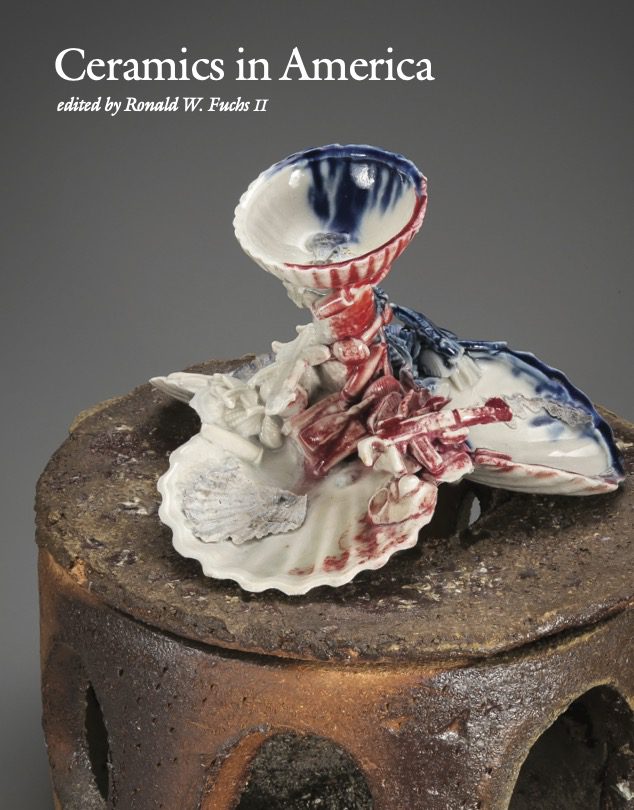
Ceramics in America and American Furniture are the award-winning journals published by the Chipstone Foundation. Begun in 2001 and 1993 respectively, the journals present new research on design, use, production, and appreciation of America’s material past.
Very Courteously Entertained: Ceramic Tea Wares from James Logan’s Stenton
By Dennis Pickeral, Executive Director, Stenton
This presentation examines eighteenth-century ceramics associated with tea, coffee, and chocolate drinking from one of Philadelphia’s best-preserved historic houses, Stenton, including rare examples that descended through the Logan family and a large assemblage of excavated archaeological vessels.
Evidence from Stenton: Hornor’s Blue Book Reconsidered
By Laura Keim, Curator, Stenton
Keim will discuss William Macpherson Hornor, Jr.’s 1935 publication, Blue Book Philadelphia Furniture: William Penn to George Washington, from its mysterious inception to its status as a Bible in its field of eighteenth-century Philadelphia furniture scholarship and collecting. She will share some of her research relating to the Logan, Norris, and Dickinson families that has led her to question Hornor’s readings and interpretations of both historic documents and objects, suggesting we read Hornor with the same careful, critical eye we bring to all the sources we study.
Americana Insights Lectures
Saturday, November 7 | 3:00–4:00 pm
Americana Insights 2026 is the fourth volume in an annual series that presents the latest research and discoveries on traditional Americana, folk art, and material culture.
Book signing to follow lectures.
The Declaration of Independence in American Folk Art
By Emily Sneff, Managing Editor, Americana Insights
Explore the history of the Declaration as both text and symbol in engravings, textiles, paintings, and other media. From the first printings of the Declaration of Independence in 1776 through commemorative material culture from the Centennial, this talk will examine the legibility of the founding document of the United States in different art forms and contexts.
Nation-making in Pennsylvania German Needlework
By Sarah Bowen, Assistant Curator, Historic Trappe
Examining two needlework samplers created in Somerset County, Pennsylvania, both depicting George Washington, Bowen will explore how women engaged in the cultural project of nation-building in the early American republic. These samplers, alongside other examples produced by Pennsylvania German girls, demonstrate how political imagery in needlework reflects the intersections of social class, access to education, and the burgeoning ideology of republican motherhood.
A Grammar of Color: Paint, Craft, and a Century of Collecting the Mahantongo Valley
By Christopher Malone, Curator, Historic Trappe and Content Curator, Americana Insights
Christopher Malone will explore the history of collecting Mahantongo Valley decorative arts, from their introduction in the December 1926 issue of The Magazine Antiques and exhibition at the Sesquicentennial International Exposition in Philadelphia to the prominent collectors and collections that have acquired pieces from this rural section of Pennsylvania over the last 100 years.
Student Scholars Lectures
Sunday, November 8 | 2:00–3:00 pm
Fancy Action Painting: Seeing a Faux Finish on Its Own Terms
By Charles Manion
Chief among the unusual qualities of a Maine table recently acquired by Winterthur is its fancy faux finish, which is so bold and cartoonish that it leans into abstraction. How should such painting be understood?
“Huzza for Capt. Ickes”: Memorializing a Chance Encounter on a Pewter Mug
By Amalia Pappa
The origin story of the engraving on the William Will pewter mug gifted to Captain Peter Ickes has always been treated as apocryphal, especially considering that a single occasion prompting the commemorative engraving had yet to be discovered. Consulting local historical sources, Pappa has discovered such a worthy occasion— a chance visit from President Washington.
Fishing Fancies: The Nature-Inspired Entertainment of a Sweetmeat or Pickle Dish
By Madeleine Ward-Schultz
During the eighteenth century, English ceramics expanded the availability and popularity of nature-themed decorative arts for the dining table. Through a discussion of a colorful, shell-decorated sweetmeat or pickle dish with a vibrant kingfisher finial, Ward-Schultz explores the dynamic engagement between nature and imagination, enlivening and enriching a playful and participatory dining experience.
New to Collecting?
The Delaware Antiques Show welcomes all, from the newest collector to the most knowledgeable connoisseur.
Tips for New Collectors
What’s the difference between a collector and a pack rat? Focus, knowledge, enthusiasm, and ...
Protect Your Collection
Bring your objects to one of Winterthur's free Conservation Clinics, where faculty and students of ...
Caring for Your Collections
Whether they are tracking pests, finding poison books, fixing a broken porcelain teacup, or preserving ...
Winterthur and The Delaware Antiques Show thank The Brandywine High School Orchestra for their performance on Friday, November 6.
Thank You for Your Support!
Proceeds from this year’s Delaware Antiques Show help support key educational initiatives such as free school programs. Support for these important programs allows us to share the wonder of Winterthur with thousands of schoolchildren and our surrounding community.
Holiday Nights starting Friday, November 27| Fridays & Saturdays, open until 8:00 pm. No extended hours on December 26 or January 1.
Home is a reflection of who we are and what we hold dear. Our Yuletide Tour celebrates home and all things home can mean—a place, the people, the food, the music, the traditions, and more.
Holiday Nights! Evening hours on select Fridays and Saturdays feature candlelit tours plus live music, cozy firepits, specialty cocktails, and seasonal fare at the café.
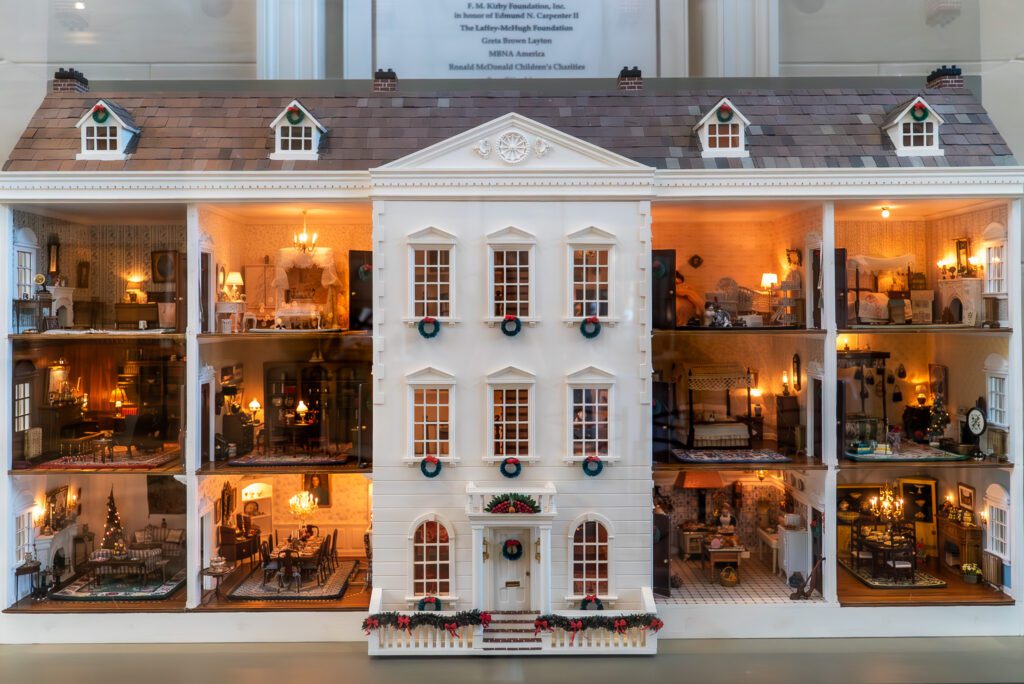
In addition to the Yuletide Tour, festivities include traditional favorites such as an original gingerbread display and grand dollhouse, plus special events at the library, live music, workshops, holiday shopping, and more.
Included with admission. Closed Thanksgiving and Christmas Day. Early closure on Christmas Eve. Open New Year’s Day.See hours.
Purchase tickets online or call 800.448.3883.Advance reservations strongly recommended.
Winterthur sparkles with holiday cheer! Marvel at the dazzling outdoor lights and festive displays throughout the estate. Delight in a giant gingerbread display, and a charming three-story dollhouse filled with thousands of miniatures. Make your visit a magical experience your family will remember for years to come. All activities included with admission unless otherwise noted.
Yuletide Tour
Tuesday–Sunday
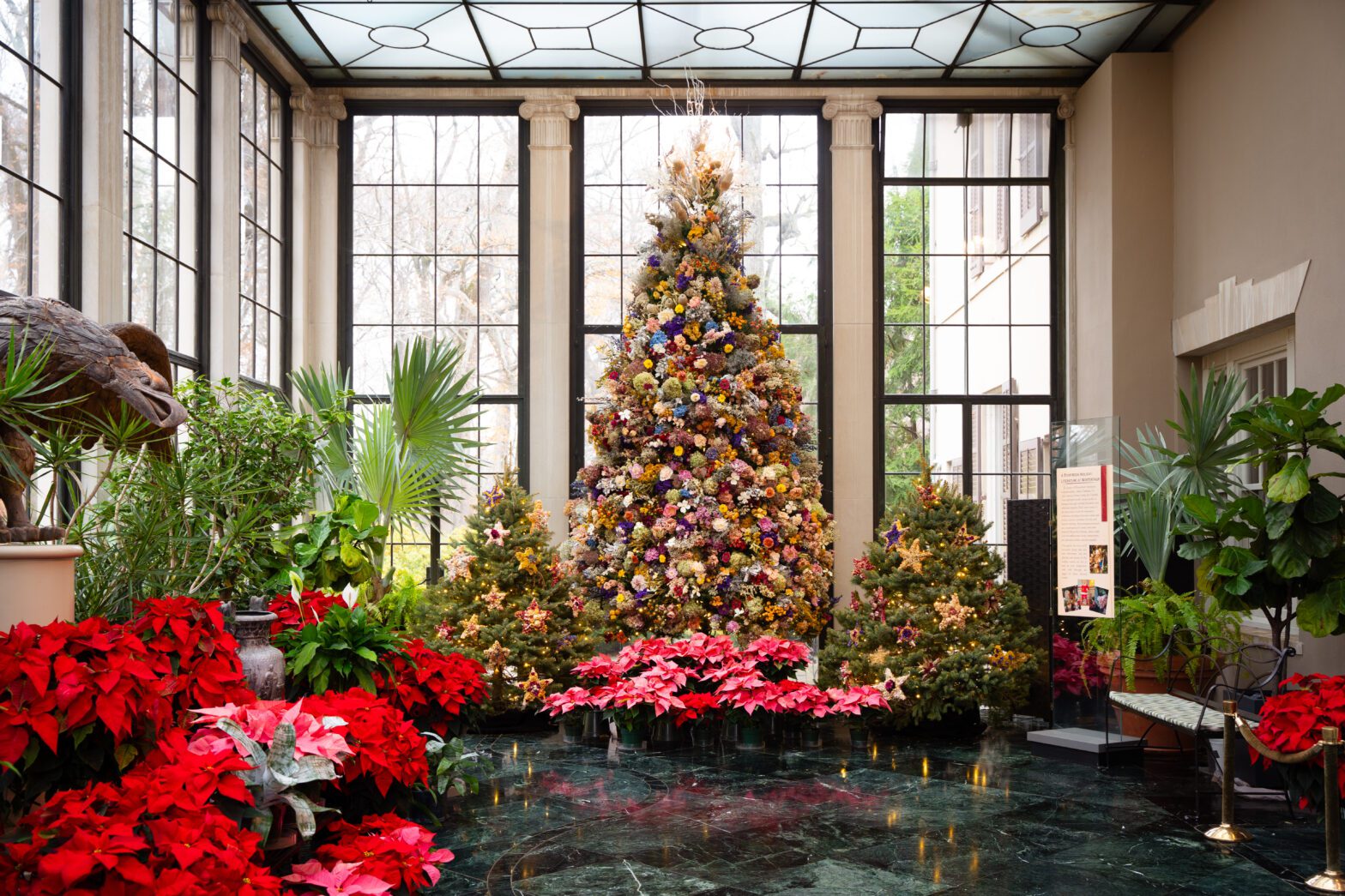
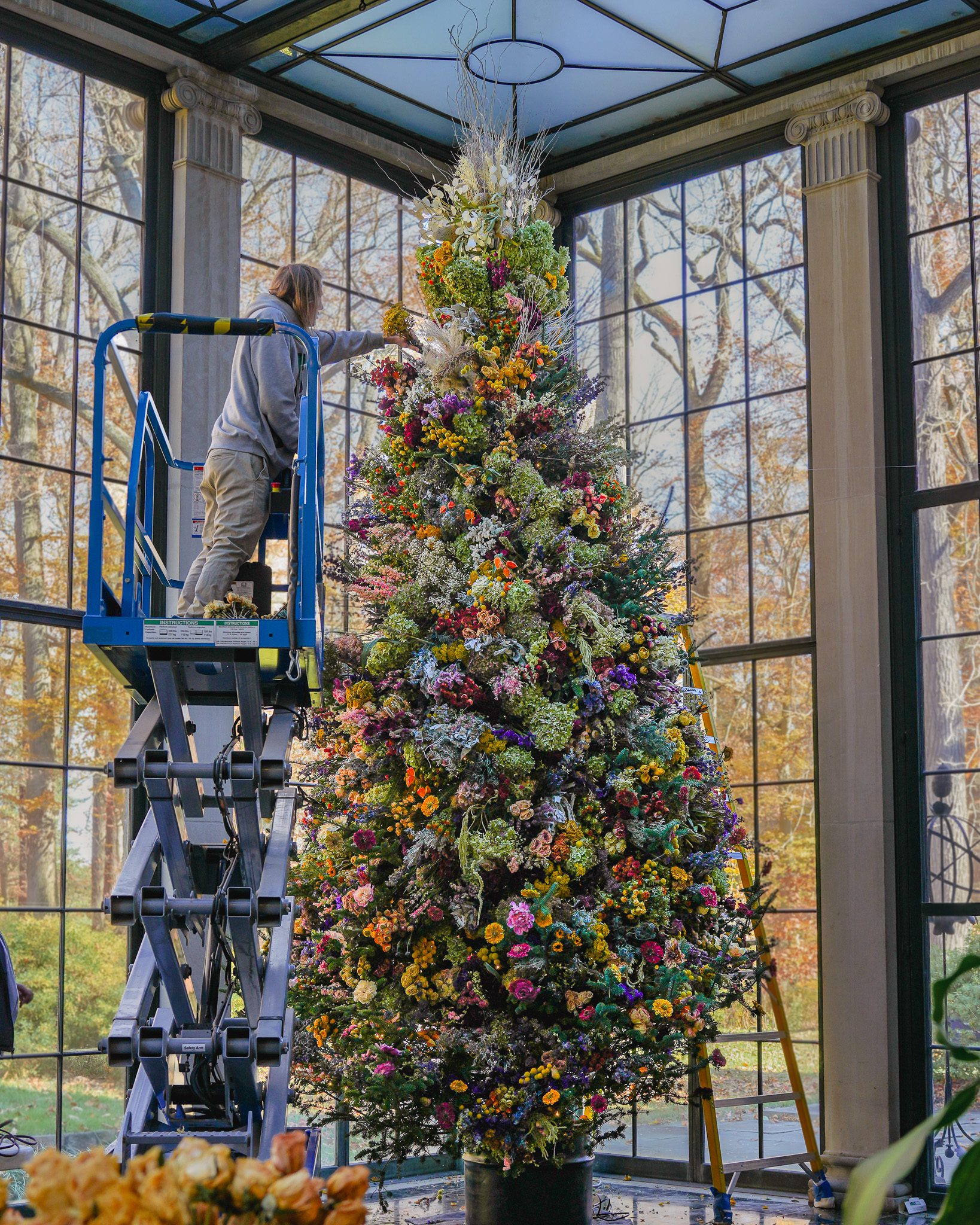
Sparkling vignettes throughout the house will explore the many ways we seek comfort, belonging, and tradition at home. Delight in the spectacular Dried-Flower Tree and more than a dozen others that celebrate the estate’s outdoor beauty and beloved traditions, including an Enchanted Woods tree and a Nutcracker ballet tree, as well as displays featuring the H. F. du Pont family’s festive customs.
Holiday Nights
Starting November 27 | Fridays & Saturdays, open until 8:00 pm
Soak in the evening glow of the house decked in its holiday glory or toast marshmallows by the outdoor fire pits. Tap your toes to the sounds of the area’s best musicians, savor a seasonal cocktail, and see our magical gingerbread and doll houses. Excludes December 26 and January 1.
Tuesday–Sunday, 10:00 am–5:00 pm| Holiday Nights, until 8:00 pm
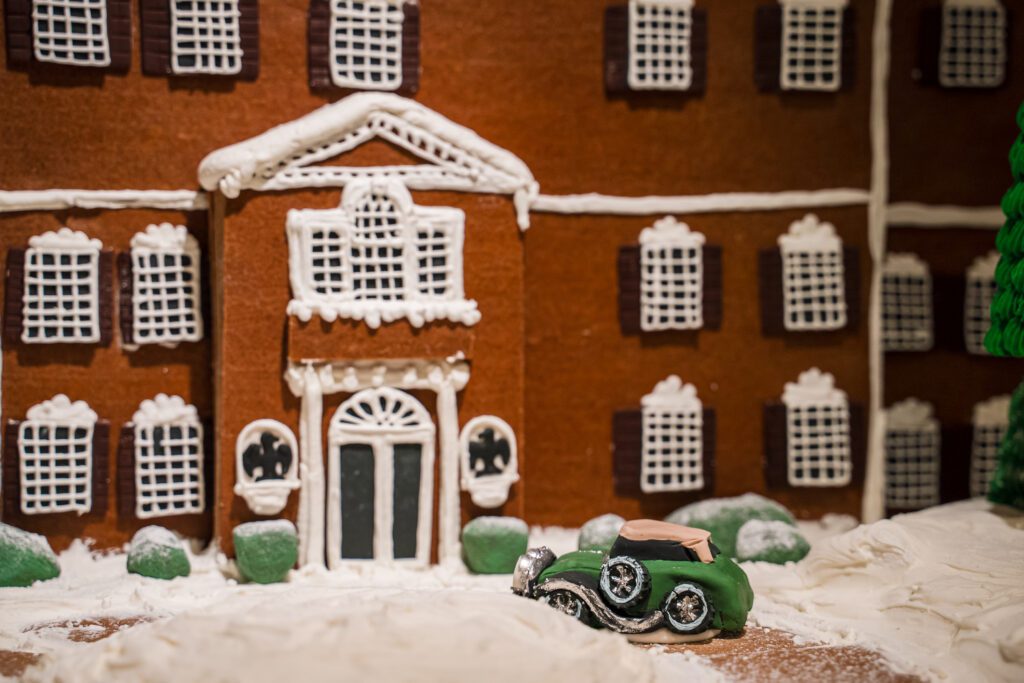
This year’s magical gingerbread display, Winterthur: Home Sweet Home!, features the du Pont home on Christmas Eve, full of merriment inside and out. See it in the Galleries.
Toy Trains
December 19–20, 10:00 am–5:00 pm
The du Pont children loved Christmas and the toys they received each year. A popular toy of their era was the Lionel Standard Gauge toy train. Join us to enjoy this weekend for a festive toy train display, on view in the Brown Horticulture Learning Center, courtesy of the Standard Gauge Module Association. Located in Brown Center.
Tuesday–Sunday, 10:00 am–5:00 pm |Holiday Nights, until 8:00 pm
You make it. We mail it. Postmarked Winterthur! Craft a holiday card, explore the festive dollhouse, and we’ll mail your postcard with a historic Winterthur postmark. Now in the Galleries.Ongoing all season long.
More Magic Awaits
From a carefully curated playlist full of Yuletide cheer to a behind-the-scenes look at the creation of our signature Dried-Flower Tree, there’s even more to explore this season at Winterthur.
More magic awaits @WinterthurMuse! Follow along on Facebook and Instagram.
Yuletide Playlist
An instrumental playlist for your holiday needs.
A Yuletide Floral Tradition
Colorful flowers have always been a vital part of Winterthur, both inside and out. Throughout ...
The Legacy of Hosting at Winterthur
It’s impossible to talk about Winterthur Museum, Garden, & Library without mentioning Henry Francis du ...
Join us for exploration, adventure, and play! Enjoy kid-friendly activities, wander the garden, and learn about history while having fun. All activities included with admission unless otherwise noted; free for children under 2. Members free.
Explore Enchanted Woods
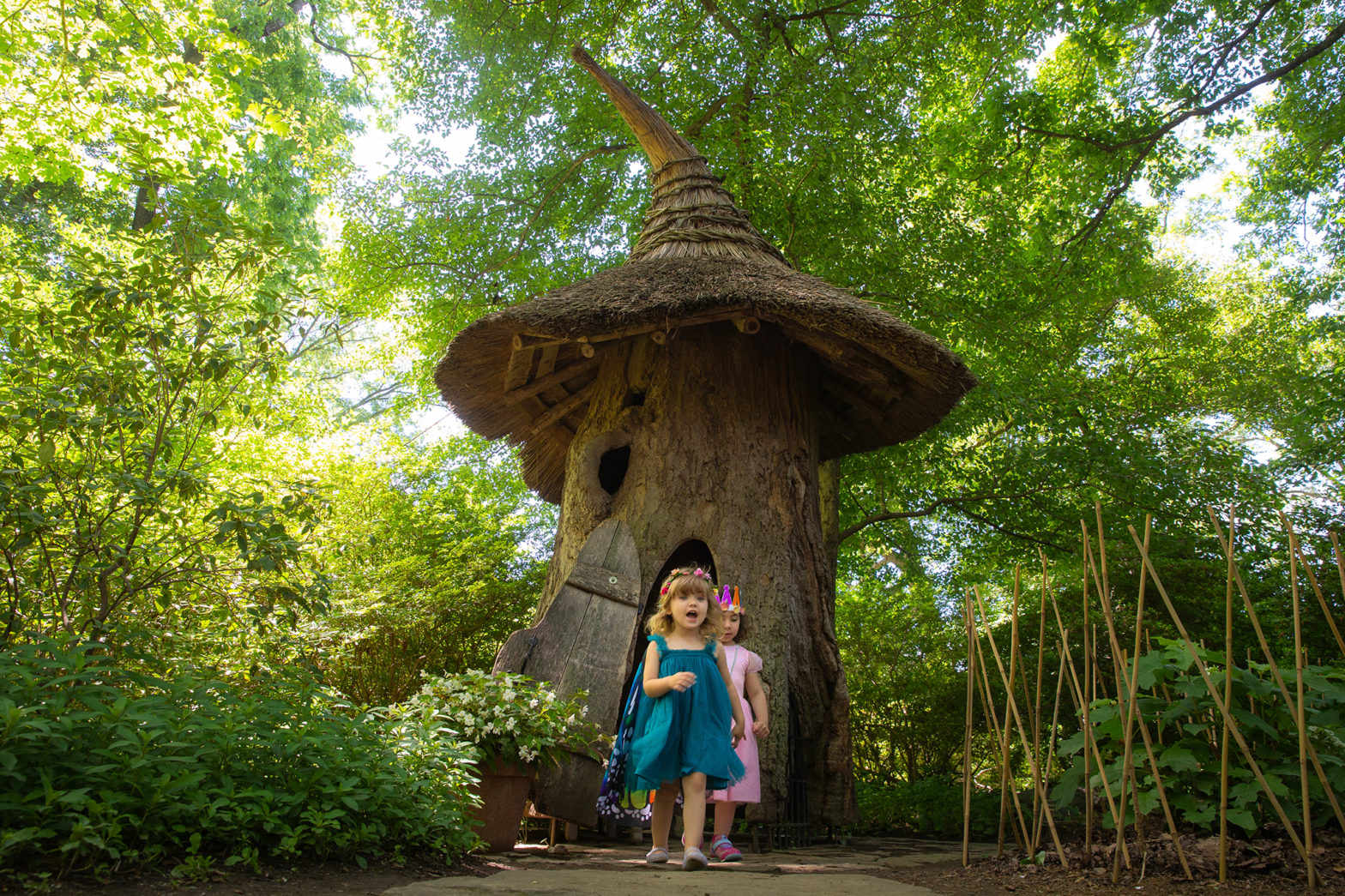
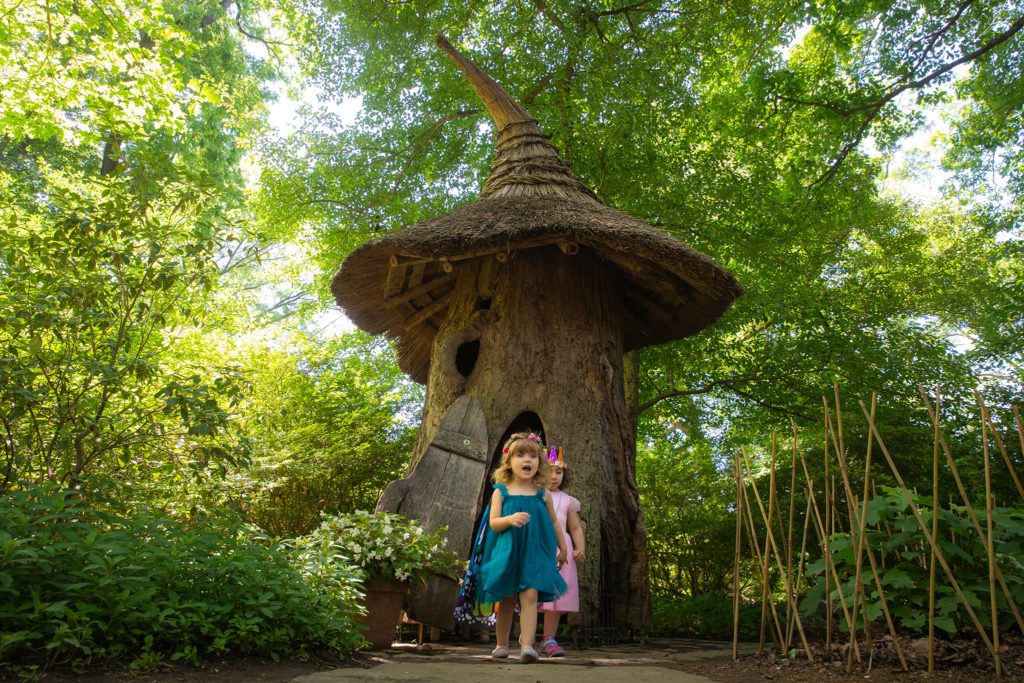
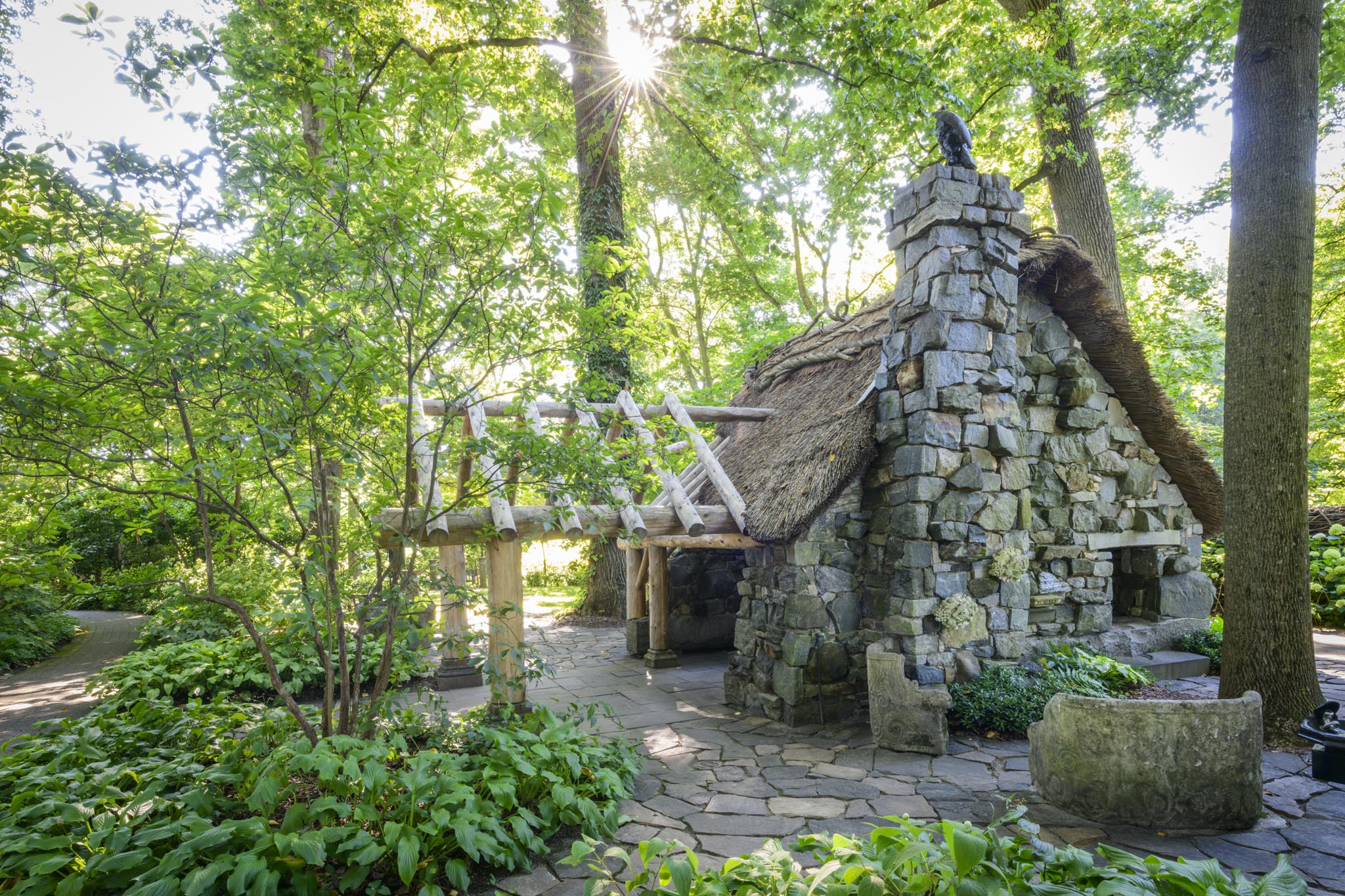
Faerie Cottage
Photo by Rob Cardillo
Story Time in Enchanted Woods
Photo by Suchat Pederson
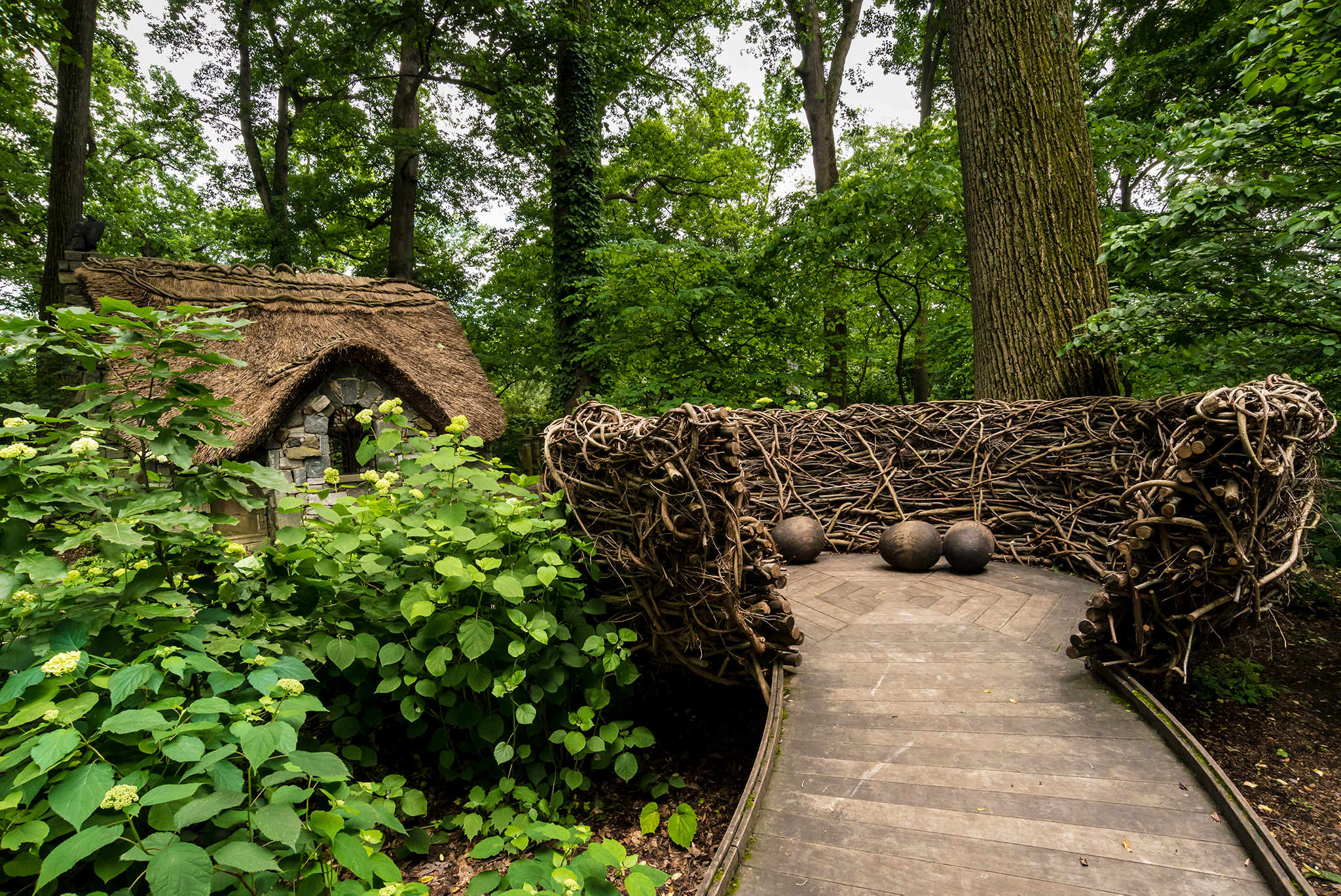
Bird’s Nest
Photo by Bob Leitch
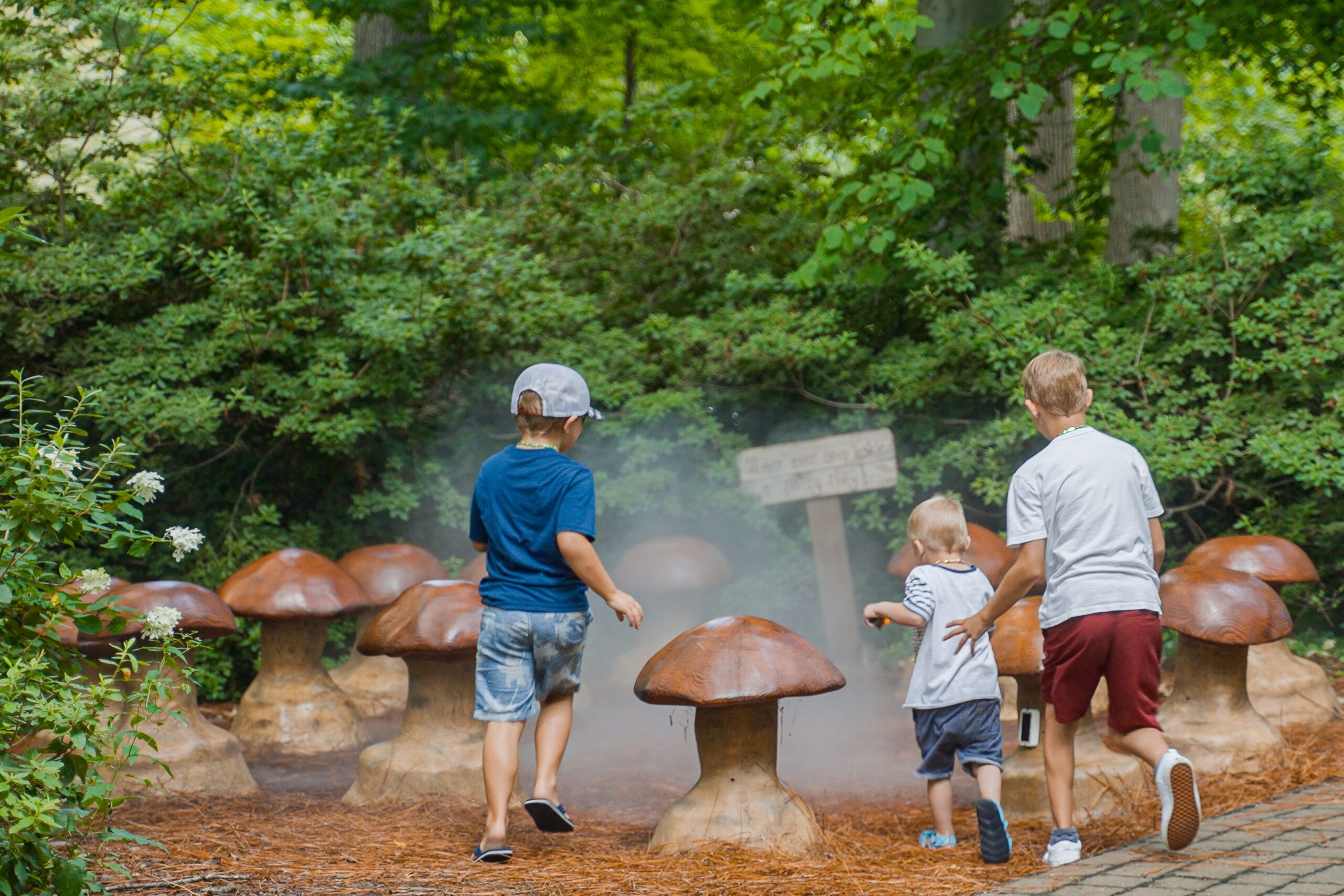
Fairy Ring
Gathering Green
Photo by Bob Leitch
Frog Hollow
Photo by Rob Cardillo
Tulip Tree House
Photo by Rob Cardillo
Water’s Edge
Photo by Suchat Pederson
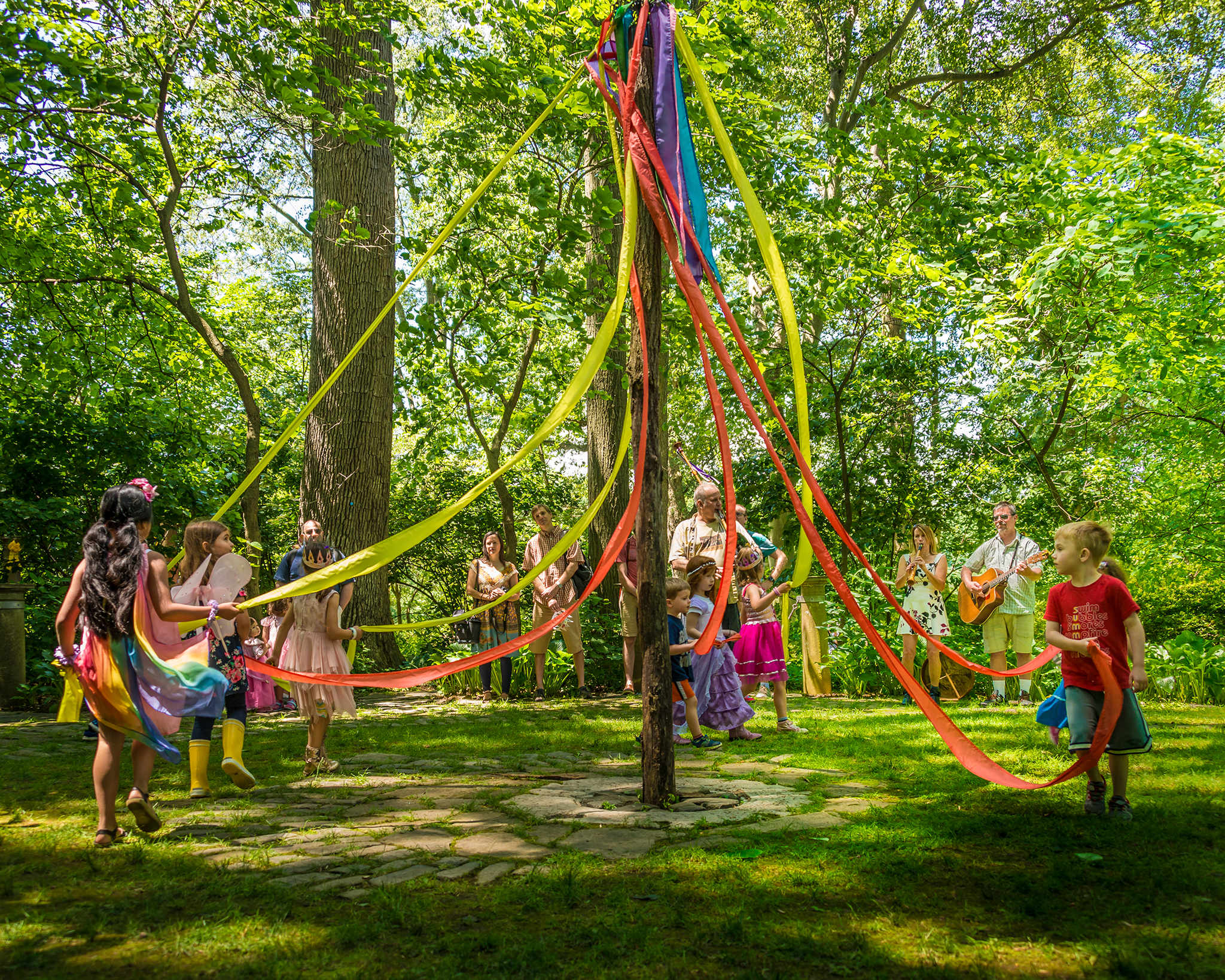
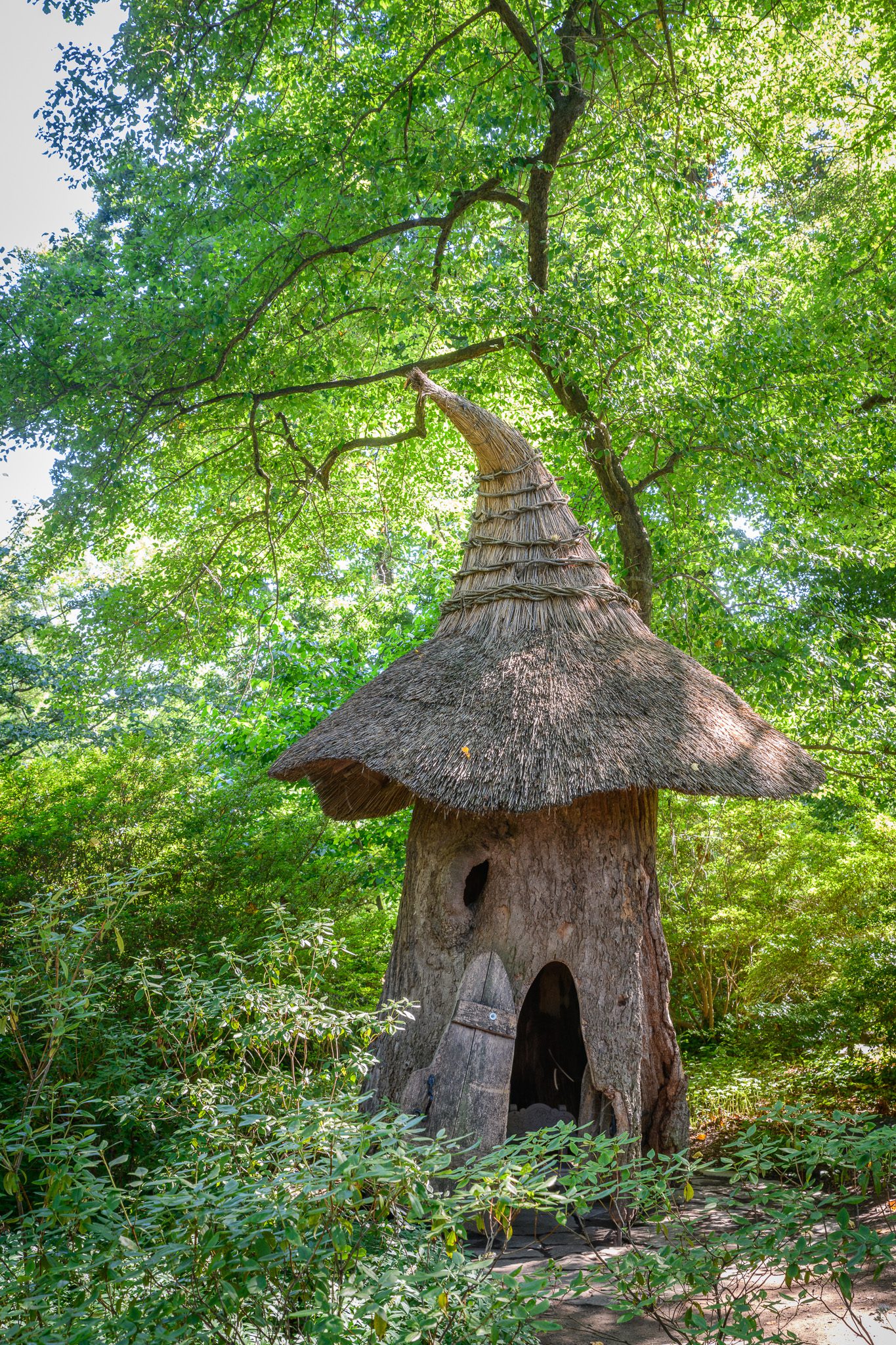
Discover the magic of a fairy-tale garden with a visit to Enchanted Woods. Designed to look as though it were created by fairies, this three-acre plot covered by majestic oak trees has several play areas to climb in, on, and over, including a Faerie Cottage with a thatched roof, a giant Bird’s Nest, and an Acorn Tearoom for make-believe tea parties. Enchanted Woods encourages children and their families to engage in imaginative play and creativity.
Don’t miss these special child-friendly activities. Included with admission. Members free.
Adventure Packs
Borrow a backpack filled with a guide, stories, and objects for exploring the galleries (pick up at the Galleries reception desk) and garden (pick up at the Visitor Center).
Tuesday–Sunday, 10:00 am–5:00 pm
Touch-It Room
Discover our interactive kids’ space, handle objects from the past, and pretend like you’re living long ago.
Saturdays, 10:30 am–3:30 pm
Hands-On History Cart
Meet our curators in training. Discover the objects they are investigating and what their research reveals. New topic each week.
Select Saturdays, 1:00–3:00 pm
September 19 Examine needlework samplers with Elizabeth Sacktor, Lois F. McNeil Fellow, Winterthur Program in American Culture.
October 10 Learn about glass insulator dating with Bella Taylor, Lois F. McNeil Fellow, Winterthur Program in American Material Culture.
October 17 Learn about ceramic transferware with Christina Freire, Lois F. McNeil Fellow, Winterthur Program in American Material Culture.
October 24 Explore CorningWare with Kayleigh Danowski, Lois F. McNeil Fellow, Winterthur Program in American Material Culture.
October 31 Explore fairy tale creatures and 1930s American utopianism with Anna Wershbale, Lois F. McNeil Fellow, Winterthur Program in American Material Culture.
November 14 Learn about braided rugs with Simone Tricca, Lois F. McNeil Fellow, Winterthur Program in American Material Culture.
November 28 Explore clock files with William Gerhardinger, Lois F. McNeil Fellow, Winterthur Program in American Material Culture.
December 5 Learn about a wheel cutting engine with William Gerhardinger, Lois F. McNeil Fellow, Winterthur Program in American Material Culture.
December 12 Examine pine tree samples with Reece Brown, Lois F. McNeil Fellow, Winterthur Program in American Material Culture.
December 19 Explore turning wool into yarn with Anna Sheik, Lois F. McNeil Fellow, Winterthur Program in American Material Culture.
March 6 Enjoy a weaving demonstration with Simone Tricca, Lois F. McNeil Fellow, Winterthur Program in American Material Culture.
April 10 Learn about floral embellishments with Reece Brown, Lois F. McNeil Fellow, Winterthur Program in American Material Culture.
April 17 Examine Shaker tape chairs with Meredith Ahmed, Lois F. McNeil Fellow, Winterthur Program in American Material Culture.
More Adventure Awaits!
Join us for fun in every season. A Winterthur membership offers unlimited free general admission, garden tram tours, Member days and discounts, and daily dawn-to-dusk access to the estate year-round. Learn more or call 800.448.3883.
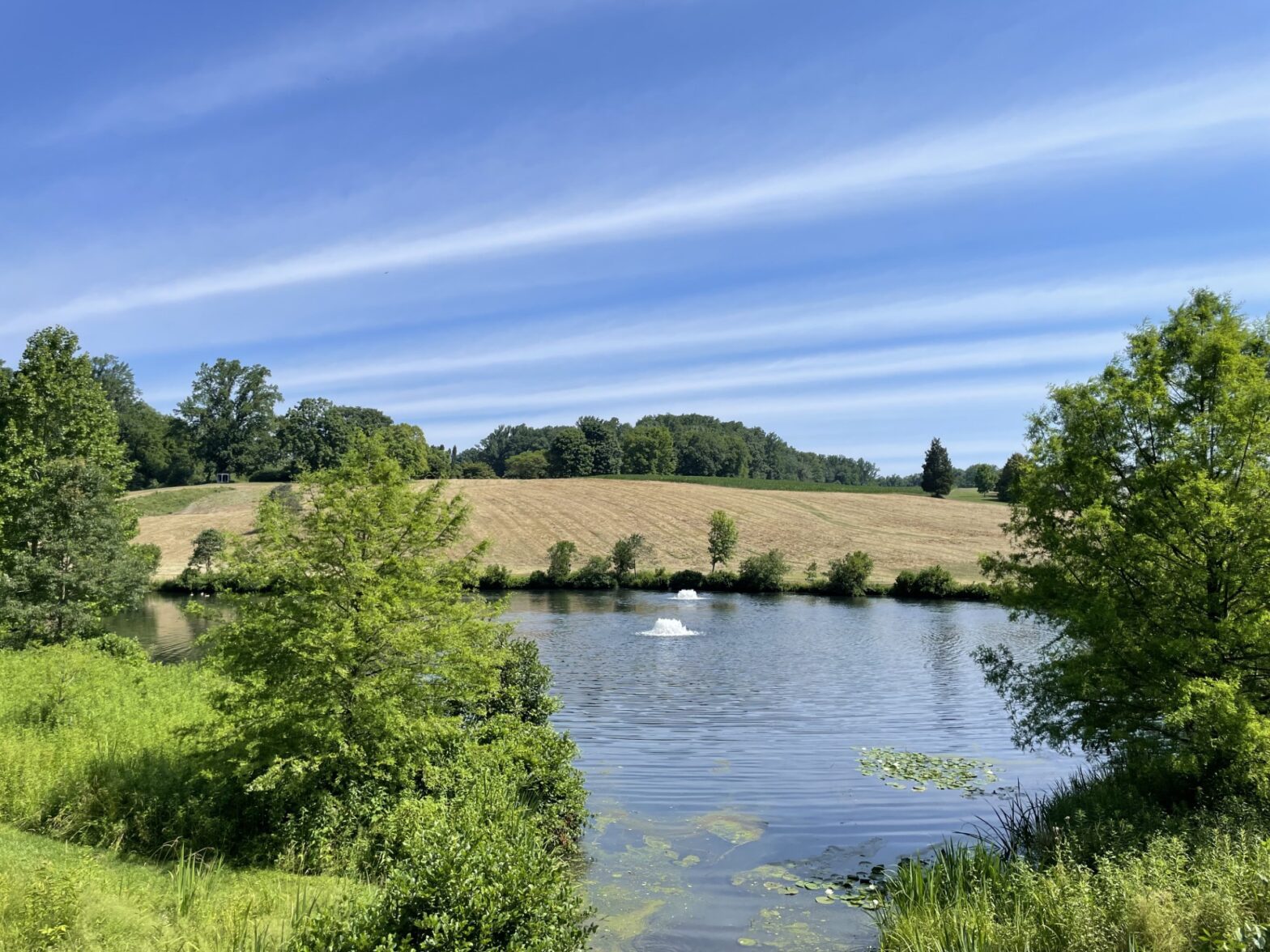
While Winterthur’s museum and galleries are home to impressive artwork and craftsmanship, the Winterthur estate of nearly 1,000 acres is also a canvas of breathtaking woodlands, meadows, and wetlands.
We know many of you share our passion for this magnificent Delaware treasure. Our Members often savor (and photograph) serene walks past our meadows brimming with tall grasses, wildflowers, and a dazzling array of dragonflies, butterflies, and birds.
One Member was recently concerned upon seeing that some of these meadows had been mowed. They reached out to question whether this mowing might have disrupted the habitat that so many creatures call home.
We thought this was a great opportunity to share the story behind our meadows and why mowing them is an essential part of their care.
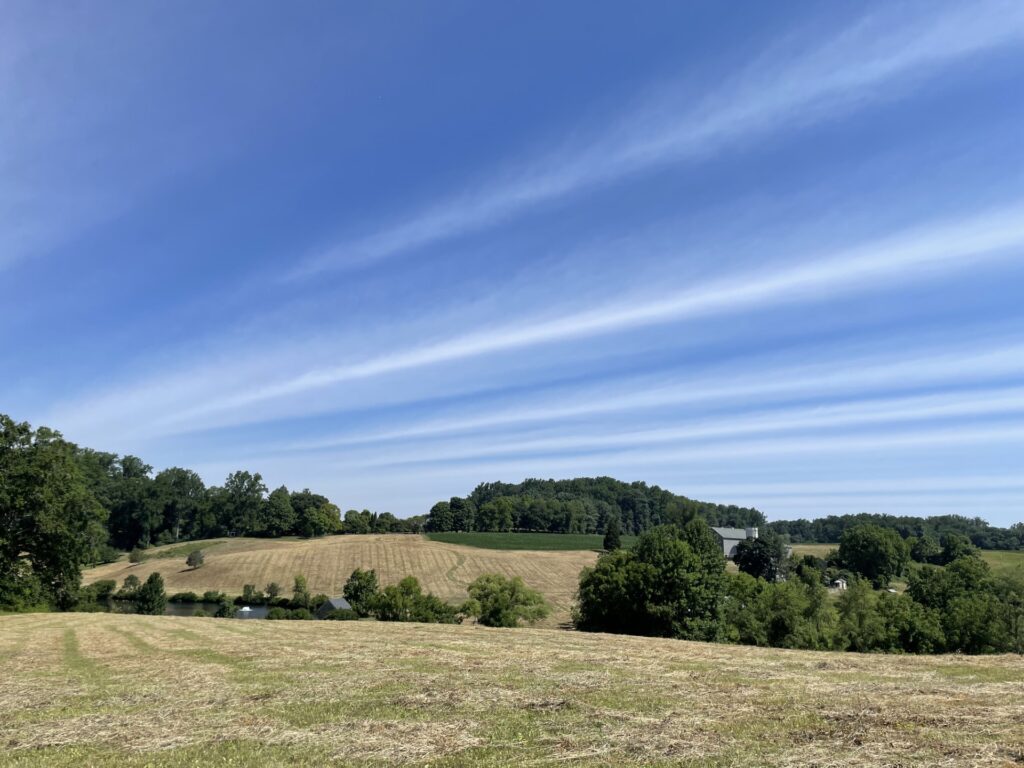
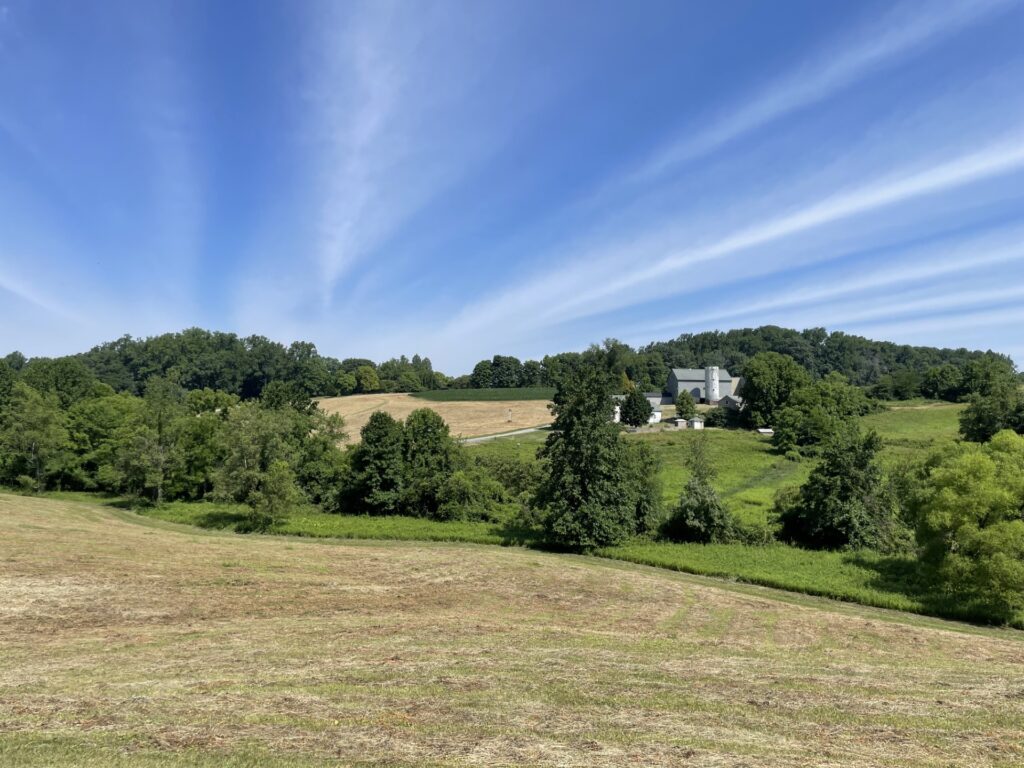
Fields were recently mowed in the East Barn Meadow at Winterthur.
Why Do We Mow Our Meadows?
Our meadows are not just picturesque—they are vital habitats for many species. Mowing is a key part of maintaining their health. It helps control the spread of weedy and invasive plants that can overshadow the native flora, which is crucial for the well-being of our pollinators and wildlife.
Our dedicated Natural Lands team carefully schedules mowing to minimize any impact on ground-nesting birds, pollinators, and other wildlife. For example, cutting plants like milkweed at specific times benefits monarch butterflies, as the regrowth provides an ideal environment for them to lay eggs as the last generation of monarchs for the season prepare for a long journey to overwinter in Mexico.
The Balance of Nature: Rotational Mowing
To maintain the delicate balance of our ecosystem, we practice rotational mowing. This means we always leave some fields uncut, allowing blooming plants to thrive and ensuring that pollinators have a continuous supply of flowers throughout the growing season.
Curious to learn more?
Check out our recent blog post on how prescribed burning plays a role in our land stewardship. You can also join us for the Director’s Garden Walks, held on the second Saturday of each month, where we’ll dive into unique topics like the intriguing chimney swifts at Farm Hill.
And don’t miss our Garden & Estate Insider walks every Tuesday for a deeper exploration of the estate’s hidden gems.
We cherish the support and engagement from all our visitors and Members. You inspire us to keep these lands flourishing and beautiful for generations to come.