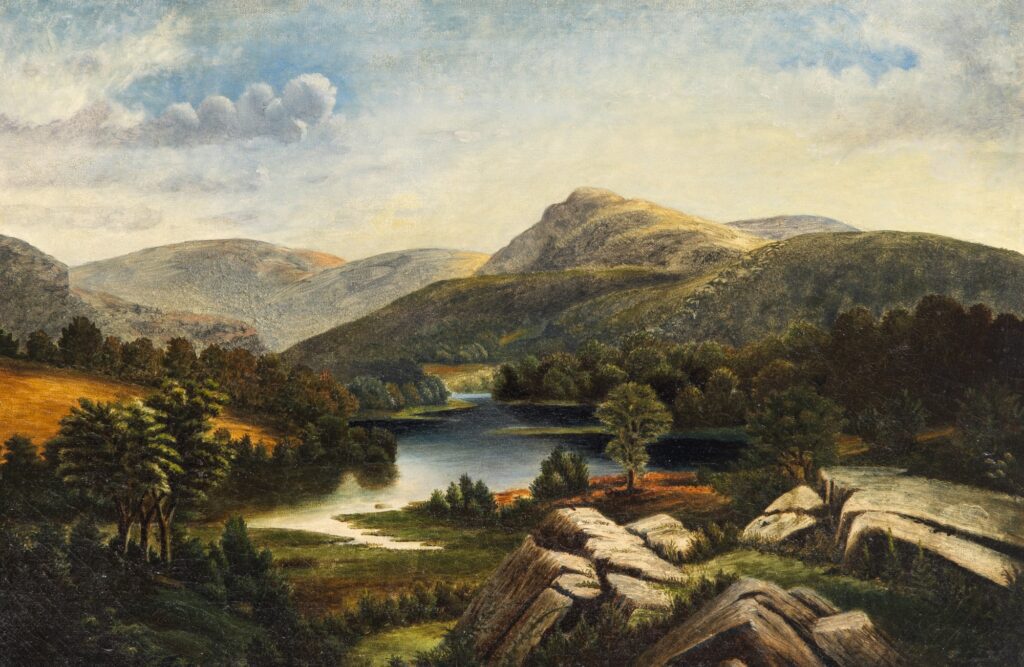
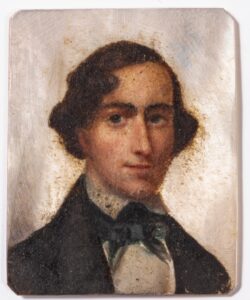
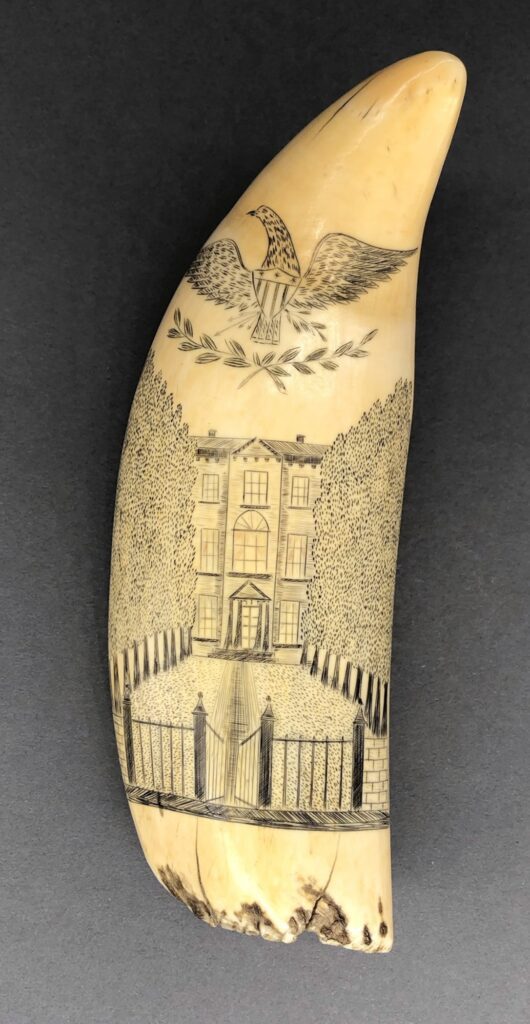
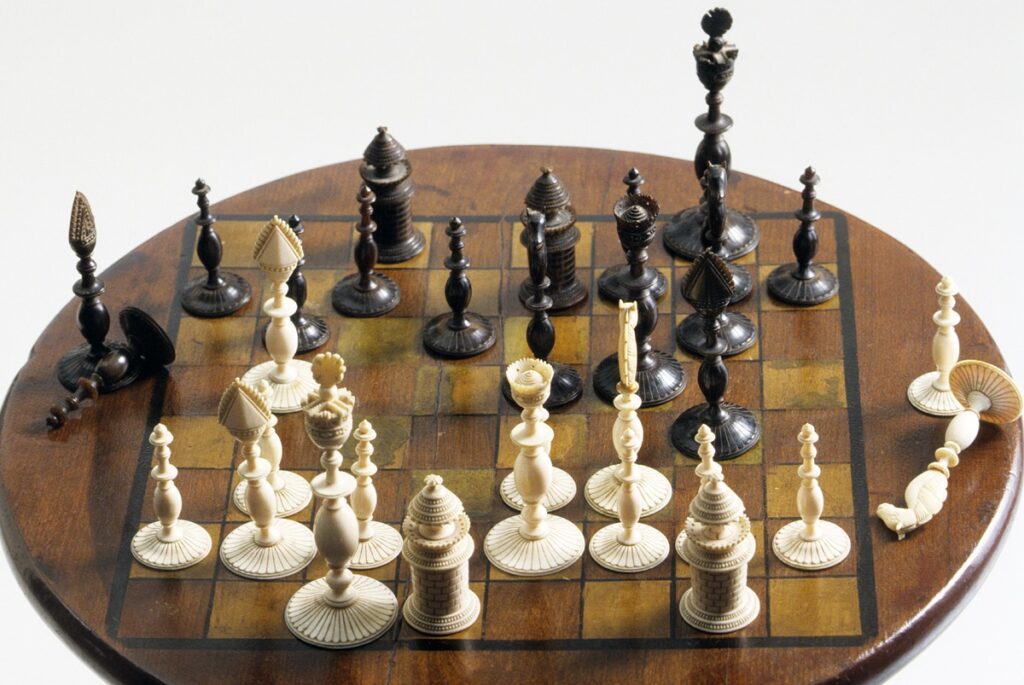
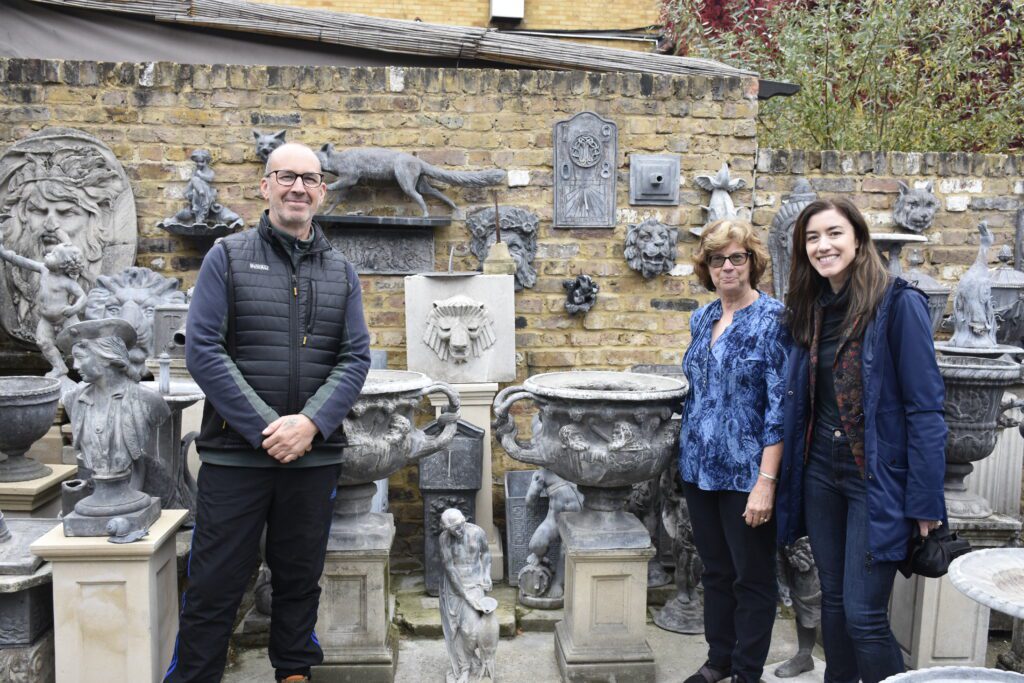
Traces 200 years of family history and Winterthur’s evolution from a home, country farm, and estate to a world-renowned decorative arts museum, garden, library, research and academic institution
WILMINGTON, Del. (May 22, 2026)—On May 23, Winterthur Museum, Garden & Library opens At Home at Winterthur, a major new exhibition that invites visitors to experience the full story of Winterthur as a landscape, a home, a place of work, and a world-renowned center for decorative arts, scholarship, and conservation. The exhibition coincides with the 75th anniversary of the museum, which founder Henry Francis du Pont opened to the public in 1951.
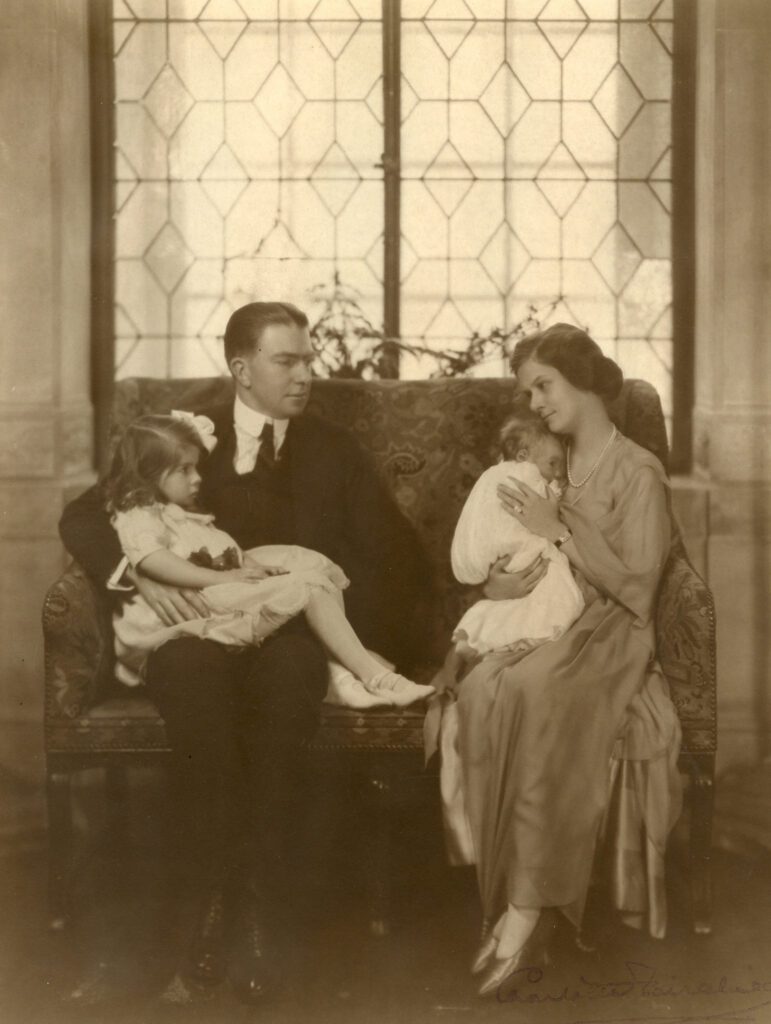
Before Winterthur became a premier museum of American decorative arts, it was home to three generations of du Ponts. This exhibition explores the people, objects, and places that have shaped this remarkable estate across generations, from the Lenape Indians who hunted and gathered along Clenny Run to the du Pont family who settled the Brandywine Valley in 1800 to the staff, scholars, artists, and visitors who make Winterthur a living institution today.
“Winterthur aims to foster a sense of home and belonging by sharing stories of the people, plants, animals, and objects that have shaped it,” said Chris Strand, Charles F. Montgomery Director and CEO. “This exhibition honors that spirit by telling the full, layered history of Winterthur, including its beauty, its complexity, its legacy, and progress. We invite every visitor to see themselves as part of its ongoing story.”
ABOUT THE EXHIBITION
Curated by a cross-departmental team that included exhibitions, interpretation and engagement, the garden, and library, along with consultant Kim Collison, At Home at Winterthur unfolds as visitors move through 15 sections in the first-floor galleries, each exploring a different dimension of the estate’s history and significance. The exhibition is designed around the visitor’s journey from the founding of the property to its present-day mission and features two annually rotating spotlights, one on a du Pont family member and one on a key Winterthur collaborator, giving repeat visitors new stories to discover each year.
Interactive touch screens encourage visitors to engage directly with some exhibits to learn more. Guests can listen to oral histories and hear first-hand accounts of what it was like to live, work, and visit Winterthur through the years. Included are employees who worked closely with H. F., some who worked at Winterthur in the 1980s and 90s, and one current employee who resides on the property. Four of the recordings are part of the FAIC Oral History Project, a database of hundreds of oral histories housed in the Winterthur Archives in the research library.
“We have long needed a space devoted to this rich and fascinating story. As visitors explore this beautiful, immersive exhibition designed by Charles Mack, Inc. and Sally Comport of Art at Large, they will be captivated by the vastness of Winterthur’s legacy—past, present, and future,” said Alexandra Deutsch, Winterthur’s John L. and Marjorie P. McGraw Director of Collections. “It was important to bring the history up to the present day because Winterthur has never stopped evolving as a place of inspiration and education, beauty, and community.”
A Legacy in the Brandywine Valley: The du Pont Family
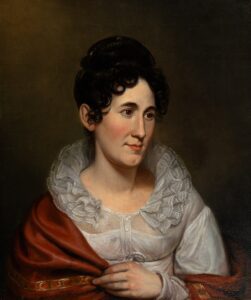
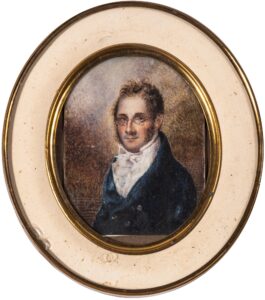
The exhibition opens with a sweeping family timeline tracing the du Pont legacy from Pierre Samuel du Pont de Nemours (1739–1817), a writer, economist, and statesman who arrived in America on New Year’s Day 1800, through the generations who built Winterthur into a country estate. Irénée du Pont founded E. I. du Pont de Nemours and Company in 1802 and established the first 450 acres that would become Winterthur. His daughter Evelina and her husband Jacques Antoine Bidermann built the original Greek Revival house in 1839 and named it Winterthur after the Swiss ancestral home of the Bidermann family. Subsequent generations expanded the property to more than 2,400 acres at its height. Among the objects on view are Pierre Samuel’s wedding ring and that of his first wife Nicole, a portrait miniature of Sophie Madeleine Dalmas du Pont, and the family’s invitation to their 150th anniversary celebration in America in 1950.
Family Focus: Henry Algernon du Pont (Rotating Annual Spotlight)
A dedicated section in the gallery, one of the exhibition’s two annually rotating spotlights, opens with a focus on Colonel Henry Algernon du Pont (1838–1926), a Civil War Medal of Honor recipient, U.S. Senator, president of the Wilmington and Northern Railroad, and the father who shaped Henry Francis (H. F.) du Pont’s passion for gardening, farming, and preservation. Featured objects include the Colonel’s sword and scabbard and his portrait on loan from Hagley Museum and Library. Each year this section will turn its lens on a different member of the du Pont family, offering returning visitors a deeper look at the people behind Winterthur’s history.
Henry Francis du Pont at Home
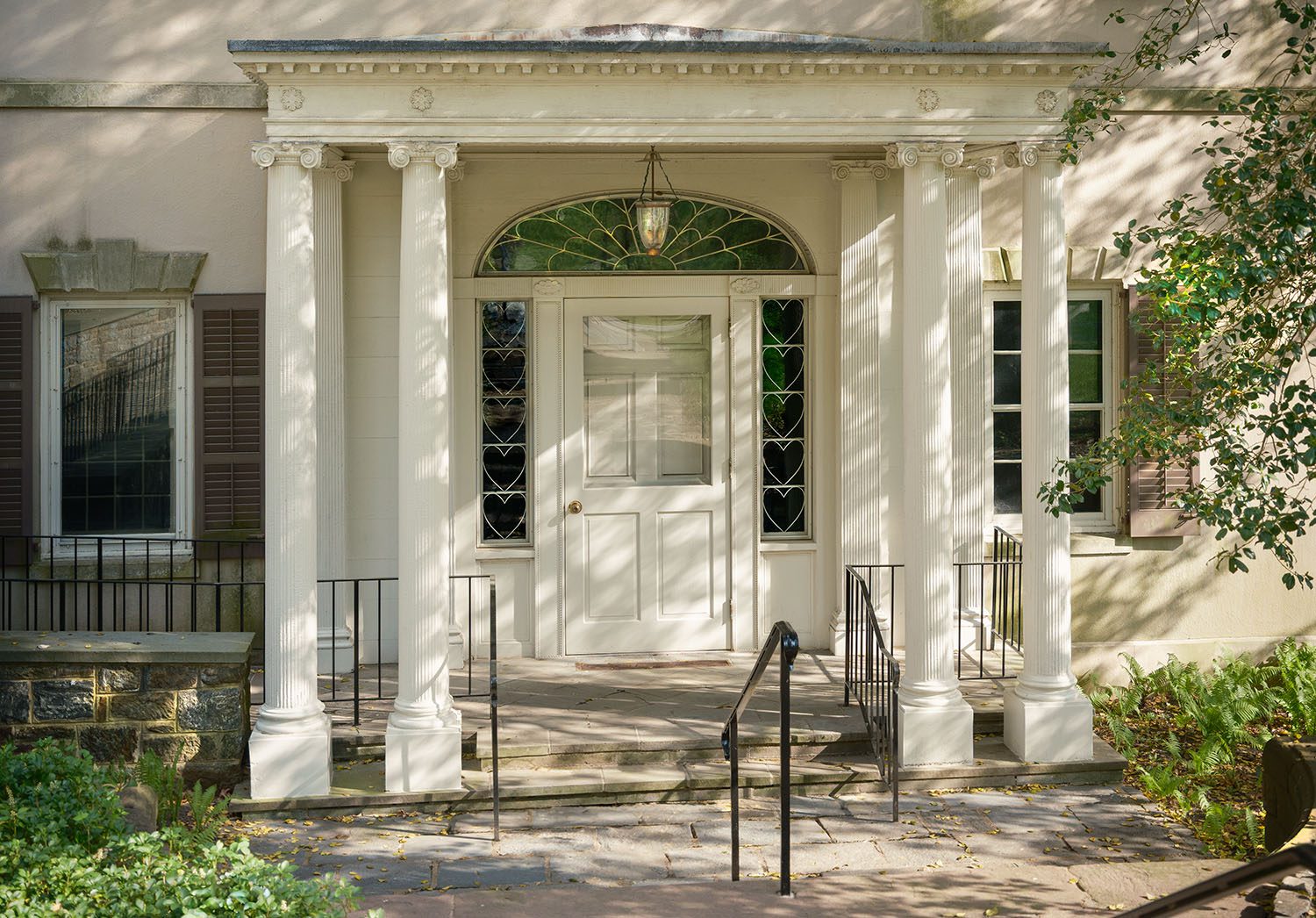
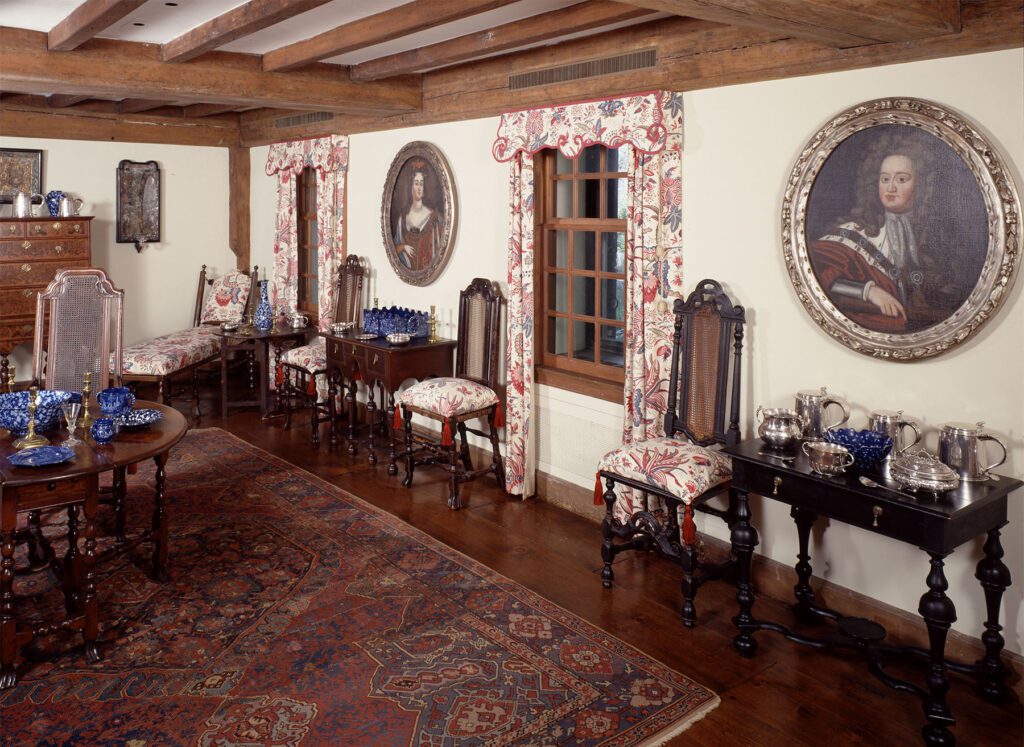
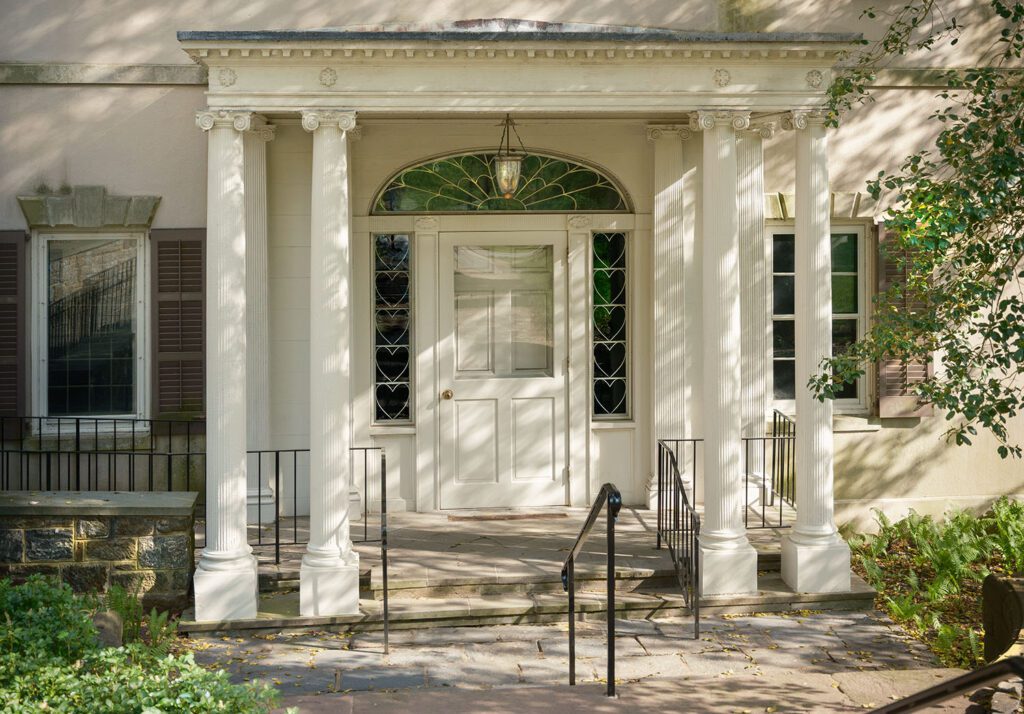
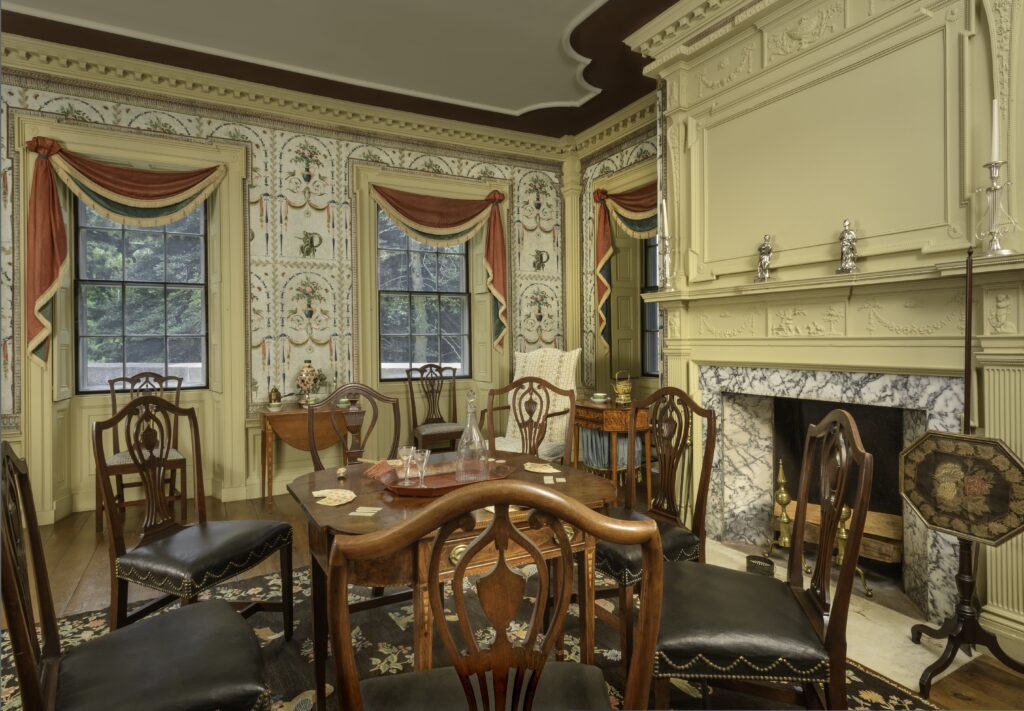
“I was born at Winterthur and have always loved everything connected with it,” H. F. du Pont wrote in 1962. A central section of the exhibition places his extraordinary life and vision at its heart. Beginning in his early twenties, he devoted himself to Winterthur’s interiors, garden, and farm. After inheriting the estate in 1926, he undertook its most sweeping transformation, a 1929–30 expansion that essentially tripled the size of the house to 175 rooms to house his ever-growing collection of decorative arts made or used in America from 1640 to 1860. The walls, halls, doorways, and even a grand stairwell are adorned with salvaged American architecture from historic and colonial-era homes.
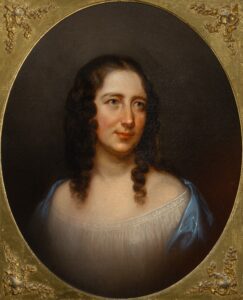
Visitors will encounter du Pont’s portrait by Aaron Shikler, the portrait of his wife Ruth Wales du Pont and daughter Pauline Louise du Pont by Harrington Mann, his well-traveled trunk (later used to smuggle rare cherry trees from England), his bamboo chair, a personal suit, cane, hat, and one of many garden observation notebooks, among other well-used personal belongings.
Together, this vignette conveys the life of a man whose collecting, designing, gardening, and farming were inseparable from one another and from his home. His appointment by First Lady Jacqueline Kennedy as Chairman of the Fine Arts Committee for the White House restoration is documented with photographs and her celebrated letter: “All I can say is I will never recover from it or forget one tiny detail,” she wrote of her visit to Winterthur.
Winterthur Farms
“I have always made it clear that the museum, the garden, and the farm were one big family,” du Pont said. The Winterthur Farms section chronicles the estate’s agricultural heritage from Irénée du Pont’s Merino sheep, whose imported ram Don Pedro is credited as the father of the American sheep industry, to the world-famous Holstein dairy herd that H. F. built beginning in 1918. A trunk for shipping produce, the Winterthur Farms herd record book, milk bottles, prize ribbons, show trophies, and branding irons document a farm program that employed hundreds and earned international recognition. Today, Merino sheep and goats continue the Winterthur farm legacy, visible to visitors as they arrive on the estate.
At Home in the Winterthur Garden
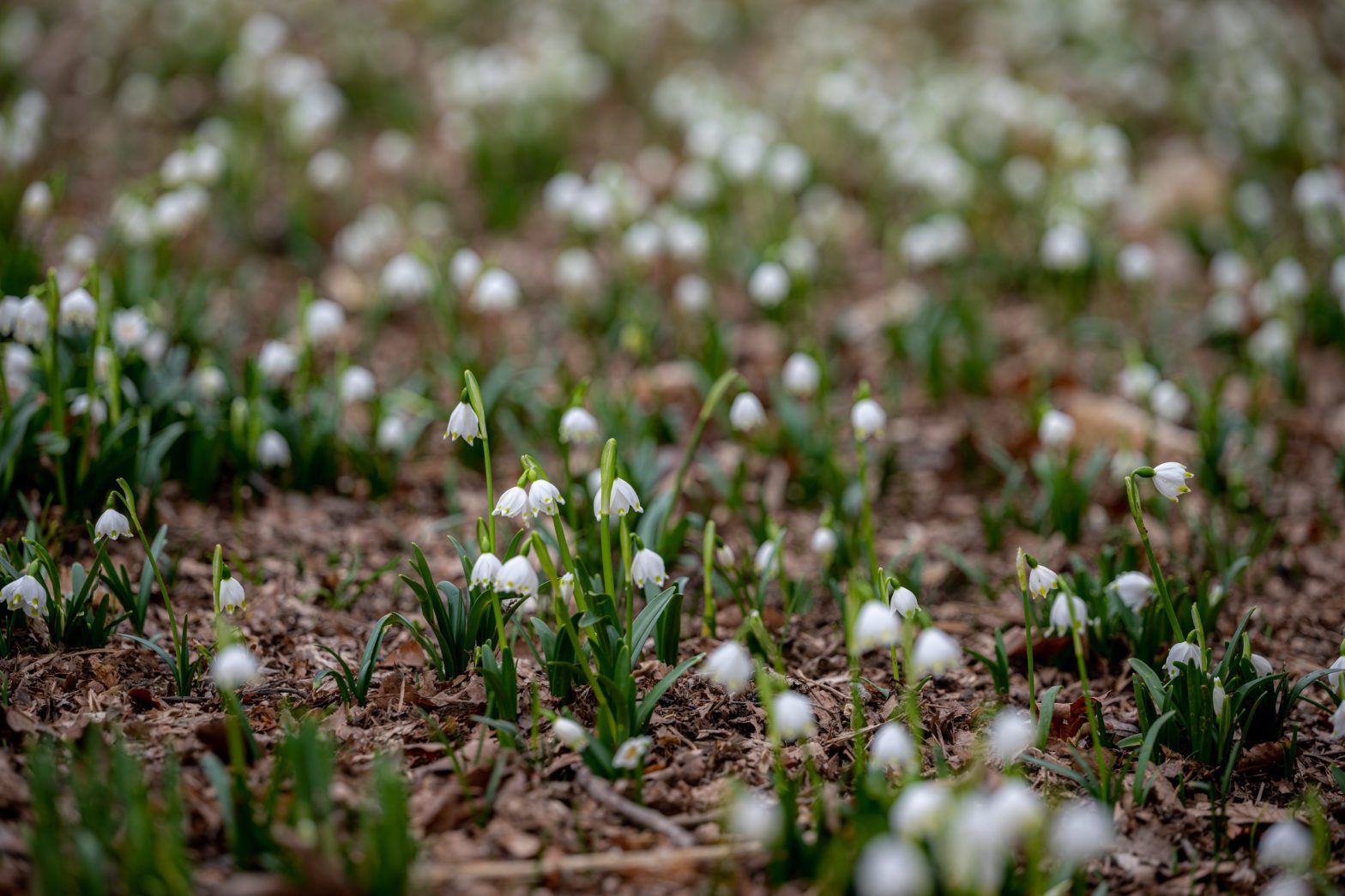
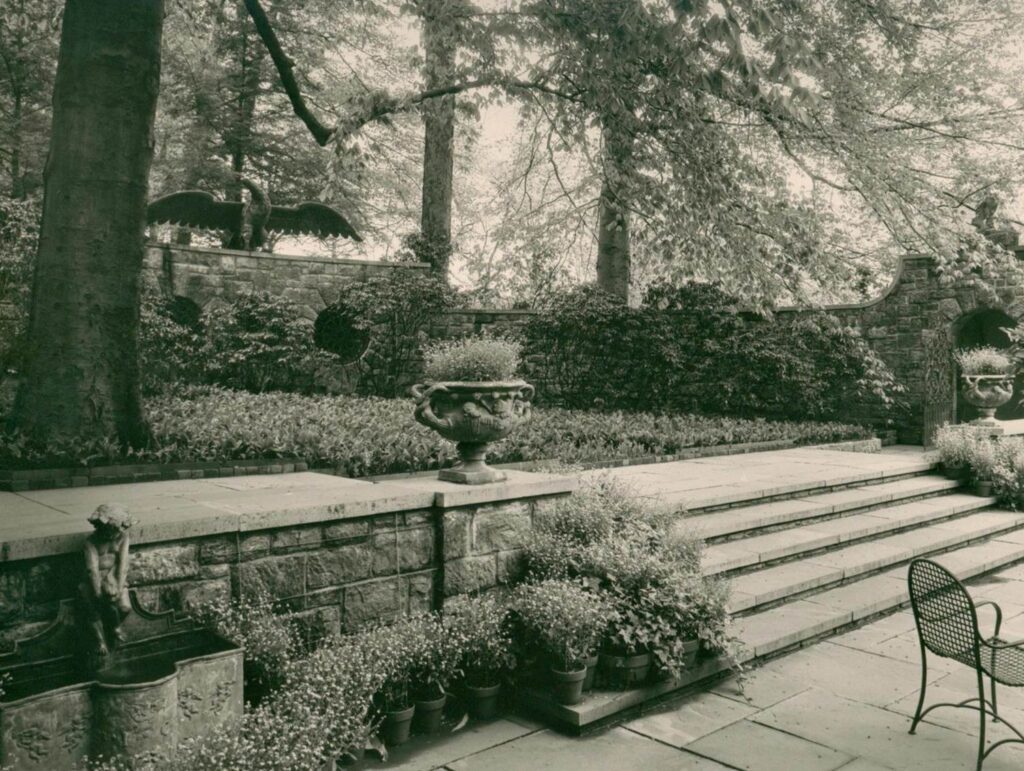
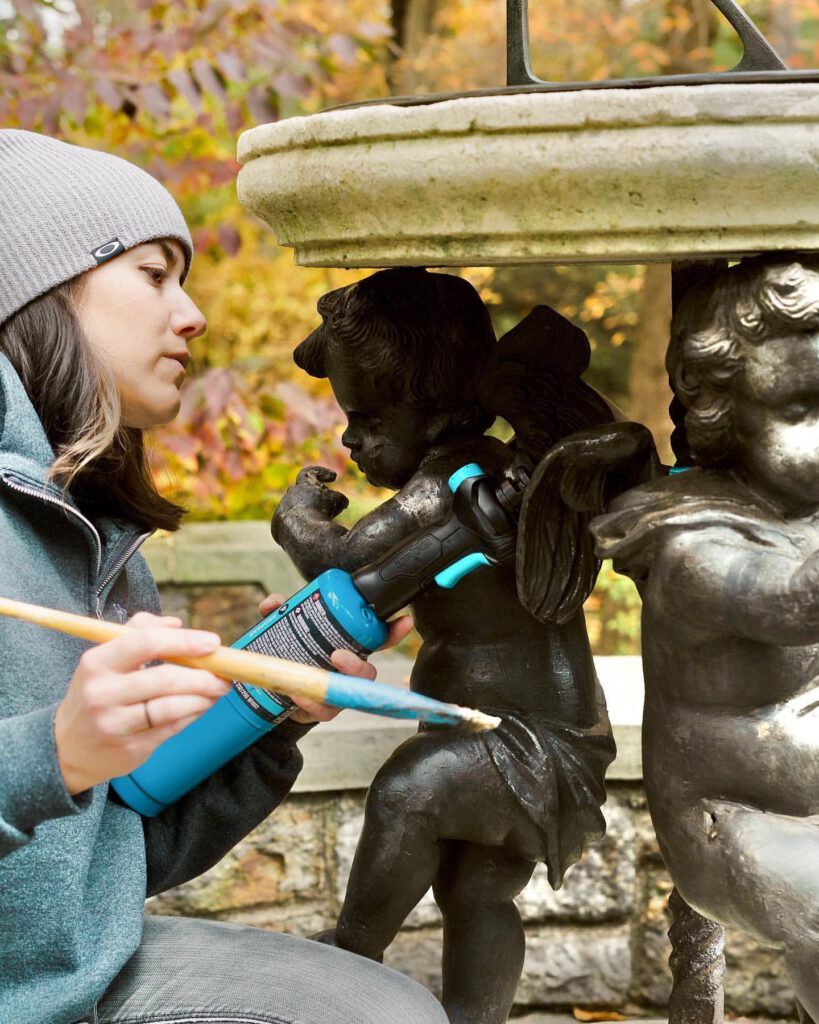
Du Pont considered himself Winterthur’s “head gardener” until his death in 1969. His sixty acres of naturalistic and formal garden were shaped by daily observation, collaboration with landscape architect Marian Cruger Coffin, and the influence of William Robinson and Gertrude Jekyll. Winterthur is one of the world’s largest naturalistic-style gardens in the country and remains one of the most celebrated horticultural achievements in America. Lead cherub garden ornaments from the late 1920s, a plant label embossing machine used to document the collection, white directional arrows still posted each spring since 1952 to mark the path to the best blooms, and du Pont’s monogrammed pruning shears evoke a garden that was as meticulously curated as any room in the house. Winterthur is renowned for du Pont’s understanding of color theory and his love of daffodils. Both are highlighted in the exhibition, including a photograph of the estate’s daffodil display that was among the 115 images carried into interstellar space aboard Voyager 1 in 1977 as part of NASA’s Golden Record.
Entertaining at Home
Du Pont used his collections of objects and plants to create dramatic experiences for his guests, personally designing the place settings for every lunch and dinner served at Winterthur. He provided meticulous instructions for selecting and arranging china place settings, glassware, linens, and which flowers to use from the cutting garden and greenhouses. He owned more than 50 complete sets of dinnerware and maintained precise records of which month each was used and which flowers accompanied it. The exhibition’s entertainment section highlights the family’s most celebrated occasions, including H. F. and Ruth’s lavishly planned 25th wedding anniversary party around the swimming pool, which is now the Reflecting Pool. On display is the silver-lamé sailor suit worn by the young boy who rowed an accordion player across the pool for the occasion.
The Winterthur Creative Community
Du Pont’s vision for Winterthur required the collaboration of hundreds of creative partners, including designers, horticulturists, architects, dealers, and craftspeople. That creative energy continues today. Beginning in 2018, Winterthur added the Maker-Creator Fellowship to its research opportunities, welcoming artists, writers, and other creatives to study the collection for inspiration. The exhibition features an original mural by Maker-Creator fellows Kimberly Hall and Justin Hardison from the Nottene Studio, whose botanical imagery grew directly from sketchbooks filled during daily walks on the estate. Ceramic works by research fellow Joey Quiñones explore ideas of who is seen and unseen in the history of decorative arts, referencing Winterthur’s transferware collection through a contemporary lens.
At Home at Play
Weekend entertainment at Winterthur included tennis, golf, swimming, bowling, sleighing, and badminton. The estate also had its own baseball team, the Winterthur Tossers, which competed in the Diamond State Baseball League against teams from Longwood, Hockessin, and Rockland. Ruth Wales du Pont’s monogrammed golf clubs and bag and a wool Tossers jersey, both on view, capture the sporting life of the estate community. The annual kickball tournament held by Winterthur staff today, with team names like the Purple Pedro and the Mighty Milkmen, keeps that playful tradition alive.
At Home at Work
Winterthur was always a community, not just a house. Before the Great Depression, farm and garden staff numbered more than 200. The estate included nearly 90 residences, a post office, a train station designed by the same architect who added the fourth floor to the Winterthur house, and a fire station. A fire helmet belonging to the estate’s first fire chief, George Colman, and the original Winterthur Train Station sign anchor this section. Stories of postmistress Anna May Norris Upright, the longest-serving federal postmaster in Delaware, and the families who worked for generations at Winterthur bring individual voices to the estate’s history.
Collaborator Corner: Marian Cruger Coffin (Rotating Annual Spotlight)
Like the Family Focus case, the Collaborator Corner rotates annually to feature a different key figure in Winterthur’s making. This year’s spotlight falls on Marian Cruger Coffin (1876–1957), the landscape architect who was also a childhood friend of H. F. du Pont. Together they worked for nearly thirty years on the landscape surrounding the house including the Box Scroll Garden, the East Terrace, the Reflecting Pool, and the Sundial Garden, all of which survive today. The section features cast iron stove figures of George Washington and Columbia that du Pont and Coffin together sited in an iris garden as documented through their warm and witty correspondence. Future years will spotlight other essential collaborators in Winterthur’s history.
An American Collection and a House of Many Homes
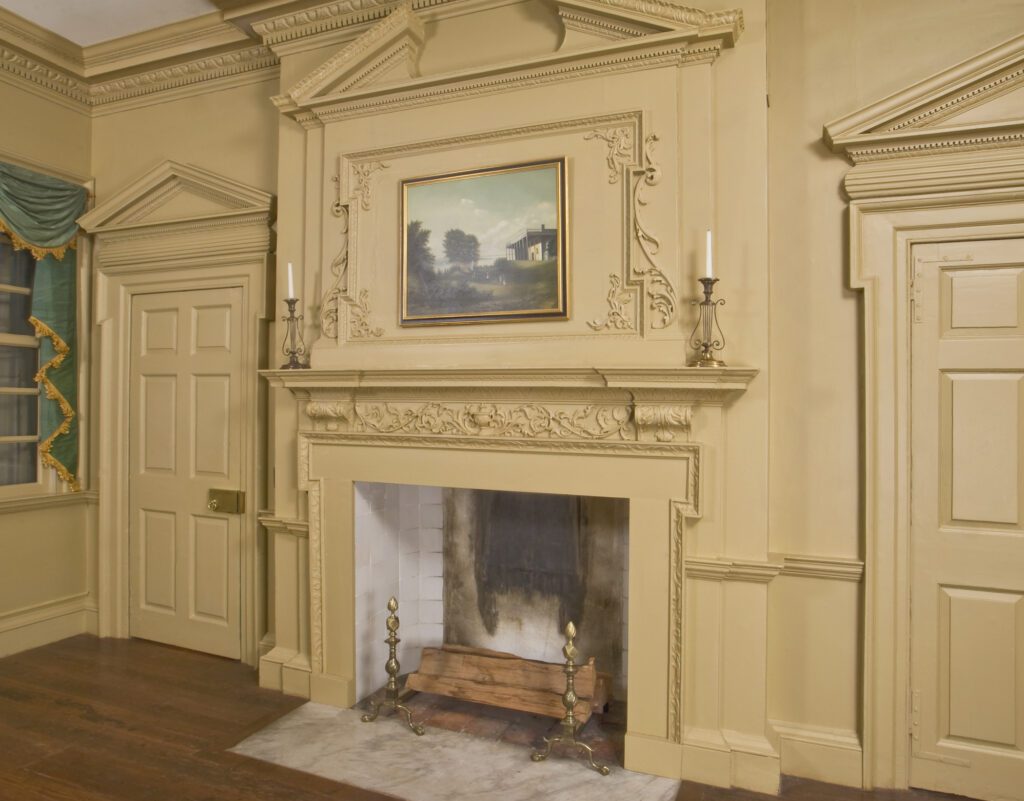
Du Pont’s 1923 visit to fellow collector Electra Havemeyer Webb’s home, where he saw a pine dresser filled with pink Staffordshire ceramics, ignited his passion for American antiques. His earliest recorded American purchase, a walnut chest of drawers dated 1737, and a hooked rug from his Southampton house, called Chestertown House, anchor the American Collection section. The adjacent House of Many Homes section reveals how the Winterthur museum building itself was constructed from salvaged American architecture, including the door, Palladian window, dormers, and rooftop fencing of the Port Royal house in Frankford, Pennsylvania. An original Port Royal dormer from the 1760s, recently stabilized by Winterthur conservators, is on view alongside blueprints and photographs documenting the extraordinary process of transforming a private home into a museum.
Invitation to Winterthur, A Collection for Study, and In the Community
The exhibition’s final sections trace Winterthur’s evolution into one of America’s most significant cultural institutions. On display are early tickets to visit Winterthur issued a decade before the museum officially opened in 1951, and the November 1951 issue of The Magazine Antiques, which was devoted entirely to the opening. These artifacts document the museum’s immediate national impact.
The Collection for Study section celebrates the graduate programs in American material culture (WPAMC) and art conservation (WUDPAC) that have trained thousands of curators, conservators, and scholars, including professionals who have helped preserve the Liberty Bell, the Emancipation Proclamation, the Star-Spangled Banner, and the Dead Sea Scrolls.
The exhibition closes with In the Community, celebrating the institution’s environmental stewardship, partnerships across the Brandywine Valley, and commitment to education, represented by a 1964 Delaware Antiques Show catalogue and a shell snuff box that opens a conversation about freshwater mussel conservation in the Delaware River Watershed.
Exhibition Highlights
Among the objects on view, including some rarely seen or never before seen images, documents, and objects:
• The wedding rings of Pierre Samuel du Pont de Nemours and his first wife Nicole, France, 1766
• Colonel Henry Algernon du Pont’s Congressional Medal of Honor and his Civil War sword and scabbard
• Henry Francis du Pont’s portrait by Aaron Shikler (1965), his traveling trunk, bamboo chair, and monogrammed pruning shears
• The Winterthur Farms herd record book and a produce shipping trunk stamped “Henry F. du Pont, Winterthur, Delaware”
• Lead cherub garden ornaments (ca. 1915) and the plant label embossing machine used to document Winterthur’s collection
• A child’s silver-lamé sailor suit worn at du Pont’s 25th wedding anniversary party (1941)
• Cast iron stove figures of George Washington and Columbia, placed in the former Iris Garden by du Pont and Marian Coffin
• An original Port Royal house dormer (ca. 1765), whose design was replicated 53 times across the Winterthur building
• Ceramic works by Maker-Creator Fellow Joey Quiñones and the Nottene Studio mural, both inspired by the Winterthur collection
Visitor Information
At Home at Winterthur opens May 23, 2026, in The Galleries at Winterthur Museum, Garden & Library, 5105 Kennett Pike, Wilmington, Delaware. The exhibition is included with general museum admission. Guided gallery walks are available Tuesdays through Sundays, 1:15–1:45 pm.
###
About Winterthur Museum, Garden & Library
Winterthur—known worldwide for its preeminent collection of American decorative arts, naturalistic garden, and research library for the study of American art and material culture—offers a variety of tours, exhibitions, programs, and activities throughout the year. Admission includes a self-paced house tour, exhibitions, a narrated tram ride (weather and space permitting), and the Winterthur Garden.
Winterthur is located on Route 52, six miles northwest of Wilmington, Del., and five miles south of U.S. Route 1. Winterthur is committed to accessible programming for all. For information, including special services, call 800.448.3883 or visit winterthur.org. Winterthur is closed seasonally from early January through late February.