Search Site
Featured

Millions of Bulbs?

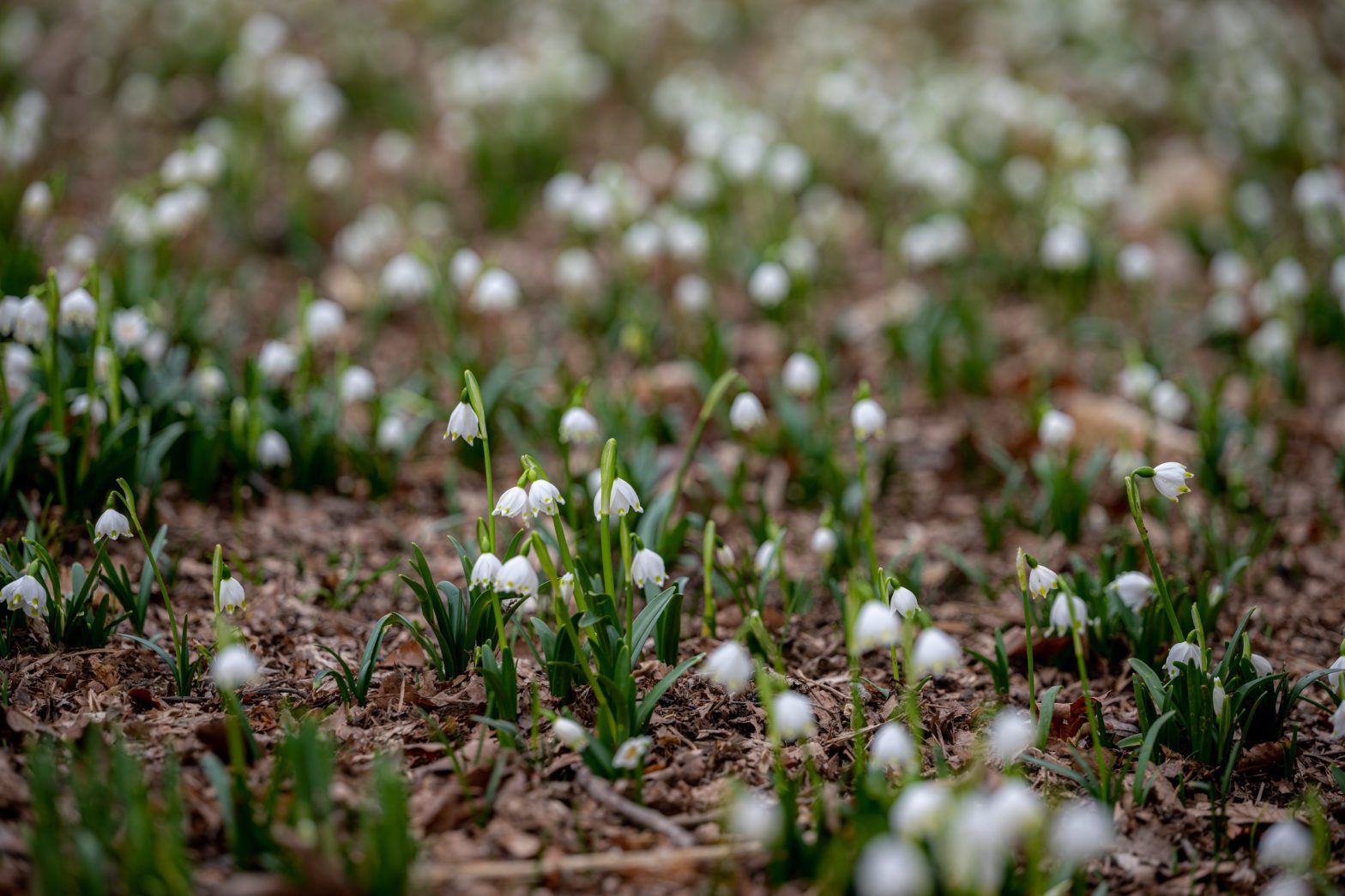
The upcoming Bank to Bend event on March 11, 2023, celebrates the snowdrops on the March Bank, which also features winter aconites, snowflakes, and crocuses—and this year, because of the mild weather we are already seeing daffodils, scilla, and squill popping through the leaf litter. One of the questions that comes up often but that I am always a little hesitant to answer is, “How many bulbs are there in the March Bank?” I always say millions, with my fingers crossed behind my back because, after all, I have not counted them.

I finally decided to resolve this nagging doubt. Using Google Earth, I plotted the area of the March Bank, following the general boundaries of the area that we used for its restoration, but decreased them slightly. I drew a line from the Scroll Garden to the 1750 House, then over to Magnolia Bend, but I excluded the Glade. The area enclosed by this measurement is 6.9 acres, or 300,564 square feet.

Looking at one square foot of the March Bank, I chose an estimate of 10 bulbs per square foot. This number is very conservative—some areas have as many as 40–50 bulbs in a square foot, whereas others have only a few or no bulbs, including the paths and watercourses. So, 10 is probably a fair guess.

Next, I multiplied 300,564 (the number of square feet) by 10 (the average number of bulbs per square foot) and got 3,005,640 bulbs. Even if my assumptions are off by half, it would still be more than a million bulbs. I propose that saying the March Bank has “millions of bulbs” is well within the margin of error.

Please join us on March 9 to see these beautiful bulbs for yourself on a guided or self-guided walk.

Post by Chris Strand, Charles F. Montgomery Director and CEO of Winterthur

A History of the Winterthur Fire Department

This image has an empty alt attribute; its file name is 1-15-1024x683.png

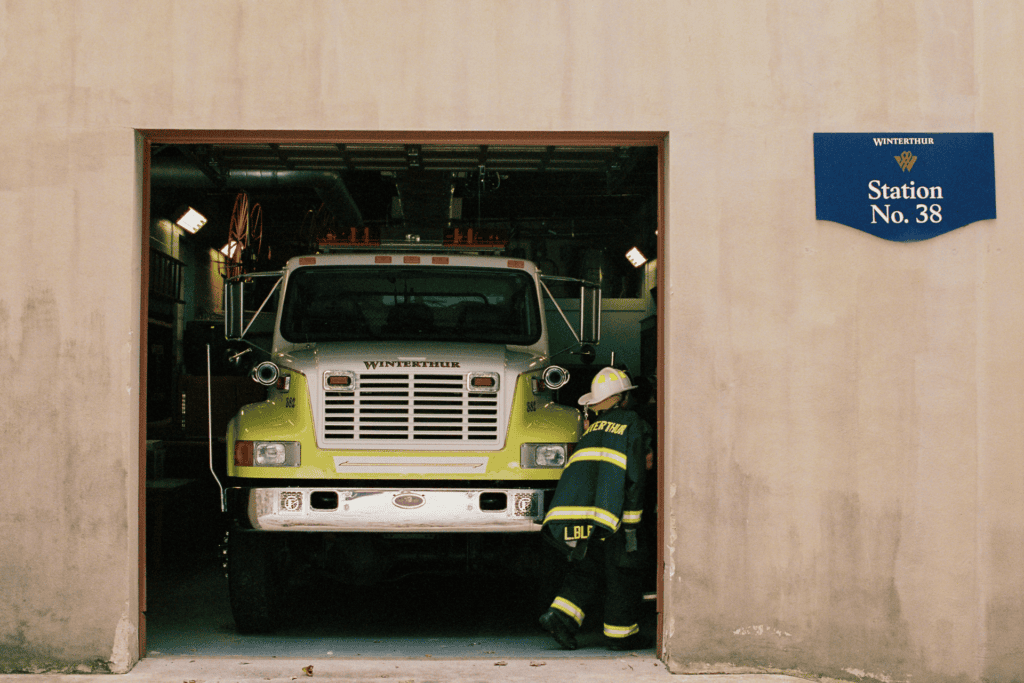
People don’t often consider a fire station when they think of a country estate. But for almost seventy years, Winterthur has had its own fire department.

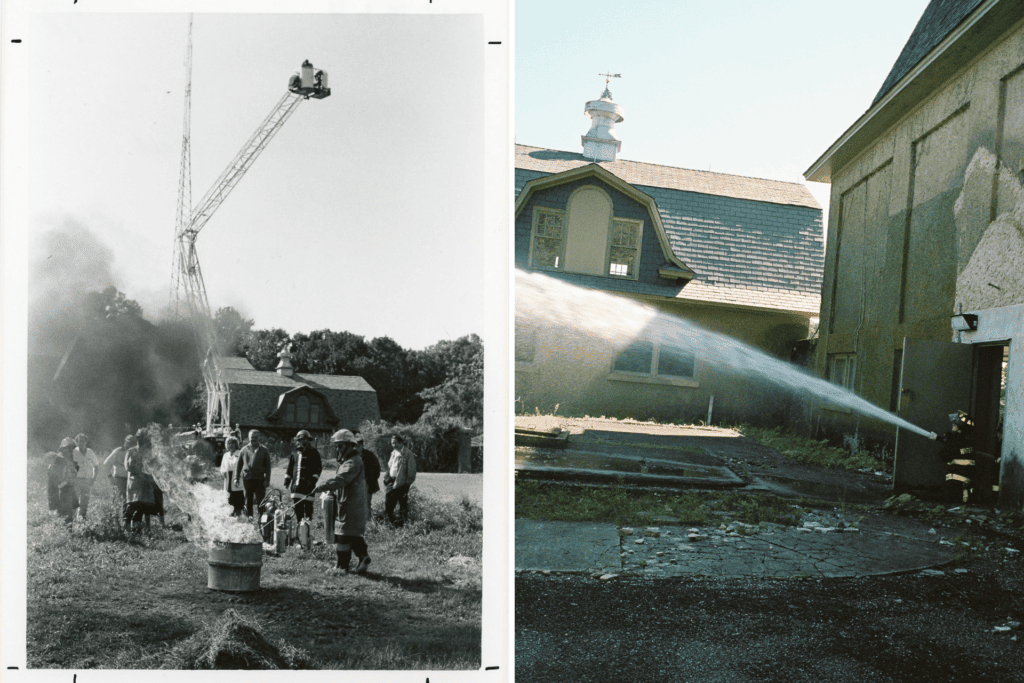
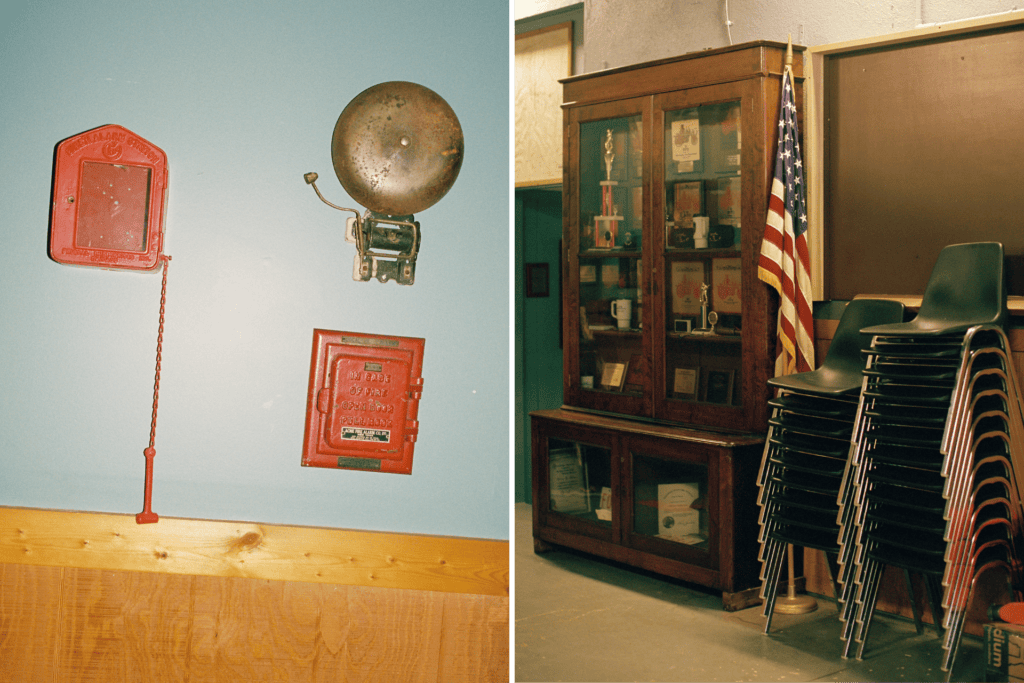
In 1957, George Colman, who became our first fire chief, asked Henry Francis du Pont if the staff could form an on-site fire department. H. F. was well aware of the potential for fires on the estate, since Winterthur had experienced a devastating fire in the barn complex in 1930. Although many buildings were lost, fortunately no people or livestock were injured. Following the disaster, a fire siren was installed to notify outside workers if there was a fire in the museum, and all were expected to respond when it sounded.

This image has an empty alt attribute; its file name is 2-21-1024x683.png

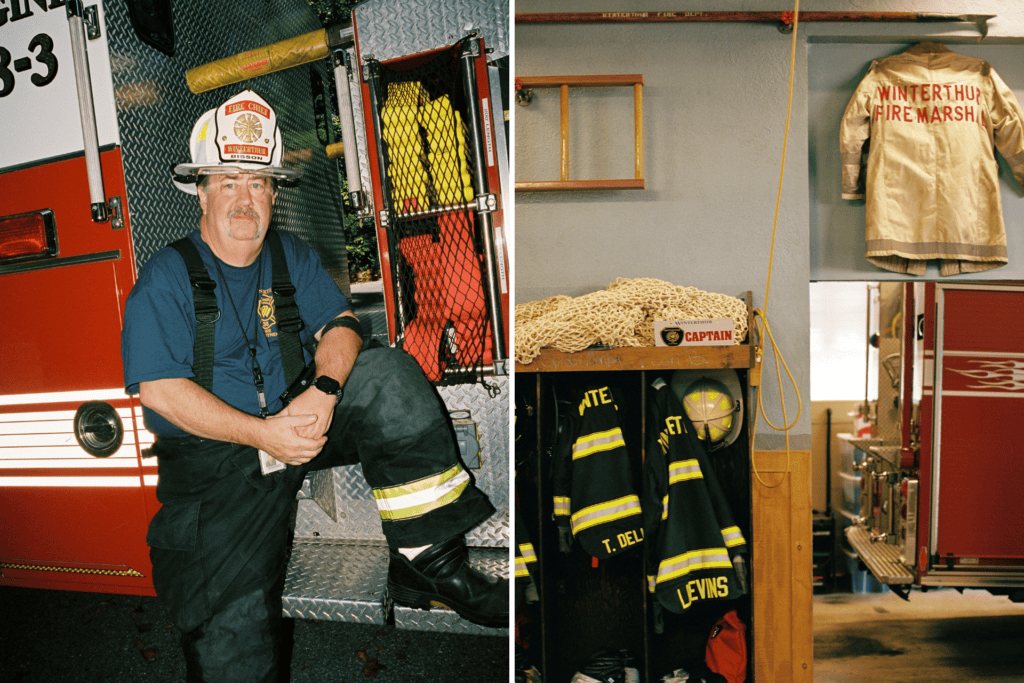
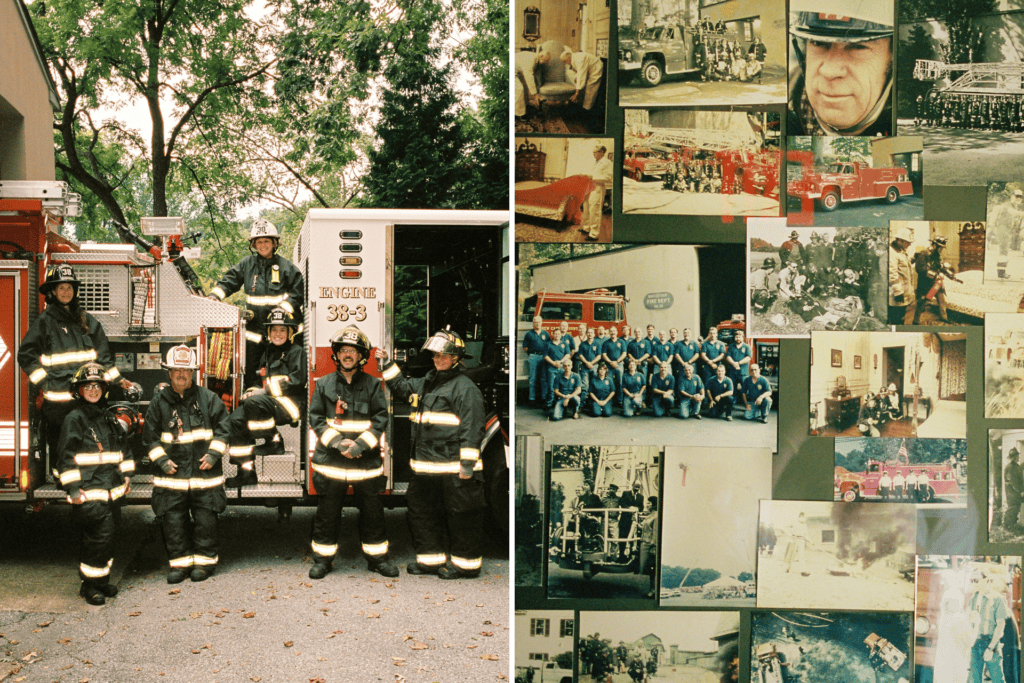
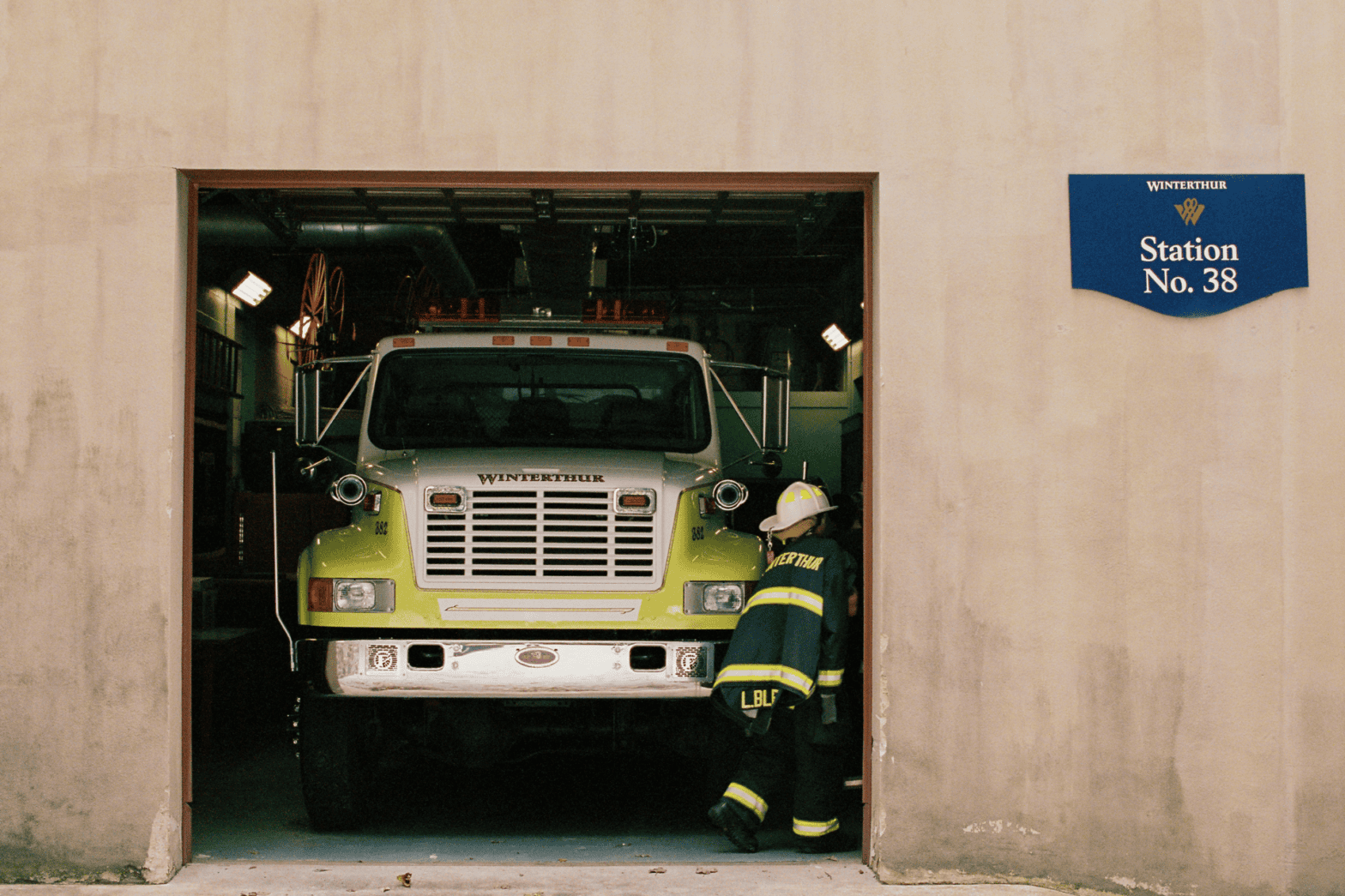
The Winterthur Fire Department (Station 38) operates exclusively within the boundaries of the nearly 1,000-acre estate, though crew members call outside fire companies to assist as needed. For almost seventy years, the fire department has been staffed by Winterthur employees, and fire chiefs have included Jim Cash, Steve Melton, and Dennis Bisson. 

This image has an empty alt attribute; its file name is 3-10-1024x683.png

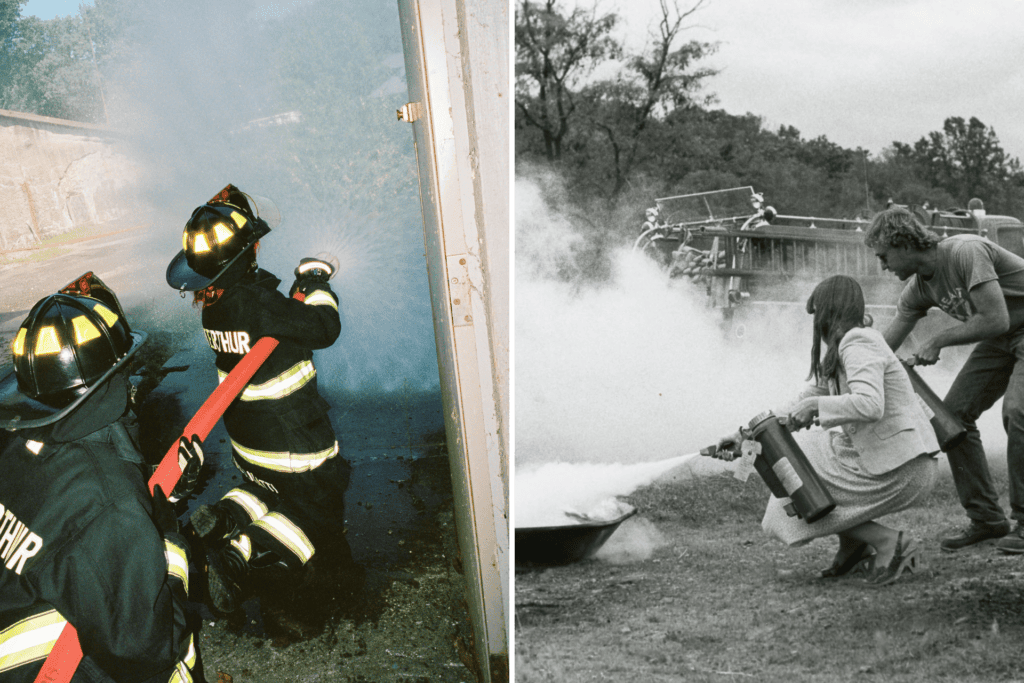
Our current eleven-member crew responds 24/7. All are trained in CPR/AED every other year and perform basic first aid. They attend monthly training sessions at Winterthur and a yearly live burn fire training in West Chester, Pennsylvania. Seven members live on the estate to respond to calls after hours. Three are nationally certified emergency medical services (EMS) responders. In addition to fire calls, our fire department responds to automatic fire alarms, elevator rescues, fuel spills, brush fires, and medical calls. Last year, the crew handled eighty-five fire station calls, primarily fire and EMS.

This image has an empty alt attribute; its file name is 5-2-1024x683.png

The following people make up the Winterthur Fire Department crew:

Fire Chief: Dennis Bisson

Assistant Fire Chief: Al Orr

Captain: Lori Blevins

Firefighters: Tyler Bozzuto, Tara Delligatti, Maryanna Dose, Allison Edmonds, Collin Hadsell, Tyler Johnson, Terri Kuzo, and Rich Simpson

This image has an empty alt attribute; its file name is 6-1024x683.png

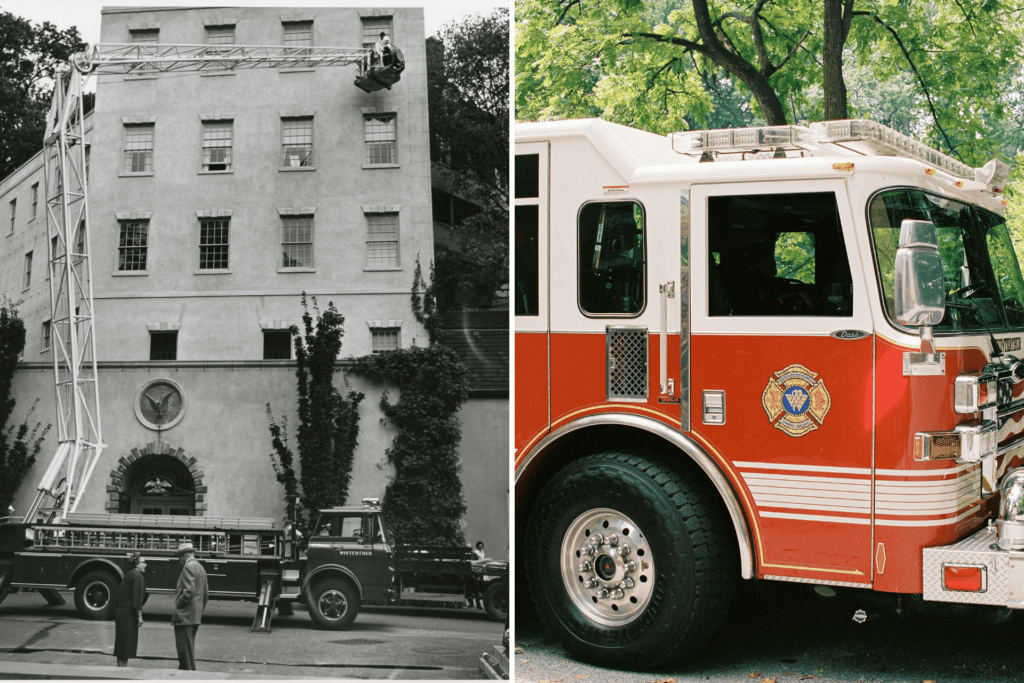
The first fire truck was a milk truck used on the estate. In early 1960, H. F. purchased a ladder truck to reach the employees on the upper floors of the museum and offices. A few years ago, Winterthur bought a Pierce Dash pumper from Plainview Fire Department in Long Island, New York. The truck is equipped with an eight-man crew cab, a 2,000-gallons-per-minute (GPM) pump, a 650-gallon tank, and 100 gallons of foam. The truck also has several different attack hose lines.

This image has an empty alt attribute; its file name is 7-1024x683.png

If you want to see for yourself, our two fire trucks will be at Truck & Tractor Day on October 3. The fire crew will sell T-shirts for adults and children and will give away fire helmets and fire safety information for children. You can also see the new fire extinguisher training equipment and try on firefighter gear. 

We look forward to celebrating the fire department’s 70th anniversary in 2027.

This image has an empty alt attribute; its file name is 4-5-1024x683.png

Photos by Kelly Levin and from the Winterthur Archives.

Celebrate the Holiday Season with a Visit to Yuletide at Winterthur

Holiday Market featuring more than 70 artisans takes place on opening day, November 21

WINTERTHUR, Del. (September 24, 2026) — From more than a dozen beautifully decorated Christmas trees to charming holiday vignettes on view in the historic house, Yuletide at Winterthur celebrates home and its many meanings. On view November 21–January 3, Yuletide also includes a large-scale gingerbread house, a magical 18-room dollhouse, late openings and special programs on select Friday and Saturday evenings, and more.

“Home” can mean the physical place where you live and the place where you gather or the moments and people that fill us with comfort. Many of the displays celebrate the family and chosen family who make us feel at home, along with the landscape at Winterthur that houses millions of plants and animals. Scattered throughout the tour, there are also celebrations of annual holiday traditions and festive customs of Henry Francis du Pont and his wife and daughters.  

Decorated Trees to Delight and Inspire

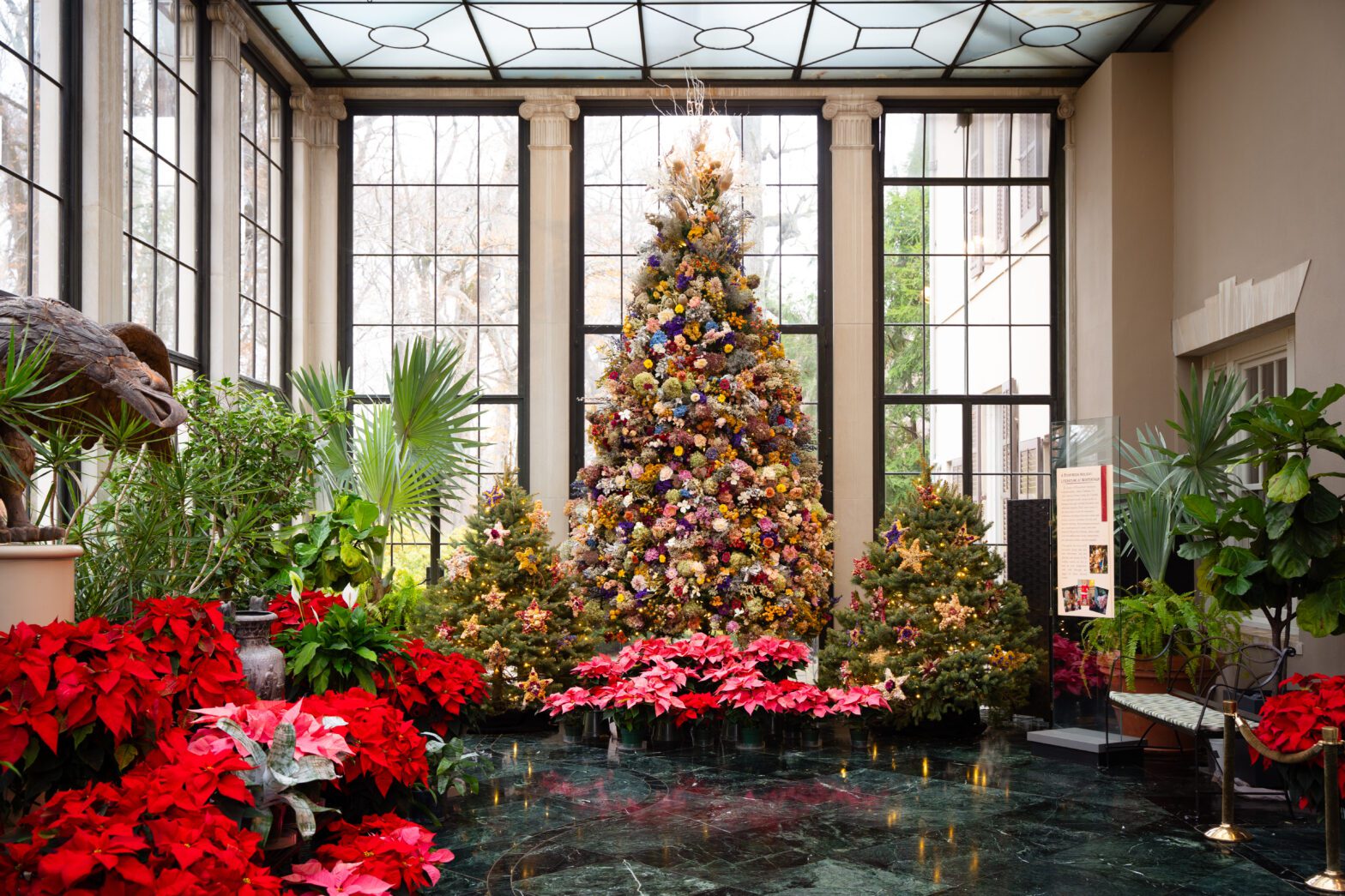
This year’s tour includes some rooms that have not been featured in two decades. Visitors will see more than a dozen lavishly decorated trees and sparkling vignettes, including the traditional Dried-Flower Tree in the Conservatory, as well as trees inspired by garden areas such as the March Bank and Enchanted Woods, another inspired by “The Nutcracker,” and several trees inspired by the theme of home.

Holiday Market and Special Events

Get into the spirit of the season and shop for artisanal goods, handcrafted treasures, and festive décor from more than 70 regional artisans on November 21. Stroll through the outdoor market while enjoying seasonal treats, warm beverages, and live music. Guests can also check out live ice sculpture carving, Winterthur’s vintage 1927 Rolls-Royce on display, a special visit from Santa, or workshops like wine or chocolate tasting and wreath making for purchase. 

Winterthur will be open late on select Friday and Saturday evenings for Holiday Nights, featuring candlelit tours, live music, cozy firepits, specialty cocktails. and seasonal fare at the café. The season will also include special events at the library, workshops, holiday shopping at the Winterthur Store, and more.

New this year is “A Christmas Carol,” a dramatic retelling of the classic by Charles Dickens presented by Winterthur and the Farm Hill Players. This four-ghost show punctuated by humor, music, and movement runs Dec. 4 and 5 from 6:00-7:30 pm and December 6 from 1:00-2:30 pm.

Opera Delaware will perform seasonal classics, popular standards, and opera favorites surrounded by hundreds of candles on December 12, 6:00-7:00 pm. The Cartoon Christmas Trio is scheduled to perform a mid-century jazz concert “Christmas is Here: The Music of Vince Guaraldi” on December 19 from 2:00-3:00 pm.

Workshops and special events include holiday paper crafting, creating a charcuterie board, making felted holiday “cookies,” cider and cheese tasting, and making a New Year’s inspired secret wish book pendant. See the website for event details and ticket purchase.

A festive toy train display will be on view on December 19 and 20 in the Brown Horticulture Learning Center, courtesy of the Standard Gauge Module Association.

Gingerbread House and Dollhouse

Bredenbeck’s Bakery of Germantown, Pa., created a large-scale gingerbread house depicting the du Pont home on Christmas Eve full of merriment inside and out. The custom creation will be on view along with an 18-room doll house exquisitely furnished with more than 1,000 miniatures.

Exhibitions

Yuletide admission includes entry to Winterthur’s latest exhibitions. Challenging Masterpieces: Art and Identity in American Furniture is a bold and beautiful exhibition showcasing more than 70 standout pieces from the collection, each chosen for its exceptional craftsmanship, inventive design, or use of rare or unexpected materials. But this isn’t just about admiring fine furniture. It’s about rethinking what makes something a “masterpiece.” In At Home at Winterthur, visitors willdiscover the museum and estate as a place of home, community, and inspiration. Winterthur has been shaped by the people who called it home and work and by the community of visitors and friends who have come to experience its beauty. This year’s Yuletide theme of home is inspired by the estate history exhibition. 

Museum Store

The Museum Store is open Tuesday–Sunday for holiday shopping, featuring unique home décor, gifts, jewelry, and more that celebrate Winterthur’s beauty, indoors and out. Items may also be purchased online at winterthurstore.com.

Beyond the Holidays

Winterthur offers a year-round destination for art and culture enthusiasts and scholars. Explore the museum’s unparalleled collection of nearly 90,000 American decorative arts objects displayed in the magnificent 175-room house and galleries. The 1,000 acres of protected meadows, woodlands, ponds, and waterways provide stunning views throughout the year. Winterthur is also home to a vibrant array of programs, including lectures, concerts, workshops, and live performances, making it a hub for the study of American art and culture.

About Winterthur Museum, Garden & Library Winterthur—known worldwide for its preeminent collection of American decorative arts, naturalistic garden, and research library for the study of American art and material culture— offers a variety of tours, exhibitions, programs, and activities throughout the year. Admission includes an introductory house tour, exhibitions, a narrated tram ride (weather and space permitting), and the Winterthur Garden.

Winterthur is located on Route 52, six miles northwest of Wilmington, Delaware, and five miles south of U.S. Route 1. Winterthur is committed to accessible programming for all. For information, including special services, call 800.448.3883 or visit winterthur.org. Winterthur is closed seasonally from early January through late February.

A History of the Winterthur Fire Department

People don’t often consider a fire station when they think of a country estate. But for almost seventy years, Winterthur has had its own fire department.

In 1957, George Colman, who became our first fire chief, asked Henry Francis du Pont if the staff could form an on-site fire department. H. F. was well aware of the potential for fires on the estate, since Winterthur had experienced a devastating fire in the barn complex in 1930. Although many buildings were lost, fortunately no people or livestock were injured. Following the disaster, a fire siren was installed to notify outside workers if there was a fire in the museum, and all were expected to respond when it sounded.

The Winterthur Fire Department (Station 38) operates exclusively within the boundaries of the nearly 1,000-acre estate, though crew members call outside fire companies to assist as needed. For almost seventy years, the fire department has been staffed by Winterthur employees, and fire chiefs have included Jim Cash, Steve Melton, and Dennis Bisson. 

Our current eleven-member crew responds 24/7. All are trained in CPR/AED every other year and perform basic first aid. They attend monthly training sessions at Winterthur and a yearly live burn fire training in West Chester, Pennsylvania. Seven members live on the estate to respond to calls after hours. Three are nationally certified emergency medical services (EMS) responders. In addition to fire calls, our fire department responds to automatic fire alarms, elevator rescues, fuel spills, brush fires, and medical calls. Last year, the crew handled eighty-five fire station calls, primarily fire and EMS.

The following people make up the Winterthur Fire Department crew:

Fire Chief: Dennis Bisson

Assistant Fire Chief: Al Orr

Captain: Lori Blevins

Firefighters: Tyler Bozzuto, Tara Delligatti, Maryanna Dose, Allison Edmonds, Collin Hadsell, Tyler Johnson, Terri Kuzo, and Rich Simpson

The first fire truck was a milk truck used on the estate. In early 1960, H. F. purchased a ladder truck to reach the employees on the upper floors of the museum and offices. A few years ago, Winterthur bought a Pierce Dash pumper from Plainview Fire Department in Long Island, New York. The truck is equipped with an eight-man crew cab, a 2,000-gallons-per-minute (GPM) pump, a 650-gallon tank, and 100 gallons of foam. The truck also has several different attack hose lines.

If you want to see for yourself, our two fire trucks will be at Truck & Tractor Day on October 3. The fire crew will sell T-shirts for adults and children and will give away fire helmets and fire safety information for children. You can also see the new fire extinguisher training equipment and try on firefighter gear. 

We look forward to celebrating the fire department’s 70th anniversary in 2027.

Photos by Kelly Levin and from the Winterthur Archives.

Field Notes: The Koi of Winterthur

Come see our koi!

By Collin Hadsell, lead horticulturist. Photos by Kelly Levin.

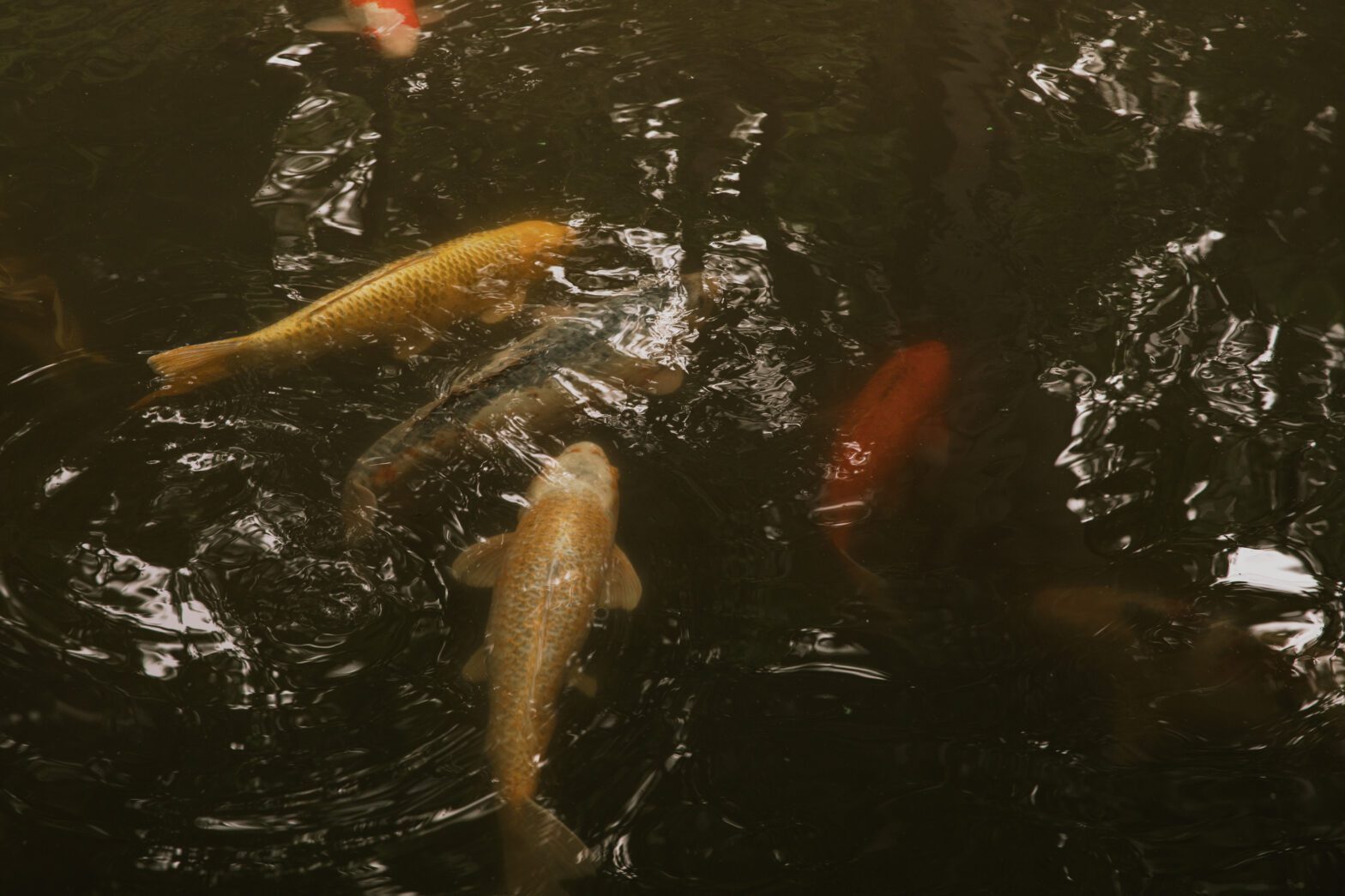
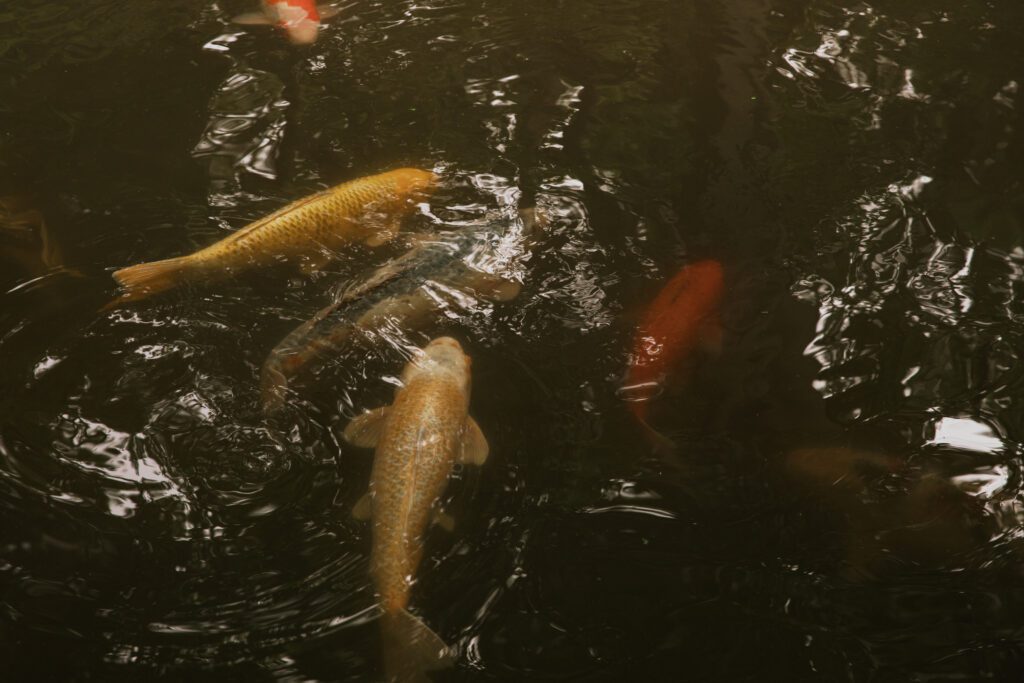
I have learned a lot about koi fish over the last several years. When I first started working at Winterthur, I had no idea how to maintain a pond or keep decades-old fish alive—but through a little trial and error and a lot of reading and talking with enthusiasts, I am now an unofficial koi wrangler. 

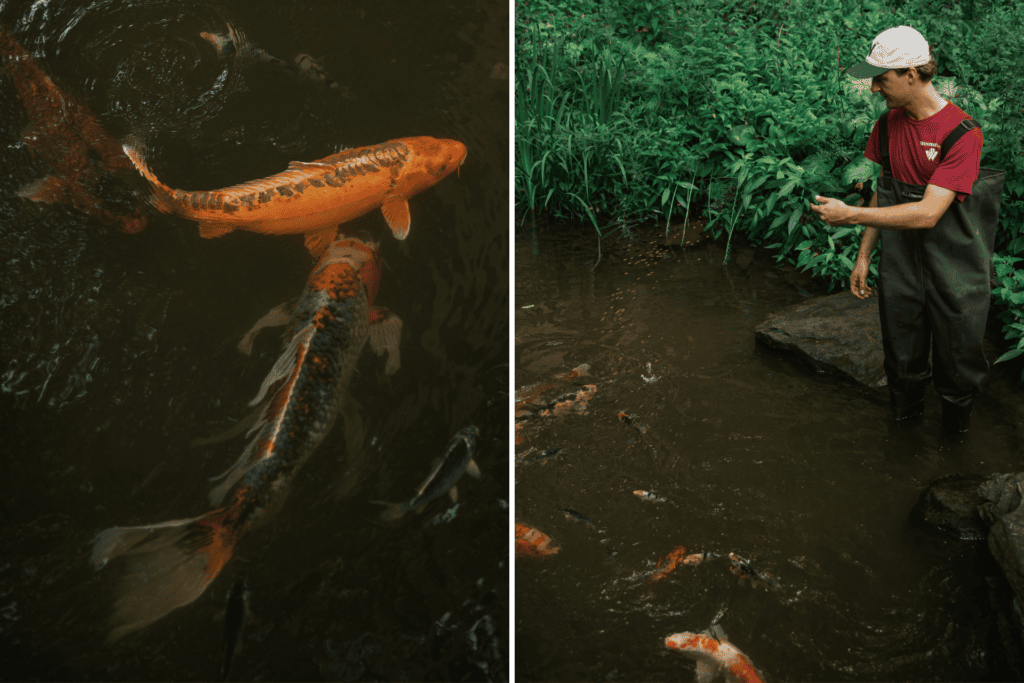
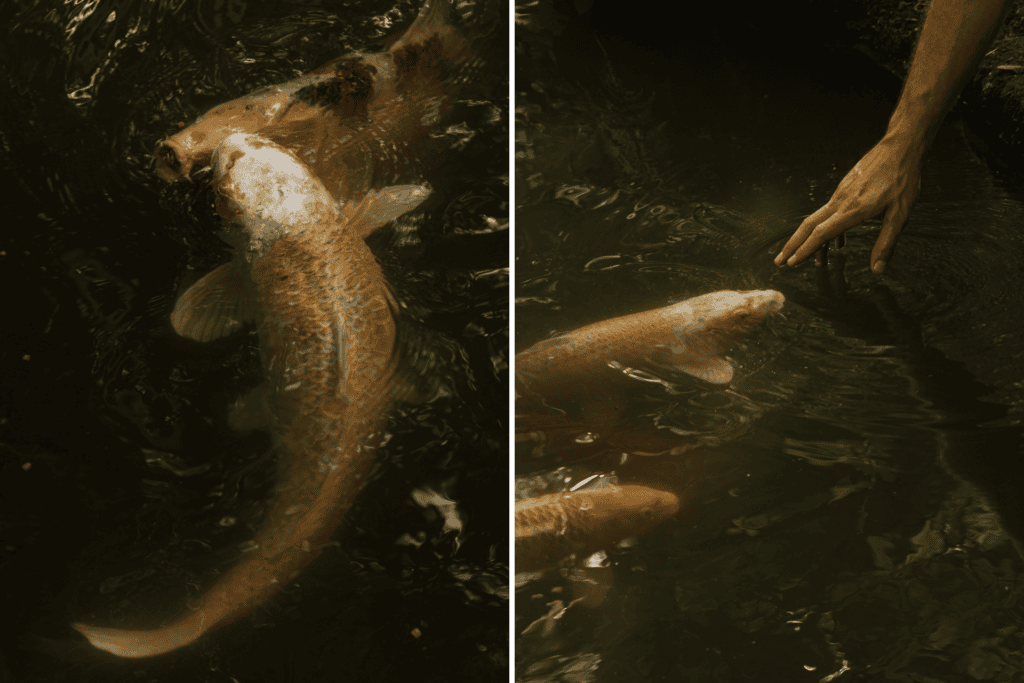
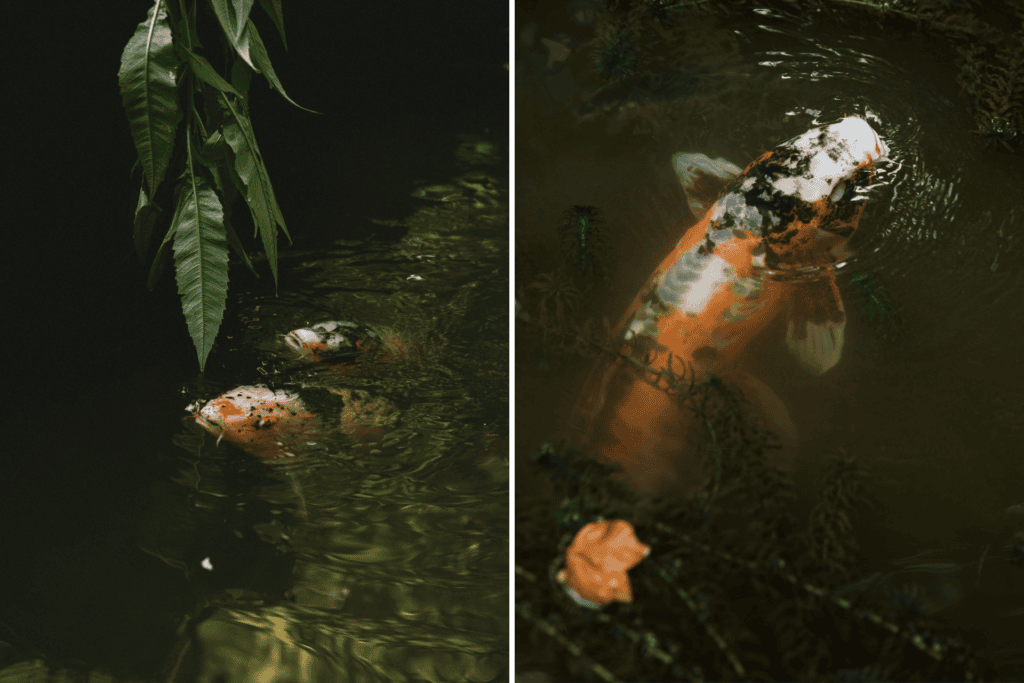
Our koi recognize Collin on sight

Here are a few fun koi facts that are often the topic of conversation with guests: 

  • Koi are a long-lived and hardy variety of carp that originated in Japan. 
  • They were originally bred in rice paddies and mainly used as a supplemental food source.
  • They became widely popular ornamental pets in Japan in the 19th century. 
Koi are curious and friendly
  • Our koi arrived at Winterthur in the early 1990s as a donation. 
  • Our mature koi range in age from five to about forty years old. 
  • They are cold-water fish and can survive the winters in our Glade Garden ponds (with a little assistance from bubblers). 
Tending the garden and koi ponds. 
  • In the winter, koi go into a state of semi-hibernation called torpor. 
  • Their bright colors make them popular but also put them at a disadvantage with predators, as they are easy to spot. This is why there are so few small fry, which is the technical term for baby koi. 
Koi thrive in our Glade Garden ponds

Their colors also symbolize luck, prosperity, and perseverance, and the koi at Winterthur—given their age, size, and strength to make it through every winter—lead me to believe these qualities are true.

Collin wears our 1926 Tossers baseball hat, available in the Museum Store and online. 

Come visit the Glade Garden and check out our koi! And if you have any questions, feel free to contact me at chadse@winterthur.org. 

Field Notes: The Koi of Winterthur

By Collin Hadsell, lead horticulturist. Photos by Kelly Levin.

I have learned a lot about koi fish over the last several years. When I first started working at Winterthur, I had no idea how to maintain a pond or keep decades-old fish alive—but through a little trial and error and a lot of reading and talking with enthusiasts, I am now an unofficial koi wrangler. 

Here are a few fun koi facts that are often the topic of conversation with guests: 

  • Koi are a long-lived and hardy variety of carp that originated in Japan. 
  • They were originally bred in rice paddies and mainly used as a supplemental food source.
  • They became widely popular ornamental pets in Japan in the 19th century. 
  • Our koi arrived at Winterthur in the early 1990s as a donation. 
  • Our mature koi range in age from five to about forty years old. 
  • They are cold-water fish and can survive the winters in our Glade Garden ponds (with a little assistance from bubblers). 
  • In the winter, koi go into a state of semi-hibernation called torpor. 
  • Their bright colors make them popular but also put them at a disadvantage with predators, as they are easy to spot. This is why there are so few small fry, which is the technical term for baby koi. 

Their colors also symbolize luck, prosperity, and perseverance, and the koi at Winterthur—given their age, size, and strength to make it through every winter—lead me to believe these qualities are true.

Come visit the Glade Garden and check out our koi! And if you have any questions, feel free to contact me at chadse@winterthur.org. 

Winterthur’s Annual Delaware Antiques Show Returns Nov. 6–8 to Wilmington, Bringing America’s Leading Dealers, Collectors, and Design Minds Together

WINTERTHUR, Del. (September 11, 2026)—Winterthur Museum, Garden & Library will present the 2026 Delaware Antiques Show November 6–8 at the Chase Center on the Riverfront in Wilmington, with a Collector’s Preview opening the show Thursday, November 5. The show brings together more than 60 distinguished dealers showcasing exceptional examples of American antiques, along with fine art, folk art, garden antiques, jewelry, and works from across decorative arts. Now in its 63rd year, the Delaware Antiques Show has remained the standard-bearer for American antiques shows, where connoisseurs, emerging collectors, history lovers, as well as curators and curious visitors have come to buy, learn, and train the eye.

Winterthur is home to one of the nation’s premier collections of American decorative arts, and the show boasts a vetted roster of the trade’s most knowledgeable dealers and a lecture series drawn from active curatorial and academic research.

Show proceeds fund Winterthur’s free school programs for K-12 students, tying every ticket back to the museum’s founding educational mission. This past fiscal year, nearly 16,000 children enjoyed the museum, galleries, and garden on free field trips as well as via in-school programs, which are funded in part through proceeds from the Delaware Antiques Show. This year, for the first time, participating students were asked to create a drawing inspired by the collection. Select student works will be on display at the show entrance.

“The Delaware Antiques Show holds a singular place in the field after more than six decades as the benchmark show for American antiques,” said Chris Strand, Director and CEO of Winterthur Museum, Garden & Library. “From the history of the American interior to the future of collecting, this year’s program brings curators, designers, photographers, and scholars into conversation with the objects on the show floor. We are grateful to all participants, who are helping us reach thousands of children to educate them about decorative arts, material culture, conservation, natural lands, and horticulture through our school programs.”

A Milestone Year, Twice Over

The 2026 edition of the show arrives at a resonant moment for Winterthur, which is celebrating the 75th anniversary of the museum’s opening alongside the nation’s 250th anniversary. Both milestones run through this year’s show, most visibly in a slate of lectures examining Revolutionary-era material culture. Emily Sneff, managing editor of Americana Insights, traces the Declaration of Independence’s afterlife in folk art, engravings, and commemorative objects, while Winterthur associate curator Kedra Kearis previews the museum’s 2027 major exhibition on the Peales, America’s first family of artists.

The moment also situates the show within a broader, well-documented resurgence of interest in Americana and material-culture-driven design. As the trade and design press have chronicled over the past several seasons, collectors and decorators are increasingly folding early American furniture, folk art, and historic textiles into layered, collected-over-time interiors that prizes provenance, hand craftsmanship, and objects with a documented story. The Delaware Antiques Show, and the dealers who exhibit there, sit at the center of this resurgence, offering pieces with the scholarship and vetting that collectors desire.

Diverse Expertise on the Show Floor

More than 60 distinguished dealers, many of them among the most respected specialists in American furniture, folk art, silver, ceramics, textiles, and fine art, will exhibit at the 2026 show, including David A. Schorsch–Eileen M. Smiles American Antiques, Jeff R. Bridgman Antiques, Nathan Liverant and Son, Elliott and Grace Snyder, S. J. Shrubsole, Lillian Nassau LLC, H. L. Chalfant Fine Art and Antiques, Kelly Kinzle, Diana H. Bittel, and The Norwoods’ Spirit of America, among others.

Each exhibitor is vetted for expertise and authenticity, a standard that continues to distinguish Delaware Antiques Show within a marketplace where scholarship and connoisseurship increasingly matter as much to buyers as aesthetics. Dealers will bring inventory spanning three centuries of American and related decorative arts, from Federal-period furniture and folk portraiture to Pennsylvania German painted furniture, historic silver, and garden antiques, offering both seasoned collectors and first-time buyers direct access to the people who research, source, and authenticate the objects themselves. The show is managed by Diana Bittel.

A Collector’s Preview and New Wine & Antiques Experience
The show opens with a Collector’s Preview on Thursday, November 5, 6:00–9:00 pm, featuring cocktails, hors d’oeuvres, live music from the Elysium Trio, and first access to the show floor. New this year is In Conversation: Wine & Antiques, a series of tasting stations positioned throughout the show floor, included with all preview tickets for guests 21 and older. Preview tickets ($175–$350) include admission to all three days of the show and to Winterthur throughout the show run. See the event website for details and ticket purchase.

Keynote Lecture
“Photography & Interiors”
Photographer Simon Upton and interior designer Remy Renzullo explore how photography shapes our understanding of historic interiors

Saturday, November 7, 1:00–2:00 pm

This year’s keynote lecture pairs renowned interiors photographer Simon Upton, a 35-year veteran contributor to The World of Interiors, Vogue, Architectural Digest, Elle Décor, Veranda, and Town & Country, whose retrospective A–Z Interiors publishes with Rizzoli this September, with interior designer Remy Renzullo, known for research-driven restorations of historic properties across the United States, England, and Italy. The talk, followed by a book signing, takes place Saturday, November 7, from 1:00–2:00 pm, and examines how photography has shaped and preserved our collective memory of great American and European interiors.

Additional Lectures

“Becoming Peale” Lecture
Friday, November 6, 1:30–2:30pm
Kedra Kearis, associate curator of art and visual culture at Winterthur will preview the 2027 Becoming Peale major exhibition, which brings the Peales’ close-knit artistic world to life while foregrounding underrepresented members of their circle.

Chipstone Lectures on Stenton
Friday, November 6, 2:30–3:30 pm
Stenton is a historic Georgian-style mansion and plantation in Philadelphia that served as the country estate for James Logan, a Quaker merchant, scholar, and secretary to Pennsylvania founder William Penn. The estate remained in the Logan family for six generations. George Washington used the home as his headquarters during the American Revolutionary War.

  • Dennis Pickeral, executive director, will present on 18th-century ceramics associated with tea, coffee, and chocolate drinking from one of Philadelphia’s best-preserved historic houses. “Very Courteously Entertained: Ceramic Tea Wares from James Logan’s Stenton” will showcase rare examples that descended through the Logan family.
  • Laura Keim, curator, will discuss William Macpherson Hornor, Jr.’s 1935 publication, Blue Book Philadelphia Furniture: William Penn to George Washington, from its mysterious inception to its status as a Bible in its field of 18th-century Philadelphia furniture scholarship and collecting. In her “Evidence from Stenton: Hornor’s Blue Book Reconsidered” talk she will share some of her research relating to the Logan, Norris, and Dickinson families.

Americana Insights Lectures

Saturday, November 7, 3:00–4:00 pm
Emily Sneff, managing editor of Americana Insights; Sarah Bowen, assistant curator at Historic Trappe; and Christopher Malone, curator at Historic Trappe, will present new research from the fourth annual volume of Americana Insights, the scholarly journal on traditional Americana, folk art, and material culture, followed by a book signing.

  • Sneff will present “The Declaration of Independence in American Folk Art.”
  • Bowen will discuss her examination of two needlework samplers made during the early American republic in “Nation-making in Pennsylvania German Needlework.”
  • Malone will explore 100 years of decorative arts from rural Pennsylvania in “A Grammar of Color: Paint, Craft, and a Century of Collecting in the Mahantongo Valley.”

Student Scholars Lectures
Sunday, November 8, 2:00–3:00 pm
Sponsored by The Decorative Arts Trust, this program showcases new research by Lois F. McNeil Fellows from the Winterthur Program in American Material Culture, established in 1952 by Winterthur and the University of Delaware to promote the interdisciplinary study of American decorative arts and material culture. The program’s alumni hold distinguished positions internationally in museums, antiques and auction houses, preservation organizations, historical societies, colleges and universities, and libraries. These emerging voices in the field will present new object-based research.

  • Charles Manion will examine the fancy faux finish of a table made in Maine in “Fancy Action Painting: Seeing a Faux Finish on Its Own Terms.”
  • Amalia Pappa will explore the origin story of an engraving on a William Will pewter mug in “Huzza for Capt. Ickes: Memorializing a Chance Encounter on a Pewter Mug.”
  • Madeleine Ward-Shultz will delve into the nature-themed seashell decoration on a serving dish adorned with a kingfisher finial in “Fishing Fancies: The Nature-Inspired Entertainment of a Sweetmeat or Pickle Dish.”  

Other Details for the 63rd Annual Delaware Antiques Show
Hours

  • Friday, November 6: 11:00 am–6:00 pm
  • Saturday, November 7: 11:00 am–6:00 pm
  • Sunday, November 8: 11:00 am–5:00 pm

General Admission
General admission ($15–$29) is available for Friday, November 6, through Sunday, November 8, and includes museum admission for the run of the show. Free for children under 12. Tickets valid for all three days of the show and for admission to Winterthur Museum, Garden & Library on show days. The Challenging Masterpieces: Art and Identity in American Furniture and At Home at Winterthur exhibitions are on view in the Galleries.

Location
Chase Center on the Riverfront, 815 Justison Street, Wilmington, Delaware. Conveniently located less than one hour south of Philadelphia and midway between New York City and Washington, D.C.

Sponsorship & Proceeds
The Delaware Antiques Show is presented by Wilmington Trust, a Member of the M&T Family. Sponsored also by lead sponsor The John M. & Ellen B. Cleveland Foundation and supporting sponsor Chubb, a world leader in insurance.

Proceeds from this year’s Delaware Antiques Show help support key educational initiatives such as free school programs. Support for these important programs allows us to share the wonder of Winterthur with thousands of schoolchildren and our surrounding community.

Tickets & Information
All lectures are included with admission. More information is on the event website winterthur.org/annual-delaware-antiques-show, including the list of antiques dealers. To purchase tickets, visit winterthur.org/DAS. Email das@winterthur.org or call 800.448.3883 for assistance or questions.

###

ABOUT WINTERTHUR MUSEUM, GARDEN & LIBRARY
Winterthur—known worldwide for its preeminent collection of American decorative arts, naturalistic garden, and research library for the study of American art and material culture— offers a variety of tours, exhibitions, programs, and activities throughout the year. Admission includes an introductory house tour, exhibitions, a narrated tram ride (weather and space permitting), and the Winterthur Garden.

Winterthur is located on Route 52, six miles northwest of Wilmington, Delaware, and five miles south of U.S. Route 1. Winterthur is committed to accessible programming for all. For information, including special services, call 800.448.3883 or visit winterthur.org. Winterthur is closed seasonally from early January through late February.

Contact: Lisa McVey, lmcvey@winterthur.org or 302.888.4803
Forest Bathing: Experiencing Nature through Our Senses

By Eric Schott, Delaware Master Naturalist, with Nicole Schmid. Photos by Holden Barnes.

I recently attended a ninety-minute forest bathing session at Winterthur. Known as shinrin-yoku in Japan, the practice uses all five senses to connect with nature. While it could be a solitary activity, I experienced it with a group led by Nicole Schmid, a certified forest therapy guide, who helped us connect with the beautiful surroundings of the estate.

She explained how this practice began. In 1982, the Japanese government intervened when they saw a decline in their citizens’ health and productivity due to disconnecting from the natural world and becoming overwhelmed with work. Employers encouraged workers to take breaks outside and experience nature, which resulted in well-being, happiness, and improved productivity.

Like yoga and transcendental meditation, shinrin-yoku traveled to California and worked its way east across the United States.

Forest therapy is intentionally immersive.

After walking for about a mile and a half, Nicole encouraged us to use all five senses to increase our awareness and engage with our surroundings. Talking was kept to a minimum, and we each separated from the group for about five to ten minutes to practice focusing on one of our senses.

I smelled the heavy, moist air and heard many sounds: the garden tram, a tractor, jets flying overhead, and, more importantly, a variety of birds singing their special songs. After we were called back to the group by Nicole’s personal “owl hoot,” some of us offered a glimpse into what we experienced. We were not required to speak but invited to participate, if we wished to.

I noticed sounds in the sky and in the trees.

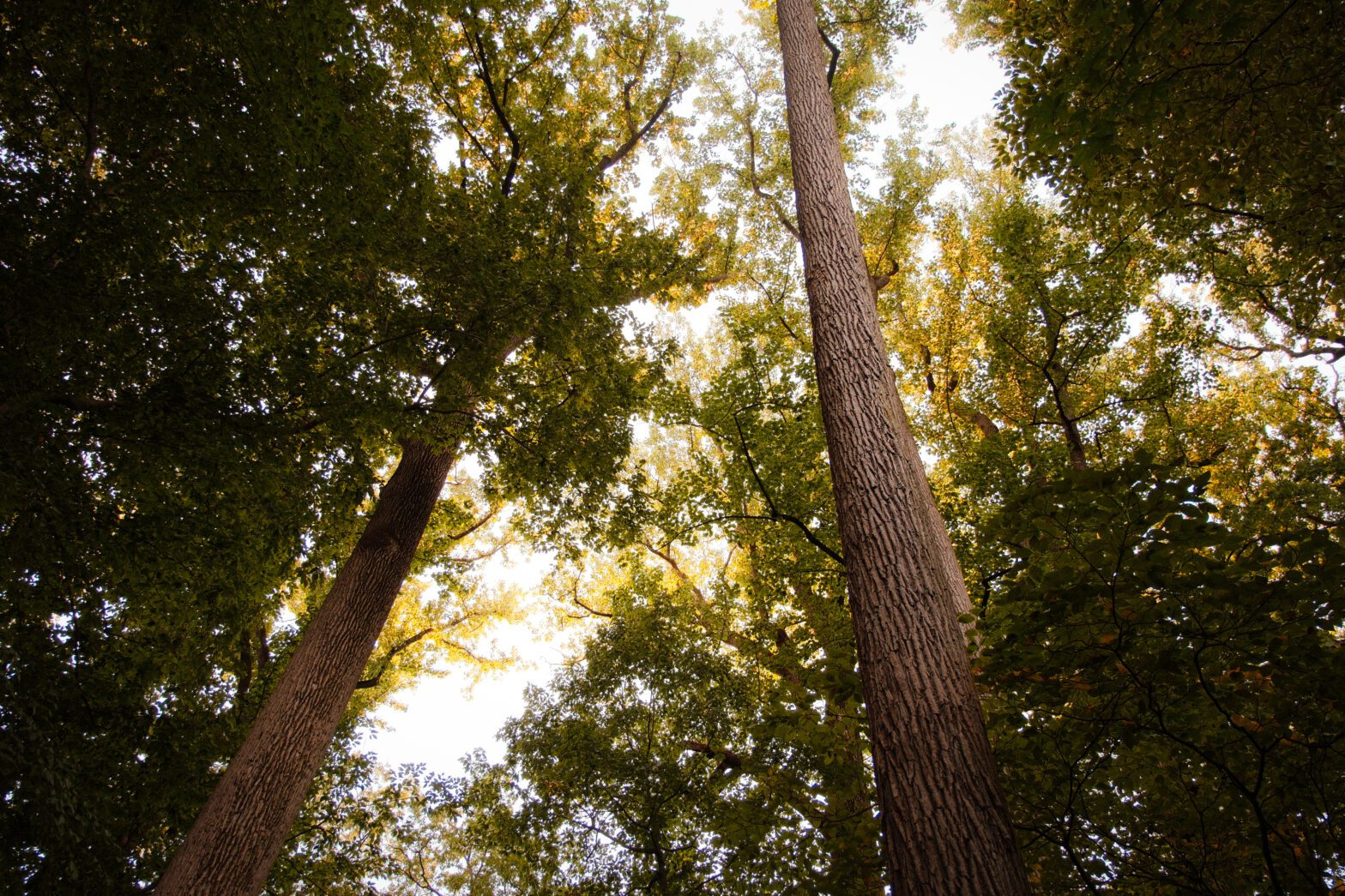
At another stop, we again branched off by ourselves, and I focused on feeling the trees. From the rough touch of the tulip poplar to the smoother bark on the white oak to the smooth caress of an American beech, I gained a new understanding of the trees I have walked by for years. Touching them strengthened my appreciation for these living things that will likely be alive long after I am gone.

At our last stop in the Pinetum, Nicole suggested we look closely for something we may not usually notice. I found a small crabapple, while others brought back a collection of bark, twigs, leaves, mushrooms, and a molted insect. We all examined these findings and noticed features we would have normally overlooked.

We focused on things we normally overlook.

As we walked back through the March Bank, I felt relaxed and revived.

After we finished our walk, Nicole invited everyone into one of the greenhouses to enjoy a ceremonial tea, featuring cups of vibrant blue butterfly pea flower tea. She poured the first sip of tea onto the ground, thanking the earth for the incredible gifts we were given. And we, in turn, thanked our guide for the wonderful experience. We ended our time with a true forest bathing, as we were soaked by a pop-up rainfall.

We finished, rested and rejuvenated.

Forest bathing was featured in our monthly series, Rooted in Wellness, which blends nature, mindfulness, and self-care in a relaxing setting.   

Donating to the Winterthur Collection

Thank you for your interest in cultivating the Winterthur Museum collection. Below, please find our Collecting Policy, Potential Object Donation Form, and Object Donation FAQs.

Winterthur’s Collecting Policy

The Winterthur Museum collection honors the legacy of its founder, Henry Francis du Pont, and celebrates the artistic, artisanal, and historical aspects of America’s decorative and fine arts and material culture. More specifically, Winterthur collects:

  1. Decorative and fine art objects made or used in America
  2. Objects that have influenced American design, taste, and collecting
  3. Objects that represent America’s cultural diversity and global connections
  4. Objects with a history of use on the Winterthur estate, in the Winterthur Museum, or in the Winterthur garden

Such works should meet one or more of the following criteria:

  1. The finest workmanship and design
  2. The best example of a representative type
  3. A significant contribution to the story of the development of American arts and culture

Winterthur uses the collection:

  1. To furnish the house to reflect the collecting practice of Henry Francis du Pont
  2. To exhibit in the galleries
  3. To exhibit in the garden or other parts of the estate
  4. To support Winterthur’s academic and public programs
  5. To support research in American decorative and fine arts and material culture

Winterthur’s Object Donation Process

After reviewing the Collecting Policy, if you believe that an object or objects in your possession might find a good home at Winterthur, we encourage you to submit a Potential Object Donation Form. By filling out this form, you will provide valuable descriptive information, photographs, and backstory to help our curators in their review. This will help us process donations more quickly to make them available to our guests, graduate students, and visiting researchers as soon as possible.

Once you submit your Potential Object Donation Form, Winterthur’s curatorial staff will review your donation offer. 

Unsolicited Objects 

Please do not bring or send any objects that you wish to donate to Winterthur without making prior arrangements with a member of Winterthur’s collections staff. Unsolicited objects will not be accepted and will be considered abandoned property. Winterthur reserves the right to dispose of unsolicited items in accordance with Delaware’s Abandoned Cultural Property Act (Title 6, Chapter 50D).

Frequently Asked Questions

I submitted my Potential Object Donation Form. When can I expect to hear from Winterthur?

Due to the high volume of offers that we receive, please allow 8–12 weeks for our multi-step review process. For donation offers of interest, a member of Winterthur staff will contact you after a full staff review. We appreciate your patience.


What is Winterthur’s donation consideration process?

All donation offers are reviewed to ensure that the object fits within the museum’s collections policy and that Winterthur will be able to effectively use and care for it. Once the donation is approved, the donor will be contacted, acknowledged, and requested to complete the necessary paperwork. Object donations to Winterthur’s museum collection should be made on an unrestricted basis, meaning the donor has no intent to govern the terms or conditions of the gift. Winterthur considers the effective date of an outright gift to be the date of countersignature on the deed of gift.  


Will my object donation be tax deductible?

Winterthur Museum, Garden & Library is a qualified charitable organization, and your donation is generally tax deductible. If you claim a deduction for a collections gift in excess of $5,000, you must obtain a qualified appraisal of the value of the object before you file your tax return. Please note that the appraisal cannot be made more than sixty days before the date of the contribution but must be completed before you file your tax return. Your claim for an income tax charitable deduction must be accompanied by IRS Form 8283. The donor is responsible for completing the IRS form and securing the signatures of an authorized Winterthur representative and the appraiser. For gifts valued at $20,000 or more (in the aggregate), you must submit a copy of the full appraisal with your tax return. To ensure that you receive the maximum tax benefit, it is recommended that you consult with your own accountant, attorney and/or the IRS. You may also consult IRS Publication No. 526, “Charitable Contributions,” and Publication No. 561, “Determining the Value of Donated Property.”


Can Winterthur appraise my donation?

No. Due to ethical and legal considerations, Winterthur staff cannot provide appraisals for object donations. As the owner of the object, you must obtain a valuation from a qualified appraiser prior to donation. Winterthur cannot cover expenses associated with an appraisal. To find an accredited appraiser who might best meet your specific needs, please consult the following organizations:

• Appraisers Association of America, (212) 889-5404
• American Society of Appraisers, (703) 478-2228
• International Society of Appraisers, (202) 241-0359


Can I ask that my object(s) remain on display permanently?

No. Winterthur does not accept donations with restrictions and thus cannot promise where, when, or how long your object will be displayed. Winterthur is an active research institution, and objects in storage are equally appreciated and studied by our graduate students, curatorial staff, and visiting researchers.


Can I ask for the object I donated to be returned to me in the future?

No. Winterthur cannot return accessioned donations.


Do you accept long-term or permanent loans?

No. Winterthur does not accept objects for long-term or permanent loans.


Do you accept promised gifts or gifts by bequest?

Yes, but in the course of planning a gift, you should contact the museum to ensure that your gift falls within Winterthur’s collections policy. You should also consult with your attorney or tax adviser to determine the ideal gift arrangement for your particular situation.

Promised Gifts

You may wish to commit to making a gift to the museum collections at a later date by signing a promised gift agreement. If the gift is not completed during your lifetime, the object will come to Winterthur upon your death.  A promised gift is a binding obligation and is not revocable. There is no tax deduction, however, until title and possession of the object is given in whole or in part to Winterthur.

Bequests

You may choose to leave an object to Winterthur in your will.  In such a case, you retain complete interest in the item with the freedom to sell or transfer it elsewhere during your lifetime. If the object remains in your possession, it will pass to Winterthur at your death, and your estate may receive a charitable tax deduction for its full market value.


Can I make a monetary donation to support the museum collection?

Yes! We welcome financial contributions to help us steward the collection. To give in this way, please visit our Ways to Give webpage, or contact our Development Office at contributions@winterthur.org or 302.888.4673.


Winterthur Presents “America’s Past and Future Through Music” Sept. 12

WINTERTHUR, Del. — What does American music sound like today, and where might it go next? Winterthur Museum, Garden & Library will explore that question with “America’s Past and Future Through Music,” an hour-long recital on Saturday, Sept. 12, from 6:00–7:00 pm in Copeland Lecture Hall.

The program brings together iconic music by American composer Aaron Copland, pioneering American composer Amy Beach, and three contemporary voices selected through a call for scores issued by Philadelphia-based composer and violinist Tommy Dougherty, who will host the program. The selected composers are Whitney George, Dan VanHassel, and Sam Wu.

The recital will feature Eliot Heaton, violinist with The Philadelphia Orchestra, and Thomas Weaver, pianist and associate chair of musical studies at the Curtis Institute of Music. Heaton joined The Philadelphia Orchestra in 2024 and is an advocate for new music. Weaver is an accomplished pianist, composer, and conductor with a particular interest in contemporary music and has premiered numerous new works.

The resulting program creates a musical conversation across generations: from the distinctly American voices of Beach and Copland to composers shaping what American music sounds like now.

The three call for scores selections offer varied perspectives on contemporary American composition. Brooklyn-based Whitney George is a composer, conductor, and interdisciplinary artist whose work spans installation, staged opera and film. Dan VanHassel, based in Boston, incorporates influences ranging from rock and heavy metal to Indonesian gamelan, free improvisation, and classical music. Las Vegas-based Sam Wu, whose music has been performed internationally, draws inspiration from subjects including architecture, urban planning, and the search for life beyond Earth. Dougherty’s “Giancore!” will also be performed.

Presented in honor of America’s 250th anniversary, the concert offers a distinctly contemporary way to consider the country’s musical heritage, not as a finished story, but as one continually being written. The call for scores drew about 30 submissions, offering a rich selection of previously composed works for consideration. The three works selected were chosen for their compelling musical voices, strengths for violin and piano, and the recital format. For tickets and information, visit Winterthur’s website at www.winterthur.org or call 800-448-3833.

###

ABOUT WINTERTHUR MUSEUM, GARDEN & LIBRARY
Winterthur—known worldwide for its preeminent collection of American decorative arts, naturalistic garden, and research library for the study of American art and material culture— offers a variety of tours, exhibitions, programs, and activities throughout the year. Admission includes an introductory house tour, exhibitions, a narrated tram ride (weather and space permitting), and the Winterthur Garden.

Contact: Lisa McVey, lmcvey@winterthur.org or 302.888.4803
Architecture of Independence on Shop Lane

By Kate O’Neal

Step onto Shop Lane to experience the rhythms of daily life in the early 1800s. These shops hold much more than just household objects. They tell stories of how people worked, lived, and built relationships together. This interior space—formerly a bowling alley for the du Pont family—was transformed to make you feel like you are outdoors and wandering along a 19th-century shop lane. 

Henry Francis du Pont believed in preserving the architectural settings and elements that gave the objects their meaning. Each storefront has its own history and journey to Winterthur, with elements coming from communities along the East Coast.

Connecticut Shop

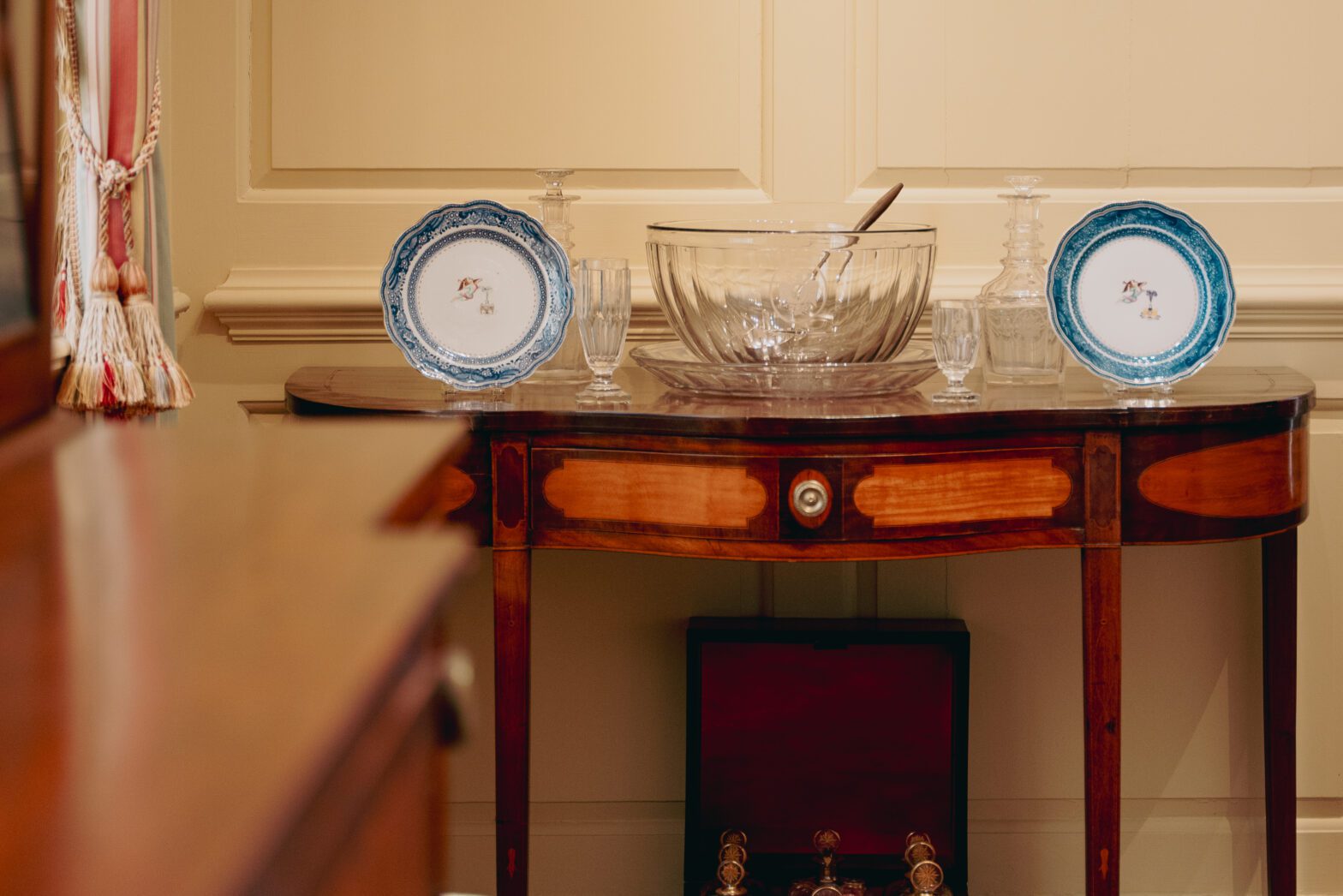
Visitors step “inside” to find themselves in front of the exterior of the Connecticut Shop. Originally built in 1805 in Connecticut, this storefront’s bowed windows hold finely crafted silver and Chinese export porcelain that was once exclusive to wealthy shoppers. Over time, this dinnerware became affordable for middle-income people as well. 

Baltimore Shop

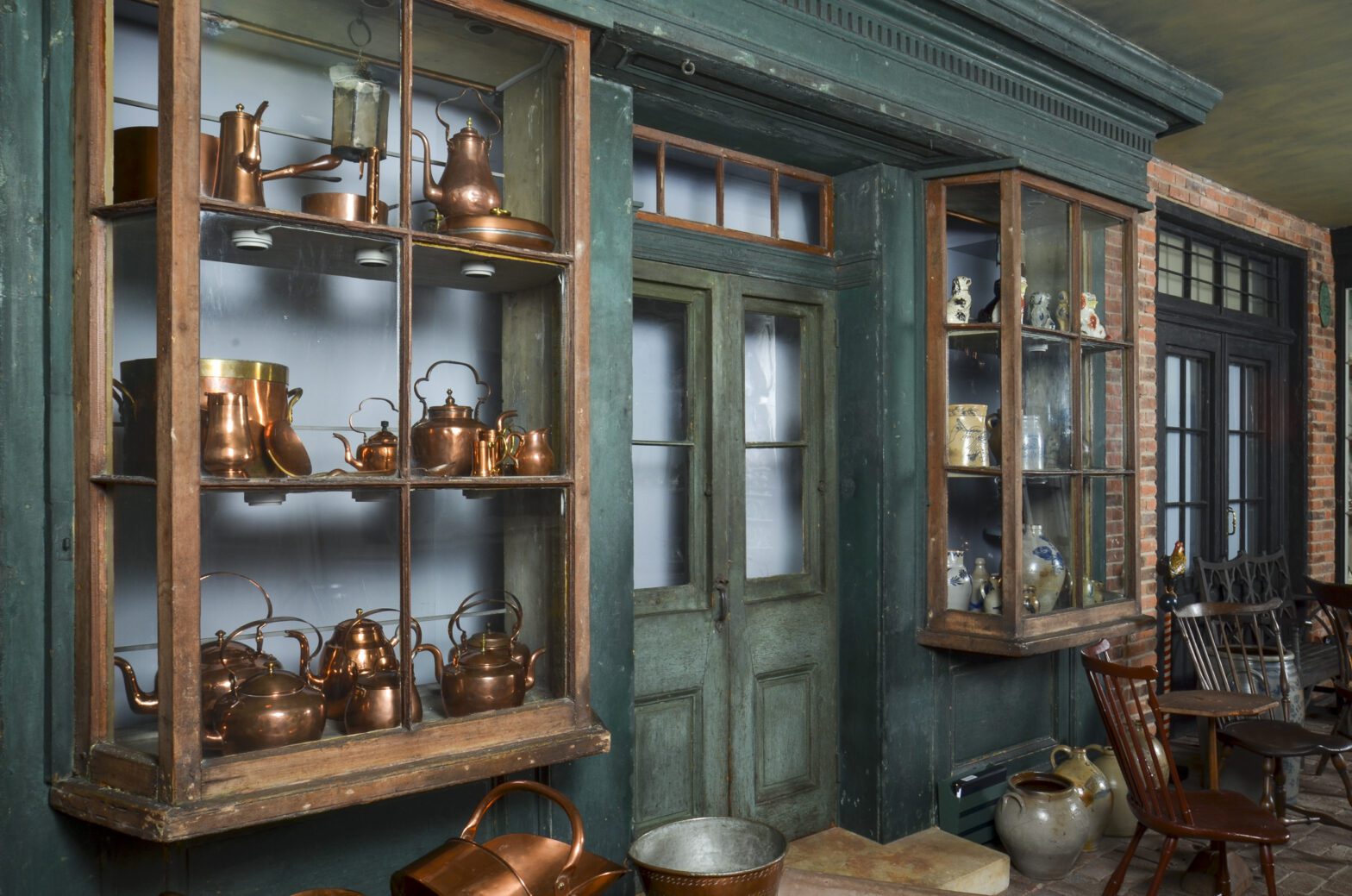
Unlike the luxury china in the Connecticut Shop, the Baltimore Shop houses stoneware for everyday goods and popular decorative objects. Among these decorative objects is a spotted dog, which was modeled after a well-known figure in England. This storefront was initially built in 1840 in Baltimore, Maryland, and is stocked with items made in the Mid-Atlantic alongside English pottery.

Image: The Baltimore Shop features shining brass and whimsical dog figurines.

Peck’s Slip Shop

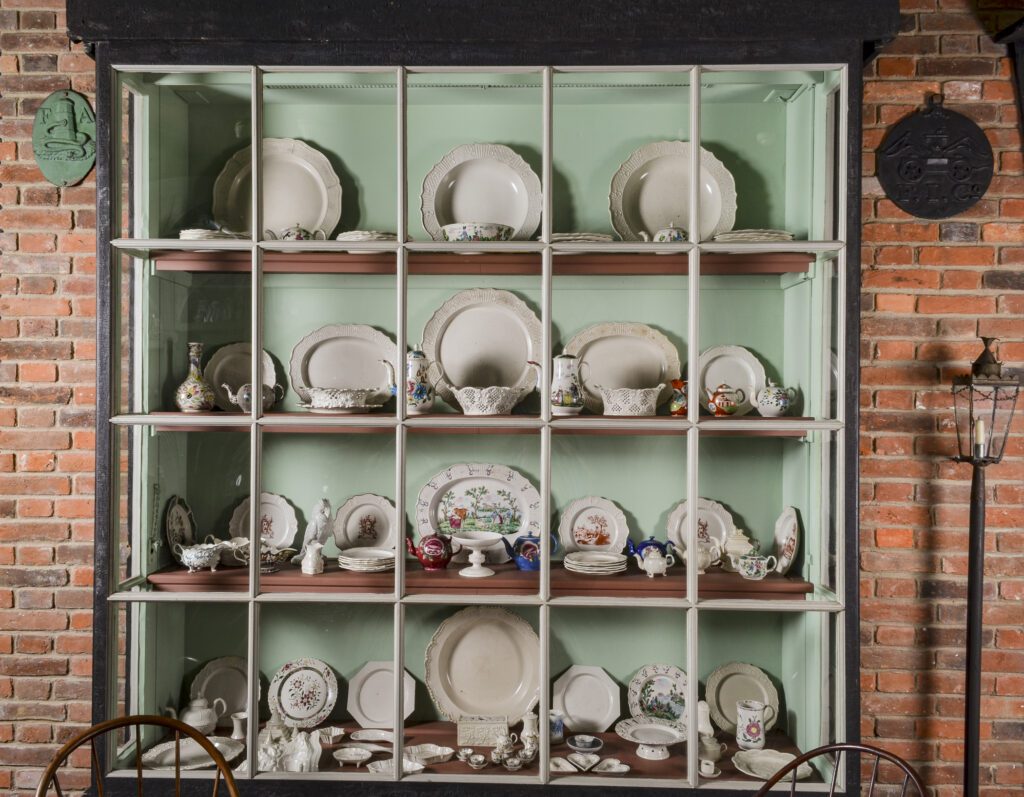
Peck’s Slip Shop features high-quality white salt-glazed stoneware produced in Staffordshire, England, which was popular in the American market. The storefront dates back to the mid-1700s in New York City, and the shop offered stoneware and other goods to the middle and upper classes. Similar white salt-glazed stoneware was also excavated from sites such as George Washington’s home at Mount Vernon, Virginia.

Image: Peck’s Slip Shop displays high-quality white salt-glazed stoneware.

Kingston Shop

Across the street, the Kingston Shop carries Staffordshire transferware ceramics picturing romantic or American scenes. Located in the Rondout section of Kingston, New York, this storefront once stood on the waterfront of the Hudson River. H. F. du Pont acquired the shop windows and door following World War II, after the seller had painted the original marble trim the light blue color it is now.

Shop Lane is just a glimpse into the everyday life of Americans in the 19th century through objects, architecture, and the stories preserved in each storefront. As part of the Architecture of Independence tour, this room highlights some of the architecture that holds the history of America.

Come see Shop Lane and much more on the Architecture of Independence tour, which runs through November 20.