By Ellery Coleman, Tour Program Assistant at Winterthur
Ruth Wales du Pont was “musically gifted, industrious, and intelligent,” endowed with a witty sense of humor, and perfectly paired with her husband, Winterthur Museum founder Henry Francis du Pont.
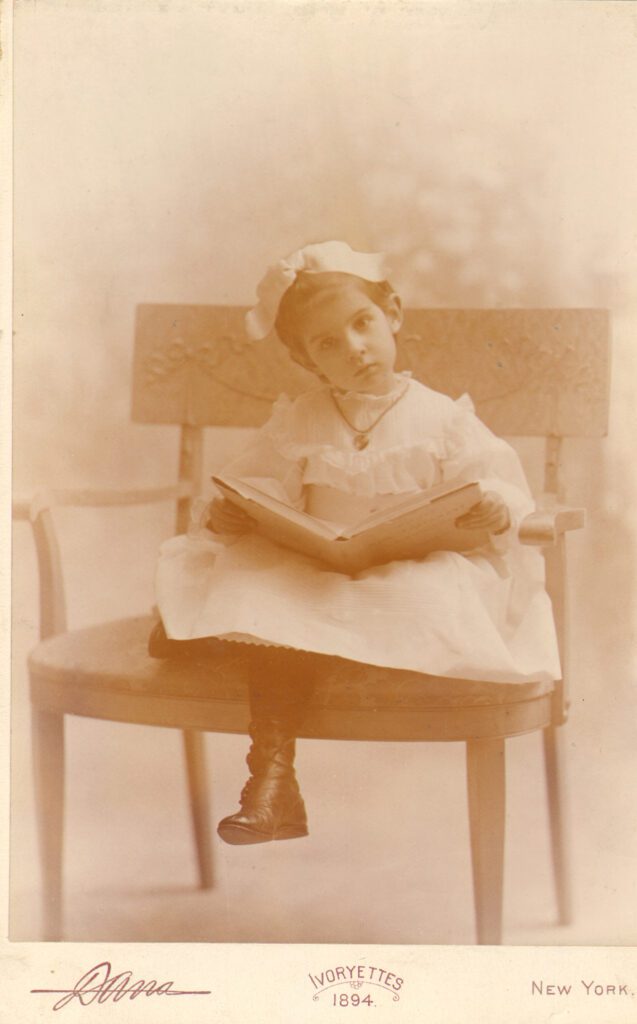
Born into New York high society in June 1889, Ruth grew up in Hyde Park, near Franklin Delano Roosevelt’s family. An only child, she was raised primarily by her mother, and they were very close. Even as an adult, she and her mother wrote to each other daily any time they were apart, correspondence Ruth’s daughter later described as “unfailingly tender.” Her grandmother, and to a much lesser extent, her father, also played a role in her upbringing. Ruth attended Miss Spence’s School in New York City, where she excelled in her studies and made many lifelong friends. As a child, she took to the piano easily and began taking lessons at thirteen, cultivating a lasting love of music.
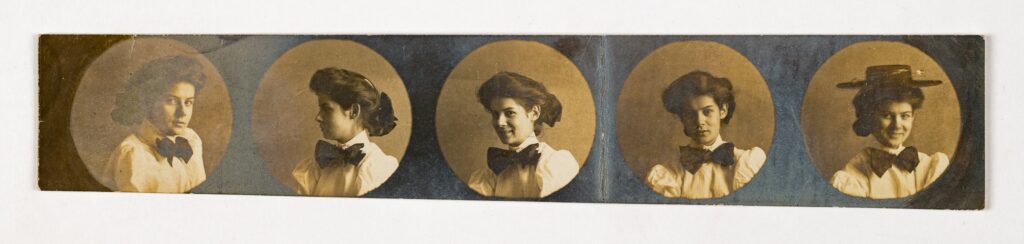
She and Henry Francis du Pont met and started developing a friendship when she was twenty, and in 1912, she attended her first of several house parties at Winterthur. Ruth’s daughter recounted in her book that her mother “never expected to marry,” and had once even tried to play matchmaker for Henry Francis, who was nine years her senior. They eventually fell in love and tied the knot in June 1916.
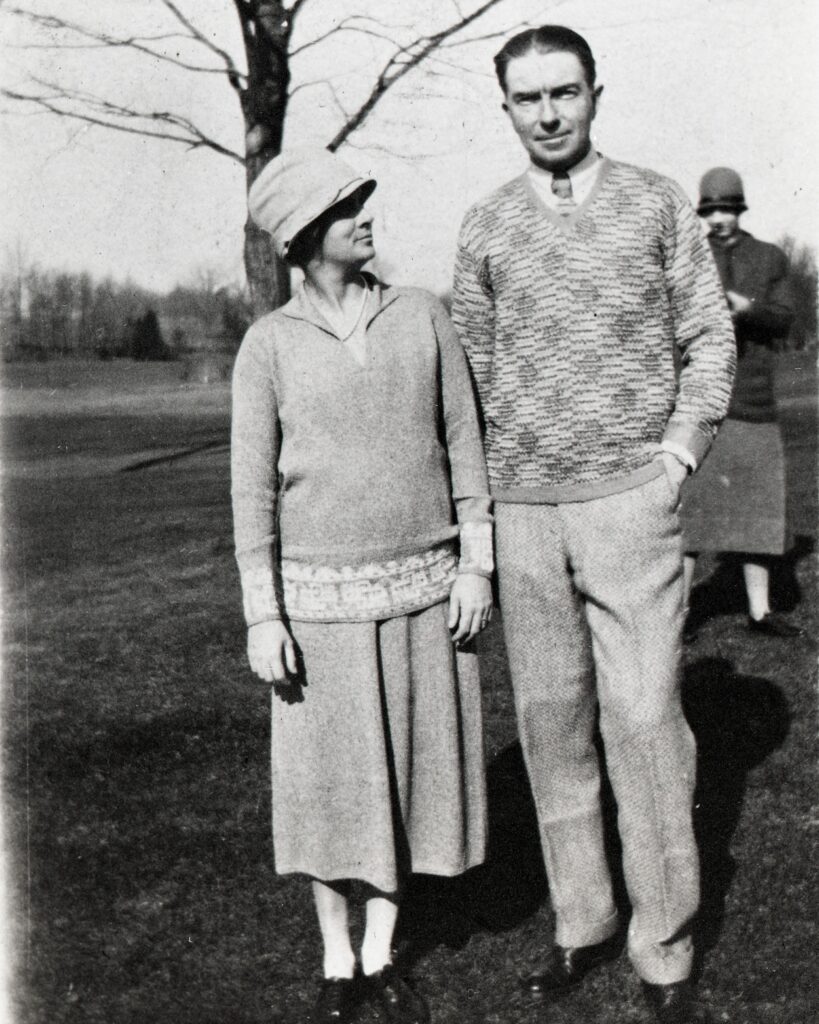
In their early years of marriage, H. F., not yet invested in collecting antiques, was focused on his cattle and the dairy operation, horticulture, and breaking ground on new garden projects. Ruth, though a city girl by birth and by preference, agreed to live at Winterthur with her husband and father-in-law, Colonel Henry Algernon du Pont. The couple remained close, but her father-in-law proved to be a difficult person, and Ruth’s mental condition suffered as a result.
To help alleviate her distress, the couple bought a Park Avenue apartment in 1921, where Ruth spent much of her time. Over the years, they added more homes, spending winters in New York, summers in Southampton, Long Island, and weekends and holidays at Winterthur, along with an occasional winter retreat in Florida.
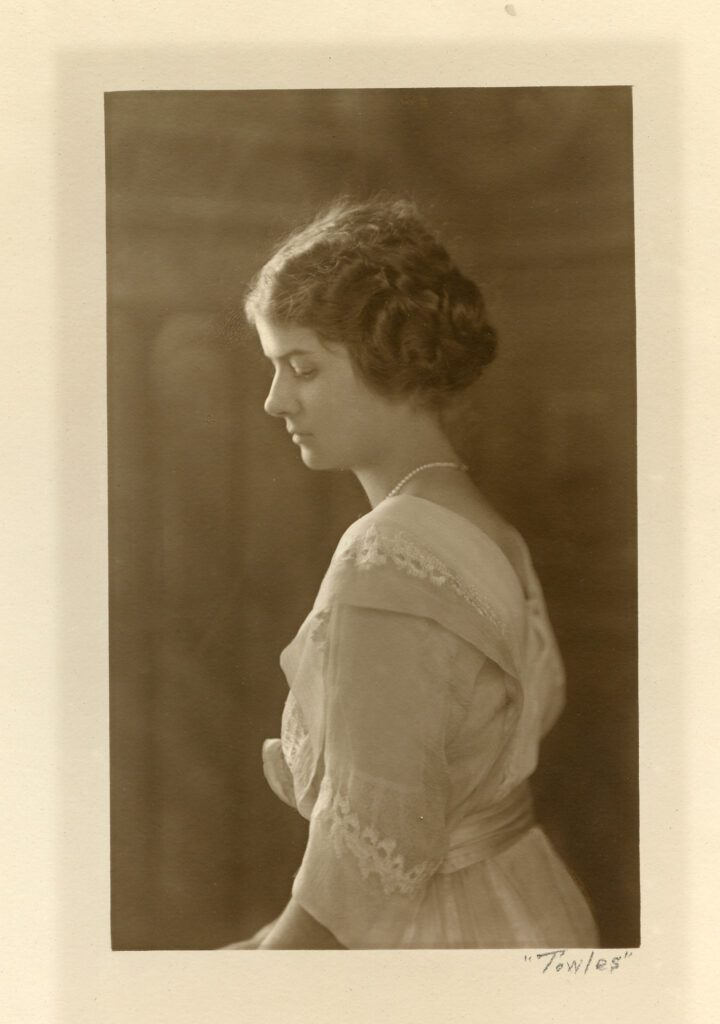
During their first year of marriage, Ruth, a skilled pianist and composer, traveled weekly to take lessons at the Peabody Conservatory (now the Peabody Institute) in Baltimore, and wrote various musical compositions. She continued composing throughout the 1920s, including fashionable ragtime music, dances, and part of an opera based on a book by Edith Wharton. In 1918, the couple’s first daughter, Pauline Louise, was born and named after H. F.’s mother and sister. Ruth’s namesake, Ruth Ellen, was born in 1922.
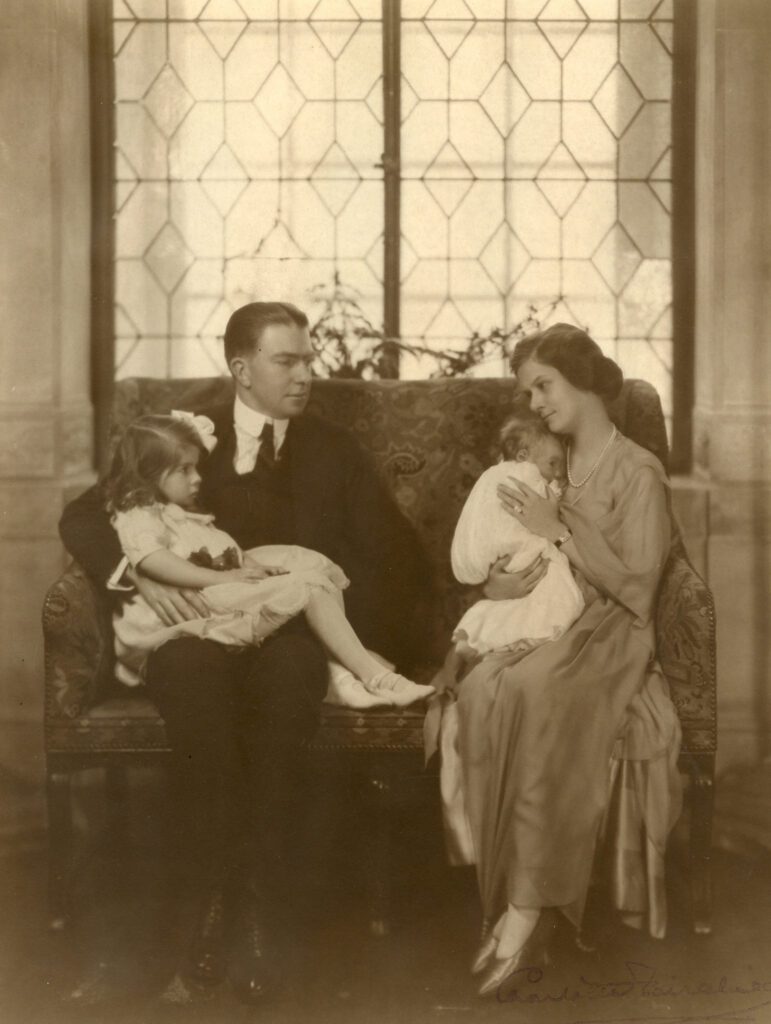
At times, Ruth struggled with her mental health. Beginning around 1918, she took “nerve medicine,” and when Ruth Ellen was still a toddler, Ruth sought treatment at a talk therapy clinic in Massachusetts. A busy mother with many social and household obligations, Ruth set aside her studies at the Peabody, though she continued playing and singing at her grand piano in the Chinese Parlor throughout her life. She and H. F. hosted guests frequently, and she oversaw her daughters’ education, content with letting her husband create the museum. The Winterthur home, which she sometimes called Frog Hollow, was not always a place of refuge for her, as she sometimes found it too expansive.
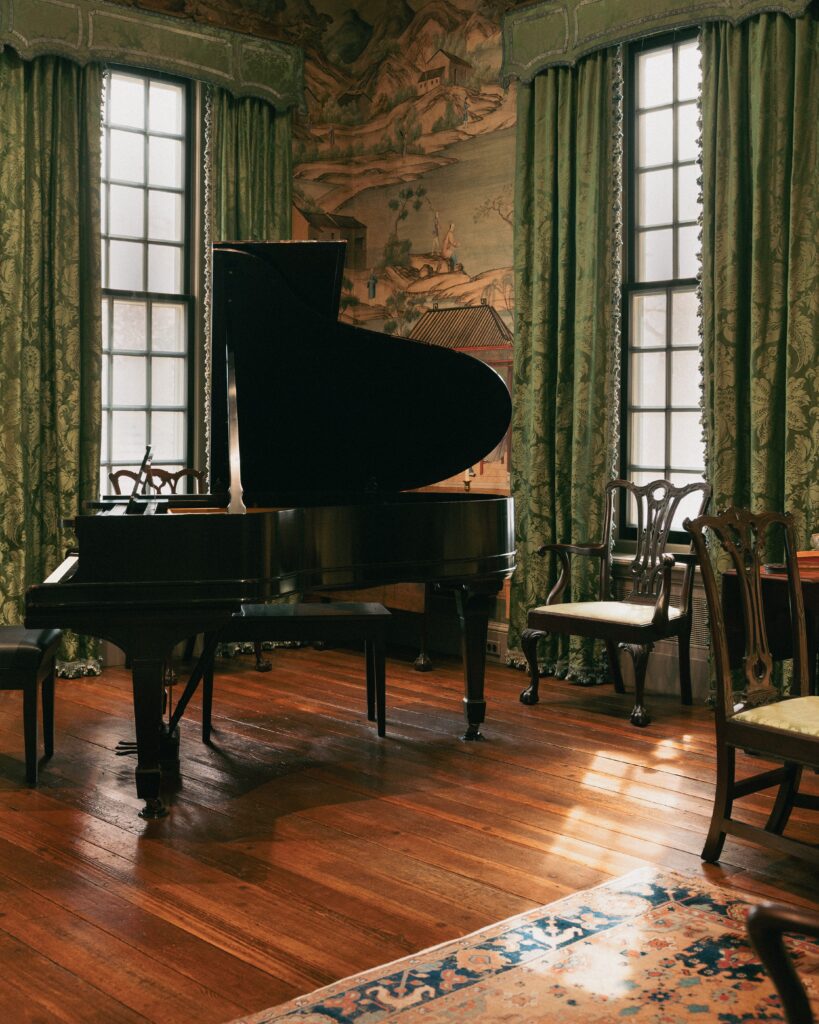
As she grew older, she continued to travel and entertain. Music was often a respite from her darker moments, and she played piano for her family into her elder years despite arthritis in her fingers. As with her mother, Ruth and H. F. also exchanged letters every day they were apart. Their daughter attributed the success of their long relationship to “an emphasis on loyalty and mutual thoughtfulness.”
Ruth Wales du Pont died in 1967. Her partnership with Henry Francis helped make Winterthur the gracious place it is today.
Ruth Wales du Pont Collegiate Composition Competition
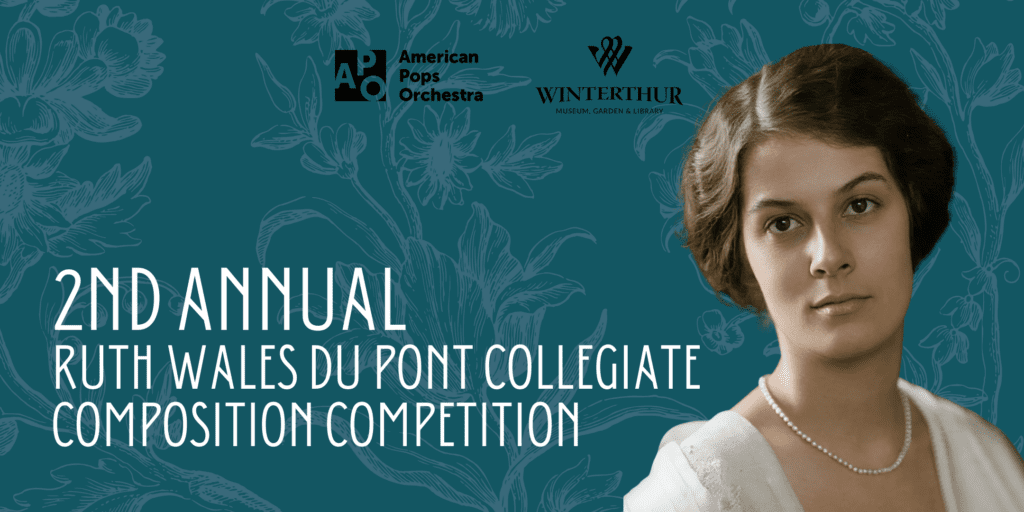
March 29, 2026 | 2:00-5:00 pm
Join the American Pops Orchestra for the premiere of original works by the finalists in the orchestra’s competition. Each composition is inspired by Winterthur’s collections, garden, and history. The competition is named for Ruth Wales du Pont, wife of Henry Francis du Pont, who studied music at the Peabody Conservatory in Baltimore. She composed dozens of musical pieces throughout her life and enjoyed entertaining her family and guests by playing on her grand piano.
1 Peabody Conservatory of Music, Pupils’ Record for Season of 1917, Archives, Peabody Institute of the Johns Hopkins University, Baltimore.
2 Ruth Lord, Henry F. du Pont and Winterthur: A Daughter’s Portrait (New Haven, CT: Yale University Press, 1999), 95.
3 Ibid., 100.
4 Ibid., 71.