A Winterthur Symposium
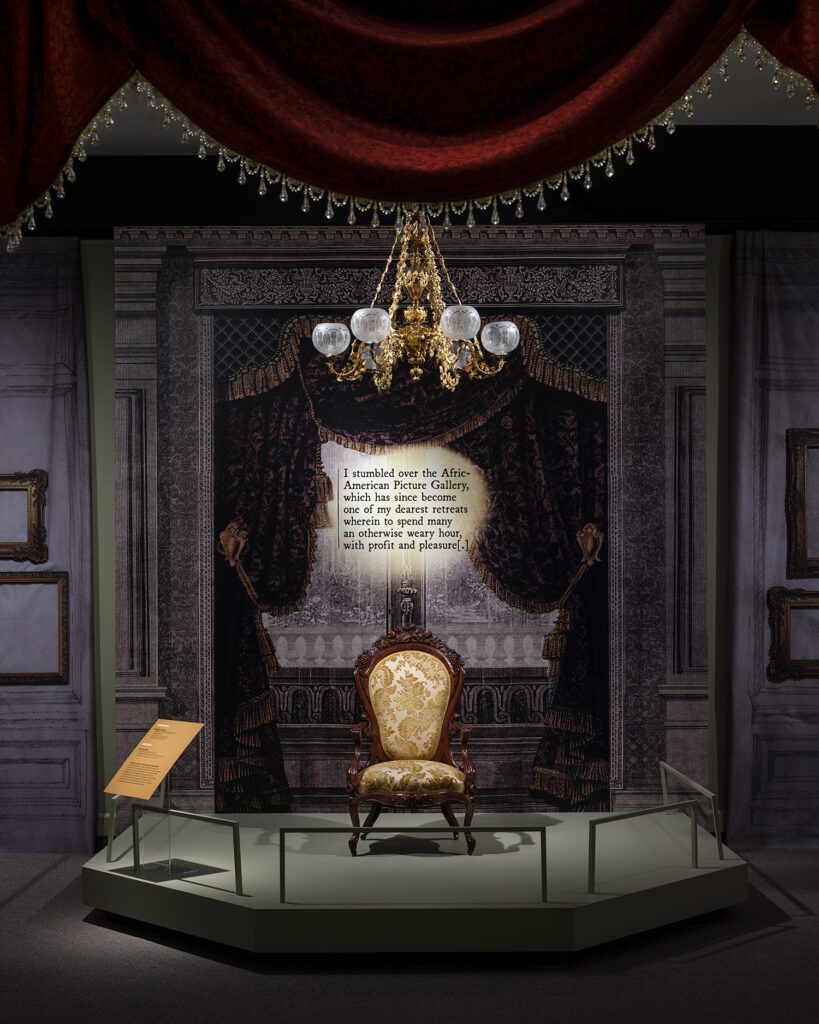
Almost Unknown, The Afric-American Picture Gallery brings to life William J. Wilson’s 1859 fantastical essay, exploring various methodological approaches to narrate this seemingly esoteric aspect of African American history and literature. At this symposium, we will “look back to the future” to demonstrate how this narrative can be integrated into broader American history and how it connects to the legacy of Henry Francis du Pont and the history of Winterthur. These inquiries are designed to engage a diverse audience, including educators on the college and secondary levels, museum professionals, experts, and enthusiasts of African American history and the wider Wilmington community.
$150; Members $125. If you received a link for discounted admission, please enter code at checkout. Students: please fill out this form to receive your discount admission code and enter code at checkout. Questions? Email us at ContinuingEducation@winterthur.org.
Registration is now closed.
Program Schedule
Friday, November 14, 2025
8:30 am
Registration and coffee at the Visitor Center Café
9:00 am
Welcome, Copeland Lecture Hall
Chris Strand, Charles F. Montgomery Director and CEO, Winterthur
Alexandra Deutsch, John L. and Marjorie P. McGraw Director of Collections, Winterthur
9:20 am
The Afric-American Picture Gallery and Antebellum Afro-bohemia
Britt Rusert, Professor of Afro-American Studies at University of Massachusetts Amherst and Executive Editor of the Massachusetts Review
10:10 am
Sketch as History: History as Sketch in the Anglo-African Magazine
Derrick R. Spires, Associate Professor of English at the University of Delaware
11:00 am
Coffee break, Visitor Center Café
11:30 am
Artworks Made, Unmade, and Remade: Ephemerality and Iconoclasm
Jennifer Van Horn, Professor of Art History and History at the University of Delaware
12:20 pm
Lunch Break – Offerings available for purchase in the Visitor Center Café
1:20 pm
Almost Unknown: Colored Conventions and the Art of Memory
Gabrielle Foreman, Professor of English, African American Studies, and History, Penn State University (no live stream)
2:10 pm
From Picture Galleries to Underground Archives in the Black Intellectual Tradition
Laura E. Helton, Associate Professor of English and History and Associate Director, Center for Material Studies, University of Delaware
3:00 pm
Sarah Shimm’s Wonderful Sofa: Stitching L’Ouverture in Silk at the Cotton Centennial
Mariah Kupfner, Assistant Professor of American Studies and Public Heritage at Penn State University
3:50 pm
Unseen Images in the Gardens of Atlantic Melancholy
Jonathan D. S. Schroeder, Lecturer in Literary Arts and Studies at the Rhode Island School of Design
5:00–6:30 pm
Reception, Winterthur Museum Galleries
Saturday, November 15, 2025
8:30 am
Coffee at the Visitor Center Café
9:00 am
These Walls Can Talk: Reclaiming the Picture Gallery Through Black Imagination
Dr. Jonathan Michael Square, Assistant Professor of Black Visual Culture at Parsons School of Design
9:50 am
A Look Back to the Future
Conversation between Dr. Jonathan Michael Square, Assistant Professor of Black Visual Culture at Parsons School of Design, and Reed Gochberg, Curator at the Boston Athenaeum
10:40 am
Coffee break, Visitor Center Café
11:10 am
Moving Pictures: Looking for Tom in the Picture Gallery
John Ernest, Judge Hugh M. Morris Professor and Chair of the Department of English, University of Delaware
12:00 pm
Lunch Break – Offerings available for purchase in the Visitor Center Café
1:00 pm
Through Gimlet Holes: New Visions for American Art
Stephanie Sparling Williams, Ph.D. Andrew W. Mellon Curator of American Art at the Brooklyn Museum
1:50 pm
Building Communion: Black Place-Making, Sacred Kinships, and the Spirit of Delaware
Hannah Grantham, director of the Jane and Littleton Mitchell Center for African American Heritage at the Delaware Historical Society
2:50 pm
Mining the Museum . . . Again
Fred Wilson, Mixed-Media Artist
Q&A with Alexandra Deutsch, Winterthur
3:50 pm
Closing remarks
Speaker Bios
Alexandra Deutsch
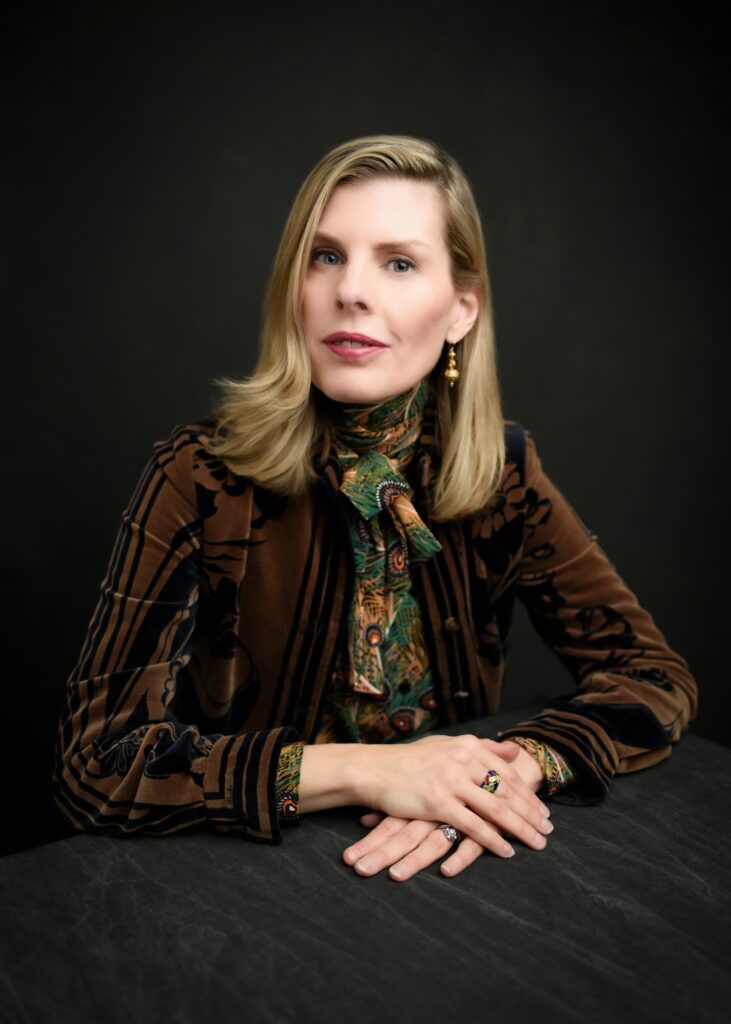
Alexandra Deutsch, a graduate of Vassar College and the Winterthur Program in American Material Culture, is the John L. and Marjorie P. McGraw Director of Collections at Winterthur Museum. She leads Winterthur’s Collections and Interpretation Division, which oversees the museum, exhibitions, public programming, and interpretation. Prior to arriving at Winterthur in 2019, she was vice president of collections and interpretation and chief curator at the Maryland Center for History and Culture, formerly the Maryland Historical Society. She has held curatorial positions at the Bennington Museum in Vermont, the Chapman Historical Society in New York, and the Historic Annapolis Foundation in Maryland. Since arriving at Winterthur, she has spearheaded a re-envisioning of the museum’s gallery building and overseen the creation of multiple exhibitions.
John Ernest
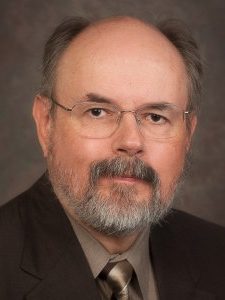
John Ernest, the Judge Hugh M. Morris Professor and chair of the Department of English at the University of Delaware, is the author of more than forty-five essays and author or editor of thirteen books, including Liberation Historiography: African American Writers and the Challenge of History, 1794–1861 (2004), Chaotic Justice: Rethinking African American Literary History (2009), The Oxford Handbook of the African American Slave Narrative (2014), Race in American Literature and Culture (2022), and The Cambridge Companion to Race and American Literature (2024). With Joycelyn K. Moody, he is the co-editor of the Regenerations series for the University of Delaware Press. With Stephanie Lee, he is the co-editor of the series Elements in Race in American Literature and Culture for Cambridge University Press.
P. Gabrielle Foreman

P. Gabrielle Foreman is the founding faculty director of the award-winning Colored Conventions Project and the inaugural co-director of Penn State’s Center for Black Digital Research/#DigBlk (Digitize Black Records, Excavate Black History, Dignify Black Communities, Love Black People). For a decade, she has been part of a collective led by Lynnette Young Overby that engages choreographers, poets, student researchers, and community members in bringing early Black history to the stage. She is the author of five books and editions, most recently, The Colored Conventions Movement: Black Organizing in the Nineteenth Century (2021) and Praise Songs for Dave the Potter: Art and Poetry for David Drake (2023). Foreman is a 2022 MacArthur fellow and an elected member of the American Academy of Arts and Sciences. She holds an endowed chair at Penn State and is an affiliate faculty at the University of Delaware, where she taught when the Colored Conventions Project was founded.
Reed Gochberg
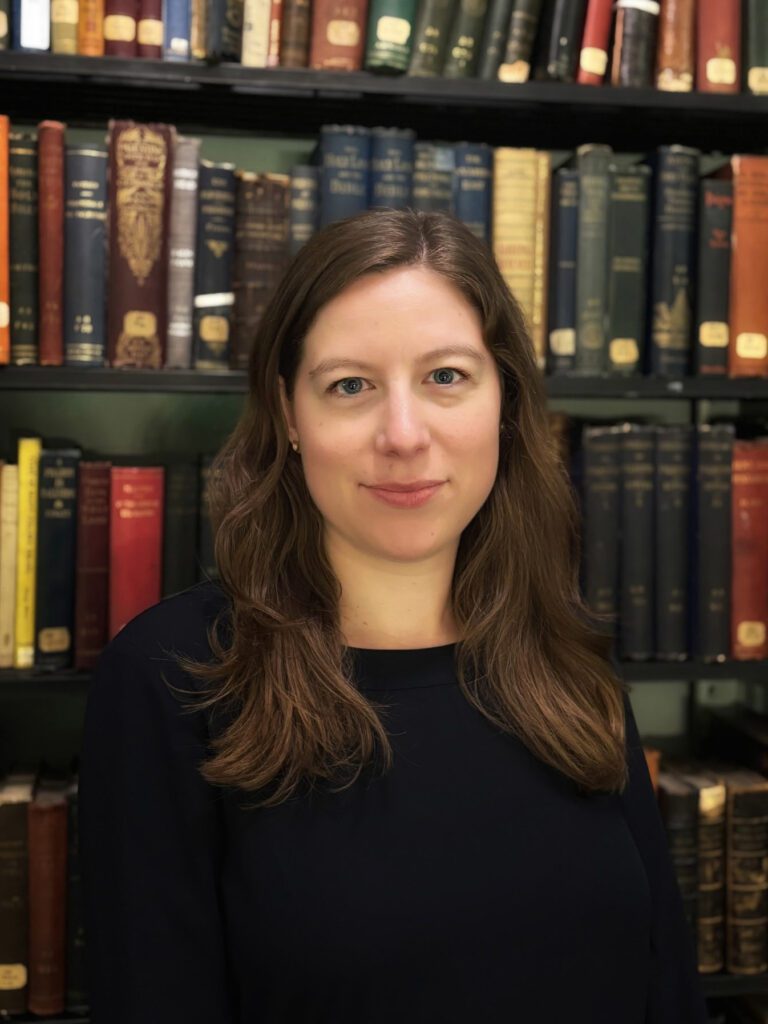
Reed Gochberg is a curator at the Boston Athenaeum. Her research interests include early and 19th-century American culture, material culture, museum studies, and the history of science and technology. Her book, Useful Objects: Museums, Science, and Literature in Nineteenth-Century America (2021), is a literary and cultural history of the development of American museums. Before joining the Boston Athenaeum in May 2025, she was the associate curator and director of exhibitions at the Concord Museum, where she curated numerous special exhibitions, including
Whose Revolution (2025); Chemacheg Menukhi: Paddle Strong (2025); Portrait Mode (2024); and Interwoven: Women’s Lives Written in Thread (2023–2024). She previously taught as assistant director of studies and a lecturer on history and literature at Harvard University. She received her A.B. from Harvard University and her Ph.D. from Boston University
Hannah Grantham
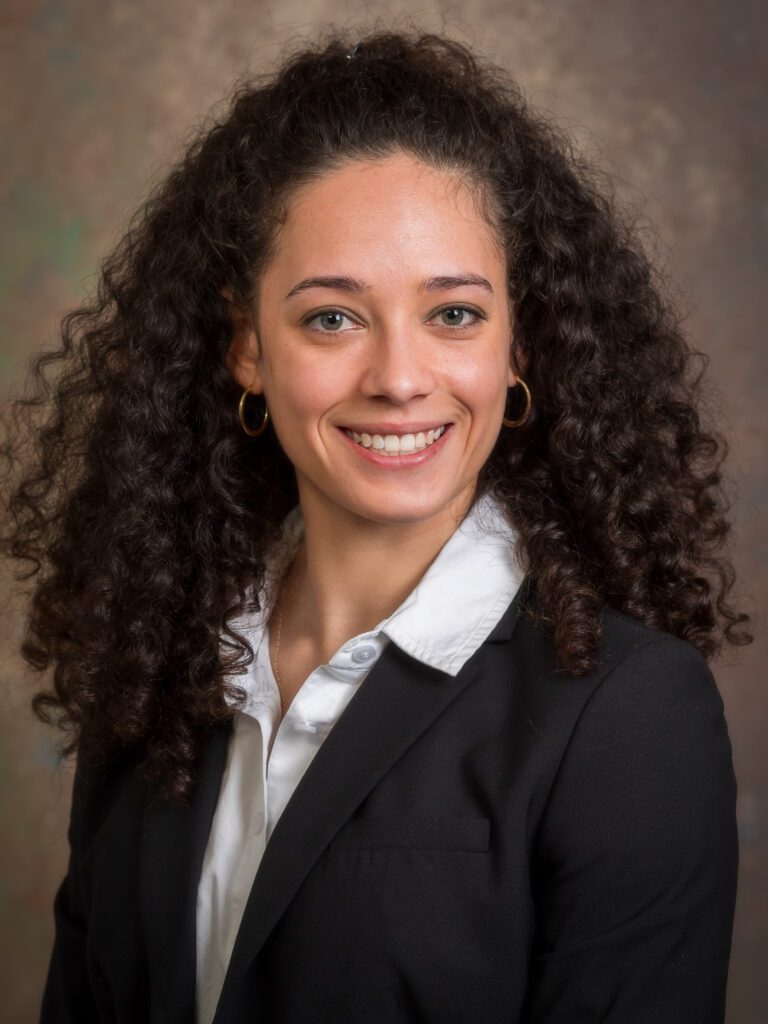
Hannah Grantham is the director of the Jane and Littleton Mitchell Center for African American Heritage at the Delaware Historical Society. A cultural heritage professional, she has worked collaboratively to curate exhibitions, care for mixed-media collections, and develop public programming that bring together history, entertainment, and social relationships. She is passionate about sharing the stories of women living and participating in American jazz culture as performers, artists, business entrepreneurs, and audience members. Her dissertation research at the University of Delaware re-examines the early decades of the jazz entertainment industry by investigating the collections women assembled that documented their involvement in the art form and lives of women in jazz, particularly focusing on their roles as wives. It re-examines the history of jazz through the perspectives of women who preserved, archived, and documented this art form as it evolved.
Laura E. Helton
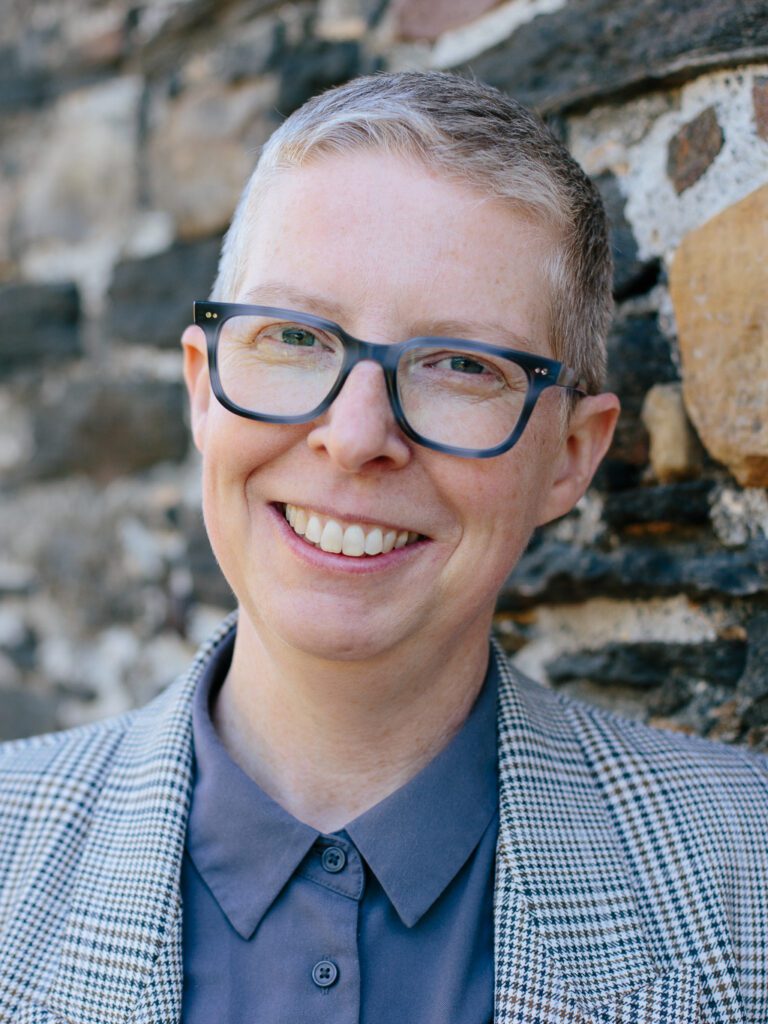
Laura E. Helton is an associate professor of English and history at the University of Delaware, where she teaches African American literature, archival studies, and public humanities. Her work chronicles the emergence of African diasporic archives in the United States and asks how information practices—the work of collecting, curating, and cataloging—shape the literary and historical imagination. Her book, Scattered and Fugitive Things: How Black Collectors Created Archives and Remade History (2024), won the Merle Curti Intellectual History Award from the Organization of American Historians and the Arline Custer Memorial Book Prize from the Mid-Atlantic Regional Archives Conference, and was shortlisted for the Association for the Study of African American Life and History’s 2025 Book Prize. Her research has been supported by fellowships from the National Endowment for the Humanities and the Bibliographical Society of America, and her essay writing has garnered awards from the American Library Association and the African American Intellectual History Society. She serves as a scholar-editor of “Remaking the World of Arturo Schomburg,” a collaborative digital project with Fisk University and the Schomburg Center for Research in Black Culture.
Mariah Kupfner
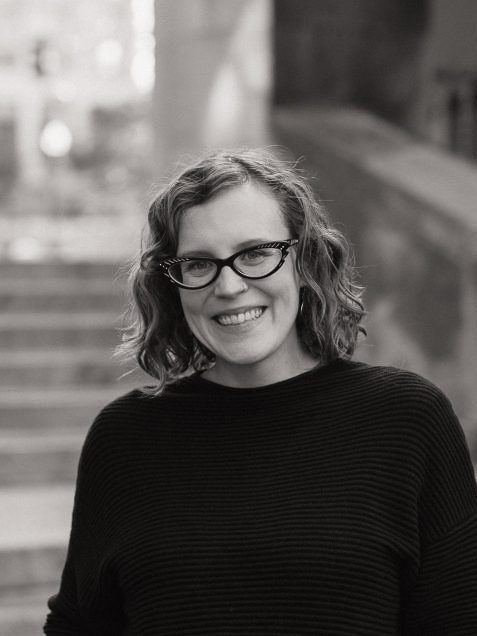
Mariah Kupfner is an assistant professor of American studies and public heritage and program coordinator for the graduate certificate in heritage and museum practice at Penn State Harrisburg. Kupfner received her Ph.D. in American and New England studies from Boston University in 2021, where her dissertation was awarded the Keith N. Morgan prize for the best doctoral dissertation in history of art and architecture. Kupfner’s current book project—Crafting Womanhood: Needlework, Gender, and Politics in the United States, 1810–1920—examines the political resonances and applications of American women’s decorative needlework. She explores the abolition of slavery, women’s property rights, girlhood education, and the suffrage movement through the lens of the stitch and argues that gender is itself a crafted form. Her work appears in Winterthur Portfolio, Material Culture Review, and Social History/Histoire Sociale, and has been supported by fellowships and grants from the Library Company, the Haverford College Quaker & Special Collections, Winterthur, the Center for Craft, and the Decorative Arts Trust. Kupfner currently serves as co-chair for the Material Culture Caucus of the American Studies Association and as the faculty advisor for a student knitting and crochet club at Penn State Harrisburg.
Britt Rusert
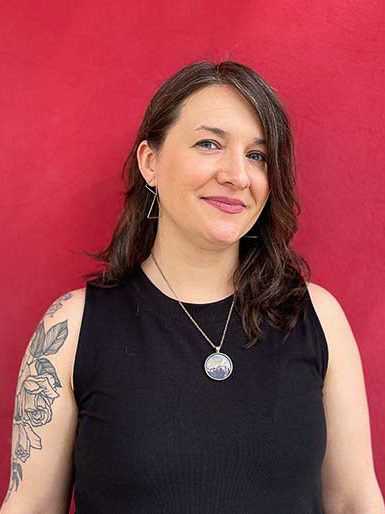
Britt Rusert is a professor of Afro-American Studies at University of Massachusetts Amherst and executive editor of the Massachusetts Review. She is a 2024–25 NEH fellow at the American Antiquarian Society and was a 2023–24 fellow in the Hutchins Center for African and African American Research at Harvard University. Rusert is the author of Fugitive Science: Empiricism and Freedom in Early African American Culture (2017) and co-editor of W. E. B. Du Bois’s Data Portraits: Visualizing Black America (2018). Fugitive Science received sole finalist mention for the Lora Romero First Book Prize from the American Studies Association as well as an honorable mention for the MLA’s Prize for a First Book. Her current project, The Care Underground: Mutual Aid in the Age of Slavery and Abolition, is under contract with Verso. Rusert has been teaching and researching William J. Wilson and his picture gallery for the past ten years. With Leif Eckstrom, she edited a digital edition of the text for the American Antiquarian Society’s Just Teach One initiative. Her monograph on the Afric-American Picture Gallery is forthcoming from Duke University Press. She is also working on a co-edited collection of Wilson’s writings with Derrick Spires, Ivy Wilson, and Ben Fagan.
Jonathan D. S. Schroeder
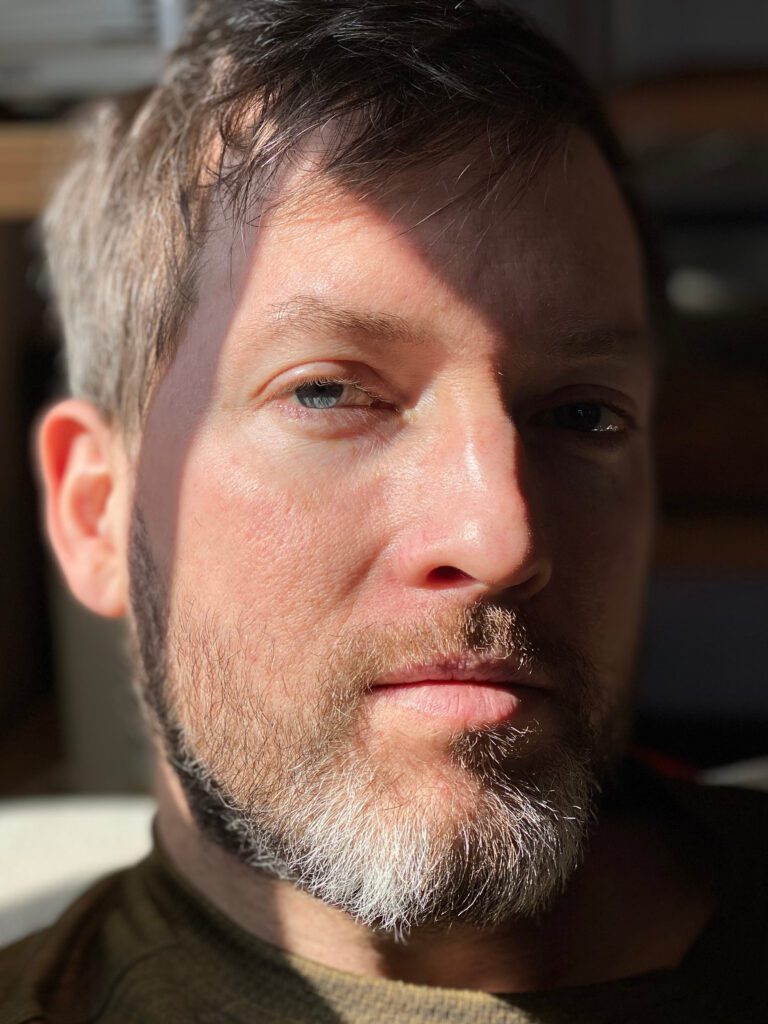
Jonathan D. S. Schroeder is a historian, literary critic, and lecturer at the Rhode Island School of Design. In 2024, he republished John Swanson Jacobs’s long-lost autobiographical slave narrative, The United States Governed by Six Hundred Thousand Despots: A True Story of Slavery, after discovering itin an Australian archive and spending eight years writing the first full-length biography of Harriet Jacobs’s globe-spanning brother, No Longer Yours: The Lives of John Swanson Jacobs. His edition of Despots was profiled in the New York Times, “All Things Considered,” Boston Globe, PBS, and elsewhere, and received a 2025 Anisfield-Wolf Book Award. Schroeder is also co-editor of Ahab Unbound: Melville and the Materialist Turn, and co-director of Congress of the Birds, a wildlife rehabilitation center that annually rescues, rehabilitates, and releases more than 2,000 native and migratory birds. A recipient of long-term fellowships from the Radcliffe Institute for Advanced Study, the National Endowment for the Humanities, the John Carter Brown Library, and the American Antiquarian Society, he is currently editing Lauren Berlant: A Reader, writing Prisoners of Loss: An Atlantic History of Nostalgia, and building a forty-five-acre forest wildlife rehabilitation center on unceded Nipmuc and Narragansett land in Chepachet, Rhode Island.
Derrick R. Spires
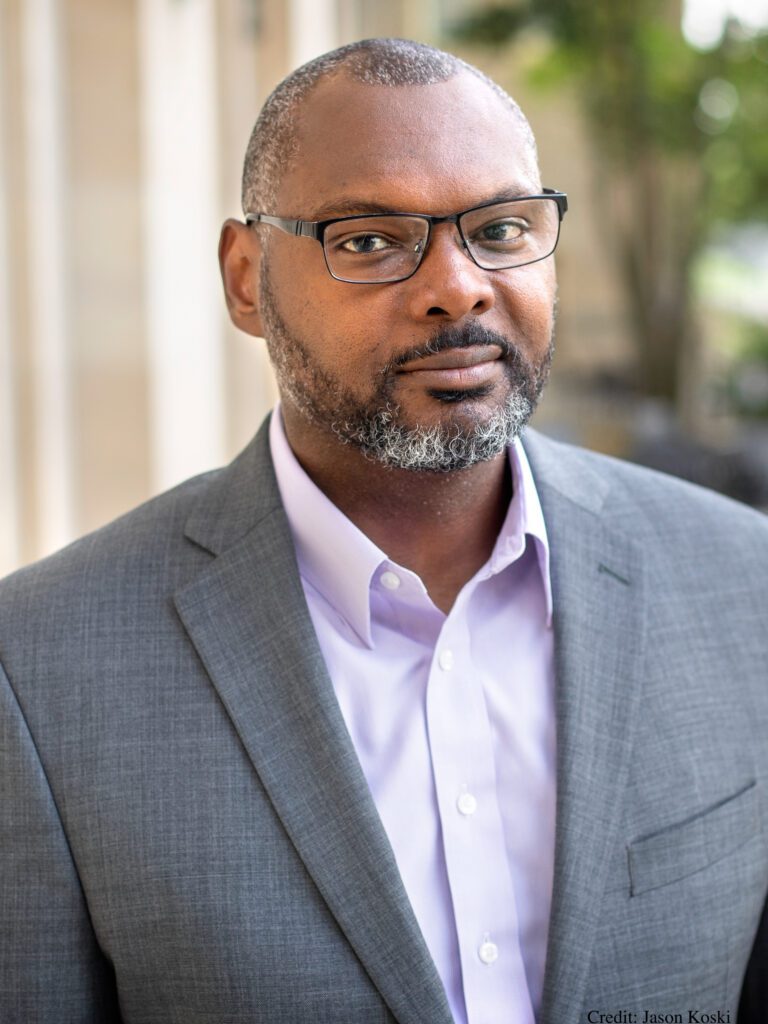
Derrick R. Spires is a John and Patricia Cochran Scholar of Inclusive Excellence and associate professor of English at the University of Delaware, where he specializes in early Black print culture, citizenship studies, and African American intellectual history. His first book, The Practice of Citizenship (2019), traces how Black writers articulated an expansive theory of citizenship through a robust print culture, including Black newspapers, the Colored Conventions movement, and other ephemera. Spires co-edits the book series Black Print and Organizing in the Long Nineteenth Century with P. Gabrielle Foreman and Shirley Moody-Turner at the University of Pennsylvania Press and is curator of the Black Print: African American Writing, 1773–1910exhibition at Cornell University (2024–2025).
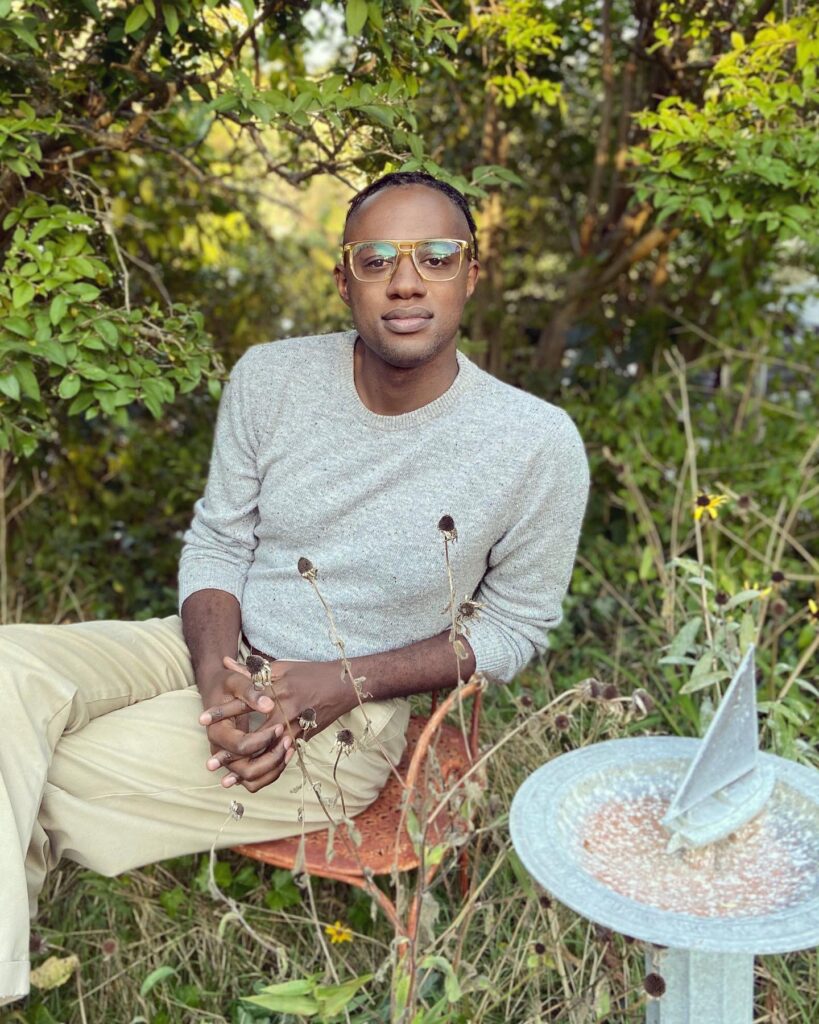
Dr. Jonathan Michael Square
Dr. Jonathan Michael Square is the assistant professor of Black visual culture at Parsons School of Design. He earned his Ph.D. from New York University, his M.A. from the University of Texas at Austin, and his B.A. from Cornell University. Most recently, Square taught at Harvard University’s Committee on Degrees in History and Literature and served as a fellow with the Costume Institute at the Metropolitan Museum of Art. His curatorial work includes the exhibition Past Is Present: Black Artists Respond to the Complicated Histories of Slavery at the Herron School of Art and Design and the co-curated project Rendering Revolution, an exploration of the visual legacy of the Haitian Revolution through fashion and textile art. He is the curator of the exhibition Almost Unknown, The Afric-American Picture Gallery, currently on view at Winterthur. A champion of digital scholarship and radical pedagogy, he also leads the digital humanities initiative Fashioning the Self in Slavery and Freedom.
Jennifer Van Horn

Jennifer Van Horn holds a joint appointment as professor in the departments of art history and history at the University of Delaware. She is the author of Portraits of Resistance: Activating Art During Slavery (2022) and The Power of Objects in Eighteenth-Century British America (2017). She is currently co-editing a collected volume entitled The Disabled Gaze: Multi-Sensory Perspectives of Art, Bodies & Objects. She is the president of HECAA (Historians of Eighteenth-Century Art and Architecture) and serves on the editorial board for The Art Bulletin.
Stephanie Sparling Williams
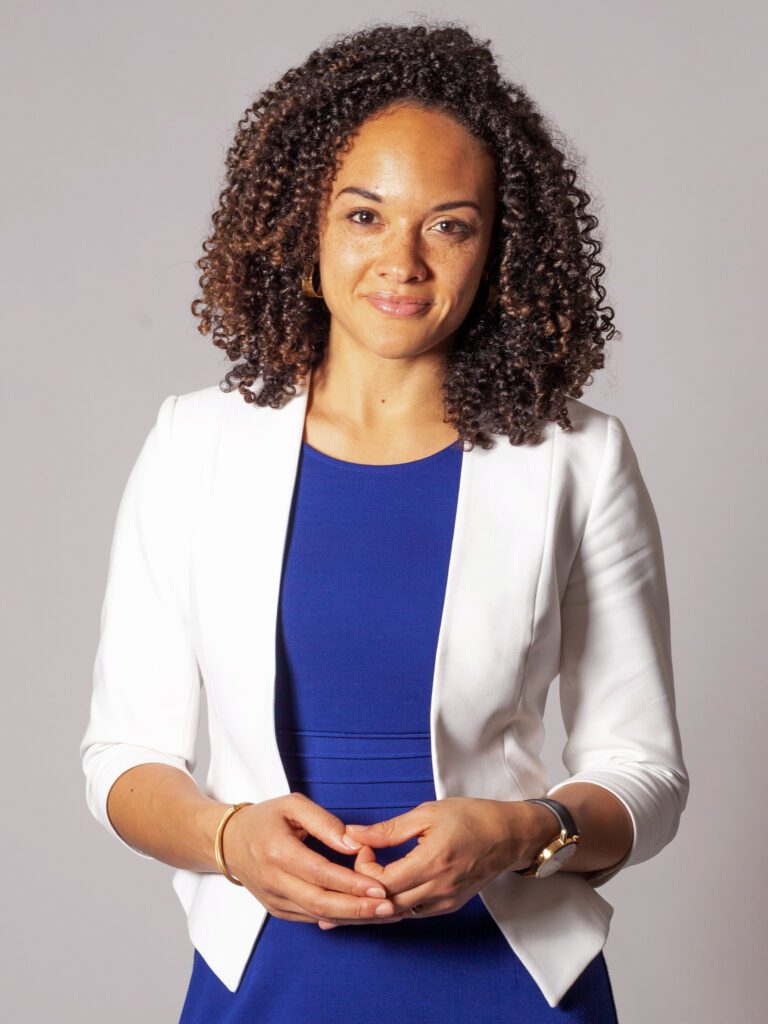
Stephanie Sparling Williams is the Andrew W. Mellon Curator of American Art at the Brooklyn Museum. Her curatorial practice is predicated on interdisciplinary research, writing, and teaching on American art and foregrounds Black feminist space making. Her scholarly work is invested in the space of the museum, with a focus on African American art and culture, and the work of United States–based artists of color. Related interests include material histories, cross-cultural exchange, strategies of address, and contemporary art that engages with the history of the United States.
Photo by Hector René Membreño-Canales.
Fred Wilson
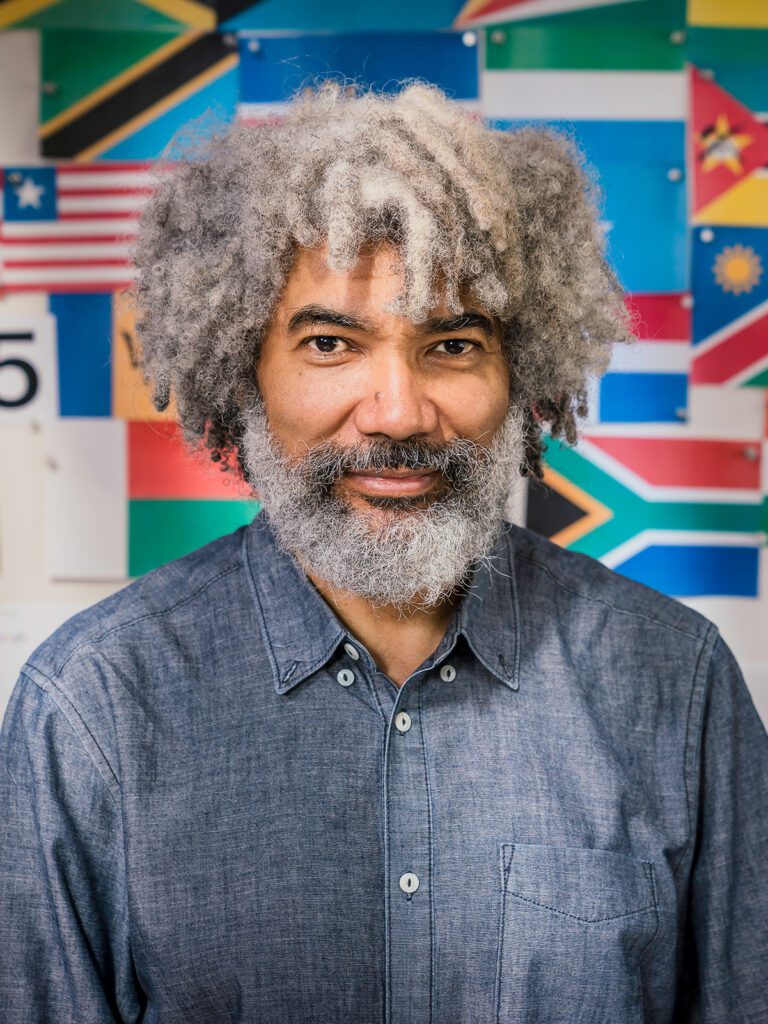
Fred Wilson challenges assumptions of history, culture, race, and conventions of display with his work. By reframing objects and cultural symbols, he alters traditional interpretations, encouraging viewers to reconsider social and historical narratives. Since his exhibition Mining the Museum in 1992 at the Maryland Historical Society, Wilson has been the subject of many solo exhibitions, including the retrospective Objects and Installations, 1979–2000, which was organized by the Center for Art and Visual Culture at the University of Maryland, Baltimore. Wilson’s work is held in over forty public collections, including the Baltimore Museum of Art; Brooklyn Museum; Cleveland Museum of Art; Denver Art Museum; Detroit Institute of Arts; Hammer Museum; Harvard Art Museums; High Museum of Art; Hood Museum of Art; Jewish Museum; Museum of Fine Arts; The Museum of Fine Art; The Museum of Modern Art; National Gallery of Victoria, Australia; National Gallery of Art; San Francisco Museum of Modern Art; The Studio Museum in Harlem; Tate Modern, London; and the Whitney Museum of American Art.
In 2003, Wilson represented the United States at the 50th Venice Biennale with the solo exhibition Speak of Me as I Am. He was awarded the John D. and Catherine T. MacArthur Foundation’s “Genius” Grant (1999); the Alain Locke Award from The Friends of African and African American Art at the Detroit Institute of Arts (2013); a Lifetime Achievement Award from Howard University (2017); and an Art of Change fellowship from the Ford Foundation (2017).
Wilson has served on the board of trustees for the American Academy in Rome, Creative Capital, Skowhegan School of Painting and Sculpture, and the Whitney Museum of American Art. He recently created a permanent outdoor installation for the Gibbes Museum of Art in Charleston, South Carolina. In 2021, he was commissioned to create a three-story site-specific installation titled “Mother” in the Delta Terminal at LaGuardia Airport in New York City, New York.
Photo courtesy of the Pace Gallery.
Presentation Summaries
The Afric-American Picture Gallery and Antebellum Afro-bohemia
Britt Rusert, Professor of Afro-American Studies at University of Massachusetts Amherst and Executive Editor of the Massachusetts Review
This talk places William J. Wilson’s “Afric-American Picture Gallery” in a vibrant world of Afro-bohemian writing, intellectualism, and culture in late antebellum New York. Writing in dialogic, and sometimes divisive, exchange within and beyond the periodical sphere, Wilson and his cohort were conceiving of experimental Black aesthetics in a nation on the cusp of civil war. They also raised crucial questions about the role of art in an industrializing, slaveholding society.
Sketch as History: History as Sketch in the Anglo-African Magazine
Derrick R. Spires, Associate Professor of English at the University of Delaware
This talk examines how writers for the Anglo-African Magazine drew on the sketch genre’s grounding in print, visual, and scientific cultures to map out a method for public history and civic pedagogy. The sketch was uniquely suited for articulating the contingencies of Black life on the verge of enslavement and freedom in the late 1850s. It eschewed narrative closure in favor of open-ended speculation and cultivated the sense that the future as well as the past were always in the making and open for critique and revision. Through the pages of the Anglo-African Magazine, writers like Frances E. W. Harper and William J. Wilson used the form to sketch future histories of Black liberation and artistic cultures.
Artworks Made, Unmade, and Remade: Ephemerality and Iconoclasm
Jennifer Van Horn, Professor of Art History and History at the University of Delaware
This talk takes as its starting point images by African American artists of the 18th and 19th centuries that do not survive or were never able to be made. I place these alongside artworks that enslaved African Americans repurposed, destroyed, or creatively altered. How does thinking about images’ material ephemerality, fluidity, and changeability enable us to better understand practices of subversion, of resistance, and of being otherwise that enslaved African Americans mobilized in the early United States? Made from chalk, charcoal, paint, or imagined solely in the mind, these artworks left vital traces of African American creative assertions of self and community that still resonate for contemporary audiences.
Almost Unknown: Colored Conventions and the Art of Memory
Gabrielle Foreman, Professor of American Literature and Professor of African American Studies and History at Penn State
How is it possible for history to have sidelined seven full decades of early African American organizing? In this talk, attendees will learn about an ongoing campaign for Black rights which served as the prequel to the NAACP and Civil Rights movements. From 1830 through the beginning of the new century, free, fugitive, and freed Black Americans held multi-day “Colored Conventions” across North America. African American leaders and lay people not only came together to demand Black freedom but to advocate for all it entails, then as now: educational equity, labor justice, voting, jury, and political rights, as well as freedom from state-sanctioned violence. Wilson featured these conventions in his Afric-American Picture Gallery, but until recently, they were all but lost to the general public. Why didn’t we know?
From Picture Galleries to Underground Archives in the Black Intellectual Tradition
Laura E. Helton, Assistant Professor, English and History at the University of Delaware
In his 1859 essay, William J. Wilson invited readers to imagine themselves in a transformative picture gallery—a space suffused with images made by Black artists, books penned by Black authors, and other objects depicting the richness of African diasporic history. In the decades that followed publication of the “Afric American Picture Gallery,” a cadre of Black collectors and bibliophiles created—in real life—what Wilson had envisaged. These turn-of-the-century spaces included a remarkable gallery of artifacts kept by William Henry Dorsey in his Philadelphia rowhouse, the parlor library of famed bibliophile Arturo Schomburg in Brooklyn, and the richly appointed collection of Ella and Samuel Elbert at their home in Wilmington, Delaware. At a moment when Black art and writing were missing from most mainstream cultural institutions—and when Black visitors were too often barred from entering their hometown libraries and museums—these collectors created DIY museums that preserved, displayed, and transformed Black history.
Sarah Shimm’s Wonderful Sofa: Stitching L’Ouverture in Silk at the Cotton Centennial
Mariah Kupfner, Assistant Professor of American Studies and Public Heritage at Penn State University
In 1884, Sarah Shimm embroidered a sofa and sent it to New Orleans. She was a public school teacher in the segregated school system in Washington, D.C., a columnist for the local Black press, and an accomplished needleworker. She sent her ornately decorated sofa to be featured in an exhibition of Black Americans’ work at the World’s Industrial and Cotton Centennial Exposition in New Orleans; it was a luxurious object that celebrated Black women’s skill, sumptuous use of materials, and artful composition. This was a potent act in the post-Reconstruction South.
Featured in the midst of a celebration of cotton, Shimm’s silk sofa complicated the fair’s framing of Black history. It insisted upon a long, global history of Black self-determination, not tethered to the recency of the Emancipation Proclamation. Her sofa displayed a visual history of the Haitian Revolution and lauded its most prominent leader, Toussaint L’Ouverture. Her sofa named L’Ouverture as a global figure of Black pride, nation-building, and resistance. This talk seeks to reanimate this absent sofa and traces Shimm’s methods, which reveal her embeddedness in historical and contemporary networks of Black activism, scholarship, and making. Her sofa looked to the past to articulate and shape the future.
Unseen Images in the Gardens of Atlantic Melancholy
Jonathan D. S. Schroeder, Lecturer in Literary Arts and Studies at the Rhode Island School of Design
For this generation of scholars, the chief obstacle posed by the circum-Atlantic archive is invisibility: “the problem of the unseen, the problem of nonappearance, the problem of blocked vision,” in Ian Baucom’s words. In response to an archival landscape defined more by what’s missing than what’s there, they often assume the critical demeanor of what Stephen Best calls “melancholy historicism,” namely, the “view that history consists in the taking possession of such grievous experience and archival loss.”
This talk taxonomizes the lost image and turns to the historical epistemology of melancholy to advance the debate concerning melancholy historicism. Paintings that disappeared or never existed, daguerreotypes with unknown sitters, descriptions of an image that can no longer be located—these are some of the best places to create new discourses of possibility regarding the critical styles that scholars might adopt and the affective intimacy between scholars and their objects of study. One case I will draw upon is my own work identifying the only known image of John Swanson Jacobs.
These Walls Can Talk: Reclaiming the Picture Gallery Through Black Imagination
Dr. Jonathan Michael Square
This talk traces the evolution of the picture gallery from its classical origins to its reinvention in contemporary black cultural practice. Beginning with William J. Wilson’s visionary 1859 essay “Afric-American Picture Gallery,” this presentation explores how Black artists, intellectuals, and curators have reimagined the gallery as a space not just for aesthetic contemplation but for historical intervention. From Fred Wilson’s Mining the Museum to Faith Ringgold’s Dancing at the Louvre and Beyoncé and Jay-Z’s modern interventions, we consider how the gallery becomes a site of resistance, memory, and speculative possibility.
A Look Back to the Future
Conversation between Dr. Jonathan Michael Square and Reed Gochberg, Curator at the Boston Athenaeum
Reed Gochberg and Dr. Jonathan Michael Square are longtime friends and colleagues, having shared an office and co-taught courses at Harvard University. Reed played a pivotal role in the origins of this exhibition by introducing Jonathan to the “Afric-American Picture Gallery” during that time. In this portion of the symposium, they will reflect on their collaborative work through the lens of the text, exploring how it has shaped their scholarship, teaching, and curatorial practice. Their conversation will move fluidly between the historical significance of the essay and its broader impact on their curation and pedagogy.
Moving Pictures: Looking for Tom in the Picture Gallery
John Ernest, Professor of English at the University of Delaware
Among the various images featured in the essay “Afric-American Picture Gallery” is one identified as “A New Picture,” a picture of a boy—Thomas Onward, or “Tom for shortness.” By the time “Afric-American Picture Gallery” was published, of course, the name Tom had acquired special significance, most notably through Harriet Beecher Stowe’s Uncle Tom’s Cabin. Stowe’s novel helped feature other notable Toms, some of them not originally named Tom, and became a way of thinking about both Black male piety and Black male achievement—and, over time, Black male submission to white priorities. Noting that it is important to observe that we encounter words rather than images, and that the words confound any attempt to imagine a simple understanding of Thomas Onward, Ernest will consider the presence of a few significant Black Toms in American culture and suggest ways of thinking about his, or their, presence in the “Afric-American Picture Gallery.”
Through Gimlet Holes: New Visions for American Art
Stephanie Sparling Williams, Ph.D. Andrew W. Mellon Curator of American Art at the Brooklyn Museum
In 1861, a self-liberated Black woman named Harriet Jacobs published her autobiography, Incidents in the Life of a Slave Girl. In a pivotal moment in the book, Jacobs escapes from her enslaver and seeks refuge in her grandmother’s garret, a space she refers to as her “loophole of retreat.” Determined to remain close to her children, Jacobs spends seven years hidden in this crawl space, passing the time sewing and reading the Bible. Fortunately, she discovers a gimlet, a tool she uses to pierce the walls and floorboards, allowing her to see her children. Jacobs’s deployment of a gimlet to better see the world around her serves as a powerful metaphor for the tools—and a catalyst for the conversations—that might be used to liberate museum practice from its own confinement. In the spirit of Jacobs, this talk offers its own set of gimlet holes as a way to open fresh apertures into historic American art and its display.
Building Communion: Black Place-Making, Sacred Kinships, and the Spirit of Delaware
Hannah Grantham, Director of the Jane and Littleton Mitchell Center for African American Heritage; Rev. Dr. Stephany D. Graham Walker, Hanover Presbyterian Church; Rev. Dr. Vernon Bryant, Hockessin United Methodist Church; and Rev. Dr. Ronald W. Whitaker II, Mother African Union Church
Black faith leaders and the churches they preside over have been actively guiding American communities for generations. These spaces have served as venues where pastors delivered stirring speeches, professionalized their ministry practices of care, and advocated for citizenship and peace. Their critical voices have played a significant role throughout American history, from the years following the American Revolution to the Civil Rights Movement and into the present day. In Building Communion, Hannah Grantham, director of the Delaware Historical Society’s Mitchell Center for African American Heritage, will join leaders of historic churches in the Wilmington area to discuss the significance of Black faith spaces in Delaware and how they continue the ministerial traditions of their predecessors.
Mining the Museum . . . Again
Fred Wilson, Mixed-Media Artist
Q&A with Alexandra Deutsch, John L. and Marjorie P. McGraw Director of Collections, Winterthur Museum
A pioneering artist with an interdisciplinary practice, Wilson’s groundbreaking, 1992 exhibition, “Mining the Museum” at the Maryland Historical Society (now the Maryland Center for History and Culture) interrogated the museum’s vast collections, unlocking long-ignored histories and awakening new dialogues. Today, it is a reference point in the history of museums. His seminal works and installations have been exhibited and collected by institutions throughout the world and have inspired generations of scholars, curators, and artists.
This conversation will explore the history of Wilson’s work, his artistic practices, and his approach to intervening in museum environments and reinterpreting museum collections. Prior to arriving at Winterthur in 2019, Deutsch enjoyed a long tenure at the Maryland Center for History and Culture where the impact of Mining the Museum lingers decades after its installation. Her perspective on both that exhibition and her role in the creation of Almost Unknown will be woven into this exploration of Wilson’s globally influential art creation and Dr. Jonathan Michael Square’s innovative curation of Almost Unknown: The Afric-American Picture Gallery at Winterthur.
Accommodations
Hotels near Winterthur:
Transportation
Winterthur is approximately 45 minutes from Philadelphia International Airport and 15 minutes from the Amtrak Station in Wilmington.
Cabs, Ubers, and Lyfts are not readily available near the property and must be pre-arranged. We recommend Delaware Express.
This symposium is made possible with the support of the Terra Foundation for American Art.

About the Terra Foundation for American Art
The Terra Foundation for American Art expands narratives of American art through our grants, collection, and initiatives. With offices in Chicago and Paris, we work with organizations to foster intercultural dialogues and encourage transformative practices, locally and globally.