By Lauren Fair, objects conservator and assistant director of conservation
At Winterthur, art conservation doesn’t stop at the museum and gallery doors; it also extends into the garden. With more than 450 garden items—including fountains, cisterns, and sculptures as well as planters, gates, chairs, benches, and more—caring for these objects requires continual collaboration.
Over the past two decades, a team led by the conservation and garden departments has developed a robust maintenance program and a system for tracking object moves. The team has also been restoring pieces that were relegated to storage, preparing them to return to their original design locations.
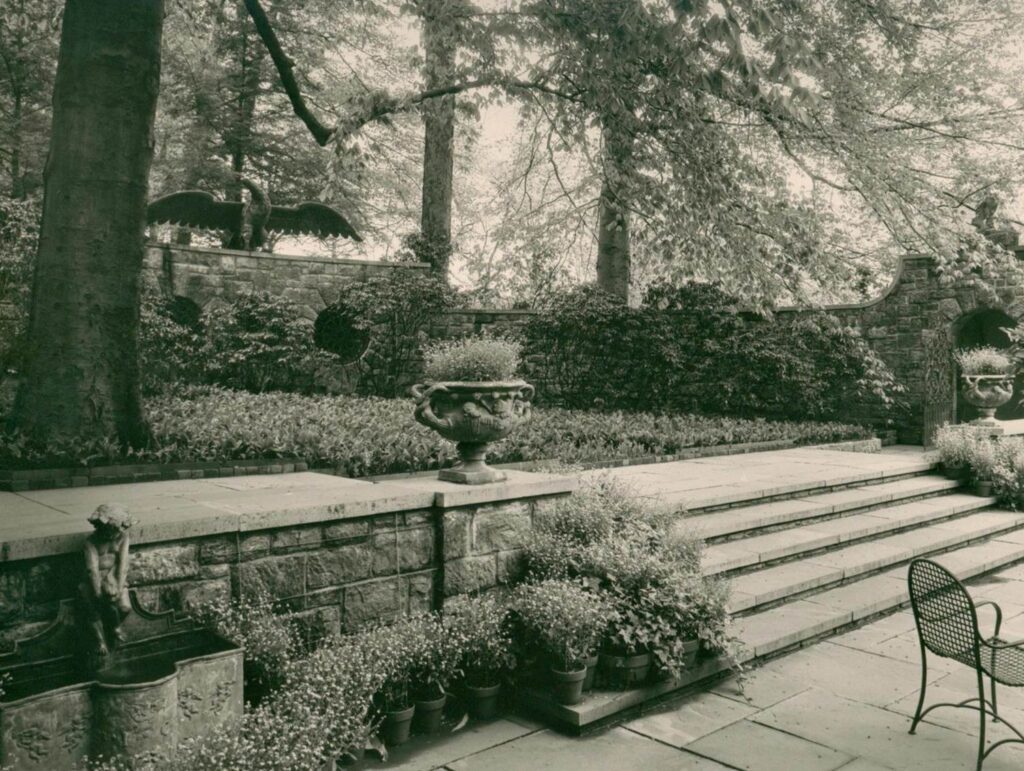
An ongoing project involves restoring two dozen lead garden objects that once embellished spaces such as the Reflecting Pool. Historical images bring to life how these sculptures complemented the landscape, enhancing the overall garden experience.
Restoring the lead collection has become an international collaboration. Winterthur is partnering with H. Crowther Ltd. in London, the studio where Henry Francis du Pont originally purchased most of the museum’s lead garden objects. Crowther’s head restorer, Peter McBride, visited here in 2023 and offered critical insights into our sculptures’ provenance, distinguishing 18th-century originals from 19th-century assemblages and copies.
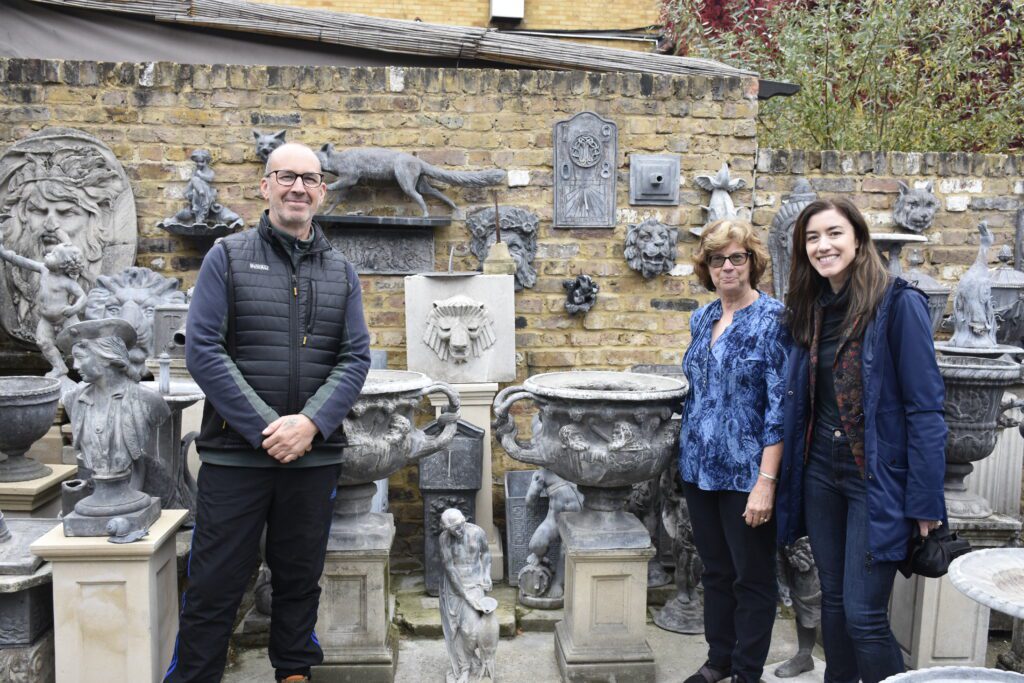
Thanks to generous donor support, twelve lead objects from Winterthur were recently restored at the Crowther studio and will be reinstalled around the Reflecting Pool in late March. Another group of twelve has recently arrived in London and will be restored and returned later this year.
Lead is surprisingly stable outdoors, developing a protective patina over time. Its vulnerability lies in its softness, internal reinforcements that can fail, and—unexpectedly—squirrels. Their extensive chewing damage prompted the conservators to adopt a cayenne-infused wax coating, now applied annually, which has successfully deterred them.
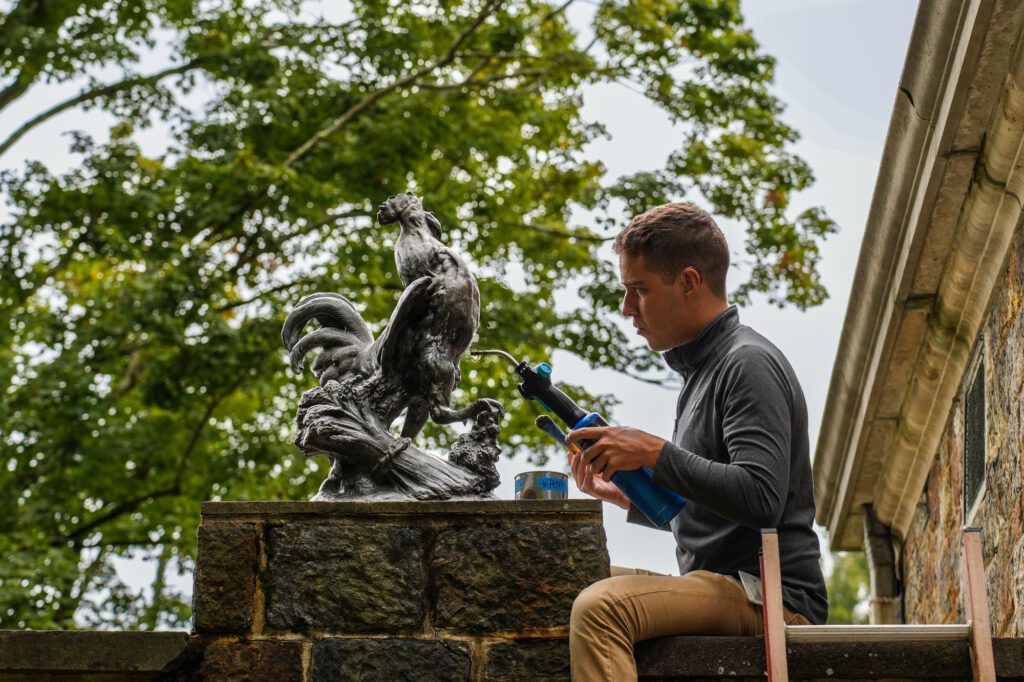
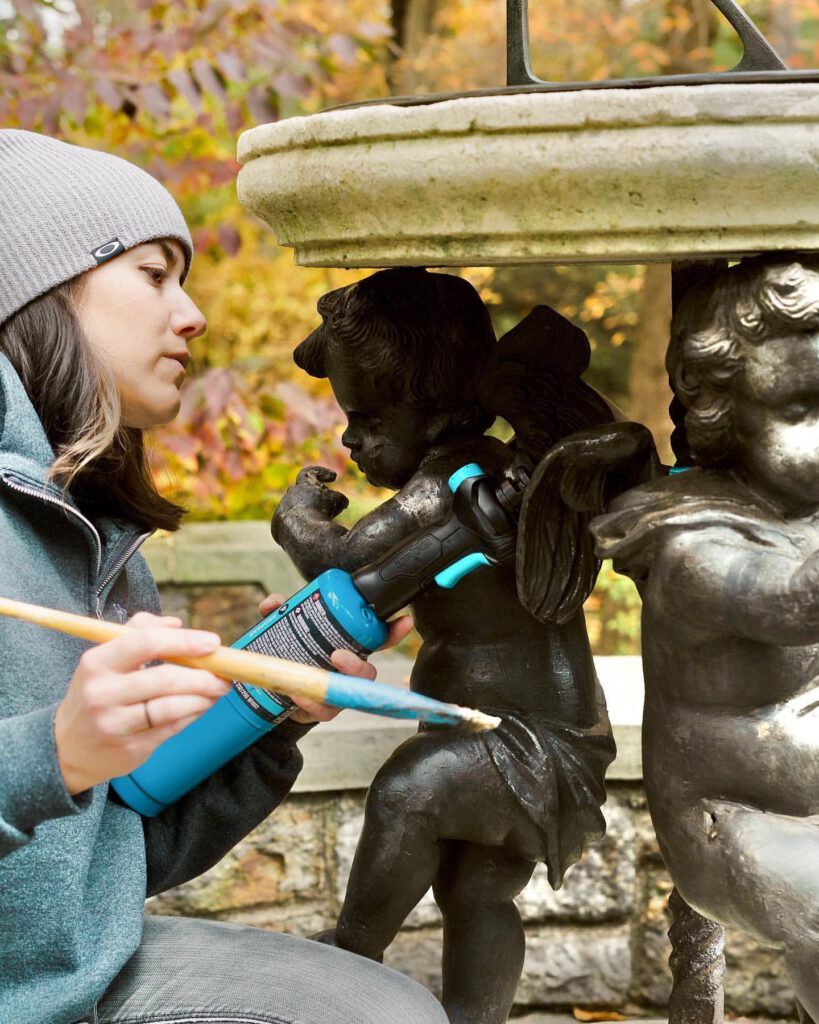
These treatments mark a major step toward reinvigorating historic garden spaces, while reminding us that restoration also brings responsibility. Each returning sculpture requires long-term planning, resources, and consistent care to ensure it can be safely enjoyed outdoors for generations to come. Our conservation and garden teams are committed to doing just that.
We are pleased to welcome our freshly restored sculptures back over the coming months and invite you to enjoy them as they return to their places at Winterthur—as beautiful as ever.