By Molly Mapstone, project assistant
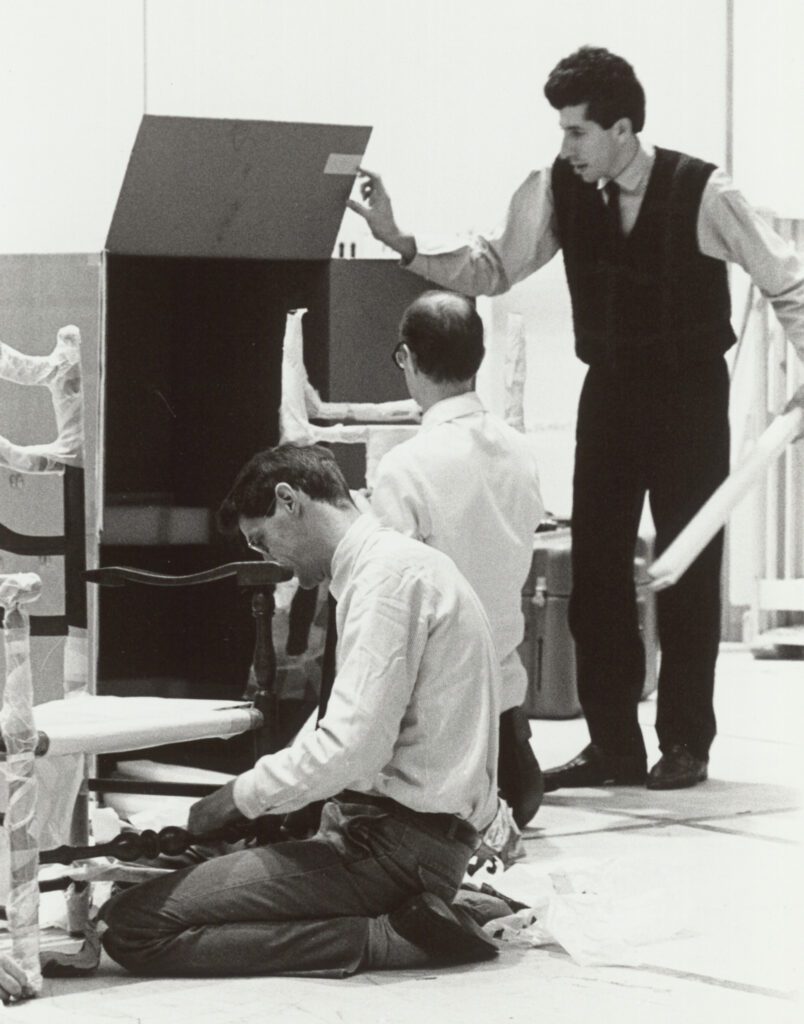
Caring for the many objects in our collection is a constantly evolving operation. Our conservators regularly monitor and perform treatments on a variety of objects, from paintings to ceramics, furniture, and everything in between.
Winterthur has always been on the cutting edge of conservation research and history. Before the museum opened to the public in 1951, our founder, Henry Francis du Pont, employed a specialized staff to care for his collection. Their work formed the foundation for the conservation department. According to Margaret Fikioris, a textile conservator who worked here from 1967 until her retirement in 1990, “Great loyalty and mutual respect were shared between Mr. du Pont and his staff.”
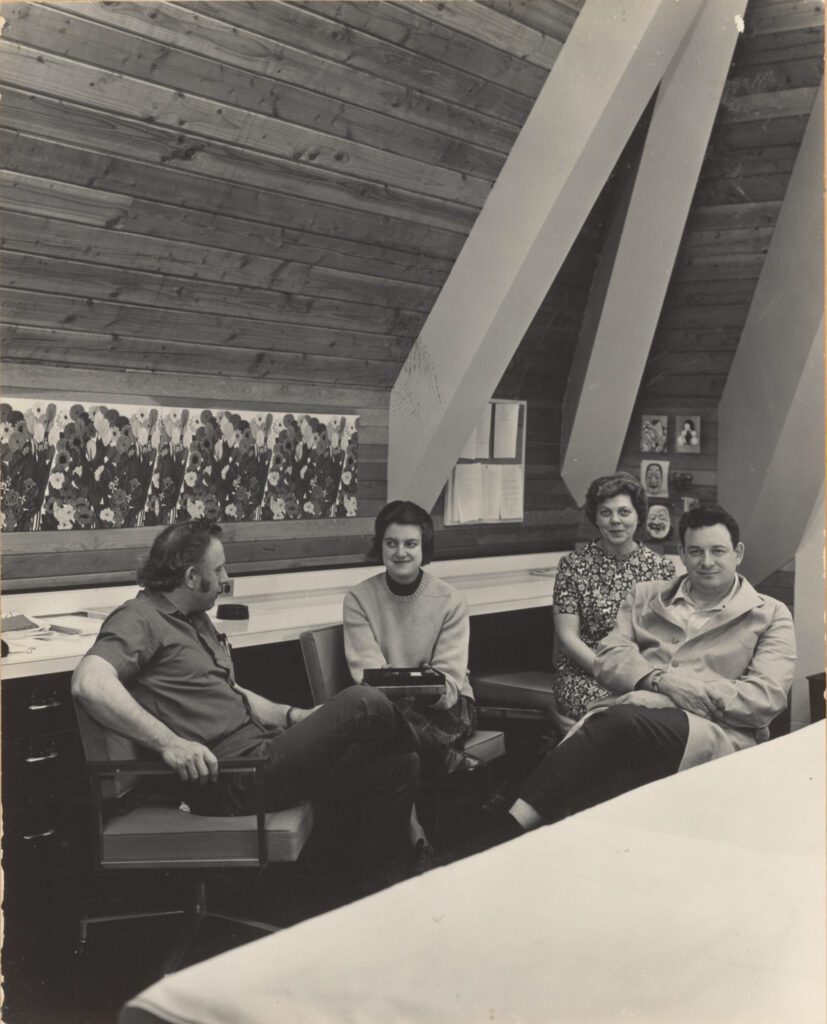
When Winterthur was the private residence of H. F. du Pont and his family, housekeepers, carpenters, and other craftspeople tended to his growing collection of American decorative arts and material culture. Silver required consistent polishing, while furniture was repaired in the woodshop on an as-needed basis. Ceramics, glass, light fixtures, and other objects were cleaned when the family was away. The du Ponts had a special sewing room where historical fabrics were repaired and cleaned following seasonal rotations of curtains, bed coverings, and other furnishing textiles. H. F. referred to his dusters as “secret police,” because they knew exactly where each object in a given room was supposed to be and worked hard to keep everything in pristine condition.
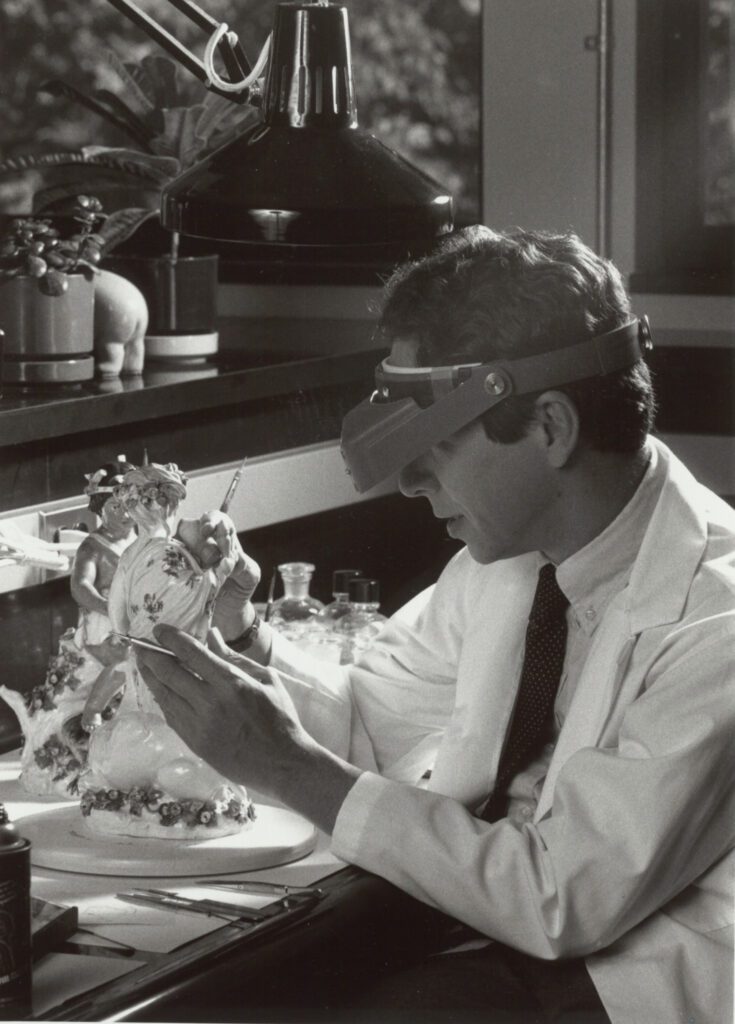
Over the years, H. F. remained interested in new discoveries and research his staff conducted using state-of-the-art facilities and equipment. In the foreword to the 1966 Winterthur catalogue American Furniture he wrote, “Especially interesting to me are the charts of woods and the handsome colored illustrations of inlays and room settings. I find them fascinating.” In 1968, the museum formed a scientific advisory committee, which identified objects that needed extra research to ensure their long-term preservation.
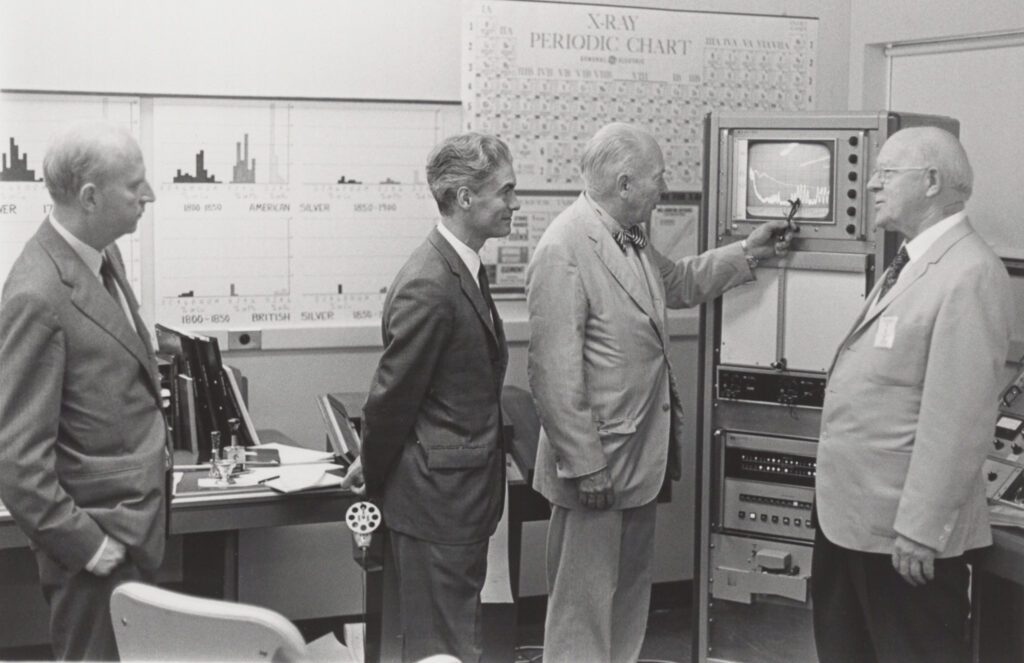
The committee eventually folded into the conservation department, which was established in 1969 when the Louise du Pont Crowninshield Research Building was completed. During the opening ceremony, Lammot du Pont Copeland, Winterthur’s chairman of the board, remarked, “The requirements for the conservation laboratories have come from the needs of the collection assembled by Mr. du Pont. The facilities now provided not only will make it possible to care for the collection effectively but will also enable Winterthur to assume a position of leadership in the field of conservation so important to the art world.”
With state-of-the-art laboratory equipment and a full staff of conservators, we created our second graduate program in 1974, the Winterthur/University of Delaware Program in Art Conservation. Over the course of three years, students receive world-class, hands-on training in the foundations of conservation as well as a focus area of their choice. From Colonial Williamsburg to the Getty and the Museum of Modern Art, graduates of the program work in major art and cultural heritage institutions in the United States and abroad.
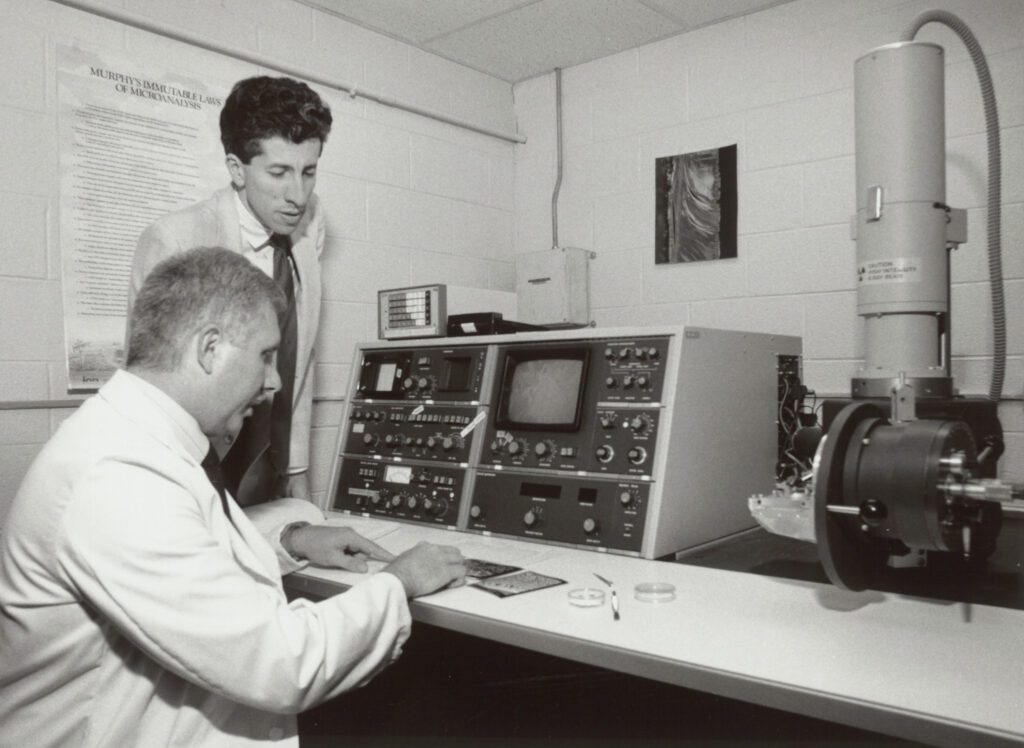
One year after the conservation graduate program began at Winterthur, Joyce Hill Stoner established the Foundation for Advancement in Conservation (FAIC) Oral History Project. She went on to become a paintings conservator at Winterthur and director of the newly established preservation studies Ph.D. program at the University of Delaware. In 2004, the FAIC Oral History Project records were transferred to the Winterthur Library, where researchers can learn more about the history of the profession. Select interview recordings, transcripts, photographs, and more are available online via the Winterthur Library Digital Collections website.
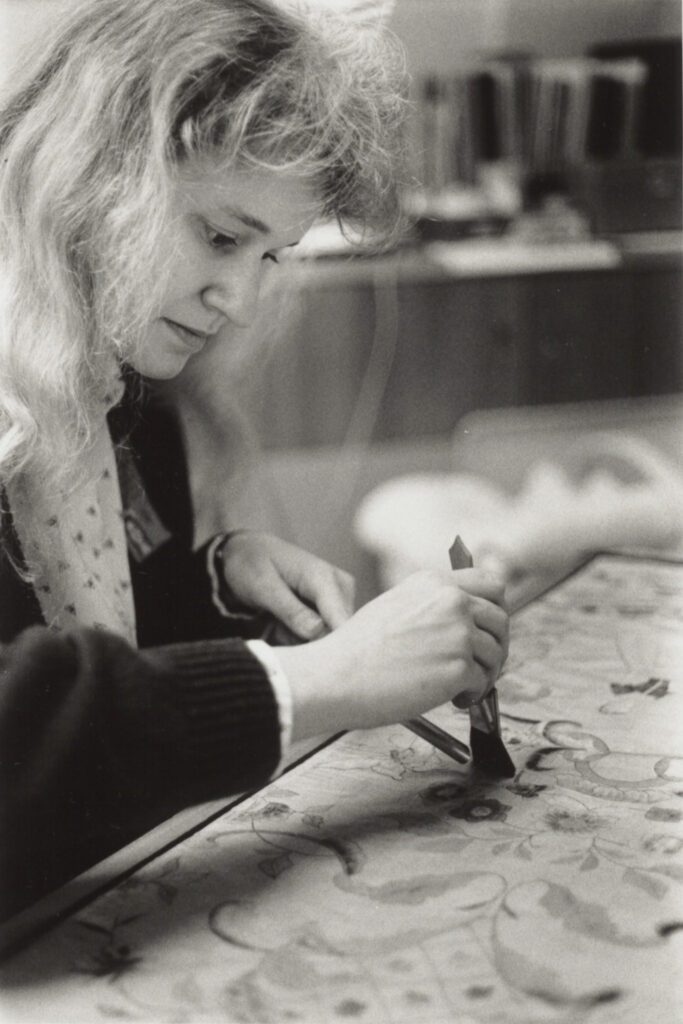
Today, Winterthur is a leader in community-focused conservation. On select Thursdays, September through April, anyone can register for a Conservation Clinic appointment to receive advice on how to preserve their cherished objects. Those who are unable to travel here can pick up a copy of Caring for Your Cherished Objects from our store. Want to know more about what you can do to save your family heirlooms during an emergency? Attend our Community Conservation Workshop on November 7, 2026. This workshop is jointly sponsored by the University of Delaware’s Disaster Research Center to recognize the 60th anniversary of the 1966 Florence Flood. In hosting this event to commemorate this tragedy and those who worked to dig Florence and its treasures out of the mud, Winterthur continues to serve as the preeminent institution for conservation, just as Copeland said in 1969.