By William Donnelly, associate preventive conservator and WUDPAC affiliated assistant professor
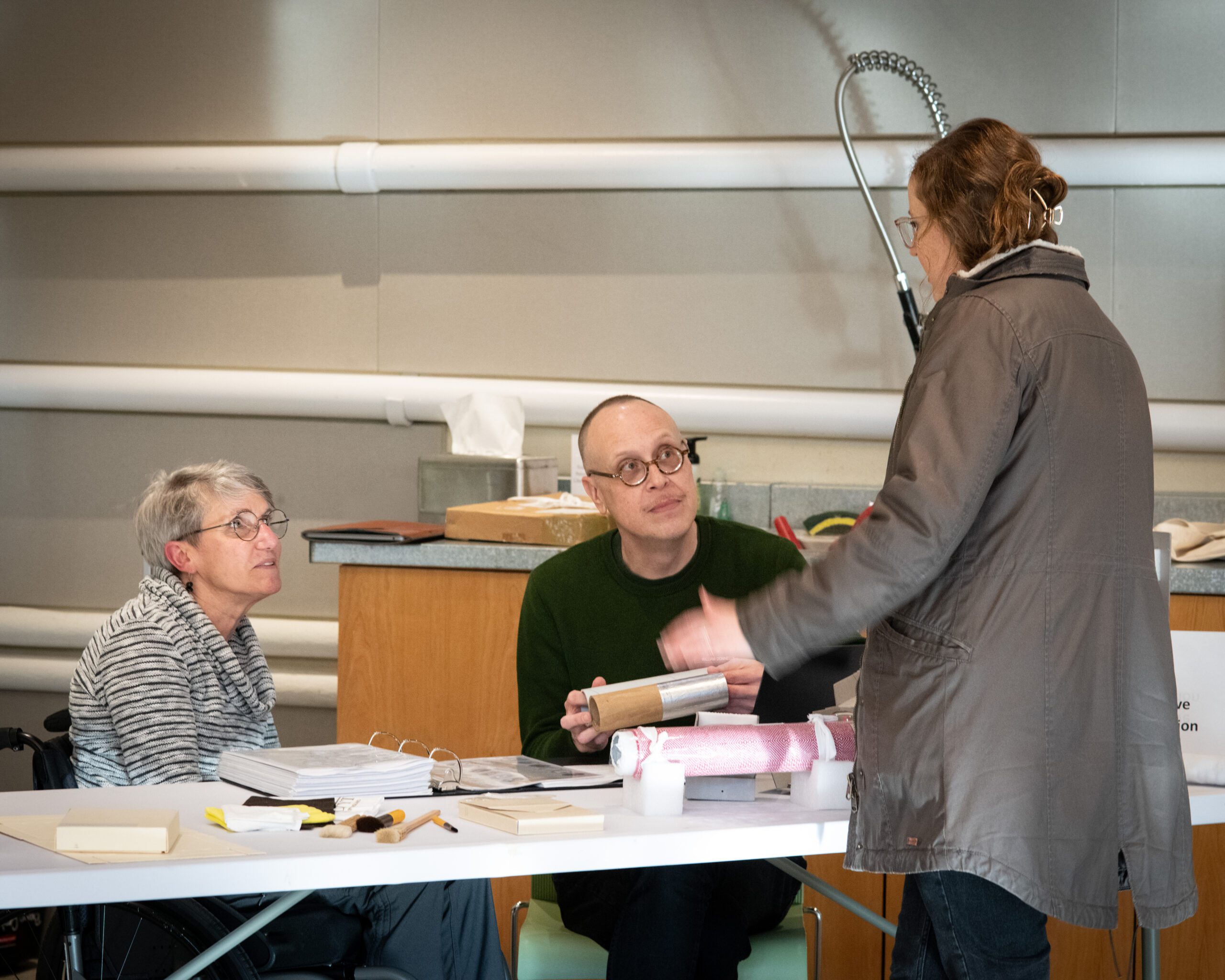
As Winterthur’s preventive conservator, I safeguard the health of the collection, its environment, and its long-term care. Preventive conservation functions as an umbrella discipline, encompassing and coordinating many aspects of museum stewardship. At its core, it’s a community-centered approach to cultural heritage preservation—whether practiced in an institution, in private collections, or by volunteers supporting local churches, veterans’ organizations, and community groups.
One of the areas I oversee at Winterthur is integrated pest management. A dedicated team of preventive technicians maintains a network of monitoring traps that alert us to potential issues with the building envelope (which separates the interior of a building from the exterior, and includes the roof, walls, floors, windows, and doors) and possible infestations affecting collection areas. When pests are detected, we apply targeted eradication methods, including low-temperature and carbon dioxide treatments.
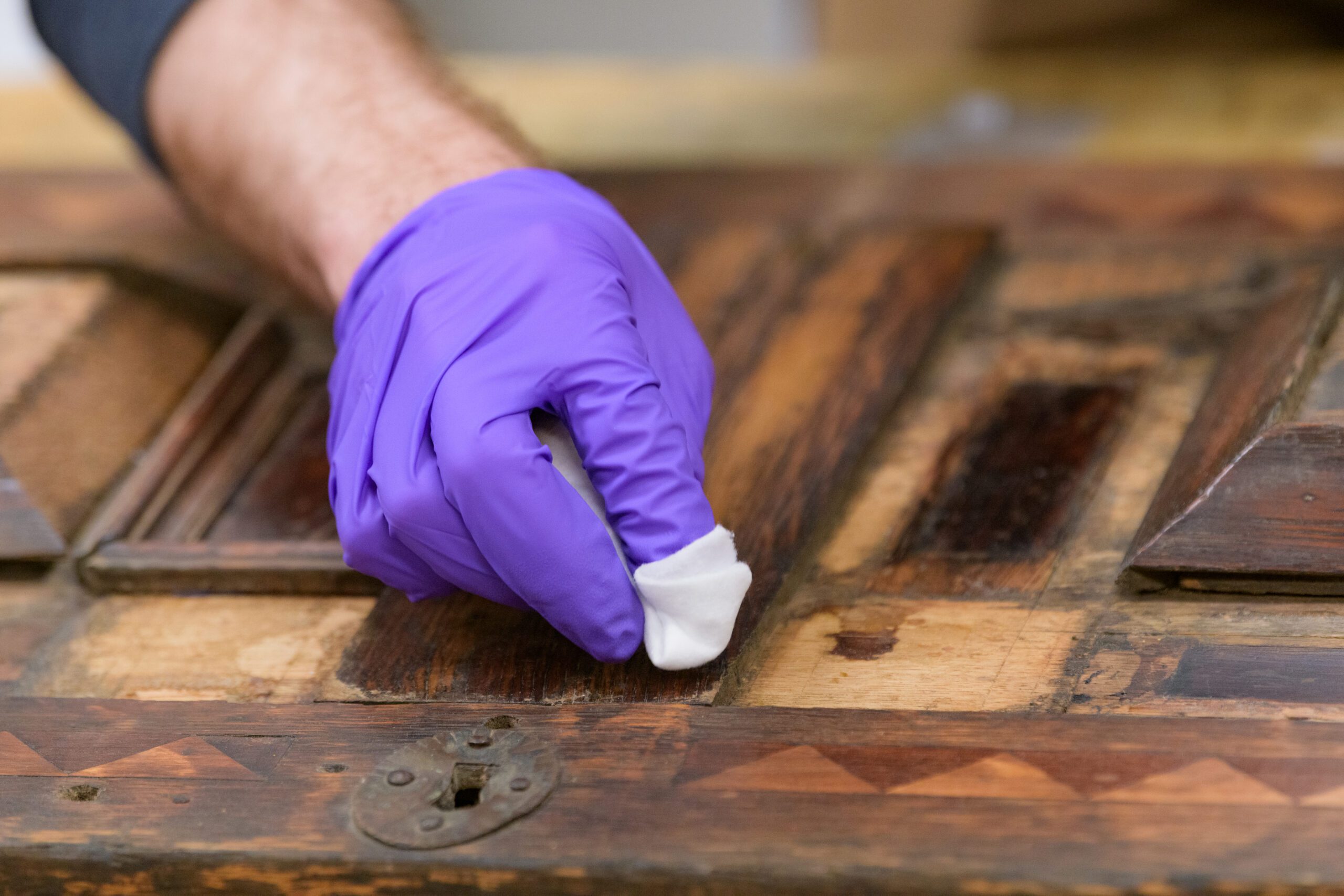
I also work as a professor in the Winterthur/University of Delaware Program in Art Conservation and I advise students on object treatment and preventive strategies, which occasionally involve pest mitigation. Many students are interested in working with ethnographic and indigenous materials, which require cultural sensitivity and specialized handling. With that in mind, I decided to pursue a museum studies certificate through the Institute of American Indian Arts.
The program consists of ten courses, and I am currently completing the ninth, which focuses on Indigenous Intellectual Property (Indigenous IP). The course explores how legal frameworks intersect with cultural values. United States intellectual property law mainly protects individual rights, while Indigenous IP is rooted in collective ownership and designed to endure indefinitely. This contrast reveals how conventional legal systems often fail to encompass the cultural realities of Indigenous communities.
When I began the certificate program, I expected to learn primarily about the care and handling of materials. While I have gained those practical skills, the deeper lessons have been far more transformative. I now understand that community-centered work requires entering a project without an agenda. Most importantly, I’ve learned more of what it means to preserve cultural heritage. When communities define their own goals and have a true stake in the outcome, the results are more authentic and lasting. Many Indigenous traditions rely on oral histories to carry forward identity and knowledge. Sacred or ceremonial objects, when needed for rituals, are passed down with the understanding of their care and, when necessary, the ability to reproduce them for future generations.
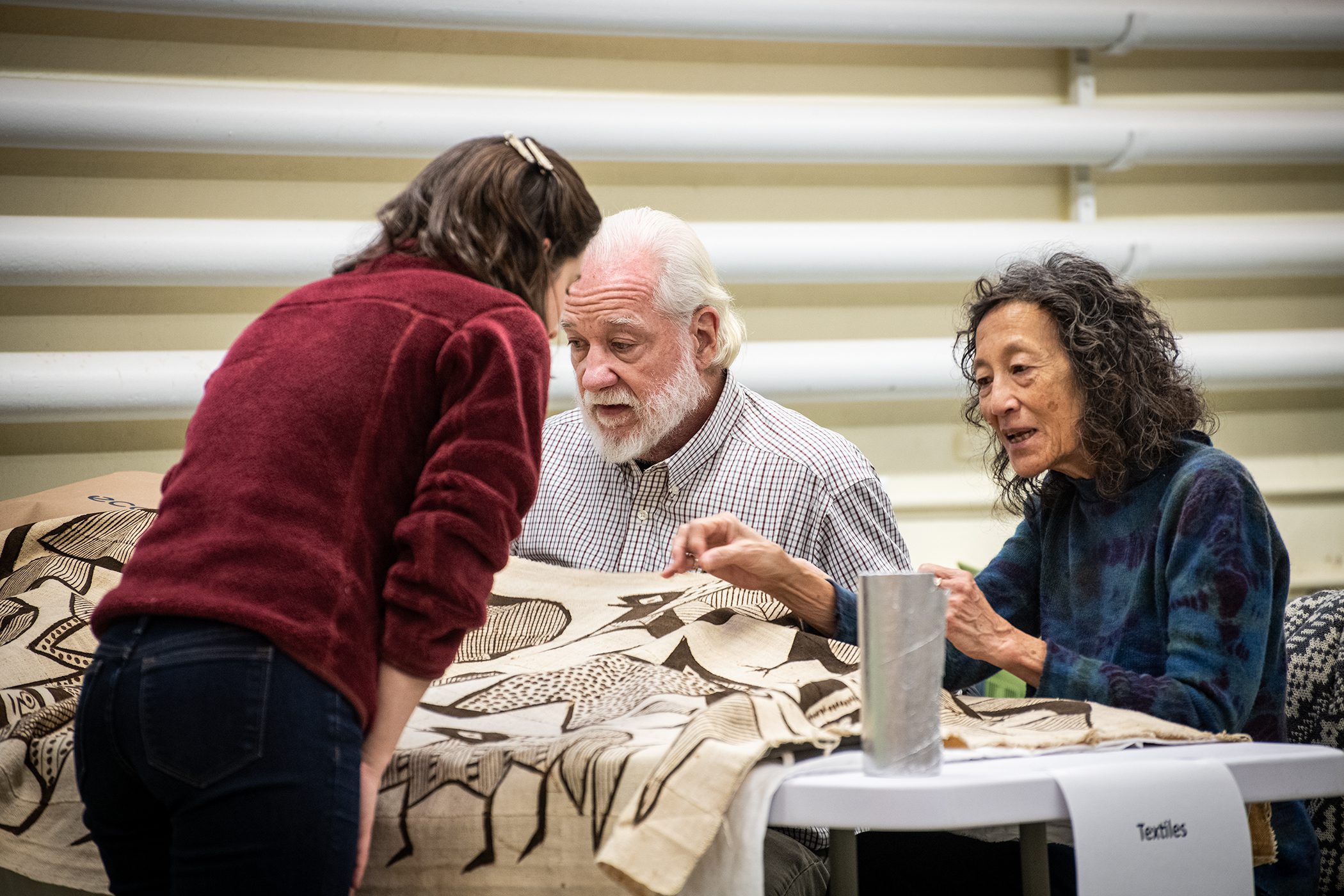
At Winterthur I often encounter family archives that serve a similar purpose—preserving stories and memories through meaningful objects. Whether in a museum or family home, these collections link people to their pasts and ensure their stories live on. In a world that can feel fractured, it’s grounding to remember that preservation connects us through shared human desires: to be remembered, to honor our histories, and to safeguard the legacies entrusted to our care.