
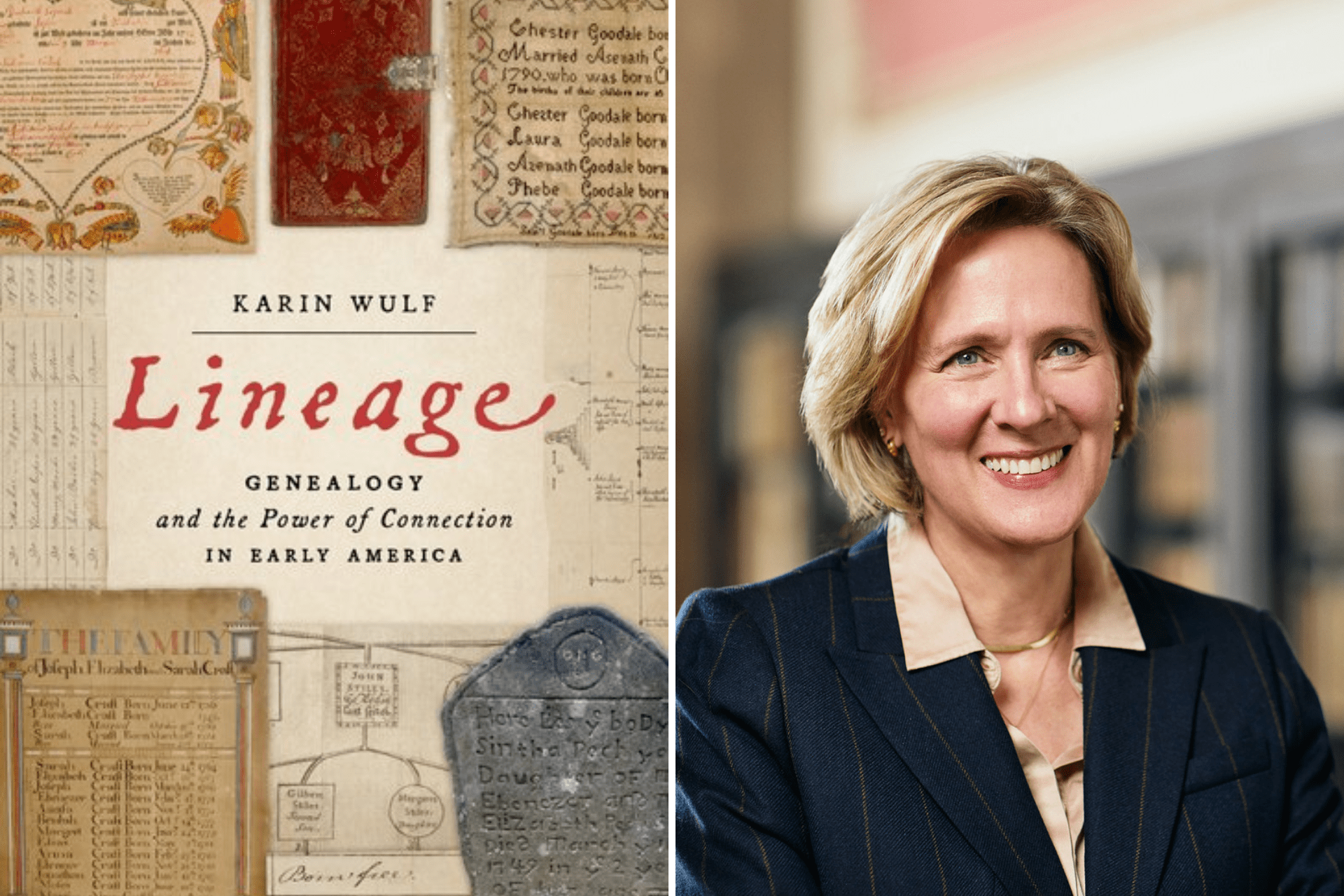
Genealogy in Early America
In 18th-century America, genealogy was more than a simple record of family ties–it was a powerful force that shaped society. Karin Wulf’s book, Lineage: Genealogy and the Power of Connection in Early America. delves into an era where individuals, families, and institutions meticulously documented their connections. It reveals the profound importance of genealogy that was chronicled by court documents, family records, and cultural artifacts, like many objects in Winterthur’s collections. These materials, created by both enslaved individuals seeking freedom and founding fathers seeking status, demonstrate the culturally and historically specific nature of genealogical interest. Even as the American Revolution transformed society, the significance of genealogy endured. The legacy of lineage from the colonial period continued to shape the early United States, underscoring the enduring importance of family connections. Lineage offers a deep understanding of genealogy as a foundational element of American history, illuminating its vital role from the colonial era through the birth of the nation. Karin Wulf is director and librarian, The John Carter Brown Library, and professor of history, Brown University.
The Research at Winterthur series, presented by the Winterthur Library and the Research Fellowship Program, showcases new projects and publications that tap into our rich collections and resources, unveiling innovative perspectives for exploring the fascinating stories that objects can tell about people and our shared past. Registration required. Included with admission. Members free.
Join us for additional talks in the series on April 16, April 19, May 1, and May 8.